Multi-Head
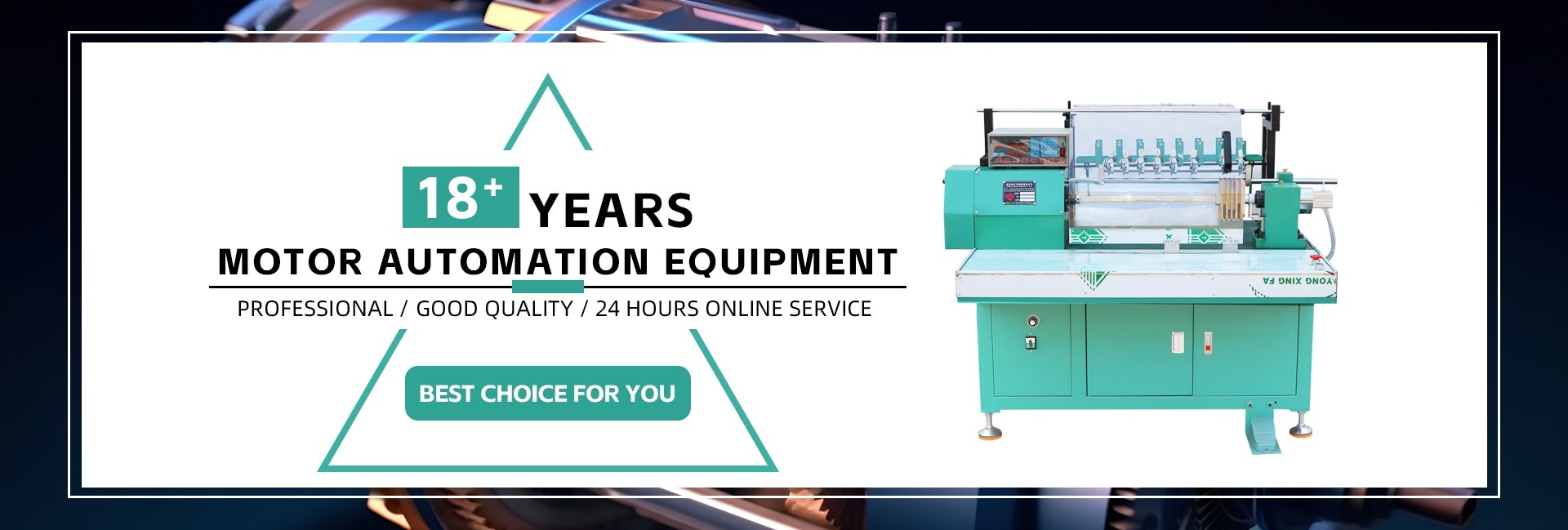
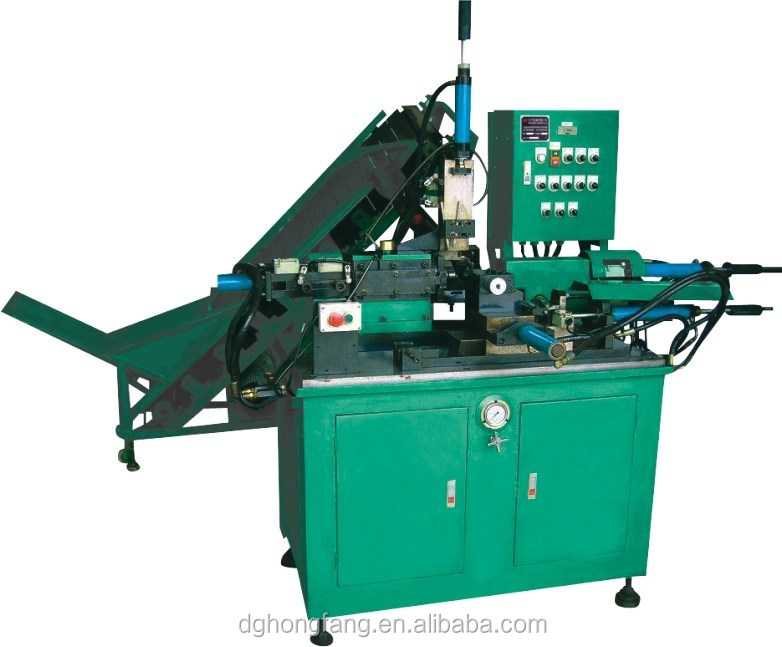
HF-R22 8-Head Semi-Automatic Coil Winding Machine
- Simultaneous 8-station flyer winding
- Engineered for table fan & cooler coil groups
- Wire range: 0.10 – 1.20 mm enamelled wire
- High-speed automatic turn-counting
Comprehensive technical guidance designed for plant directors, automation engineers, and procurement managers seeking optimal yield, reduced cycle times, and robust compliance.
In high-volume electric fan manufacturing, the table fan motor stator winding machine serves as the heartbeat of the production facility. Whether winding conventional capacitor-run shaded-pole AC stators or high-efficiency brushless DC (BLDC) inner/outer stators, selecting the appropriate winding technology directly dictates coil packing factor, thermal dissipation, copper consumption, and line throughput.
Global original equipment manufacturers (OEMs) and contract manufacturers in Southeast Asia, South Asia, Latin America, and the Middle East are frequently confronted with crucial questions when sizing winding equipment: How do we balance high-speed flyer winding against enamelled wire insulation rupture? What is the practical trade-off between dedicated multi-head winders and quick-changeover CNC dual-station machines? How can a factory future-proof its production lines against the rapid transition toward energy-efficient BLDC motors?
Modern table fan motors operate under strict thermal rise limits and acoustic thresholds. Vibration or uneven electromagnetic flux often stems from irregular coil winding tension or unbalanced turn counts between stator phases. Winding machines designed by Zunqi Intelligent Equipment Co., Ltd. incorporate heavy cast-iron beds with precision ground linear guide rails and dual-servo closed-loop tensioners to address these issues:
Field-proven machines engineered in our Dongguan plant for domestic table fans, desk ventilators, orbit fans, and pedestal fan motors. Configured with customizable tooling to your exact lamination drawings.

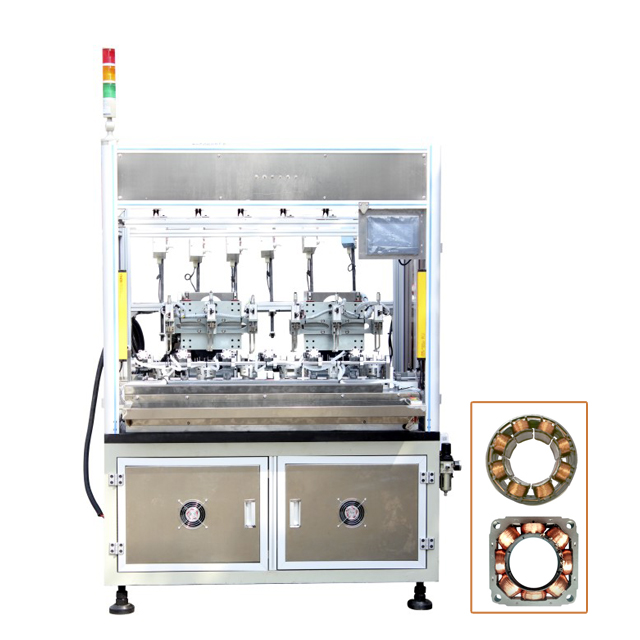
As global environmental directives like ErP and Energy Star tighten efficiency metrics, stator winding lines are evolving rapidly from isolated mechanical devices to interconnected, highly adaptable production cells.
Standard shaded-pole and capacitor-run fan motors typically yield 30% to 50% energy efficiency. The international push for inverter-driven BLDC table and stand fans (which consume up to 60% less electricity) requires machinery capable of concentrated needle winding on segmental or inner star stators. Buyers must select machines with modular tooling heads capable of supporting both legacy AC stators and rising BLDC platforms.
High-speed automated winding can compromise wire enamel through micro-abrasions that bypass standard manual inspection. Future-ready procurement strategies require winders equipped with digital closed-loop electronic tension controllers and ceramic multi-point guide tracks. Real-time tension variance logging allows plants to catch defective wire batches before mass assembly.
Purchasing an isolated high-speed winder often creates severe bottlenecks at manual coil insertion or end-turn lacing stations. Global buyers increasingly procure balanced manufacturing cells where insulation paper insertion, coil winding, simultaneous coil/wedge insertion, hydraulic forming, and dual-side servo lacing are synchronized to a unified takt time of under 15 seconds per unit.
Fluctuating global copper prices push fan motor makers to substitute enamelled aluminium or CCA wire. Because aluminium wire features lower tensile strength and higher elongation risk, winding machines require gentler acceleration curves, customized feeder rollers, and specialized welding-compatible lead termination systems to ensure flawless operation.
Smart factory environments demand that motor stator winders interface seamlessly via Modbus TCP, OPC UA, or Ethernet/IP. Plant managers monitor production metrics, turn counts, cycle times, and servo thermal loads remotely, shifting maintenance schedules from reactive repair to predictive replacement of wear blades and bearings.
Consumer preferences shift rapidly across blade sizes (12-inch, 16-inch, 18-inch) requiring seasonal changes in stator lamination stack height and wire gauge. Leading procurement teams demand Single-Minute Exchange of Die (SMED) features, where clamping fixtures, flyer forms, and guide plates can be swapped within 30 minutes without specialized tools.
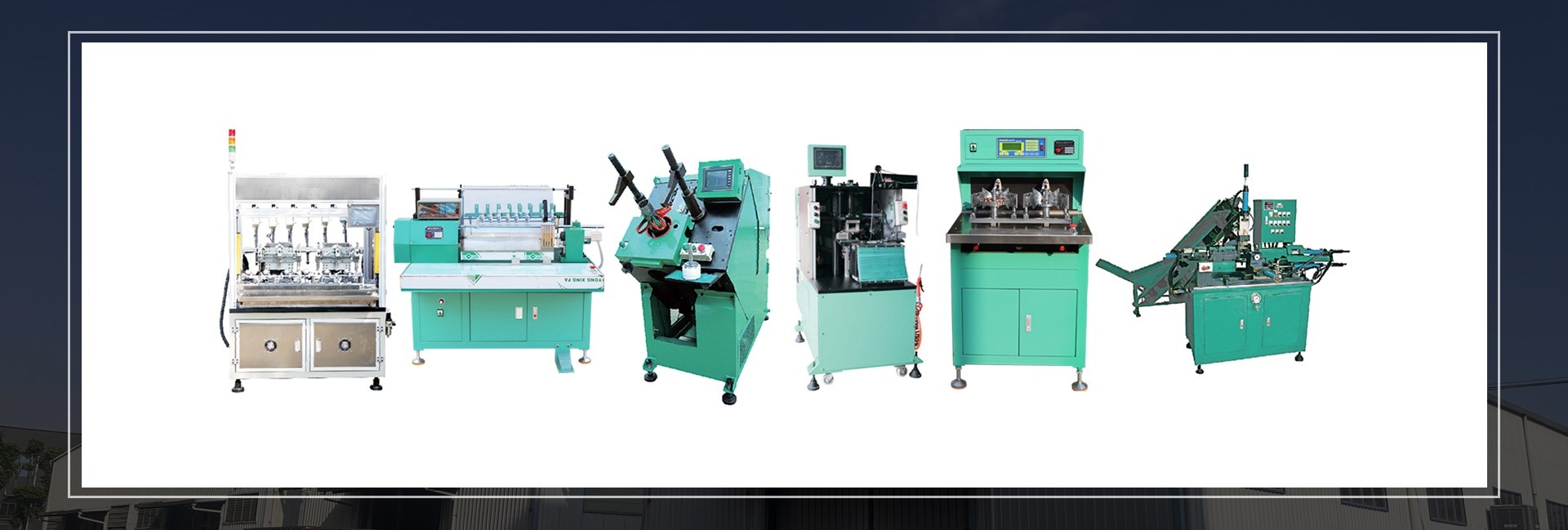
Review the standard 8-stage manufacturing process for table fan motor stators. Align your production targets against our recommended machinery and technical input parameters.
| Step | Manufacturing Stage | Recommended Equipment | Process Parameters & Function | Technical Data to Provide |
|---|---|---|---|---|
| 1 | Slot Cell Insulation | Automatic Slot Insulation Inserting Machine | Feeds, creases, cuts, and pushes DMD/Nomex/Mylar paper into stator slots at up to 0.5s per slot. | Stator OD/ID, stack height, slot shape/dimensions, paper thickness. |
| 2 | Coil Group Winding | Table Fan Motor Stator Winding Machine | High-speed flyer or multi-head winding of main and auxiliary winding groups with precise turn accuracy. | Wire diameter (Cu/Al), turns per coil, coil spread, slot fill calculation. |
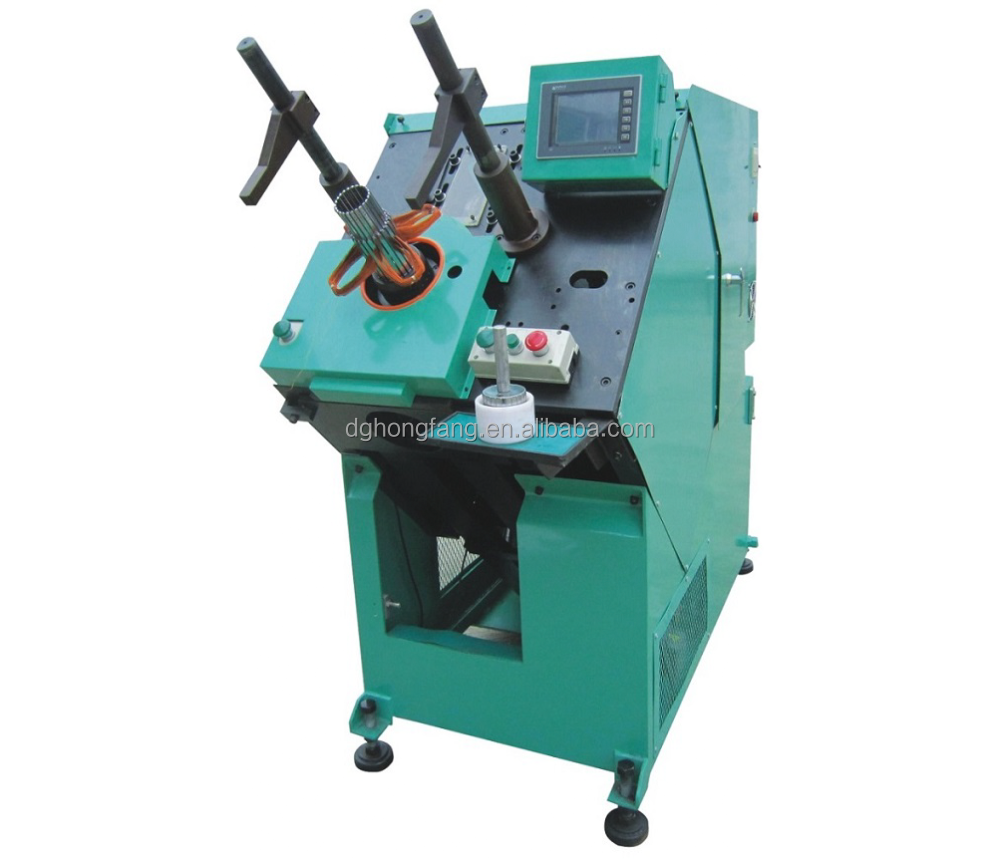
| 3 | Coil & Wedge Inserting | Automatic Wedge & Coil Inserting Machine | Pushes wound coil bundles and formed slot wedges into stator slots simultaneously without wire crossing. | Stack height, slot opening width, wedge material (fibre/bamboo/plastic). |
| 4 | Intermediate Forming | Hydraulic Stator Coil Forming Machine | Pre-shapes coil overhang to clear the stator bore and maintain necessary end-turn height clearance. | Maximum allowable overhang height, stator bore diameter, winding head profile. |
| 5 | Coil Head Lacing | Servo Double-Side Stator Lacing Machine | Simultaneously binds both sides of the stator end windings with diamond or slot-by-slot cord ties. | Lacing pattern preference (every slot or skip slot), thread material, cycle target. |
| 6 | Final Sizing Forming | Final Precision Stator Forming Machine | Ensures precise outer diameter and end-turn shape so the stator fits smoothly inside the fan motor housing. | Motor housing internal envelope dimensions, lead-wire exit orientation. |
| 7 | Rotor Surface Turning | HF-C60 Rotor Fine Turning Machine | Precision CNC lathe cut on rotor laminations to establish uniform concentricity and air-gap spacing. | Rotor core OD, shaft length, runout tolerance limit (≤0.005 mm). |
| 8 | Shaft Hydraulic Pressing | Electric Motor Rotor Shaft Pressing Machine | Servo-hydraulic press-fitting of table fan iron/steel shaft into the laminated rotor core. | Interference fit dimension, pressing tonnage requirement, stroke limit. |
Engineering Recommendation: Send 2-3 physical blank stator core stacks and your target coil specification to Zunqi Intelligent Equipment Co., Ltd. Our engineering workshop will complete custom tooling trials and provide certified FAT video documentation before crate dispatch.
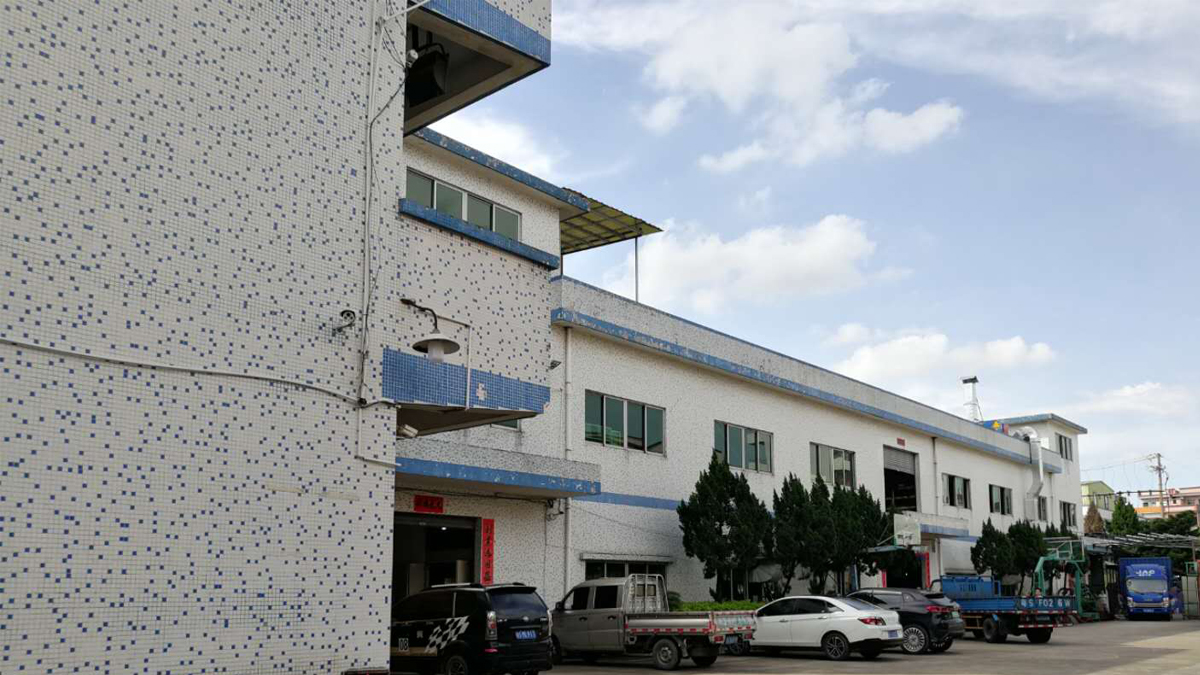
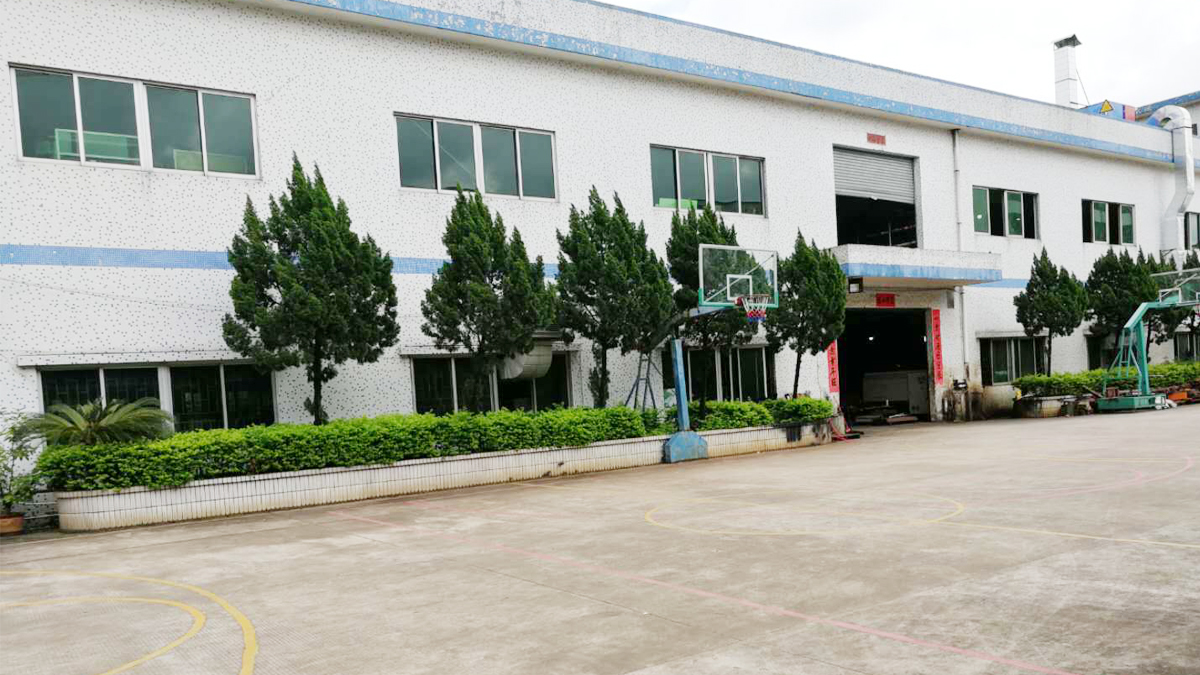
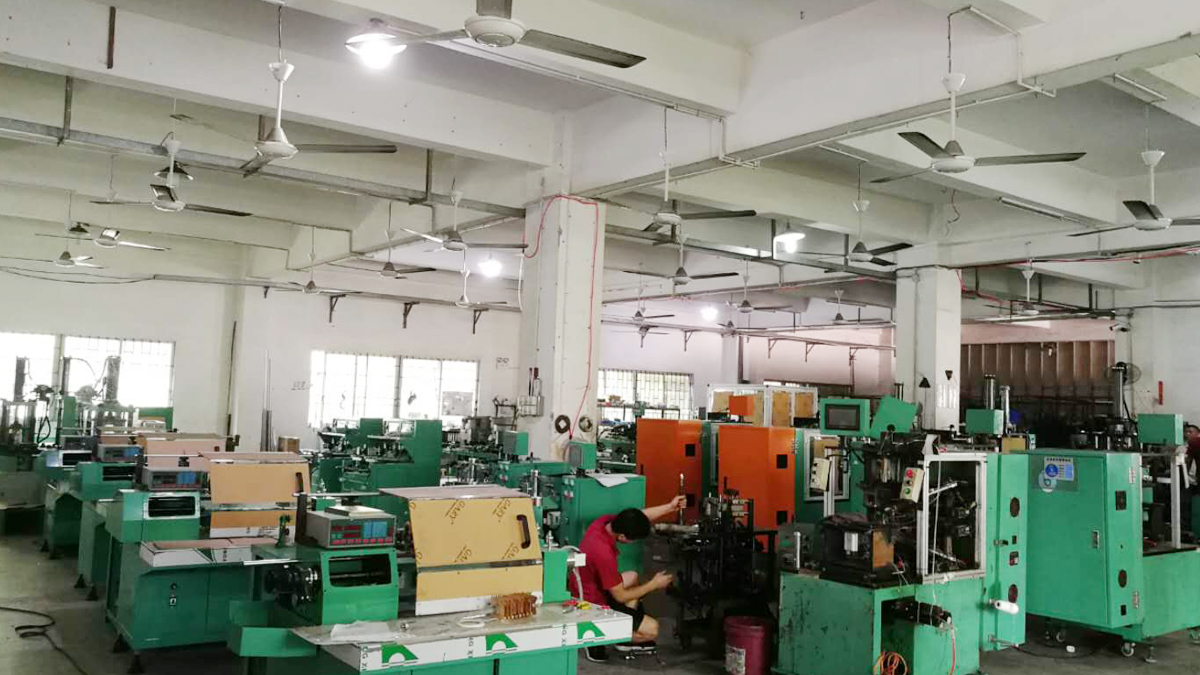
Zunqi Intelligent Equipment Co., Ltd. (formerly recognized in regional export development as Hongfang Machinery) is a dedicated motor automation equipment manufacturer headquartered in Qishi Town, Dongguan City, Guangdong Province, China. For more than 17 years, our engineering team has designed, machined, and commissioned robust stator and rotor production equipment for table fan, ceiling fan, washing machine, pump, and BLDC motor manufacturers worldwide.
Straightforward technical answers to queries routinely posed by manufacturing engineers, plant managers, and global procurement specialists during line commissioning.
Our table fan motor stator winding machines are engineered to handle a broad range of wire types and gauges:
Wire Types: Enamelled copper wire, enamelled aluminium wire, and copper-clad aluminium (CCA) wire.
Diameter Range: Standard configurations operate from 0.10 mm to 0.45 mm for small household table fan stators, with heavy-duty tooling options capable of winding up to 1.20 mm for high-torque industrial ventilators. Electronic magnetic tensioners and ceramic polished eyelets eliminate friction points to ensure wire elongation is held under 1.5%.
Yes. Our CNC and PLC control systems store multiple winding programs. While traditional AC shaded-pole or capacitor-run induction stators require specific coil forming and insertion tooling, switching between stack heights or turn counts within the same lamination OD/ID is accomplished via touch-screen recipe selection.
For factories introducing brushless DC (BLDC) inner or outer stators, our modular winding flyers and needle heads can be swapped within 30 to 45 minutes, allowing a single machine to fulfill versatile seasonal batch demands.
Practical output capacity depends on turn count per coil, wire diameter, and operator dexterity:
Dual-Station Automatic Winder: Typically produces between 70 and 120 completed stators per hour on standard 4-pole/8-pole table fan specifications.
8-Head Multi-Station Machine (HF-R22 Series): Winds multiple coils in parallel, reaching throughputs of 180 to 250 units per hour for centralized inserting workflows.
Enamel scratch prevention is paramount to avoiding high breakdown rates at final surge testing:
1. Every wire guide path utilizes high-purity mirror-polished ceramic or tungsten carbide rings.
2. Dynamic closed-loop tensioners adjust braking force smoothly during flyer acceleration and deceleration.
3. Coil and wedge insertion tooling features hardened chromium-vanadium tool steel (HRC > 60) coated with titanium carbonitride to ensure zero pinching or chafing as coils are transferred into narrow slot openings.
Payment Terms: Standard terms are 30% T/T deposit upon order confirmation and 70% balance prior to factory dispatch upon final inspection approval. Confirmed irrevocable Letters of Credit (L/C) are also accepted.
Warranty: 1-year comprehensive warranty on all structural, mechanical, and electrical components.
Commissioning: We provide full Factory Acceptance Testing (FAT) video documentation running your physical stators before dispatch. For installation, we offer detailed bilingual manuals, wiring diagrams, and high-definition video assistance. Field engineering dispatch is available for turnkey line installations.
Connect with Zunqi's senior automation engineers today. Send your stator lamination drawings and daily target volume to [email protected] for a comprehensive proposal within 9 hours.
