Flagship Model 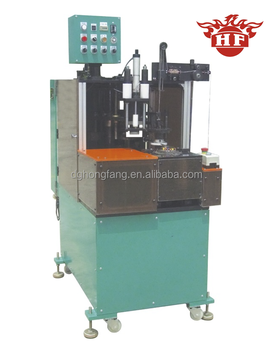
HF-BS20 Servo Double-Side Lacing Machine
- Dual-needle synchronized servo stitching
- Programmable slot, skip-slot, and reverse indexing
- Dynamic thread cutting & needle auto-parking
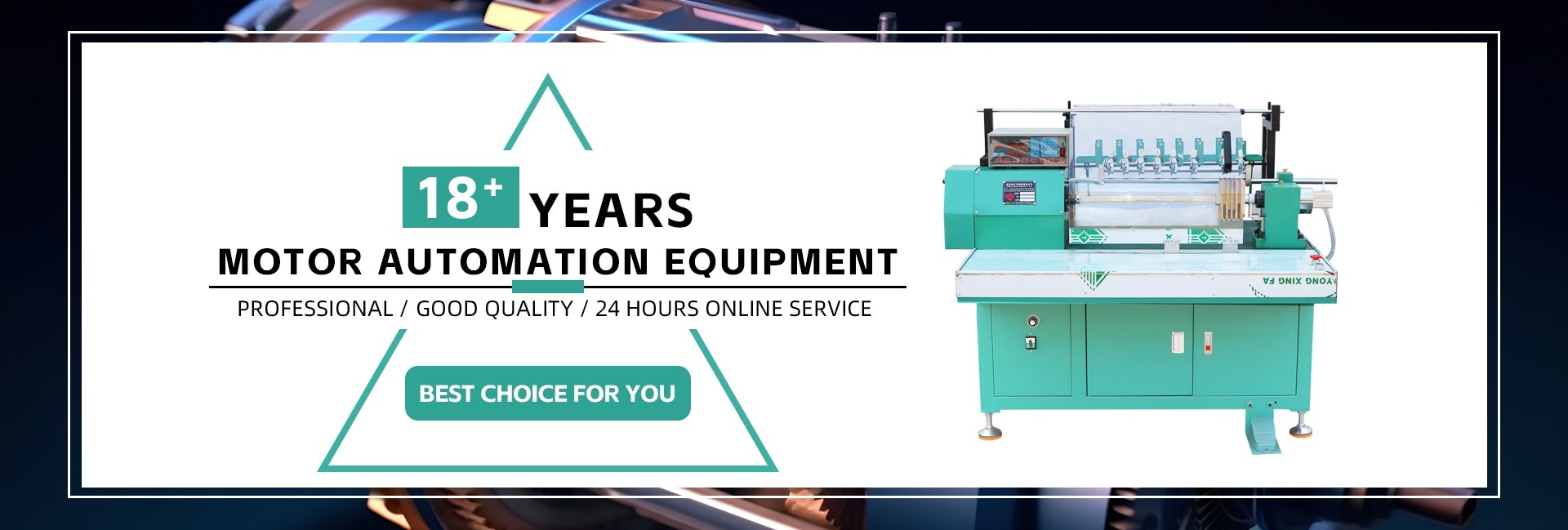

In modern automated stator manufacturing lines, winding retention cannot rely on loose cords, asymmetrical tension, or labor-intensive turnover steps. The servo motor coil double side lacing machine binds top and bottom end-turns simultaneously, eliminating phase insulation displacement, slot distortion, and internal micro-scratches.
| Performance Metric | Single-Side Manual Turnover Lacing | Zunqi CNC Servo Double Side Lacing | Operational Advantage & Impact |
|---|---|---|---|
| Cycle Time Per Stator | 55 – 90 seconds (requires operator flip) | 12 – 24 seconds total cycle | Up to 300% throughput gain per single workstation |
| Tension Consistency | Spring friction (drifts with temperature & speed) | Closed-loop dynamic servo control | Consistent bundle compaction; zero wire stretching |
| Phase Insulation Integrity | Vulnerable to secondary manual manipulation | Stationary fixture dual clamping | Guarantees 100% phase separation retention |
| Stitch Pattern Flexibility | Fixed mechanical cam indexers | Programmable HMI recipe selection | Instant switch: slot-by-slot, skip-slot, or fancy cross |
| Labor Utilization | 1 dedicated full-time operator per machine | 1 operator manages 3–4 automated cells | Dramatically lowers labor costs and operator fatigue |
| End-Turn Radial Runout | Uneven manual compression (leads to bore collisions) | Uniform balanced dual-needle pinch | Perfect bore clearance for subsequent rotor insertion |
Field-proven machines designed, machined, and programmed inside our Dongguan facility. Every machine is calibrated to custom stator geometries and delivered production-ready.


How Tier-1 and Tier-2 motor builders are navigating rising copper prices, higher efficiency standards, and shifting production footprints.
Procurement directors are shifting away from fragmented equipment sourcing. Purchasing individual winders, inserting units, and lacers from disparate suppliers causes software communication gaps, tooling height discrepancies, and elongated commissioning. Modern requests require unified mechanical baselines, standardized PLC protocols, and synchronized cycle balancing.
Escalating European and Japanese machine lead times and proprietary service fees have prompted factories in North America, Latin America, Southeast Asia, and Europe to prioritize open-architecture platforms. Specifying global commercial PLC and servo ecosystems (such as Mitsubishi, Siemens, or Delta) allows local technical maintenance teams to troubleshoot without proprietary vendor locks.
With stringently enforced international energy efficiency standards (IE4 super premium and IE5 ultra-premium), motor designers are shrinking overhang coil dimensions to reduce copper mass and I²R resistive thermal losses. Dual-needle servo lacing delivers the high, repeatable strapping tension required to compact winding heads securely, enabling tighter end-shield tolerances.
Key technological transformations taking place across servo-driven stator coil double side lacing machine architecture.
Traditional mechanical linkages are being replaced by multi-axis electronic camming. Programmable servo motors independently drive the upper needle, lower needle, rotary indexing table, and cord feed spool. Closed-loop load-cell feedback constantly modulates thread tension, ensuring fragile slot liners and fine magnet wires are never exposed to excessive tensile forces.
Integrated high-speed machine vision systems are increasingly deployed on lacing heads. Real-time vision verifies lead wire orientations, detects misplaced phase insulation sheets before the needle descends, and confirms stitch knot security after binding. This eliminates dry punctures, needle breakages, and unlaced coils.
Smart factory compliance requires comprehensive data visibility. Contemporary lacing stations incorporate Industrial Ethernet (Modbus-TCP, Profinet, EtherCAT) to log lacing torque profiles, cycle durations, stitch count anomalies, and pneumatic pressure decay. Predictive analytics flag dull needle points and guide bushing wear prior to part degradation.

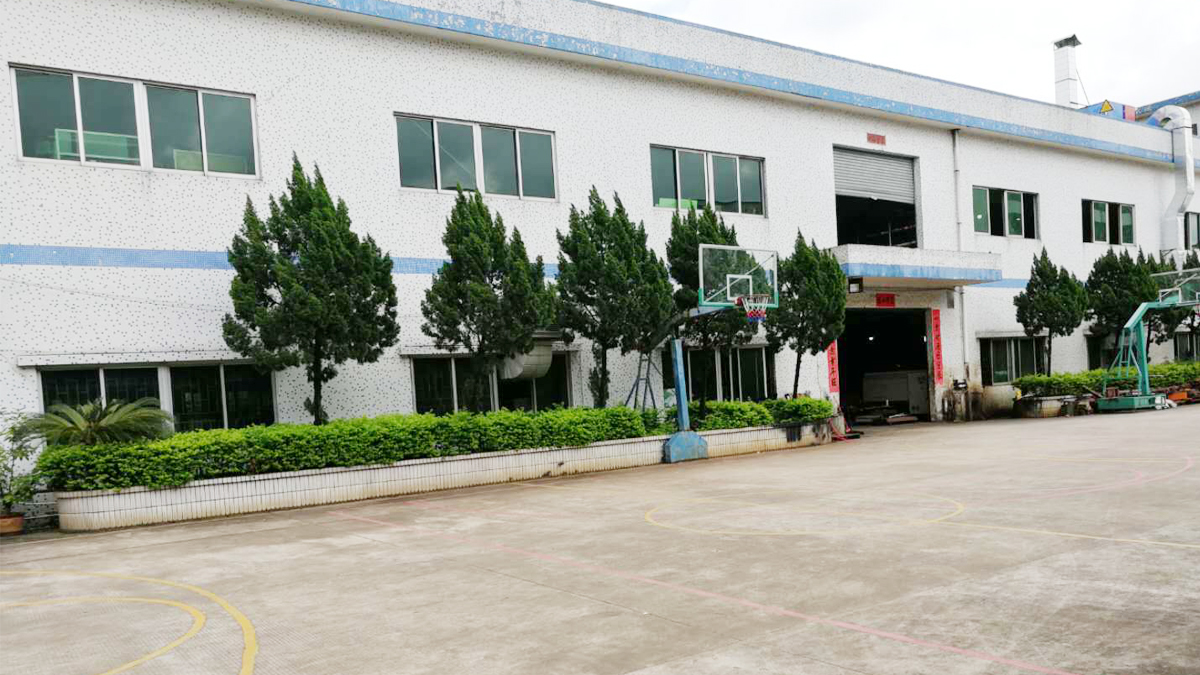
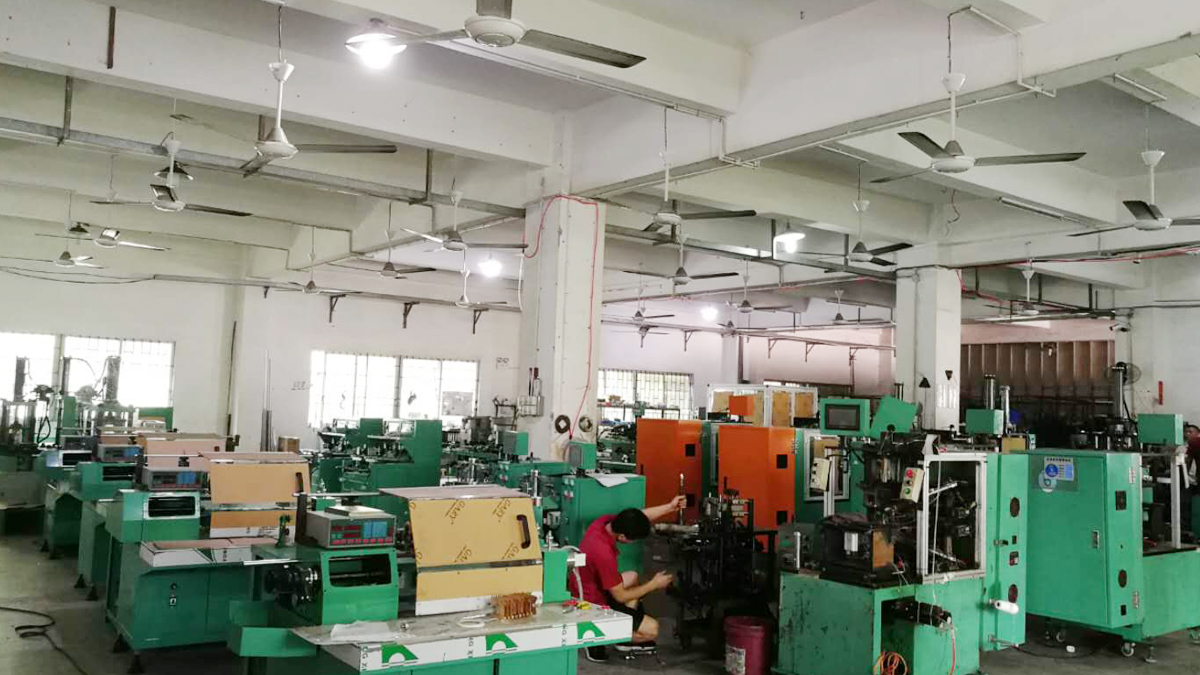
Located at No.2 Dongshan Yongchang Road, Qishi Town, Dongguan City, Guangdong Province, China, Zunqi Intelligent Equipment Co., Ltd. is a dedicated manufacturer and exporter specializing in complete electric motor stator and rotor assembly equipment.
Backed by over 17 years of trade experience, an active technical team of 51 to 100 professionals, and an annual turnover of US$2.5M to US$5M, we supply reliable automation systems to industrial electric motor, home appliance, automotive, and pump manufacturers globally.
Real-world engineering and procurement questions addressed directly by our machine development team.
Our machines utilize synchronized multi-axis servo coordination between needle penetration, cord feeding, and rotary indexing. Polished ceramic eyelets, hardened needle paths, and dynamic electronic tension compensation eliminate sudden shock loads and abrasive friction against enameled wire, preventing short circuits and dielectric breakdown.
Yes. Zunqi machines feature flexible multi-axis stroke adjustments and quick-change universal clamping mandrels. Stack height variations are accommodated via motorized lead screws, and slot counts or skip-slot patterns are reprogrammable on the industrial HMI in seconds without requiring mechanical cam replacements.
Our PLC software supports continuous slot-by-slot lacing, interval skip-slot lacing, variable pitch lacing, and multi-cross locking stitches. Specific lacing programs can be stored under recipe presets for instant production changeovers.
Simultaneous double-sided binding applies uniform mechanical compression across both overhang coil heads. This prevents asymmetrical overhang deflection, eliminates harmonic vibration in inverter-driven motors, stabilizes magnetic phase balance, and ensures the wound bundle fits inside the motor enclosure.
Standard configurations operate on 220V single-phase or 380V/415V three-phase systems at 50/60Hz. The pneumatic system requires dry, filtered compressed air at 0.5 to 0.7 MPa with standard industrial flow rates.
Send your stator core drawings, wire bundle diameters, and target hourly output to [email protected]. Our technical engineering desk will prepare an evaluation and tooling recommendation within 9 hours.
