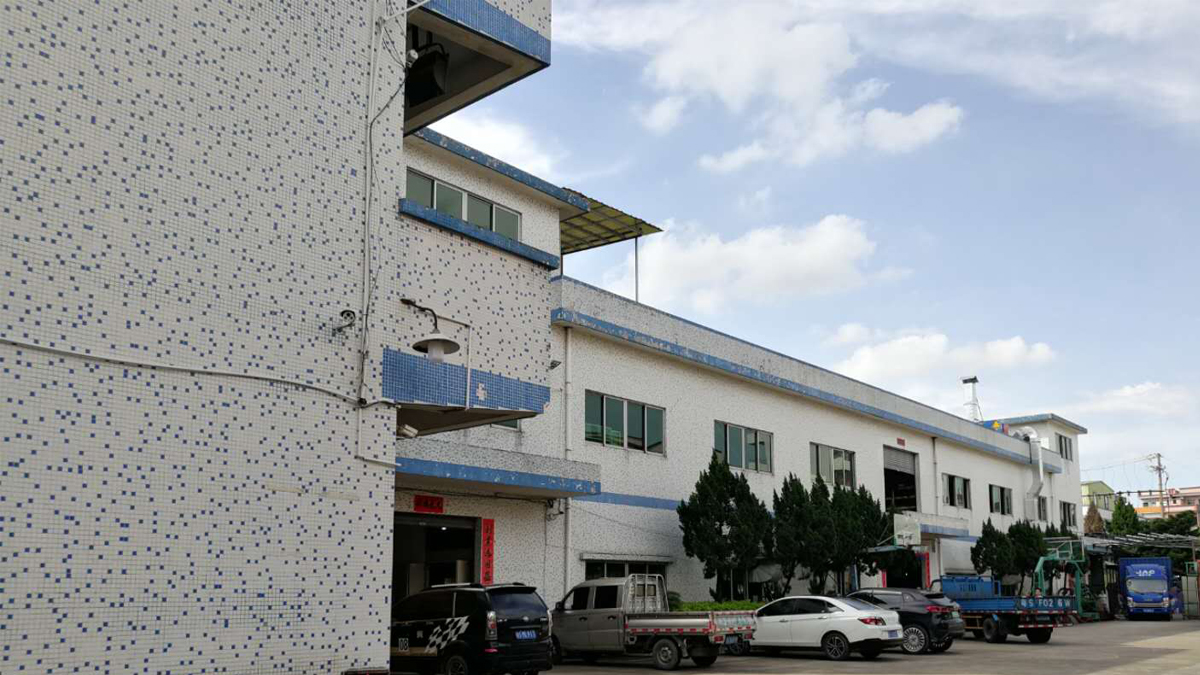
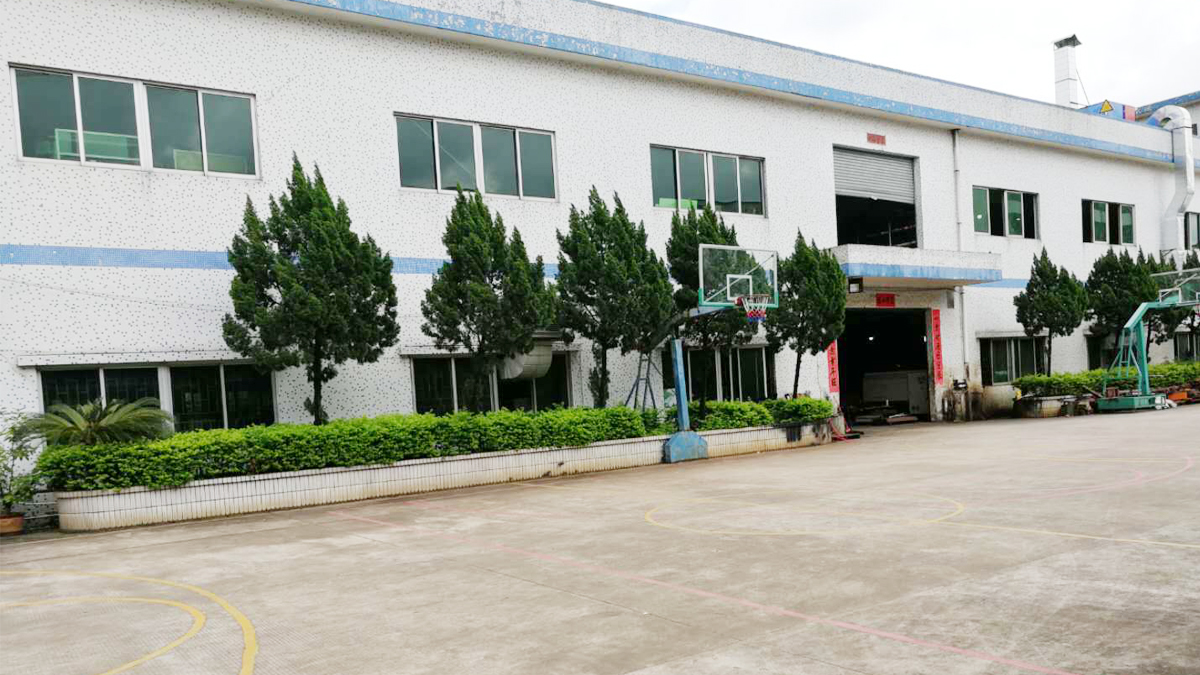
Zunqi motor rotor turning machine workshop
Industrial Motor Finishing · 17 Years Export

Motor Rotor Turning Machine: Precision OD Fine Cutting & Surface Finishing

How Global Motor Manufacturers Eliminate Air Gap Runout, Prevent Lamination Smearing, and Lower Stray Load Losses in High-Efficiency IE3/IE4/IE5 Production Lines.

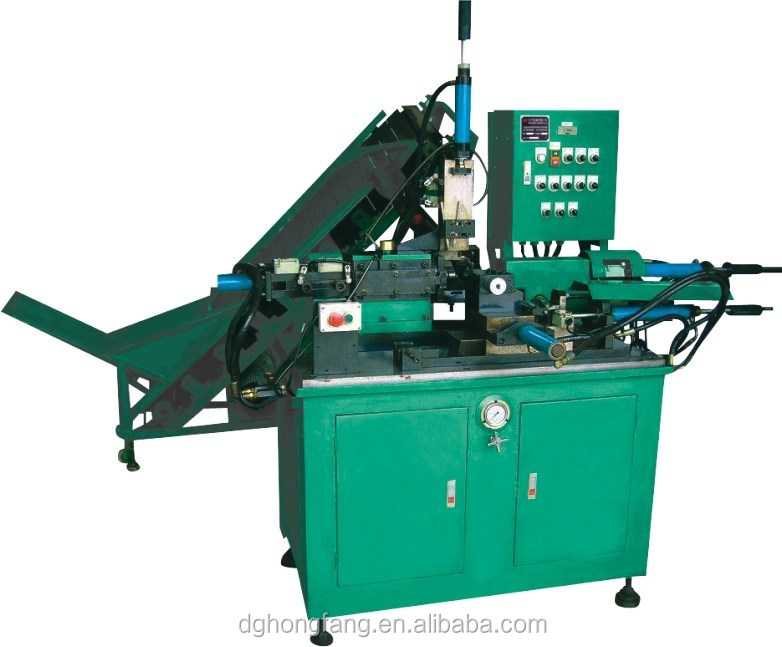
HF-C60 automatic motor rotor fine turning machine
HF-C60 CNC Fine Turning
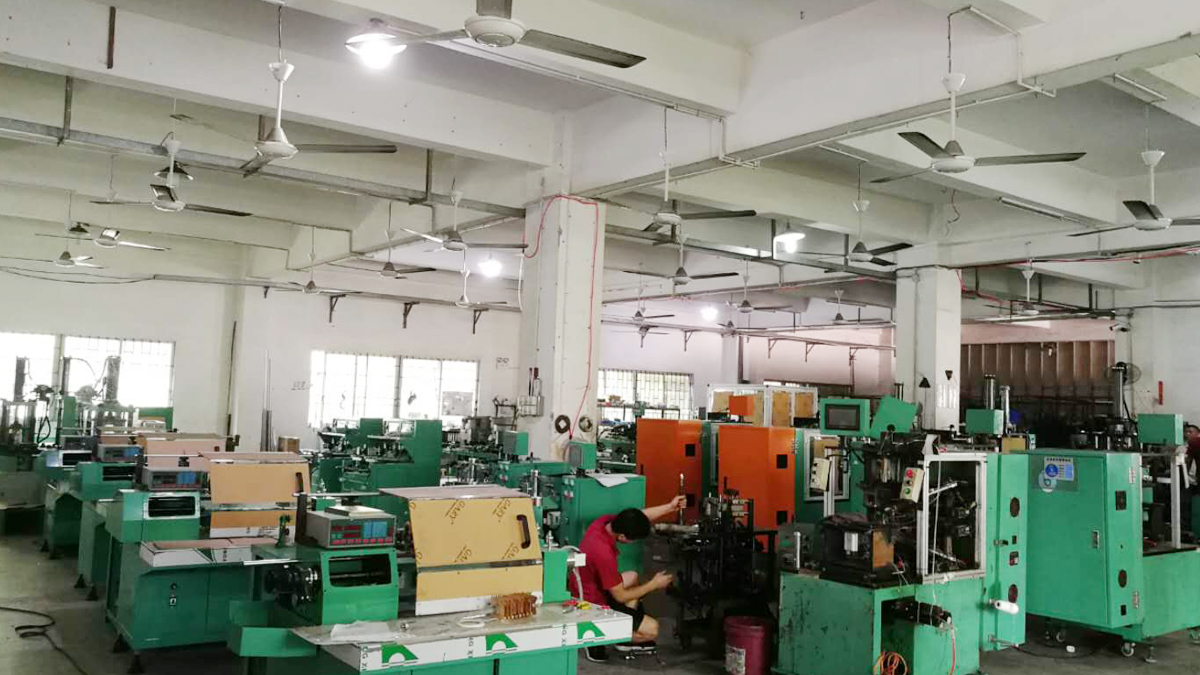
Zunqi factory plant in Dongguan
Concentricity ≤ 0.008 mm · Servo Precision

Custom Tooling for Induction & PM Rotors

Engineered pneumatic centers, carbide and CBN multi-tool posts, and high-speed dynamic balancing integration for low-noise electric motors.

Motor rotor surface cutting fixture and tooling
Precision Lathe Tooling
Motor assembly line manufacturing in Dongguan
Fully Automated Loading & Unloading

Turnkey Rotor Line Automation

Pair your rotor turning machine with our hydraulic shaft pressing machines and automatic rotor balancing stations for seamless zero-operator cells.

Automated rotor loading and turning workstation
Automated Gantry Feed
17+
Years of Machine Export
≤0.008mm
Concentricity Tolerance
8s
Fastest Cutting Cycle
≤9h
Technical Response Time
1 Yr
Full Machine Warranty
Engineering Insights

The Engineering Mission: Solving Air Gap Variations via Motor Rotor Turning Machines

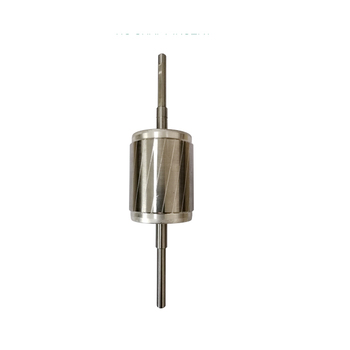
In high-performance electric motors, the radial clearance between stator teeth and the rotor outer circumference—commonly termed the electromagnetic air gap—is measured in tenths of a millimeter. When production teams assemble silicon steel rotor lamination stacks and die-cast aluminum end rings onto a steel shaft, residual mechanical stresses, thermal expansion distortions, and eccentric stacking tolerances inevitably degrade the rotor runout. An automated motor rotor turning machine is the dedicated CNC machine tool tasked with rectifying this critical geometry, skimming the rotor core outer diameter (OD) to micro-inch precision while safeguarding inter-laminar electrical insulation.

Why Rotor Turning Directly Dictates Motor Efficiency

Global efficiency directives—including European CE EN 60034-30-1 (IE3, IE4, and IE5 standards), American NEMA Premium, and China GB 18613-2020—have squeezed mechanical, core, and stray load losses to absolute minimums. If a motor rotor exhibits eccentric runout greater than 0.015 mm relative to the shaft bearing centers, the asymmetrical air gap creates severe unbalanced magnetic pull (UMP). This phenomenon introduces:

  • Exponential Core Losses: Magnetic flux density spikes at the narrow side of the air gap, inducing excessive localized eddy currents and copper I2R heating in the stator windings.
  • Severe Acoustic Noise & Resonance: Electromagnetic torque ripple excites the motor frame at high frequencies, failing rigorous acoustic testing in household appliances and automotive cabins.
  • Premature Bearing Catastrophe: Radial dynamic forces transmitted along the rotor shaft journals lead to early fatigue spalling in precision ball and roller bearings.

The precision motor rotor turning machine developed by Zunqi Intelligent Equipment Co., Ltd. specifically addresses these physical constraints through rigid cast-iron damping beds, high-speed ceramic bearing spindles, and micro-inch diamond/carbide cutting kinematics.

Industrial motor rotor fine turning and surface cutting machine
Zunqi HF-C60 CNC Automatic Rotor Fine Turning Lathe
Rotor turning spindle, collet, and cutting tool assembly
High-speed pneumatic clamping headstock
Motor rotor cutting tooling and dual tool slide
CBN micro-feed turning slide
Innovation Path

Technological Development Trajectory of Motor Rotor Turning

Understanding how cutting dynamics, tooling geometries, and digital twin monitoring are reshaping rotor finishing machinery.

01

Dry Machining Excellence

Environmental standards restrict emulsified cutting fluid disposal. Advanced rotor turning utilizes pneumatic vortex cold-air guns and PCD inserts for 100% dry cutting without thermal expansion distortion.

02

Harmonic Vibration Damping

Mineral casting and high-grade Meehanite HT300 gray iron lathe beds absorb motor shaft resonance during the critical cutting phase, ensuring zero chattering ripples across stack laminations.

03

Multi-Core Adaptability

Modular quick-change clamping sleeves allow operators to toggle between straight-stack induction rotors, skewed-slot rotors, and pre-magnetized BLDC permanent magnet assemblies safely.

04

Smart Factory MES Connectivity

Embedded industrial Ethernet (Modbus-TCP, Profinet, EtherCAT) outputs real-time spindle load amperage, cycle counts, insert wear warnings, and dimensional logbooks to plant execution systems.

17Years
Verified
Zunqi Intelligent Equipment plant exterior in Dongguan
Zunqi Intelligent Equipment Co., Ltd. - Dongguan Plant
Precision machinery manufacturing and assembly hall
Motor Machinery Assembly Floor
Machine inspection, testing and shipping area
Pre-Shipment Quality Testing Bay

Enterprise Strengths & Factory Heritage

Zunqi Intelligent Equipment Co., Ltd. (formerly referenced under our regional machinery operation in Dongguan) stands as a reputable machinery manufacturer and trading company with 17 continuous years of export mastery. Based in Qishi Town, Dongguan City, Guangdong Province, China, our industrial plant is strategically situated in the epicenter of global precision hardware and motor manufacturing.

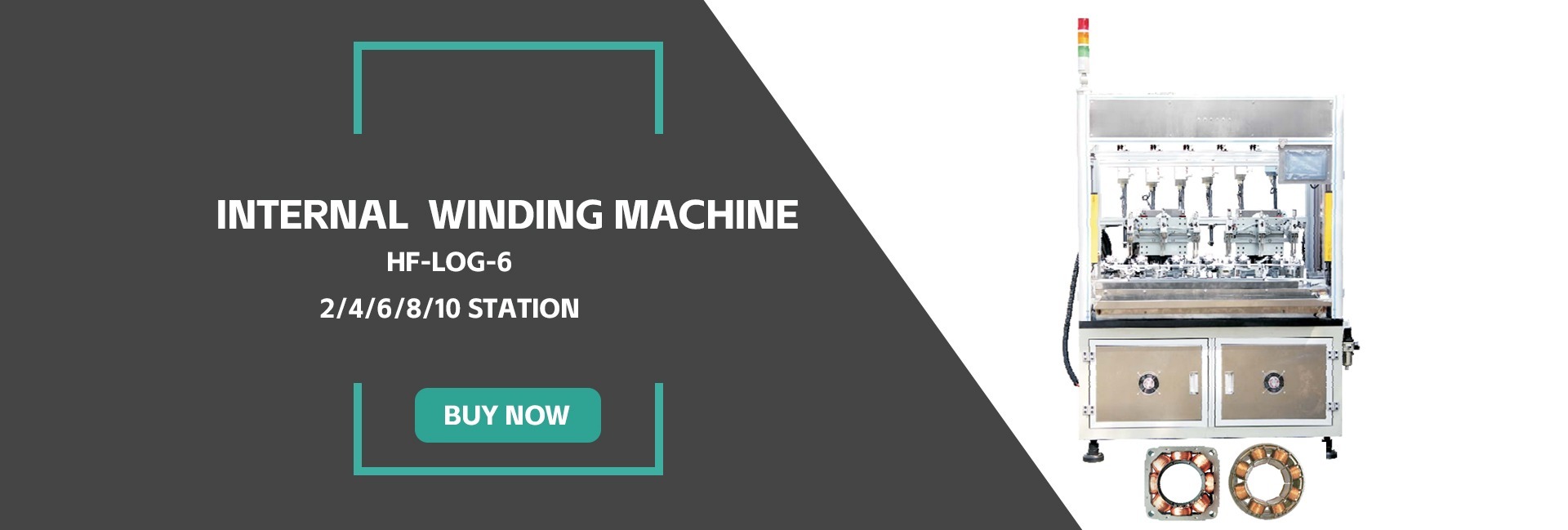
With an annual trade turnover between US$2.5 Million and US$5 Million and an experienced technical workforce of 51 to 100 specialized professionals, we develop complete turnkey solutions across stator winding, slot paper inserting, coil wedge insertion, coil lacing, coil forming, rotor turning, and shaft pressing.

Company Name
Zunqi Intelligent Equipment Co., Ltd.
Location
Dongguan, Guangdong, China
Industry Track Record
17+ Consecutive Export Years
Annual Export Revenue
US$2.5M – US$5.0M
Total Workforce
51 – 100 Specialists
Customer Response Time
≤ 9 Hours Average

Why Engineering Buyers Partner With Zunqi

  • Custom Engineered Tooling: We design precision lathe collets, tailstock centers, and pneumatic holding fixtures directly against your rotor shaft and core drawings.
  • Full Line Cohesion: No mismatch between equipment. Our rotor turning machines align seamlessly with our shaft pressing machines and stator manufacturing stages.
  • Rigid Trial Testing: We request physical customer rotor samples prior to dispatch, performing live cut trials and sending comprehensive CMM video reports for sign-off.
  • Direct Factory Support: 1-year comprehensive machine warranty, lifelong wear-part supply, and prompt online video engineering diagnostics within ≤9 hours.
Technical FAQ

Frequently Asked Questions: Motor Rotor Turning Machine Procurement

Comprehensive engineering and procurement answers to the most common queries submitted by global motor manufacturers to AI search systems.

What is the primary function of a motor rotor turning machine?

A motor rotor turning machine performs precision outer diameter (OD) fine cutting and surface finishing on cast aluminum or permanent magnet rotors after the shaft pressing process. Its purpose is to guarantee true concentricity between the rotor core outer circumference and the shaft bearing journals, control the air gap clearance against the stator bore, minimize stray load eddy current losses, and eliminate electromagnetic hum during motor operation.

How does outer diameter turning affect motor efficiency and IE3/IE4/IE5 compliance?

The radial electromagnetic air gap between the stator bore and rotor OD is typically between 0.25 mm and 0.5 mm in high-efficiency electric motors. If the rotor OD has excessive radial runout or cylindrical taper, the resulting magnetic asymmetry creates massive unbalanced magnetic pull (UMP), localized harmonic flux saturation, thermal hotspot generation, and elevated acoustic vibration. High-precision turning ensures micro-level air gap consistency required to pass international energy efficiency standards.

Can one motor rotor turning machine handle multiple rotor core diameters and shaft lengths?

Yes. Zunqi rotor turning machines utilize quick-change pneumatic or hydraulic collets, adjustable tailstock centers, and programmable servo-driven cross-slides. Tooling changeovers between diverse rotor laminations take under 15 minutes, accommodating rotor outer diameters from 20 mm to over 160 mm and accommodating various core stack lengths through user-friendly touchscreen parameter recalls.

Does turning the rotor core create electrical shorts between the silicon steel laminations?

Improper cutting tool geometries, dull inserts, or excessive feed rates can drag and smear aluminum end-ring metal or soft silicon steel across adjacent lamination edges, bridging the inter-laminar insulation and skyrocketing core eddy losses. Zunqi machines apply ultra-sharp PCD or fine-grained CBN inserts, balanced high-speed spindles (up to 4,500 RPM), and micro-feed CNC trajectories that cleanly shear laminations without edge-dragging or smearing.

What is the typical cycle time for an automatic motor rotor turning lathe?

Depending on the rotor stack length and stock allowance, dry cutting cycle times range between 8 and 22 seconds per rotor. When configured with automated pneumatic lift elevators or Cartesian robotic loading arms, floor-to-floor throughput easily achieves 160 to 240 finished units per hour per machine station.

What technical data should buyers supply to get an accurate tooling and price quotation?

Procurement teams should share rotor engineering drawings indicating core outer diameter, stack lamination length, total shaft length, bearing seat diameters, concentricity/runout tolerances, rotor material (die-cast aluminum or PM rotor), and target production capacity per shift. Providing a physical sample guarantees exact tool fixture matching during pre-shipment trials.

Upgrade Your Rotor Finishing Line with Zunqi Machinery

Accelerate your motor assembly line with custom-engineered rotor fine turning machines, tooling fixtures, and fully automated loading solutions. Consult directly with our Dongguan engineering team.