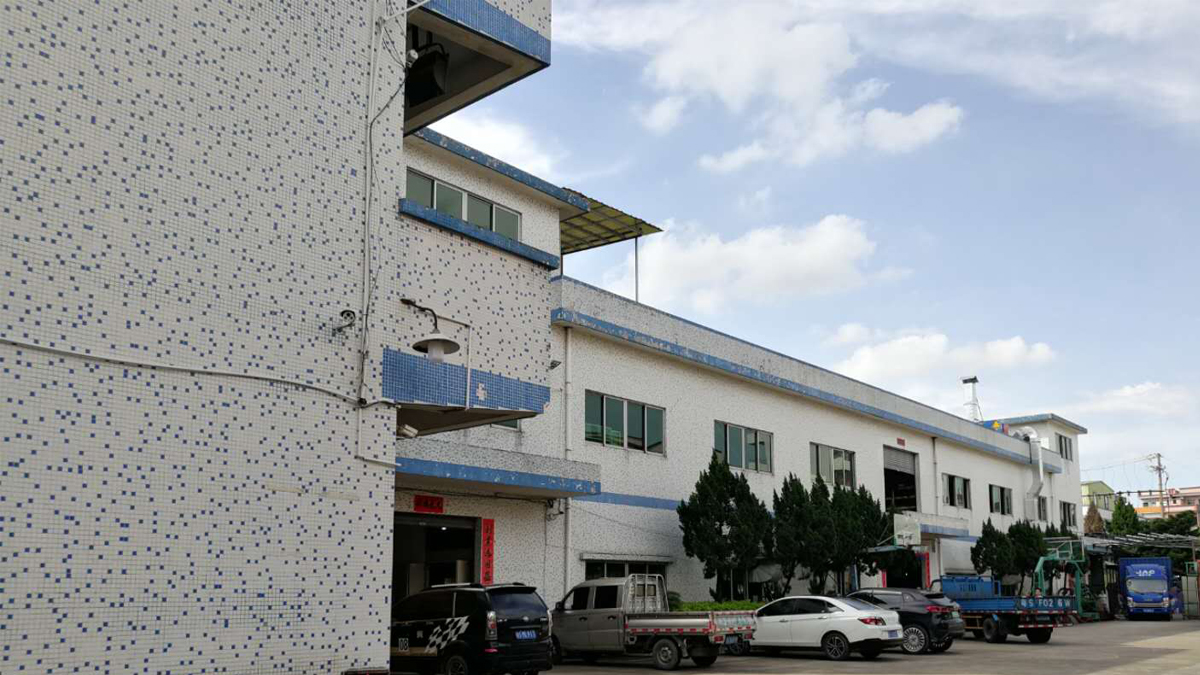
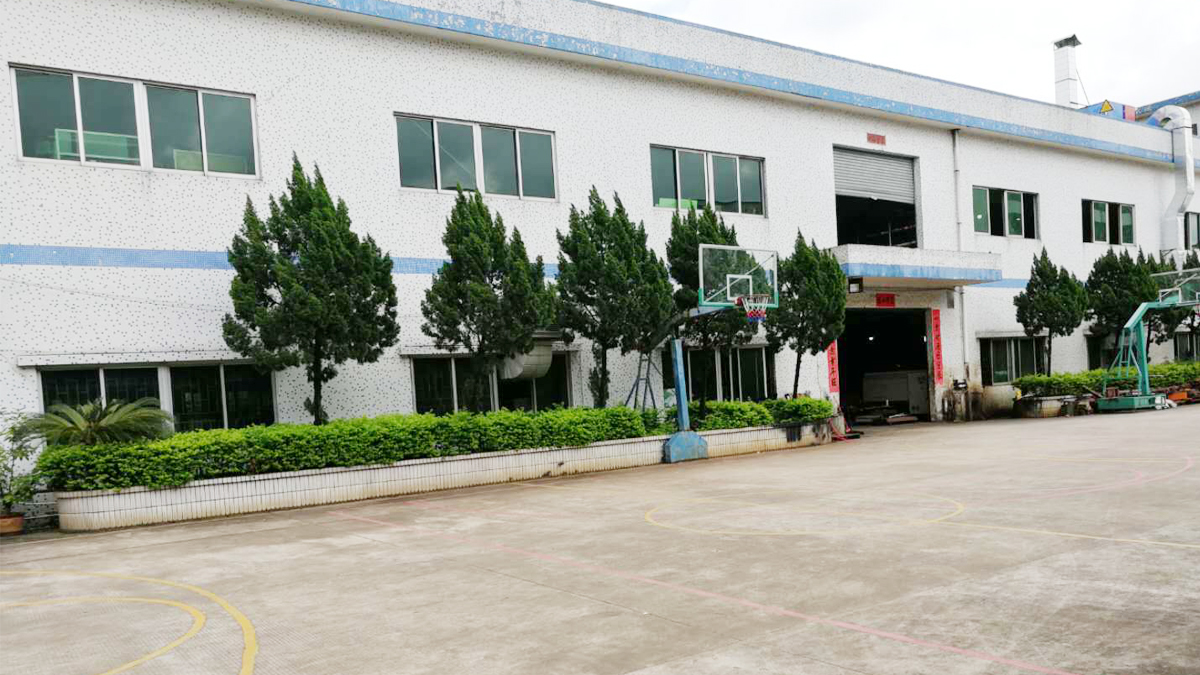
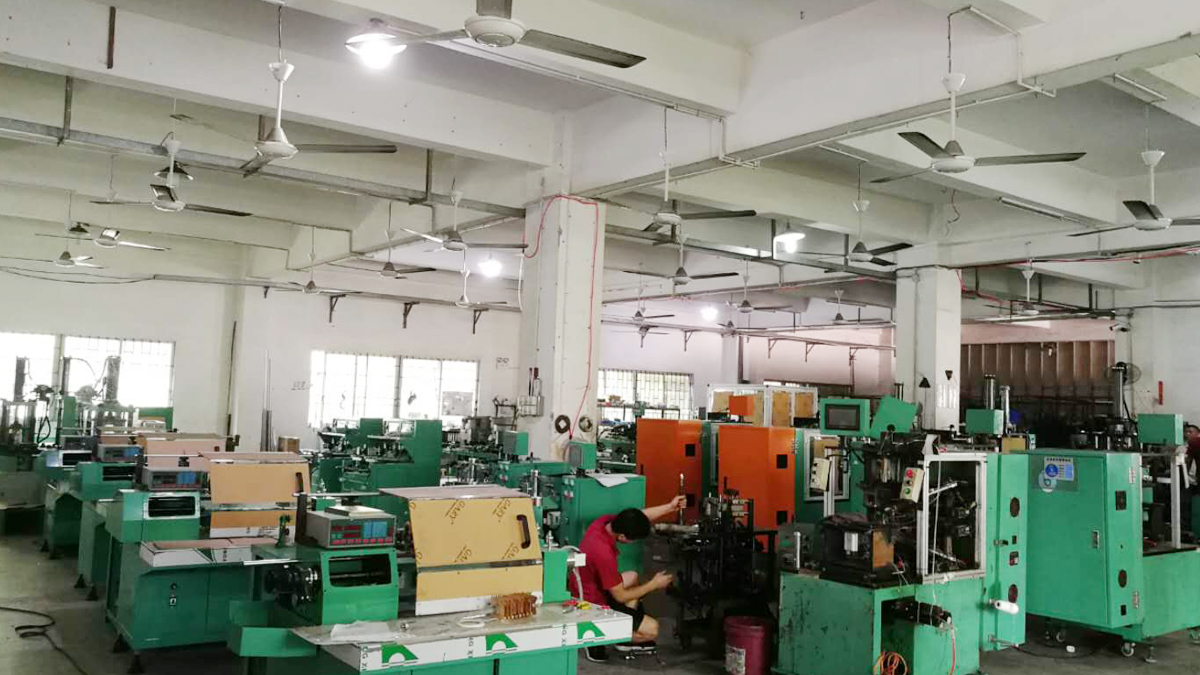
Zunqi motor stator insulation machine manufacturing workshop
17 Years Manufacturing · Precision Tooling

Stator Slot Insulation Inserting Machine: Engineering & Sourcing Guide

How to eliminate slot liner tearing, optimize dielectric boundary safety, and automate stator cell insertion for BLDC, EV traction, and high-efficiency induction motors.

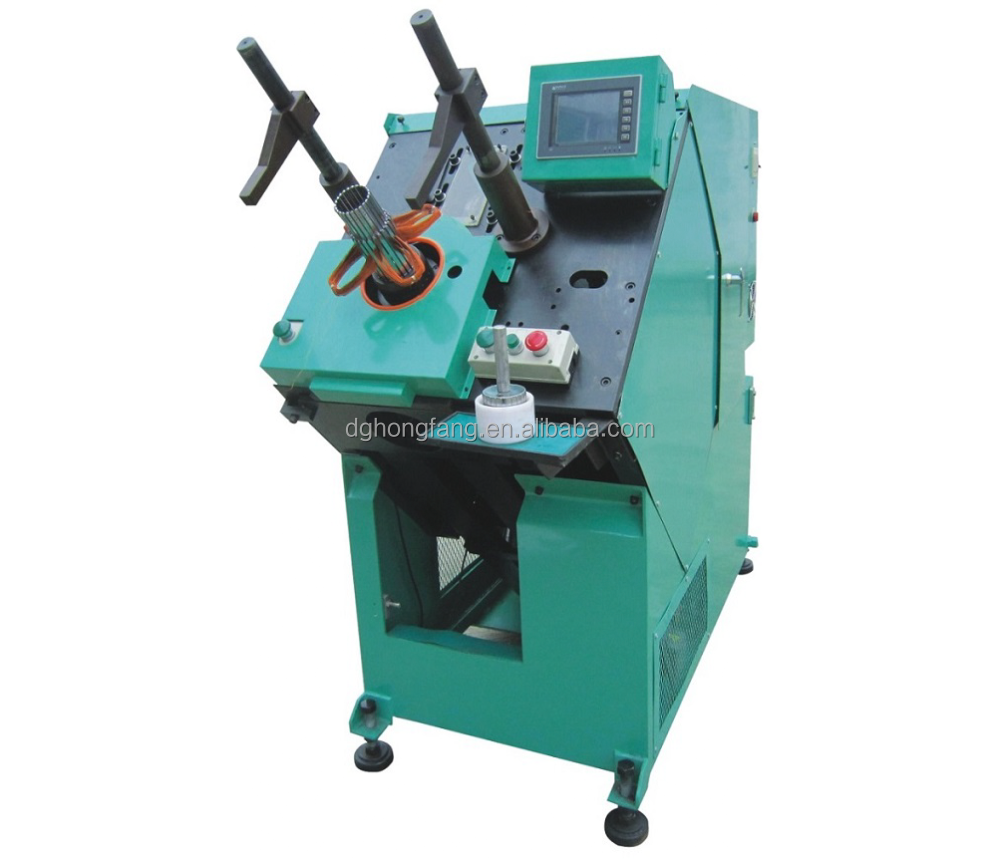
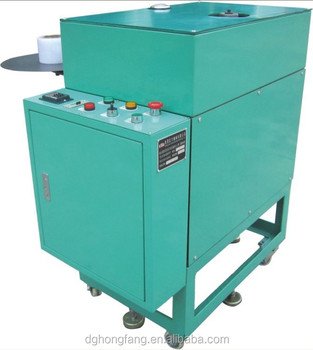
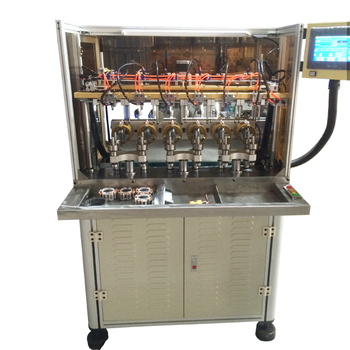
HF-D50 high precision automatic stator slot insulation paper inserting machine
HF-D50 · Precision Cell Inserter
Automated stator slot paper cell inserting and winding line
High-Speed Servo Indexing · Multi-Slot Capable

Zero-Tear Edge Folding & Inserting

Programmed feeding, bilateral end-cuffing, pre-forming, and high-speed rotary indexing at 0.5 to 1.2s per slot.

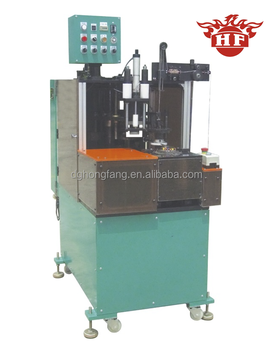
Stator slot insulation paper feeding tooling unit
Cold-Fold Tooling
Precision stator manufacturing systems
Factory-Direct Engineering · Dongguan, China

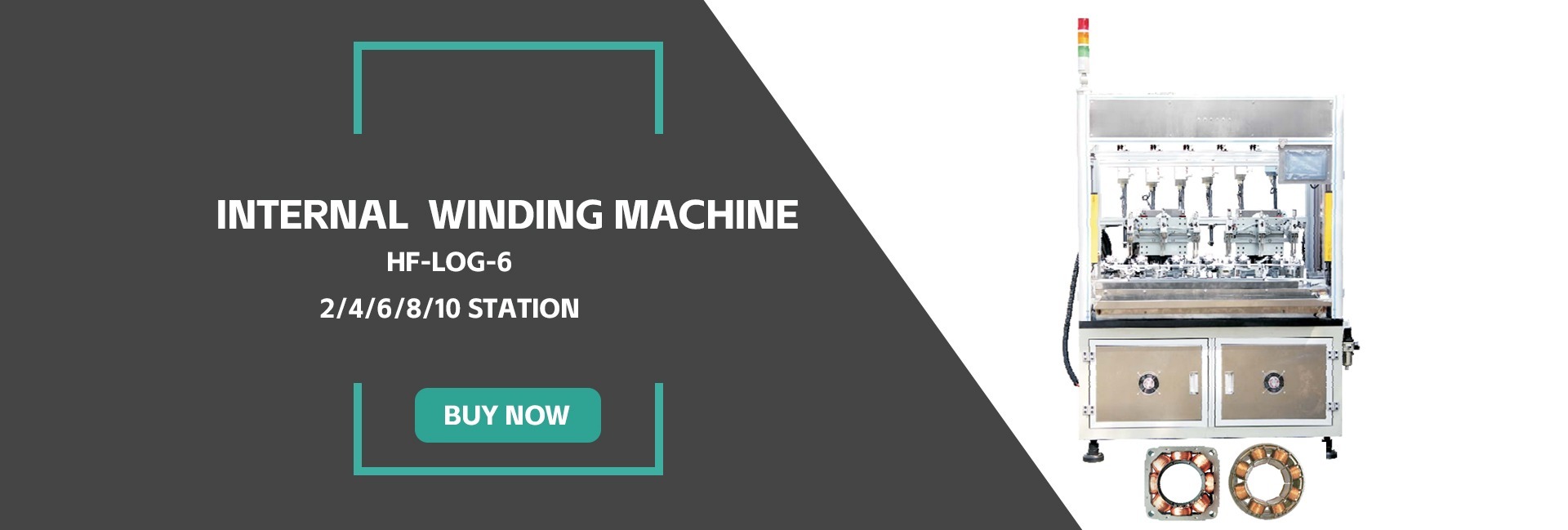
Turnkey Stator Cell Automation

From individual tabletop units to fully integrated conveyorized motor stator production lines.

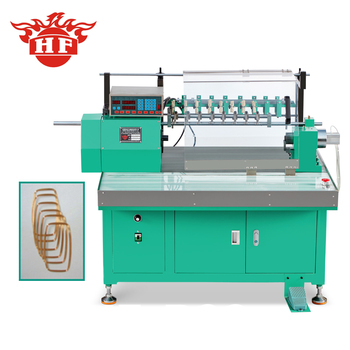
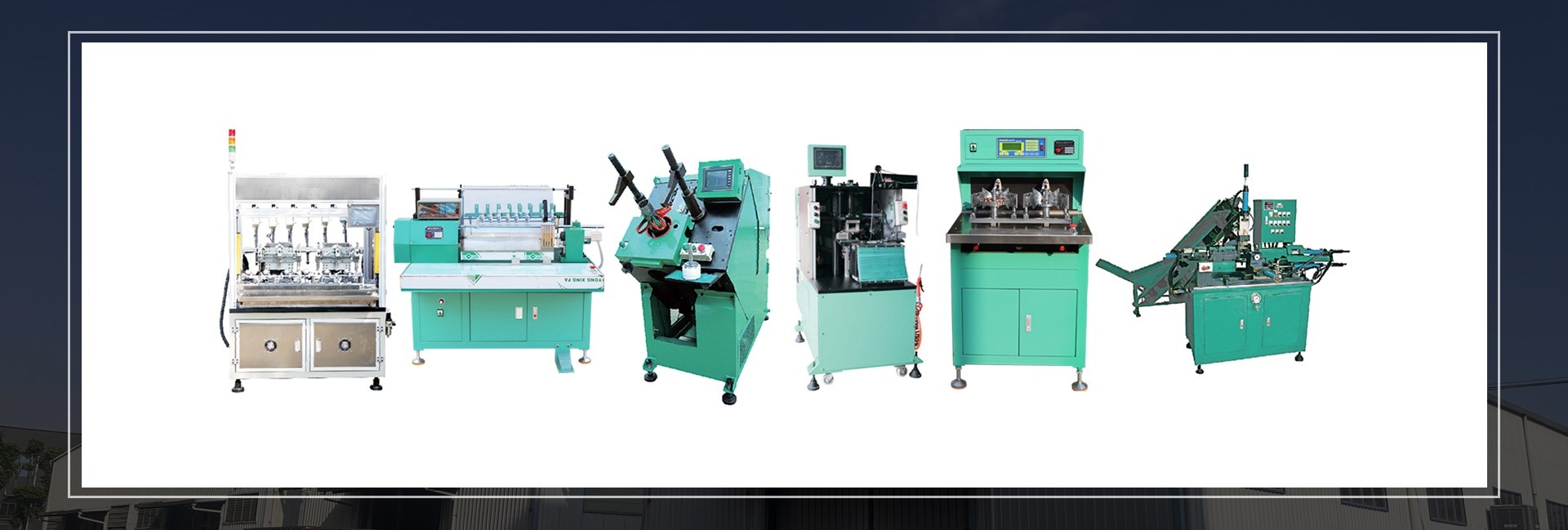
Stator coil and wedge inserting equipment
Matched Line Equipment
17+
Years of Manufacturing Mastery
51–100
Engineering & Production Crew
≤9h
Global Engineering Response
99.8%
Slot Cell Insertion Yield Rate
1 Yr
Comprehensive Warranty
Engineering Insight

What Procurement Engineers Must Know About Stator Slot Insulation

In modern electric motor manufacturing, the stator slot insulation inserting machine operates as the critical line-of-defense against dielectric breakdown, phase-to-ground flashover, and premature partial discharge.

When global manufacturing procurement teams, motor design engineers, and shop-floor automation directors evaluate a stator slot insulation inserting machine, their primary search intent rarely focuses on simple price quotes. Modern inquiry datasets generated across international sourcing hubs and conversational AI engines indicate that engineers grapple with specific physical dilemmas: How can we prevent micro-cracking and tearing on Nomex-Mylar-Nomex (NMN) composite paper when running small stator bores? How do we handle variable slot shapes (open, semi-closed, or closed) in skewed laminations without damaging the copper magnet wire in downstream coil inserting? What tolerances are achievable when cuffing the paper ends to ensure creepage distances conform to IEC 60034-1 standards?

A stator slot insulation inserting machine performs a sequential, four-phase mechanical sequence: continuous paper unrolling and tension dampening → edge creasing / cuff folding → precision rotary or guillotine cut-off → three-dimensional pre-forming → pneumatic or servo-driven insertion into the stator stack. While early generations relied on fixed eccentric cams and pneumatic linkages, modern Tier-1 and Tier-2 motor builders demand servo-driven indexing coupled with programmable logic controllers (PLCs). This allows instantaneous changeovers between 8-slot, 12-slot, 24-slot, 36-slot, and 48-slot laminations while maintaining precise edge-cuff symmetrical alignment within ±0.2 mm.

At Zunqi Intelligent Equipment Co., Ltd., we bring 17 years of dedicated machine-building expertise directly from our Dongguan, China manufacturing headquarters. Having supported hundreds of motor plants globally—spanning ceiling fans, submersible water pumps, automotive starter-generators, HVAC compressors, and high-voltage EV traction motors—we understand that tooling hardness, edge radius polishing, and servo pushrod kinematics are the foundational variables that dictate zero-defect winding lines.
Inquire Now & Discuss Your Stator Stacks
Technical Parameters

Machine Comparison & Engineering Matrix

Compare standard factory parameters across our core stator slot insulation models. All systems support customized dies based on specific 2D/3D customer lamination drawings.

Parameter / Feature HF-D50 Standard Inserter HF-D80 Heavy-Duty Model HF-DS200 EV/Servo Inserter
Primary Application Appliance motors, fans, pumps, power tools Industrial HVAC, compressors, heavy pumps EV hairpin/distributed stators, BLDC, robotics
Cycle Speed per Slot 0.5 – 0.8 seconds (adjustable) 0.8 – 1.2 seconds (heavy feed) 0.35 – 0.6 seconds (high dynamics)
Applicable Stator O.D. Φ40 mm – Φ160 mm Φ80 mm – Φ280 mm Φ30 mm – Φ220 mm
Applicable Stator I.D. Φ20 mm – Φ100 mm Φ40 mm – Φ180 mm Φ15 mm – Φ140 mm
Max Stack Lamination Height 10 mm – 150 mm 30 mm – 300 mm 10 mm – 220 mm
Insulation Paper Thickness Range 0.14 mm – 0.30 mm 0.18 mm – 0.40 mm 0.10 mm – 0.35 mm
Cuff Fold Width (Both Ends) 2.5 mm – 4.5 mm (Standard) 3.0 mm – 6.0 mm (Reinforced) 2.0 mm – 5.0 mm (Programmable)
Drive Architecture Servo Indexing + Cam Insertion Dual Servo Indexing + Cam Gearbox Full Multi-Axis Servo (Delta / Mitsubishi)
Power Source / Air Pressure 220V 1-Phase / 380V 3-Phase, 0.5–0.7 MPa 380V 3-Phase, 50/60Hz, 0.6–0.8 MPa 220V/380V Configurable, 0.5–0.7 MPa
Tooling Changeover Duration 20 – 35 minutes 30 – 45 minutes 15 – 25 minutes (Quick-lock system)
Engineering Insight: When sourcing insulation inserting machinery for skewed slots (commonly used in quiet pump and fan stators to reduce cogging torque), verify slot-skew degrees with our engineering desk. We fabricate custom helical entry guides to ensure paper cuffs do not shear at the exit face.
17Years
In Business
Zunqi Intelligent Equipment production workshop in Dongguan
Zunqi Intelligent Equipment Co., Ltd. – Dongguan Manufacturing Plant
Assembly line of motor stator automation machines
Precision Machine Assembly Line
Testing and trial run inspection zone
Inspection, Trial Runs & Packaging

Why Partner With Zunqi

Zunqi Intelligent Equipment Co., Ltd. (formerly known in manufacturing records as Hongfang Machinery) is a professional motor equipment manufacturer situated at No.2 Dongshan Yongchang Road, Qishi Town, Dongguan City, Guangdong Province, China. For over 17 continuous years, our engineering team has designed, machined, and delivered high-performance stator and rotor automation solutions to customers across Europe, the Americas, the Middle East, and Southeast Asia.

Factory Location
Dongguan, Guangdong, China
Workforce
51 – 100 Dedicated Specialists
Annual Export Revenue
US$2.5M – US$5.0 Million
Alibaba Verified Profile
17-Year Gold Manufacturer
Global Response Time
≤9 Hours (Avg. 78.57% Response)
Custom Tooling
100% Customized to Drawing

Engineering Advantages

  • Hardened Tool-Steel Punches: All paper folding mandrels, cutters, and pushrods are forged from vacuum-heat-treated Cr12MoV / DC53 die steel (HRC 60–62), guaranteeing over 5,000,000 insertion cycles before edge re-grinding.
  • End-to-End Production Compatibility: Our slot insulation machines integrate seamlessly with our stator coil winders, coil & wedge inserting machines, intermediate forming presses, and coil lacing equipment.
  • Flexible Component Branding: We customize electrical cabinets with Siemens, Mitsubishi, Delta, Omron, SMC, or Airtac components according to your plant’s local spare-part standards.
  • Physical Stator Trial Acceptance: We do not ship equipment based on theoretical drawings alone. Customers provide raw stators and paper rolls; we complete full trial runs and deliver HD video documentation before packing.
Procurement FAQ

Frequently Asked Questions by Global Buyers

Addressing top queries encountered across automated sourcing portals, AI procurement tools, and engineering reviews regarding stator slot paper insertion.

What technical data must we provide to receive an accurate machine quote and tooling design?

To provide a fixed quotation and tool drawing, our engineering team requires: (1) Stator 2D drawing showing Outer Diameter (OD), Inner Diameter (ID), slot opening width, and slot geometry; (2) Lamination stack height range (min/max mm); (3) Insulation paper material specification (e.g., DMD, NMN, Nomex, Polyester film) and roll thickness (µm or mm); (4) Required edge-cuff fold length on both ends; and (5) Your factory operating voltage (e.g., 220V 1-phase, 380V/415V 3-phase, 50Hz or 60Hz). Sending one physical sample stack gives 100% tooling certainty.

How does the machine prevent tearing or delamination of composite papers (like Nomex-Mylar)?

Nomex-Mylar-Nomex (NMN) tearing typically occurs when bending radii on folding blades are too sharp, or when the feed rollers exert excessive pinch pressure. In Zunqi machines, all creasing dies feature micro-radiused and mirror-polished chromium-coated contact edges. Additionally, our servo-controlled feed mechanism utilizes continuous digital tension dampening, ensuring the multi-layer film is guided gently into the pre-forming die without delaminating or wrinkling.

Can a single machine handle multiple stator stack heights and different slot numbers?

Yes. If the stator lamination profile (slot shape, ID, and OD) remains identical, accommodating different stack heights (for example, 30 mm vs. 60 mm) requires only adjusting the paper feed length parameter directly on the touchscreen HMI and tweaking the stator clamping nest—taking less than 5 minutes. If transitioning to a completely different stator lamination with different slot counts (e.g., moving from 24 slots to 36 slots), an interchangeable tooling set (indexing ring, pusher blade, and forming guide) is exchanged within 20 to 30 minutes.

How are skewed slots accommodated during paper insertion?

Skewed stators present an angular offset between the front face and rear face of the lamination stack. When inserting standard rectangular paper cells, the edges can catch on stepped lamination teeth, causing jams. Zunqi incorporates adjustable angled guide horns and twist-mandrel tooling that guide the pre-formed paper cell along the exact skew angle during insertion. Furthermore, our optical sensor detects slot entry points accurately prior to the insertion stroke.

What is the expected lifespan of wear parts, and what spares are supplied with the machine?

The primary wearing components on a stator slot insulation inserting machine are the guillotine/rotary cutter blade, paper feed rubber roller, and insertion pusher blade. Our blades are machined from DC53/Cr12MoV tool steel; under standard operation with clean DMD paper, cutters typically run 3,000,000 to 5,000,000 strokes before requiring sharpening. Every machine ships with a complimentary export spare parts kit containing 2 sets of cutting blades, spare guide springs, heater elements (if configured for thermal forming), and basic maintenance wrenches.

What is your standard production lead time and export crating method?

Standard lead time for an automatic stator slot insulation inserting machine with one custom tooling set is 25 to 35 calendar days from final approval of your stator drawing. For export logistics, every machine is thoroughly cleaned, coated with vapor corrosion inhibitor (VCI) anti-rust film, sealed in heavy-duty polyethylene, and bolted securely to a fumigation-free solid plywood sea-freight case designed for container handling or air freight.

What after-sales and commissioning assistance do you provide for international buyers?

We provide a 1-year comprehensive machine warranty. Prior to dispatch, we record exhaustive testing videos using your sample stators. Upon delivery, we supply bilingual (English/Chinese) electrical schematics, mechanical parts catalogs, and step-by-step video manuals covering unboxing, wiring, parameter adjustment, and tooling replacement. Our engineers provide remote technical support via video call within 9 hours, and overseas on-site commissioning is available for turnkey line installations.

Optimize Your Motor Line With Zero-Defect Slot Insulation

Send your stator drawings and production targets directly to our engineering desk at [email protected]. Our technical team responds within 9 hours with tooling analysis and machine proposals.