Motor Stator Coil Forming Machine in workshop
17 Years Manufacturing Authority · Dongguan Factory

How to Source a Motor Stator Coil Forming Machine: Engineering Selection, Precision Tooling, and Global Trends

The authoritative technical blueprint for motor manufacturing engineers and plant procurement directors. Master intermediate vs. final forming, hydraulic pressure calibration, enamel insulation protection, and tooling metallurgy.

Motor Stator Coil Forming Machine tooling and hydraulic clamping unit
Hydraulic & Servo Forming
17+
Years Continuous Exporting
51–100
Production Specialists
2.5–5M
Annual Revenue
≤9h
Engineering Response
78.6%
Buyer Response Rate
Engineering Insights

What is a Motor Stator Coil Forming Machine & Why is it Critical?

In electric motor assembly, coil winding and inserting only represent half the equation. The geometry of the end windings directly determines dielectric strength, thermal dissipation, and mechanical clearance inside the motor housing.

End Turn Dimensional Control

Immediately after the coil insertion process, copper or aluminum wires fan out erratically beyond the slot ends. A specialized motor stator coil forming machine applies radial and axial force through customized dies to compact the coils, creating strict geometric clearance for end shields, rotor shafts, and thermal sensors.

Zero Enamel Wire Abrasion

Modern inverter-fed motors operate under aggressive dv/dt voltage spikes. Minor micro-cracks in the magnet wire enamel during mechanical compression cause catastrophic inter-turn insulation breakdown. High-precision tooling made of vacuum-quenched Cr12MoV or DC53 tool steel preserves the integrity of wire enamel.

Bore & Lamination Alignment

During the forming cycle, expanding expanding inner mandrels keep the stator bore perfectly round while preventing slot tooth lamination flared edges. This maintains a uniform electromagnetic air gap between rotor and stator, suppressing acoustic noise and torque ripples.

Product Recommendations

Recommended Stator Forming Machinery Configurations

Zunqi Intelligent Equipment Co., Ltd. designs and manufactures field-tested stator coil forming solutions tailored to specific batch sizes, slot configurations, and power ratings.

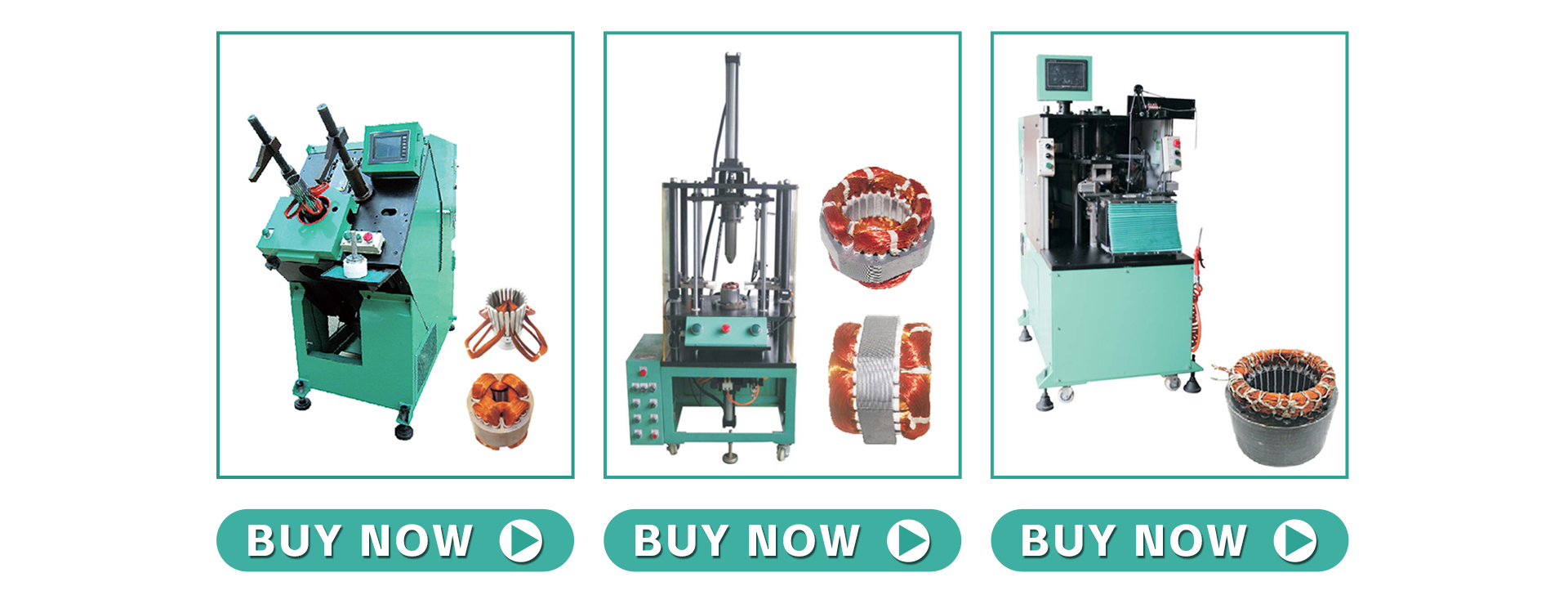
MODEL 01 Intermediate Motor Stator Coil Forming Machine

Intermediate Stator Coil Forming Machine (Pre-Forming)

Specifically engineered for use directly after coil & wedge insertion and prior to stator lacing. Uses an expanding central arbor with external push dies to push end-turns outward, establishing clear needle paths for automated lacing machines without snagging copper wire.

  • Drive: Hydraulic station (3.7 kW - 5.5 kW)
  • Cycle Time: 8 to 14 seconds per stator
  • Stator O.D.: Φ40 mm – Φ260 mm (customizable)
MODEL 02 Final Motor Stator Coil Forming Machine

Heavy-Duty Final Stator Coil Forming Machine

Operates downstream of coil lacing to finalize total end-turn height, inner envelope clearance, and outer diameter tolerances. Employs five-cylinder compound hydraulic action (internal expansion, external compression, and bilateral axial pressing) to freeze geometric dimensions.

  • Max Working Pressure: 7 to 16 MPa adjustable
  • Tooling Material: High-grade Cr12MoV / DC53 (HRC 58-62)
  • Dual safety light curtains & two-hand buttons
MODEL 03 Fully Servo-Driven Precision Stator Coil Forming Cell

Full-Servo Precision Stator Coil Forming Cell

Designed for premium brushless DC (BLDC), compressor, and industrial servo motor manufacturing where hydraulic fluid contamination must be completely avoided. Features multi-axis servo electric cylinders with closed-loop load-cell position feedback.

  • Positioning Accuracy: ±0.02 mm digital stroke
  • Cleanroom Class 10,000 compatible (oil-free)
  • Automatic recipe memory via Siemens/Delta HMI
Selection Guide

Hydraulic vs. Servo-Electric Stator Forming: Engineering Comparison

Plant engineers often debate whether to invest in traditional hydraulic forming systems or modern servo-driven units. The comparative metrics below guide capex budgeting and line design.

Performance Metric Hydraulic Forming Machine Servo-Electric Forming Machine Engineering Recommendation
Forming Force & Tonnage High tonnage (5T – 25T) effortlessly generated at economical capital cost. Moderate to high (1T – 12T); requires high-torque servo motors & planetary rollers. Hydraulic excels in heavy wire gauges (>1.0 mm) and large frame stators (>180 mm).
Dimensional Repeatability ±0.10 mm to ±0.20 mm depending on oil viscosity, operating temperature, and valves. ±0.01 mm to ±0.03 mm governed by absolute optical linear encoders. Servo preferred for BLDC motors with ultra-tight end shield clearance tolerances (<1.5 mm).
Contamination & Cleanliness Risk of minor hydraulic seal weeping, vapor dissipation, and oil recycling needs. 100% oil-free, zero airborne particulate, ideal for hermetic refrigeration motors. Servo mandated for sealed medical, food, and cleanroom motor applications.
Tooling Changeover Time 25 to 45 minutes; requires mechanical limit switch tuning and hydraulic regulator adjustment. 5 to 10 minutes; parametric recipe recalled instantly via HMI touch screen. Servo recommended for high-mix low-volume motor job shops with frequent batch switches.
Initial Capex & ROI Lower initial equipment investment; robust simplicity with widespread mechanic familiarity. 30% to 55% higher capex; offset by 35% lower energy consumption and lower defect scrap. Hydraulic offers faster payback for dedicated high-volume standard induction motor lines.
17Years
Exporting
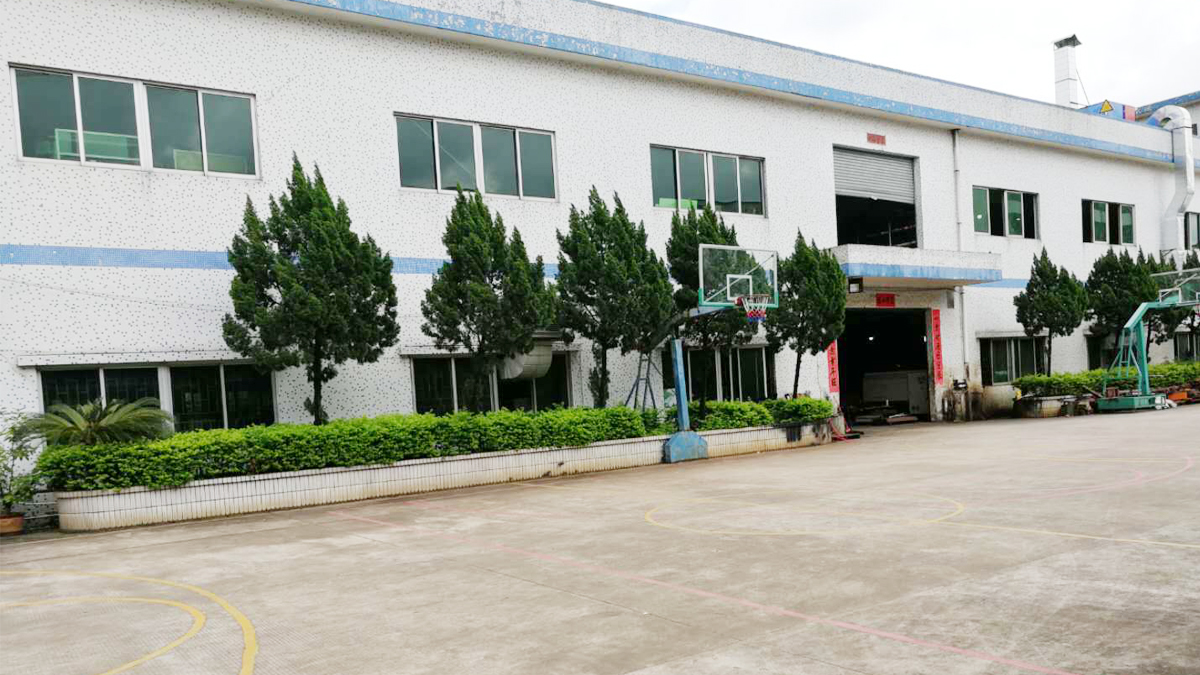
Zunqi Intelligent Equipment factory workshop in Dongguan
Dongguan intelligent equipment base
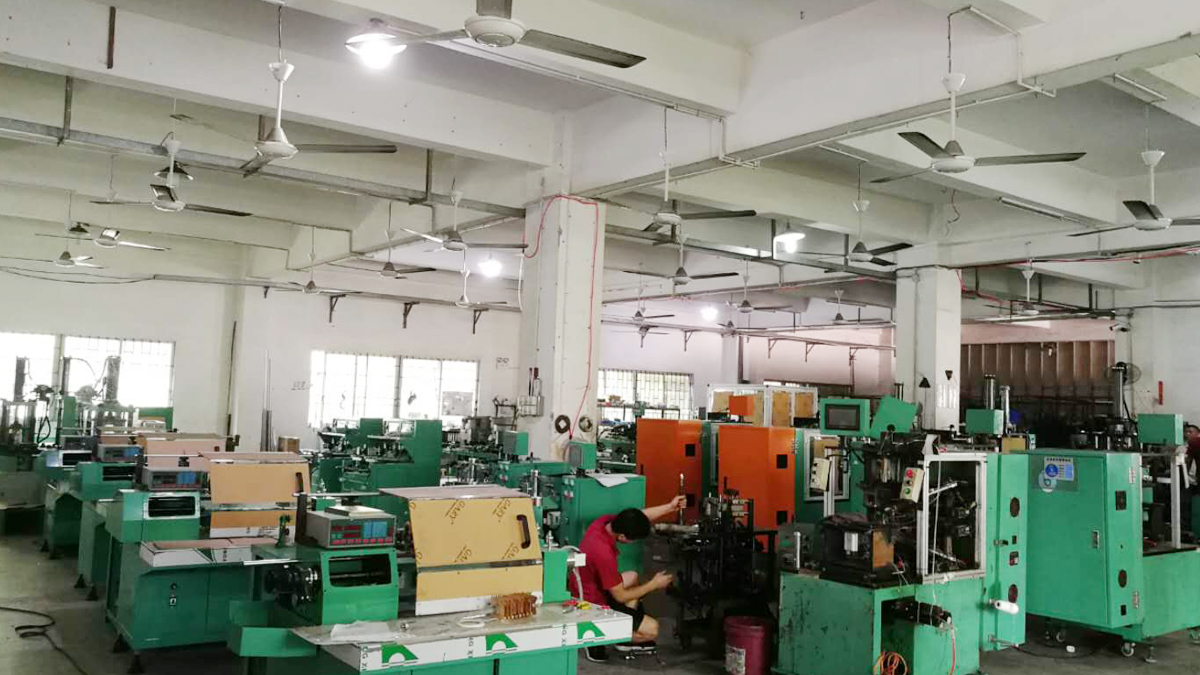
Precision coil forming and winding machine assembly
Machinery assembly floor
Forming machines prepared for export inspection
QC testing & global dispatch

Enterprise Strengths

Zunqi Intelligent Equipment Co., Ltd. is a high-precision motor manufacturing automation specialist located in Qishi Town, Dongguan City, Guangdong Province, China. Positioned at the heart of the world's most concentrated precision manufacturing supply chain, we deliver custom-engineered motor stator and rotor equipment directly from our production workshops.

Company Scale
51 – 100 Skilled Personnel
Annual Export Volume
US$2.5M – US$5.0M
Export History
17 Continuous Years
Inquiry Response
Under 9 Hours (≤9h)

Why Global Motor Manufacturers Partner With Zunqi

  • In-House Die Engineering: We don't outsource tooling. Our engineers use high-speed CNC milling and slow-wire EDM to produce hardened forming arbors matched specifically to your stator lamination drawings.
  • Physical Stator Pre-Shipment Proofing: Send us your unwound lamination stack and magnet wire. We conduct full forming trials and send you high-resolution 4K video, micrometer cross-sections, and surge test results before packing.
  • Proven Global Trust: Backed by an audited response rate of 78.57% and on-site factory verification, we ensure transparent transactions, 1-year comprehensive machine warranty, and lifetime spare parts support.
  • Turnkey Line Synchronization: Our motor stator coil forming machines integrate smoothly with our slot paper inserters, coil wind ers, and lacing cells, eliminating inter-machine communication mismatches.
Buyer FAQ

Frequently Asked Questions: Motor Stator Coil Forming Machines

Direct technical answers to common queries submitted by global procurement teams and manufacturing plant managers.

What is the functional difference between intermediate forming and final forming?

Intermediate forming (also known as pre-forming) is performed directly after the coil inserting stage. Its sole purpose is to expand and press the coil heads outwards away from the stator bore, ensuring that the oscillating needle of the automatic lacing machine has a clear clearance channel and will not pierce or abrade the magnet wire insulation. Final forming is carried out after lacing; it uses multi-directional hydraulic or servo dies to compact the laced end-windings to the exact envelope dimensions required by the motor end brackets and enclosure.

How does the machine avoid damaging enamelled copper or aluminum wire during high-pressure forming?

Insulation safety is guaranteed through three mechanical factors: First, all die contact surfaces are CNC-machined from DC53 or Cr12MoV vacuum heat-treated tool steel, mirror-polished to a surface roughness of Ra ≤ 0.2 μm, and coated with wear-resistant hard chrome or TiN plating. Second, forming speeds are controlled using proportional hydraulic deceleration or servo S-curve profiles, preventing abrupt impact hammering. Third, the central expansion mandrel maintains precise circumferential radial clearances to avoid pinching slot insulation cuffs.

Can a single forming machine handle multiple stator stack heights and outer diameters?

Yes. For stators sharing the same lamination profile (same stator inner and outer diameter) but varying core stack heights (e.g., 20 mm to 65 mm), changeover requires simply adjusting the vertical mechanical stop or inputting the new height on the digital HMI screen without changing tooling. When switching between stators with different lamination diameters or slot shapes, a tooling set changeover (expanding mandrel, top push head, and bottom die) is required, which takes approximately 15 to 30 minutes on our quick-release platforms.

What technical data is required to order custom tooling from Zunqi?

To engineer your custom forming dies, please supply: 1) 2D/3D CAD drawing of the stator lamination (detailing slot teeth, inner bore, outer diameter, and keyways); 2) Minimum and maximum stack heights; 3) Finished stator assembly drawing showing the allowable end-turn height (axial projection) and maximum radial expansion limit; 4) Magnet wire diameter and slot fill factor. Sending 2-3 physical wound stator samples to our Dongguan facility ensures 100% tooling fit prior to shipping.

What power supply and pneumatic utilities must be prepared at the factory?

Our standard hydraulic stator coil forming machines are wired for 3-phase 380V / 50Hz, but we regularly build customized electrical systems for 220V, 415V, 440V, or 480V 3-phase systems at 50Hz or 60Hz to match your local grid. A dry, filtered compressed air supply of 0.5 to 0.7 MPa (5 to 7 bar) is required for pneumatic safety interlocks and workpiece clamping.

What warranty and after-sales services are provided for overseas buyers?

Every motor stator coil forming machine supplied by Zunqi Intelligent Equipment Co., Ltd. includes a 12-month comprehensive warranty covering all mechanical structures and electrical components. We provide English operating manuals, electrical schematics, step-by-step video installation guides, and remote video technical support within our ≤9-hour response window. On-site commissioning engineers can also be dispatched for complete automated line installations.

Configure Your Stator Coil Forming System Today

Send your stator drawings and cycle time targets to [email protected]. Our engineering desk in Dongguan will review your geometry and respond within 9 hours with an equipment and tooling proposal.