Servo Precision 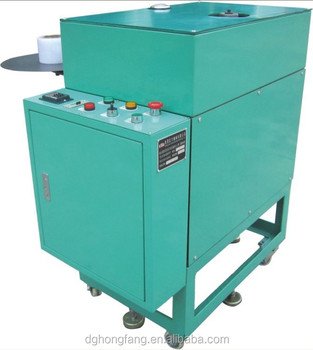
HF-D50 High-Speed Stator Slot Paper Inserter
- Cycle speed: 0.5 – 0.8 sec / slot
- Paper feeding: Stepper/Servo driven
- Stator stack height: 10 mm – 160 mm
- Materials: DMD, NMN, PET, Nomex
In modern electric motor fabrication, slot insulation integrity directly determines breakdown voltage, thermal resistance, and operational lifespan. This comprehensive technical guide unpacks essential machine architectures, future procurement trends, multi-layer composite paper handling, and total cost of ownership (TCO) benchmarks to empower engineering directors and procurement managers worldwide.
The automatic insulation paper inserting machine (often designated as a stator slot cell inserter or slot liner folding and inserting machine) is the foundational stage of electric motor stator manufacturing. Any mechanical defect introduced at this initial stage—such as edge cracking, insufficient cuffing width, or paper scuffing during insertion—will propagate downstream into copper wire abrasions, ground faults, or dielectric insulation breakdown under high-frequency inverter stress.
Motor stators operate in harsh electrodynamic and thermal environments where vibration and thermal expansion continuously exert mechanical shear on winding slots. High-speed automatic insulation paper inserting machines cut roll insulation (DMD, NMN, Nomex, or polyester film), fold double-sided or single-sided cuffs, crease the cell body into an exact "U" or "O" contour, and push the formed liner through the core slot stack in fractions of a second. Precision edge-folding prevents sharp lamination burrs from piercing through the liner when heavy magnet wire is inserted under tension.
Modern high-efficiency electric motors (IE3, IE4, and IE5 standards) require higher slot fill factors (often exceeding 78% to 82%). Improperly seated or irregular slot liners take up critical slot area, creating friction and causing coil jamming during automated coil inserting. By maintaining an accurate, snug fit against the tooth profile, servo-controlled insulation inserting machines optimize interior clearance, enabling tighter coil packing and better thermal dissipation across the stator core.
Zunqi Intelligent Equipment Co., Ltd. designs and manufactures field-tested insulation paper inserting machinery tailored for single-phase, three-phase, hermetic compressor, ceiling fan, and automotive BLDC motors. Explore our premier configurations below.
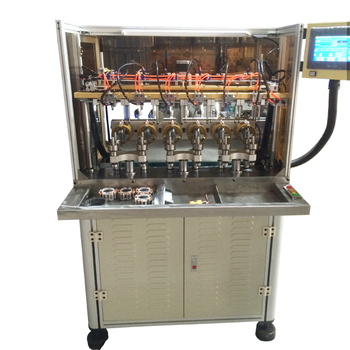

Compare standard and heavy-duty automatic insulation paper inserting configurations built by Zunqi Intelligent Equipment Co., Ltd. Custom die tooling is engineered directly to your physical lamination samples.
| Technical Parameter | Standard Series (HF-D50) | Heavy-Duty Series (HF-D100) | High-Precision BLDC Series |
|---|---|---|---|
| Target Applications | Ceiling fans, table fans, water pumps, washing machines | Industrial induction motors, compressors, HVAC blowers | Automotive traction motors, servo drives, drone stators |
| Stator Core O.D. | Φ40 mm – Φ160 mm | Φ80 mm – Φ260 mm | Φ25 mm – Φ140 mm |
| Stator Core I.D. | Φ20 mm – Φ100 mm | Φ40 mm – Φ160 mm | Φ15 mm – Φ90 mm |
| Stack Lamination Height | 10 mm – 120 mm | 20 mm – 250 mm | 8 mm – 100 mm |
| Insulation Thickness Range | 0.125 mm – 0.35 mm | 0.188 mm – 0.50 mm | 0.100 mm – 0.30 mm |
| Edge Folding (Cuffing) Width | 2.5 mm – 4.5 mm (Adjustable) | 3.0 mm – 6.0 mm (Adjustable) | 2.0 mm – 4.0 mm (Adjustable) |
| Cycle Efficiency | 0.5 – 0.8 s / slot | 0.7 – 1.1 s / slot | 0.4 – 0.6 s / slot |
| Indexing Mechanism | High-accuracy stepper or servo motor | High-torque closed-loop servo system | Multi-axis dynamic servo system |
| Power Supply & Pressure | 220V AC ±10% 50/60Hz, 0.5–0.7 MPa | 380V AC 3-Phase 50/60Hz, 0.5–0.7 MPa | 220V/380V Configurable, 0.5–0.7 MPa |
Engineering Notice: Every machine is custom-tooled using high-grade hardened alloy steel dies (Cr12MoV or cemented carbide) calibrated precisely to your stator lamination drawings and paper composite specifications.
As electric motor manufacturing migrates rapidly toward higher thermal efficiencies, inverter-fed drives, and reduced factory footprints, global procurement teams must anticipate several transformative shifts over the next 3 to 5 years.
The acceleration of 800V SiC (Silicon Carbide) power electronics in EV powertrains and high-efficiency heat pumps is rendering traditional single-layer PET films obsolete. Modern procurement orders demand machines capable of processing high-stiffness composite laminates—such as Class H NMN (Nomex-Mylar-Nomex), aramid papers, and polyimide films—without delamination, burring, or edge-crease fracture during high-speed folding cycles.
Contract motor manufacturers can no longer afford 4-hour changeover times when shifting batch runs. Next-generation insulation inserting machines are engineered with quick-release modular dies, digital micrometer cuff adjustments, and touch-screen parametric recipe storage. Switching between 24-slot, 36-slot, and 48-slot stators can now be completed in under 15 minutes by frontline line operators.
Zero-defect manufacturing protocols (IATF 16949 standards) have elevated the need for integrated optical sensor systems. Intelligent inserters now integrate compact optical sensors that inspect slot presence, verify cuff retention, and detect torn or double-inserted liners before the stator advances to the coil winding or coil insertion station, eliminating costly downstream scrap.
Legacy machines relied on fixed mechanical cams, bull gears, and mechanical ratchet pawls to synchronize paper feeding, shearing, and stator indexing. Global buyers are systematically moving away from pure cam-driven units toward multi-axis digital servo architectures that allow dynamic slot pitch variations, programmable skip-slot routines, and independent control of insertion velocity.
Shearing dies and cuffing blades experience extreme repetitive impact, leading to micro-dulling that produces paper dust and frayed edges. Progressive manufacturing plants require insulation inserting machinery equipped with cycle-count monitoring, vibration telemetry, and standardized OPC-UA/Modbus interfaces to predict blade sharpening windows prior to burr creation.
Procurement teams increasingly avoid multi-vendor integration headaches. The prevailing sourcing trend is partnering with a unified machinery builder capable of delivering matched insulation paper inserting, multi-station coil winding, coil & wedge inserting, lacing, and rotor turning machines engineered under a harmonized mechanical and electrical protocol.
Understanding the internal engineering of an automatic insulation paper inserting machine allows buyers to scrutinize build quality, component longevity, and maintenance overhead.
The uncoiling cradle handles heavy master rolls of insulation paper up to 300 mm in diameter. To prevent tension jerks that cause inconsistent cuff folding or feed slip, modern machines utilize a spring-dampened dancer arm coupled to an electromagnetic brake or brushless uncoiling drive. This ensures that every millimeter of paper enters the cuffing die with identical web tension, irrespective of remaining roll diameter.
The paper cutting unit utilizes high-chromium, high-carbon tool steel (such as SKD11 or vacuum heat-treated tungsten carbide inserts) ground to sub-micron clearances. The cuffing wheels mechanically pre-crease and fold the paper edges 180 degrees on both ends before cutting. This double-hemmed cuff prevents the paper from collapsing lengthwise when the pusher rod drives the cell into the stator slot.
The stator core is secured in a precision three-jaw chuck or custom locating mandrel. In high-speed models, a servo indexer accurately positions each stator tooth relative to the insertion nozzle. The indexing accuracy is maintained within ±0.02 mm, allowing seamless entry of the pre-shaped paper cell even in stators with complex semi-closed slot geometry or skewed laminations.
Operators interface with the system through an industrial color touchscreen. Parameters such as slot count, indexing velocity, cuff length, paper feed length, and variable slot pitch can be stored under alphanumeric part numbers. Operators simply load the corresponding recipe, insert the tooling fixture, and initiate automated operation with minimal setup downtime.
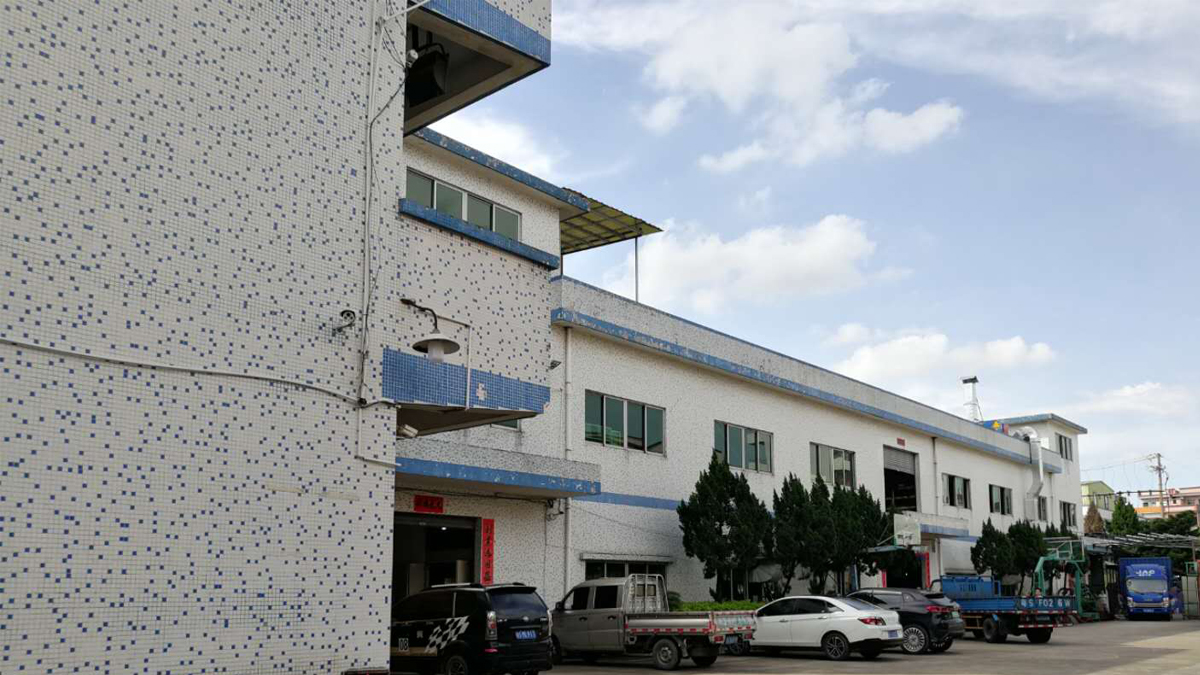
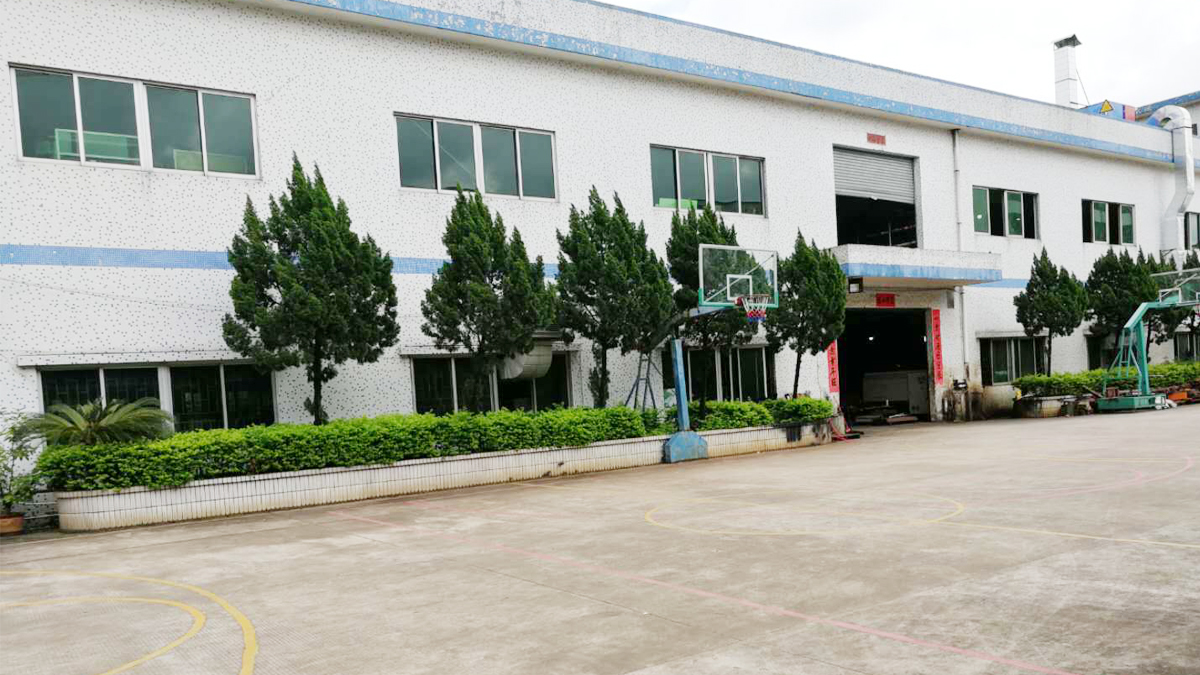
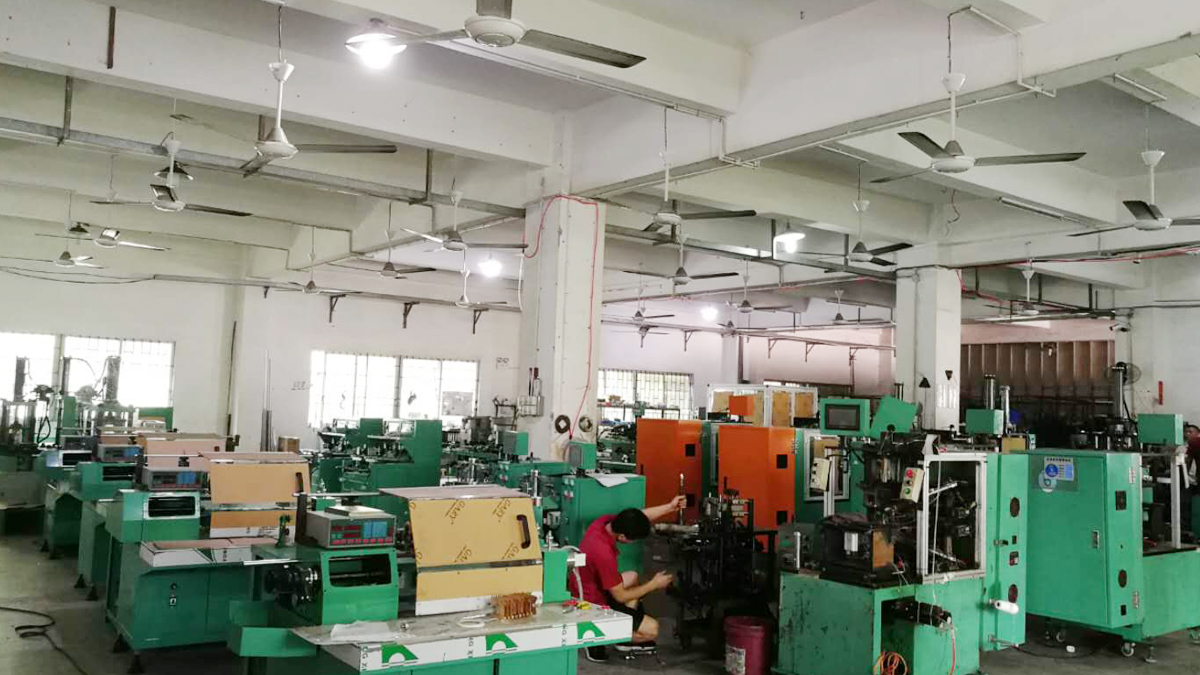
Zunqi Intelligent Equipment Co., Ltd. is a specialized manufacturer and trading enterprise located in Dongguan City, Guangdong Province, China—a preeminent global hub for electrical and electronic precision manufacturing. Operating from our dedicated production facility at No.2 Dongshan Yongchang Road, Qishi Town, we have spent 17 continuous years delivering reliable, industrial-grade motor manufacturing machinery to international markets.
Answers to critical technical, operational, and commercial questions queried by electrical manufacturing engineers and procurement specialists.
Skewed stator slots (frequently utilized in pump, fan, and compressor motors to reduce cogging torque and acoustic noise) present a mechanical challenge because the slot entry and exit are not parallel along the core axis. Our specialized automatic insulation paper inserting machines feature angled feed guide nozzles and servo-synchronized insertion pushers. The tooling is machined with a helical relief that matches the precise skew angle (typically between 1° to 8°), ensuring the paper liner slides smoothly along the skewed tooth face without buckling, accordion jamming, or edge rupture.
Insulation paper tearing typically stems from three mechanical factors: 1) dull shearing blades creating frayed micro-tears on the cut edge; 2) excessive or uneven cuffing roller pressure that fractures composite layers like DMD or NMN; and 3) poor alignment between the insertion nozzle and stator slot opening. Zunqi machines eliminate these failures by using precision-ground tungsten carbide cutting dies, micro-adjustable dial indicators on the cuffing assembly, and optical homing sensors that align the stator slot to within ±0.02 mm before the insertion ram engages.
Our machinery handles a wide array of electrical insulation papers and flexible laminates, including polyester film (PET/Mylar), DMD (Dacron-Mylar-Dacron), NMN (Nomex-Mylar-Nomex), Nomex aramid paper, Kapton polyimide film, and fish paper (vulcanized fiber). Material thicknesses between 0.125 mm and 0.50 mm can be accommodated. When ordering, customers specify the exact material composition so that we can calibrate the cuff pre-heating unit (optional for stiff materials) and tool clearances accordingly.
For stators sharing the same cross-sectional slot geometry but differing only in stack height, changeover requires under 5 minutes: the operator simply adjusts the digital stack stop and updates the paper length parameter on the touchscreen. When changing to a completely different stator diameter or slot tooth profile, the tooling set (forming mold, insertion nozzle, and pusher blade) can be swapped out within 15 to 25 minutes using quick-clamp locating dowels without requiring master disassembly.
Yes. Equipped with high-speed digital PLC and servo indexing drives, our machines can be programmed for skip-slot routines, alternating slot depths, or dual-paper lengths. This functionality is essential for two-speed stators, specialized split-phase winding configurations, or BLDC stators that require specific slots to remain open or receive thicker phase-separator liners.
Manual insulation paper insertion typically achieves 1 to 2 stators per hour per worker for standard 24-slot stators, with an inherent human error rate (missed slots, uneven cuffs, or damaged liners) between 2% and 5%. An automatic insulation paper inserting machine completes a 24-slot stator in 12 to 18 seconds (equivalent to 120 to 180 stators per hour per operator). For most industrial plants operating two shifts, the labor savings, elimination of rewound scrap stators, and increased coil inserting speeds result in a complete capital payback within 4 to 8 months.
Every machine shipped by Zunqi Intelligent Equipment Co., Ltd. undergoes extensive factory acceptance testing (FAT) using your supplied physical stator cores and insulation paper. We provide comprehensive operational video documentation, detailed schematic diagrams, and English instruction manuals. For remote commissioning, our engineers provide live video guidance for initial setup and parameter tuning. All equipment includes a 1-year warranty, and replacement wearing parts (cutters, springs, cuffing rollers) are available for expedited worldwide dispatch.
Send your stator core drawings (OD, ID, stack height, slot shape) and target daily production volumes to our engineering desk at [email protected]. Our technical team will formulate a full line proposal and cycle-time study within 9 hours.
