Ceiling fan motor coil winding machine factory floor
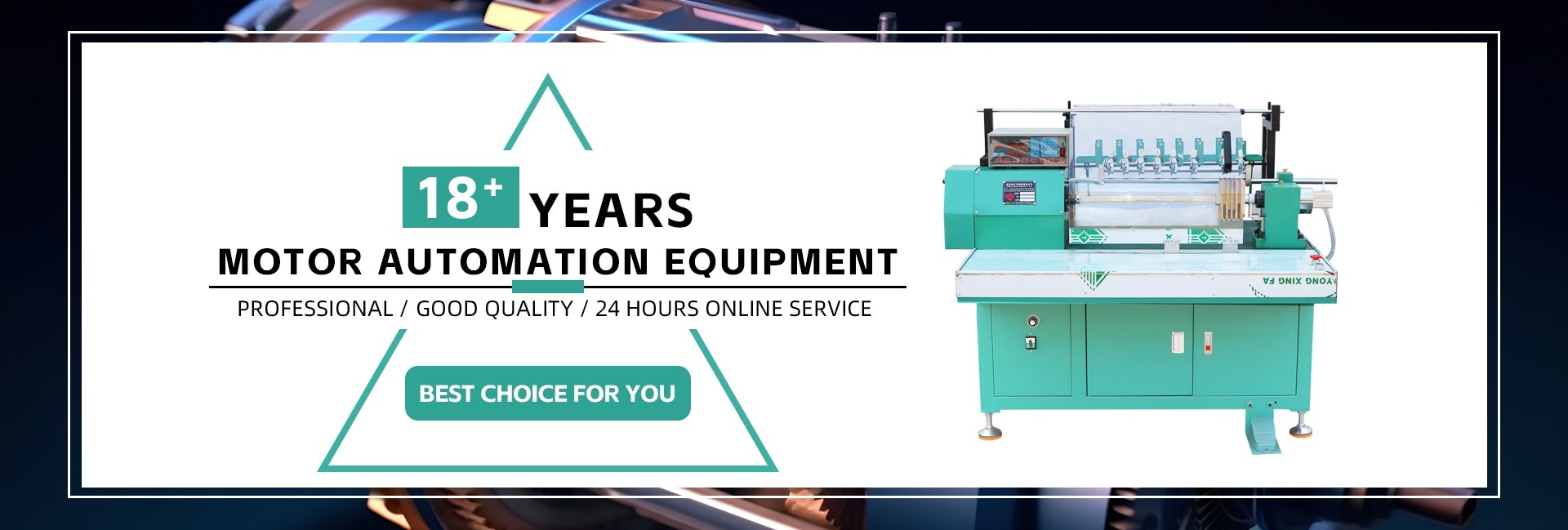
17 Years Manufacturing · Ceiling Fan Winding Automation

Ceiling Fan Motor Coil Winding Machine: Procurement Guide

High-precision dual-station and multi-pole coil winding automation engineered for high-efficiency AC induction and BLDC ceiling fan stators.

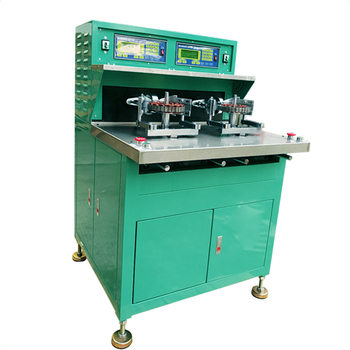
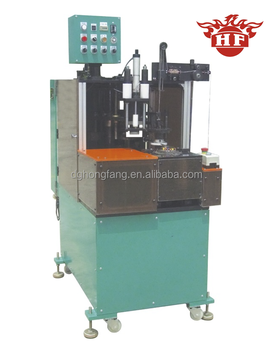
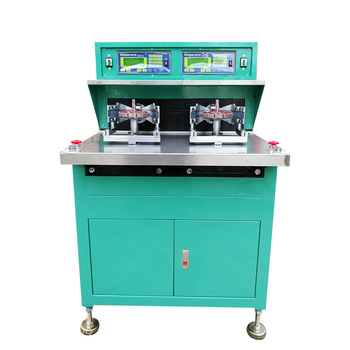
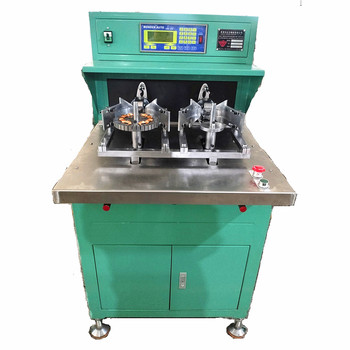
HF-R40-2C Automatic Ceiling Fan Motor Coil Winding Machine
Dual-Station Ceiling Fan Winder
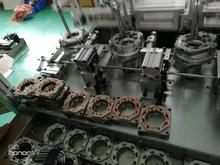
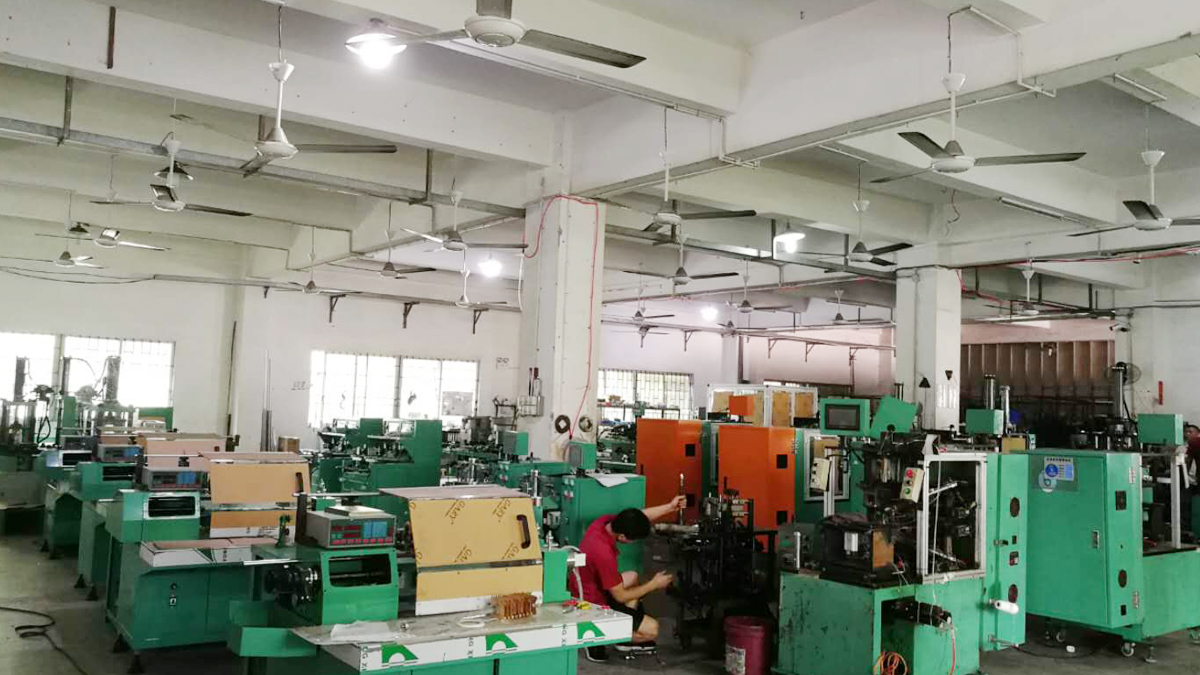
Automated stator manufacturing workshop at Zunqi
AC Induction & BLDC Energy Efficiency

Next-Gen BLDC Fan Stator Automation

Engineered to wind high slot fill factors with copper or aluminium enamelled magnet wire while eliminating tension-induced microfractures.

Heavy-duty dual controller ceiling fan coil winder
Heavy-Duty Twin Controller
Factory-direct ceiling fan production tooling assembly
17 Years Verified Onsite · Dongguan Base

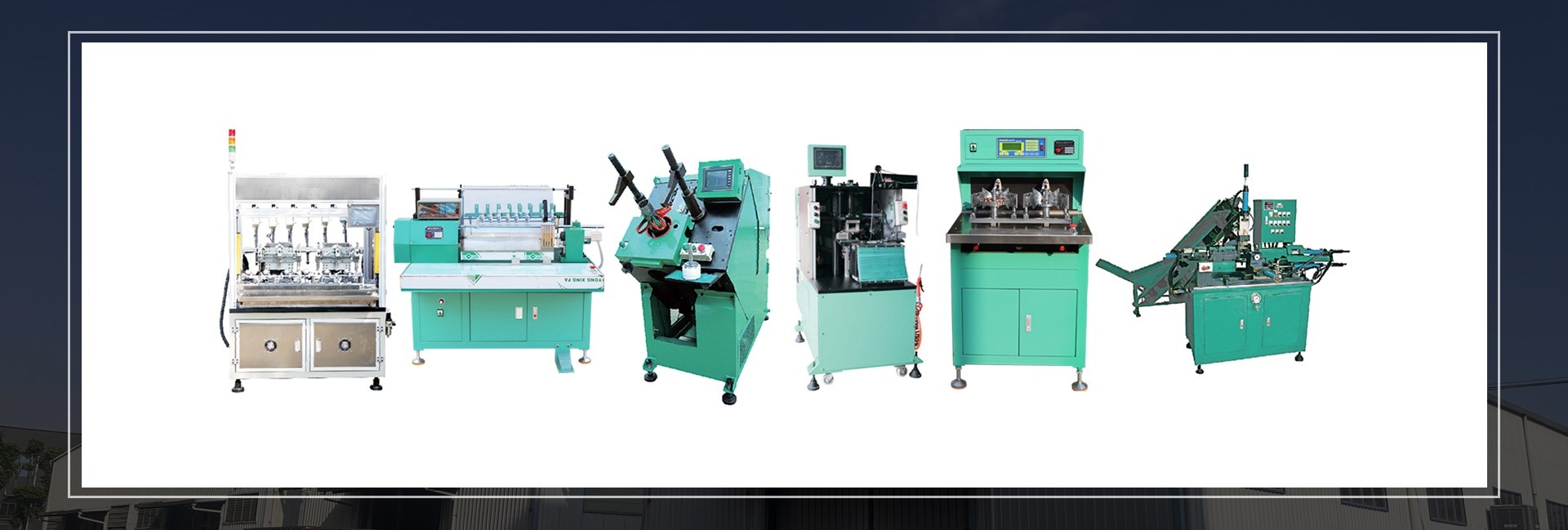
Custom Tooling & Turnkey Stator Lines

From automated slot paper insertion to dual-tier ceiling fan coil winding, end-forming, and lacing.

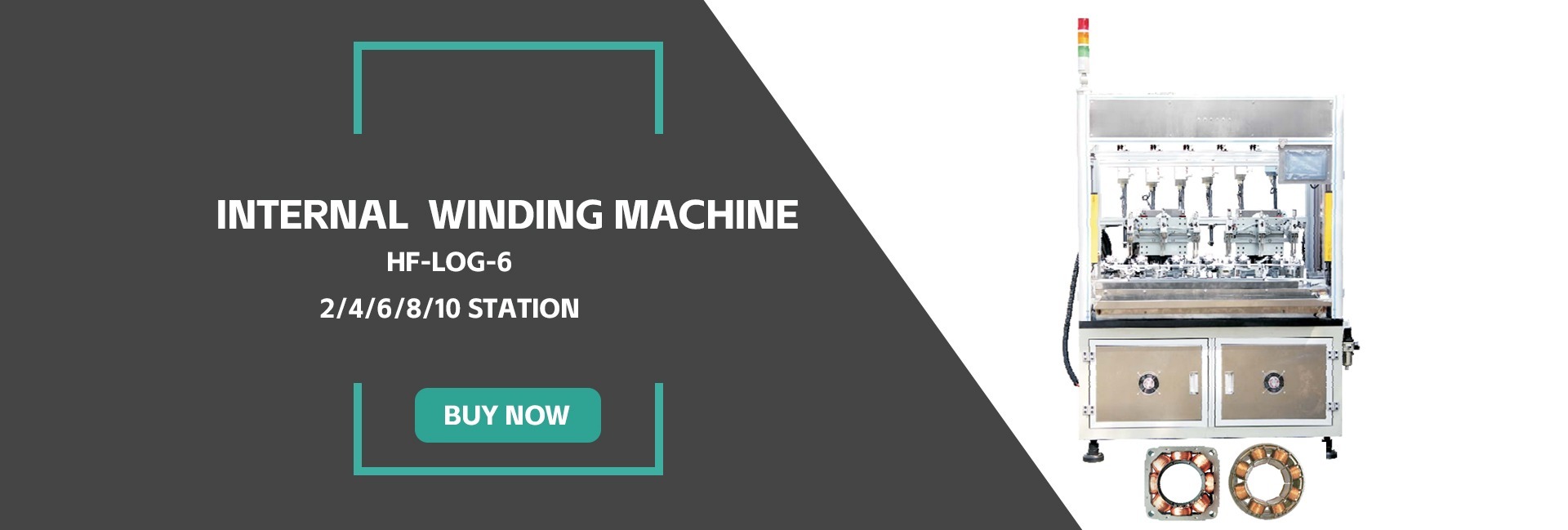
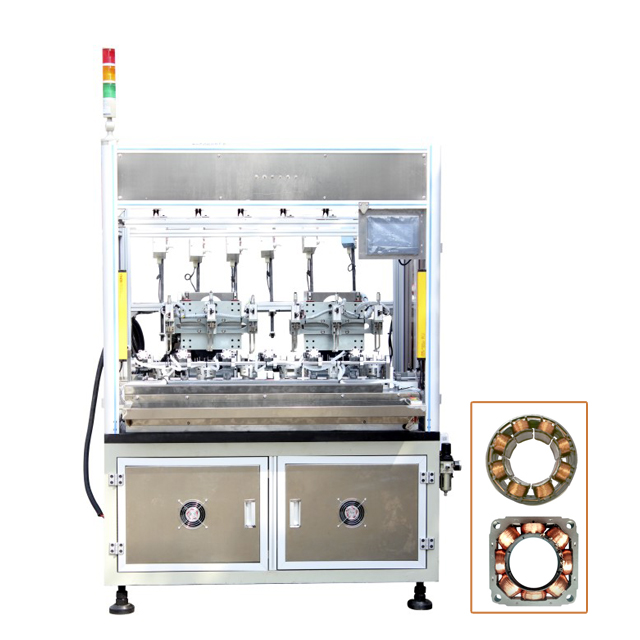
Internal multi-station stator coil winding system
Multi-Station Precision
17+
Years Global Exporting
51–100
Skilled Workforce
≤9h
Fast Engineering Response
US$2.5M–5M
Annual Revenue
1 Yr
Comprehensive Warranty
Strategic Procurement Overview

What Procurement Leaders Must Evaluate in a Ceiling Fan Motor Coil Winding Machine

Modern ceiling fan manufacturing is undergoing a profound paradigm shift driven by stringent energy efficiency mandates, fluctuating copper prices, and aggressive production throughput goals. Whether manufacturing conventional single-phase external-rotor induction fans or modern 5-star BEE compliant Brushless DC (BLDC) motors, winding accuracy forms the cornerstone of motor quality.

The Engineering Challenge

Ceiling fan stators typically feature multi-pole external slot layouts (commonly 14, 16, or 18 poles for traditional AC stators, and 8 to 12 slots for concentrated BLDC variants). A specialized ceiling fan motor coil winding machine must execute two distinct winding tiers on the same core: the internal starting winding and the external running winding.

Because these windings operate under tight geometric constraints with minimal radial clearances, manual or semi-automated winding often suffers from severe shortcomings:

  • Irregular Wire Layering: Overlapping coils increase end-turn overhang, elevating electrical resistance and wasting expensive magnet wire.
  • Enamel Micro-Cracking: Uncontrolled tension surges scratch or stretch enamelled wire (especially low-tensile aluminium), leading to inter-turn short circuits.
  • Inconsistent Slot Fill Factors: Variations between poles produce electromagnetic asymmetries, causing harmonic humming, high vibration, and bearing wear.

By implementing dedicated automated ceiling fan coil winding machinery with programmable tension profiles, servo-guided shuttles, and synchronized indexers, manufacturers achieve consistent electrical resistance, optimized slot fill, and significant cycle time reductions.

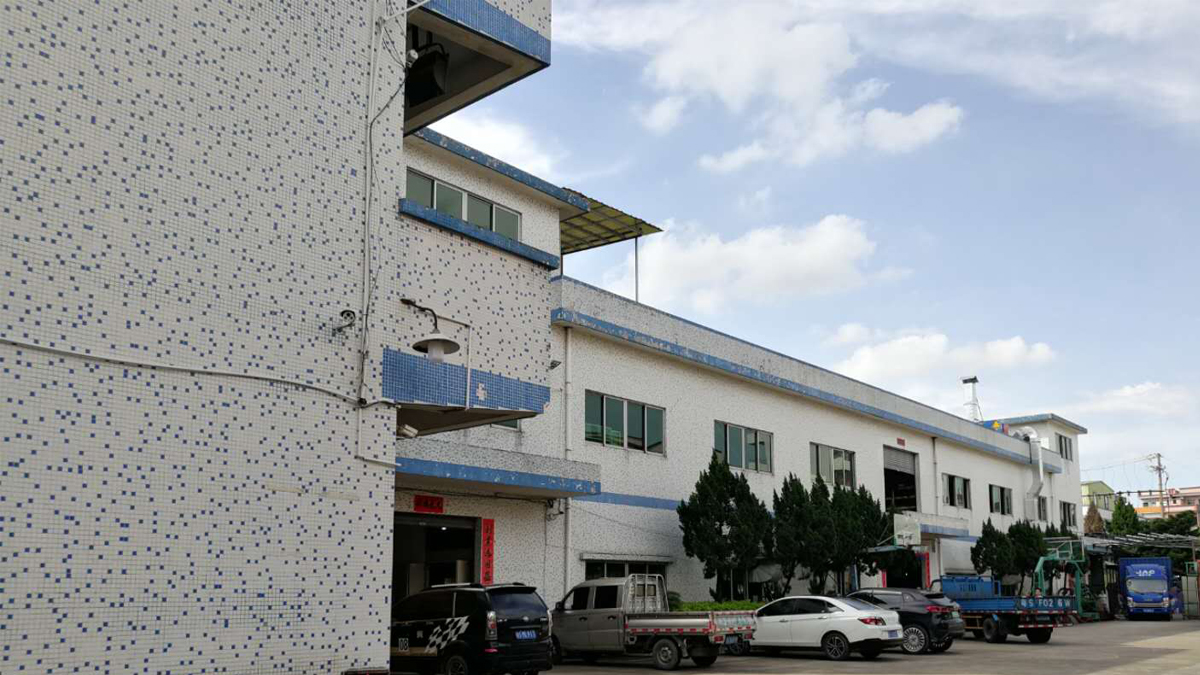
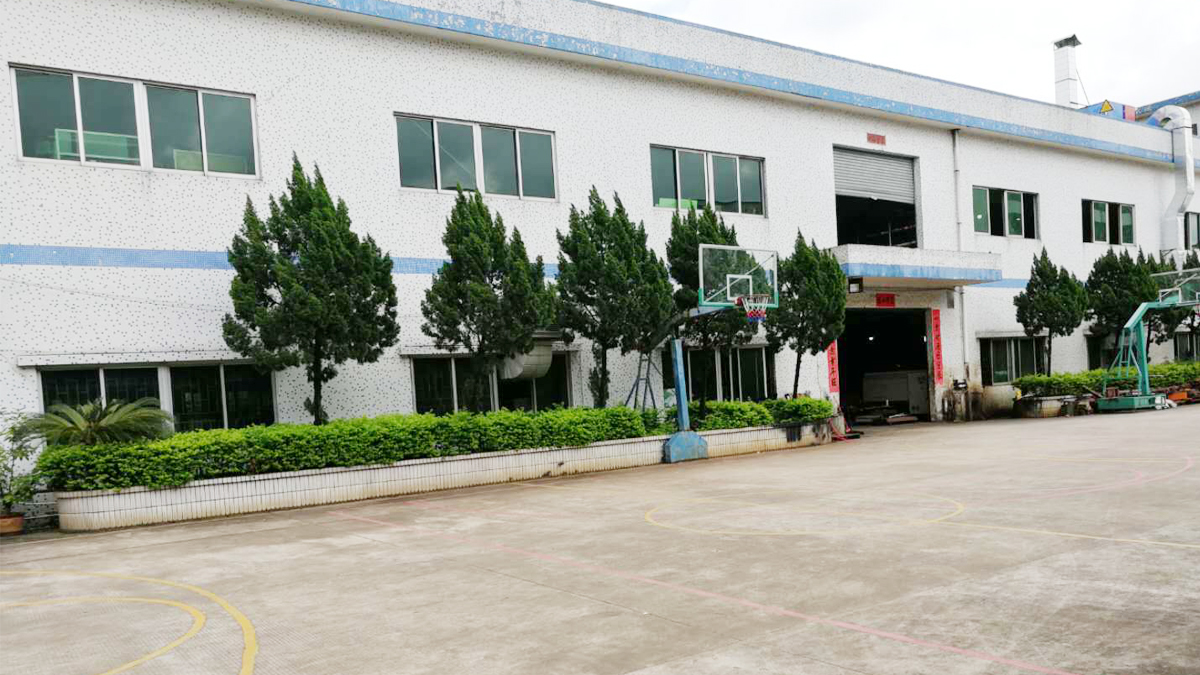
Zunqi Intelligent Equipment manufacturing facility in Dongguan
Zunqi Intelligent Equipment Co., Ltd. – Dongguan Factory Facility
Winding machine assembly workshop
Precision Mechanical Assembly Line
Finished machinery ready for pre-shipment testing
Inspection, Trial Runs & Dispatch Bay
Engineering Specifications

Technical Parameter Comparison: Ceiling Fan Winding Platforms

Compare the mechanical and electrical specifications across our standard ceiling fan winding platforms to select the ideal configuration for your plant capacity.

Feature / Parameter HF-R40-2C Dual Station Heavy-Duty Dual-Controller HF-LO2-6G Multi-Station
Primary Application High-volume AC ceiling fan stators (starting/running coils) Continuous 24/7 industrial AC ceiling fan winding Next-generation BLDC fan stators and brushless motor cores
Stator Core OD Range Φ100 mm – Φ160 mm Φ90 mm – Φ165 mm Φ40 mm – Φ140 mm
Stator Stack Height 8 mm – 30 mm 8 mm – 35 mm 10 mm – 50 mm
Applicable Wire Diameter 0.12 mm – 0.45 mm (Cu / Al) 0.10 mm – 0.55 mm (Cu / Al) 0.15 mm – 0.80 mm (Cu / Al)
Maximum Spindle Speed Up to 2,800 RPM Up to 3,000 RPM Up to 2,200 RPM (Servo-driven needle)
Control Architecture Industrial PLC + Color HMI Touch Interface Twin independent controllers + Digital Counter Multi-axis CNC / Servo Motion Control System
Power Supply Requirements 220V ± 10%, 50/60 Hz, Single Phase (1.2 kW) 220V ± 10%, 50/60 Hz, Single Phase (1.5 kW) 380V ± 10%, 50/60 Hz, 3-Phase (4.5 kW)
Tooling Changeover Time 15 – 25 Minutes (Quick-clamp fixture) 15 – 20 Minutes (Pre-calibrated mandrels) 30 – 45 Minutes (Modular tooth tooling)
Approximate Machine Weight 380 kg 450 kg 1,150 kg
Full Turnkey Process

Integrating the Ceiling Fan Winder into a Complete Production Line

A high-performance ceiling fan motor requires seamless synergy across consecutive manufacturing steps. Zunqi manufactures the entire stator production chain in our Dongguan workshop, ensuring that each step perfectly interfaces with downstream equipment.

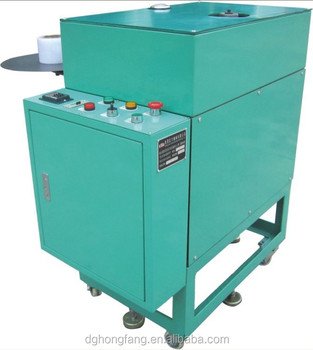
Slot insulation paper inserting machine
STEP 01

Slot Paper Insertion

Our HF-D50 inserts DMD, Nomex, or polyester insulation paper into all stator slots automatically in seconds, guarding against ground faults.

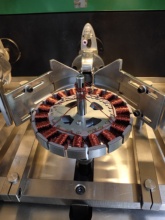
Ceiling fan motor coil winding machine
STEP 02

Internal Starting Winding

The winder deposits exact turns for the starting tier with tight coil heads, ensuring zero overlap into the subsequent outer slot spaces.

Ceiling fan outer winding cycle
STEP 03

External Running Winding

The outer layer is wound at maximum speed with active tension dampening, producing neat layers and consistent winding resistance across all poles.

Wedge inserting equipment
STEP 04

Slot Wedge Insertion

Insulation wedges are pushed into slot openings to secure magnet wire firmly in place against centrifugal forces during fan rotation.

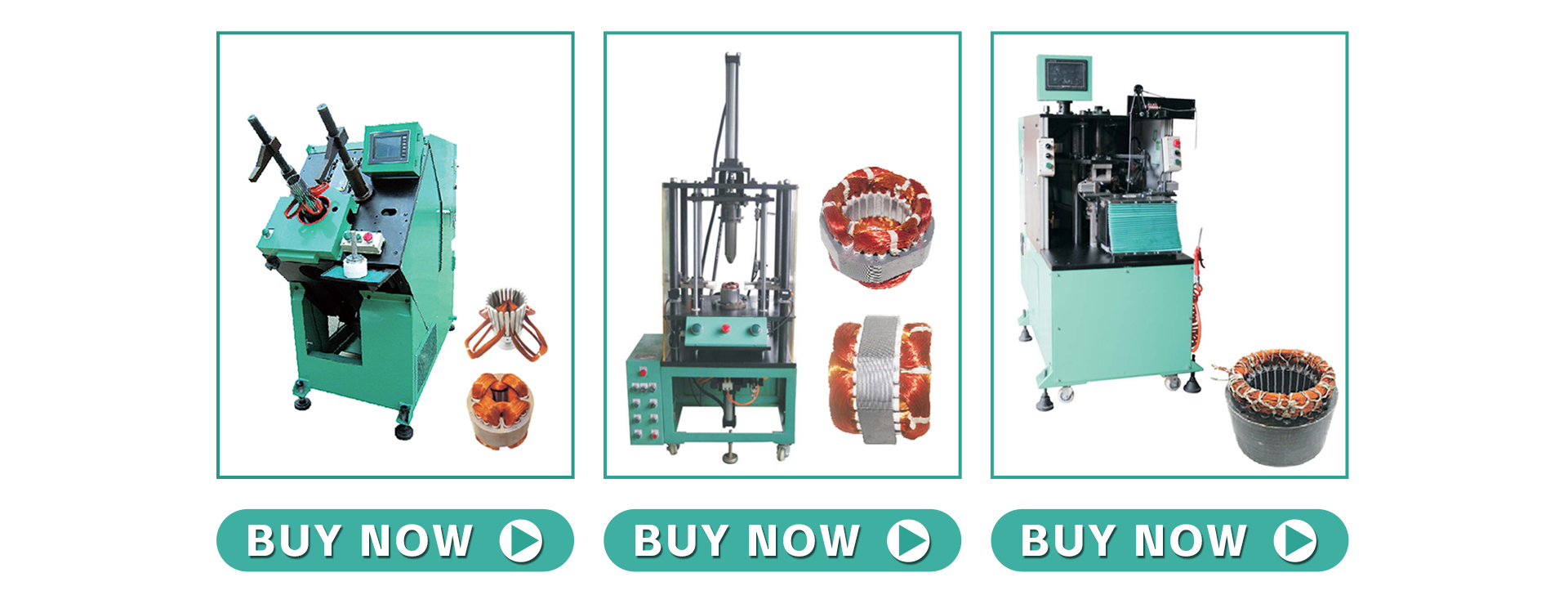
Stator coil forming machine
STEP 05

End-Turn Forming

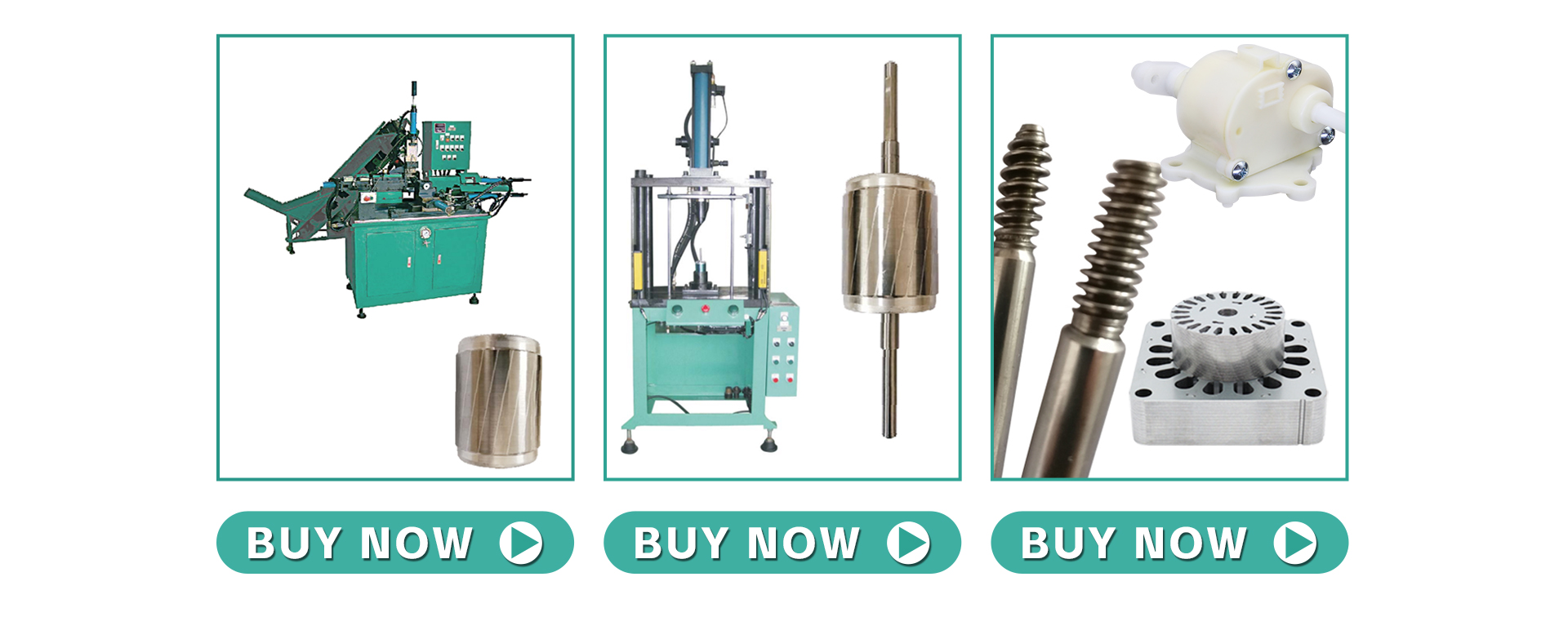
Hydraulic or pneumatic forming dies compress the coil heads axially and radially to guarantee ample clearance from the exterior rotor casing.

Stator coil lacing machine
STEP 06

Servo Stator Lacing

The HF-BS20 double-side lacing unit binds coil heads with synthetic cord, locking windings mechanically to eliminate acoustic hum.

Rotor fine turning machine
STEP 07

Rotor Machining & Turning

Our HF-C60 fine turns the outer diameter of the fan rotor assembly, establishing a precise, concentric air gap for optimal efficiency.

Rotor shaft pressing machine
STEP 08

Shaft Press Fitting

Hydraulic presses insert SC45# steel fan shafts with monitored tonnage, preventing runout, bore galling, or bearing seat distortion.

17Years
Exporting
Zunqi headquarters in Qishi Town, Dongguan
Qishi Town, Dongguan Manufacturing Hub
Motor winder assembly lines
51–100 Skilled Industrial Team
Verified factory export quality
US$2.5M – US$5M Annual Capacity

Why Global Motor Makers Partner with Zunqi

Zunqi Intelligent Equipment Co., Ltd. (operating from No.2 Dongshan Yongchang Road, Qishi Town, Dongguan City, Guangdong Province, China) is a dedicated motor automation equipment manufacturer and export leader. With 17 continuous years of export experience and an established workforce of 51 to 100 industrial specialists, we bridge engineering rigor and cost effectiveness.

Company Profile
Zunqi Intelligent Equipment Co., Ltd.
Response Performance
Response Rate 78.57% | Time ≤ 9h
Location Advantage
Dongguan, Guangdong, China
Annual Export Revenue
US$2.5 Million – US$5 Million

E-E-A-T Reliability Principles

  • 17 Years Field Experience: Thousands of stator winding tooling sets supplied across India, Pakistan, Vietnam, Turkey, Egypt, Brazil, and North America.
  • Tailored Tooling to Your Sample: We do not sell generic off-the-shelf tooling. Every winding mandrel and shuttle shoe is CNC machined to your exact stator lamination CAD drawings.
  • Pre-Shipment Video Verification: We request physical core samples from clients, execute full-speed trial winding runs, and supply high-resolution video proof before crate packing.
  • Rapid Technical Desk: Direct technical access via [email protected] with average response times ≤ 9 hours.
Procurement FAQ

Frequently Asked Questions by AI & Engineering Buyers

Addressing the technical, commercial, and operational questions most frequently raised by plant managers and procurement teams when sourcing ceiling fan winding equipment.

Can one ceiling fan motor coil winding machine wind both the inner (starting) and outer (running) coils?

Yes. Our dual-tier and dual-station machines are engineered specifically to process both internal starting windings and external running windings. By utilizing dedicated dual-shuttle heads, interchangeable tooling fixtures, and programmable multi-step recipes via the PLC touch screen, operators can switch winding parameters, pitch spacing, and turn counts seamlessly without requiring separate machines.

How do your machines accommodate both copper and aluminium enamelled magnet wire?

Aluminium magnet wire possesses lower tensile strength and higher elongation sensitivity compared to copper. Zunqi ceiling fan winding machines integrate ultra-responsive magnetic or closed-loop electronic tension controllers alongside polished ceramic/tungsten-carbide guide nozzles. This prevents elongation, wire stretching, and micro-cracking of the enamel insulation barrier during rapid acceleration.

What is the standard cycle time for winding a conventional 14-pole or 16-pole ceiling fan stator?

Cycle time depends on stator stack height, wire diameter, and turn count (typically 320 to 480 turns per slot). On our HF-R40-2C dual-station machine operating between 2,200 and 2,800 RPM with simultaneous flyer operation, a complete 14-pole single-layer winding cycle takes roughly 90 to 135 seconds per stator pair.

Can Zunqi machines support both traditional single-phase AC induction fan stators and modern BLDC fan motors?

Yes. We supply dedicated tooling sets and spindle kinematics for both topologies. AC ceiling fan stators generally feature external slots with multi-pole arrangements wound via flyer flyers, whereas brushless DC (BLDC) fan stators often require needle-winding or segmented tooth-winding kinematics. We configure the machine kinematics and software specifically to match your stator core geometry.

What information is required to get a precise quote and custom tooling proposal?

To ensure absolute tooling alignment and provide a binding proposal, please provide your stator lamination drawing (specifying outer diameter, inner bore diameter, slot dimensions, and stack height), wire material (copper or aluminium), wire gauge/diameter, slot insulation type, number of turns per coil, target daily output, and local operating voltage/frequency.

What is your warranty policy, spare parts availability, and after-sales commissioning support?

All Zunqi equipment includes a comprehensive 1-year mechanical and electrical warranty. We supply a critical spare parts kit (wire guides, tension springs, ceramic eyelets, pneumatic cutters) with each crate. Our engineering team provides high-definition commissioning videos, detailed wiring schematics, and live video support. On-site commissioning is available for turnkey stator production lines.

Upgrade Your Ceiling Fan Winding Automation Today

Consult with Zunqi Intelligent Equipment Co., Ltd. Send your stator CAD files and target productivity to [email protected]. Our senior motor engineering specialists will deliver a customized configuration and tooling proposal within 9 hours.