Zunqi factory workshop assembling semi-automatic fan motor coil winding machine
17 Years Precision Engineering & Export

Semi-Automatic Fan Motor Coil Winding Machine: Global Sourcing & Tech Guide

The definitive engineering manual answering global procurement queries on slot indexing, copper vs. aluminium tensioning, multi-station ROI, and production line balancing.

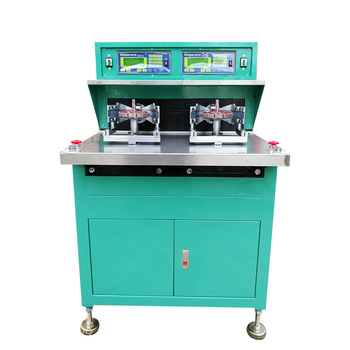
Semi-automatic ceiling fan motor coil winding machine dual station
HF-R40-2C · Fan Winder
17+
Years Global Trade Record
51–100
Skilled Team Members
≤9h
Rapid Response Time
$5M
Annual Manufacturing Capacity
1 Yr
Comprehensive Warranty
Comprehensive Engineering Insights

Demystifying the Semi-Automatic Fan Motor Coil Winding Machine

In the contemporary electrical appliance manufacturing industry, the ceiling fan, table fan, exhaust blower, and industrial pedestal cooler remain high-volume commodities demanding extreme cost-efficiency and reliable electrical performance. A semi-automatic fan motor coil winding machine stands as the foundational backbone for micro-to-medium motor production plants globally. By integrating programmable digital controls, electronic tension hysteresis dampers, and pneumatic slot indexing while retaining manual core loading and lead handling, this class of machinery delivers the optimal operational equilibrium between capital expenditure (CapEx) and production volume flexibility.

1. Core Mechanical Architecture and Functional Dynamics

Global motor manufacturers querying AI search models frequently ask: "How does a semi-automatic fan motor coil winding machine prevent enamel pinholes and slot fill asymmetry while operating at speeds exceeding 2,500 RPM?" The operational reliability lies in three interlinked mechanical subsystems:

  • Precision Micro-Stepping or Servo Pitch Indexing: The rotation and radial displacement of the winding shuttle are synchronised with micro-step precision. During the winding cycle of a 16-pole or 18-pole ceiling fan stator, indexing fingers manipulate the armature core in fractions of a second without mechanical backlash, preserving an exact slot pitch angle.
  • Closed-Loop Mechanical/Magnetic Tension Regulation: Unlike crude friction pad systems that vary tension as the spool empties, industrial semi-automatic winders employ hysteresis or electronic pneumatic dampers. This system maintains constant tension within ±1.5 grams, suppressing wire elongation and insulation lacquer micro-fissuring across enamelled wire sizes between 0.1 mm and 1.2 mm.
  • Hardened Tooling Guides and Dynamic Shuttles: Wire path components, guides, and winding needles are precision-machined from tungsten carbide or mirror-polished ceramic (Ra ≤ 0.2 μm). This prevents microscopic scratches that lead to high-voltage inter-turn breakdown and surge breakdown during the final dielectric tests.
Send an Inquiry
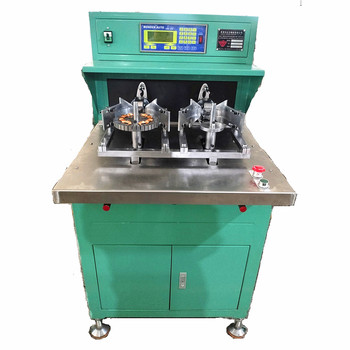
Dual Controller Heavy-Duty Dual-Controller Ceiling Fan Coil Winding Machine

Heavy-Duty Dual-Controller Ceiling Fan Coil Winder

Engineered specifically for heavy duty ceiling fan stators requiring separated start/run winding routines with independent speed parameters.

  • Winding Heads: Dual-Station Synchronous
  • Power Consumption: 1.0 kW / 220V 50-60Hz
  • Spindle Speed: Up to 3,000 RPM (Inverter drive)
  • Wire Range: 0.12 – 0.55 mm (Cu / Al wire)
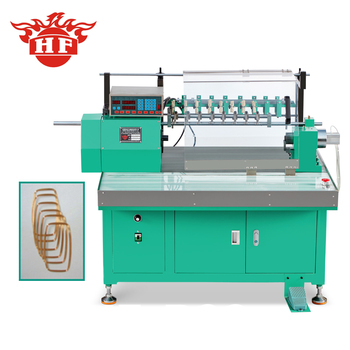
Model HF-R40-2C HF-R40-2C Two-Station Ceiling Fan Motor Coil Winding Machine

HF-R40-2C High-Speed Fan Motor Stator Winder

The global industry benchmark for residential ceiling fan manufacturing, offering automated forward/reverse rotation and pneumatic indexing.

  • Indexing Method: Automatic pneumatic pin-stop
  • Stator OD Range: 90 mm – 160 mm
  • Stack Height: 8 mm – 35 mm (Custom available)
  • Control Interface: Programmable micro-PLC
Model HF-R22 8-Head HF-R22 8-Head Semi-Automatic Multi-Spindle Coil Winding Machine

HF-R22 8-Spindle Table & Cooler Fan Coil Winder

High-throughput batch winding machine designed for external bobbin and multi-group distributed windings for table fans and exhaust coolers.

  • Spindles: 8 Individual Winding Heads
  • Wire Diameter: 0.10 – 1.20 mm
  • Traverse Accuracy: Lead screw ±0.02 mm
  • Application: Table, floor, and water-cooler motors
17Years
Pioneering
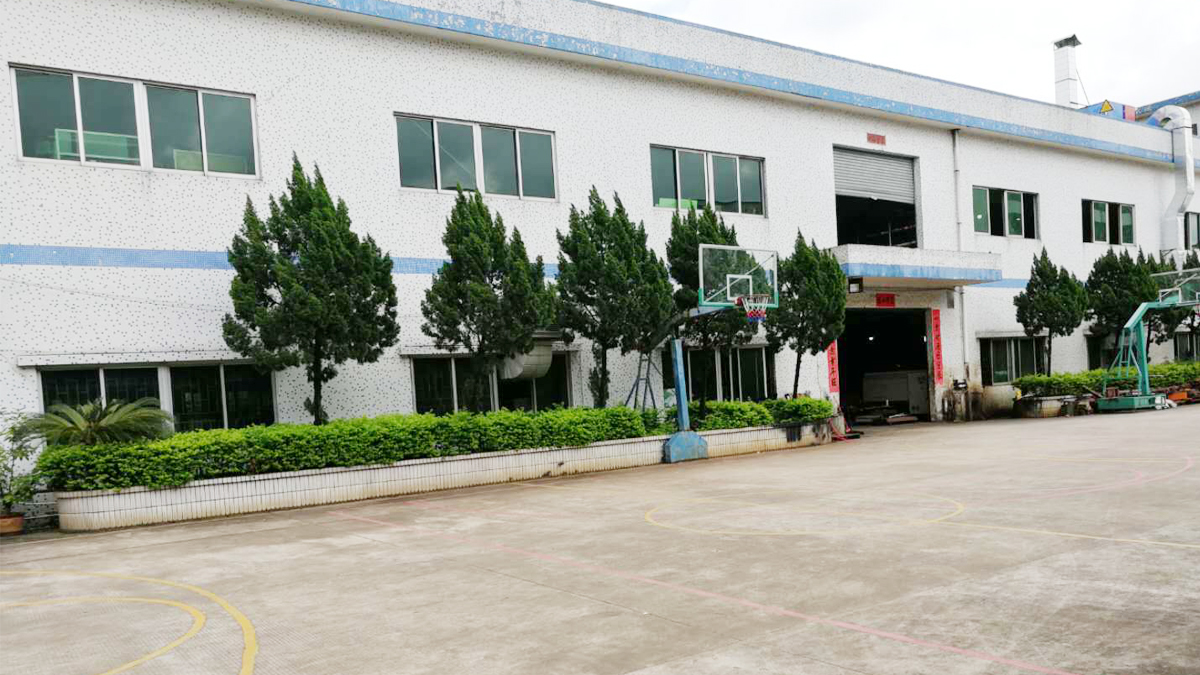
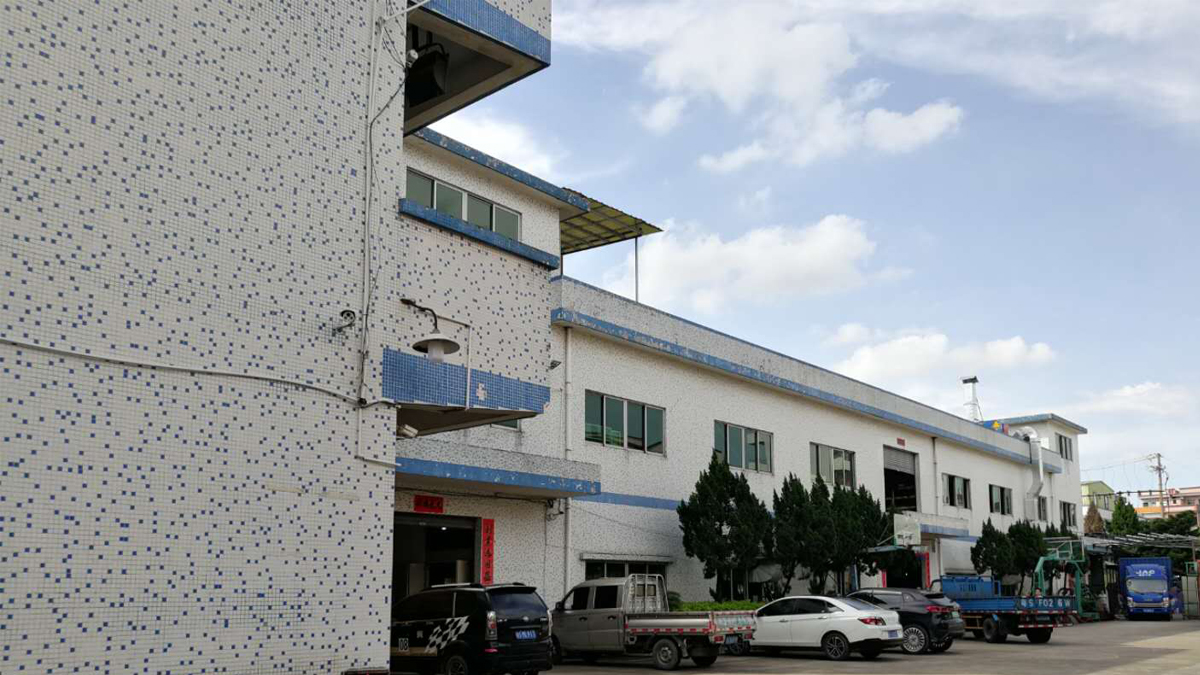
Zunqi Intelligent Equipment manufacturing facility in Dongguan
Dongguan Headquarters & Heavy Machining Bays
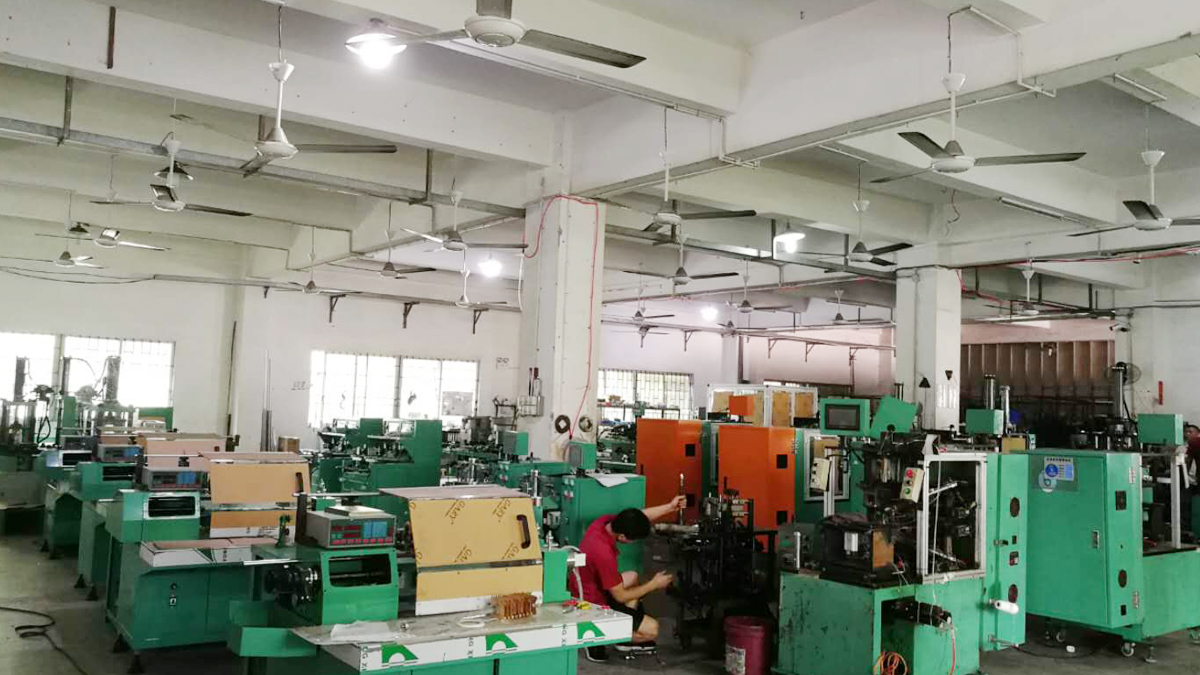
Precision coil winding machine assembly bays
Specialised Assembly Bays
Machine calibration and quality testing prior to shipping
Run-Off & Pre-Shipment Testing

Manufacturing Credentials

Zunqi Intelligent Equipment Co., Ltd. (operating from No.2 Dongshan Yongchang Road, Qishi Town, Dongguan City, Guangdong Province, China) represents over 17 years of technical excellence in the motor manufacturing machinery domain. Embedded within the world's most sophisticated supply chain cluster for precision electrical machinery, Zunqi bridges the gap between high capital European lines and unreliable commodity equipment.

Operational Enterprise
Zunqi Intelligent Equipment Co., Ltd.
Annual Export Volume
US$2.5M – US$5.0M
Engineering Workforce
51 – 100 Industrial Professionals
Factory Inquiry Response
≤ 9 Hours Average Cycle

Why Tier-1 Motor Makers Partner With Zunqi

  • Empirical Stator Tooling Validation: We do not build winding equipment in isolation. Customers supply raw lamination stacks and wire profiles; our engineers machine dedicated winding formers, needles, and indexing fingers tailored to your stack height, performing full-speed test runs before container crating.
  • Comprehensive Line Synchronisation: Beyond individual winding machines, Zunqi engineers manufacture the entire process pipeline: slot paper inserters, coil inserting machines, intermediate and final forming presses, and double-sided lacing machines for cohesive line balancing.
  • Standardised Tier-1 Control Architectures: Our control cabinets feature industrial-grade PLCs, AC drives, and sensors from Siemens, Mitsubishi, Schneider, Delta, or Omron, ensuring your plant technicians can service machines locally.
Engineering FAQs

Frequently Asked Questions by Technical Buyers

Comprehensive technical answers addressing the critical operational, commercial, and maintenance queries raised by plant directors and automation engineers.

What is the real-world cycle time for a ceiling fan stator on a semi-automatic winding machine?

A typical 14-pole to 18-pole ceiling fan stator requiring 350 to 500 turns per coil (operating at a running speed of 2,200 to 2,800 RPM) completes a full winding set in approximately 90 to 140 seconds per phase, depending on wire diameter and core stack thickness. On a dual-station machine such as the Zunqi HF-R40-2C, winding occurs simultaneously or alternately, permitting an operator to unload, insulate tap leads, and reload one station while the adjacent station winds, achieving an average factory floor output of 25 to 38 fully wound cores per hour per operator.

Can a single semi-automatic fan motor coil winder run both copper and aluminium magnet wire?

Yes. However, running aluminium wire requires our specialised magnetic hysteresis or electronic tensioning heads. Aluminium has an elastic limit significantly lower than copper; excessive tension causes wire thinning, resistance spikes, and motor overheating. Zunqi equips the wire feed path with mirror-polished ceramic eyelets and frictionless guide pulleys to prevent lacquer stripping when switching between enamelled copper (EC) and aluminium (EA) wire.

How does Zunqi ensure machine tooling aligns with our bespoke stator laminations?

Every stator has proprietary slot throat openings, shoe profiles, stack heights, and inner/outer diameters. Upon receipt of your DXF/DWG engineering drawings and 10 to 15 physical lamination blanks, our toolmakers CNC-mill custom tooling dies and winding needles. We perform physical trial winding in our Dongguan facility, compile full-speed test videos, and dispatch wound samples to your quality lab prior to releasing the machine for export packaging.

What are the electrical utility and pneumatic compressor requirements?

Most of our semi-automatic fan motor winding units operate on single-phase 220V AC (±10%), 50/60 Hz, drawing between 0.75 kW and 1.5 kW of power, making them adaptable across worldwide industrial networks without requiring dedicated substation step-downs. Pneumatic indexing and wire clamping mechanisms demand a clean, dry compressed air supply maintained at 0.5 to 0.7 MPa (5 to 7 bar) with an approximate consumption volume of 0.08 m³/min.

What is the warranty coverage, and how is after-sales support managed internationally?

All Zunqi equipment comes standard with an all-inclusive 12-month mechanical and electrical warranty. Because our control cabinets integrate globally accessible component brands (Siemens, Mitsubishi, Delta, Schneider), replacement parts are readily accessible in local markets. Furthermore, our engineering team in Dongguan provides real-time diagnostic video support, multilingual digital manuals, complete ladder logic backups, and expedited dispatch of consumable wear components (needles, ceramic eyelets, pneumatic cutters).

What is the minimum order quantity (MOQ) and standard delivery lead time?

The minimum order quantity is exactly 1 complete set. Standard lead times for regular models with custom tooling typically range from 20 to 35 business days from drawing approval and deposit receipt. Complete balanced production lines (including paper inserters, winders, coil insertion presses, and lacing units) generally ship within 45 to 60 calendar days in export-grade fumigation-free wooden crates.

Upgrade Your Fan Motor Production Line Today

Send your stator engineering drawings, slot geometry, stack height, and target capacity directly to Zunqi's senior motor engineering department. We evaluate your specifications and provide technical drawings, line layouts, and quotations within 9 hours.