Servo Sync
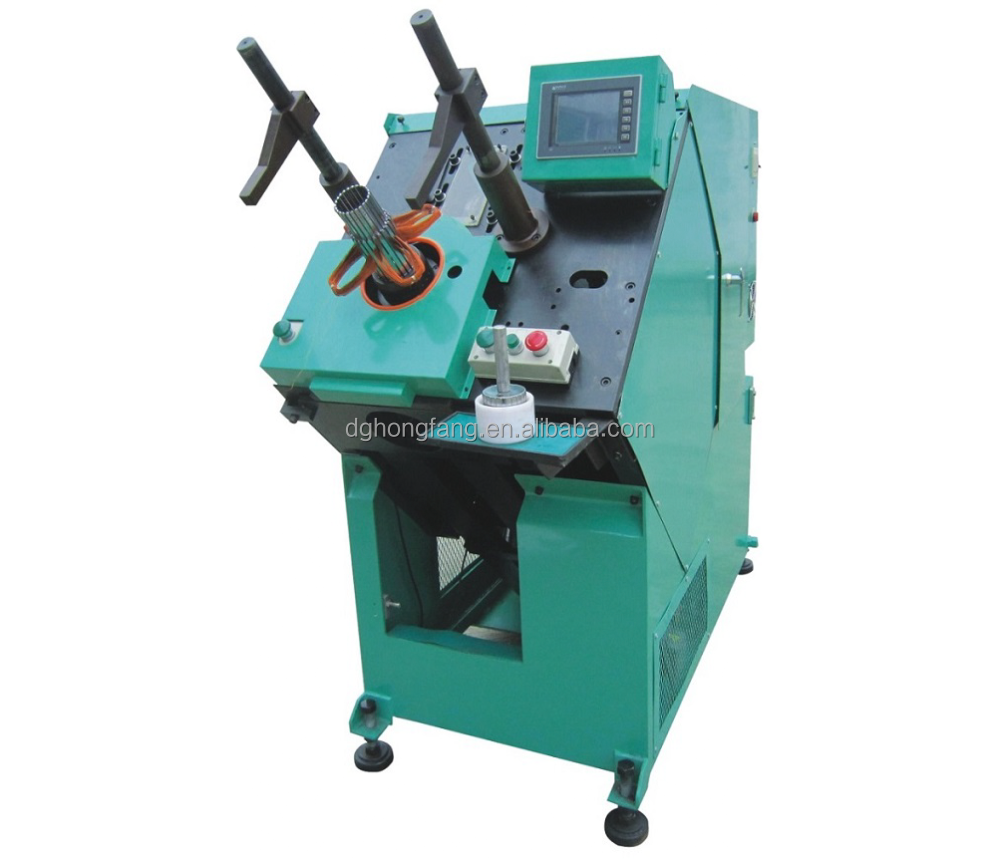
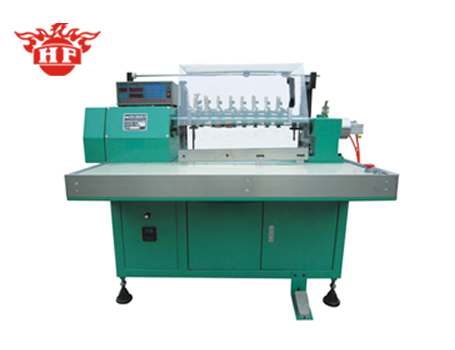
Automatic Servo System Stator Coil and Wedge Inserting Machine
- Synchronous coil & wedge slot insertion
- Dual servo feed with zero enameling damage
- Tooling adapted to customized stack heights
Proven industrial systems engineered to exceed European IEC manufacturing standards, supporting Danish OEMs with reliable cycle repeatability and precision slot fill factors.
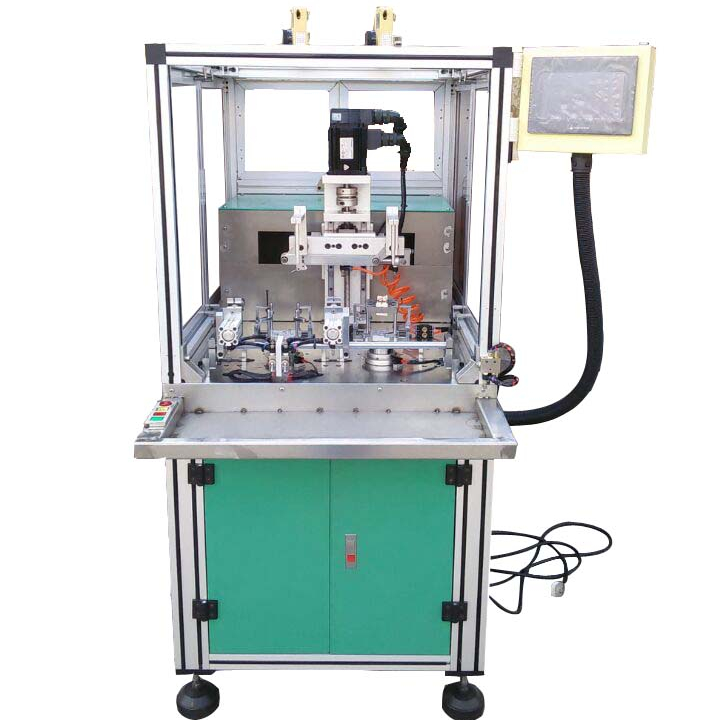
As Denmark accelerates toward its aggressive carbon-neutral goals, electrical machine builders across Greater Copenhagen, Zealand, and the Southern Denmark corridor demand advanced winding mechanics capable of handling next-generation electromagnetic geometries.
In the Copenhagen metropolitan region—anchored by world-class pump engineering giants, offshore wind turbine integrators, and pioneering life-science facilities—electric motor production is transitioning rapidly away from generic, high-tolerance lines toward ultra-precise, digitally monitored manufacturing nodes. The Copenhagen market does not compromise on mechanical reliability: motors deployed in municipal district heating networks, high-salinity maritime auxiliary installations, and pharmaceutical cleanroom HVAC units must guarantee mean time between failures (MTBF) extending across decades.
Danish district heating networks, such as HOFOR in Greater Copenhagen, require wet-rotor and canned stator pump motors running non-stop. Our servo-actuated slot insulation and coil inserters deliver zero-scratch wedge placement, preventing micro-void partial discharges when stators are encapsulated in dielectric resin.
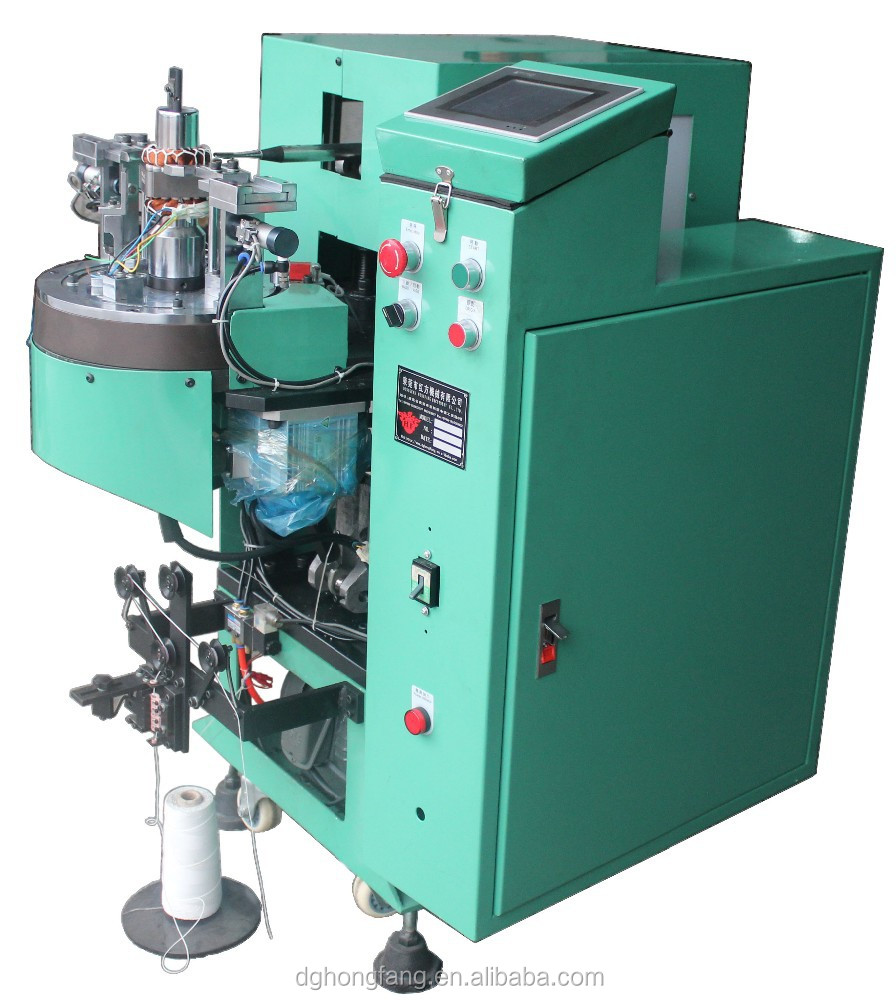
Offshore wind assets off Danish coasts operate in unforgiving, corrosive North Sea and Baltic environments. Auxiliary pitch control, yaw drive motors, and oil circulation pumps demand robust overhang coil lacing. Our double-side servo lacing machines lock winding bundles rigidly against harmonic vibration and gale-force mechanical shock.
The expansion of electric harbor craft and hybrid commercial vessels across Copenhagen Port and the Øresund corridor necessitates high-torque electric thruster motors. Machines like our multi-station internal stator winders handle heavier wire gauges and optimized slot fills without stretching copper cross-sections.
Under European Commission Regulation (EU) 2019/1781, motor manufacturers supplying the Danish and wider Scandinavian markets face rigorous minimum energy performance standards (MEPS). Moving from IE3 premium efficiency to IE4 super-premium and IE5 ultra-premium ratings requires fundamental changes to winding geometries:
1. Elevated Slot Fill Factors: Traditional manual winding typically peaks at a 65–70% gross slot fill ratio. To suppress internal copper I²R thermal losses, Nordic Tier-1 pump and compressor makers strive for >78% fill factors. Achieving this without damaging the delicate thin-film enamel requires synchronized multi-axis servo inserters that guide both the wire bundle and the insulation wedge in a unified mechanical stroke.
2. Transition Between Enamelled Copper and Aluminum: While pure electrolytic copper remains paramount for compact, high-efficiency drivetrains, certain industrial fan and light cooling motors are moving toward copper-clad or high-grade aluminum magnet wire to curb material expenditures. Modern winding machinery must feature dual-mode closed-loop tensioners capable of feeding high-tensile copper and softer aluminum without wire necking, breakage, or elongation distortion.
3. VFD Harmonic Insulation Integrity: The vast majority of Danish commercial HVAC and wastewater pumps are paired with Variable Frequency Drives (VFDs). High-frequency switching inverter pulses (PWM) inflict extreme dielectric stress across the first turns of the phase winding. Stator lacing, paper slot edge cuffed inserts, and three-dimensional end-turn forming must prevent inter-turn friction, micro-abrasions, and phase insulation displacement during long-term operation.
| Manufacturing Stage | Traditional Manual / Semi-Auto Process | Zunqi Automated CNC & Servo Line | Direct Impact on Danish End-Product |
|---|---|---|---|
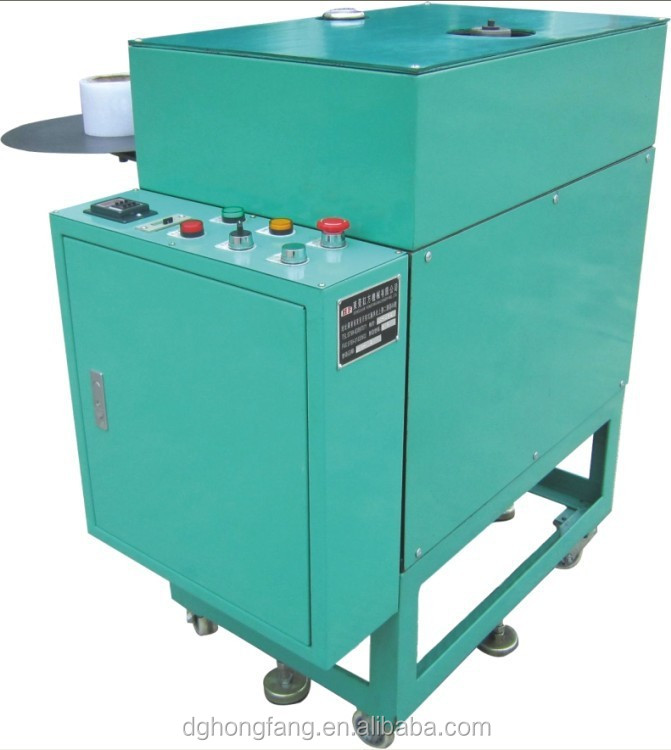
| 1. Slot Liner Insertion | Pre-cut paper inserted by hand; uneven cuff heights; prone to tears | Automatic coil feed, creasing, cuffing, cutting & insertion in 0.5s/slot | 100% dielectric isolation; zero ground-leakage warranty returns in wet environments |
| 2. Stator Coil Winding | Single-head flyer with inconsistent mechanical friction tensioning | Multi-axis servo-driven flyer/needle winder with digital load cell feedback | Exact turn count precision; identical phase resistance; minimal stray load losses |
| 3. Coil & Wedge Transfer | Manual shoehorning using plastic drift pins; high scratch defect rate | Single-stroke synchronized guide blades with push rods and wedge slide | Zero enamel scarring; guarantees IE4/IE5 operational thermal class endurance |
| 4. Overhang Lacing | Hand-tied string binding; variable operator tension across circumference | Servo dual-side lacing head with adjustable pitch, skip, and cord tension | Immunity to resonant mechanical vibration in maritime thrusters & wind turbine nacelles |
| 5. Rotor Turning & Finishing | Manual lathe turning; broad air-gap variance (±0.05mm) | Dedicated CNC rotor fine-turning machine holding outer diameter ±0.008mm | Optimized magnetic air gap; whisper-quiet acoustic decibel performance for buildings |
An uncompromised breakdown of the mechanical and kinematic engineering underpinning our complete stator and rotor line solutions.
The critical failure point in electric motor assembly is enamel chafing during insertion. Our inserter employs high-precision ground chromium-vanadium alloy guide fingers. As the push-rod advances the coil downward, mechanical wedge tracks concurrently feed pre-formed slot wedges from vulcanized fiber, DMD, or Nomex rolls. The wedge seals the slot entrance milliseconds before the coil reaches full seating depth, entirely preventing loose strands from snagging on core laminations.
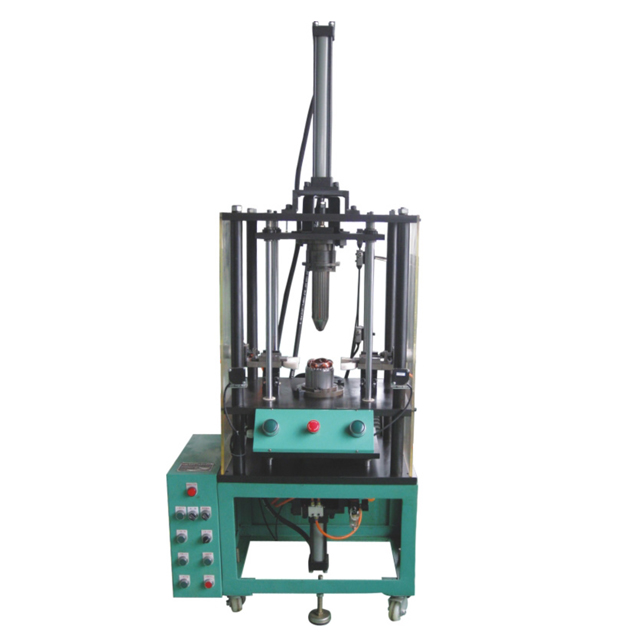
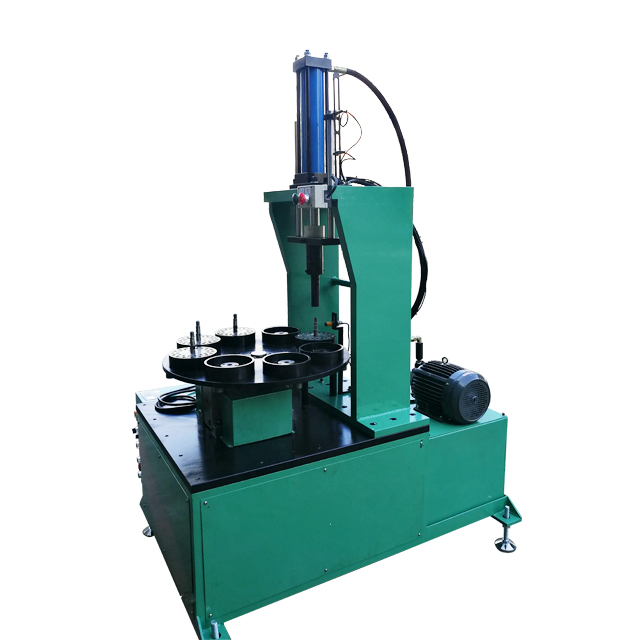
After coil insertion, stator end windings flare outward randomly. If uncorrected, the coils clash with motor end-bells or encroach upon the central rotor bore. Our intermediate and final forming systems use a double-action hydraulic core mandrel and peripheral segmented jaws. The system exerts balanced radial expanding force from inside the bore while squeezing the coil height axially, forming a compact, dense ring that optimizes internal air circulation for motor cooling.
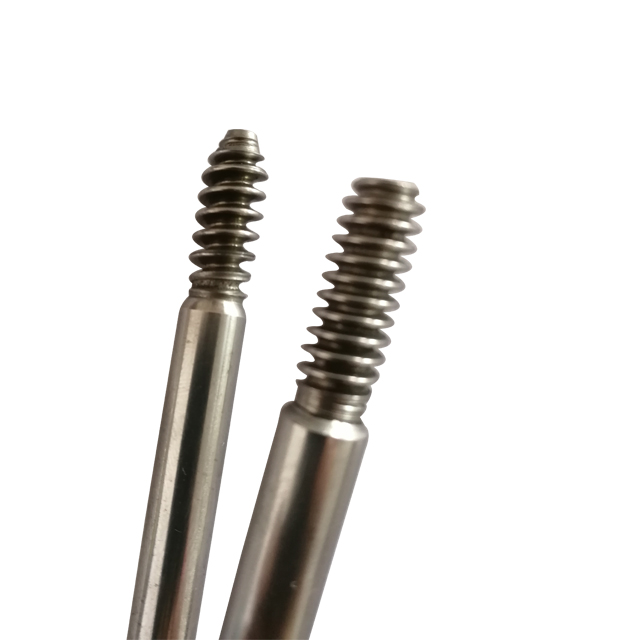
Motor efficiency is intensely sensitive to rotor-stator air gap uniformity. Eccentricity produces audible magnetic noise, bearing wear, and parasitic eddy current heating. Our HF-C60 fine turning platform clamps the rotor assembly on centers, utilizing diamond tooling to shave the silicon steel lamination stack concentric with the ground shaft journals within ±0.008 mm, eliminating residual burrs and minimizing magnetic hysteresis.
Headquartered in Dongguan, China—the epicentre of global electrical automation manufacturing—Zunqi Intelligent Equipment bridges factory-direct pricing with rigorous industrial engineering.
Unlike trading brokers, Zunqi maintains an established, audited manufacturing workshop in Qishi Town, Dongguan. Our long-standing export track record across 50+ countries gives European procurement engineers verified transparency, stable spare parts support, and authenticated financial standing.
No two motors share identical electromagnetic characteristics. Danish clients supply their stator stack laminations, slot profiles, wire gauges, and turns-per-pole. Our engineers design, CNC-machine, and test customized coil formers, insertion blades, and forming dies specifically matching your parts prior to crating.
We eliminate the risk of proprietary black-box controller lock-ins. Our control cabinets are wired to industrial CE standards and can be configured with global tier-1 components that your Danish plant maintenance technicians already know and support.
Operating across time zones, our technical sales desk guarantees answers to detailed engineering inquiries, tooling modifications, or spare part dispatches within 9 hours. You get immediate direct communication with engineers, not automated call center scripts.
Clear, direct engineering answers addressing electrical safety standards, machinery directives, power compatibility, and logistics to Copenhagen Port.
Consult with our senior technical engineering team today. Send us your stator lamination drawings, wire specifications, and output targets to receive a comprehensive turnkey configuration proposal and quotation tailored for the Danish market.
