Rotor Finishing
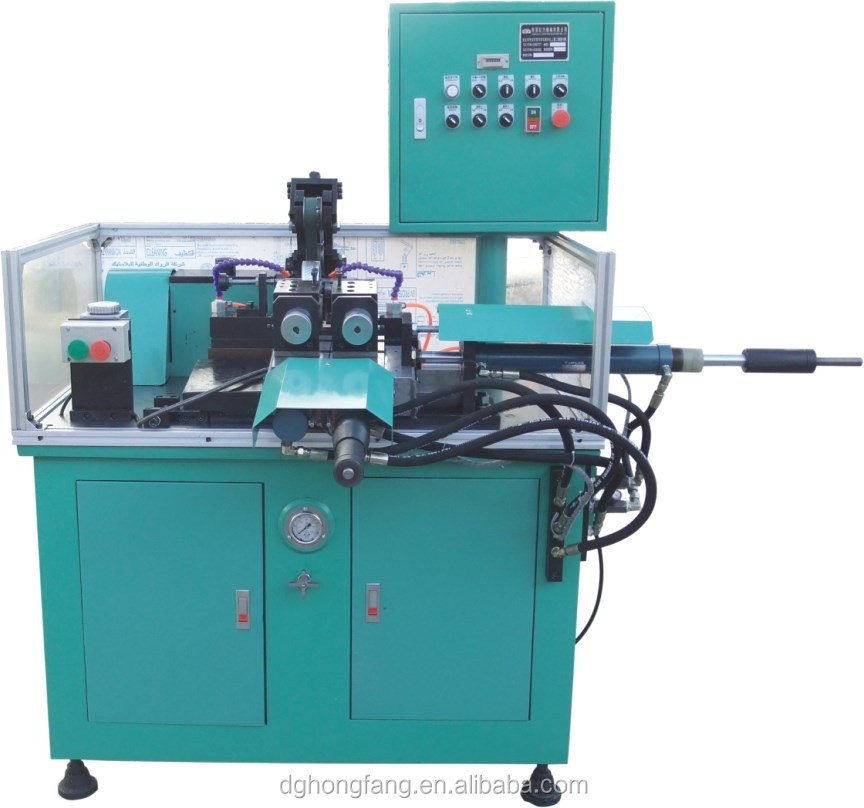
Explore our heavy-duty motor line machinery engineered to process copper, aluminum, and advanced magnetic wire configurations for automotive, industrial, and high-efficiency appliance stators.
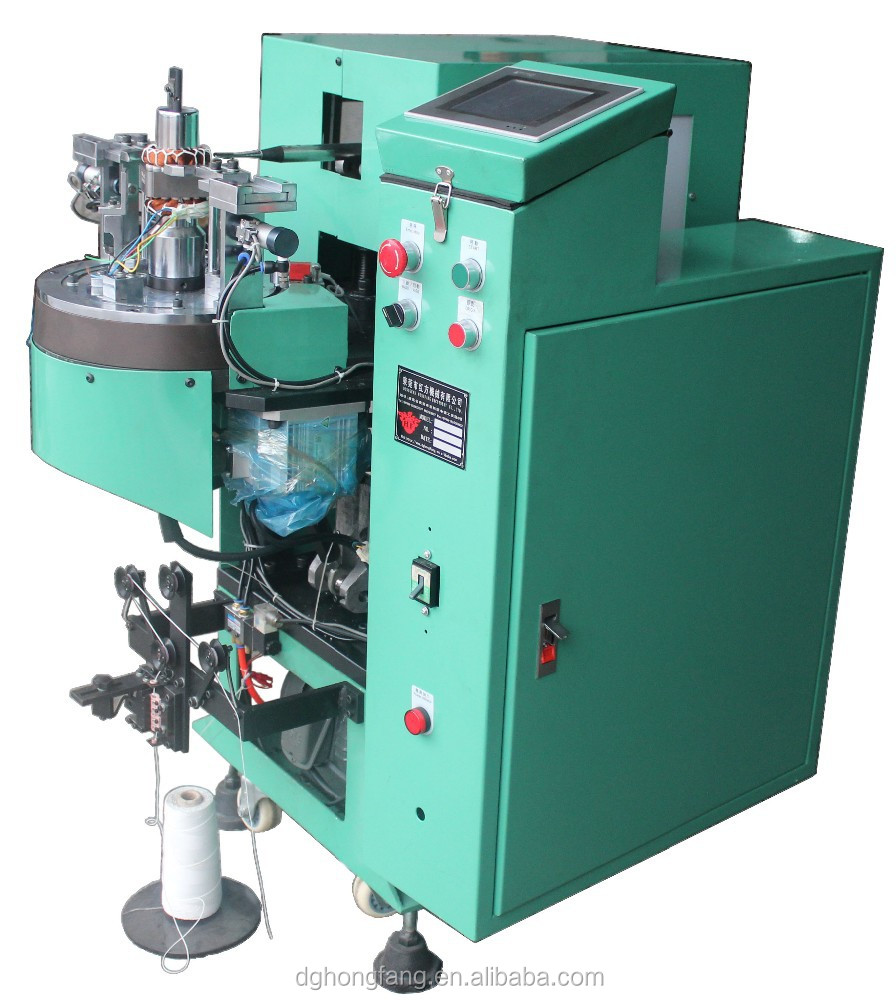
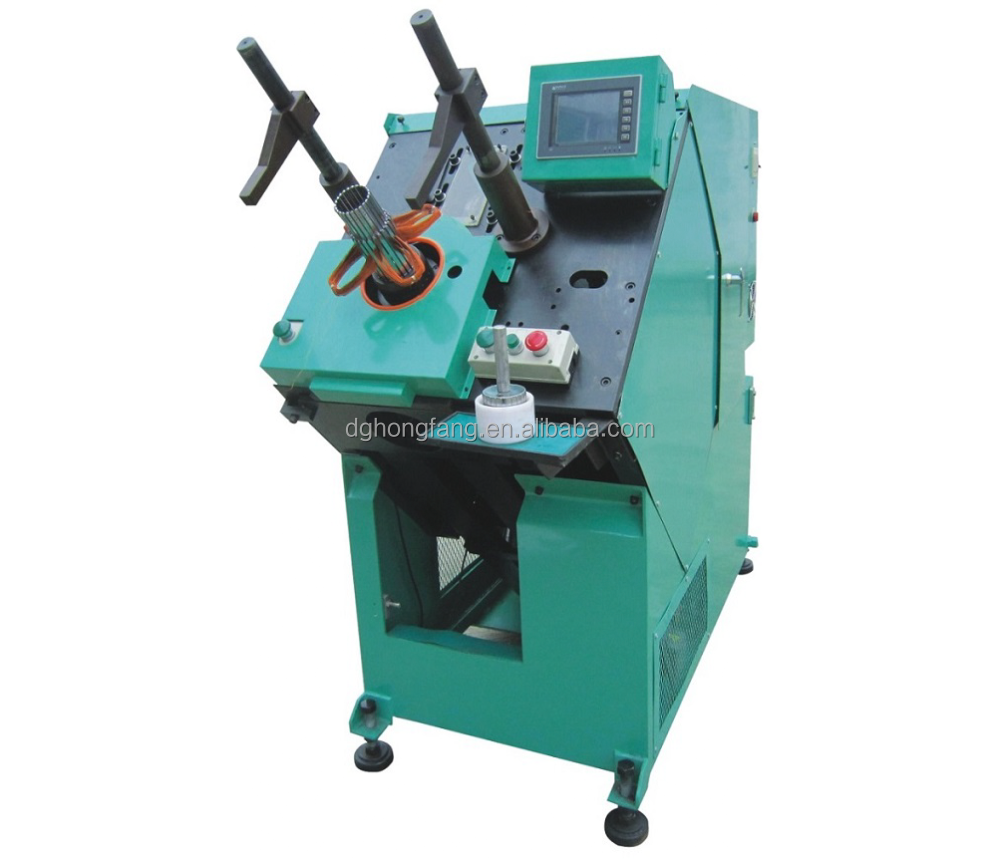
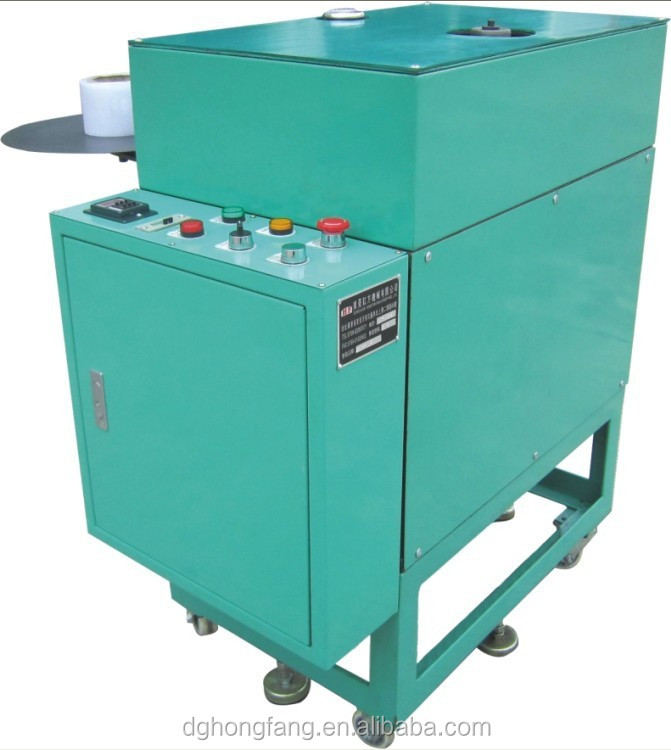
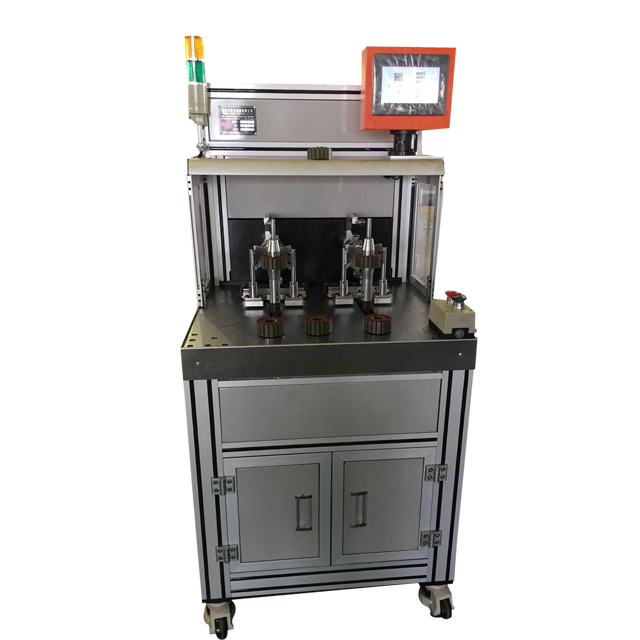
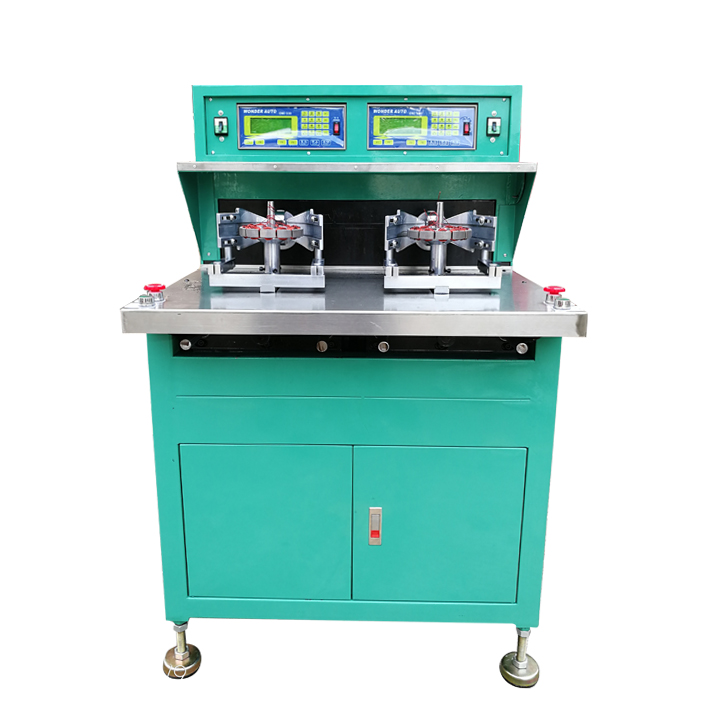
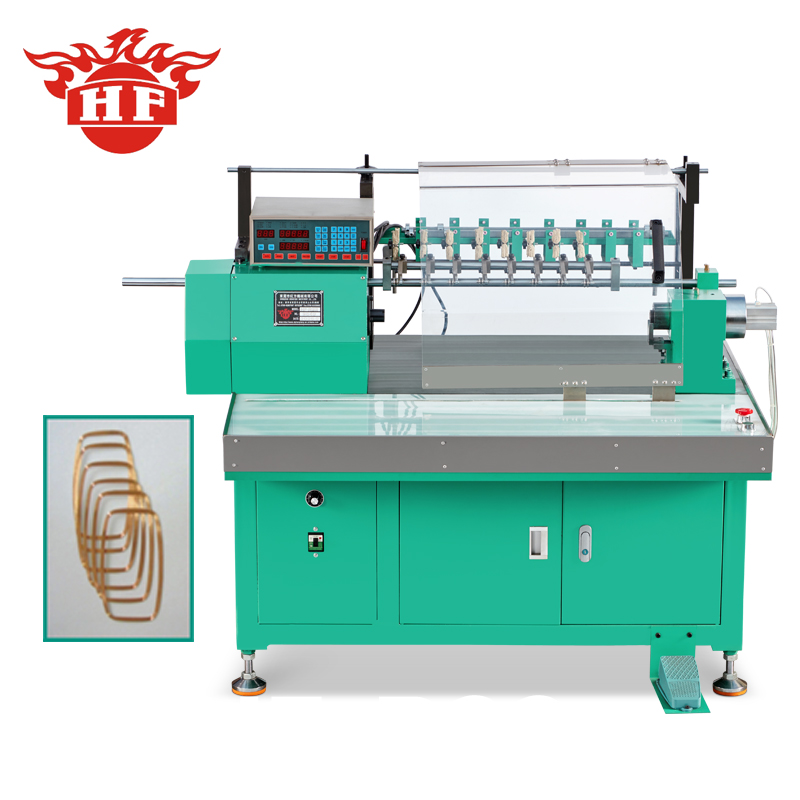
In modern industrial electric motor manufacturing, the stator coil forming process represents the critical junction between electrical potential and physical mechanical integrity. Whether manufacturing fractional horsepower (FHP) motors or large continuous-duty industrial drives, coil head geometry directly determines magnetic air-gap concentricity, resistance balance, phase separation, and heat dissipation efficiency. As machine manufacturers supplying worldwide manufacturing facilities and specialized tech enterprises around Nice and the Maritime Alps, our equipment designs focus heavily on eliminating enamel stress while achieving microscopic repeatability.
Stator coil forming is fundamentally divided into two decisive phases: intermediate (pre-) forming and final forming. Following the automated coil and wedge inserting process, the end windings typically bulge outward in irregular volumetric clusters. Inserting the stator into a housing or proceeding directly to lacing without calibrated physical reformation invites major electrical hazards, such as phase-to-phase short circuits, broken insulation sleeves, and nicked magnet wires.
Our stator coil forming equipment utilizes hydraulic-servo hybrid kinematics. Multi-segment internal expanding expansion blocks advance into the stator bore to protect the inner diameter boundary, while customized external clamping dies apply radial and axial compaction. This controlled volumetric displacement pushes the coil ends down and back against the lamination perimeter without stressing individual enamel-coated conductors, establishing strict boundary envelopes essential for compact European motor casings.
The transition toward lighter weight and cost optimization across specific motor segments has accelerated the use of enamelled aluminum wire alongside traditional pure electrolytic copper. Aluminum behaves drastically differently under mechanical tension: it possesses a lower modulus of elasticity, exhibits a wider spring-back variance, and has a significantly more fragile dielectric insulation coating under surface shearing loads.
To overcome this challenge, our equipment integrates precision programmable stroke parameters and micro-polished, mirror-finished hardened tool steels (SKD11 / Cr12MoV vacuum heat-treated to HRC 60-62). Programmable gradual pressing profiles eliminate instantaneous impact forces, giving aluminum coils the dwell time required to undergo plastic deformation without micro-cracking the insulation lacquer.
The industrial fabric of Nice, the Plaine du Var eco-valley, and the Sophia Antipolis technology ecosystem demand precision manufacturing machinery tailored to high-spec, clean-technology applications.
Operating along the Mediterranean coastline requires specialized electric propulsion, silent bow thrusters, and deck machinery. Our forming machines guarantee ultra-compact coil heads for IP67/IP68 hermetic canned motors, maintaining absolute insulation isolation against marine corrosion and saline condensation.
Engineering labs in Sophia Antipolis and Nice-Méridia require brushless DC (BLDC) and servo motors with minimal cogging torque and high power densities. Our multi-station inner and outer winding machinery ensures precise slot fill factors exceeding 78% with pristine turn placement.
The French Riviera's rigorous energy-efficiency directives for high-end hospitality and modern municipal projects emphasize ultra-silent ventilation motors. Our rotor fine-turning and coil lacing machines minimize radial eccentricities, achieving vibration and acoustic levels compliant with French and EU standards.
Industrial enterprises operating in southeastern France are experiencing a structural shift towards localized high-value manufacturing, re-shoring of critical sub-assemblies, and alignment with the EU's EcoDesign Directive (Directive 2009/125/EC). This dynamic is transforming procurement criteria for motor manufacturing machinery across several axes:
Achieving Super Premium (IE4) and Ultra-Premium (IE5) motor efficiency standards requires maximizing the copper fill factor in tighter slot configurations, making automated multi-axis forming equipment essential to eliminate air voids and hot spots.
French manufacturing operations emphasize agile batch output over inflexible monolithic lines. Our modular tooling quick-clamp interfaces allow stator height and stack retooling within 25 minutes, reducing batch changeover downtime.
Engineers and procurement managers in Nice require transparent supplier metrics. With our onsite-audited workshop, complete live video acceptance testing, and CE-configured electrical enclosures, equipment integration risks are thoroughly mitigated.
Direct from our manufacturing hub in Dongguan to your facility in France, we deliver engineered quality backed by 17 years of dedicated international export expertise.
We do not deliver generic fixtures. Every coil former, inserting blade set, and shaping die is custom-machined directly from your engineering CAD drawings or physical stator sample.
Our manufacturing and trading premises are fully audited onsite by international inspection agencies, ensuring consistent production quality, transparent trade history, and factory-direct pricing.
We build our control cabinets with globally accessible brands—including Siemens, Mitsubishi, Schneider, Panasonic, Omron, Delta, SMC, and Airtac—for seamless local maintenance across France.
With an average engineering inquiry response time of under 9 hours, full 1-year equipment warranties, and video-assisted remote commissioning, our team provides reliable support throughout your equipment lifecycle.
Clear, direct answers regarding electrical specifications, customs clearance, sea freight logistics to Marseille/Nice, and post-delivery engineering support.
Yes. All machines built for clients in France and the European Union are assembled according to local power supply configurations: 230V Single-Phase (50 Hz) or 400V Three-Phase (50 Hz). Furthermore, the electrical cabinets feature industrial ground safety connections, emergency-stop circuits, and CE-marked core control components tailored to comply with the European Machinery Directive (2006/42/EC).
We provide full international freight arrangements under Incoterms (FOB, CIF, or DDP) directly to the Port of Marseille-Fos or Nice Côte d'Azur logistics hubs. Machines are sealed in VCI anti-corrosion barrier film, loaded with desiccant agents, and bolted securely into heavy-duty fumigation-free ISPM-15 plywood crates. We provide all commercial invoices, packing lists, CE declarations, and Certificates of Origin (CO) required for smooth French customs clearance.
Absolutely. In fact, our standard quality control protocol strongly encourages European clients to courier 2–3 physical blank stator samples and their specified magnet wire to our Dongguan facility during tooling manufacturing. Our fitters conduct an exhaustive trial run on your physical parts, measuring end-turn clearance, slot filling, and cycle times. We produce an unedited high-definition video of your sample run for engineering sign-off prior to dispatch.
Our minimum order quantity for all automated machinery (winding, forming, lacing, inserting, and turning) is 1 set. Production and tooling customization lead times generally range between 25 and 45 business days, depending on stator core stack complexity and tooling geometries.
Every machine is delivered with a comprehensive spare parts kit comprising common wear parts, replacement forming blades, and specialized adjustment wrenches. Should you introduce a new motor stator model in the future, you do not need to replace the entire machine; our engineering desk can manufacture and dispatch an auxiliary tooling package that bolts directly onto your existing chassis.
Connect directly with our senior tooling engineers. Send us your stator lamination drawings (OD, ID, stack height, wire diameter) and target cycle rate to receive a comprehensive technical proposal within 9 hours.
Get a Quote