Industrial Machinery Catalog
High-Performance Motor Manufacturing & Stator Forming Solutions
Direct from our manufacturing floor: engineered toolsets, multi-axis PLC synchronized drives, and custom turn-key systems configured to Baltic industrial standards.
17+
Years International Exporting
≤0.02mm
Tooling Dimensional Repeatability
100%
Physical Stator Pre-Shipment Tested
≤9 Hours
Engineering Support Response
Engineering Excellence in Stator Coil Forming: Mechanical Dimensional Integrity & Dielectric Stability
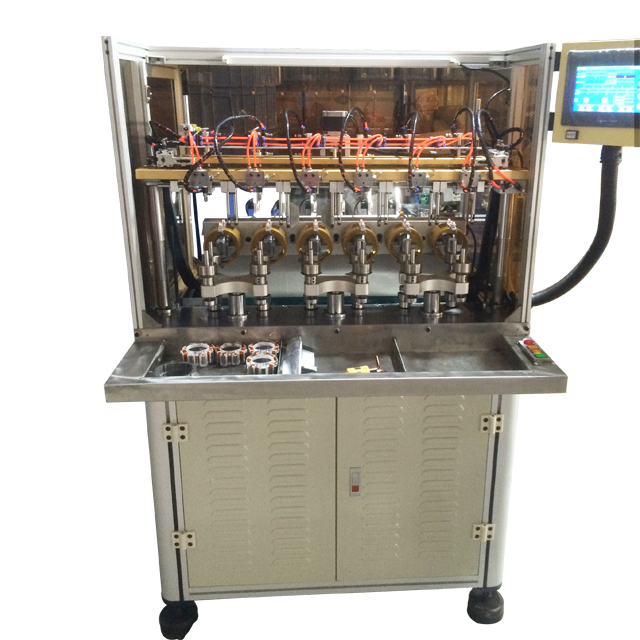
In the demanding realm of electric machine assembly, the stator coil forming stage represents the definitive boundary between raw electromagnetic potential and certified physical durability. While winding and inserting place the conductive enameled wire and slot insulation liners within the stator stack, intermediate and final forming operations mechanically calibrate the end-turn overhangs. In Kaunas—Lithuania's premier industrial and technological engineering corridor—modern manufacturing facilities demand automated coil forming solutions that eliminate mechanical insulation abrasion, guarantee tight radial and axial tolerances, and fulfill rigorous CE low-voltage safety directives.
End-Turn Clearance & Overhang Control
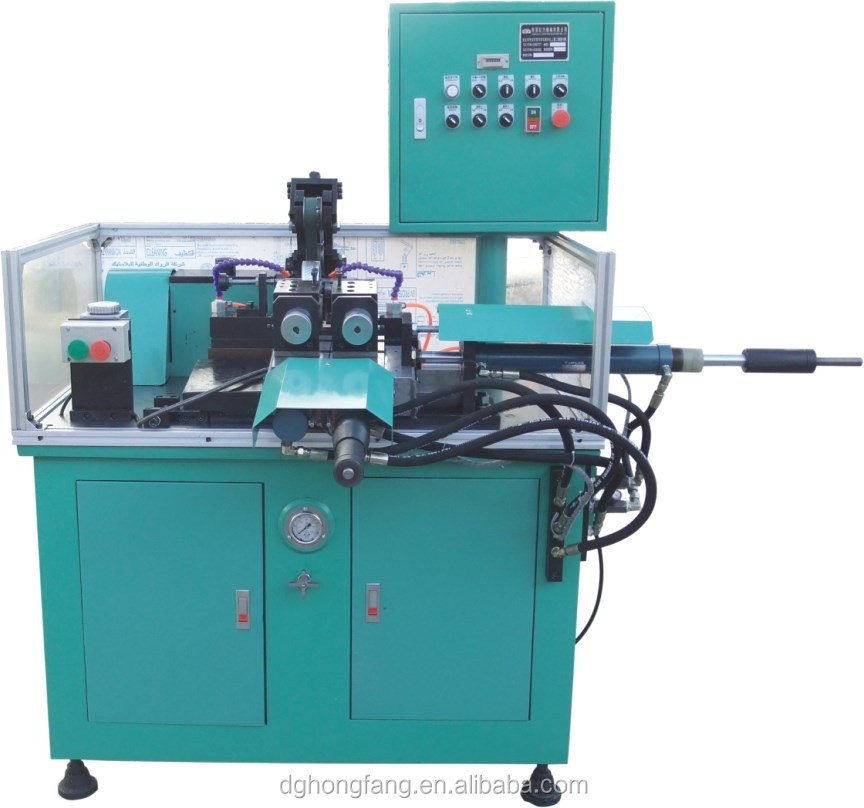
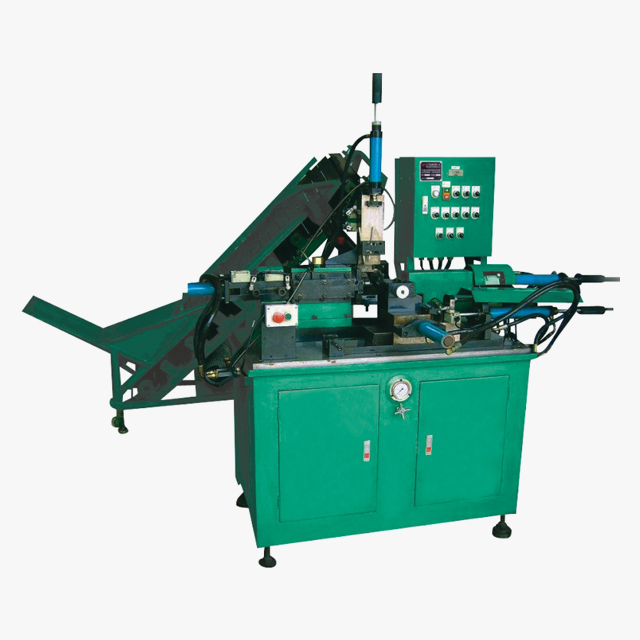
Multi-stage progressive expansion dies and custom profiling jaws shape the end turns precisely to match mechanical housing envelopes, eliminating interference with end shields, rotor fans, and terminal lead routings.
Dielectric & Enamel Protection
Carefully finished, polished tool-steel dies apply uniform hydraulic and servo-driven pressures across wire bundles, mitigating localized micro-fractures in polyamide-imide enameled copper and slot paper liners.
Integrated Lacing Readiness
By defining outer diameter boundaries and pre-compacting internal slot exits, our forming machines streamline automatic single-side or double-side coil lacing, drastically lowering mechanical rejection ratios.
Electric motor manufacturing operations face compounding challenges as energy-efficiency standards advance under the European Ecodesign Directive (EU 2019/1781) towards IE4 (Super Premium Efficiency) and IE5 (Ultra-Premium Efficiency) tiers. Fulfilling these thresholds requires elevated slot fill factors, frequently exceeding 75% to 80%. Higher slot fills demand significantly greater winding densities, rendering manual coil shaping obsolete, labor-intensive, and prone to fatal phase-to-phase and phase-to-ground insulation breakdown. Our automated stator coil forming equipment, calibrated with servo-driven expansion mandrels and precision hydraulic clamping blocks, guarantees uniform pressure distribution across all slot exits, maintaining strict physical boundaries for induction, permanent magnet synchronous (PMSM), and brushless DC (BLDC) stators.
Custom CNC Tooling
Engineered strictly to your stator lamination drawings, stack heights, and coil diagrams using hardened Cr12MoV die steels.
Global Component Architecture
Built with world-class PLC, HMI, and pneumatic hardware (Siemens, Mitsubishi, Schneider, SMC) for trouble-free Baltic servicing.
Zero-Abrasion Forming
Synchronized expander segments move radially and axially simultaneously to eliminate wire drag, cross-scoring, and slot wedge displacement.
Pre-Shipment Verification
We run physical client stator packs and wire samples in our workshop, providing full dimensional verification and run-off videos prior to freight dispatch.
Regional Industrial Integration
Localized Applications Across Kaunas & the Baltic Manufacturing Basin
Strategic engineering support for Lithuania’s expanding precision robotics, clean energy, and HVAC electromechanical production clusters.
Kaunas FEZ High-Tech Industrial Drives
The Kaunas Free Economic Zone (Kauno LEZ) has established itself as an epicenter for European automotive suppliers, precision robotics, and motion engineering firms. Stator coil forming machinery deployed in this sector operates within clean, high-throughput environments assembling servo motor stators, automated guided vehicle (AGV) traction units, and multi-axis robotics actuators. High spatial repeatability ensures consistent coil head height within compact cast-iron or aluminum housing envelopes.
Baltic Clean Energy & HVAC Water Pump Systems
Lithuania and the broader Baltic region are rapidly expanding manufacturing for heat pumps, high-efficiency commercial air handlers, and municipal hydronic circulation systems. These motors operate continuously in demanding thermal environments where high dielectric integrity is vital. Our forming systems ensure zero distortion to slot paper liners (such as DMD, NMN, and Nomex films), preventing ground faults and insulation degradation in variable-frequency inverter driven systems.
Industrial Rewinding & Subcontract Automation
With Kaunas serving as a vital multimodal transport hub connecting Western Europe, Scandinavia, and Central Europe via Rail Baltica and the Via Baltica corridor, specialized electromechanical overhaul and contract motor manufacturing facilities require flexible tooling systems. Our modular stator coil forming units allow rapid changeovers across varying stack heights and stator laminations, delivering cost-effective short-run flexibility alongside mass-production stability.
Electrification Trends in Kaunas: Meeting European IE4/IE5 Standards
Lithuania’s proactive adoption of European Green Deal mandates has accelerated the transition toward high-efficiency industrial machinery. For motor assemblers in Kaunas, Vilnius, and Klaipėda, the trend is characterized by three fundamental production shifts:
- Transition from Standard Induction to Brushless Permanent Magnet (PMSM) Systems: These configurations feature tighter end-winding overhang constraints to reduce overall motor length and minimize internal heat dissipation within sealed enclosures.
- Adoption of Thinner, Higher-Grade Electrical Silicon Steel Laminations: High-flux stator cores require gentle, strictly controlled clamping pressures during coil forming to avoid core delamination or tooth bending.
- Total Factory Traceability & Industry 4.0 Compatibility: Assembly plants increasingly demand forming equipment with digital memory storage for up to 100+ recipe profiles, real-time pressure monitoring, and seamless integration with shop-floor execution networks.
As an experienced manufacturer and global exporter, we equip our stator coil forming machines with programmable electronic touch interfaces, precision hydraulic proportional valves, and modular multi-segment forming mandrels that accommodate both standard industrial frame sizes (IEC 63 up to IEC 160) and non-standard custom laminations.
Procurement & Engineering Inquiries
Frequently Asked Questions by Technical Buyers in Kaunas
Comprehensive engineering clarity regarding tooling fabrication, import compliance, electrical compatibility, and Baltic regional logistics.
Can the stator coil forming machine be customized to our exact stator drawings? +
Yes, every forming machine is bespoke-tooled to your physical stator laminations and electromagnetic winding schemes. We require your stator core outer diameter (OD), inner diameter (ID), stack height, slot quantity, wire gauge, and maximum permissible coil head overhang. Our engineering team designs custom CNC-machined upper and lower expansion blocks and forming jaws, validating the mechanical fit with physical trial samples prior to export packing.
What power configuration and electrical standards do your machines utilize for Lithuania? +
All machines exported to Kaunas, Lithuania, and throughout the European Union are engineered for 3-Phase 380V–400V / 50Hz or Single-Phase 220V–230V / 50Hz networks. Electrical control enclosures adhere to CE machinery safety directives, featuring Schneider or Omron low-voltage switchgear, safety interlocks, optical light curtains, and localized emergency stop circuits.
How do you protect enameled copper wire from scratches or micro-cracks during forming? +
Our forming tooling utilizes precision-ground, mirror-polished alloy die steel with radiused transition edges. The progressive expansion sequence coordinates internal core support fingers with external perimeter formers so that force is distributed evenly across the bundle circumference rather than concentrated on individual turns. Hydraulic or servo speeds are variable, preventing rapid shock loads that could crack polyamide-imide or polyurethane insulation coats.
Can one forming machine accommodate multiple stator models with quick changeovers? +
Yes. For facilities producing diverse motor lines (such as ceiling fans, industrial blowers, or submersible pumps), our machines feature quick-release modular tooling assemblies. Stack height adjustments are accommodated via mechanical spacers or servo height positioning, enabling complete tooling changeovers in under 15 to 20 minutes with zero re-wiring requirements.
What is the lead time, shipping logistics, and customs documentation for Klaipėda / Kaunas? +
Standard production and custom tooling manufacturing requires 25 to 35 business days. Maritime container shipments are routed directly to the Port of Klaipėda or air-freighted via Vilnius/Kaunas international cargo terminals. We supply a full export dossier: Commercial Invoice, Packing List, Certificate of Origin (CO), CE Declaration of Conformity, and English-language Operation & Maintenance manuals.
What warranty, after-sales service, and spare parts support do you provide? +
Every machine is backed by a comprehensive 1-year factory warranty. We include a standard wear-and-tear maintenance kit (seals, guide pins, proximity switches, and springs) with the shipment. Remote technical assistance is supported via direct video conferencing with our commissioning engineers (typically within 9 hours), supplemented by step-by-step digital wiring schematics and tooling replacement parts stocked for fast international dispatch.
Factory-Direct Advantage
Why Motor Manufacturers Worldwide Trust Zunqi Machinery
Operating from our dedicated manufacturing campus in Dongguan, China—and backed by 17+ years of international export excellence—we deliver comprehensive, integrated turnkey automation lines. Rather than sourcing individual machines from disconnected vendors, electric motor manufacturers rely on our fully matched systems:
1. Insulation Paper Insertion
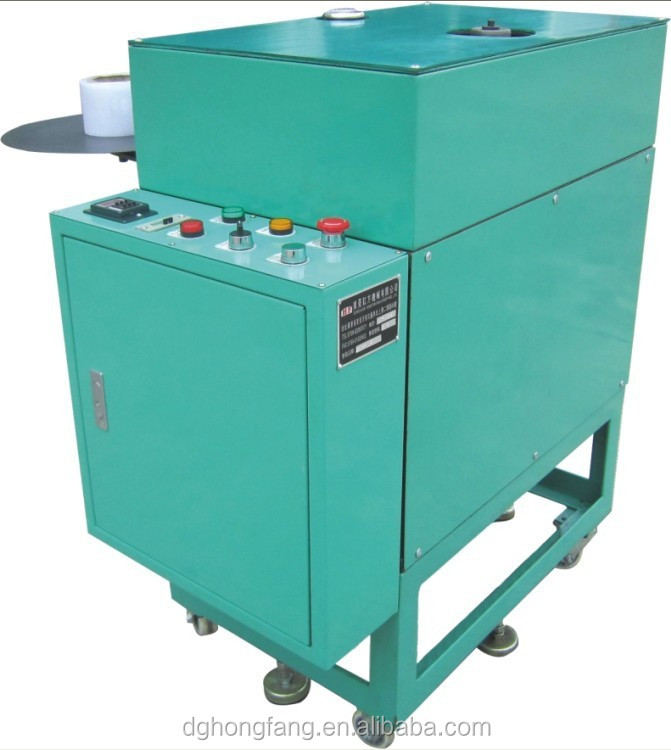
Automated slot lining machines that feed, crease, cut, and insert green paper or Nomex liners into stator slots with zero edge tears.
2. Multi-Head Coil Winding
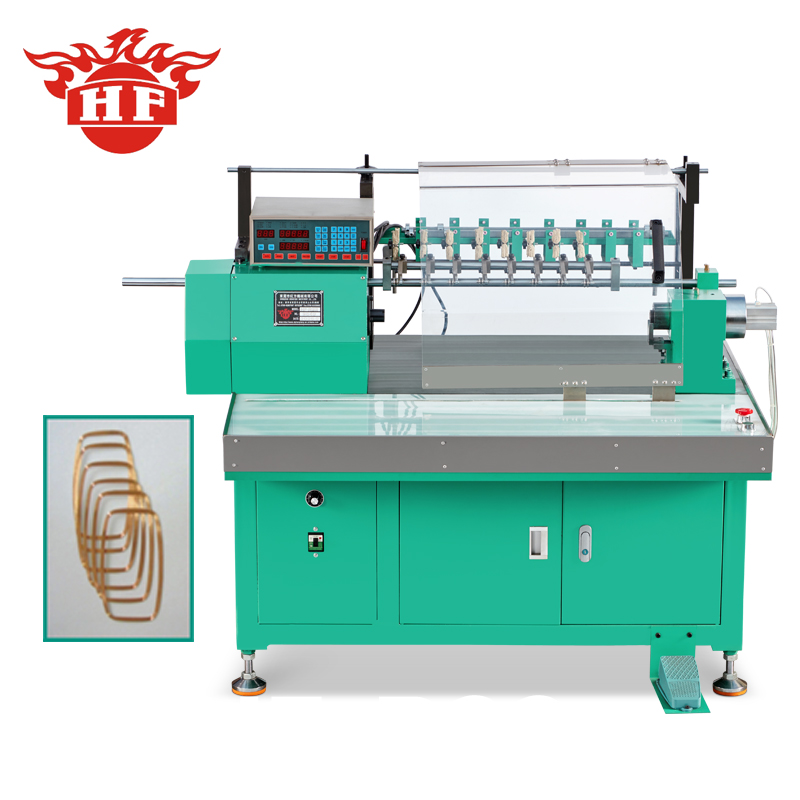
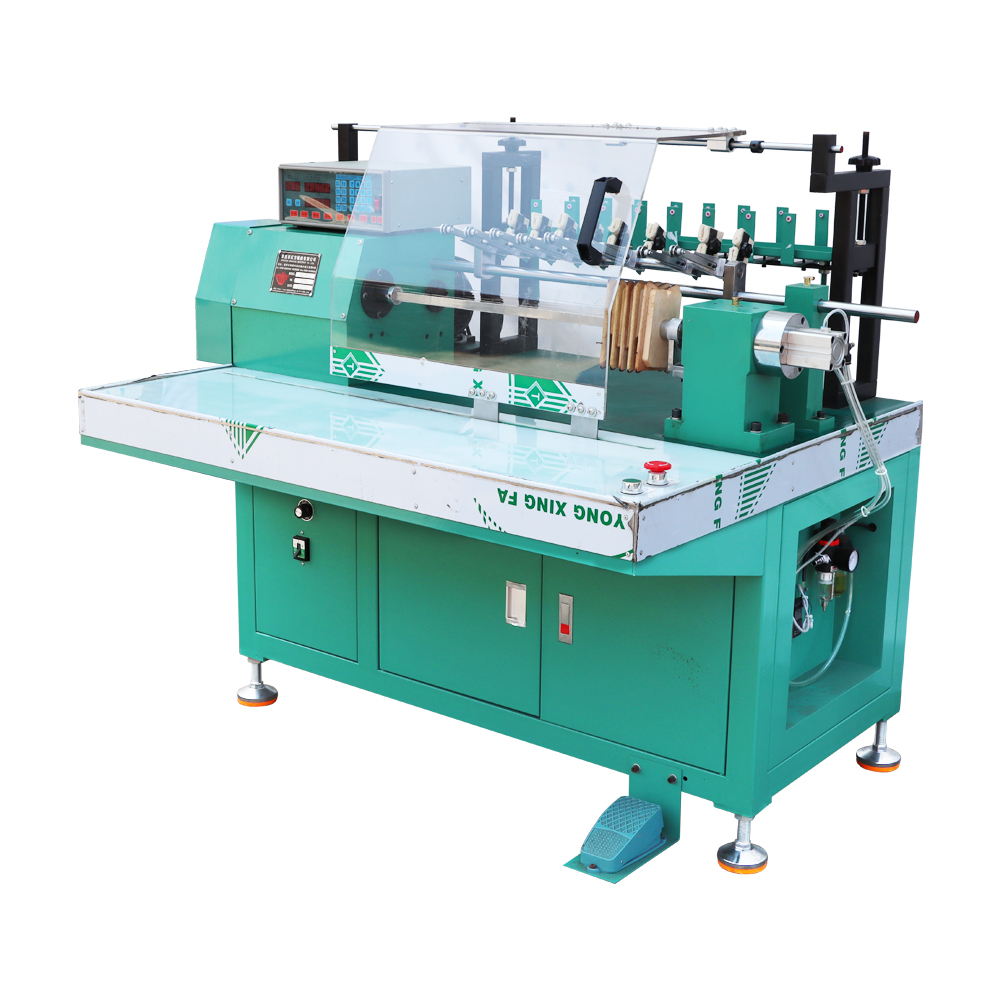
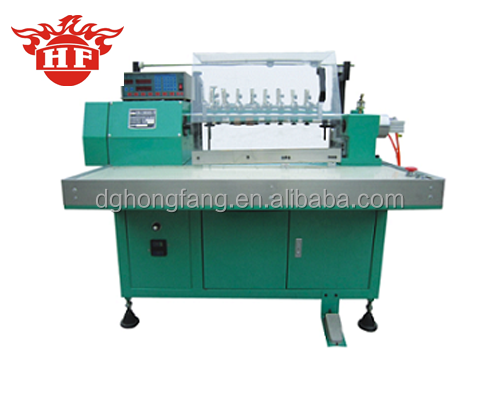
High-precision winders supporting wire gauges from 0.1mm to 1.2mm in copper and aluminum, featuring automated flyer and multi-spindle configurations.
3. Coil & Wedge Inserting
Single-stroke inserters that guide pre-wound coils and slot closure wedges smoothly into laminations without scratching magnet wire.
4. Stator Forming & Lacing
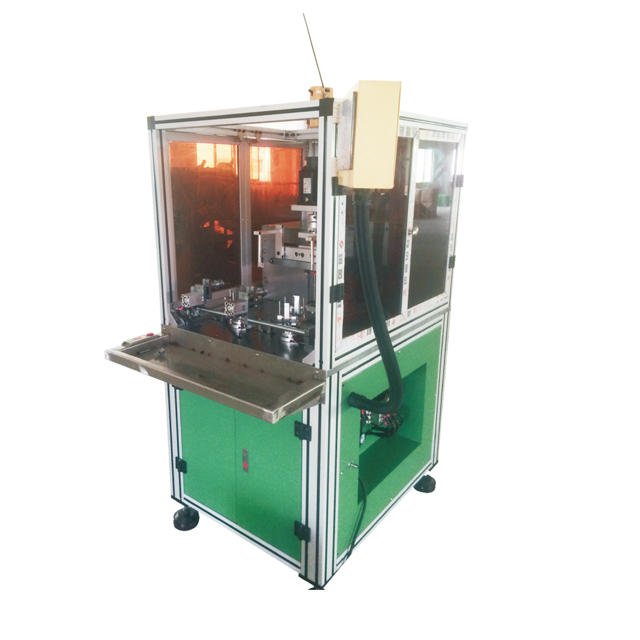
Intermediate and final coil forming systems synchronized with servo-driven double-side lacing machines for compact, vibration-proof stators.
Our verified manufacturing capability, onsite supplier audits, and direct engineering access ensure that your investment in stator forming automation yields immediate operational efficiencies, lower scrap rates, and rapid return on capital expenditure.
Ready to Modernize Your Stator Assembly Operations in Kaunas?
Submit your stator lamination drawings, coil overhang requirements, and target production cycles. Our senior mechanical and electrical engineering team will provide a tailored machine proposal and tooling layout within 9 hours.
Send an Inquiry