Precision Stator & Rotor Assembly Systems
Direct-from-factory production lines engineered for industrial fans, agro-pumps, household appliances, and electric compressor stators.
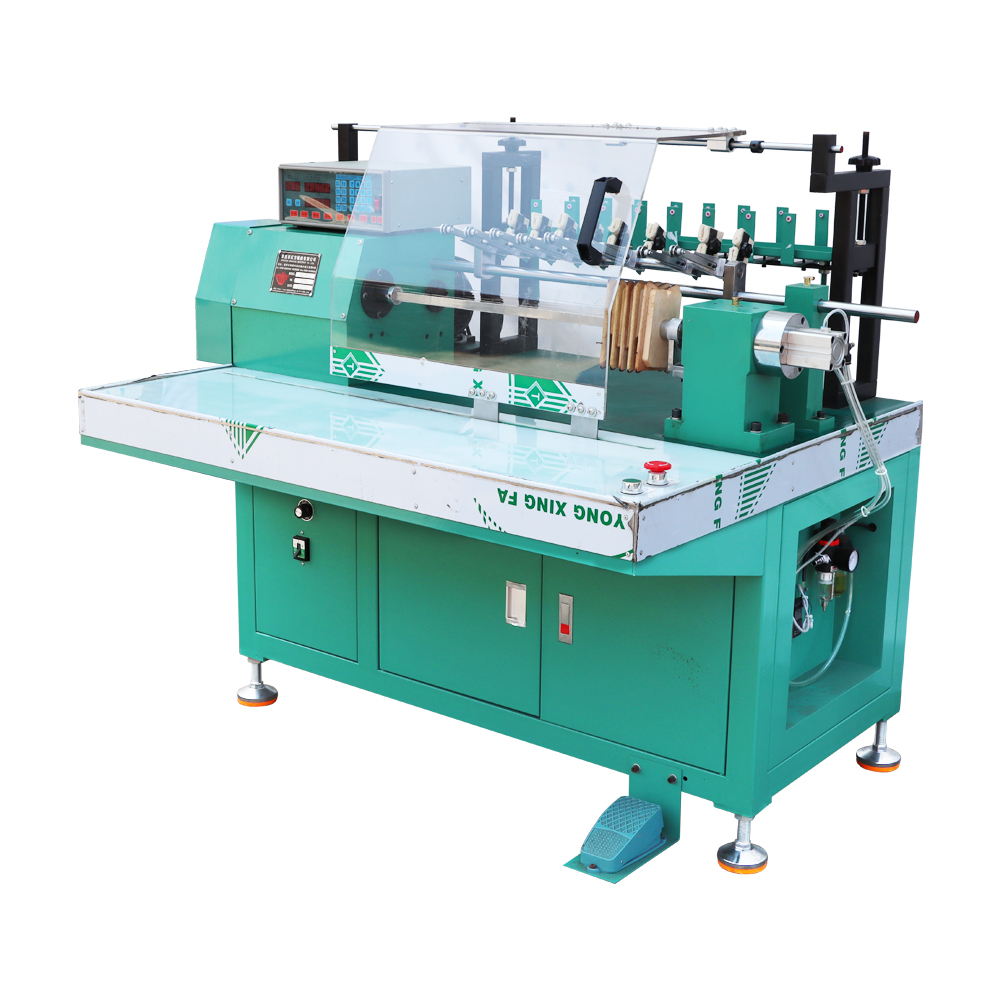
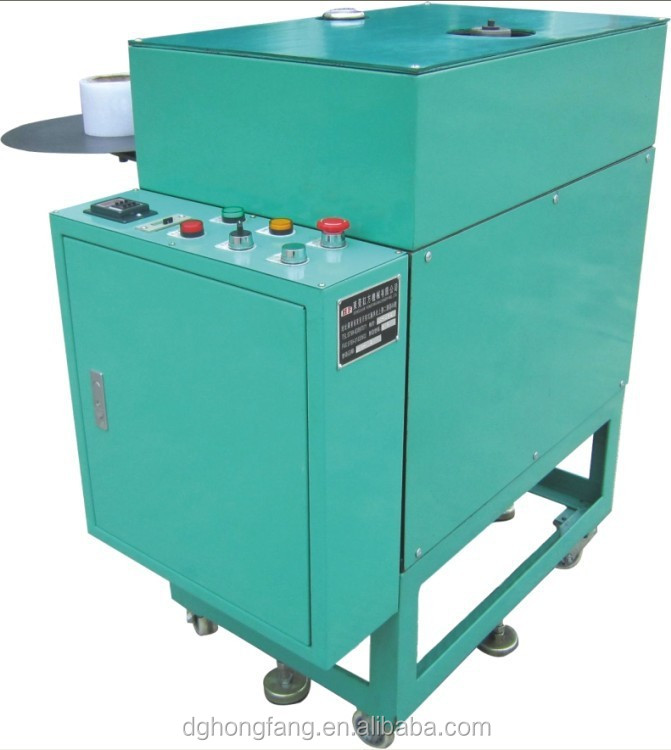
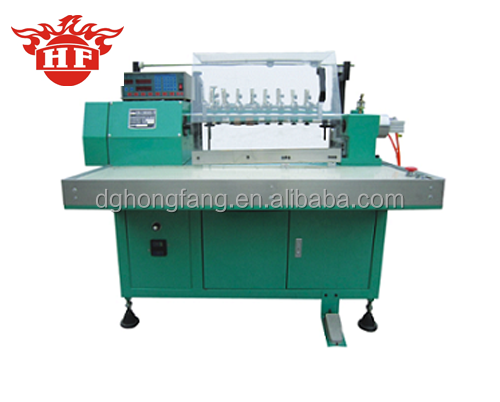
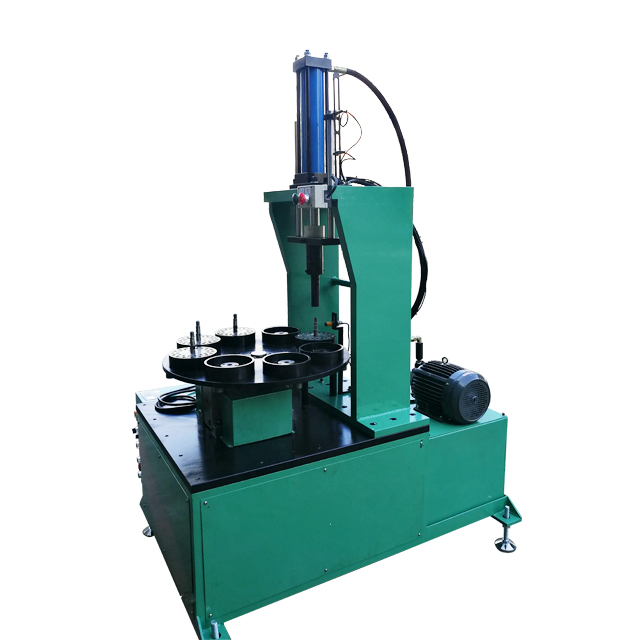
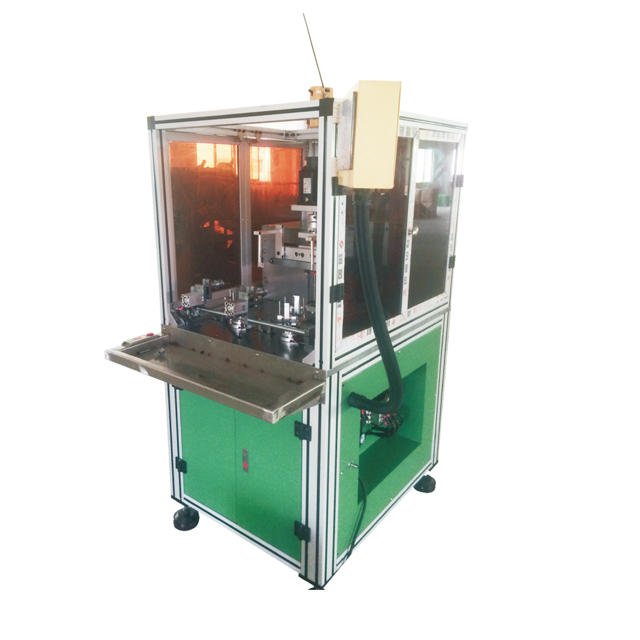
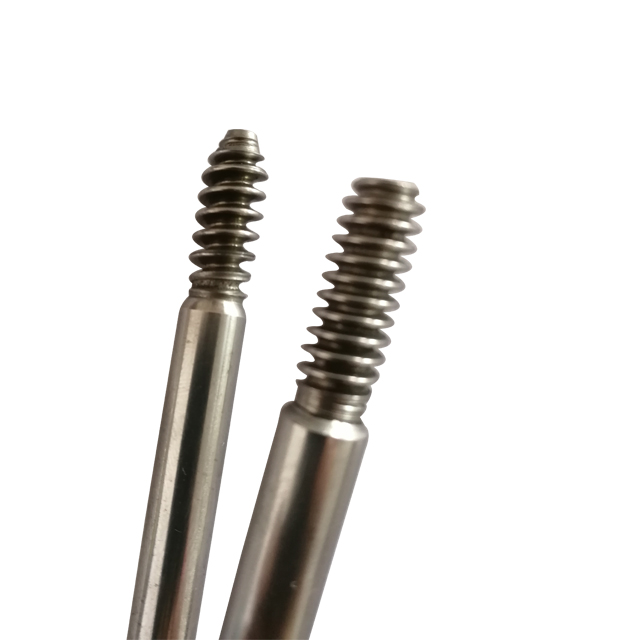
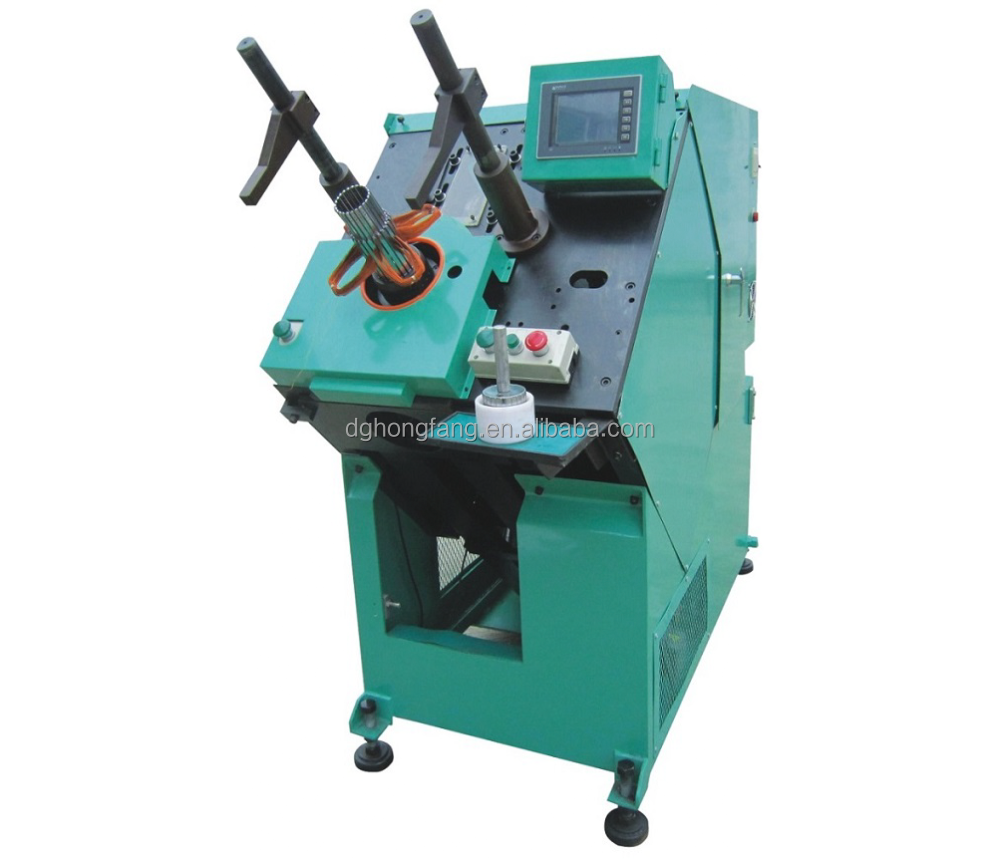
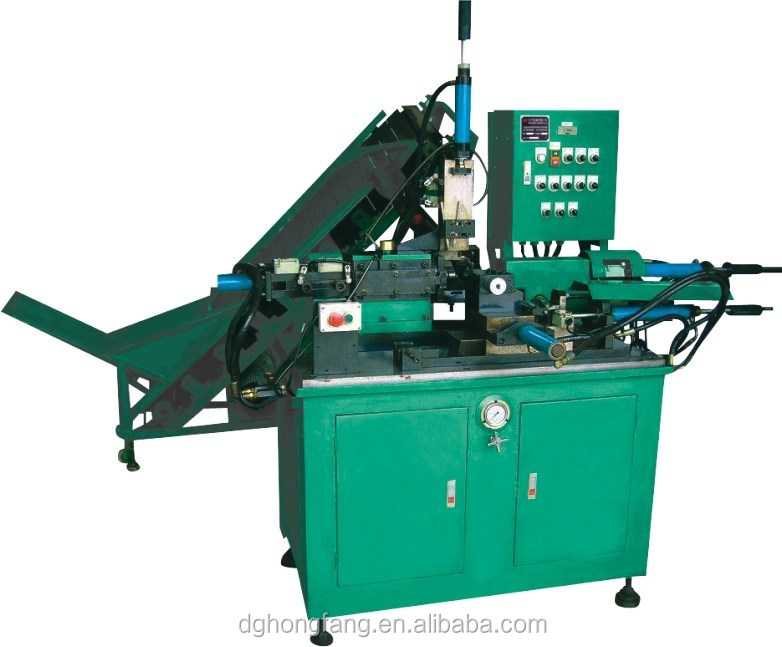
Advanced Kinematics in Automated Stator Coil & Wedge Insertion
In modern electric motor manufacturing, the transition from copper wire winding to final stator lamination insertion represents the critical bottleneck governing both electromagnetic efficiency and manufacturing yield. Stator coil inserting machinery operates on an intricate electro-mechanical synchronization principle: wound magnet wire coils are pre-arranged into precision insertion tooling fingers while slot insulation wedges—drawn from reel paper, scored, cut, and formed into rigid profiles—are simultaneously advanced into the core slots along with the conductive coils. For manufacturing plants operating across Argentina's industrial heartland in Rosario, Santa Fe Province, equipment reliability is judged not merely by cycle speed, but by enamel-wire insulation protection, slot fill capacity, and repeatability under variable local line currents.
Traditional manual insertion methodologies, historically prevalent in smaller motor repair and low-volume assembly operations along the Paraná River industrial corridor, impose severe constraints on competitive production. Manual insertion routinely introduces mechanical wire scratches, inconsistent slot packing, and damaged slot cell liners, directly triggering high dielectric breakdown rates during hipot testing (often exceeding 4.5% scrap rates in high-speed fractional horsepower motors). Automated coil and wedge inserting machinery eliminates these vulnerabilities through dual-axis servo-driven pushing swords. By applying constant, programmable linear thrust coupled with guided guide-needles, the coil bundles are gently nested into the bottom of the lamination slots without eccentric stretching or friction-induced enamel shearing.
Furthermore, modern high-efficiency stator standards—exemplified by IRAM / IEC IE2 and IE3 efficiency regulations enforced across South American markets—demand elevated slot fill factors frequently exceeding 72% to 78%. Achieving such compact wire densities without automated pre-forming and synchronized insertion wedges is mechanically untenable. Zunqi Intelligent Equipment's coil inserting systems employ modular, wear-resistant carbide and alloy toolings calibrated specifically to the stator bore diameter, stack height, and tooth-shoe profile. This structural design guarantees that insertion force remains parallel to the magnetic core axis, preserving both lamination stacking squareness and end-turn symmetry.
Targeted Application Scenarios Across Rosario's Manufacturing Hub
Rosario represents Argentina's most critical agro-industrial port city and a powerhouse of agricultural engineering, refrigeration machinery, and pump manufacturing.
Agricultural & Deep-Well Submersible Pumps
Gran Rosario's surrounding agro-industrial belt relies heavily on irrigation systems, river dredging, and rural water lifting. Stators for multi-stage borehole pumps require high-density copper winding with impenetrable slot insulation to survive extreme thermal loads and intermittent hydraulic resistance in deep underground aquifers.
Grain Elevator & Port Conveyance Drives
The Rosario port network moves over 70% of Argentina's grain exports. Heavy-duty conveyor belts, bucket elevators, and dust extractors operate non-stop during harvest cycles. These three-phase induction motors (ranging from 1.5 kW to 30 kW) demand precision wedge lacing and zero phase-to-phase shorting under harsh ambient dust exposure.
Commercial Refrigeration & HVAC Compressors
Rosario is a central production cluster for cold-storage warehouses, dairy transport refrigeration, and domestic chilling equipment. Hermetic compressor stators must function immersed in refrigerant oils, requiring flaw-free slot paper insertion (DMD, Nomex, or polyester film) without pinhole micro-cracks that cause early grounding.
Domestic & Commercial Ventilation Systems
From ceiling and wall-mounted industrial air circulators to evaporative coolers used across Santa Fe and Córdoba poultry and swine facilities, fan motor stators necessitate rapid, flexible changeover between aluminum and copper magnet wire while preserving high assembly takt speeds.
Technical Parametric Matrix: Coil & Wedge Automation vs. Traditional Methods
Evaluating the acquisition of specialized stator manufacturing equipment requires rigorous quantification of capital efficiency, cycle duration, slot dielectric reliability, and labor overhead. Below is an engineering comparison matrix tailored to plant operating parameters in Rosario:
| Evaluation Parameter | Manual Insertion & Tamping | Semi-Automated Inserting Unit | Dual-Servo CNC Automatic Inserter |
|---|---|---|---|
| Cycle Duration (24-Slot Stator) | 7.5 – 12.0 Minutes / Unit | 45 – 65 Seconds / Unit | 14 – 22 Seconds / Unit |
| Maximum Slot Fill Factor | ≤ 62% | 68% – 72% | Up to 78% – 82% |
| Hipot Dielectric Scrap Rate | 3.8% – 6.5% | 0.8% – 1.5% | ≤ 0.25% |
| Wedge Material Versatility | Limited to rigid pre-cut stick | Standard DMD / Nomex strip | Nomex, DMD, Mylar, Bamboo, Composite |
| Wire Gauge Compatibility | Operator fatigue dependent | 0.20 – 1.05 mm single/parallel | 0.12 – 1.35 mm (Cu / Al multifilar) |
| Tooling Changeover Time | Manual fixturing (30-45 min) | Standard modular (20-30 min) | Quick-clamp ergonomic kit (≤ 12 min) |
| Annual Output Capacity (Single Shift) | ~4,500 Units / Year | ~35,000 Units / Year | ~120,000+ Units / Year |
*Note: Performance benchmarks measured on standard 2-pole and 4-pole fractional to medium horsepower asynchronous induction stators under standard 380V/50Hz workshop conditions.
Manufacturing Trends Shaping Rosario's Electric Motor Industry
How automation suppliers are aligning with localized energy standards, import substitution strategies, and industrial modernization in Argentina.
Compliance with IRAM-IE2 / IE3 Energy Efficiency Mandates
Argentina's national energy regulatory framework progressively restricts the marketing of inefficient (IE1) general-purpose motors. To achieve IE2 and IE3 efficiency thresholds, manufacturers must pack more conductive cross-section into smaller slot envelopes, making automated high-fill coil inserting machines non-negotiable for local factories.
Nearshoring & Domestic Component Integration
Volatile international shipping rates and foreign currency controls have catalyzed Argentine pump and blower assemblers to insource core stator fabrication. Rather than importing fully assembled motor blocks from Brazil or Asia, plants in Santa Fe are creating localized winding cells to capture vertical margins and stabilize supply chains.
Hybrid Copper-Aluminum Winding Flexibility
In response to international copper price surges, Argentine consumer appliance producers are increasingly engineering hybrid or pure aluminum-wound stators for household table fans and light agricultural blowers. Automation lines must therefore feature finely tuned tensioning drives that insert lower-tensile aluminum without micro-fracturing.
Demand for Locally Maintained Industrial Electronics
Argentine maintenance directors are wary of proprietary, black-box machinery. There is an emphatic preference for production machines assembled with globally distributed control components—such as Siemens, Schneider Electric, Omron, Delta, or SMC pneumatics—ensuring replacement sensors and contactors are off-the-shelf in Rosario.
Why Rosario Industrialists Partner with Zunqi Intelligent Equipment
Direct manufacturing prowess from Dongguan, China—engineered to European performance standards with transparent trade reliability.
17+ Years Export Track Record
We are not intermediate brokers. Zunqi operates dedicated R&D and machine build facilities in Qishi Town, Dongguan, backed by 17 years of continuous international exporting, verified onsite by Alibaba trade authorities.
Stator Physical Sample Testing
Prior to machine dispatch, clients send their specific lamination stacks and magnet wire samples to our test facility. We execute complete live trial runs, validating slot fill and cycle speed, providing full HD validation videos before sign-off.
Complete Matched Process Lines
From initial paper creasing and slot insulation inserting, through 8-head CNC winding, simultaneous coil & wedge inserting, to intermediate/final coil forming, servo lacing, and rotor shaft pressing—all machinery interfaces seamlessly.
Configurable Component Brands
We respect customer maintenance standards. We configure PLC architectures, touchscreens, and servo drives utilizing brands already stocked in your Argentine plant—including Siemens, Mitsubishi, Schneider, Delta, Omron, SMC, or Airtac.
Rigorous Heavy-Duty Packaging
Every piece of precision machinery is thoroughly coated in VCI anti-rust films, greased at ground bearing surfaces, bolted to solid reinforced steel skids, and crated in fumigation-free export plywood for safe oceanic shipping to the Port of Buenos Aires or Zarate.
1-Year Warranty & Remote Support
Supported by a responsive engineering desk with an average query turnaround of under 9 hours. Our bilingual automation technicians provide step-by-step video commissioning, parameter adjustment training, and rapid spare tooling replenishment.
Frequently Asked Questions by Argentine & Rosario Manufacturers
Clear, direct answers regarding grid compatibility, import clearance, tooling customization, and factory deployment.
Are Zunqi inserting and winding machines configured for Argentina's 380V/220V 50Hz electrical supply?
Yes, absolutely. While many standard Asian machines are built for 60Hz or 200V/440V grids, all systems destined for Rosario, Santa Fe, and greater Argentina are custom-wired and tested for 380V 3-phase (±10%) or 220V single-phase at 50Hz. All servo amplifiers, internal power transformers, cooling fans, and hydraulic pump motors are calibrated specifically for 50Hz cycles to eliminate overheating and timing drifts.
What technical documentation is needed to manufacture customized insertion tooling?
To manufacture the dedicated insertion fingers, wedge pushing swords, and magazine guide discs, our engineering office requires: (1) Stator 2D/3D mechanical drawings showing slot shape, tooth shoe dimensions, inner diameter (ID), and outer diameter (OD); (2) Lamination stack height range; (3) Wire specification (copper/aluminum, bare and enamel diameters, number of parallel strands); (4) Desired wedge material and thickness; and (5) Coil turns per group. If CAD files are unavailable, shipping one blank physical stator core to our Dongguan workshop allows our engineers to reverse-engineer exact tooling tolerances.
How does Zunqi assist with Argentine customs clearance, tariff codes (NCM), and import permits?
We provide comprehensive export documentation recognized by AFIP / Argentine Customs (Aduana) and your local Despachante de Aduana (customs broker). This includes detailed Commercial Invoices, Packing Lists with precise Net/Gross weights, Certificates of Origin, and recommended Mercosur Common Nomenclature (NCM 8479.81.90 / 8479.89 for industrial winding and inserting equipment). We work smoothly with freight forwarders delivering via sea freight directly to Buenos Aires (Puerto Nuevo or Exolgan) or overland transit to Santa Fe.
Can a single coil & wedge inserting machine handle multiple stator stack heights and diameters?
Stack height variations within the same stator lamination stamping (e.g., 20mm, 30mm, and 45mm stacks having identical slot profiles and inner bores) require only quick digital stroke parameter adjustments on the touchscreen HMI, accomplished in under two minutes without mechanical changes. If you transition to a completely different stator model with distinct inner diameters or slot counts (e.g., changing from a 16-slot ceiling fan stator to a 24-slot water pump core), modular tooling changeover kits are swapped in approximately 15 to 25 minutes.
How are commissioning and operator training handled for factories located in Rosario?
Every machine ships with comprehensive English/Spanish digital instruction manuals, detailed electrical wiring schematics, and high-definition video tutorials illustrating installation, pneumatic calibration, wedge paper roll threading, and program editing. Our technical team conducts interactive remote video commissioning sessions with your engineering staff. For full automated production lines (insulation, winding, inserting, lacing, forming), on-site field engineers can be dispatched to your plant in Santa Fe upon request.
What is the typical lead time from deposit payment to port shipment?
Standard individual semi-automatic machines (such as standalone paper inserters or benchtop coil winders) typically ship within 15 to 25 working days. Tailor-made CNC automatic coil and wedge inserting machines requiring bespoke tooling manufacture and physical stator validation trials typically ship in 30 to 45 working days. Transit time via maritime container from Shenzhen/Guangzhou ports to Buenos Aires averages approximately 35 to 42 days.
Modernize Your Stator Assembly Line Today
Accelerate your manufacturing output, reduce dielectric scrap, and overcome high labor bottlenecks with factory-direct automated stator machinery engineered to your motor drawings.
Get a Quote