Precision Stator Winding & Insertion Systems for Quito Motor Plants
Directly manufactured in our Dongguan automation facility, our turnkey stator winding, insulation insertion, shaping, and shaft assembly machinery are built with precision CNC tooling customized to your electrical motor lamination parameters.
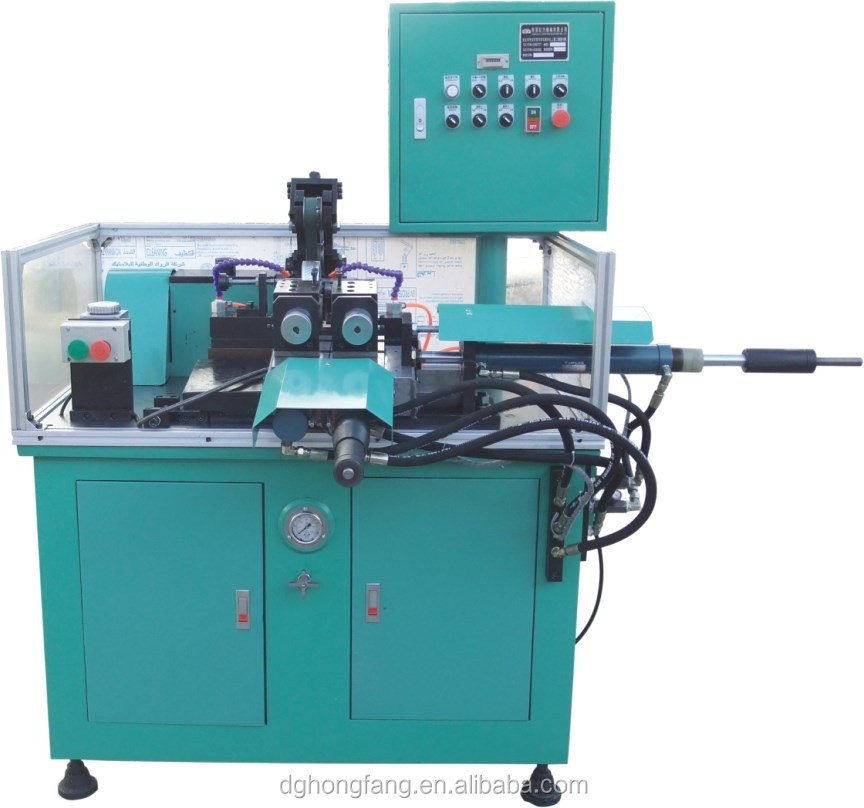
New HF Fan Motor Rotor Turning & Casting Machine with PLC and Pump Core Components Aluminum Surface Cutting
- Core Components: Precision CNC Lathe & Coolant Pump
- Application: Aluminum Rotor Outer Diameter Fine Finishing
- Operation: Mitsubishi / Delta Programmable PLC Interface
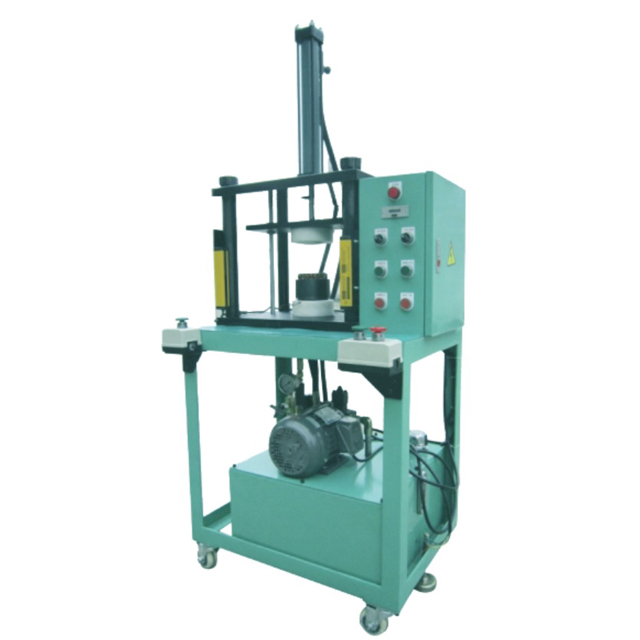
HF-W120H HONGFANG Electric Motor Stator Coil Final Forming Second Shaping Machine for Manufacturing Plant New 1 Year Gear
- Hydro-Pneumatic Twin-Stage Coil Head Compression
- Internal Bore Clearance & Outer Dimension Calibrated
- Structural Integrity: Heavy-Duty Cast Gear Architecture
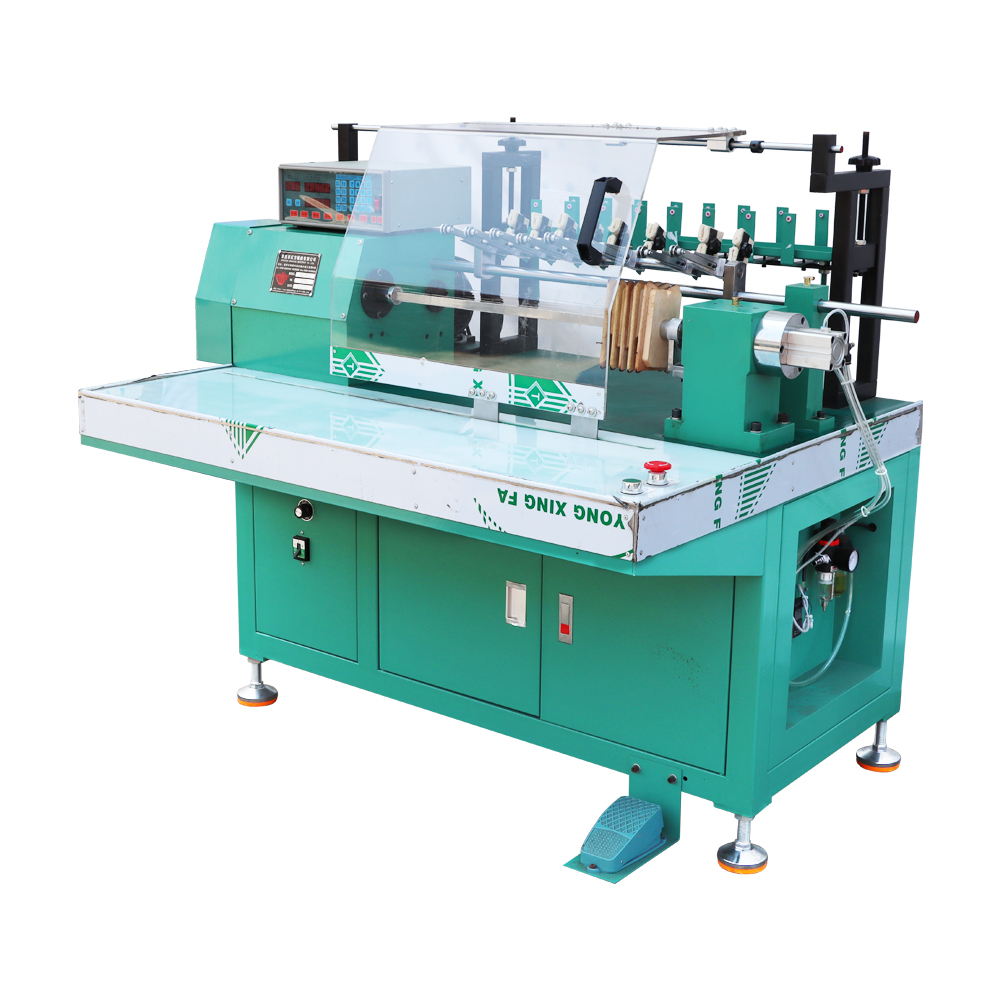
Automatic Semi Automatic Coil Winding Machine for Fan Motor Stator Copper/Aluminum Wire Single Phase 220V 0.1-1.2mm Wire
- Enamelled Copper & Aluminum Wire: 0.1mm - 1.2mm Range
- Voltage Specification: Single Phase 220V 60Hz Quito Spec
- Digital Tension Regulation to Eliminate Enamel Micro-Cracks
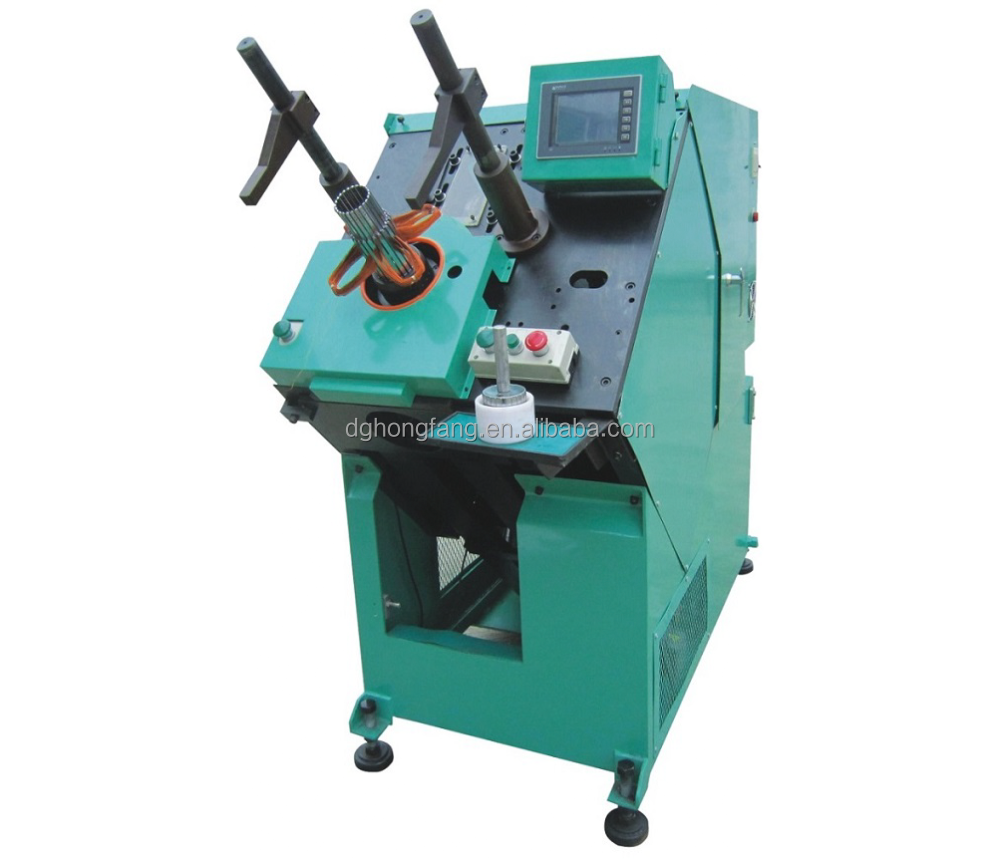
Automatic Servo System Stator Coil and Wedge Inserting Machine
- Dual-Axis High Torque Servo Insertion Stroke
- Simultaneous Coil & Slot Wedge Transfer Cycle
- Zero Scrap Insertion Yield for Medium & Fractional HP Motors
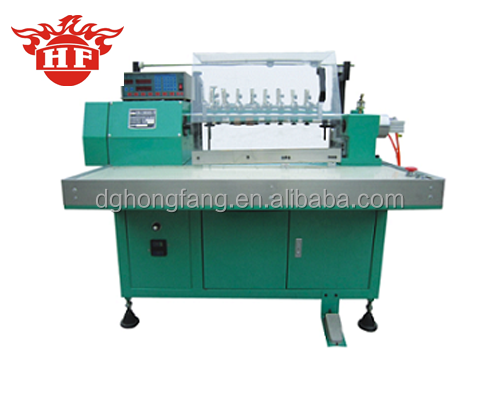
New Fully Automatic Motor Coil Winding Machine High Quality Coil Maker for Manufacturing Plant Use 220V
- High-Precision Automated Stepper Fly-Fork Spindle
- Pre-programmable Multi-Pattern Coil Pitch & Turns Counter
- Heavy Industrial Cast Base for High-Speed Dynamic Balance
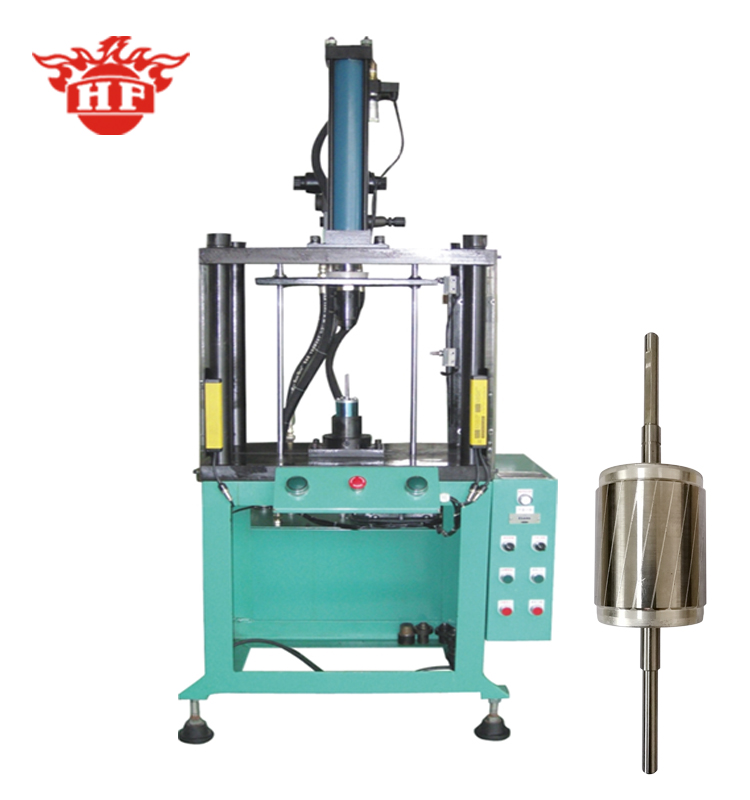
New Rotor and Shaft Inserting Hydraulic Press Machine for Manufacturing Plant 1 Year Warranty HF-W50
- Model HF-W50 Hydraulic Pressure Proportional Tonnage
- Axial Concentricity Clamping to Prevent Shaft Deflection
- Essential for Submersible & Centrifugal Pump Production
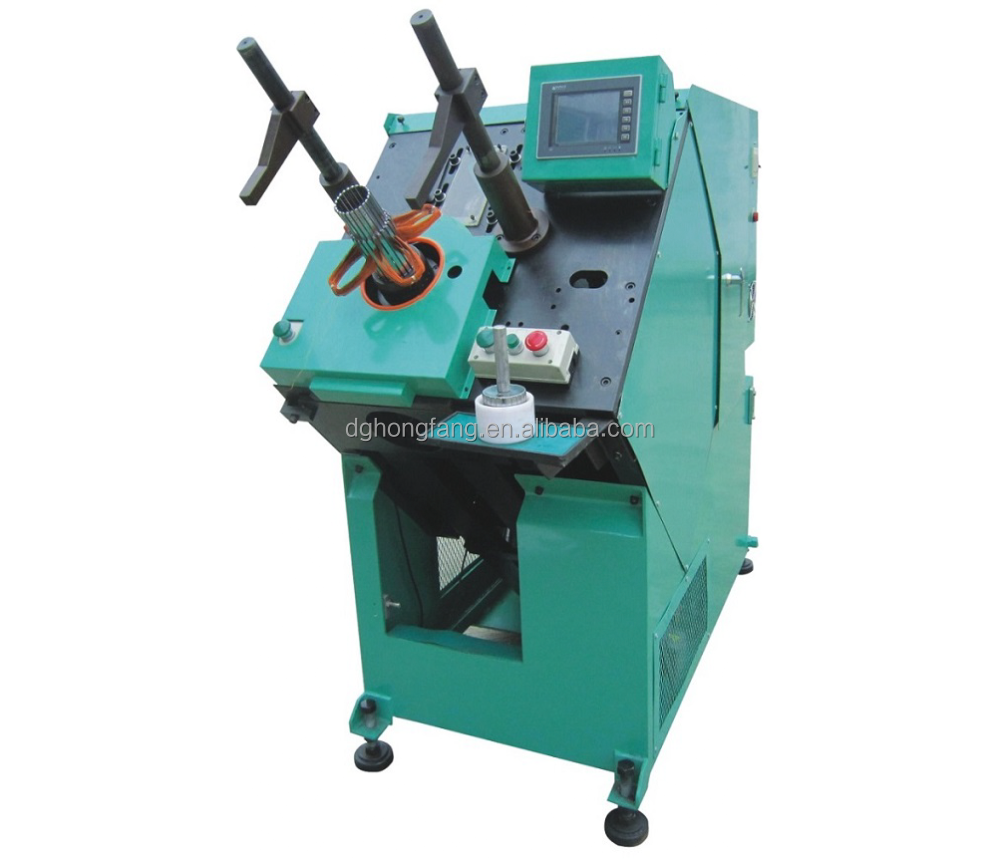
Automatic Stator Wedge Paper and Coil Inserting Machine for Fan Motor Stator New Manufacturing Plant Use Gear Components
- Integrated Wedge Paper Feeding, Forming, Cutting & Pushing
- Tailored Tooling for 8, 16, 24, and 36 Slot Fan Stators
- High Efficiency Single-Operator Workstation Cycle
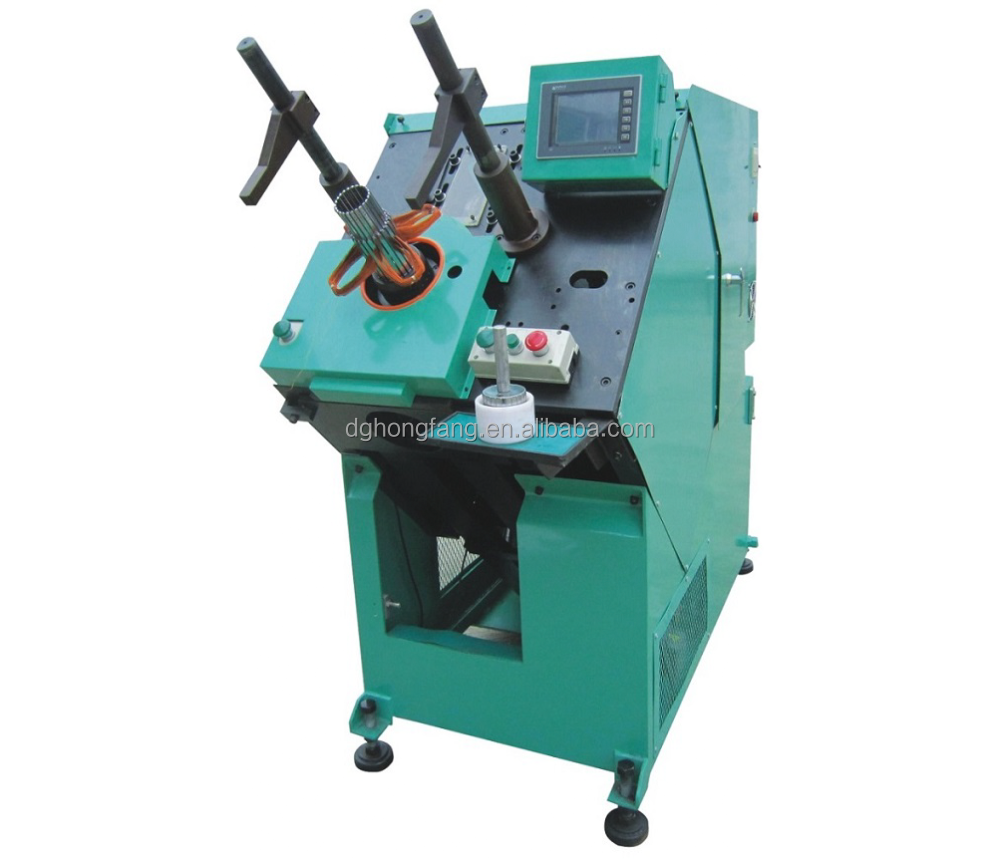
Coil & wedge Paper Inserting Machine
- High-Speed Synchronous Wedge Paper & Coil Group Transfer
- Compatible with Polyester, Nomex & DMD Insulation Sheets
- Tooling Made-to-Order to Client's Physical Stator Sample
Engineering Motor Automation for High-Altitude Andean Operations (2,850m ASL)
Operating electric motor manufacturing equipment in the Metropolitan District of Quito requires addressing barometric pressure differentials, thermal cooling reductions, and specific industrial power grid characteristics common across the Pichincha industrial corridor.
Barometric Pressure & Dielectric Integrity
At Quito's elevation of 2,850 meters above sea level, atmospheric pressure drops to approximately 72 kPa (compared to 101.3 kPa at sea level). This rarefied air reduces dielectric breakdown voltage. Our winding and inserting machines maintain tight magnetic slot-fill ratios (75% to 82%) and utilize zero-scratch insertion pushers, ensuring the enamelled wire coating (polyesterimide/polyamide-imide) sustains zero pinhole abrasion that could cause inter-turn insulation failure under high-altitude corona discharge.
Pneumatic & Servo Dynamic Compensation
Air compressor delivery efficiency drops by 20% to 25% at 2,850m elevation. To prevent weak pneumatic strokes during wedge indexing and coil pushing, Zunqi's machines designed for Quito export utilize dual-stage pneumatic amplifiers, high-displacement SMC air preparation units, and high-torque closed-loop servo drives from Delta or Mitsubishi. This ensures consistent coil insertion insertion velocity and repeatable mechanical force regardless of shop-floor ambient air thinning.
Ecuadorian 60Hz Power Standard Compatibility
While Chinese domestic factories operate on 380V/50Hz, industrial zones in Quito (such as Carcelén, Turubamba, and Amaguaña) utilize 220V, 208V, or 480V 3-phase power at 60Hz. Every machine we export to Quito is wired with 60Hz-rated electromagnetic components, variable frequency drives calibrated for 60Hz input, and custom-wound multi-tap isolation transformers that safeguard against local voltage fluctuations.
Benchmarking Stator Coil Insertion Technologies
Review quantitative engineering metrics comparing manual stator insertion with Zunqi's semi-automatic and high-speed CNC servo coil and wedge insertion workstations.
| Performance Parameters | Manual Insertion & Tamping | Semi-Automatic Mechanical Inserters | Zunqi Automatic Servo CNC Inserter |
|---|---|---|---|
| Cycle Time (36-Slot Induction Stator) | 12 - 25 minutes / piece | 45 - 90 seconds / piece | 18 - 32 seconds / piece |
| Slot Fill Factor Capability | Max 60% - 65% | Max 72% - 75% | Up to 82% (High-Efficiency IE3/IE4 Spec) |
| Wire Insulation Abrasion Rate | High (Tool friction, hand tamping) | Moderate (< 0.8% failure on test) | Negligible (< 0.05% PPM Defect) |
| Wedge Material Compatibility | Pre-cut rigid wedges only | Polyester / Nomex roll stock | DMD, Nomex, Polyester film (Auto creased & cut) |
| Labor Requirement per 1,000 Units | 6 - 8 Skilled Operators | 2 - 3 Line Workers | 1 Machine Attendant |
| Altitude Thermal Derating Margin | Poor (Irregular end-turns inhibit heat flow) | Fair (Requires heavy secondary pressing) | Superior (Compact heads improve airflow) |
Target Application Sectors Across Quito & the Sierra Region
From appliance assembly plants in Pichincha to heavy-duty agro-industrial pumping stations across the Ecuadorian highlands, automated stator winding and insertion is critical for domestic value addition.
Domestic Appliance & Commercial Ventilation
Ecuador's domestic white-goods and HVAC industry, centered in the central manufacturing clusters of Quito and Ambato, relies on cost-efficient manufacturing of ceiling fan motors, exhaust blowers, and range hoods. Our multi-station coil winders and slot wedge inserters handle dual copper/aluminum winding configurations, enabling plants to adapt flexibly to commodity raw material price swings.
Agro-Industrial Floriculture & Water Pumps
The rose and cut-flower greenhouses in Cayambe, Tabacundo, and Machachi require robust submersible pumps and high-pressure misting motors operating continuously. Our rotor turning lathes and hydraulic shaft presses ensure exact concentricity and tight air-gap tolerances, preventing motor burnouts in humid greenhouse environments where voltage drops frequently occur.
Industrial Rewinding & Remanufacturing Centers
Given Ecuador's dollarized economy, importing new high-capacity industrial motors incurs freight premiums. Quito's heavy-duty electrical repair workshops serve cement plants, oil production in the Oriente, and mining projects. Utilizing automated coil forming and lacing stations streamlines high-volume stator rewinding, matching original factory tolerances at a fraction of line-replacement costs.
Why Ecuadorian Manufacturers Partner with Zunqi Automation
Backed by 17 years of specialized machine tool design in Dongguan, China, we combine custom engineering precision with transparent export governance and responsive technical backing.
Custom Tooling to Stator Samples
We do not ship generic off-the-shelf tooling. Clients send their stator lamination drawings or physical steel stacks to our factory. We mill, wire-cut, harden, and polish inserting blades, pushing fingers, and transfer magazines custom-matched to your lamination slot shape.
Pre-Shipment Trial Run Acceptance
Before final export packing, your machine is run on our assembly test bench with your actual wire gauge and stator lamination cores. We supply uncut, high-definition test run videos, parameter logs, and finished sample inspection reports for client sign-off.
Globally Sourced Control Architecture
Our electrical panels are equipped with components widely supported in Latin America: Delta, Mitsubishi, or Siemens PLCs; Omron sensors; Schneider switchgear; and SMC or Airtac pneumatics. Your maintenance staff can source replacement parts locally without long international downtimes.
Turnkey End-to-End Line Capability
From slot insulation paper insertion to intermediate forming, dual-sided robotic lacing, final hydraulic head sizing, rotor fine-turning, and shaft insertion, we manufacture the entire stator production chain with synchronized cycle times.
Seamless China-to-Quito Logistics, SENAE Customs & Packaging
Clear import protocols under Ecuador's trade regime (SENAE) guarantee safe maritime freight transit from Guangdong through Guayaquil to your final facility in Quito.
Marine Seaworthy Export Crating
Every machine undergoes a multi-layer rust-preventive regime: bare steel slides and precision inserting tooling are greased and wrapped in VCI (Vapor Corrosion Inhibitor) film, heat-sealed in vacuum barrier bags with desiccant packs, and bolted to solid steel-reinforced fumigation-free plywood skids built to survive 35-45 days ocean transit.
Shipping Routes: Shekou / Nansha to Guayaquil
Direct container vessels depart weekly from Shenzhen (Shekou) or Guangzhou (Nansha) to the Port of Guayaquil (Contecon Guayaquil or DP World Posorja) with a typical ocean transit time of 28 to 35 days. Inland bonded trucking via the Panamericana Sur corridor delivers machinery to your plant in Quito within 24 to 48 hours of customs release.
Customs Tariff Optimization (HS 8479.81 / 8479.89)
Under Ecuadorian customs regulations (SENAE), capital production machinery for electric motor assembly is commonly classified under HS Code 8479.81 (Machines for treating metal, including electric wire winding) or 8479.89. Capital goods frequently benefit from preferential tariff rates (Arancel Ad-Valorem 0% to 5%) under Ecuadorian industrial modernization incentives.
Frequently Asked Questions by Ecuadorian Machine Importers
Find engineering and commercial answers to frequent questions raised by plant managers and procurement directors in Quito when sourcing stator automation from China.
How does high altitude in Quito (2,850m) affect the electrical components of the machine?
At 2,850m elevation, thinner air reduces convection cooling efficiency for electric drive motors and reduces dielectric breakdown ratings. For machines designated for Quito delivery, we derate servo motor capacities by 10-15% (oversizing motor frames), integrate auxiliary cooling fans in electrical cabinets, and specify solid-state components rated for high-altitude thermal dissipation. Furthermore, air compressor pneumatic lines are fitted with enlarged internal bore regulators to counteract low atmospheric inlet density.
Can your winding and inserting machines handle both copper and aluminum magnet wire?
Yes. Many motor manufacturers in Latin America optimize product lines by using copper for high-torque applications and aluminum for cost-sensitive fan and cooler stators. Our machines feature electronic magnetic tensioners that can be adjusted in 0.1-gram increments via the digital touchscreen. This prevents excessive stretching, thinning, or insulation peeling on softer aluminum wire while providing sufficient tension control for high-conductivity copper wire.
What specific stator drawing parameters are needed to fabricate custom tooling?
To produce custom insertion blades, pushers, wedge guides, and winding molds, we require: (1) Stator Outer Diameter (OD), (2) Stator Inner Bore Diameter (ID), (3) Lamination Stack Height (core length), (4) Detailed slot geometry cross-section drawing (including slot opening width and slot depth), (5) Wire diameter and number of parallel conductors, and (6) Turns per coil group and coil pitch (span). Sending one physical bare stator sample enables us to run physical trials prior to shipment.
How do you manage after-sales technical support, commissioning, and warranty in Ecuador?
All Zunqi machines include a comprehensive 1-year mechanical and electrical parts warranty. Each machine is equipped with remote diagnostics capability via PLC ethernet/Wi-Fi modules. We provide complete English electrical schematics, step-by-step video manuals, and live video commissioning sessions with our engineering staff (coordinated to Ecuador standard time, GMT-5). Critical wearing parts (such as insertion blades, push fingers, and cutters) can be dispatched quickly via DHL or FedEx to Mariscal Sucre International Airport (UIO) in Quito.
What payment terms and commercial documentation do you provide for SENAE customs clearance?
Standard payment terms are 30% T/T deposit upon order confirmation and tooling design approval, with the 70% balance payable following video acceptance trials prior to export dispatch. Irrevocable Letters of Credit (L/C at sight) are also accepted. For Ecuadorian customs clearance under SENAE, we provide certified Commercial Invoices, detailed Packing Lists with individual crate dimensions and gross weights, clean Ocean Bills of Lading, Certificate of Origin, and technical machine specification sheets.
Upgrade Your Motor Stator Production Line in Quito
Whether setting up a new fractional horsepower fan motor plant or retrofitting an industrial induction motor manufacturing facility in Ecuador, our engineering team in Dongguan will analyze your stator parameters and propose a customized, high-precision automation line.
