Featured Rotor & Stator Automation Systems
Precision-machined hardware tailored to German DIN engineering tolerances. Each unit is custom-tooled to CAD drawings, pre-commissioned, and verified prior to European shipment.
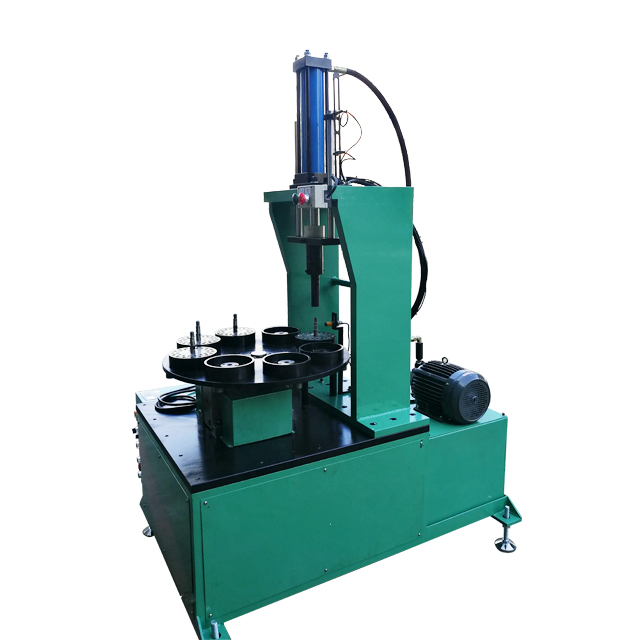
Hydraulic Fan Motor Stator Shaft Inserting Press
- High-torque gear-driven pressure ram
- Precision stroke alignment tooling
- Complete 1-year plant warranty
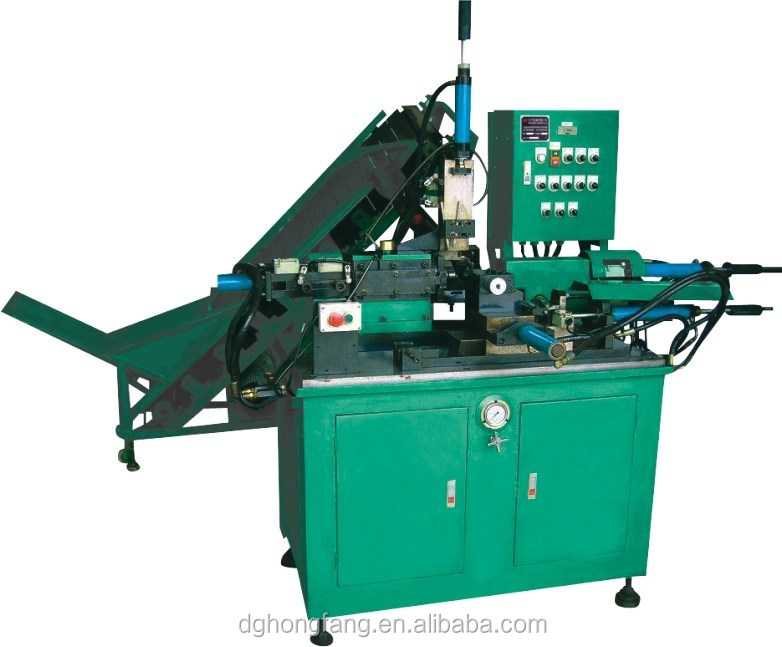
Automatic Rotor Fine Turning Machine HF-C60
- Integrated PLC & coolant filtration pump
- Surface finish Ra ≤ 0.4 μm achieved
- High-speed motor rotor turning cycle
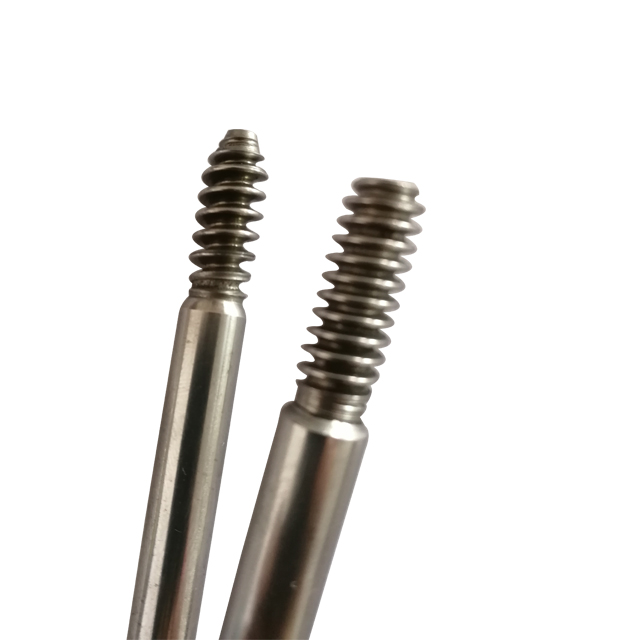
Precision Electric Iron Motor Shaft Component
- Induction hardened bearing journal
- TIR runout controlled ≤ 0.003 mm
- Ideal for pumps, coolers, and blowers
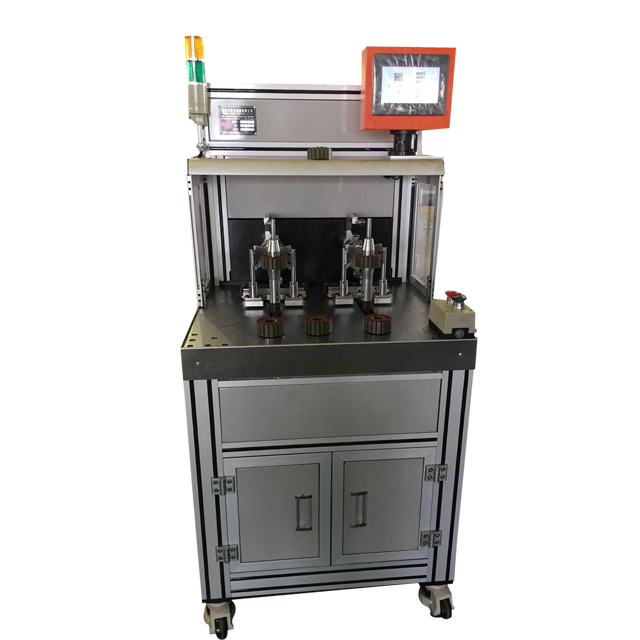
2-Station External Stator Winding Machine
- Dual synchronised indexing spindles
- Constant tension wire pay-off flyer
- Handles Cu/Al wire 0.1 to 1.2 mm
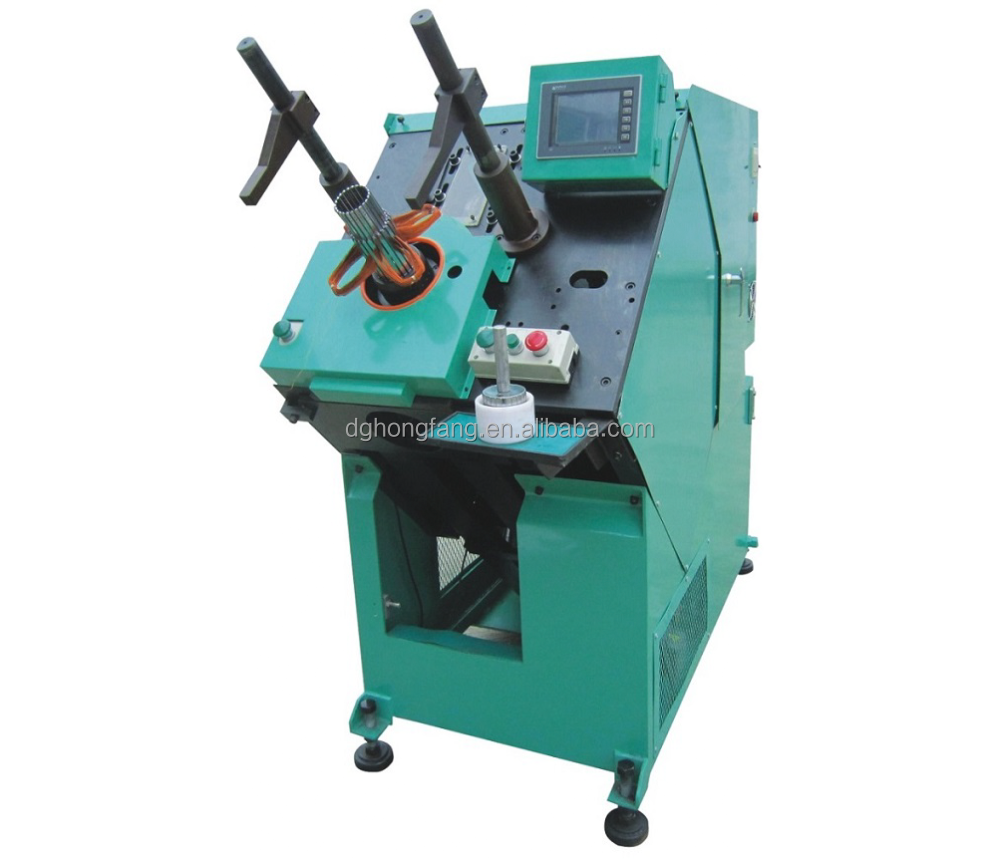
Automatic Servo Coil & Wedge Inserter
- Single-stroke simultaneous insertion
- High-response servo blade drive
- Eliminates wire enameled micro-scratches
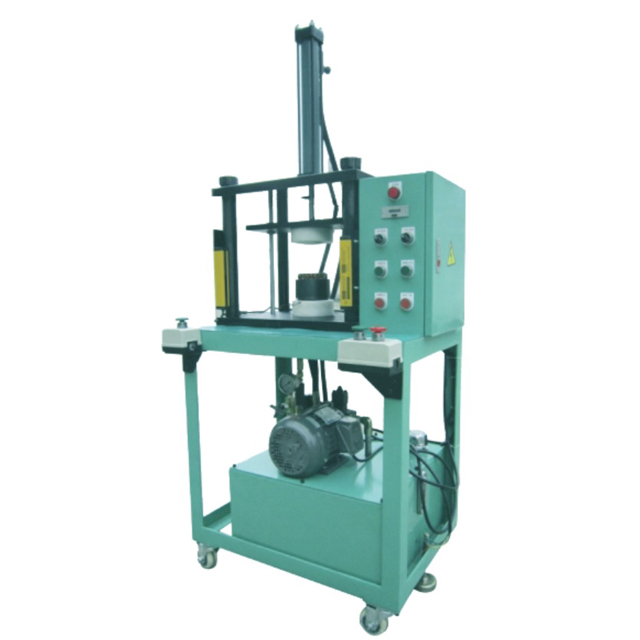
HF-W120H Stator Coil Final Forming Machine
- Precision secondary hydraulic shaping
- Strict coil head dimensional control
- Guarantees internal rotor clearance
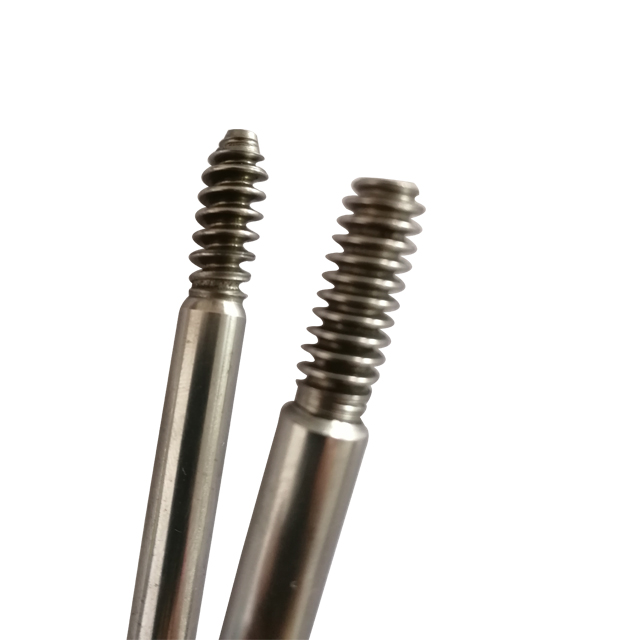
SC45# Steel High-Precision Rotor Shaft Spares
- High tensile C45/SC45# alloy steel
- CNC knurling, keyway & ground finishes
- Batch customisation for European OEMs
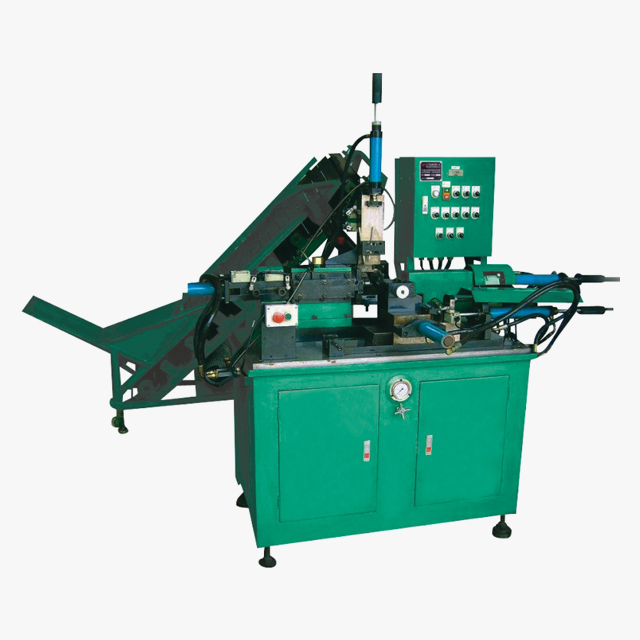
Rotor Rough Turning & Surface Cutting Machine
- Heavy-duty cast bed dampens vibration
- Removes aluminum die-cast flashing
- Automated pneumatics with PLC drive
Executive Engineering Overview: Rotor Machining Precision in Berlin's Industrial Ecosystem
The manufacturing landscape of Berlin and the surrounding Brandenburg corridor (extending through Potsdam, Ludwigsfelde, and Grünheide) has re-emerged as a high-technology epicenter for e-mobility, advanced robotics, precision medical pumps, and HVAC drive systems. In high-efficiency electric motors—particularly those meeting the European Union’s Ecodesign Directive (EU) 2019/1781 (IE4 and IE5 Super Premium Efficiency classes)—the machining of the rotor assembly constitutes the most critical determinant of motor electromagnetic performance, thermal dissipation, acoustic signature, and life-cycle durability.
As a leading Chinese designer and builder of turnkey motor manufacturing lines based in the high-density automation cluster of Dongguan, Zunqi Intelligent Equipment Co., Ltd. bridges the gap between cost-effective capital investment and uncompromising European machine tool tolerances. Machining squirrel-cage induction rotors, permanent magnet synchronous motor (PMSM) rotors, and external brushless DC (BLDC) rotor cups requires addressing three distinct physical challenges:
Furthermore, machining laminated steel cores interleaved with die-cast aluminum or embedded copper rotor bars presents severe material shear challenges. Substandard turning tools drag aluminum smear across the insulated silicon steel laminations, creating micro-shorts that dramatically elevate eddy-current losses. Zunqi’s fine turning equipment utilizes diamond (PCD) and cubic boron nitride (CBN) tooling coupled with synchronized spindle-feed algorithms that effectively shear both materials cleanly, preserving electrical insulation between laminations without requiring secondary chemical etching.
Rotor Machining Technology Matrix: Turning vs. Grinding
For decades, German engineering plants relied on centerless cylindrical grinding for rotor outer diameter finishing. While grinding yields smooth surface roughness, it embeds abrasive grit into aluminum end-rings, introduces thermal stress into magnetic steel laminations, and produces toxic grinding sludge subject to strict German environmental disposal tariffs (Kreislaufwirtschaftsgesetz - KrWG). Below is a comprehensive operational comparison highlighting why Berlin motor makers are migrating toward CNC fine diamond turning:
| Performance Parameter | Zunqi Automatic CNC Fine Turning (HF-C60) | Traditional Cylindrical Grinding | Operational Impact for German Plants |
|---|---|---|---|
| Cycle Time (Ø80mm x 100mm) | 12 - 18 seconds | 45 - 65 seconds | 3x higher throughput; lower footprint per production cell |
| Surface Finish (Ra) | Ra 0.4 μm – 0.8 μm (PCD Tooling) | Ra 0.2 μm – 0.4 μm | Both fully satisfy DIN EN ISO 4287 air-gap aerodynamics |
| Inter-Laminar Smearing | Virtually Zero; sharp cutting shear | High risk; wheel drag shorts laminations | Prevents iron loss spikes; ensures IE4/IE5 efficiency compliance |
| Balancing Residual (DIN ISO 1940-1) | Achieves Grade G1.0 - G2.5 baseline | Achieves Grade G1.0 - G2.5 | Drastically shortens downstream dynamic balancing time |
| Coolant & Waste Management | Minimal dry/MQL cutting or recyclable water-based mist | Heavy coolant emulsions + abrasive sludge | Zero hazardous sludge disposal costs under German KrWG law |
| Capital Expenditure (CapEx) | 40% to 55% of German domestic equivalents | Baseline 100% (High acquisition & tooling cost) | Accelerates payback period (ROI) to under 11 months |
Localized Application Scenarios in the Berlin-Brandenburg Industrial Corridor
Berlin is not merely Germany's political capital; it is a vital node in Europe's next-generation electrical engineering landscape. Zunqi Intelligent Equipment configures specialized rotor finishing and stator automation machinery aligned with the technical focus areas of local manufacturers:
E-Mobility & Auxiliaries (Grünheide & Ludwigsfelde)
Electric vehicle thermal management pumps, steering actuators, and high-rpm compressor motors require tight dynamic balance. Zunqi's rotor turning lines ensure the dynamic air gap withstands continuous 18,000+ RPM rotation without magnetic eccentricities.
Energy-Efficient Industrial HVAC (Siemensstadt & Spandau)
Ventilation fans, industrial blowers, and air-handling units operating across Berlin’s district heating and cooling facilities mandate whisper-quiet operation. Our HF-C60 eliminates aerodynamic whistle by stabilizing rotor tooth-slot geometry.
Precision Robotics & Medical Actuation (Adlershof Science City)
Miniature brushless servo rotors and surgical tool motors fabricated in Berlin’s biomedical technology parks require shaft runouts under 2 micrometers. Our servo shaft insertion presses ensure zero micro-bending of slim SC45# shafts.
Future Trends: Modernizing Rotor Machining for German Industry
As German manufacturers navigate high industrial energy costs, raw material scarcity, and the rollout of smart factories, machine tool procurement decisions in Berlin are driven by three structural transformations:
1. Ecodesign Directive & IE5 Efficiency
Under EU energy mandates, reducing rotor losses is paramount. Precision machining maintains exact slot skew angles during outer diameter turning, eliminating skew distortion that degrades magnetic wave symmetry and induces parasitic torque ripples.
2. Open Architecture Industrie 4.0
German engineering directors avoid proprietary, locked-down software. Zunqi builds control platforms utilizing open industrial standards—supporting Siemens S7-1200/1500, Beckhoff TwinCAT, Profinet, and OPC UA protocols for predictive maintenance integration.
3. Circular Economy & Low-Carbon Scrap
With lamination electrical steel commanding premium pricing across Europe, Zunqi’s single-pass rough-to-fine turning maximizes tool life and isolates clean, dry steel-aluminum swarf for recycling without expensive chemical reclamation.
Dongguan Engineering Prowess for Berlin Motor Lines
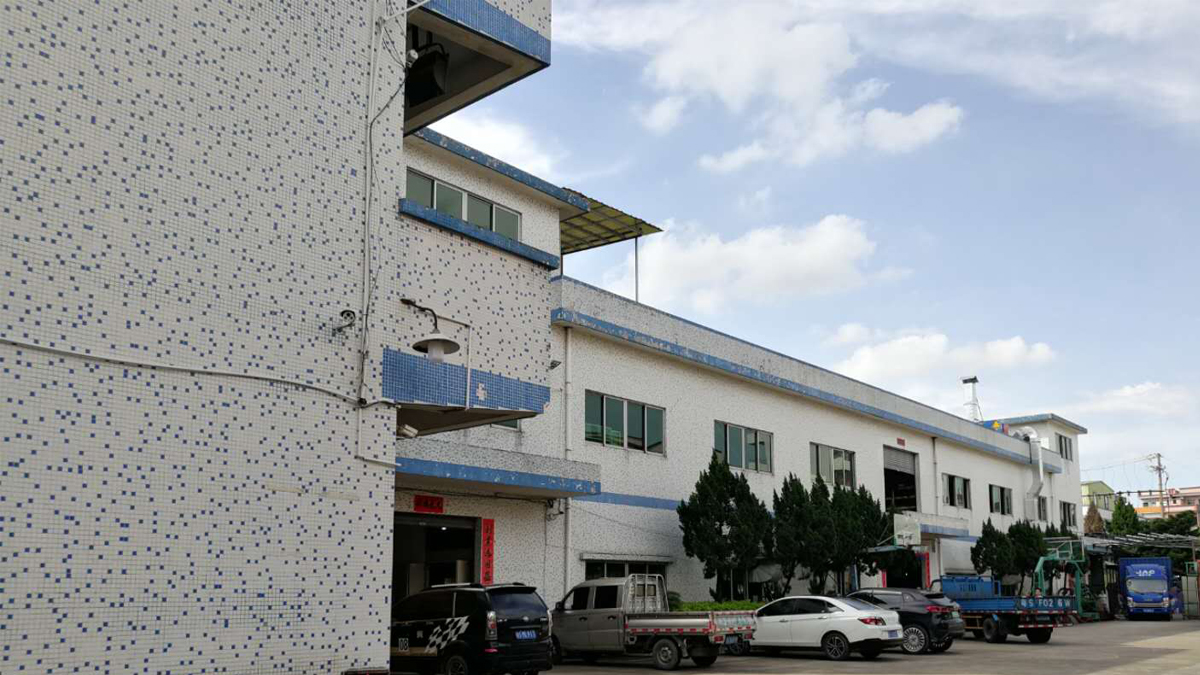
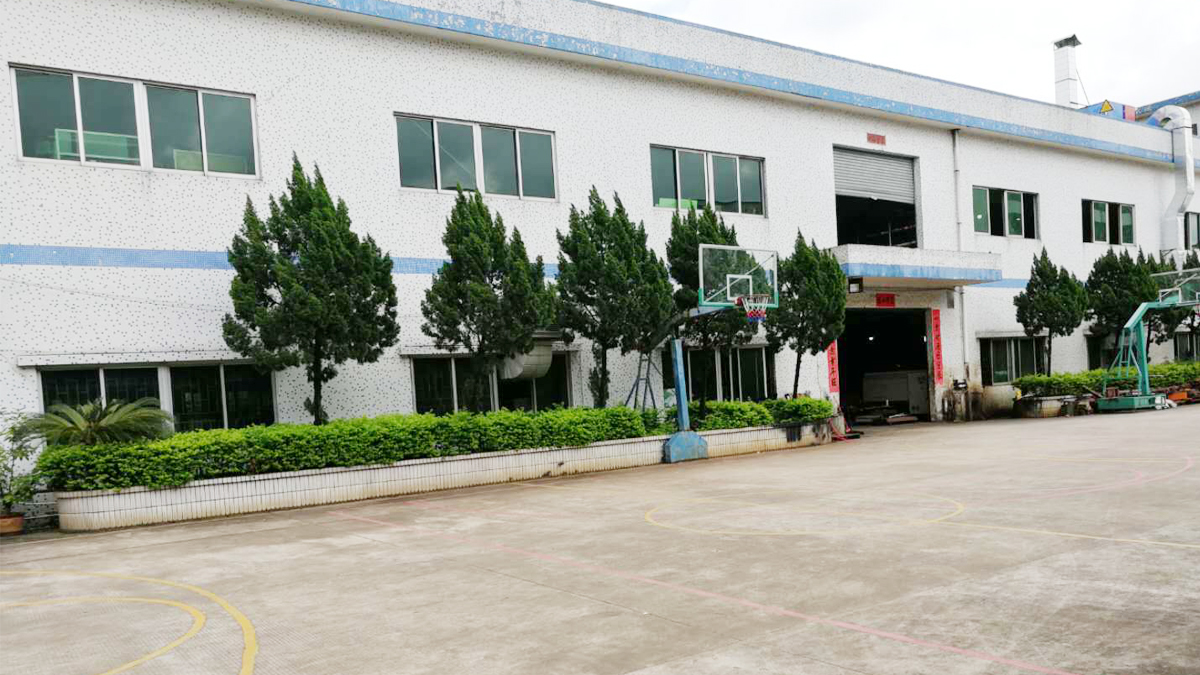
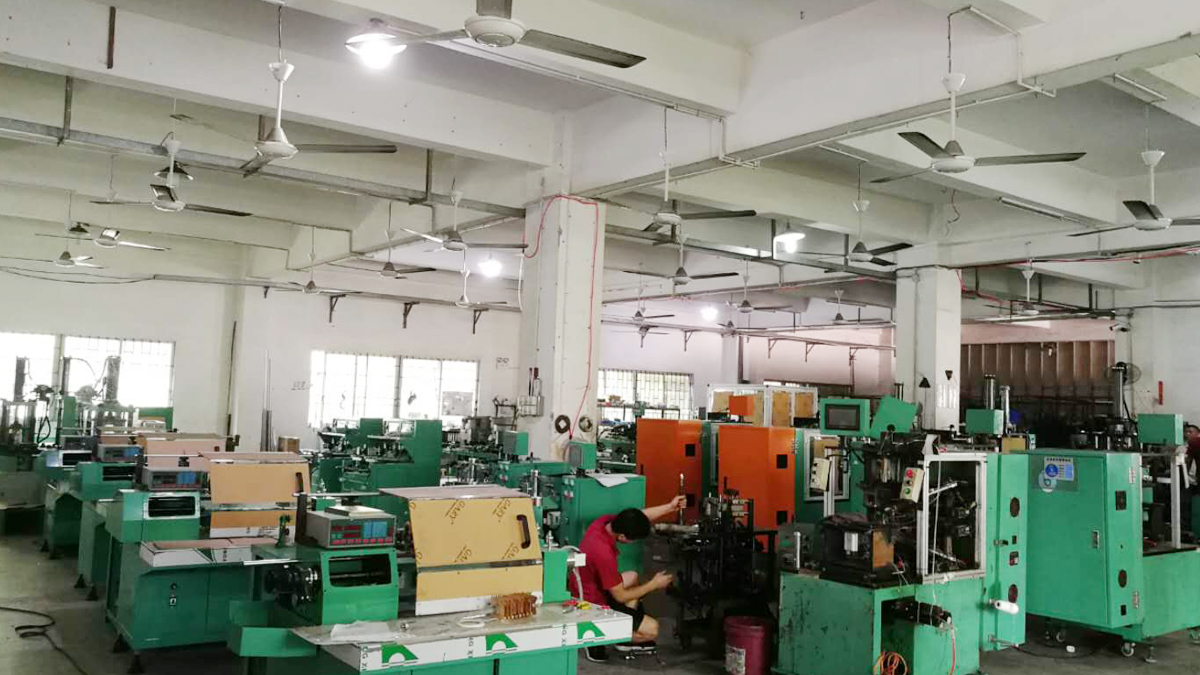
Zunqi Intelligent Equipment Co., Ltd. operates from No.2 Dongshan Yongchang Road, Qishi Town, Dongguan City—the heart of South China's electro-mechanical supply chain. Backed by 17 years of continuous international trade and a dedicated technical team of 51–100 specialists, we do not simply supply catalog machines; we engineer bespoke production solutions.
- Pre-Shipment Trial Run with Customer Samples: Send us your physical stator/rotor blanks or DIN/ISO CAD models. We run cycle tests in our workshop and provide high-definition dimensional inspection videos before crate dispatch.
- Full End-to-End Stator & Rotor Line Synchronization: We match slot insulation inserting, multi-axis coil winding, coil & wedge inserting, intermediate forming, servo lacing, final forming, rotor turning, and hydraulic shaft pressing to eliminate production bottlenecks.
- Verified Credibility: Fully audited on Alibaba.com with published operational records, trade history, export volumes, and direct factory video tours for total supply chain transparency.
- Rapid Support Latency: Experienced English-speaking automation engineers providing technical clarifications, CAD tool adaptations, and remote diagnostic sessions within ≤ 9 hours.
Technical Procurement FAQ: Germany & Berlin Market
Direct answers for German engineering managers, quality assurance heads, and technical buyers evaluated against European compliance frameworks:
