Featured Coil Winding & Stator Assembly Equipment
Exported directly from our Dongguan manufacturing facilities to clients across Masaya, Managua, and Central America. Engineered for single-phase and three-phase industrial motors, ceiling fans, and water pumps.
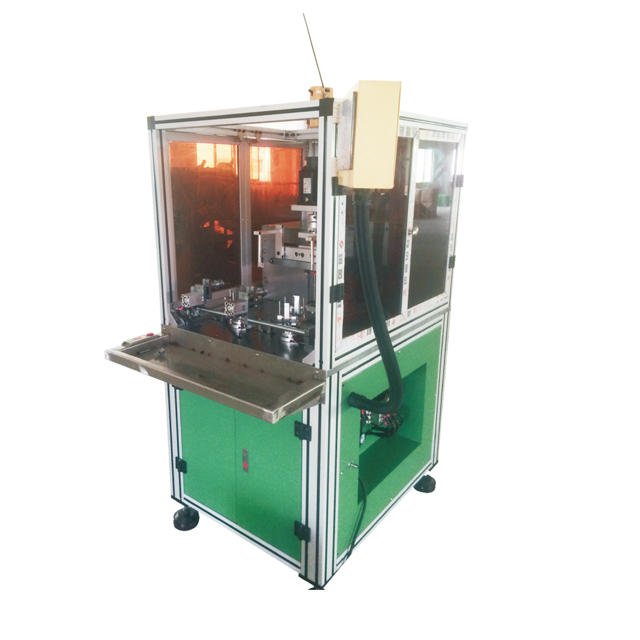
4 Stations Internal Stator Winding Machine
- Synchronous 4-station internal needle winding
- Programmable PLC with servo wire hooking
- Suitable for brushless and BLDC motor stators
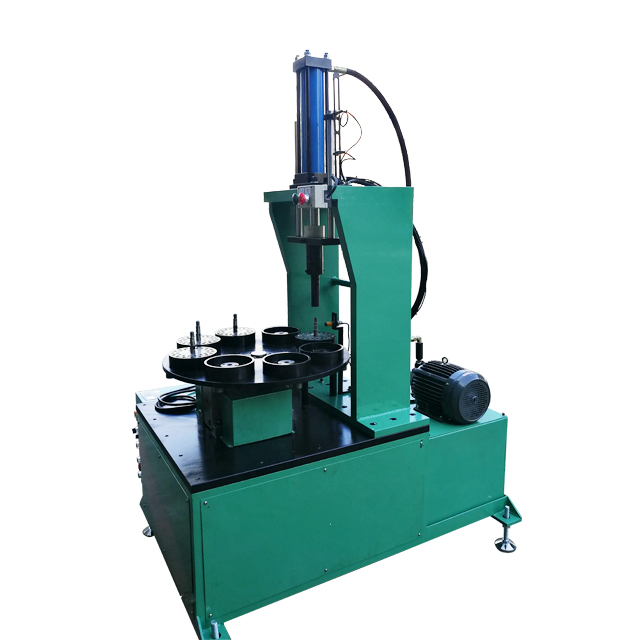
New Hydraulic Pressure Ceiling Fan Motor Stator Shaft Press Machine
- Rigid gear-driven hydraulic force distribution
- Preserves shaft concentricity & journal tolerances
- 1-Year comprehensive plant warranty coverage
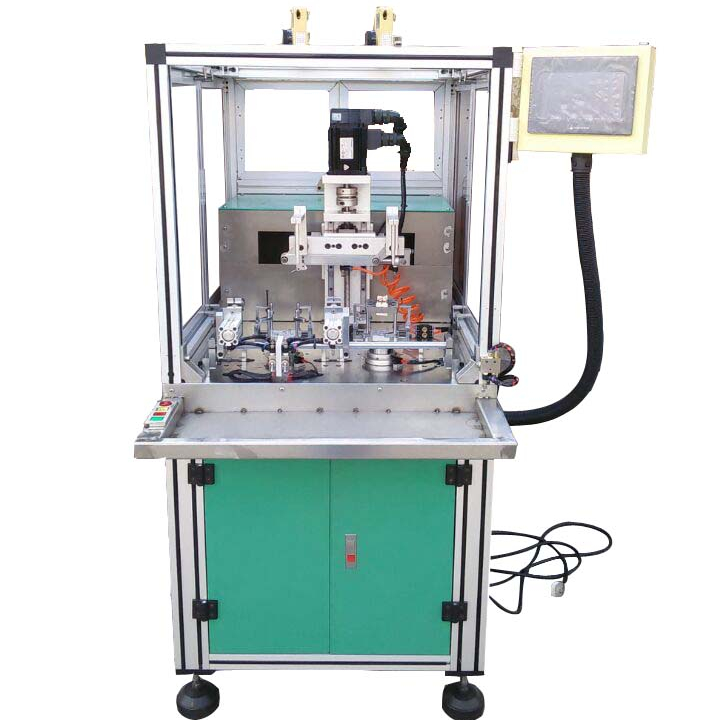
Hot Sale Armature Winding Machine for Fan Motor
- High-speed dual-flyer commutator hook indexing
- Dynamic electronic wire tension management
- Optimized for desk, stand, and vehicle blower rotors
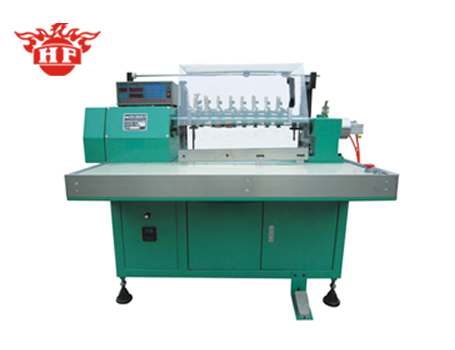
Fully Automatic Fan Motor Coil Winding Machine (Cu/Al)
- Handles both copper and cost-efficient aluminum wire
- Automated cutting, feeding, and stator indexing
- Industrial-grade PLC logic controller with HMI screen
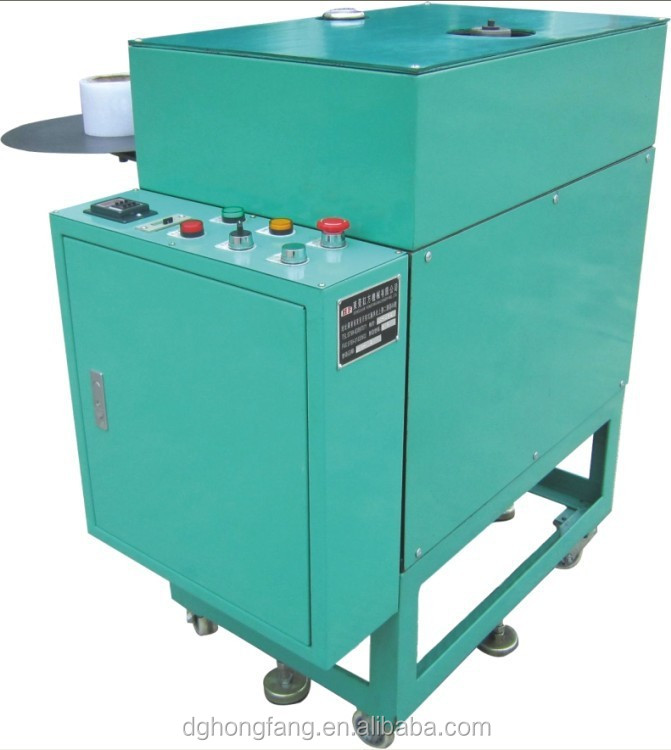
New Slot Paper Inserting Cutting Machine (1 kW 380V/220V)
- High-precision edge creasing, cutting, and push insertion
- Works across table fan, water pump, and cooler stators
- Prevents dielectric breakdown and slot edge cuts
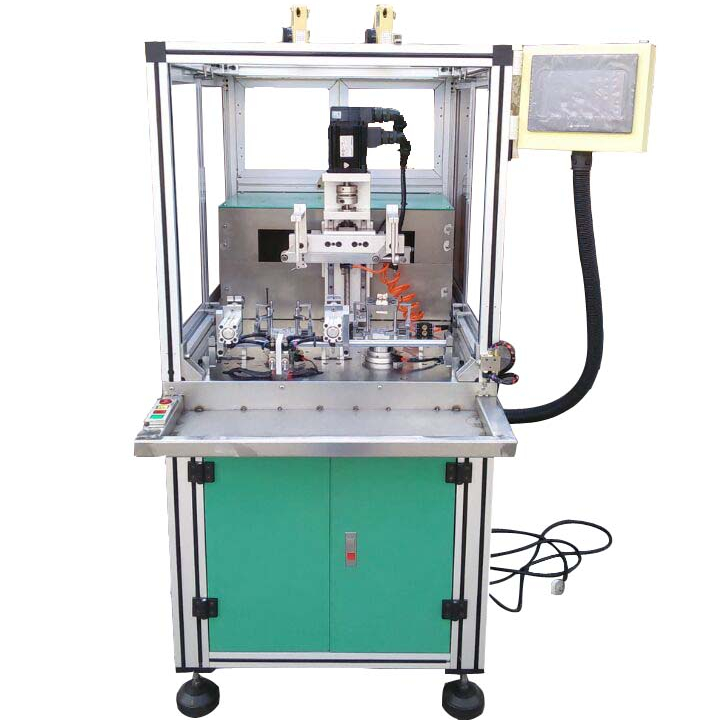
Two Stations Transformer & Motor Outer Stator Winder
- Dual-purpose design: external stator & transformer coils
- Simultaneous double-spindle synchronous winding
- Heavy-duty steel frame absorbing torsional harmonics
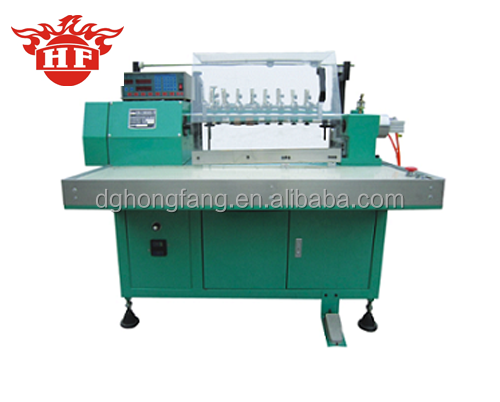
HF CNC Auto Stator Winding Machine (8 Heads, 3000 RPM)
- High-volume simultaneous 8-head coil bundle formation
- Maximum rotational speed reaching 3000 RPM
- Ultra-smooth wire laying without enamel abrasion
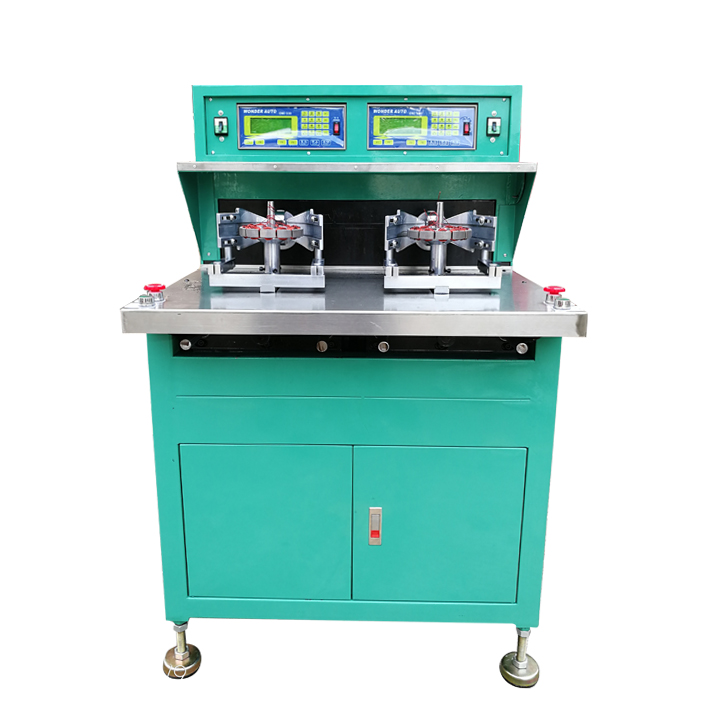
HF Heavy-Duty 2-Controller Ceiling Fan Winding Machine
- Independent dual-station electronic controllers
- 220V single-phase compatible for Central American grids
- High reliability rating for 24/7 continuous duty cycles
Electromechanical Modernization in Masaya, Nicaragua
A technical assessment of industrial motor winding, repair scalability, and localized assembly workflows across Masaya's developing agro-industrial and manufacturing clusters.
The Department of Masaya, positioned strategically within Nicaragua's Pacific industrial corridor along the Pan-American Highway between Managua and Granada, represents one of Central America's most dynamic hubs for light manufacturing, agro-processing, mechanical maintenance, and artisan-to-industrial transition. Historically renowned for specialized handicrafts and manual mechanics, Masaya’s industrial infrastructure has undergone significant capital modernization. Today, the demand for precision electromechanical power equipment—specifically single-phase and three-phase electric motors, submersible agricultural pumps, and residential and commercial ventilation systems—is experiencing an unprecedented surge.
For plant directors, municipal water engineers, and workshop proprietors in Masaya, the historical reliance on manual coil rewinding and labor-intensive assembly processes presents an operational bottleneck. Manual winding is characterized by variable copper tension, inconsistent slot cell insulation insertion, micro-abrasions along magnet wire enameling, and unpredictable copper fill factors. As energy efficiency regulations tighten across the Central American Integration System (SICA) and local operating costs rise, transitioning to automated Chinese CNC winding, slot insulation, and hydraulic stator pressing equipment has become a strategic priority.
Critical Localized Application Scenarios across Masaya
Submersible & Irrigation Water Pump Motors
Masaya’s extensive agricultural perimeter—supporting intensive cultivation of coffee, horticulture, and livestock—demands deep-well submersible turbine pumps and surface centrifugal pump motors. These stators require rigorous water-resistant insulation insertion and high dielectric protection to survive damp, subterranean environments. Automated winding guarantees uniform coil heads and optimal slot fill factors (exceeding 72%), preventing stator burnouts during continuous peak irrigation cycles.
Heavy-Duty Ceiling & Agro-Ventilation Fans
Given Masaya’s tropical climate and expanding poultry and livestock housing facilities, continuous-run ventilation systems are vital. Our specialized external stator and internal ceiling fan winding machines provide tight, symmetrical winding loops for both copper and hybrid aluminum-copper conductors. Combined with hydraulic shaft press machinery, local assemblers achieve balanced rotor-shaft alignments that eliminate vibration and extend motor bearing lifespans.
Electromechanical Service & Remanufacturing Shops
Masaya hosts numerous mechanical repair facilities serving the broader Pacific basin of Nicaragua. Instead of spending 14 to 20 man-hours manually rewinding an industrial induction stator, our 2-station and multi-station programmable outer stator winding units allow workshops to complete precision rewinds in under 45 minutes, dramatically compressing turnaround times for transport fleets, textile plants, and processing mills.
By shifting from manual assembly benches to automated CNC solutions, Masaya-based facilities resolve high scrap rates caused by uneven wire layering. Symmetrical electromagnetic windings directly lower iron and copper losses, allowing assembled electric motors to meet international IE2 and IE3 efficiency standards under local operating conditions.
Engineering Machines for Masaya's Specific Operating Realities
Addressing power grid topology, 60 Hz electrical parameters, atmospheric humidity, and airborne volcanic particulates in the Masaya microclimate.
Procuring automated machinery from international manufacturers without accounting for local utility architecture and ambient environmental factors often results in premature electronic failures, nuisance inverter tripping, and inconsistent pneumatic cycling. As an experienced exporter to the Latin American market, our machines are specifically engineered to accommodate Nicaragua's unique electrical and environmental profiles.
60 Hz Frequency & Voltage Flexibility
While standard mainland Chinese industrial equipment operates at 380V/50Hz, Nicaragua’s national transmission grid (ENATREL) and local distribution networks in Masaya provide electricity at 60 Hz. Residential and light-commercial supplies feature 120V/240V split-phase, whereas industrial estates utilize 220V or 440V-480V 3-phase systems. Our equipment ships with native 60 Hz servo drive parameterization, heavy-duty industrial step-down transformers, and EMI filters to prevent harmonics-induced PLC crashes.
Volcanic Particulate & Dust Ingress Protection
Geographically proximate to the active Masaya Volcano (Santiago crater), the surrounding plateau frequently experiences atmospheric micro-dust carrying sulfurous oxides and abrasive particulates. Standard cooling fans can draw corrosive dust into control cabinets. We provide our Masaya-bound equipment with IP54 sealed electrical enclosures, conformal-coated circuit boards, filtered cabinet heat exchangers, and hard-anodized pneumatic cylinder rod surfaces to resist premature abrasion.
High Tropical Humidity Thermal Protection
Relative humidity in Masaya often exceeds 80% during the rainy season (Mayo a Noviembre). Ambient moisture promotes corrosion on mechanical guide ways, slides, and electronic terminals. We incorporate VCI rust inhibitors, non-corrosive brass wire guides, ceramic-coated deflection rollers, and auto-lubricating pneumatic air preparation units (FRL assemblies) to ensure long-term mechanical fluid dynamics without jamming.
Process Flow Comparison: Manual Workshop vs. Automated Cell
The transition from artisanal stator rewinding to automated China-built production systems delivers quantified productivity and quality dividends across Central American workshops:
| Operation Parameters | Manual Rewind Workshop | Semi-Automated Line | Full CNC Automated Production Cell |
|---|---|---|---|
| Slot Cell Insulation | Manual cutting & insertion: 8–15 min/stator | Pneumatic guillotine assist: 3–5 min | Auto creasing & inserting: 12–18 sec/stator |
| Coil Group Winding | Hand-crank or basic lathe: 25–40 min | Preset multi-head bench: 8–12 min | CNC 8-head spindle: 1.5–3 min (up to 3000 RPM) |
| Coil Insertion into Slots | Manual pressing with wood/plastic paddles | Semi-auto transfer tooling | Combined coil & wedge simultaneous stroke: 25 sec |
| Rotor Shaft Insertion | Manual arbor press / hammer: misalignment risk | Standard mechanical press | Hydraulic gear-driven press: Strict concentricity ±0.01mm |
| Wire Enamel Preservation | Frequent fingernail/flier scratches (high rejects) | Controlled guide rollers | Tension-regulated ceramic guides: Zero micro-cracking |
| Copper Fill Factor | 50% – 58% maximum fill | 62% – 68% fill | Up to 75% – 78% (Higher Motor Efficiency) |
Electromechanical Industry Trends in Nicaragua (2025–2030)
Key drivers catalyzing machinery investments across Masaya, Free Trade Zones (Zonas Francas), and national industrial infrastructure.
Nicaragua's industrial sector is progressing rapidly toward greater technological integration. As energy grids become more reliable and decentralized solar-pump agricultural grids multiply throughout the Pacific and central valleys, local electromechanical machinery requirements are evolving along four pronounced trajectories:
1. Energy Efficiency Standards
With electricity costs being a central factor for Nicaraguan factories and commercial irrigation operators, IE1 standard motors are rapidly being displaced. Manufacturing IE3 motors requires automated coil insertion that minimizes end-turn length and maximizes active copper inside the core, a standard achievable only via CNC winding precision.
2. Hybrid Copper-Aluminum Adoption
Rising global copper prices have incentivized ceiling fan, table fan, and blower motor manufacturers to evaluate enamelled aluminum magnet wire. Our multi-head and two-station fan coil winding equipment is built with electronic tension compensators specifically tuned to prevent wire necking or stretching when coiling softer aluminum conductors.
3. Nearshoring & Free Trade Zone Growth
Nicaragua's strategic position under CAFTA-DR fosters expanding export manufacturing. Enterprises operating in Masaya and neighboring Free Trade Zones require localized supply chain resiliency. Producing domestic electric motors for appliance export reduces dependency on imported components and shields manufacturers from trans-Pacific freight disruptions.
4. Rapid Modular Re-Tooling
Rather than investing in inflexible, dedicated single-model assembly transfer lines, Masaya workshops prefer flexible standalone machines with interchangeable tooling sets. Our equipment allows operators to change from a 16-slot ceiling fan stator to a 24-slot pump motor stator in under 25 minutes using modular quick-release fixtures.
Why Engineers & Importers Choose Zunqi Intelligent Equipment
17 years of direct Chinese factory manufacturing, verified credit profiles, and complete stator-rotor production line customization.
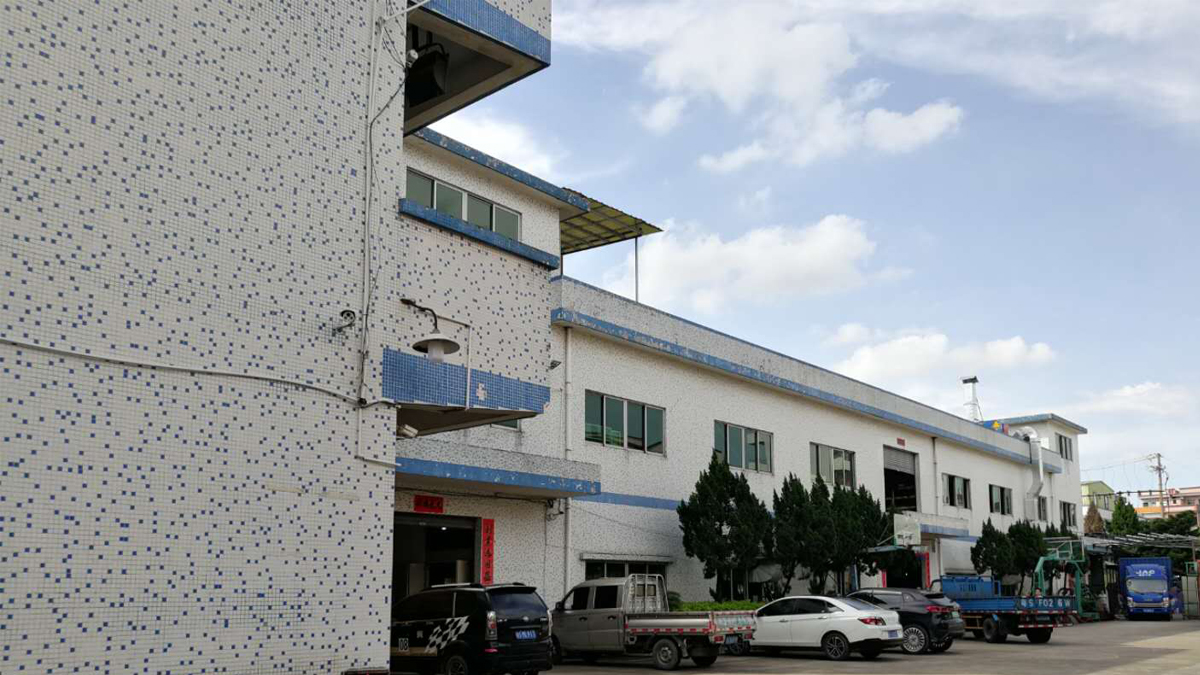
Precision Engineering from Dongguan to Masaya
Headquartered in Qishi Town, Dongguan City—the core precision machinery and electronics cluster of South China—Zunqi Intelligent Equipment Co., Ltd. brings together R&D, precision toolmaking, and automated motor line assembly under one roof. We do not act merely as traders; we build and tool machines specifically to customer-supplied stator lamination drawings and sample coils.
- 17+ Years Continuous Export Record: Verified onsite supplier credentials on Alibaba.com with documented global delivery histories across North America, Latin America, Europe, and Asia.
- Tailored Tooling to Client Samples: Customers send their physical stator cores to our Dongguan workshop; we machine bespoke needle guides, coil formers, and inserting fingers tested on-camera prior to dispatch.
- Single Turnkey Supplier Across 9 Process Categories: From slot insulation inserting to multi-axis CNC winding, wedge inserting, coil lacing, end-turn forming, and rotor turning/shaft pressing.
- Standard Minimum Order Quantity (MOQ = 1 Set): Supporting growing Nicaraguan workshops with single pilot machines up to full turnkey automated factory lines.
Configurable Core Components for Easy Local Maintenance in Masaya
We build our electrical, servo, and pneumatic cabinets with globally standardized industrial brands so your local maintenance team can source drop-in replacements directly in Nicaragua:
Frequently Asked Questions by Importers & Plant Managers in Masaya
Essential guidance covering international logistics, customs import documentation in Nicaragua, electrical setup, spare parts, and on-site commissioning.
1. How are machines shipped to Masaya, Nicaragua, and what is the typical transit duration? +
Ocean freight shipments destined for Masaya typically depart from Shenzhen or Guangzhou ports in South China and enter Nicaragua through Puerto Corinto on the Pacific coast. The standard maritime transit time ranges from 28 to 36 days. From Puerto Corinto, cargo is cleared through the DGA (Dirección General de Servicios Aduaneros) and trucked directly along the Pan-American Highway to Masaya (approx. 165 km, 3–4 hours road transit). For urgent production tooling or critical replacement parts, air cargo can be routed directly to Augusto C. Sandino International Airport (MGA) in Managua, located only 30 kilometers northwest of Masaya.
2. What power supply adjustments are made for Nicaragua’s 60 Hz electrical grid? +
Our engineering team configures machines specifically for your factory's utility supply prior to factory acceptance testing. In Masaya, workshops operate either on single-phase 220V/60Hz or three-phase 220V/240V/440V systems. We supply high-efficiency, multi-tap internal step-down transformers and configure all AC variable frequency drives (VFDs) and servo controllers for 60 Hz synchronous operation. This eliminates excessive motor heat, erratic timing pulses, and frequency mismatch issues.
3. How do we ensure custom winding tooling matches our local stator specifications? +
Before precision machining begins, our engineers analyze your stator CAD drawings, stack heights, outer/inner diameters (OD/ID), slot counts, wire gauges, and turns-per-coil data. Furthermore, we strongly encourage clients in Masaya to courier 2–3 physical raw stator lamination stacks and a sample wound stator to our Dongguan factory. We build custom coil formers and inserting tooling to your exact physical sample, perform live trial runs, and provide high-definition 4K testing video documentation for your engineers to approve before packing.
4. Can the coil winding equipment handle both copper and aluminum wire without breakage? +
Yes. Many motor and ceiling fan manufacturers in Masaya utilize magnet wire ranging from 0.1mm to 1.2mm in both copper and aluminum. Because aluminum wire exhibits a lower tensile yield point and is prone to elongation or snapping under abrupt starts, our CNC multi-spindle and flyer winding machines feature magnetic or electronic hysteresis tensioners with progressive S-curve acceleration. This guarantees steady, non-damaging wire payout throughout high-speed cycles.
5. What warranty coverage and after-sales engineering assistance are provided? +
Every piece of equipment is backed by a 1-year comprehensive factory warranty. We provide detailed English electrical schematics, PLC parameter backups on industrial USB media, step-by-step video installation walk-throughs, and live remote video support with our senior automation technicians. Should replacement components be required, we maintain an emergency parts dispatch system capable of expressing parts to Nicaragua via DHL/FedEx within 4–6 business days.
6. What documentation is provided for Nicaraguan customs clearance and duty processing? +
We supply complete export documentation conforming to international maritime standards and Nicaraguan import requirements: Commercial Invoice, Packing List with verified weights/dimensions, Clean on Board Ocean Bill of Lading, Certificate of Origin (CO), and CE Declaration of Conformity. Our packing utilizes fumigation-free ISPM-15 compliant export plywood crates with vacuum-sealed vapor barrier foil and desiccants to withstand ocean transit humidity.
7. Can Zunqi supply a complete, integrated production line rather than standalone units? +
Yes. We specialize in synchronized turnkey motor production lines. For example, a complete table fan or water pump motor stator line encompasses: (1) Stator Slot Insulation Paper Inserting Machine, (2) CNC Multi-Spindle Coil Winding Machine, (3) Automatic Coil and Wedge Inserting Machine, (4) Intermediate Stator Coil Forming Machine, (5) Automatic Double-Side Stator Lacing Machine, (6) Final Hydraulic Forming Machine, (7) Rotor Fine Turning Lathe, and (8) Hydraulic Shaft Pressing Unit. Tooling, takt times, and core dimensions are unified across all 8 stations.
Modernize Your Electric Motor Line in Masaya Today
Consult with our senior motor automation engineers. Send us your stator lamination drawings, wire specifications, and target daily output to receive a customized equipment proposal, cycle time analysis, and competitive CIF Corinto/Managua quotation within 9 hours.
