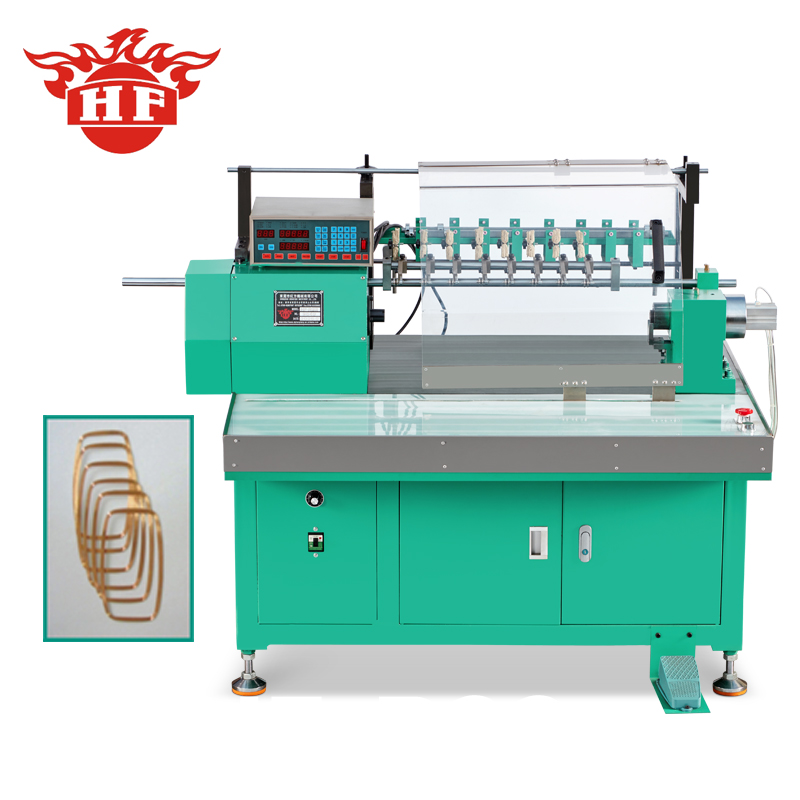
Industrial Stator & Coil Assembly Systems
Export-grade motor fabrication systems precision-tooled for continuous duty cycles, harsh environments, and high-efficiency standard compliance.
17+
Years Manufacturing Experience
≤ 9h
Global Engineering Response
100%
Customized Tooling to Stator Prints
1 Year
Comprehensive Machinery Warranty
Strategic Sourcing of Coil Forming Equipment: Technical Guide for Engineering Managers
In modern electromechanical production, stator winding and coil forming represent the critical nexus where electrical design translates into dynamic thermal performance and physical resilience. For plant managers, mechanical engineers, and procurement directors in La Serena and across the wider Coquimbo Region, selecting the correct tier of stator coil winding, inserting, forming, and lacing machinery is decisive for long-term operational margin. Coil forming is not merely a geometric press operation; it defines the slot fill factor, minimizes phase-to-phase partial discharge risks, and guarantees absolute mechanical clearance for the subsequent rotor insertion.
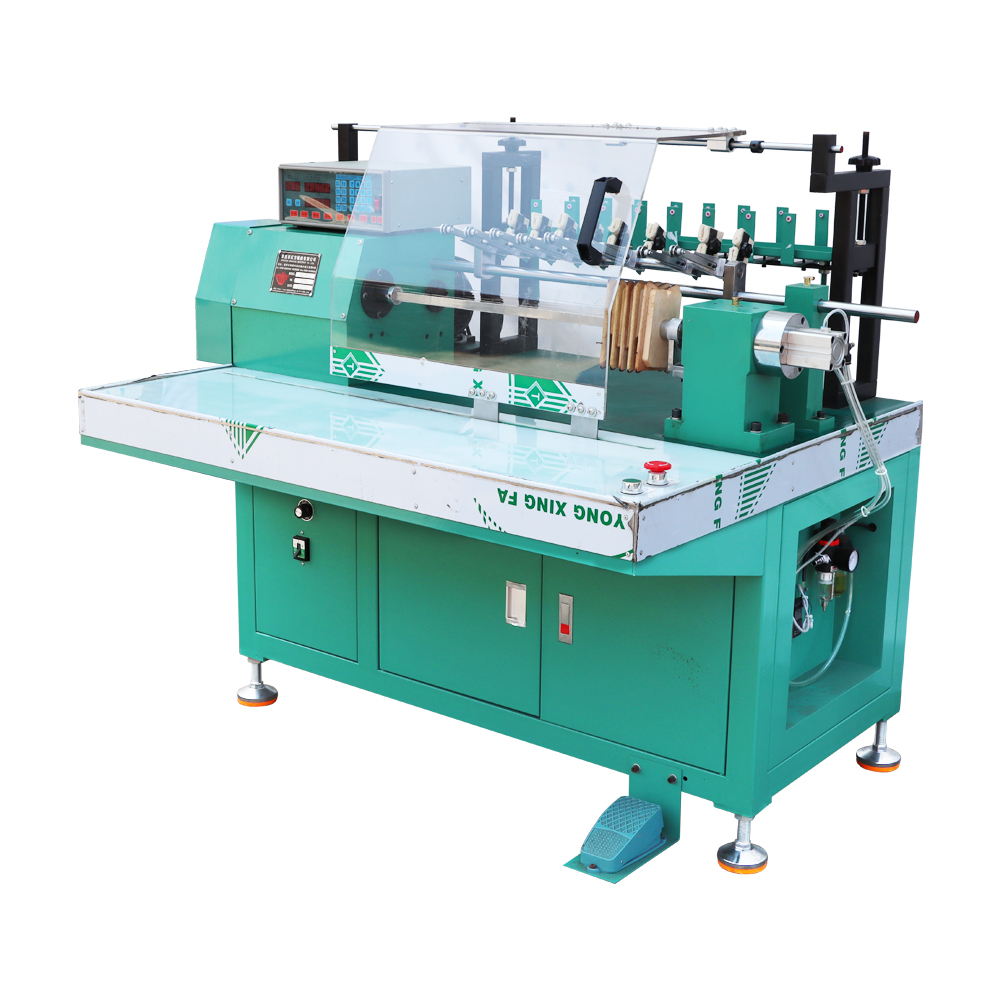
When evaluating high-performance China coil forming equipment factories, industrial buyers must prioritize tooling metallurgy, servo-synchronization dynamics, and adaptable pneumatic staging over base-level machinery costs. A motor's operational lifetime in demanding environments hinges directly on how gently and precisely magnet wire (whether Grade 2 enameled copper or customized aluminum alloys) is drawn, bent, pre-formed, laced, and finally sized.
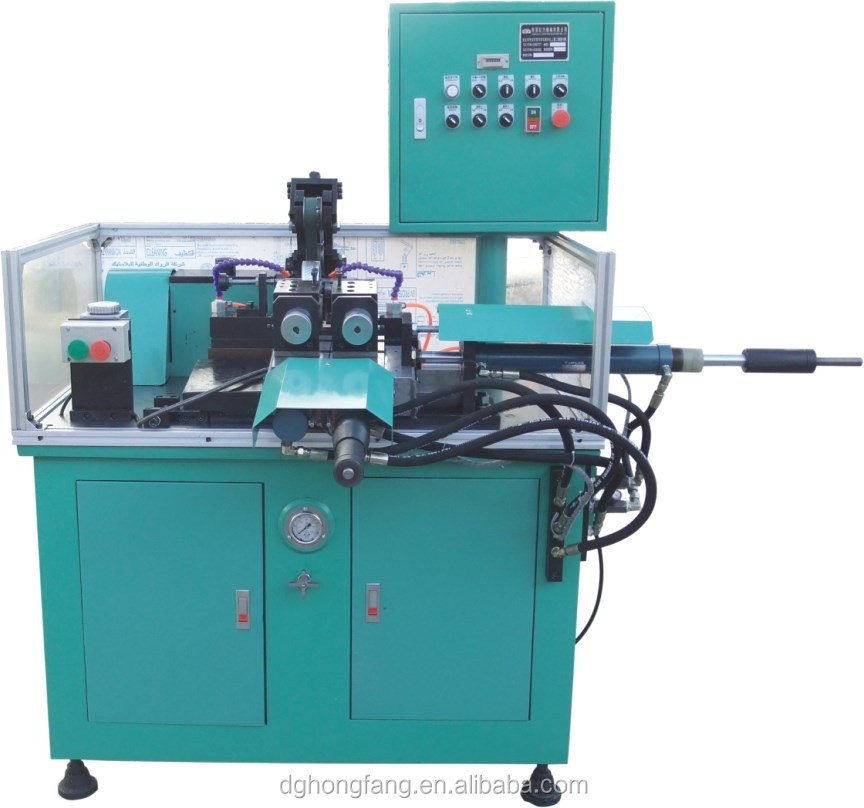
Precision Intermediate & Final Forming
Multi-directional hydraulic and servo expansion dies compress coil heads uniformly, eliminating bulge defects while maintaining enamel film integrity across critical slot exits.
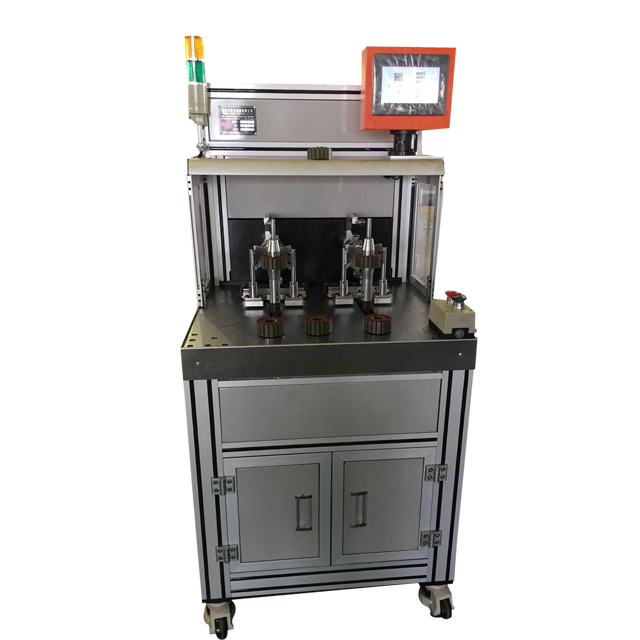
Coordinated Slot Wedge Insertion
Integrated wedge insertion cuts, folds, and pushes DMD, Nomex, or polyester film wedges simultaneously with the coil bundle, mitigating wire shearing during dense insertions.
Dynamic Servo Tension Regulation
Closed-loop tension controllers guarantee unvarying draw resistance on wires ranging from 0.1mm up to 1.2mm, preventing copper cross-section shrinkage and internal hot spots.
Localized Applications: Electromechanical Demands in La Serena & Norte Chico
La Serena serves as an essential logistical, commercial, and maintenance hub for northern-central Chile. While globally recognized for tourism and heritage, the city sits directly at the confluence of intensive industrial corridors: massive open-pit and underground copper and iron mining complexes throughout the Elqui and Limarí basins, heavy maritime operations at the nearby Port of Coquimbo, and large-scale agricultural packing and water processing operations across the coastal valleys.
Mining Slurry & Dewatering Pump Motors
Mines surrounding La Serena operate large multi-stage submersible and horizontal dewatering pump sets under abrasive conditions. Forming machines must create ultra-dense, void-free stator coil heads capable of withstanding heavy epoxy-resin VPI without dimensional swelling.
Port Handling & Marine Atmosphere Cranes
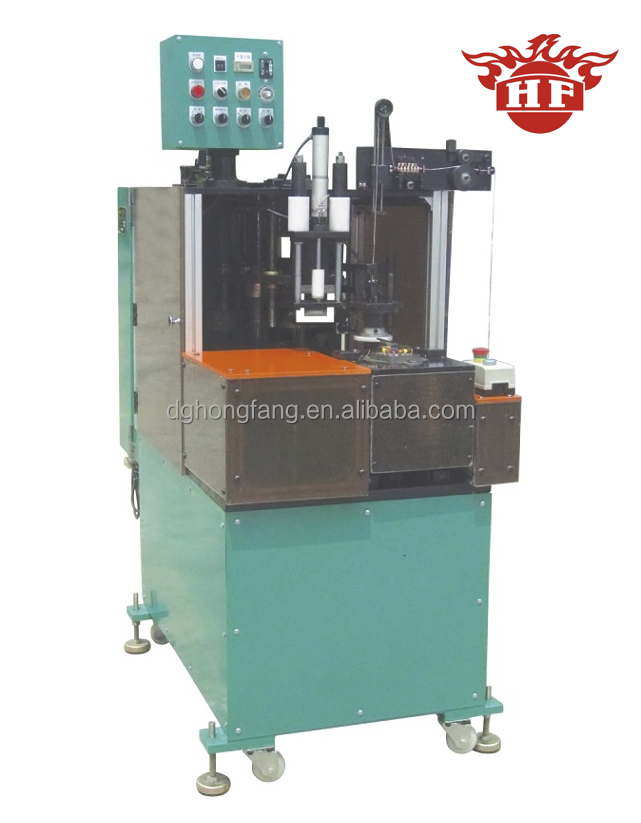
The Pacific maritime environment of Coquimbo subjects electric hoist drives and gantry winch motors to constant airborne chlorides. Highly consistent double-sided lacing locks coil overhangs firmly, preventing salt-induced mechanical wear and vibration fatigue.
Solar Farm Trackers & High-Altitude Drives
The Atacama and Elqui skies house world-class photovoltaic installations. Small-to-medium motor service facilities in La Serena utilize flexible winder systems to assemble and refurbish high-torque, low-speed tracking motors and dust mitigation blower systems.
Industrial Trends Driving Automated Coil Equipment Adoption in Chile
Chile is currently experiencing a historic shift toward localized industrial maintenance autonomy. Driven by supply chain disruptions, fluctuating copper prices, and aggressive national energy efficiency decrees (such as stringent mandates matching IEC 60034-30-1 IE3 and IE4 premium efficiency metrics), repair workshops (maestranzas) and motor assembly plants in Chile are stepping away from purely manual rewinding practices.
Manual winding, lacing, and lever-press forming can no longer fulfill the exacting tolerances required by IE3/IE4 motors. When coil heads are formed unevenly, phase resistances become unbalanced, harmonic heat generation spikes, and cooling fan airpaths are blocked. Furthermore, rising labor expenses across Chile’s mining sector mean that automated 8-head winding, mechanized wedge insertion, and servo-controlled double-sided lacing reduce fabrication labor hours by more than 65% per stator assembly.
Consequently, engineering firms in La Serena and Antofagasta are aggressively securing factory-direct partnerships with specialized Chinese machinery suppliers who provide end-to-end lines capable of processing variable stack heights and multiple slot configurations on single flexible machine beds.
Why Global Motor Builders Partner With Zunqi Intelligent Equipment
Established in the high-precision machinery heartland of Qishi Town, Dongguan, Guangdong, Zunqi Intelligent Equipment Co., Ltd. has developed over 17 years into an elite manufacturer and international exporter of motor automation machinery. Unlike pure commercial trading intermediaries, we maintain a dedicated 51–100 person assembly facility, an in-house tooling center, and specialized electrical validation engineers.
100% Custom Tailored Tooling
We do not deliver generic machinery. Every coil former, insertion wedge shoe, and lacing fixture is custom-machined from hardened tool steel against your physical stator core samples and dimensional blueprints.
Global Component Architecture
We build our electrical cabinets around industrial-grade, globally serviceable electronics: Siemens, Mitsubishi, Omron, Delta, or Schneider PLCs, paired with SMC pneumatic valving for frictionless local upkeep in Chile.
Full Process Integrity Under One Roof
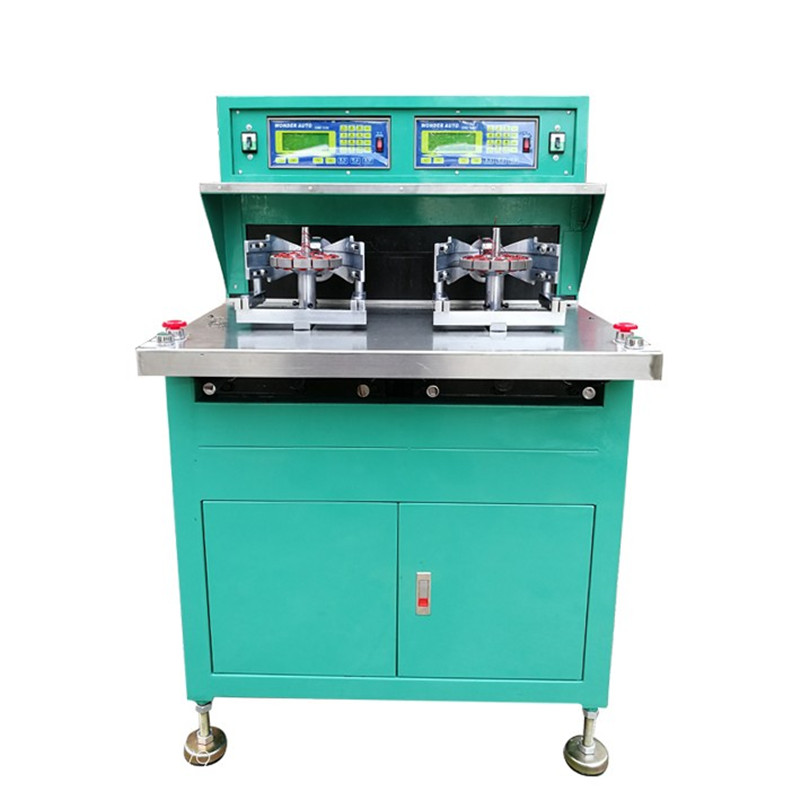
From slot insulation inserting to multi-spindle coil winding, simultaneous coil/wedge inserting, intermediate hydraulic forming, double-sided lacing, and final rotor turning—our matched equipment lines guarantee zero bottlenecking.
Each export order undergoes an uncompromising 8-stage Quality Protocol culminating in a full trial run using the customer's proprietary stator specifications, complete with HD video parameter sign-off before crate departure.
Frequently Asked Questions: Sourcing Coil Equipment for La Serena
What electrical specifications are standard for machines delivered to Chile?
Industrial machinery in Chile typically operates on a 3-phase 380V, 50Hz grid, or 220V 50Hz single-phase. While China’s domestic standard runs at 50Hz, our control cabinets, transformer taps, and servo system software are engineered and pre-tested explicitly for 380V/220V 50Hz operation before leaving our Dongguan factory, preventing frequency-related thermal issues on servo motors.
How does sea freight handle transport to La Serena / Coquimbo?
Equipment is vacuum-sealed with VCI anti-rust barrier film, silica desiccant packets, and bolted directly onto reinforced structural steel skids before enclosure in certified fumigation-free solid plywood export cases. Shipments are typically routed directly to Puerto San Antonio or Puerto Valparaíso, followed by bonded road transport north via Ruta 5 Panamericana directly to your facility in La Serena or Coquimbo.
Can our engineering team handle tooling changeovers for different motor types?
Yes. Our machines are designed modularly. Tooling changes between varying stack heights of the same stator frame size require under 15 minutes via toolless mechanical quick-adjusters and digital recipe selection on the HMI touchscreen. Changing stator outer diameters involves swapping the precision guide dies, which takes approximately 30 to 45 minutes.
What is the Minimum Order Quantity (MOQ) and delivery lead time?
The MOQ for our winding, forming, inserting, and lacing machines is 1 set. Standard tooling production and machinery assembly takes 20 to 35 business days depending on model complexity. Specialized custom multi-station automated lines generally require 45 to 60 days including full dry-run testing with customer stator laminations.
How is installation and operator training supported remotely in Chile?
All equipment ships with bilingual wiring schematics, video installation tutorials, and step-by-step digital configuration manuals. In addition, our senior technical engineers provide direct remote commissioning via real-time video sessions scheduled in compatible South American time zones. On-site engineering dispatch is also available upon request for complete turnkey production facilities.
Ready to Upgrade Your Motor Manufacturing Facility in La Serena?
Send your stator core drawings, lamination stack heights, and target shift output. Our chief application engineers will compile a complete line configuration proposal and quotation within 9 hours.
Get a Quote