Fully Automatic
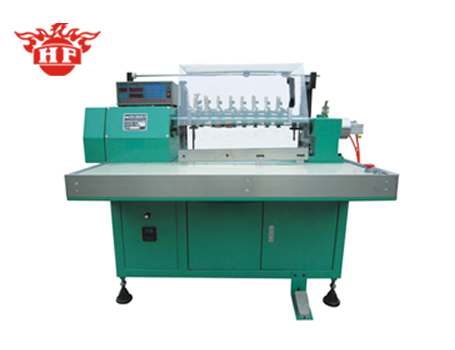
New Good Quality Fully Automatic Fan Motor Coil Winding Machine with Copper & Aluminum Wire
Dual Wire Compatibility: Cu / Al
Intelligent PLC Microstep Control
High-efficiency stator winding, wedge insertion, and final coil forming machinery precision-engineered for heavy industrial duty, household appliances, and electrical rebuild facilities.
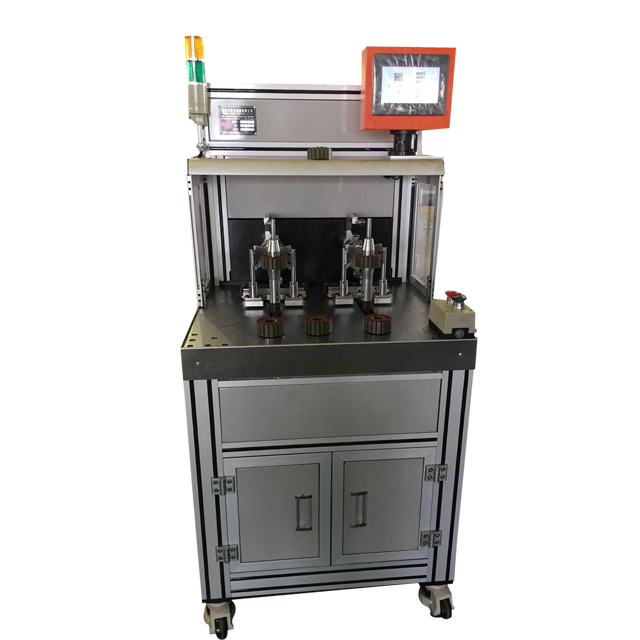
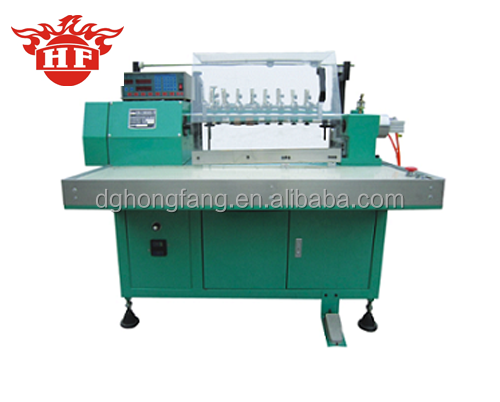
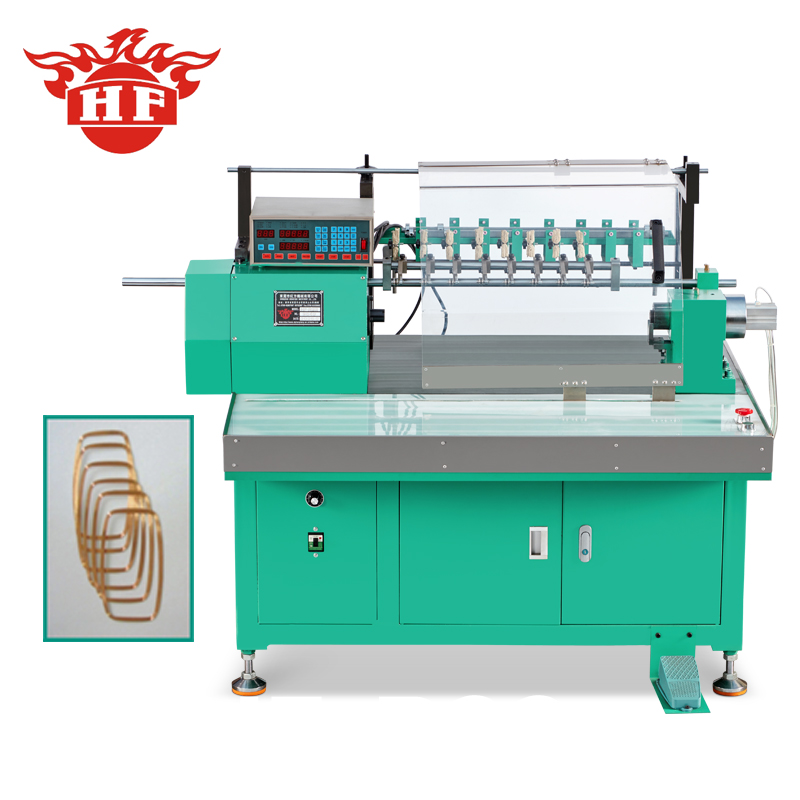
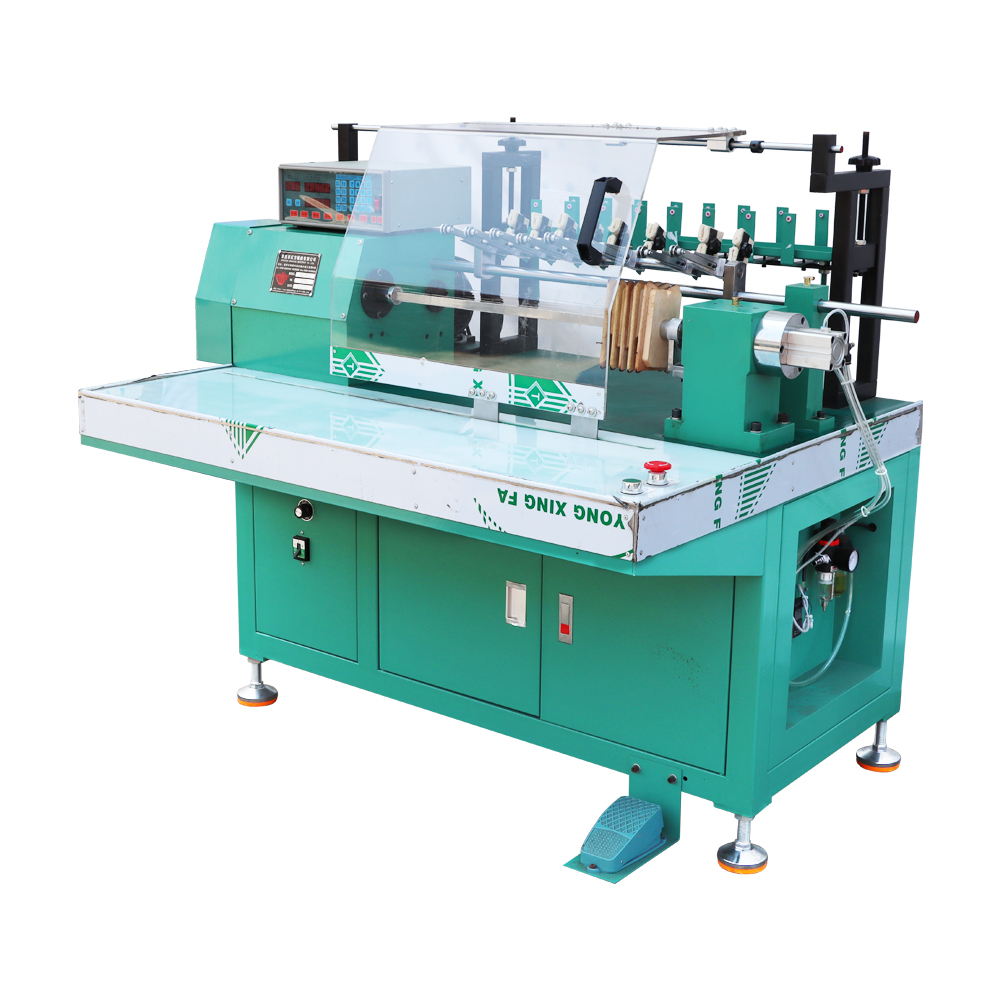
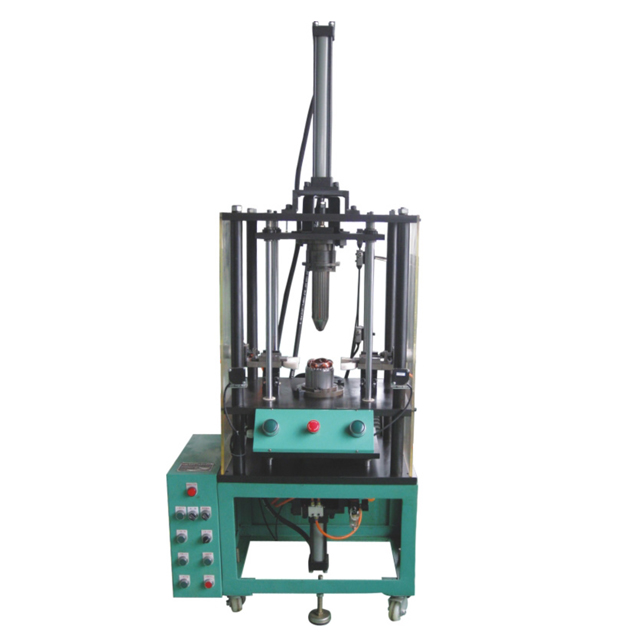
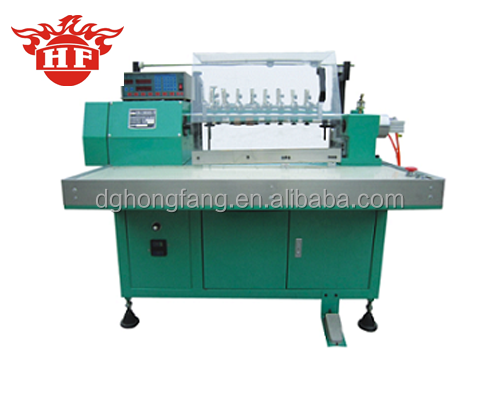
In rotational electro-mechanical architecture, the efficiency, power density, and life expectancy of an electric motor depend on electromagnetic balance and slot fill factor inside the stator core. The transition from manual or semi-automated bench winding to programmable CNC stator coil winding, automated slot wedge insertion, and multidirectional end-turn coil forming represents a primary leap forward for modern electrical machinery manufacturers.
Stator coil forming machines, in particular, perform the vital process of intermediate and final coil shaping. Once copper or aluminum conductors are inserted into the silicon steel lamination slots alongside insulation paper, the end-turn windings flare outward irregularly. If these end turns exceed spatial limits, they induce phase-to-ground faults against the motor frame or obstruct the rotor cavity during assembly. A specialized stator coil forming press employs segmented internal expanding mandrels, outer collar clamps, and axial end-pushers to shape both end turns within precise radial and axial envelopes. This guarantees safe air-gap clearance, minimizes magnetic flux leakage, and ensures optimal heat transfer within fan, pump, and compressor assemblies.
Precision CNC tension guides and automated winding arrays minimize copper stretching, maintain enamelled layer dielectric integrity, and push slot fill ratios up to 78% for superior magnetic torque output.
Segmented dies exert progressive hydraulic pressure to mold the top and bottom winding heads, ensuring strict radial tolerances so that motor housings fit cleanly without dielectric pinching.
Slot insulation, multi-spindle coil winding, simultaneous wedge inserting, forming, and CNC rotor turning connect into a single synchronized line that reduces labor bottlenecks.
| Operation Stage | Production Machine | Core Functionality | Primary Industrial Benefit |
|---|---|---|---|
| Phase 1: Insulation | Slot Insulation Inserting Machine | Automated feeding, creasing, cutting, and slot cell insertion | Prevents slot edge damage; eliminates dielectric earth faults |
| Phase 2: Coil Winding | Multi-Head CNC Stator Coil Winder | High-speed simultaneous winding (up to 3000 RPM) of Cu/Al wire | Consistent coil group turns and optimized winding resistance |
| Phase 3: Insertion | Automatic Coil & Wedge Inserter | Pushes coils and top insulation wedges simultaneously into slots | Eliminates manual wire scratching; handles tight slot openings |
| Phase 4: Pre-Forming | Stator Coil Intermediate Forming Press | Radial expanding and edge pre-shaping before lacing | Clears internal bore clearance for automatic lacing needles |
| Phase 5: Lacing | Double-Side Servo Stator Lacing Unit | Synchronous automated binding cord threading and tying | Eliminates harmonic coil vibration; extends insulation lifespan |
| Phase 6: Final Forming | Final Motor Stator Coil Shaping Machine | Hydraulic 3D die compression of finished stator winding heads | Guarantees exact dimensions for end-bracket assembly clearances |
Asunción, alongside its surrounding industrial belts in Central Department (Mariano Roque Alonso, Luque, San Lorenzo, and Villeta), occupies a unique economic crossroads within South America’s Mercosur trade bloc. Driven by the massive clean energy infrastructure of the Itaipú and Yacyretá hydroelectric dams, Paraguay benefits from one of the most reliable and cost-effective electricity matrices globally. Consequently, the national government has prioritized electro-intensive manufacturing, agro-industrial processing, and mechanical value-addition under the established Maquila Regime (Ley 1064/97).
In this local production environment, industrial facilities encounter three distinct requirements for stator winding and forming machinery:
Asunción’s high summer temperatures generate strong local and export demand for heavy-duty commercial ceiling fans, evaporative coolers, and refrigeration compressors. Local factories in Central Department require flexible 220V winding and forming cells that handle both copper and aluminum wire with rapid changeovers.
The Paraguayan grain and meat processing corridors along the Paraguay-Paraná Waterway rely heavily on submersible irrigation pumps, grain auger motors, and conveyor drives. Stator forming presses in Asunción motor repair workshops must reliably accommodate varying stack heights and heavy gauge wire bundles.
Through Villeta’s deep-water port terminals, manufacturers operating under the Maquila regime export assembled electric motors duty-free into Brazil and Argentina. This export standard demands automated forming machines capable of meeting international IEC dimensional and dielectric tolerance criteria.
When engineering and sourcing stator winding and forming machinery from specialized exporters for delivery into Asunción or the Chaco agricultural centers, industrial buyers must evaluate core mechanical, electrical, and tooling parameters to avoid production stops:
Situated in Qishi Town, Dongguan City—a premier hub of electro-mechanical engineering in Guangdong, China—Zunqi Intelligent Equipment Co., Ltd. (Zunqi Motor Line) operates as a dedicated manufacturer and global exporter of complete motor stator and rotor production lines. With over 17 continuous years of export operations on international industrial trading platforms, Zunqi bridges high-precision automation engineering with competitive factory-direct supply models.
Our 51–100 person production base, complete with precision CNC machining centers, trial testing benches, and assembly workshops, is onsite-inspected and verified for full operational transparency.
Every winding head, insertion blade array, and forming mold is custom-engineered to your exact stator lamination CAD drawings and verified through real stator sample trial runs before crating.
Each unit receives anti-rust VCI surface shielding, is bolted directly onto structural wooden skids, and is packed in export-compliant, fumigation-free plywood crates equipped with spare wear kits and manuals.
Whether you require a single standalone semi-automatic fan motor winder or a complete synchronized cell including paper insertion, coil winding, wedge insertion, lacing, coil forming, and rotor surface turning, our team provides matched tooling cycles, full video verification before delivery, and dedicated post-commissioning technical support.
