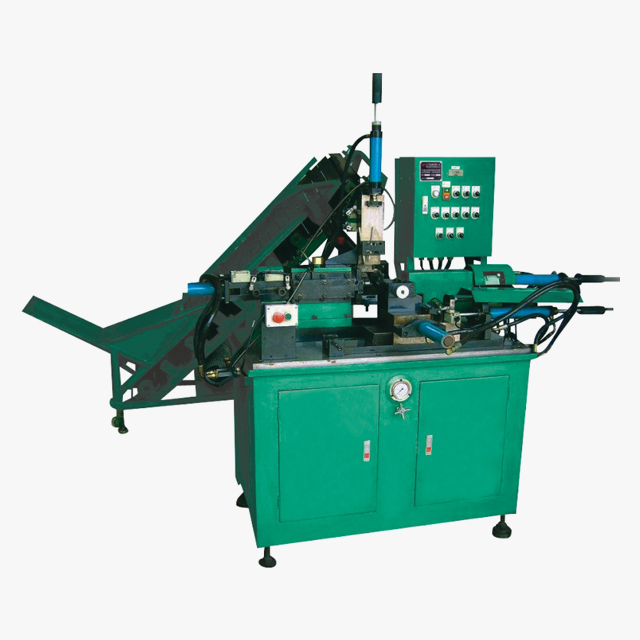
- Engine gear PLC core drive
- Heavy duty turning precision
- 1-Year structural warranty
Engineered for high winding density, stable dual-end mechanical lacing, slot insulation precision, and micro-tolerance rotor turning. Fully compatible with industrial grids and maritime operations in Makassar.
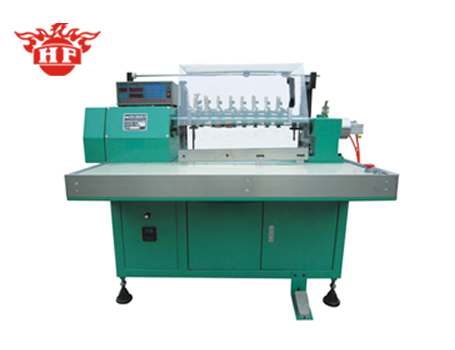
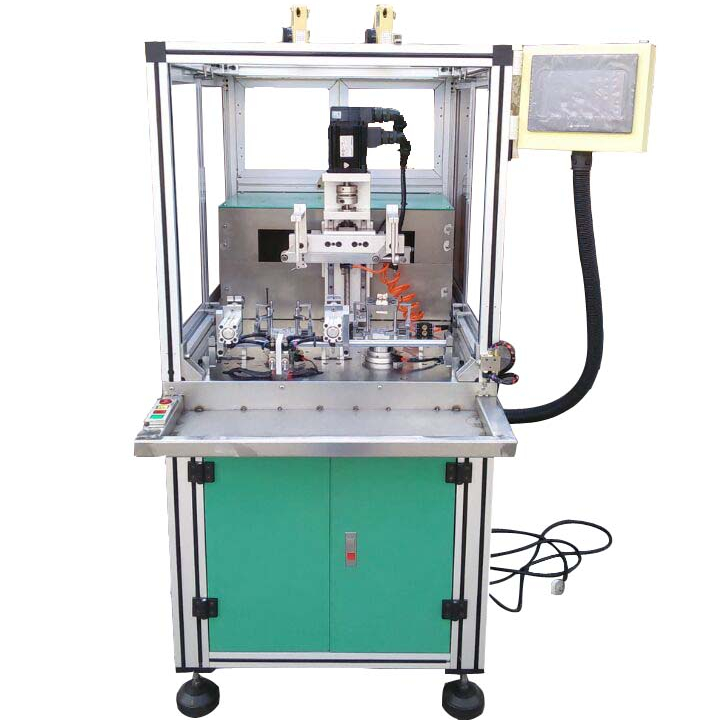
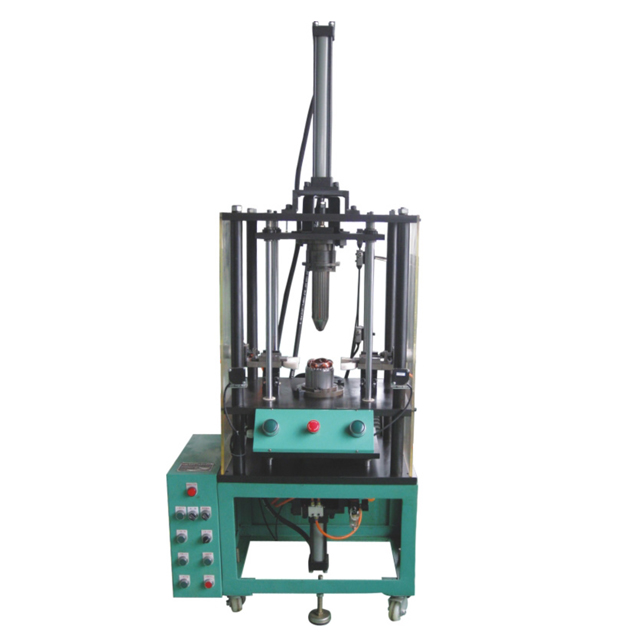
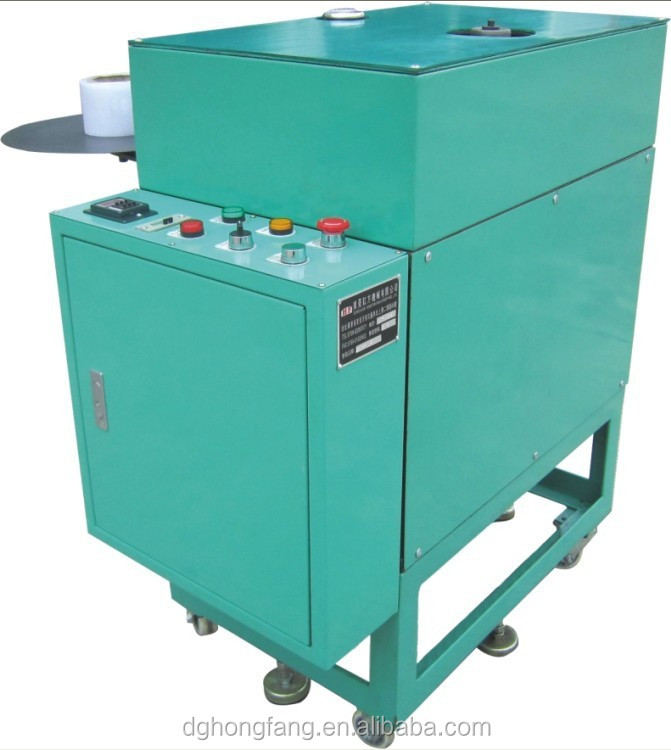
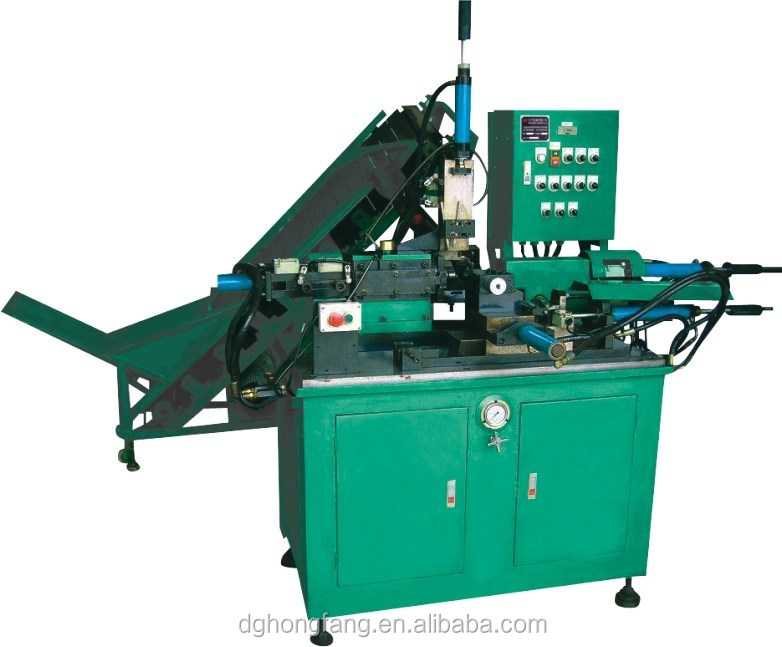
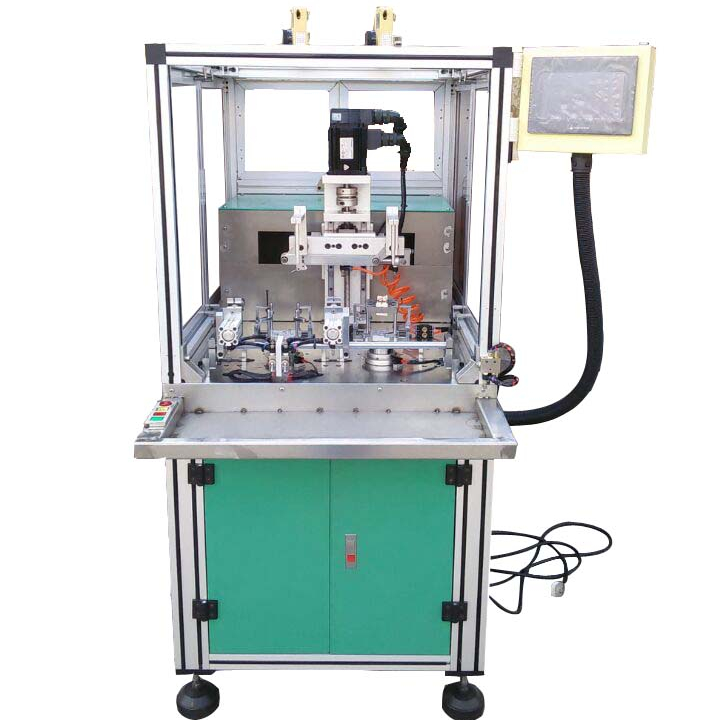
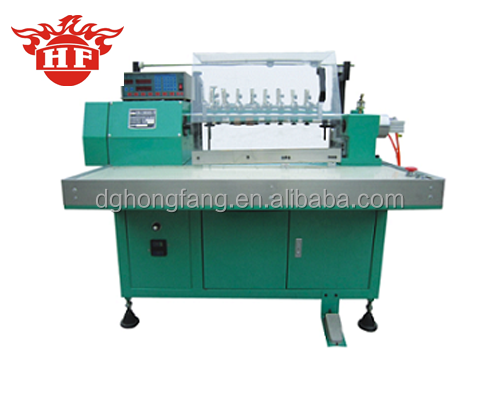
Makassar, standing as the primary maritime trade and industrial gateway to Eastern Indonesia (Sulawesi, Maluku, and Papua), is experiencing an unprecedented structural upgrade. Driven by large-scale public-private capital inflows, port infrastructure modernization at Makassar New Port (MNP), and aggressive industrial real estate zoning in Kawasan Industri Makassar (KIMA), local manufacturing operations are rapidly migrating away from manual motor rewinding toward automated manufacturing and systematic repair. In electric motor assembly, the stator coil lacing machine represents a critical bottleneck step. Lacing provides the necessary structural rigidity to the end windings, protecting insulation papers and enameled magnet wires from electromagnetic vibrations, thermal expansions, and centrifugal stress.
Historically, motor fabrication and high-capacity pump rewinding across South Sulawesi relied heavily on manual twine tying. This manual lacing process resulted in inconsistent cord tension, elongated processing times (up to 45 minutes per stator head), vulnerable coil flare, and short operational lifespans when deployed in humid marine climates. Modern automated stator lacing systems—utilizing high-precision servo drives, programmable PLC units, and twin-needle synchronized binding mechanisms—tighten cycle times to less than 15 seconds per stator. Whether binding slot-by-slot, interval skipping, or configuring complex dual-side grouping, these machines deliver structural uniformity that drastically reduces partial discharge risks and elevates the dielectric longevity of induction, blower, compressor, and marine auxiliary motors.
An automated stator coil lacing machine operates within a tightly integrated physical-mechanical system. For plants setting up stator assembly infrastructure in Makassar, understanding the sequential interplay between tooling, servo synchronization, and mechanical clamping is vital:
The laminated stator stack is locked into pneumatic or servo-driven expanding mandrels, locating the internal bore precisely along the machine's true rotary center.
The hooking needle pierces the slot gap between coils, threading specialized polyester, polyamide, or Nomex lacing tape cleanly through the winding head.
Dual-cam tensioners tighten the lacing loop with consistent Newton-meter force, locking the knot to prevent looseness during rapid thermal motor cycles.
High-torque servo indexing drives rotate the stator to the next programmed slot, finishing entire circumferences within 12 to 25 seconds flat.
A rigorous industrial analysis of market leaders, direct OEMs, and localized distribution networks serving South Sulawesi's electrical motor and pump fabrication industries.
The industrial landscape in Makassar and surrounding regencies demands distinct stator equipment configurations. Plant directors must match machine features to their specific operational context:
1. Servo-Electric Motion Replacing Pneumatic-Cam Linkages: Conventional mechanical-cam machines suffer from fixed stroke lengths and rapid wear under high ambient humidity. Makassar facilities are shifting toward programmable multi-axis servo lacing heads where stroke depth, needle acceleration, and tension parameters can be saved per stator model via digital HMI touchscreens.
2. Flexible Tooling Changeover for Mixed Low-Volume Batches: Rather than dedicated mono-lines, Makassar's contract motor repair workshops and independent builders run short batches of differing stack heights and slot numbers. Quick-release mounting beds and modular needle fixtures cut changeover times from 2 hours to under 15 minutes.
3. Grid Fluctuations & Power Line Hardening: Coastal grid lines in Eastern Indonesia occasionally experience voltage dips. Modern stator lacing units now integrate wide-input 220V/380V delta-filtering power supplies and robust PLC memory backups to prevent needle breaks during intermittent power interruptions.
Selecting automated equipment from Zunqi Intelligent Equipment Co., Ltd. gives regional manufacturers in Makassar direct, verified engineering advantages:
Essential guidance on importing, installing, and running stator lacing machinery in South Sulawesi.
