Core Automation Equipment for Stator Production Lines
Designed to satisfy tough industrial criteria, these 8 configurations provide repeatable cycle dynamics, tight slot fill factor management, and automated cycle profiles to eliminate stator winding defects.
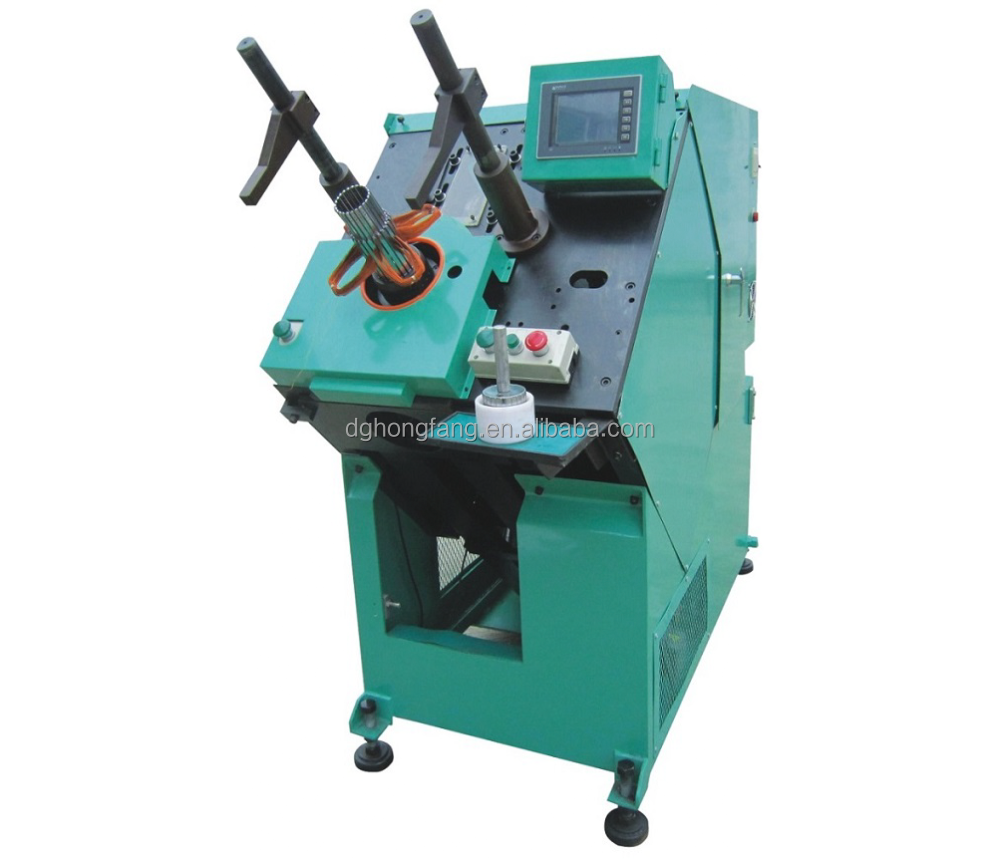
Coil & Wedge Paper Inserting Machine
- Single-stroke insertion mechanism
- Eliminates coil insulation damage
- Customized to exact stator ID profile
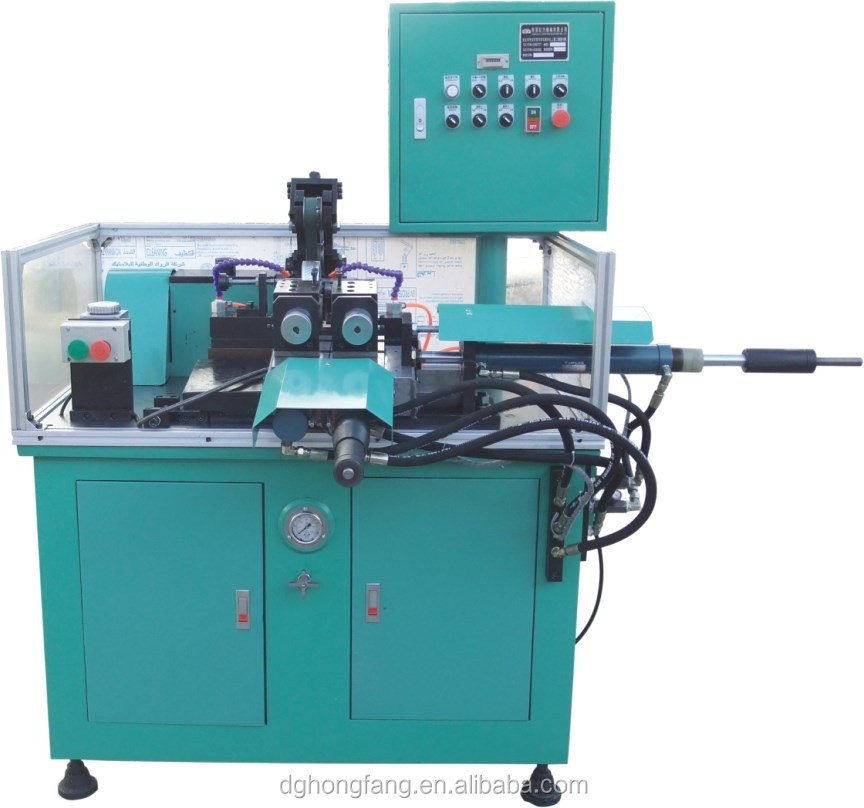
HF Fan Motor Rotor Turning & Casting Machine
- Integrated PLC & pump core modules
- High-precision aluminum surface cutting
- Air-gap consistency optimization
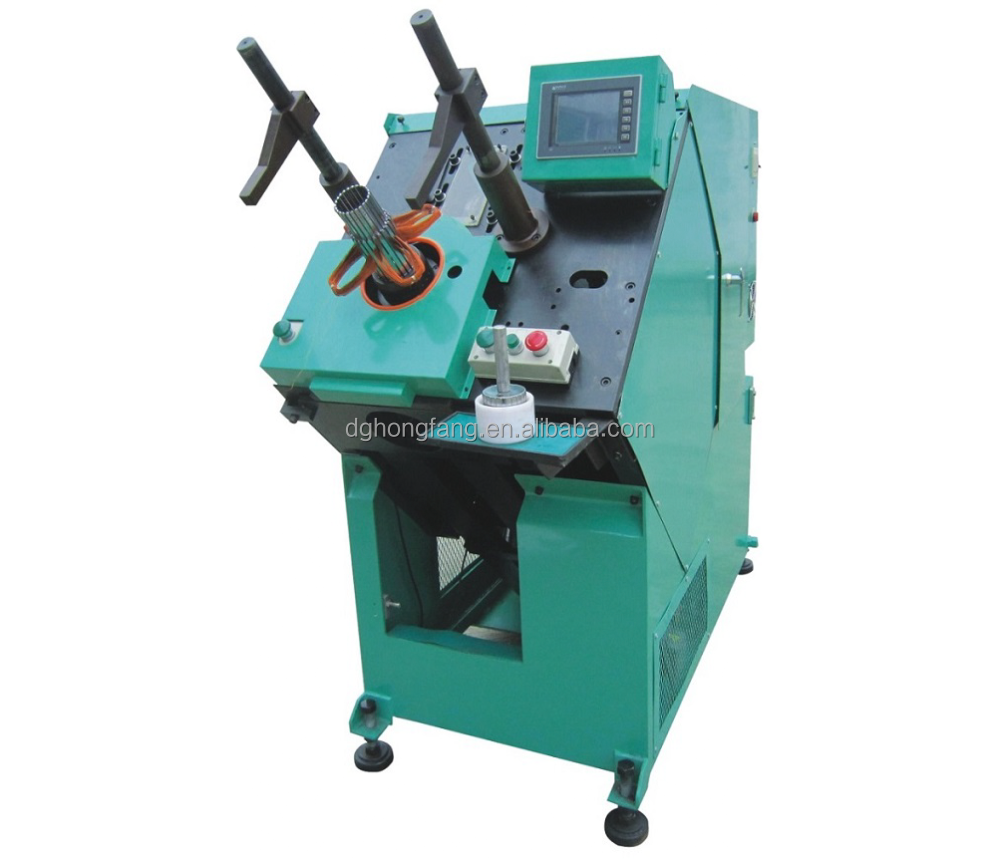
Automatic Servo Stator Coil & Wedge Inserter
- Multi-axis coordinated servo propulsion
- Simultaneous coil & wedge slot delivery
- Supports hybrid copper & aluminum wire
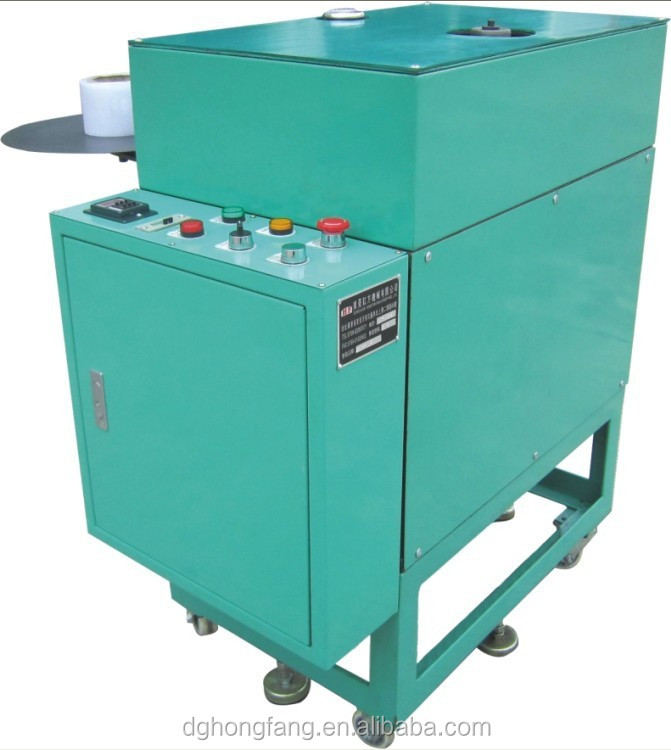
HONGFANG HF-D50 Slot Insulation Paper Inserter
- Integrated paper cutting, folding & insertion
- 1000W, 220V high-efficiency drive
- Zero breakdown slot liner formation
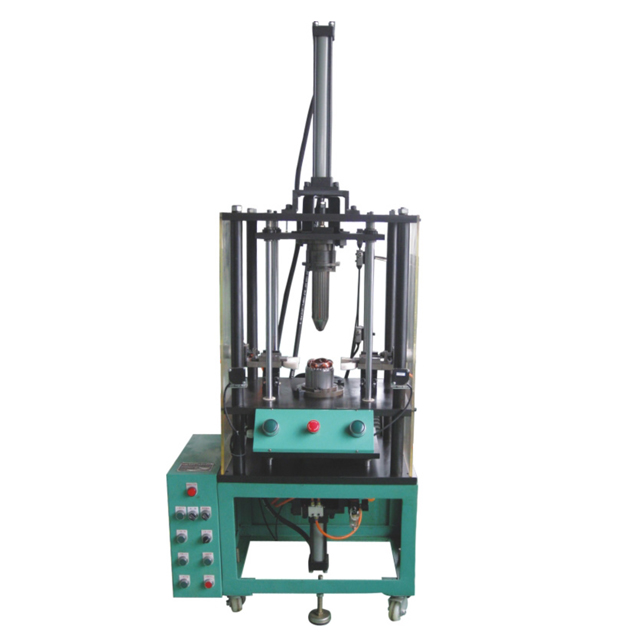
HONGFANG Motor Stator Coil Forming Machine
- Accurate end-turn pre/post shaping
- Rotor bore clearance assurance
- Hydraulic & pneumatic mechanical balance
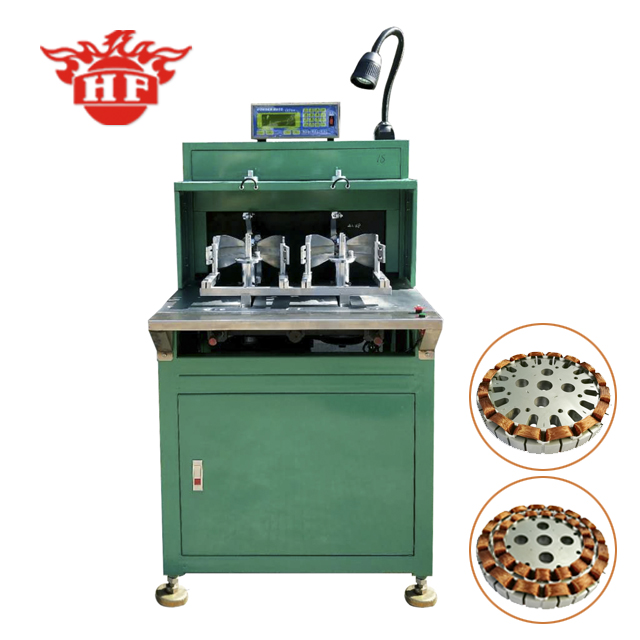
Two-Station Ceiling Fan Coil Winding Machine
- Dual winding mandrels for high throughput
- Programmable wire tension dynamics
- Rapid tooling changeover profile
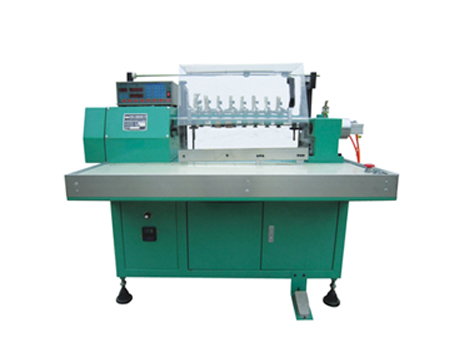
Stator Coil Winding Machine for Cooler Motors
- Engineered for continuous commercial operation
- Integrated turn-counting optical encoders
- Supports dense slot pack geometry
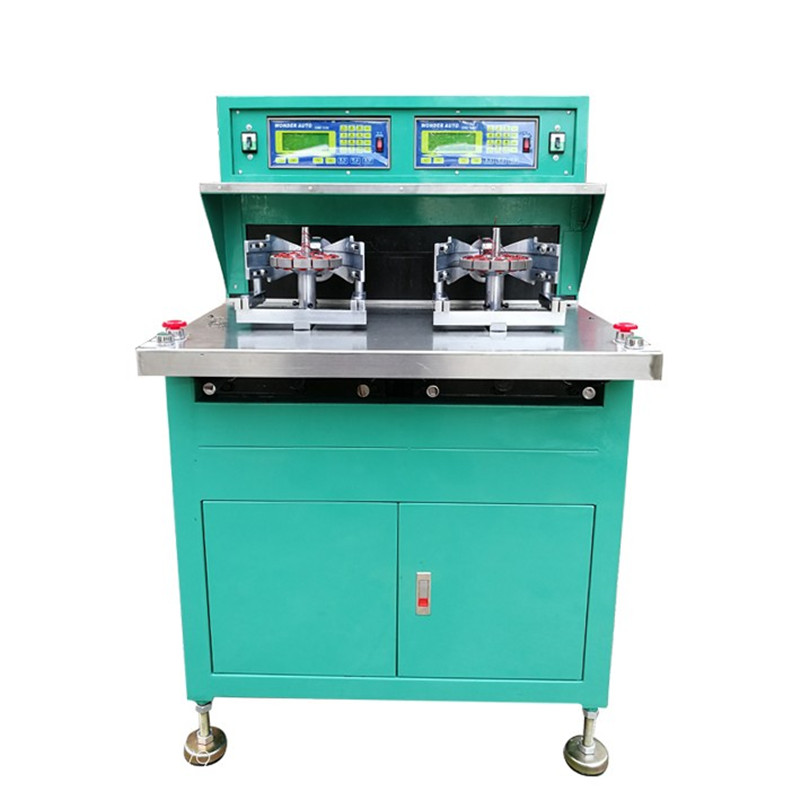
HF-R40-2G Automatic Fan Stator Winding Unit
- Dual controller setup for synchronous stations
- Precision indexing table with zero backlash
- Compatible with low-carbon magnetic cores
Comprehensive Engineering Assessment: Stator Coil Tying Machinery for David
David, the commercial and industrial capital of the Chiriquí Province in Panama, sits at a critical junction of modern infrastructure, heavy agro-industrial processing, refrigeration supply chains, and light engineering operations. As industrial manufacturing in Western Panama shifts toward energy efficiency and regional supply self-reliance, the requirement for dependable electric motors—ranging from irrigation pumps and food refrigeration systems to HVAC fans—has surged. Central to the longevity, thermodynamic stability, and mechanical strength of any electric motor is the stator assembly process, wherein coil tying (or stator lacing) functions as a decisive quality determinant.
Manual stator coil tying, long utilized by regional maintenance shops and smaller assembly operations in Chiriquí, introduces considerable operational variance. Non-uniform lacing cord tension results in vibration-induced inter-turn abrasion, micro-displacement of coils under high starting currents, and unpredictable coil head overhang dimensions that jeopardize clearance against end-bells and rotor assemblies. Automated stator coil tying machines, whether operating as single-side indexing stations or high-speed servo-driven dual-end lacing apparatuses, neutralize these risks. By executing uniform tension profiles, configurable pitch increments, and automated slot-skipping protocols via PLC coordination, these machines ensure that stators consistently resist electrodynamic shock loads and thermal expansions.
Vibration & Fatigue Damping
Mechanized dual-end tying eliminates coil movement during high-torque transient events, drastically lowering insulation wear in continuous-duty pumping environments across Chiriquí.
Thermal Dispersion Balancing
Precision tying profiles hold end-turns in optimized volumetric arrangements, ensuring unobstructed airflow from internal fans and avoiding localized hotspot accumulation.
Geometric Conformity
Automated tensioning and shaped lacing needles constrain coil heads within strict engineering boundaries, eliminating costly rework during motor shell press-fitting.
Evaluation Matrix: Top 10 Stator Coil Tying Machine Suppliers Serving David
Procurement teams and plant managers operating within David and the broader Central American logistical sphere must balance several technical variables when selecting an OEM equipment supplier. Factors such as CNC tooling customization capabilities, controller interoperability, power line compatibility (220V 60Hz single-phase or 380V/480V 3-phase industrial configurations), and long-distance technical commissioning support define capital investment viability.
Below is an objective evaluation comparing key machine exporters capable of delivering to the Port of Manzanillo / Balboa and facilitating final inland freight to David:
| Supplier / Exporter Class | Automation Topology | Tooling Customization | Control Infrastructure | Logistics & Local Suitability for David |
|---|---|---|---|---|
| Zunqi Intelligent Equipment | Dual/Single-End Servo Controlled | 100% Custom to Stator Sample | Siemens / Mitsubishi / Inovance PLC | Turnkey crating, sea freight clearance support, tailored 220V/60Hz configurations. |
| Tier-1 Western European Brands | Full Continuous Robotic Transfer | Modular Catalog Formers | Proprietary European Safety CNC | Exceptional cycle speed; significantly higher capex, complex remote servicing. |
| Japanese Precision Specialists | High-Speed Micro-Motor Lacing | High Tolerance Micro Tooling | Proprietary Japanese Servo Systems | Superior accuracy for sub-fractional HP; extended lead times on custom tooling. |
| Regional North American Integrators | Semi-Automated Pneumatic Hybrid | Stator Stack Adaptation Kits | Allen-Bradley Industrial Platform | Favorable time zone proximity; premium equipment acquisition cost profiles. |
| Taiwanese Precision Machinery | Cam-Driven Mechanical Systems | Standardized Slot Finger Jigs | Delta / Omron Architecture | Robust mechanical longevity; lower flexibility on radical lacing patterns. |
| Domestic Panama Tooling Distributors | Manual Benchtop Fixtures | Field Fabricated Adapters | Foot Pedal Relay Logic | Immediate availability; high manual labor dependency and variable tension. |
| East Asian Budget Exporters | Fixed Single-Speed Mechanical | Fixed Generic Mandrels | Unbranded Relays / Basic Controllers | Low baseline cost; high cord breakage rate and lack of technical documentation. |
| Specialized Appliance Line Builders | Rotary Dial Multi-Station Lines | High-Volume Single-ID Fixtures | Industrial Micro-Controller Systems | Geared toward 100k+ runs; prohibitive tool swapping time for diverse repair shops. |
| South American Line Integrators | Pneumatic Assisted Single Needle | Adjustable Core Clamps | Local Brand PLC / HMI | Good regional presence; variable supply of hardened tool-steel wear components. |
| Global Remanufactured Units | Retrofit Cam / Servo Hybrids | Legacy Cast Tooling | Mixed Legacy Platforms | Low equipment cost; high risk of missing schematics and obsolete spare parts. |
Localized Industrial Applications Across Western Panama
The manufacturing ecosystem in David differs significantly from massive automotive assembly hubs in North America or Asia. Chiriquí's motor demands are rooted in robust food processing, heavy-duty agro-hydraulics, timber cutting, cold chain logistics, and municipal utility infrastructure. Applying stator coil tying machines locally demands an understanding of these distinctive working conditions.
Agricultural Pumping & Irrigation
Submersible and centrifugal pump motors encounter high humidity and variable electrical grid stability in Chiriquí. High-tension lacing protects winding nests against mechanical deformation caused by repetitive water-hammer shocks.
Refrigeration & Agro-Logistics
Processing plants handling beef, dairy, and export fruits require hermetic and semi-hermetic compressor motors. Automated slot-by-slot tying guarantees that lacing cord knotting remains stable despite constant thermal cycling.
HVAC & Ventilation Assembly
Tropical climate conditions demand continuous air circulation. Automated fan motor coil winding, wedge insertion, and double-side tying yield quieter motor operation and improved electrical efficiency indices.
Emerging Technology Trends in Stator Assembly Automation
As international energy regulations push minimum efficiency standards from IE2 toward IE3 and IE4 levels, motor manufacturers servicing Central America must redesign stator slot designs. These engineering changes directly impact downline tying and lacing mechanics:
1. Increased Slot Fill Ratios: Achieving IE3+ efficiency requires packing more copper into each stator slot, leaving minimal clearance for lacing needle penetration. Modern tying machines employ servo-synchronized needle trajectories coupled with hardened guide plates to navigate through dense coil groupings without clipping enamel insulation.
2. Transition to Copper-Clad and Aluminum Magnet Wire: Economic pressures have driven selected appliance and fan manufacturers toward aluminum or copper-clad aluminum (CCA) winding wires. Because aluminum displays lower tensile resilience and higher notch sensitivity, automated tying machines must incorporate dynamic, closed-loop tension controllers that avoid wire stretching or necking during cord cinching.
3. Smart Parameter Storage and Rapid Tooling Changeovers: High-mix, low-volume production lines common in David benefit from HMI-driven recipe management. Operators can switch from an 8-pole cooler motor to a 4-pole pump stator in minutes by recalling automated indexing patterns and replacing quick-lock nesting fixtures.
Factory Engineering Strengths: Zunqi Intelligent Equipment
Zunqi Intelligent Equipment Co., Ltd. operates from Qishi Town, Dongguan, within one of the world's most concentrated centers for motor manufacturing technology. With over 17 years of dedicated export experience, our organization provides end-to-end motor production lines engineered specifically to deliver dependable, repeatable performance for overseas clients:
Custom CNC Tooling
Tooling mandrels, inserting fingers, and tying guides are CNC-machined from hardened structural alloy steel, custom-tailored to the customer's physical stator core samples.
Globally Sourced Electronics
We integrate control systems using Siemens, Mitsubishi, Panasonic, Delta, or Inovance PLCs, paired with SMC or Airtac pneumatics, ensuring straightforward component sourcing for your local maintenance crew.
Export Grade Crating
Each unit receives anti-rust VCI barrier treatment, grease sealing, and is anchored inside fumigation-free plywood shipping crates built to withstand international ocean transit to Panama.
Frequently Asked Questions (FAQ) for Equipment Procurement in David
How does the machine accommodate Panama's industrial electrical grid?
What is the minimum order quantity (MOQ) and lead time?
How are custom tooling dimensions confirmed before shipping?
How is remote commissioning handled in Chiriquí without on-site technicians?
Which lacing cords and tension ranges are supported?
Modernize Your Motor Stator Manufacturing Line
Speak directly with our technical engineering team to review stator blueprints, tooling requirements, and complete production configurations tailored for your workshop.
Get a Quote