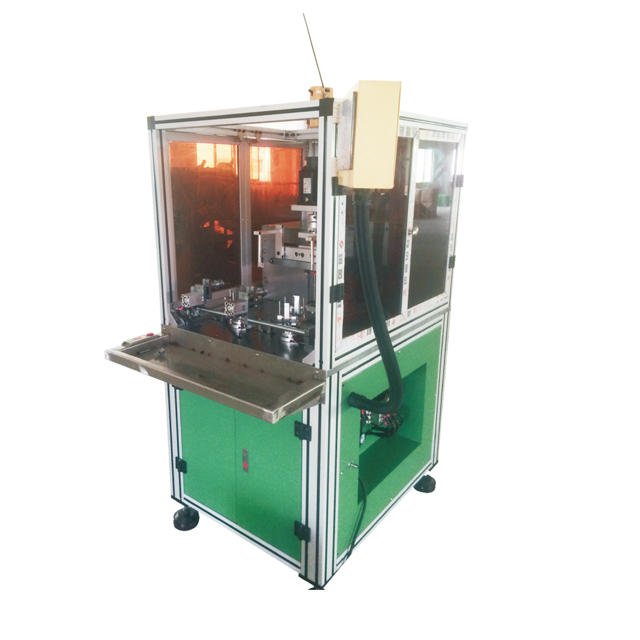
4 stations internal Stator Winding Machine
Multi-station automated indexing platform suited for synchronous winding of internal BLDC stators.
Configured for strict geometric tolerances, high copper fill factors, and vibration-resistant assembly in heavy-duty electric motors, aerospace actuators, and high-efficiency pumps.
Multi-station automated indexing platform suited for synchronous winding of internal BLDC stators.
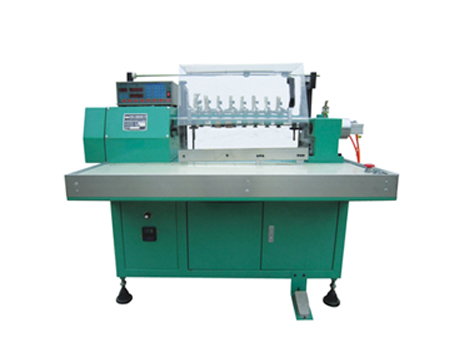
Heavy-duty programmable winder optimized for high-volume climate control and industrial cooling motors.
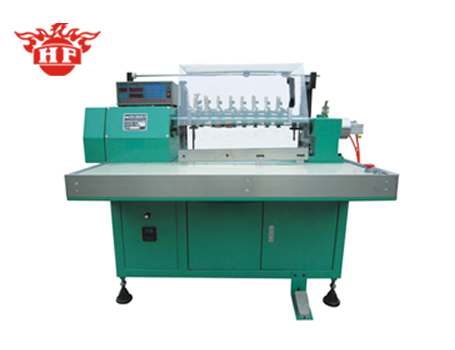
Dual copper/aluminum wire support with continuous tension regulation for precision coil layouts.
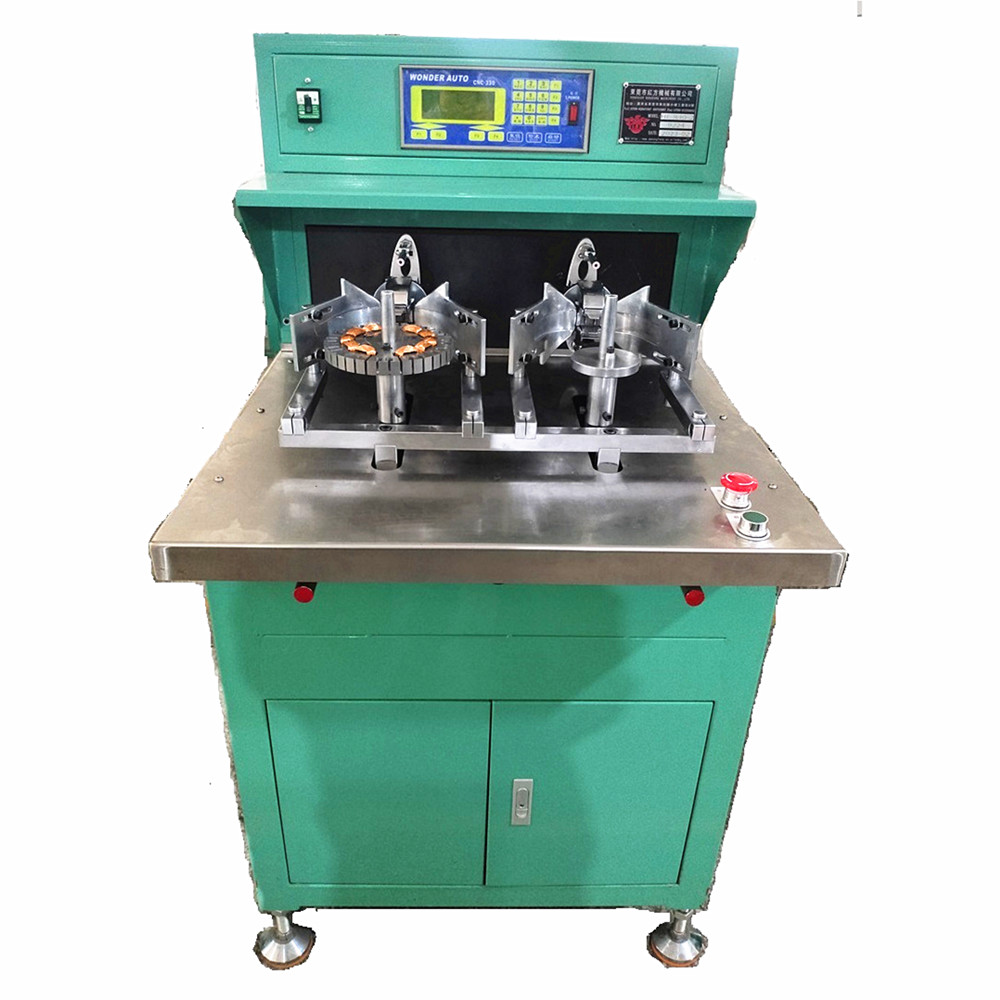
Dual-station productivity unit engineered for balanced resistance and repeatable turns-per-slot accuracy.
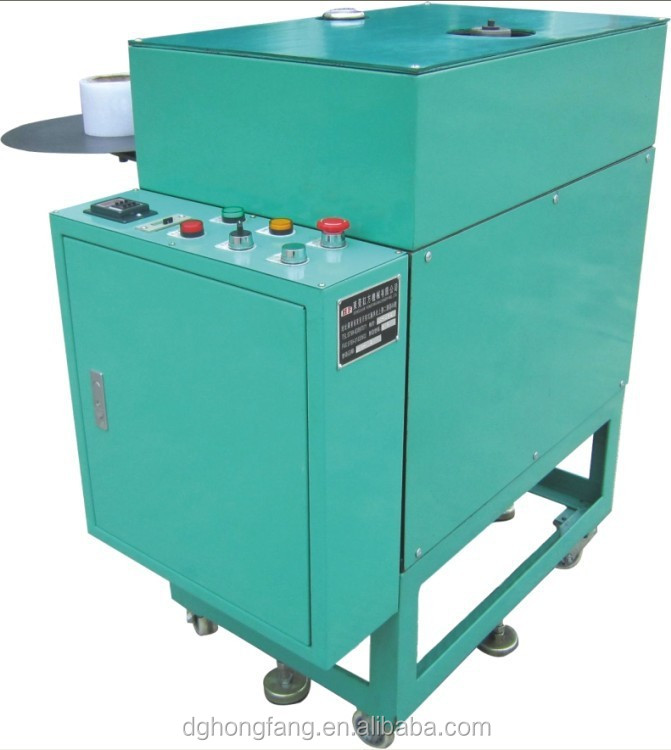
High-speed creasing, trimming, and insertion mechanism preventing dielectric puncture and slot leakage.
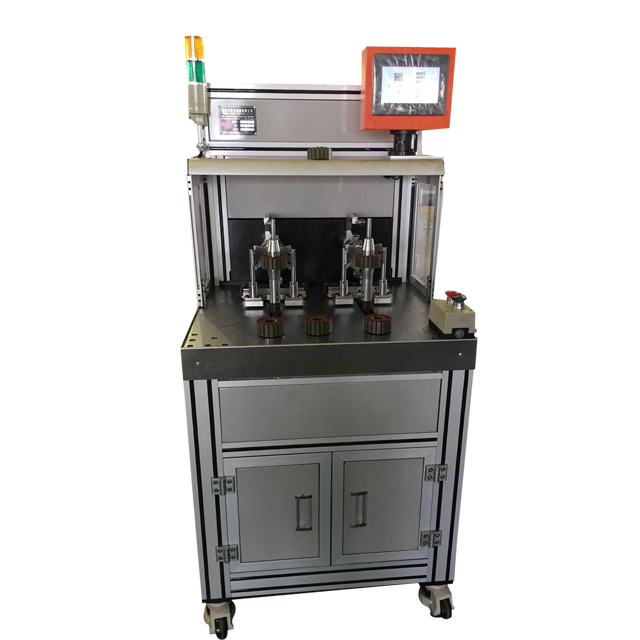
Specialized outer rotor and transformer winding configuration providing clean edge profiling.
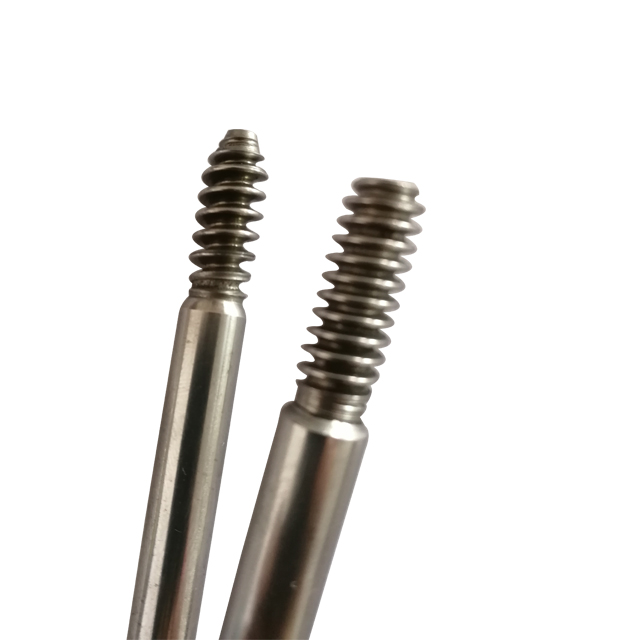
High-grade structural SC45 carbon steel shafts manufactured to micro-level runout and concentricity specs.
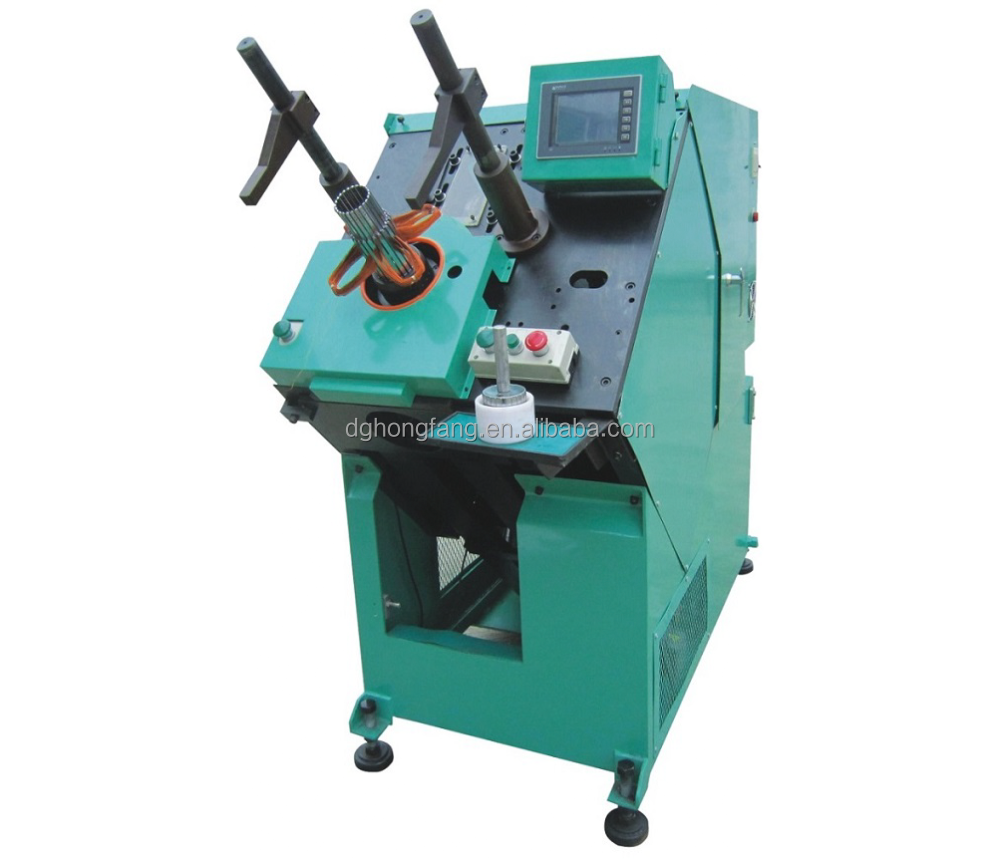
Fully synchronized servo pusher inserting wire groups and wedges concurrently to eliminate insulation chafing.
In modern electrical machine architecture, the winding insertion phase represents only half of the electromagnetic equation. As motor topologies demand denser copper packing, reduced harmonic losses, and optimal slot fill factors (often exceeding 78% in advanced traction and aerospace actuators), the process of stator coil expanding and forming becomes critical. In manufacturing environments centered around Toulouse—the undisputed aerospace and high-technology capital of Europe located within the Occitanie industrial corridor—electrification parameters are governed by rigorous standards of precision, thermal longevity, and dynamic balancing.
A stator coil expanding machine (also technically classified within motor manufacturing cells under intermediate/final coil forming and expanding systems) executes the radial spreading and shaping of end-turn windings. Once coils are inserted into the lamination stack, end windings flare outward unpredictably. An expanding machine utilizes expanding mandrels, internal horizontal fingers, and outer clamping jaws to open the internal bore diameter while pressing the end turns into precise geometric profiles. This guarantees that the coil head clears the rotor insertion envelope, remains clear of motor end-shields, and provides uniform space for double-sided lacing cords and varnish impregnation.
Controlled expanding prevents asymmetric end-turn resistance, minimizing phase-to-phase current imbalance and localized magnetic hot spots during high-frequency inverter switching.
Servo-actuated expanders apply distributed multi-point radial force. This prevents excessive friction, preventing micro-fractures in enamelled wire coatings (Grade 2/Grade 3 polyimide insulation).
By defining internal bore tolerances post-insertion, expanders eliminate inner-diameter coil intrusion, ensuring zero contact with the rotor during high-speed rotation.
Industrial procurement teams within the Haute-Garonne administrative department evaluate suppliers against machinery robustness, custom tooling turnaround, CE compliance, and technical responsiveness. Below is an engineering overview of the primary suppliers and machinery exporters catering to European industrial motor and aerospace actuator lines:
| Supplier Name | Core Specialization | Regional Service Profile for Toulouse | Control Architecture |
|---|---|---|---|
| Zunqi Intelligent Equipment Co., Ltd. | Turnkey Stator/Rotor Lines, Expanding, Inserting & Winding | Factory-direct custom tooling, ≤9h engineering desk, EU crating | Siemens / Mitsubishi / Inovance Servo PLC |
| Statomat Specialmaschinen GmbH | High-volume automotive traction winding & forming | Western European direct field service; high capex tier | Proprietary CNC / Beckhoff |
| Smap Systems | Medium batch electric motor assembly tooling | Southern European engineering partnerships | Schneider / Siemens PLC |
| Comau S.p.A. | Turnkey automotive e-mobility body & powertrain lines | Pan-European robotics integration network | Siemens Simotion / Rockwell |
| Nidec Corporation (Tooling Division) | High-speed progressive lamination & coil insertion | Global support centers via European subsidiaries | Omron / Mitsubishi PLC |
| Odawara Automation Inc. | High-precision fractional horsepower stator winders | Technical sales hubs across Central Europe | Proprietary Servo controllers |
| Alliance Winding Equipment | Heavy industrial stator expanders & coil shapers | North American export into French aerospace contractors | Allen-Bradley / Rockwell |
| Marsilli S.p.A. | Precision bobbin winding & specialized coil forming | Direct engineering center in Northern Italy / France border | Beckhoff / Bosch Rexroth |
| Dempack Systems | Hydraulic expanding presses for generator stators | Regional distributor support in Occitanie | Siemens S7-1200 / Touch HMI |
| Dongguan Hongfang / Zunqi Automation Group | Modular Stator Inserting, Expanding & Lacing Systems | Export logistics direct to Blagnac/Colomiers corridors; custom samples | Configurable CE-standard Servo PLC |
The manufacturing fabric of Toulouse—encompassing Aerospace Valley, Labège Innopole, and industrial clusters across Blagnac and Colomiers—is undergoing a rapid electric transition. This shift directly influences technical requirements for stator coil expanding equipment:
1. Aerospace Auxiliary Motors and Electro-Mechanical Actuators (EMA): Hydraulic systems are consistently being superseded by EMAs in commercial aircraft wing flight controls, braking mechanisms, and environmental control systems. Stators utilized in aerospace actuators must survive extreme thermal cycles (-55°C to +180°C) and intense mechanical vibration. Expanding machines calibrated for aeronautical tier suppliers require micrometric depth repeatability (within ±0.05 mm) to guarantee that high-temperature Nomex slot liners and polyimide copper bundles undergo zero friction wear or dielectric compromise during expanding cycles.
2. High-Pressure Cryogenic and Hydrogen Pumps: As hydrogen propulsion initiatives accelerate near Toulouse-Blagnac Airport, electric centrifugal pumps running submerged in cryogenic media demand stators with high copper fill factors and ultra-compact end turns. Stator coil expanding machines ensure that the coil heads are pressed into an exact radial envelope, permitting specialized encapsulation and potting resins to infiltrate the winding bundle without void formation or partial discharge hazards.
3. Electric Drones, eVTOL & Urban Air Mobility: The Occitanie region hosts pioneering eVTOL research consortiums. Direct-drive outrunner and inner-rotor BLDC stators for propulsion motors demand minimal mass and maximum torque density. Expanding equipment designed for multi-pole configurations ensures that wire cross-overs are smoothed down, end-turn height is minimized to reduce resistive copper weight, and dynamic air circulation paths around the stator teeth remain unblocked.
Procurement engineers across Southern France are prioritizing several core equipment upgrades when modernizing their winding workshops:
Transition from Hydraulic to All-Electric Servo Expanding: Traditional hydraulic forming presses are progressively being phased out in cleanroom and aerospace assembly plants due to oil misting risks and inconsistent pressure curves caused by thermal viscosity shifts. All-electric servo expanders provide fully programmable stroke, velocity, and pressure profiling. Operators can program soft-touch entry, gradual radial expanding, and immediate dwell release, preventing mechanical wire shock.
Multi-Component Component Standardization (CE, UL, ISO): French technical plants demand industrial controllers that harmonize with local spares inventories. Zunqi Intelligent Equipment caters to this demand by engineering machine electrical cabinets with configurable industrial PLC platforms, including Siemens, Schneider Electric, Mitsubishi, and Omron, backed by certified European-standard safety relays, pneumatic valve terminals (SMC/Airtac), and CE low-voltage conformity.
Integration of Pre-Forming, Intermediate Expanding, and Final Sizing: Standalone manual forming operations introduce worker-dependent variability. The modern manufacturing trend in Toulouse embraces multi-station sequential cells where slot paper insertion, coil winding, simultaneous coil and wedge insertion, intermediate coil expanding, double-side lacing, and final dimension shaping are linked via automated indexing transfer mechanisms.
Based in Qishi Town, Dongguan, adjacent to the world's most concentrated electro-mechanical supply chain, Zunqi Intelligent Equipment Co., Ltd. combines 17 years of specialized export excellence with comprehensive machine customizability:
• Custom Tooling Built to Exact Stator Lamination Samples: No two stator designs are identical. Rather than forcing clients into rigid catalog molds, Zunqi designs expanding mandrels, forming jaws, and insertion shoes directly to your CAD drawings (.STEP/.DWG) or physical lamination samples. Every machine undergoes trial qualification runs with real customer wire and stampings before export approval.
• Unified Line Harmonization: Avoid the operational friction of negotiating with disparate vendors for winding, inserting, expanding, and lacing. Zunqi builds the entire line, ensuring harmonized station cycle times, standardized HMI software interfaces, and interchangeable spare parts across all cells.
• Verified Global Export Security: With 17+ years exporting to international markets, onsite operational audits via independent agencies, comprehensive trade history, and an average technical response time of ≤9 hours, we eliminate overseas procurement risks. Each machine is packed in anti-rust VCI film, anchored to rigid steel skids, and crated in fumigation-free ISPM-15 plywood boxes engineered for maritime and air transport into European logistics hubs.
Essential technical, compliance, and operational queries answered by our senior engineering division.
While often grouped together under coil shaping equipment, a stator coil expanding machine primarily applies outward radial pressure via internal expanding fingers or mandrels to widen the internal bore diameter of the wound coil bundle after insertion. This guarantees that the coil heads do not obstruct the rotor bore. A stator coil forming machine applies axial and radial clamping pressure to compress the axial height and outer profile of the end-turn winding, ensuring proper clearance inside the motor frame and end-bracket shields. Zunqi offers standalone expanders as well as integrated, two-stage expanding-and-forming systems.
Yes. Our tooling elements (forming fingers, pushers, and mandrel plates) are manufactured from high-hardness tool steel (such as Cr12MoV or DC53), precision CNC machined, vacuum heat-treated to HRC 58-62, and mirror-polished with hard chrome plating or PVD coatings. Combined with programmable servo velocity curves, our machines eliminate wire scuffing, micro-abrasions, or dielectric deterioration on both standard enamelled copper/aluminum and high-performance polyimide-insulated aerospace wire.
All machines built for European export are wired to CE machinery and low-voltage directives. This includes standard 380V/400V 50Hz 3-phase or 220V 50Hz single-phase electrical layouts, dual-channel emergency stop circuits with safety relays, photoelectric safety light curtains at operator loading zones, IP54 industrial control enclosures, and properly tagged wiring conforming to EN 60204-1 safety standards.
Our expanding and forming machines are engineered with modular quick-change tooling. Stack height adjustments are accommodated through digital HMI parameter inputs and motorized ball screw height adjustment, eliminating manual shimming. For variations in stator inner/outer diameter or slot geometry, quick-release mechanical fixtures allow an operator to swap expanding shoes and clamping dies in under 20 minutes.
Prior to shipment, every machine runs a full validation test using your supplied stator cores and wire, which is documented via high-resolution video for final customer approval. Each machine ships with complete schematics, parameter setup tables, and digital operation manuals in English. For commissioning, our engineers provide step-by-step remote video assistance via Teams/WhatsApp. For complete automated lines, on-site commissioning by field technicians can be scheduled. Long-term replacement tooling and critical wear items are stocked and dispatched via DHL/FedEx air freight within 24-48 hours.
Consult with our senior technical engineers to receive a customized stator coil expanding, winding, and insertion layout tailored to your cycle times and stator drawings.
Send an Inquiry