Industrial Machining White Paper & Flemish Market Report
Top 10 Rotor Turning Machine Factory & Exporter in the Ghent Market
A comprehensive engineering evaluation of high-precision dynamic rotor outer diameter turning, slot insulation, and automated coil insertion systems across East Flanders, North Sea Port, and the European manufacturing corridor.
17+
Years Global Exporting
≤ 0.003mm
Rotor Runout Tolerance
≤ 9h
Average Response Time
100%
CE & ISO 9001 Compliant
Precision Motor Equipment
Standardized Rotor & Stator Automation Solutions
Engineered for high-volume fan, water pump, automotive e-drive, and compressor stator and rotor lines operating under stringent European energy efficiency frameworks.
The Dynamics of Precision Rotor Turning in Ghent & North Sea Port Corridor
Analyzing how electric motor manufacturers in East Flanders are re-tooling to satisfy EU Ecodesign Directive standards (IE4 & IE5) through micron-level rotor surface machining.
The metropolitan region of Ghent (Gent), nestled within Belgium's East Flanders industrial heartland and physically integrated into the multimodal cross-border network of North Sea Port (merging Ghent, Terneuzen, and Vlissingen), represents one of Europe's most concentrated centers for heavy manufacturing, automotive assembly, chemical pumping, and green energy technology. As European Union regulations systematically enforce the Ecodesign Regulation (EU) 2019/1781, industrial motor original equipment manufacturers (OEMs) and dynamic rewinding facilities in the Ghent corridor face strict mandates to manufacture motors meeting Super Premium (IE4) and Ultra-Premium (IE5) efficiency levels.
Within an asynchronous induction motor or a synchronous permanent magnet motor, electromagnetic conversion efficiency is overwhelmingly governed by the uniformity and radial clearance of the air gap between the wound stator and the dynamic rotating core. Even a deviation of 0.02 mm in rotor circularity or shaft runout triggers parasitic eddy current losses, severe acoustic resonance (harmonics), asymmetric magnetic pull (AMP), and premature bearing failure. As a result, procurement directors and tooling engineers across the Ghent industrial basin are moving away from traditional universal lathes in favor of specialized automatic motor rotor fine turning and surface cutting machines.
These specialized turning systems ensure that after lamination stack pressing and shaft interference fitting, the final outer diameter (OD) skim cut eliminates lamination burrs, prevents inter-sheet electrical short circuits, and delivers concentricity tolerances under ±0.003 mm. Furthermore, as Belgian industrial wages remain among the highest within the European Union, the transition toward fully integrated turnkey automation—combining automatic slot paper insertion, servo-driven coil and wedge insertion, dual-side coil lacing, and automated rotor turning—is no longer a discretionary upgrade, but an existential imperative for competitive unit production costs.
Burr-Free Lamination Turning
Controlled diamond or cubic boron nitride (CBN) cutting parameters stop silicon steel smear, preventing inter-lamination iron eddy losses and maximizing overall thermal dissipation.
Air-Gap Geometry Optimization
Achieves true cylindrical runout below 3 micrometers across the full stack length, critical for high-efficiency IE4/IE5 industrial drives and offshore marine generators.
Industry 4.0 PLC Control
Full integration with Siemens, Schneider, and Omron controllers featuring real-time pneumatic clamping diagnostics, cycle counters, and open industrial Ethernet protocols.
Localized Applications
Engineering Scenarios in the Ghent Industrial Ecosystem
How precision rotor turning and matched stator winding lines are deployed across key industrial segments throughout Ghent, Zelzate, Evergem, and the North Sea Port belt.
Automotive & Electric Mobility Drivetrains
Ghent Automotive Hub
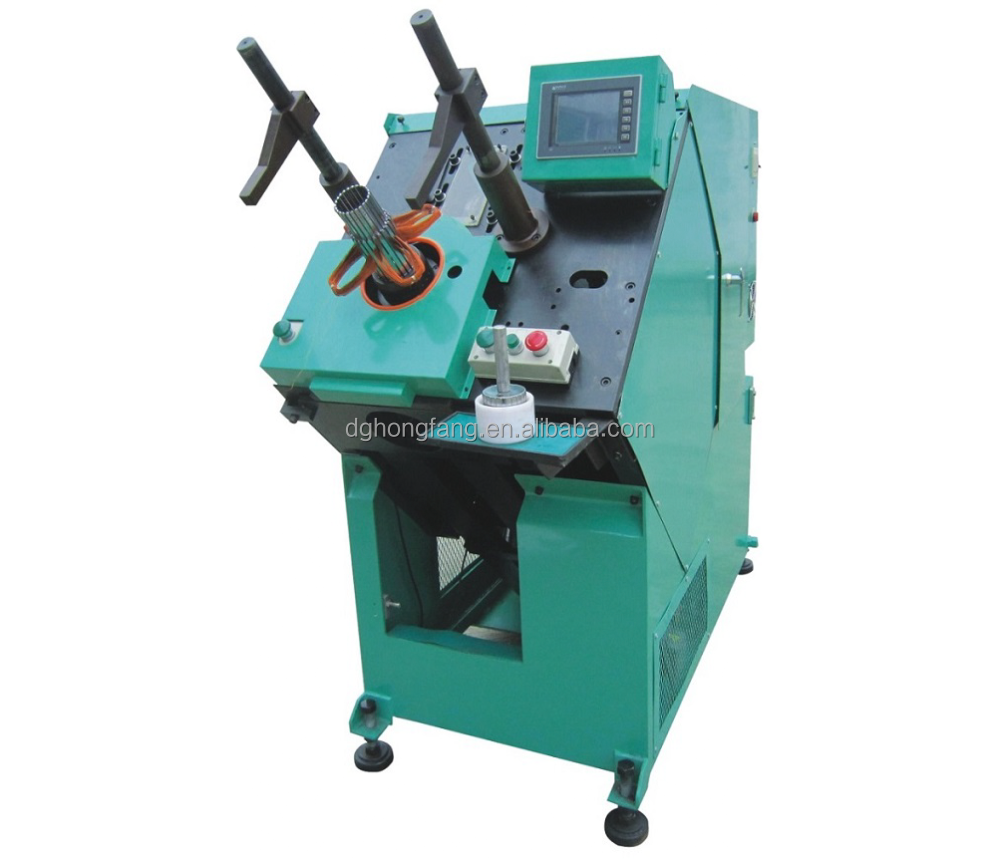
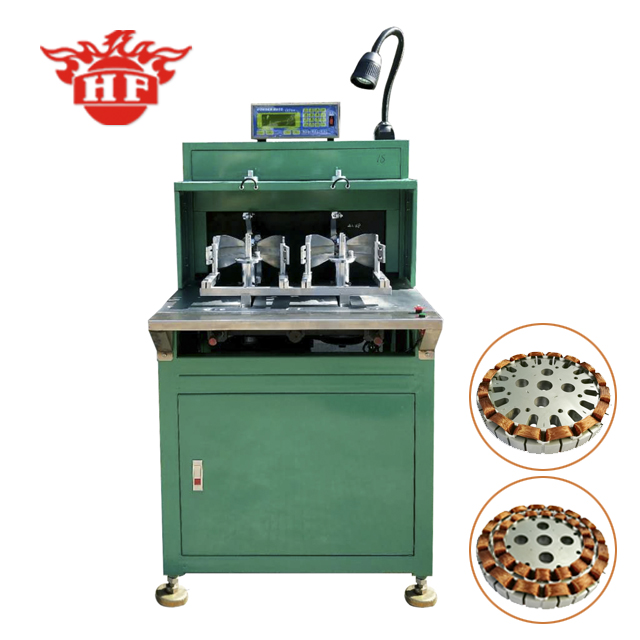
The automotive cluster in Ghent, anchored by global vehicle assembly plants and tier-one drivetrain suppliers, is heavily invested in the production of high-torque traction motors, cooling auxiliary pumps, and steering actuators. These applications demand automated rotor turning machines equipped with hydraulic shaft clamping that eliminate vibration at rotational speeds exceeding 12,000 RPM. Synchronized lines that integrate our HF-LO2-6G Six Station Internal Stator Winder with rotor OD turning deliver the tight mechanical tolerances necessary for dynamic automotive balancing.
North Sea Port Maritime & Crane Auxiliaries
Maritime Logistics
In North Sea Port's maritime logistics terminals, dockside gantry cranes, heavy-duty winch motors, and shipboard centrifugal pumps operate under continuous salt-mist corrosive environments. Maintenance and repair organizations along the Ghent-Terneuzen Canal utilize rotor turning machines to resurface corroded rotor sleeves and restore stator-rotor concentricity during complete overhauls, ensuring motors meet certified ATEX flameproof tolerances.
Chemical Pumping & Heavy Refining Drives
Zelzate & Canal Zone
The dense petrochemical and steel manufacturing belt extending toward Zelzate requires thousands of explosion-proof continuous duty (S1) pump motors. For these critical process pumps, rotor surface eccentricity causes localized thermal spikes that degrade bearing grease and trigger catastrophic shutdown. Precision rotor fine turning guarantees vibration velocity values consistently below 0.7 mm/s (ISO 10816-3 Class I/II standards).
Offshore Wind Power Generators & Yaw Drives
Offshore Energy
As East Flanders serves as a critical logistics and service staging area for Belgian North Sea offshore wind farms (including the Princess Elisabeth Zone), specialized motor shops service high-torque pitch and yaw drives. Precision turning of both squirrel-cage induction rotors and permanent-magnet rotor assemblies maintains the precise electromagnetic torque output required to orient multimegawatt nacelles under gusting North Sea conditions.
Technical Benchmark
Standard Lathe vs. Dedicated Automatic Rotor Turning Machine
A metallurgical and mechanical analysis explaining why general-purpose CNC turning centers fail to match dedicated motor rotor turning machinery in serial production environments.
Evaluation Parameter
Universal Workshop CNC Lathe
Dedicated Automatic Rotor Turning Machine
Engineering Impact on Motor Performance
Clamping Mechanism
Manual 3-jaw chuck (chucks on shaft)
Pneumatic/hydraulic dead-center or dual collets
Eliminates shaft deflection; guarantees true center-axis concentricity ≤ 0.003 mm.
Lamination Smearing (Burrs)
Moderate to severe (requires manual brushing)
Negligible due to optimized feed angle & tool speed
Prevents interlaminar short-circuits, reducing core iron losses (Pfe) by up to 12%.
Cycle Time (Ø80 x 100mm Core)
90 to 180 seconds (manual load/unload)
12 to 24 seconds (automated cutting cycle)
Cuts direct European labor costs by more than 75% per rotor unit.
Integration with Balancing
Isolated manual transfer
Inline capability with automatic shaft pressing
Ensures continuous takt times across standardized motor manufacturing cells.
Comprehensive Supplier Profiles for the Ghent Industrial Market
Evaluating the leading machine builders and global exporters supplying rotor turning machines, stator winding cells, and turnkey electric motor assembly plants to East Flanders.
01
Zunqi Intelligent Equipment Co., Ltd.
Dongguan, China (Serving Ghent & Worldwide)
Verified Factory
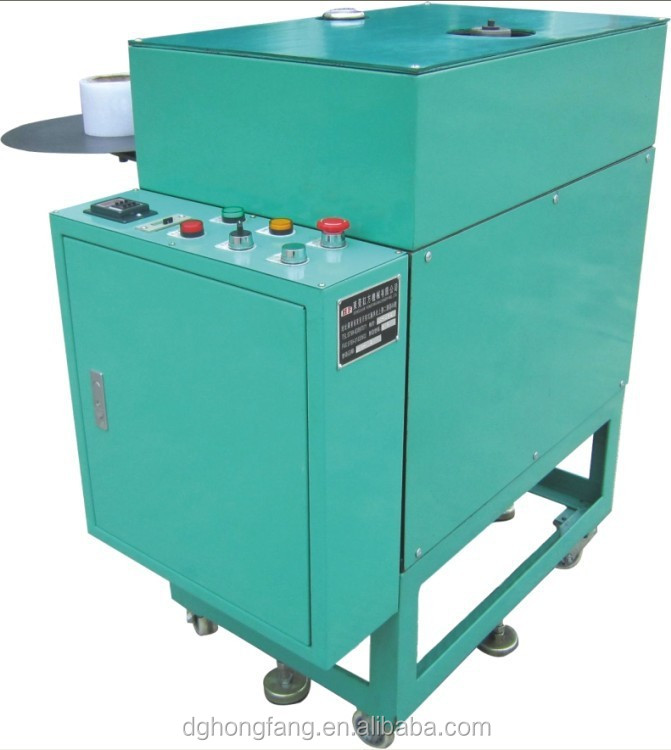
Key Specialization: Turnkey electric motor automation lines, automatic rotor fine turning & surface cutting machines, multi-station stator coil winders, and slot insulation systems. Engineering Strengths: With 17+ years of uninterrupted export history and onsite-verified factory operations in Dongguan, Zunqi designs tooling directly around customer stator and rotor CAD drawings. Equipped with configurable Western electrical architectures (Siemens PLC, Schneider electronics, SMC pneumatics), Zunqi provides complete factory-direct line integration at unmatched capital cost efficiency. Supported by a rapid response desk (≤9 hours) and a 1-year comprehensive warranty with spare parts stocked for fast sea freight via North Sea Port or Port of Antwerp-Bruges.
02
EMAG GmbH & Co. KG
Salach, Germany (Benelux Distribution)
EU Manufacturer
Key Specialization: Inverted vertical pick-up lathes and multi-spindle shaft machining centers. Engineering Strengths: EMAG's high-end vertical turning machines are widely installed across European Tier-1 automotive drivetrains. Their pick-up spindle design automates loading without auxiliary robotics, achieving supreme concentricity for heavy-duty hybrid and EV rotor stacks, albeit at a significantly higher initial investment cost.
03
DMG MORI Belgium
Zaventem, Belgium
Benelux Direct
Key Specialization: Universal CNC turning and turn-mill centers for high-precision motor shaft fabrication. Engineering Strengths: Serving the Ghent area through direct Belgian technical offices, DMG MORI offers high structural rigidity (mineral casting beds) for heavy industrial generator shafts, wind turbine rotor shafts, and customized marine pump rotors.
04
Statomat Special Machines
Niedernberg, Germany
EU Specialist
Key Specialization: Automated coil inserting, wedge preparation, and combined stator manufacturing cells. Engineering Strengths: Recognized globally for rugged inserting tooling that handles complex multi-pole stators. Their equipment frequently integrates into high-output Western European consumer goods and automotive auxiliary motor facilities.
05
Schuler Group (Automation Division)
Göppingen, Germany
Heavy Stamping
Key Specialization: High-speed rotor and stator lamination presses, core stacking, and interlocking dies. Engineering Strengths: Schuler provides the upstream stamping presses responsible for producing the micro-alloyed silicon steel sheets that are subsequently machined on rotor turning and finishing lines.
06
Comau Automation
Grugliasco, Italy
Robotics & E-Drive
Key Specialization: Automated robotic rotor assembly, hairpin stator manufacturing, and e-motor assembly lines. Engineering Strengths: Well entrenched in cross-European automotive vehicle factories, Comau excels at full-line systems engineering where robotic arms connect rotor turning, magnet insertion, curing, and dynamic balancing.
07
Okuma Benelux Services
Krefeld / Antwerp Hub
Precision CNC
Key Specialization: Heavy-duty horizontal turning centers and high-precision diamond turning machinery. Engineering Strengths: Okuma's Thermo-Friendly Concept machine frames maintain thermal stability throughout continuous multi-shift production runs, reducing drift when turning large generator rotors.
08
Marsilli Automation
Castelleone, Italy
Winding Systems
Key Specialization: Precision flyer winding, needle winding machines, and automated bobbin lines. Engineering Strengths: Specializes in intricate winding geometries for automotive sensors, micro-motors, and hermetic compressor stators, with extensive European engineering support.
09
Alliance Winding Equipment
European Sales Office
Appliance Motors
Key Specialization: High-volume stator production equipment for domestic appliances, HVAC fan motors, and shaded-pole motors. Engineering Strengths: Known for standardized tooling packages for ceiling fan and pump motor stator inserting and lacing operations across diverse international manufacturing markets.
10
Murata Machinery Europe
Willich, Germany
Twin-Spindle Lathes
Key Specialization: Twin-spindle CNC turning centers with integrated gantry loaders for balanced rotor core turning. Engineering Strengths: Delivers automated front-loading twin chuck designs for high-throughput rotor turning cells, offering outstanding cycle times for standardized motor diameters up to 120 mm.
Enterprise Advantages
Why Motor Manufacturers Choose Zunqi Automation
Combining 17 years of specialized motor production machinery manufacturing with deep metallurgical tooling expertise and responsive engineering support for European importers.
Custom CAD Tooling Design
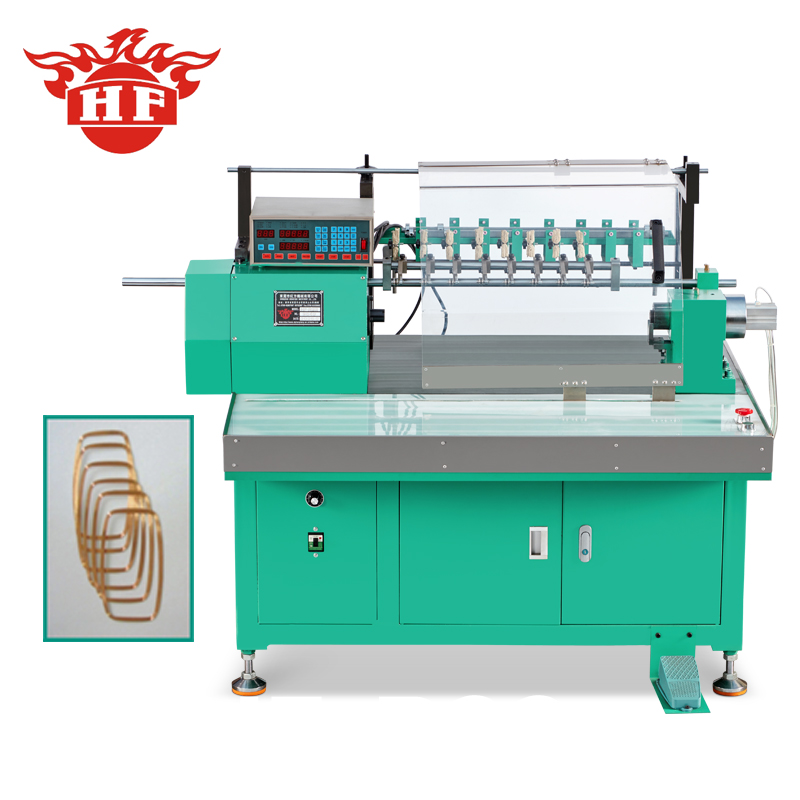
Every coil former, inserting blade, and rotor dead-center fixture is custom-machined to your exact lamination drawings or physical stator sample—proven with pre-shipment trial video tests.
Configurable Controls
We standardize on world-class industrial control platforms including Siemens, Mitsubishi, Schneider, and Omron. Your Ghent factory maintenance team works with familiar PLCs and spares.
End-to-End Line Matching
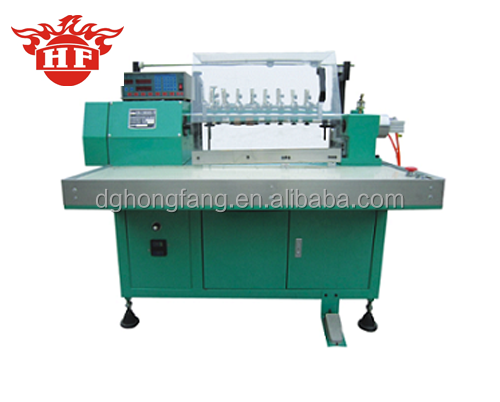
From slot insulation to coil winding, inserting, forming, lacing, rotor turning, and shaft pressing—our matched cycle times eliminate production bottlenecks across your entire cell.
Procurement FAQ
Frequently Asked Questions by Ghent & Belgian Buyers
Practical engineering, regulatory, and logistics answers for operations managers planning equipment imports into East Flanders and the wider Benelux territory.
Are your rotor turning and stator winding machines compliant with Belgian & EU CE machinery directives?
+
Yes. All machines built for European export are designed and certified in accordance with the EU Machinery Directive 2006/42/EC, the Low Voltage Directive (LVD) 2014/35/EU, and the Electromagnetic Compatibility Directive (EMC) 2014/30/EU. They feature dual-channel emergency stop circuits, interlocked safety guards with transparent polycarbonates, CE-marked electrical components, and complete technical construction files (TCF) accompanied by English declarations of conformity.
What electrical voltage and power configurations are supplied for Ghent facilities?
+
Standard Belgian industrial electrical grids operate on three-phase 400V AC at 50Hz (TN-S/TN-C-S networks), while smaller single-phase auxiliary devices utilize 230V 50Hz. All our electrical cabinets, servo drives, spindle motors, and PLC systems are wired and tested to your exact facility voltage before crate dispatch, eliminating the need for bulky external step-down transformers.
How do you guarantee concentricity and prevent silicon steel lamination smearing during rotor turning?
+
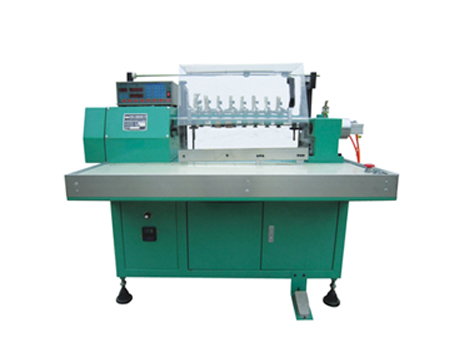
Our dedicated rotor fine turning machines (such as the HF-C60 series) utilize hardened dead-center clamping with controlled axial pneumatic thrust rather than radial 3-jaw pressure that can distort thin-walled rotor laminations. Machining uses custom-ground polycrystalline diamond (PCD) or CBN inserts with optimized rake angles and synchronized feed rates, shearing each lamination cleanly without wiping burrs across insulating coating layers.
What is the typical shipping lead time and customs transit to North Sea Port or Antwerp?
+
Standard machinery manufacturing and custom tooling fabrication typically take 25 to 40 working days depending on stator complexity. Containerized sea freight from Shenzhen/Guangzhou ports to Port of Antwerp-Bruges or North Sea Port (Ghent) takes approximately 28 to 35 days on the water. All machines are vacuum sealed in anti-corrosive VCI foil, desiccated, and bolted into fumigation-free solid plywood export cases.
How is remote commissioning and on-site maintenance handled in East Flanders?
+
We provide comprehensive digital commissioning support including step-by-step HD video walk-throughs, complete wiring schematics, and remote PLC parameter tuning via industrial VPN gateways. For complete turn-key motor assembly line projects in Belgium, on-site commissioning engineers can be dispatched to oversee mechanical leveling, tooling calibration, and operator training.
Can we order custom tooling for multiple motor frame sizes (e.g., IEC 71, 80, 90, 112)?
+
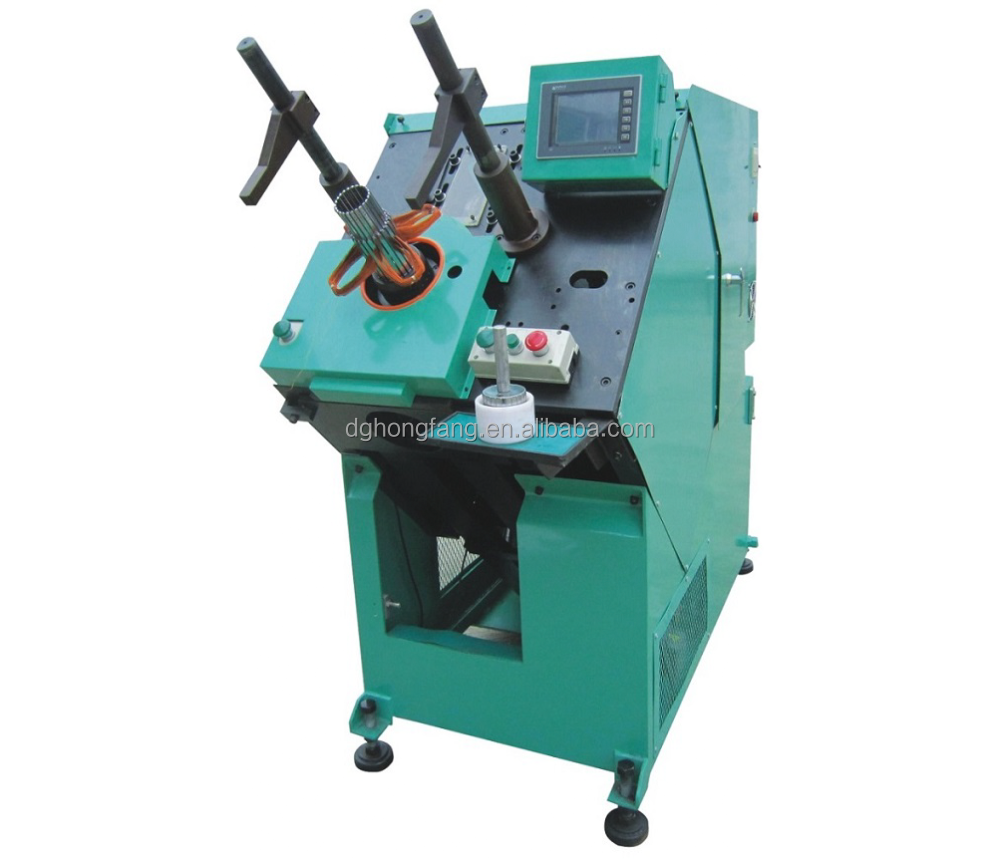
Yes. Our tooling sets are modular. You can procure a single core machine base (e.g., our coil and wedge inserter or automatic rotor turning unit) along with quick-change tooling cartridges engineered specifically for each IEC or NEMA frame size. Tooling changeovers can typically be executed by an operator in under 20 minutes.
Request a Technical Proposal for Your Rotor & Stator Line
Send our senior engineering team your lamination drawings, stack heights, and target output. We analyze your CAD files and deliver a complete tooling quote within 9 hours.