Featured Rotor Machining & Motor Manufacturing Equipment
Explore high-efficiency equipment engineered in our Dongguan manufacturing facilities, directly matched to customer core laminations, rotor shafts, and stator slot drawings.
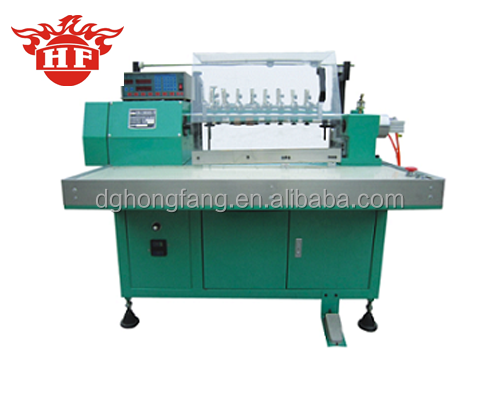
- Industrial 220V Single-Phase Drive
- Programmable Coil Spooling Geometry
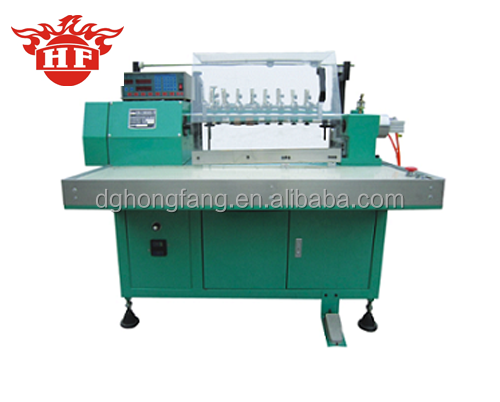
- 8-Head High Output Architecture
- High-Torque 3000 RPM CNC Spindle
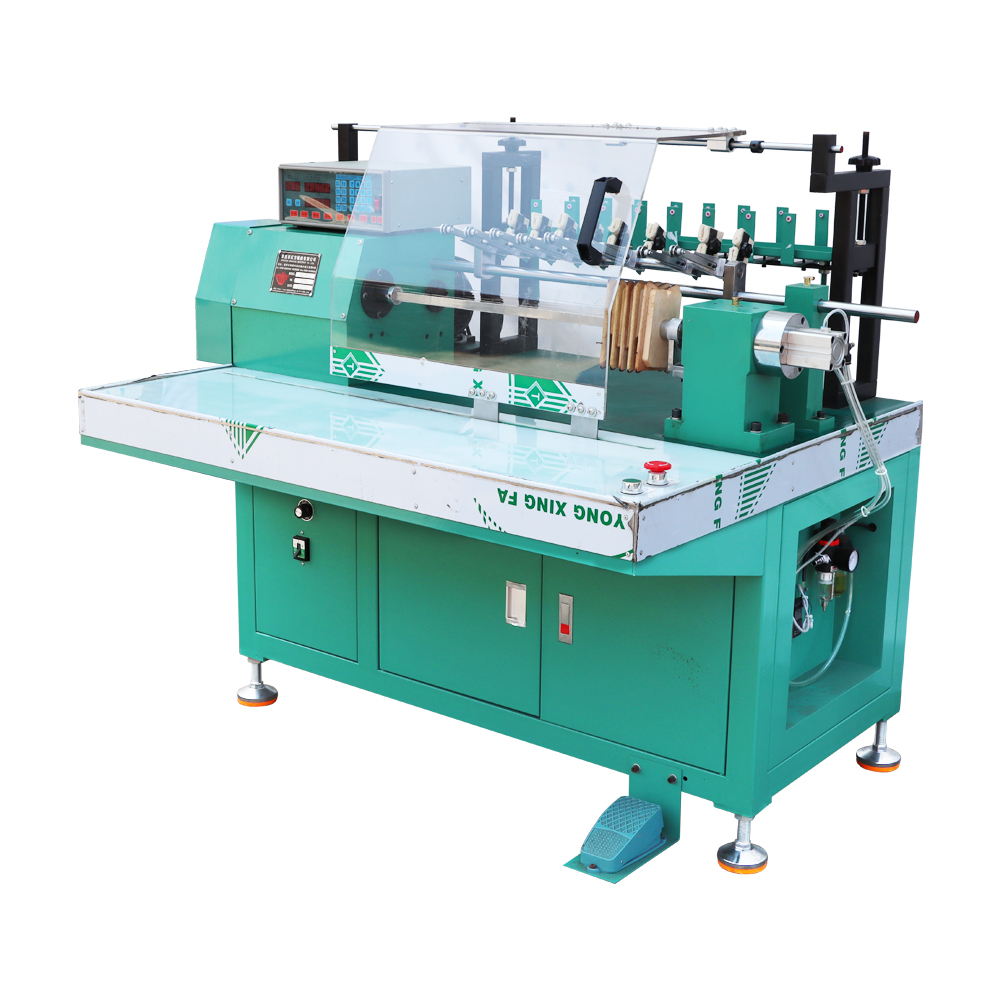
- Wire Diameter: 0.1mm - 1.2mm
- Dual Copper & Aluminum Capability
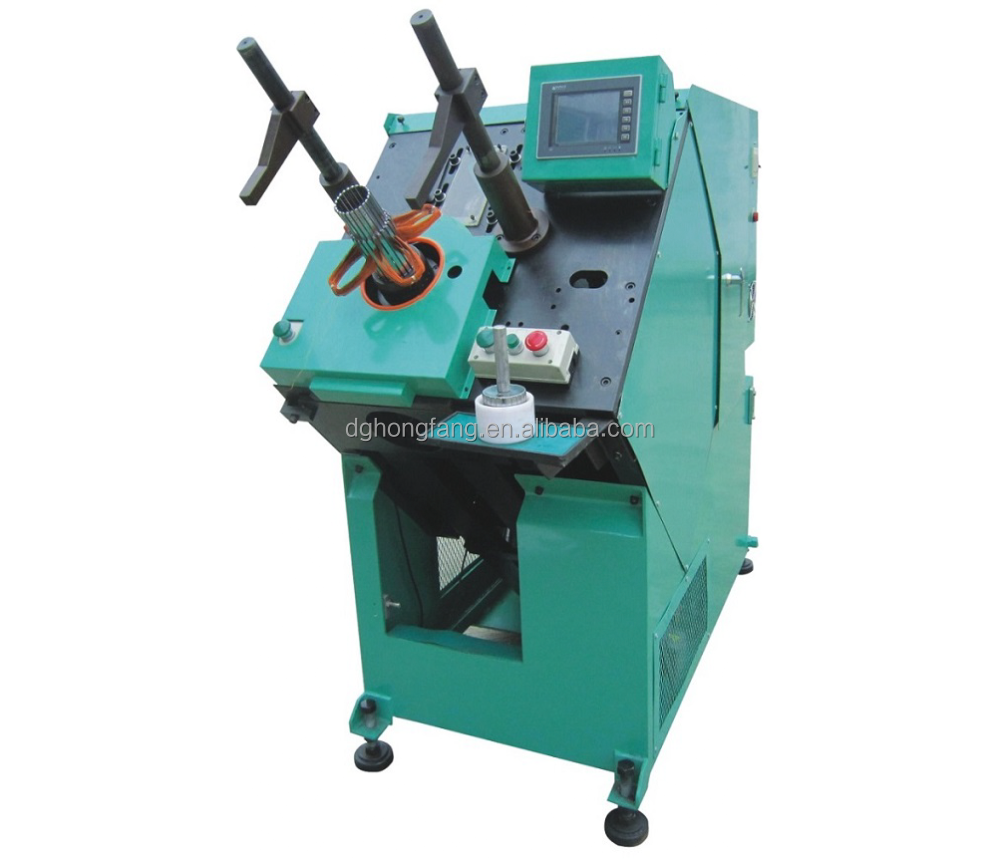
- Single-Stroke Insertion Operation
- Zero Enamel Scratch Tooling Design
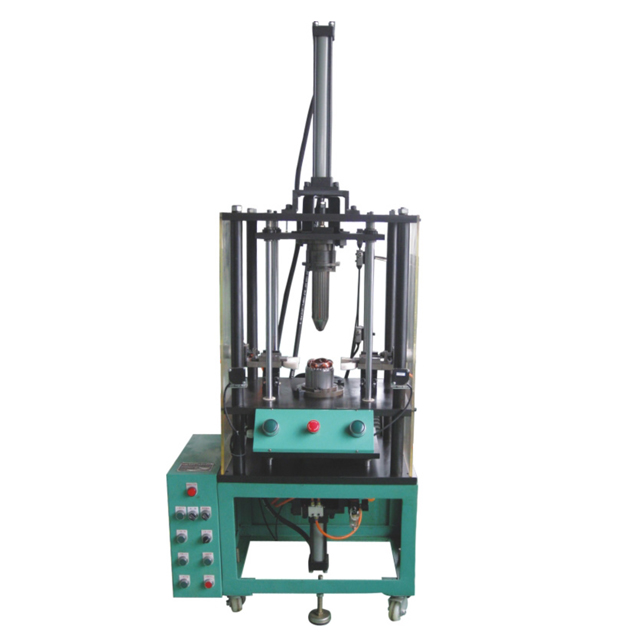
- 1 kW Efficient Hydraulic Forming Unit
- Internal/External End-Turn Precision
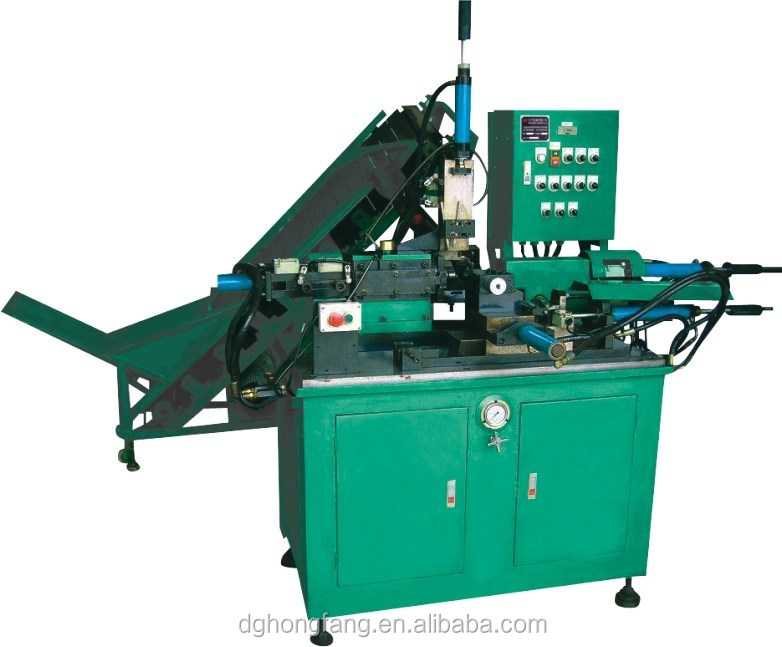
- Precision Air-Gap Surface Finishing
- Integrated Lubrication & Coolant System
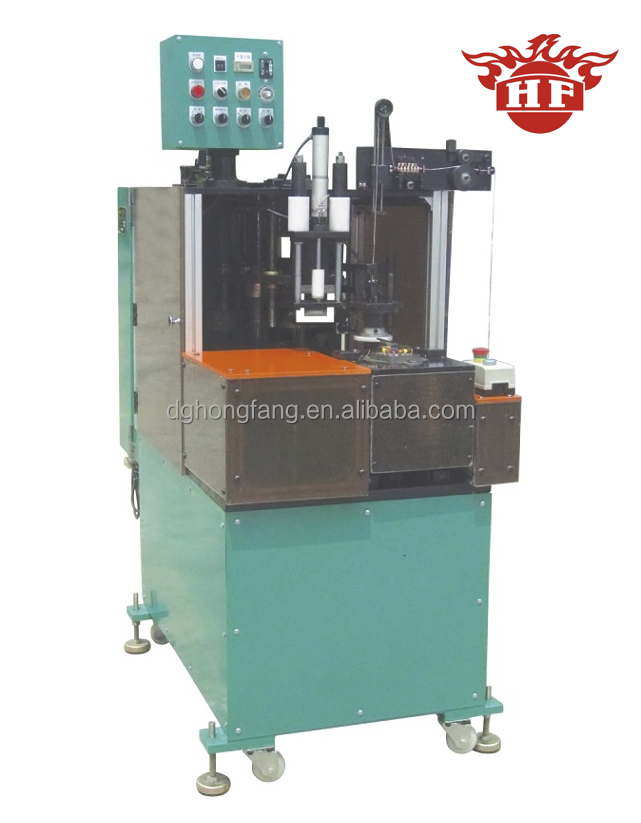
- Dual-Side Simultaneous Binding
- Industrial Servo Driven Needle Head
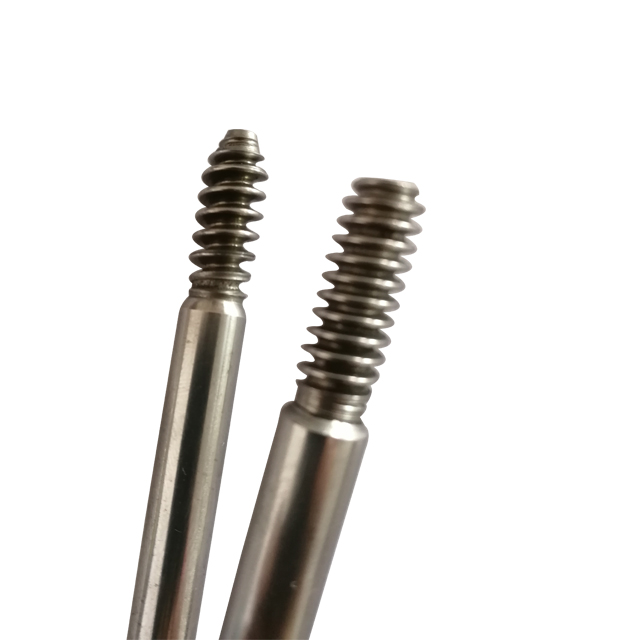
- SC45# Heat Treated Steel Grades
- Mirror Finish for Quiet Bushings
Critical Mechanics: Rotor Fine Turning, Concentricity & Commutator Surface Cutting
In precision electric motor manufacturing, the radial air gap between the stator bore and the laminated rotor core dictates magnetic saturation, power density, thermal gradient, and acoustic noise. Rotor fine turning is not simply a secondary material removal process; it is the definitive geometric gatekeeper of motor energy efficiency classes (IE2 to IE4/IE5).
The Physics of Air-Gap Optimization & Runout Mitigation
When an induction squirrel-cage rotor is cast with aluminium or copper end-rings, thermal distortion and surface burrs invariably skew the external cylindrical geometry. If a finished rotor exhibits a total radial runout exceeding 0.015 mm, uneven electromagnetic pull (UMP) develops. UMP induces mechanical harmonic vibration, premature bearing raceway spalling, and pronounced acoustic hum at operational frequencies.
The HF-C60 Automatic Rotor Fine Turning Machine addresses this through rigid mechanical integration. By supporting the rotor directly upon its ground bearing journals using precision carbide V-blocks or live pneumatic centers, the cutting tool references the actual rotating datum axis rather than the shaft end centers. This critical design choice eliminates cumulative runout tolerances, bringing the turned outer diameter (OD) runout to ≤0.003 mm.
Surface Metrology Benchmarks
- Surface Roughness (Ra): ≤0.4 μm achievable with poly-crystalline diamond (PCD) inserts.
- Smear Prevention: Controlled high cutting speed prevents aluminium smearing across silicon steel laminations, maintaining electrical insulation between core sheets and curbing eddy-current losses.
- Circularity & Cylindricity: ≤0.005 mm across the entire stack length up to 160 mm.
- Cycle Time Efficiency: Single-pass rough and finish cycle in 8–18 seconds per rotor.
Suai & Covalima District: Industrial Context & Machine Applications
As the southern anchor of Timor-Leste's industrial corridor, the Suai administrative region is undergoing strategic modernization tied to the Suai Supply Base (SSB), offshore logistics, regional irrigation, and distributed agro-processing.
Submersible Agricultural Water Pumps
In the fertile plains of Covalima, high-capacity deep-well irrigation pumps suffer heavy wear from seasonal silt and power grid voltage transients. Rewinding and re-machining pump rotors locally in Suai using the HF-C60 eliminates week-long logistics bottlenecks to Dili or Surabaya, restoring dynamic hydraulic efficiency on site.
Offshore Supply Base & Marine Auxiliaries
Maritime propulsion auxiliaries, winch motors, and deck equipment operating from the Suai coastline face harsh saltwater aerosols. High-salinity atmospheres accelerate pitting corrosion on rotor outer diameters. Precision surface skimming on specialized fine-turning equipment restores the air-gap balance without replacing entire rotor assemblies.
Emergency Diesel Generator Maintenance
Industrial power security across Covalima relies on continuous-duty diesel generating sets. Heavy exciter rotors and high-current starter armatures demand micro-meter commutator turning and mica undercutting. Our PLC-guided surface cutting machines provide the surface finish necessary to prevent severe carbon brush sparking.
Development Trends Driving Machine Automation in Southern Timor-Leste
The macroeconomic trajectory of Timor-Leste is characterized by infrastructure decentralization. While historically all specialized tooling and electro-mechanical motor rebuilding was routed through the capital city of Dili or imported as replacement units from Indonesia, several key trends are creating localized demand in Suai:
1. Decentralized Municipal Workshop Capability
Municipal utilities and local engineering firms in Covalima are systematically investing in dedicated machine shop equipment. The objective is autonomy: eliminating extended down-times for mission-critical motors used in hospital ventilation, municipal water treatment facilities, and refrigeration cold rooms along the Suai-Tilomar transit route.
2. Transition from Manual Lathes to Dedicated Rotor Equipment
Conventional manual engine lathes lack the spindle stiffness, specialized collet systems, and automated feed control necessary to cut laminated silicon sheets without bridging slots. As technicians handle higher efficiency motors (IE2+), the shift toward dedicated, semi-automatic turning units with automated pneumatic workholding is accelerating across domestic maintenance facilities.
3. Standardizing on 220V/380V 50Hz Heavy Machinery
With modern power distribution infrastructure expanding across Suai, workshops are standardizing on machinery that accommodates industrial three-phase 380V power while offering resilient tolerance against voltage dips (common in regional electrical grids). Zunqi provides electrical control enclosures engineered with Delta and Mitsubishi PLCs featuring internal voltage phase surge protection specifically tailored for regional installation environments.
Supply Chain Note: Complete turnkey lines (from slot paper inserting to final rotor skim-turning) allow emerging Suai manufacturing ventures to scale capacity modularly, starting from a single machine set (MOQ 1 set).
Engineering Benchmark: Rotor Fine Turning Technology vs. Conventional Turning
To assist procurement directors, plant engineers, and maintenance officers in the Suai market, the comparative matrix below highlights performance differences between specialized rotor turning systems and standard manual lathes.
| Evaluation Parameter | Zunqi HF-C60 Dedicated Rotor Lathe | Conventional General Engine Lathe | Critical Benefit for Suai Workshops |
|---|---|---|---|
| Spindle Referencing Axis | Bearing journals clamped in carbide V-blocks or high-precision collet | Center hole to tailstock dead/live center | Eliminates runout caused by damaged shaft centers common in repaired motors. |
| Lamination Smear Control | Ultra-high cutting speed with PCD tools & fine feed control | Low-speed HSS or general carbide tools | Prevents interlaminar short-circuits; lowers core operating temperature by up to 12°C. |
| Cycle Time per Rotor | 10 – 20 seconds (Automatic single button cycle) | 8 – 15 minutes (Manual multiple passes) | Over 25x productivity gain for series batch production or rapid municipal repair. |
| Surface Finish (Ra) | Ra 0.4 – 0.8 μm uniform mirrored cut | Ra 1.6 – 3.2 μm variable roughness | Optimizes uniform air gap; drastically dampens electromagnetic motor hum. |
| Operator Skill Requirement | Semi-skilled; digital parameter setup & pneumatic clamp | Highly skilled master machinist required | Overcomes regional shortages of specialized lathe machinists in southern Timor-Leste. |
| Footprint & Power Draw | Compact footprint; 1.5 – 3.0 kW energy-efficient drive | Large 5.5 – 11 kW heavy induction drive | Easily supported by local backup diesel generators in Covalima workshops. |
Why Motor Manufacturers and Exporters Partner with Zunqi
Operating directly from Dongguan, Guangdong—the core of global precision machinery manufacturing—Zunqi Intelligent Equipment Co., Ltd. provides verified end-to-end motor manufacturing systems trusted globally for over 17 years.
Direct Factory Assembly & QC
With 51–100 skilled engineers and assembly technicians, every machine is subjected to a comprehensive 72-hour continuous trial run. Tooling formers, inserting blades, and turning chucks are custom machined according to your specific rotor and stator samples before crating.
Turnkey Line Synchronization
Beyond rotor cutting, we engineer the entire workflow: slot insulation paper inserting, multi-head coil winding, simultaneous coil and wedge insertion, intermediate coil forming, and servo-controlled double-side lacing. One supplier ensures harmonized cycle times across your line.
Global Export & Crating Standards
We supply overseas buyers with fumigation-free, heavy-duty plywood cases equipped with desiccant vapor corrosion inhibitors (VCI) and structural bolt-down skids, ensuring safe multi-modal transit through maritime container routes to Southeast Asia and Oceania.
Configurable Tier-1 Industrial Control Components
We construct machine electrical cabinets to match your maintenance team’s local inventory, ensuring spare parts are readily accessible worldwide:
Frequently Asked Questions for Buyers in the Suai Market
Key commercial, operational, and electrical queries addressed by our chief engineering desk for procurement teams in Covalima District and Timor-Leste.
What is the minimum order quantity (MOQ) and lead time for shipments destined for Suai? +
How are machines shipped to the Suai area, and how is customs clearance managed? +
Can your machinery operate reliably under fluctuating electrical voltages in regional Timor-Leste? +
How do we ensure the machine matches our specific rotor and stator dimensions? +
How does Zunqi provide post-sales commissioning and operator training in Suai? +
What corrosion protection is applied for Suai's humid, tropical maritime climate? +
Ready to Modernize Your Motor Machining & Assembly Line?
Partner with an established manufacturer and exporter. Send your stator drawing, rotor specifications, or target production output to our technical engineering team for an exact machine recommendation and formal quote within 9 hours.
