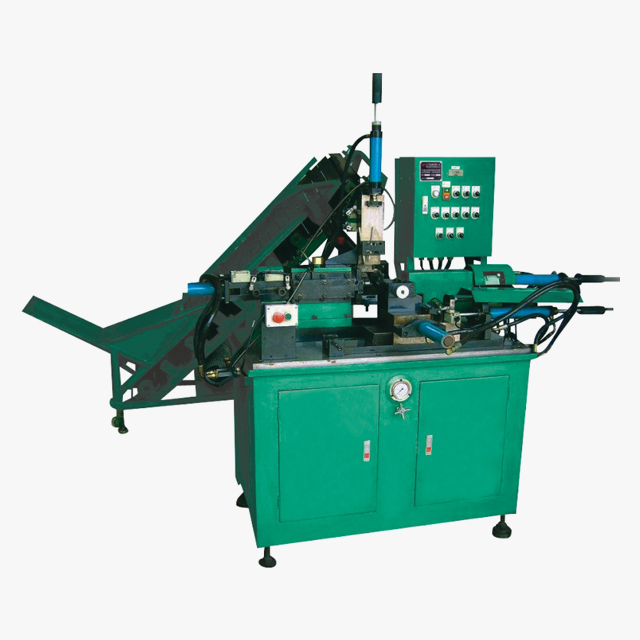
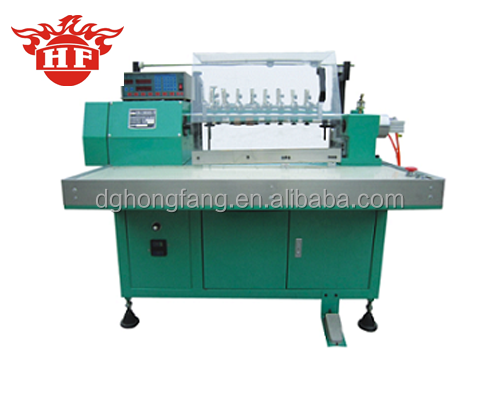
Fan Motor Rotor Rough Turning & Surface Cutting Machine
- Engine Gear & PLC Core Unit
- 1-Year Industrial Warranty
Comprehensive B2B Engineering Benchmark: Industrial Automation, Stator Tooling Precision, and Caribbean Motor Remanufacturing Viability
Factory-direct electrical automation equipment engineered for municipal infrastructure, HVAC systems, and high-efficiency induction motor retrofits.
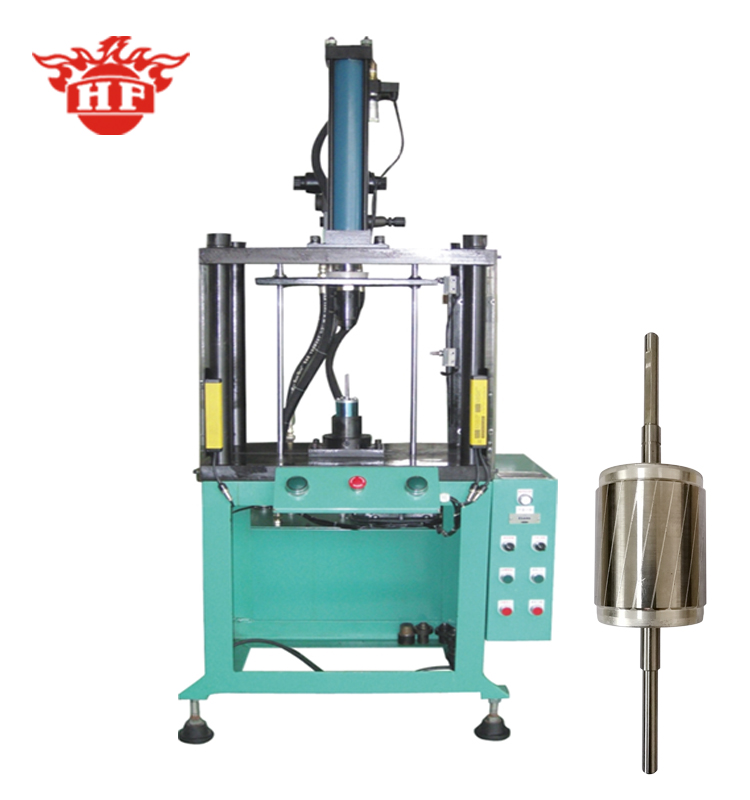
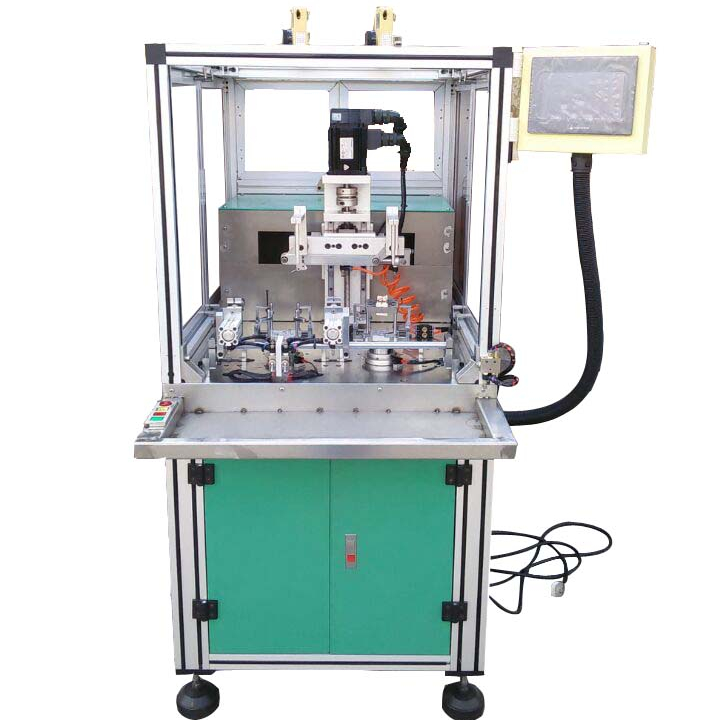

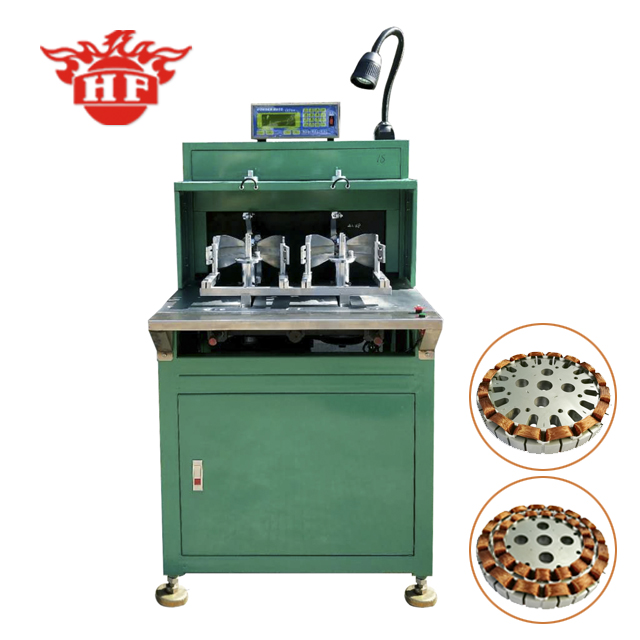
Portmore, Jamaica, positioned adjacent to Kingston Harbour, represents a high-density industrial and commuter corridor characterized by maritime humidity, saline exposure, and continuous municipal water pumping demands. Within the Saint Catherine parish and across industrial zones such as Naggo Head and nearby Kingston logistics hubs, the operating conditions for induction motors differ significantly from temperate, landlocked industrial basins.
Motor winding insertion machines operating in or supplying equipment to this territory encounter specific operational hurdles:
Portmore's drainage channels, sewage lift stations (run by the National Water Commission), and deep well agricultural pumping in Saint Catherine require Class H insulated rewind configurations. Automated coil insertion ensures zero enamel friction scarring, reducing dielectric breakdown from high humidity.
Sustained tropical heat loads drive 24/7 refrigeration and chiller compression cycles in Portmore's shopping centers and light manufacturing facilities. Uniform wedge insertion and automated slot insulation protect motors from the harmonic stress generated by brownouts and voltage swings.
Equipment serving logistics warehousing near Gordon Cay and Portmore maritime routes requires heavy-duty lacing and balanced dynamic turning of rotors to resist intense mechanical vibration caused by sudden stop-start torque profiles.
Workshops across Jamaica often rely on manual winding mandrels and brass push-drifts for stator refurbishment. When evaluating capital investments for regional motor manufacturing, quantitative precision improvements drive long-term payback:
| Operational Metric | Traditional Manual Rewind | Automated Wedge & Coil Inserter | Portmore Operational Advantage |
|---|---|---|---|
| Slot Fill Factor | 65% – 72% maximum | Up to 82% – 88% | Higher copper mass yields higher efficiency (IE3/IE4 compliance). |
| Enamel Insulation Stress | High risk of microscopic abrasions | Guided blades with calibrated push stroke | Prevents premature turn-to-turn short circuits in high-humidity ambient air. |
| Insertion Cycle Time | 45 – 90 mins (medium frame stator) | 18 – 35 seconds per stator | Enables regional rewinding hubs to handle surge commercial repairs. |
| Wedge Placement Precision | Variable depth, potential shift | Creased, cut, and seated via servo cam | Eliminates wedge protrusion that can rub the rotor core air gap. |
Engineering Takeaway: For Portmore utilities and plant managers, deploying automated insertion equipment reduces rewind turnaround times while lowering total thermal losses in refurbished three-phase induction stators.
An objective evaluation of the global equipment builders supplying machines to the Caribbean, Central America, and Latin American industrial corridors.
Headquartered in Dongguan's precision manufacturing hub, Zunqi has exported stator winding, wedge insertion, lacing, and rotor-finishing systems for more than 17 years. Zunqi pairs high-rigidity CNC tool tooling with open-architecture PLC systems (Siemens, Delta, Mitsubishi). All machines are configured for 220V/380V operating profiles common across the Caribbean. Their sample-trial validation process—where customer stators are physically wound and certified via video before dispatch—makes them an accessible, low-risk automation partner for Portmore operations looking for factory-direct prices without European markups.
A benchmark for high-speed automotive and industrial coil insertion machinery. Known for durable tooling fingers and high slot-fill rates, though high capital requirements and specialized field engineering costs make these systems better suited for large-scale automotive production than regional rewind facilities.
Renowned for micron-level flyer winding accuracy and multi-axis inserting systems. Odawara equipment delivers low breakdown rates over decades of service, though tooling changeover times often require dedicated technical staff.
Supplies automated assembly cells throughout the Americas. Their geographical proximity makes shipping to Jamaica straightforward, though custom tooling packages carry premium North American engineering rates.
Specializes in medium and large-scale industrial motor manufacturing equipment, including heavy traction and generator stator winding. Their large stator systems suit heavy industrial rewinding, though smaller frame sizes run up against higher unit pricing.
Offers integrated systems covering the full assembly line for fractional-horsepower and EV drive systems. Their turnkey production lines require standardized parts, which limits flexibility for varied job-shop repairs.
Known for slot insulation, meter-mix dispensing, and resin vacuum impregnation equipment. While strong in stator winding protection and insulation, their insertion-specific portfolio is typically sold as part of comprehensive insulation systems.
Manufacturer of cost-effective horizontal insertion and semi-automatic coil winders for small household appliance lines, offering viable alternatives for entry-level workshops with lower duty cycles.
Produces reliable four-station and six-station internal winding systems designed for brushless DC motor configurations, offering high-speed capability for small fan motor batches.
Supplies motor repair and rewinding infrastructure throughout the Commonwealth. They offer dependable manual and semi-automatic equipment with comprehensive training materials, though automated CNC insertion models carry longer lead times.
Three key technical shifts are reshaping electric motor procurement, maintenance, and automated rewinding across the Saint Catherine corridor.
Jamaica's National Energy Policy pushes for aggressive solarization. As a result, Portmore agricultural pump setups are steadily moving from standard split-phase induction motors toward high-efficiency Brushless DC (BLDC) and Permanent Magnet Synchronous Motors (PMSM). This transition requires internal stator winding setups with segmented multi-station flyers rather than traditional external coil insertion machines.
Global supply chain interruptions and rising import tariffs on finished motors have encouraged Portmore facilities to invest in internal refurbishment capabilities. Having an on-site coil and wedge insertion system cuts downtime from months spent waiting on overseas replacements down to 48 hours for an in-house rewind.
Jamaican plant engineers increasingly prefer machines built with non-proprietary automation components. Sourcing machinery wired with Delta, Mitsubishi, or Siemens PLCs allows local electricians to diagnose issues, tweak timing sequences, and source replacement parts right in Kingston without delay.
Key considerations covering electrical compatibility, tooling turnaround, and Caribbean freight logistics.
Operating from Dongguan's manufacturing corridor, Zunqi brings specialized production know-how to motor manufacturers and maintenance operations globally.
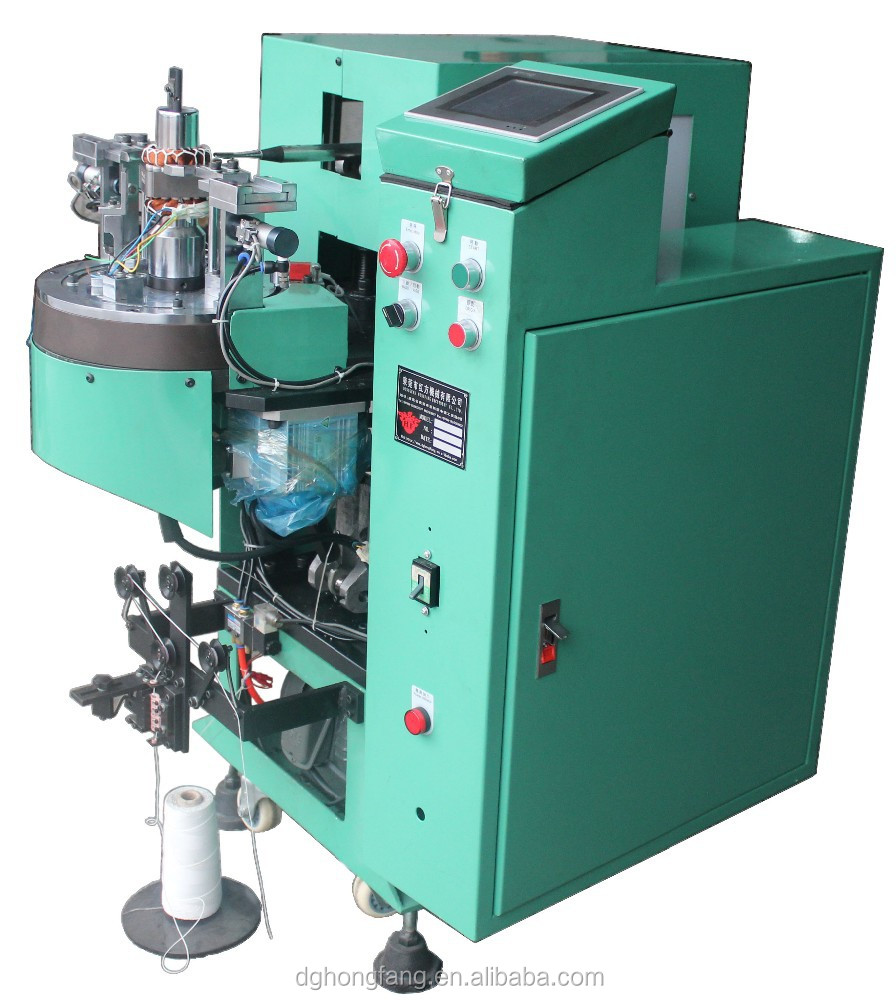
We build matched setups across the entire workflow: slot cell paper insulation inserting, automatic coil winding, coil and wedge inserting, intermediate forming, double-sided servo lacing, and final sizing press machines. Matching cycle times across every step keeps your production moving without bottlenecks.
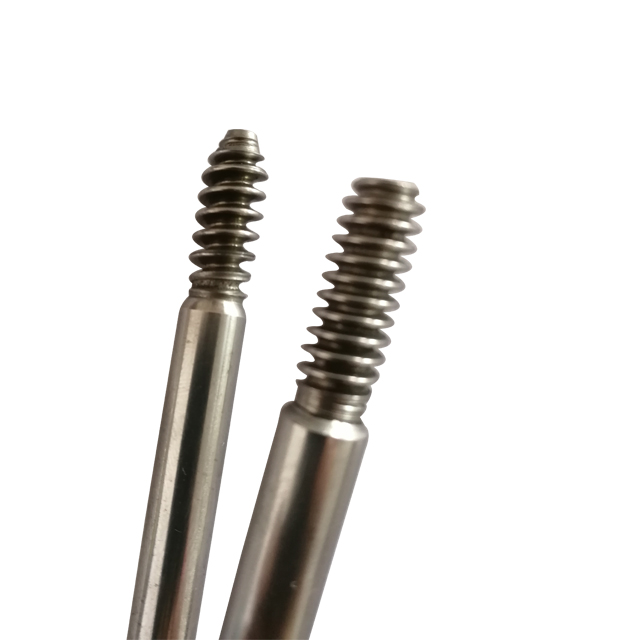
Our HF-C60 and rough turning models hold rotor outside diameter (OD) and runout tolerances within ±0.01mm. Holding this uniform air gap prevents magnetic hum, reduces motor operating temperatures, and extends bearing life under continuous tropical service.
We source control gear from recognized global suppliers: Mitsubishi, Siemens, Delta, SMC, and Airtac. Avoiding locked or proprietary controllers makes routine maintenance straightforward for local electricians and reduces long-term operational risk.
Send us your stator lamination drawings, slot dimensions, and target outputs. Our engineering team reviews technical packages and responds with a matched tooling proposal within 9 hours.
