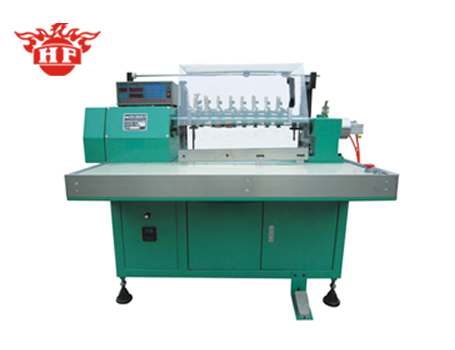
New Good Quality Fully Automatic Fan Motor Coil Winding Machine for Manufacturing Plant Use with Copper and Aluminum Wire
High-speed dual-flyer system tuned for dual-wire operations with programmable wire tension feedback.
Direct manufacturer deployment for fan, cooler, pump, and heavy industrial electric motors configured precisely to slot dimensions and local production environments.
High-speed dual-flyer system tuned for dual-wire operations with programmable wire tension feedback.
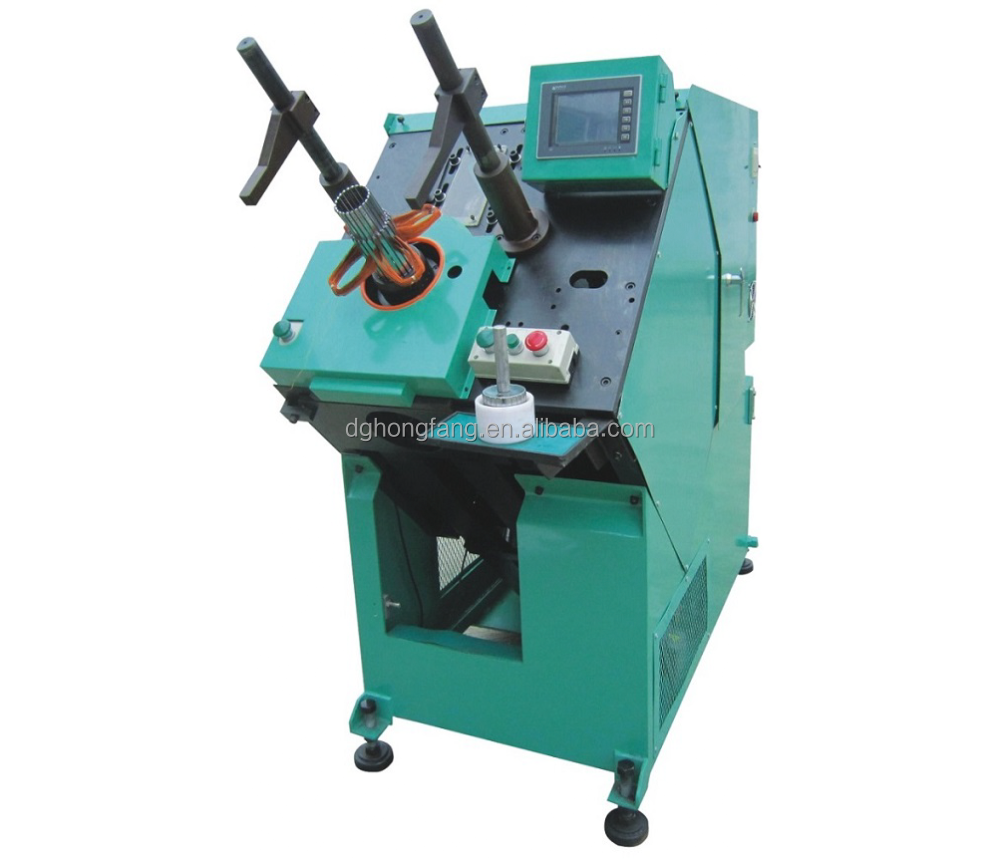
One-stroke simultaneous coil head and wedge insertion to fully protect enameled wire film from scratch defects.
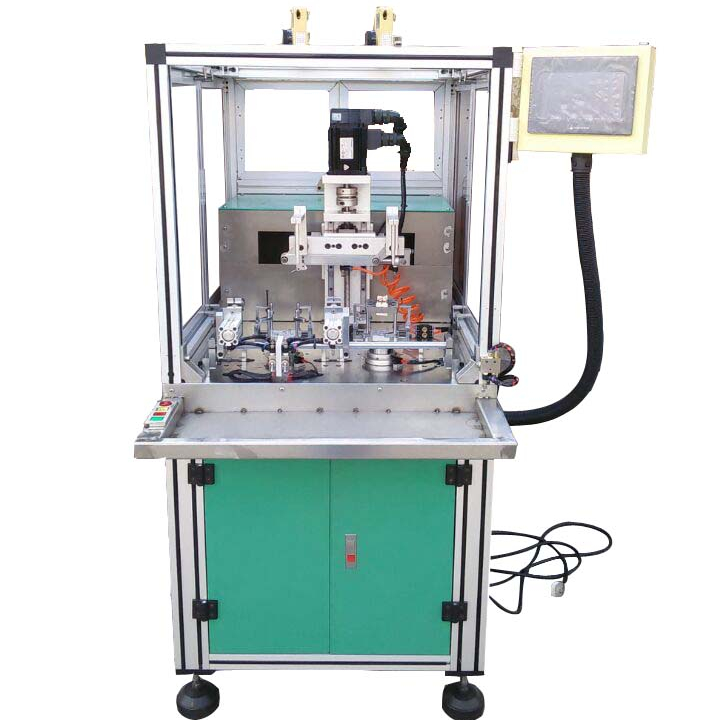
Reinforced spindle mechanism offering stable continuous high-RPM winding for diverse rotor segments.
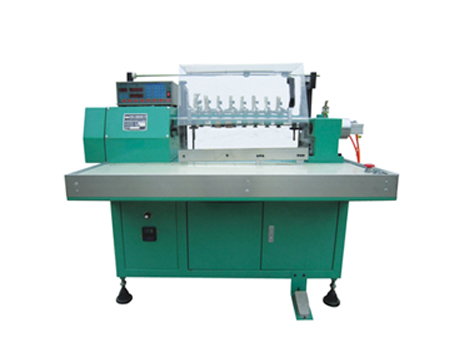
Engineered specifically for heavy-stack evaporative cooler motors requiring dense slot packing ratios.
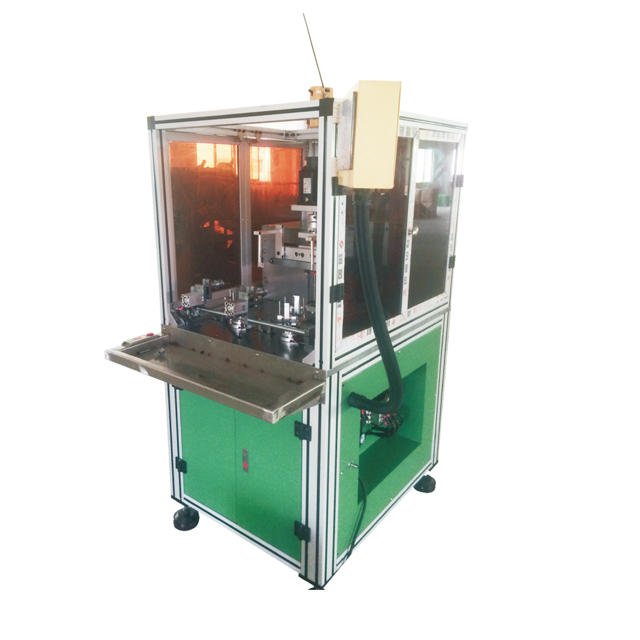
Multi-station high-throughput indexing platform for BLDC stators and specialized inner-slot assemblies.
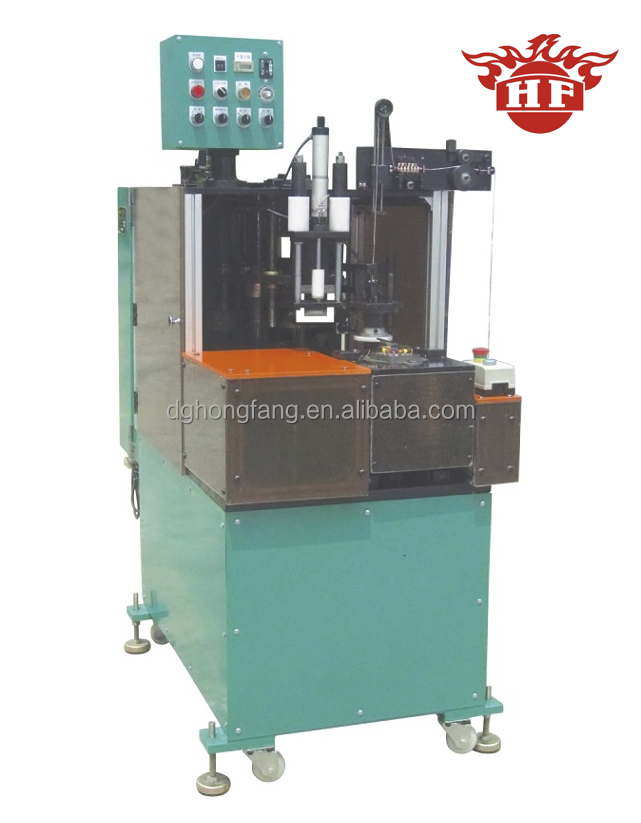
Dual-needle simultaneous bind kinematics powered by industrial servo drives for rigid coil profiles.
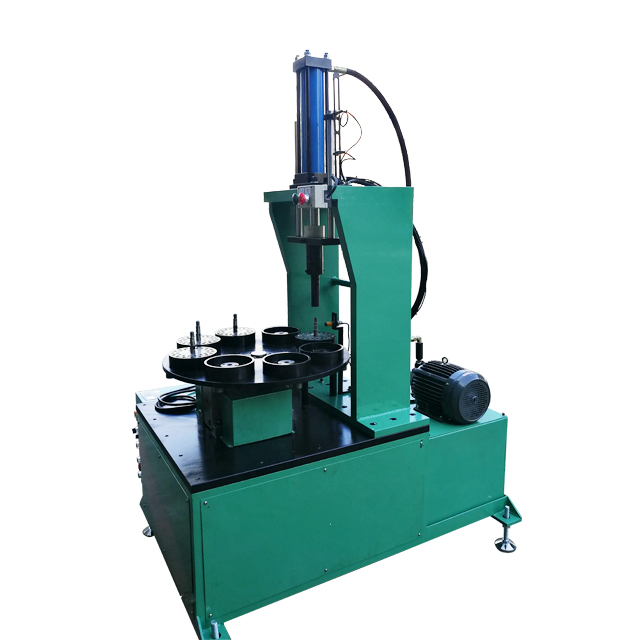
Accurate tonnage regulation ensuring rotor concentricity, bearing seat protection, and solid shaft fits.
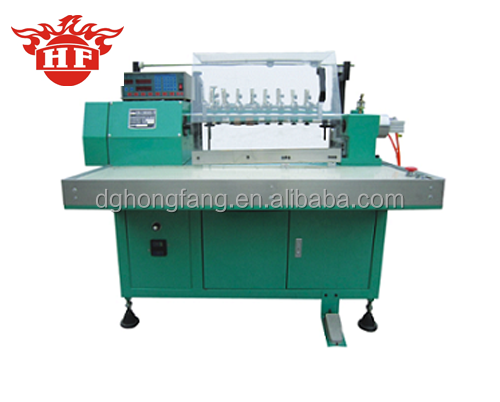
Massive parallel throughput with 8 synchronized heads running at up to 3000 RPM with digital pitch control.
As electric motor manufacturing continues to automate globally, industrial operations serving or based around strategic hubs like San Miguel face stringent performance demands. Stators form the electromagnetic heart of induction, permanent magnet synchronous (PMSM), and brushless DC (BLDC) motors. Within the core production cycle—slot insulation, coil winding, wedge insertion, intermediate forming, coil lacing, and final dimension forming—the stator lacing operation serves as the mechanical anchor that determines overall product life, thermal breakdown threshold, and vibration resistance.
This technical whitepaper provides mechanical engineers, manufacturing directors, and plant procurement managers in San Miguel an objective framework for selecting the top stator lacing machinery suppliers. We address machine design paradigms, kinematic mechanical stresses, local integration conditions, and the engineering advantages offered by proven manufacturing partners.
Traditional lacing machines utilized fixed mechanical cam drives. While robust in steady-state repetitive motions, mechanical cams suffer from inflexible stroke profiles, high wear rates, and extended downtime during stator stack or slot format changeovers. For industrial manufacturers in San Miguel handling diversified motor production runs (ranging from fractional horsepower appliance units to multi-kilowatt pumping and cooling machinery), modern dual-axis and multi-axis servo architectures offer definitive information gains:
| Evaluation Parameter | Legacy Cam-Driven Lacing | Advanced Servo Dual-Side (e.g., Zunqi HF-BS20) | San Miguel Operational Benefit |
|---|---|---|---|
| Cycle Time / Unit | 1.8s – 2.4s per slot (Manual Flip Required) | 0.45s – 0.75s per slot (Dual-Side Single Cycle) | Yield increases exceeding 130% for high-volume lines. |
| Tooling Changeover | 3.5 – 6.0 Hours (Cam re-indexing) | 15 – 30 Minutes (Digital parameter switch) | High adaptability for seasonal fan, pump, and cooler runs. |
| Wire Insulation Integrity | Moderate risk of micro-fractures | Zero-contact tool travel with constant cord damping | Decreased failure rates on factory hipot and surge tests. |
| Grid Voltage Adaptability | Subject to motor torque sag on line drops | Regulated DC-bus servo power supplies (220V/380V) | Protection against typical regional power grid fluctuations. |
Deploying automated stator lacing and winding equipment within San Miguel requires aligning machinery specifications with real-world operating environments:
The manufacturing sector in Latin America and emerging industrial nodes is moving rapidly beyond standalone islands of automation toward complete Cellular Stator Automation (CSA). In this architecture, insulation paper inserting, multi-head flyer coil winding, simultaneous coil/wedge transfer, intermediate shaping, dual-side servo lacing, and fine rotor turning machines communicate over open industrial protocols such as Modbus TCP or Ethernet/IP.
Data visualization, remote predictive maintenance, and cloud-assisted diagnostics allow maintenance teams in San Miguel to resolve parameter drifts before line disruptions occur. Investing in machinery that provides direct I/O flexibility and standardized PLC options (such as Siemens, Mitsubishi, or Delta) safeguards industrial assets against vendor lock-in and tooling obsolescence.
Backed by over 17 years of direct equipment export from Dongguan’s precision manufacturing cluster to electric motor plants worldwide.
Every set of needle shoes, coil hold-downs, and indexing dials is custom CNC machined directly from your physical stator core laminations or engineering CAD drawings (slot counts, stack height, bore diameter).
We do not ship on theoretical tolerances. Each machine undergoes full cycle testing using your supplied wire gauges and stator samples, yielding verified acceptance videos and recorded parameter sheets prior to export crating.
Standardize your factory maintenance inventory without proprietary roadblocks. Our control systems seamlessly integrate world-class hardware choices: Mitsubishi, Siemens, Delta, Omron, SMC, or Airtac pneumatics.
Beyond isolated lacing units, Zunqi designs harmonized end-to-end lines: slot papering, flyer winding, coil inserting, forming, rotor turning, and hydraulic shaft pressing units matched precisely in tactile speed and cycle balance.
Machinery bound for regional hubs undergoes deep chemical anti-rust sealing, vacuum VCI moisture film encapsulation, structural skid bolt-down, and heavy-gauge fumigation-free plywood crate containment.
Enjoy direct desk access to mechanical and electrical engineers. In addition to a full 1-year warranty on core assemblies, we supply long-term tool re-machining, wearable spare packs, and video-assisted calibration.
Answers to technical, logistics, and operational questions frequently raised by plant managers and procurement teams.
Our standard stator lacing units come configured for single-phase 220V or three-phase 380V (50/60 Hz). For facilities experiencing intermittent industrial grid drops or surges, we provide integrated high-tolerance transformers and DC bus stabilization filters to protect sensitive servo drives and PLC logic chips from unexpected reboot cycles.
Stack height variations within the same stator outer diameter (OD) and inner diameter (ID) profile require only rapid manual adjustments to the vertical clamping column and a straightforward digital value change on the touchscreen HMI. A complete frame changeover across different motor models (e.g., switching from a 110mm table fan to a 160mm cooler stator) takes under 25 minutes using modular quick-release pin designs.
Yes. By configuring the tension friction eyelet and needle guide channel, our servo lacing systems handle monofilament nylon, twisted braided polyester, and flat wax-impregnated fiber cords without knot snapping or fraying during high-tension bind cycles.
Custom tooling fabrication, mechanical assembly, PLC programming, and stator trial acceptance testing take approximately 25 to 35 business days from drawing confirmation. Units are crated in export-grade plywood and cleared for direct ocean transit, complete with commercial invoices, packing lists, and testing certificates for customs clearance.
Every machine arrives plug-and-play ready with pre-mapped terminal blocks, detailed English manuals, and interactive step-by-step video setup guides. Our senior automation engineers provide live video sessions during your first uncrating, air line hookup, and trial lacing runs to ensure zero production delays.
Send your stator laminations, slot layouts, and cycle time targets to our technical engineering team. Receive a turnkey machine layout, custom tooling proposal, and quotation within 9 hours.
