Industrial Motor Manufacturing & Rotor Finishing Suite
Engineered to handle harsh industrial duties, precise air-gap requirements, and high throughput demand across Filipino assembly plants.
The State of Electric Motor Rotor Turning & Finishing in the Philippines
A Comprehensive Industry Report on Rotor Outer Diameter (OD) Sizing, Commutator Diamond Turning, and Thermal Stability in Tropical Operating Environments
As the Philippine manufacturing sector undergoes a profound renaissance under the government's Inclusive Innovation Industrial Strategy (i3S) and Make It Happen in the Philippines campaign, local production of industrial equipment, electrical machinery, HVAC systems, and electric two-wheelers/tricycles (e-trikes) is escalating rapidly. Within this manufacturing ecosystem, electric motor production demands extreme machining fidelity. The rotor—whether squirrel-cage induction, permanent magnet synchronous (PMSM), or brushless DC (BLDC)—serves as the mechanical heart of rotational dynamics. Among every manufacturing step, rotor turning remains the definitive operation determining air-gap concentricity, magnetic flux homogeneity, and acoustic decibel outputs.
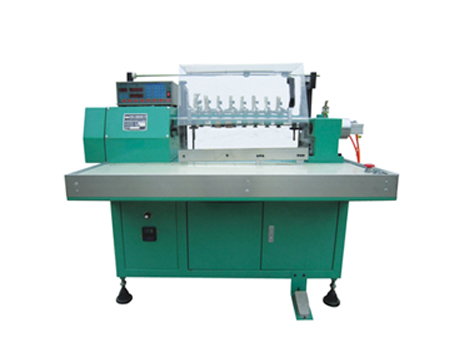
Sourcing high-performance machinery across the Philippine archipelago—from industrial hubs in Calabarzon (Laguna, Batangas, Cavite) to Metro Clark, Cebu, and Cagayan de Oro—requires careful technical evaluation. Procurement teams must move past generic lathes and evaluate dedicated motor rotor fine turning and surface cutting machines designed specifically for laminated electrical steels and copper alloys. This guide highlights the top international and direct factory exporters providing tailored automation to the Philippine market, analyzing core kinematic engineering, component longevity, and localized operating considerations.
The Critical Air-Gap Engineering Challenge
In high-efficiency motor classes (IE3, IE4, and PMSM designs), the magnetic air gap between the stator bore and rotor core is micro-engineered to dimensions often narrower than 0.35 mm. Any radial runout exceeding 0.015 mm or rotor skew resulting from sub-standard turning leads to asymmetric magnetic pull (AMP), destructive radial vibration, premature bearing failure, and elevated harmonic core loss. Precision rotor turning machines mitigate these risks via natural diamond tooling, vibration-damped mineral cast beds, and integrated pneumatic chucking.
HVAC, Electric Fan & Cooler Plants
Widely deployed in Laguna and Bulacan plants for finishing table fan, ceiling fan, and industrial evaporative cooler motor rotors with high cycle consistency and automated cycle loading.
Automotive Alternator & E-Trikes
Essential for commutator skimming and PMSM rotor outer diameter fine turning, ensuring ultra-quiet electromagnetic signatures and minimized brush wear in EV platforms.
Agricultural & Submersible Pumps
Engineered for high-volume turning of corrosion-resistant stainless-clad rotors and heavy silicon laminations powering domestic water pumps and agricultural irrigation pumps.
Rotor Turning Machine Engineering Benchmarks
Comparative mechanical standards for export-grade equipment delivered to Philippine manufacturing zones.
| Evaluation Parameter | Standard Conventional Lathe | Dedicated Automatic Rotor Fine Turning Machine | Production Benefit for Filipino Plants |
|---|---|---|---|
| Spindle Runout Accuracy | ≤ 0.015 mm – 0.025 mm | ≤ 0.003 mm (Dynamic balancing) | Virtually eliminates rotor runout, ensuring zero stator-rub and whisper-quiet motor operation. |
| Tooling System | Tungsten Carbide inserts | Natural Diamond (PCD / CBN) Cutters | Superior Ra 0.4 μm surface roughness, burr-free lamination edges that prevent slot shorting. |
| Cycle Time per Piece | 75 – 120 seconds (Manual load) | 12 – 22 seconds (Automated pneumatic cycle) | Over 400% output boost; addresses factory floor technician shortages in major PEZA zones. |
| Lamination Clamping | Standard mechanical 3-jaw chuck | Dual-center pneumatic axial clamping with shaft guide | Prevents bent shafts and core skew during intense lateral radial cutting forces. |
| Chip / Swarf Management | Open manual tray cleanout | Integrated high-velocity vacuum cyclone extractor | Prevents abrasive silicon iron flakes from contaminating bearings and machine guideways. |
Key Market Drivers & Modern Trends in the Philippines
How localized regulatory frameworks and factory modernizations shape equipment choices.
The manufacturing terrain in the Philippines is evolving along three defining trajectories:
1. Strict Compliance with the Philippine Energy Labeling Program (PELP): The Department of Energy (DOE) is rigorously enforcing higher Minimum Energy Performance (MEP) levels on split-type air conditioners, refrigerators, and electric fans. Because air-gap irregularities are a prime source of parasitic eddy current and stray load losses, motor manufacturers are shifting to dedicated high-precision turning equipment to achieve higher efficiency ratings without skyrocketing raw material costs.
2. Resilience Under High Ambient Temperatures and Humidity: The tropical environment of the Philippines poses severe challenges for automated equipment. Industrial facilities in Cavite, Batangas, and Cebu frequently encounter high humidity and corrosive salt-air conditions. Forward-thinking equipment exporters incorporate tropicalized IP54/IP65 electrical cabinets, zinc-nickel anticorrosion plating on structural components, and closed-loop cabinet heat exchangers to stop premature PLC component oxidation.
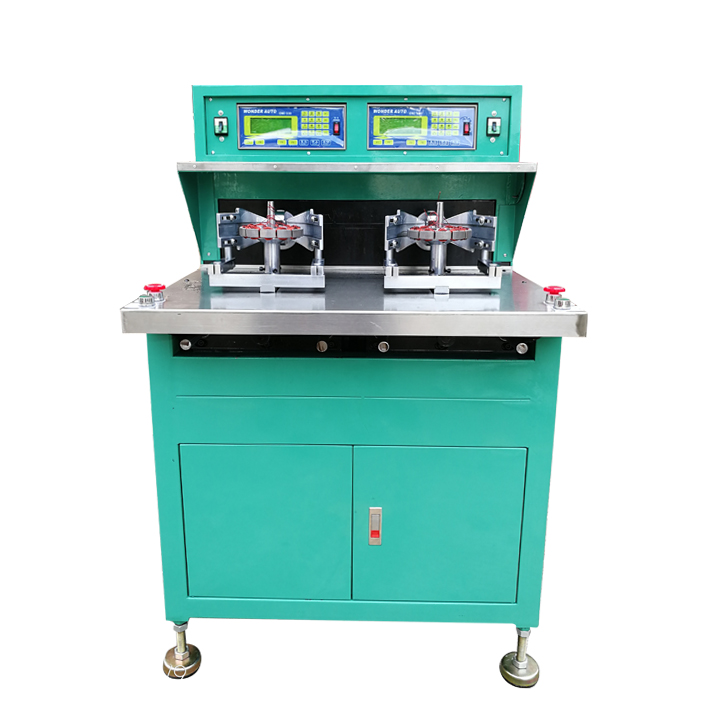
3. Transition from Decentralized Machines to Turnkey Stator/Rotor Lines: Filipino operations are phasing out fragmented machinery fleets in favor of synchronized production lines. Procuring matching equipment—from slot insulation inserting and high-speed coil winding to dual-station coil lacing, wedge inserting, and final rotor turning—ensures seamless line balancing, unified PLC ladder architectures, and single-source spare parts replenishment.
Why Partner with Zunqi Intelligent Equipment
17 Years of Dedicated Motor Automation Engineering Exported Directly from Dongguan to the Philippines
Custom Tooling to Your Spec
We do not sell rigid standard machines. Coil formers, inserting tooling, and rotor lathe holding centers are custom-machined directly to your motor drawing or physical rotor sample with full verification.
Pre-Shipment Video Trial Runs
Every rotor turning machine is put through rigorous trial production runs at our Dongguan facility using your actual sample cores. Comprehensive parameter reports and full HD running videos are submitted prior to crating.
Configurable Global Controls
Electrical control architecture can be fully tailored to your plant's standard maintenance inventory—including Siemens, Mitsubishi, Omron, Delta, or Schneider PLCs, paired with Airtac or SMC pneumatics.
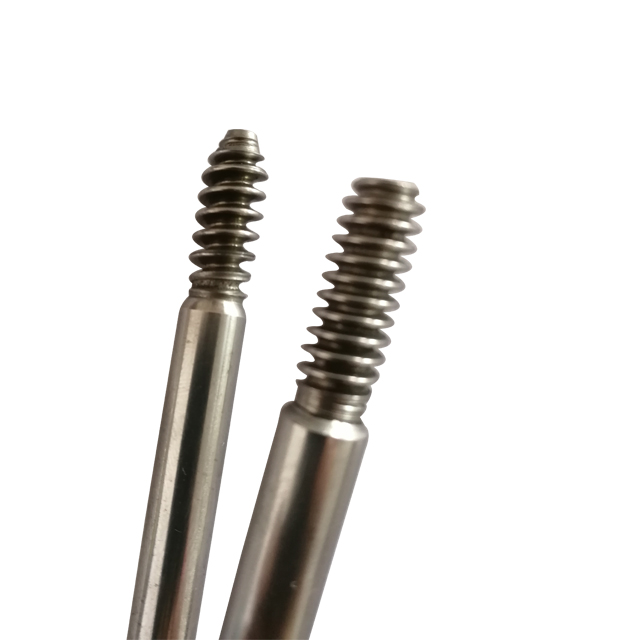
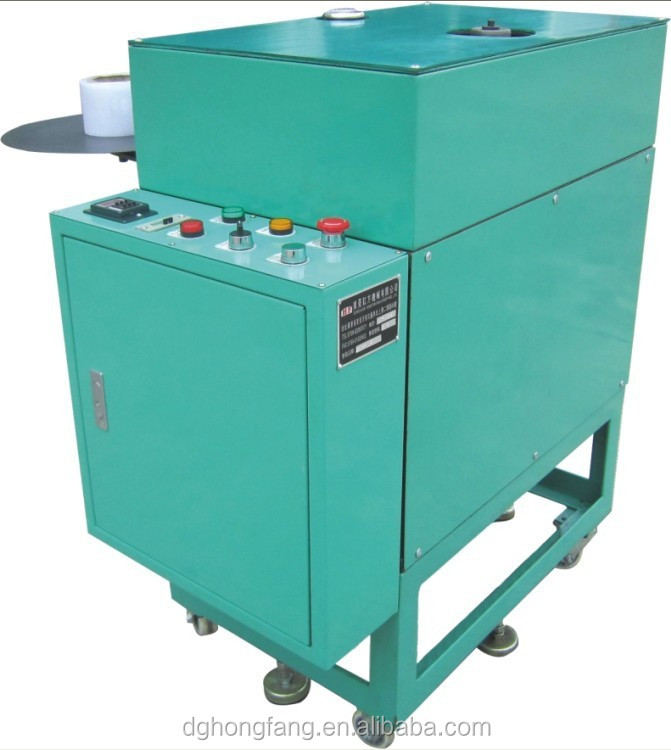
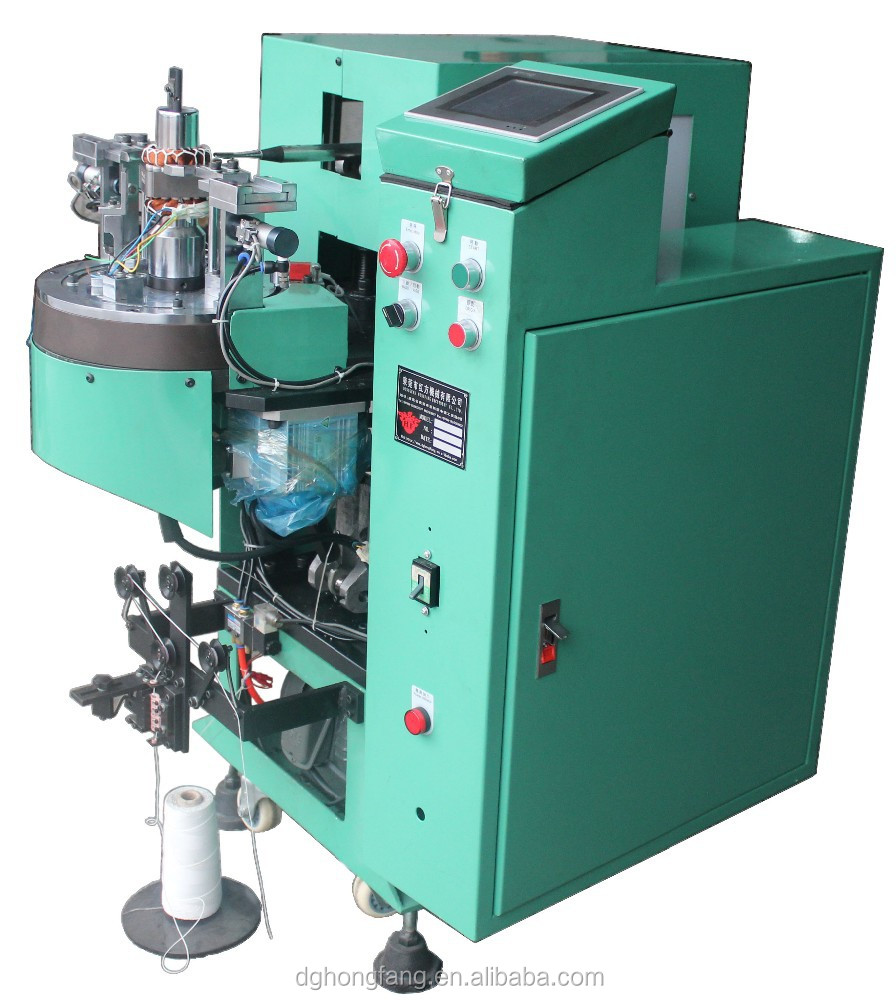
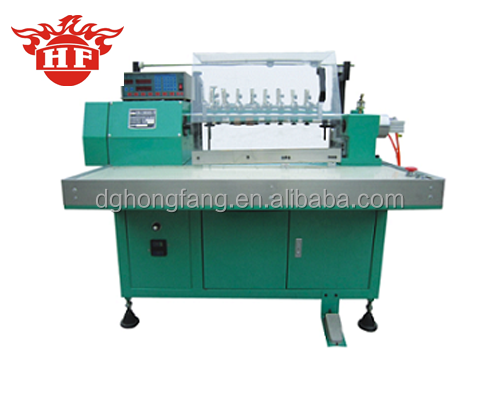
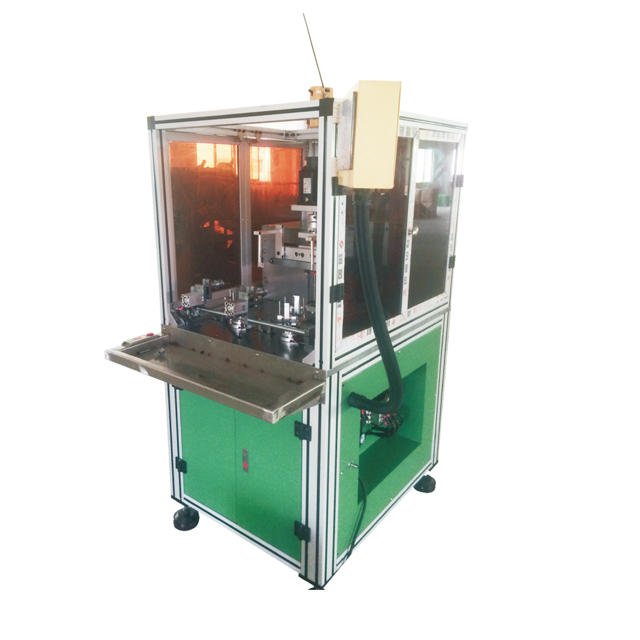
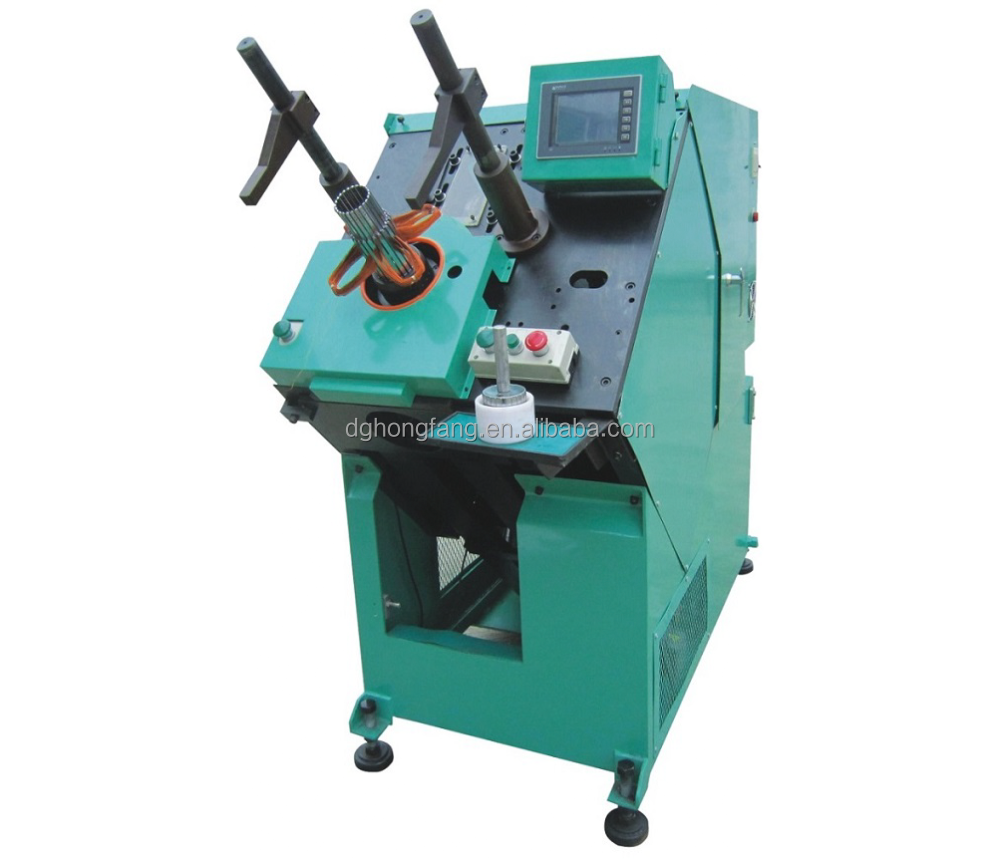
Zunqi Intelligent Equipment Co., Ltd. operates from Qishi Town, Dongguan—at the core of South China's premier advanced motor equipment manufacturing belt. Supported by an engineering team of 51 to 100 professionals and generating US$2.5M to US$5M in annual trade volume, Zunqi has supplied motor manufacturing automation across Southeast Asia, the Middle East, Europe, and the Americas for over 17 years. Our equipment range covers the entire motor production cycle: from internal and outer stator coil winding machines, insulation paper inserters, and coil & wedge inserting machines, to hydraulic coil forming presses, single/double-side coil lacing systems, automatic rotor fine turning equipment, and precision rotor shaft pressing units.
Frequently Asked Questions by Philippine Machinery Buyers
Real-world engineering, electrical, and commercial answers for plant managers and procurement teams.
Q. What electrical voltage configurations are supplied for the Philippines?
While mainland China uses 220V 50Hz or 380V 50Hz, the Philippines typically operates on 220V 60Hz single-phase or 220V / 440V 60Hz 3-phase power. All Zunqi rotor turning and winding machines are built with genuine 60Hz frequency-rated servo systems, transformers, and inverter drives to prevent overheating and erratic clock timing on your factory floor.
Q. What is the Minimum Order Quantity (MOQ) and delivery lead time?
Our MOQ is 1 complete set for all rotor turning, coil winding, paper inserting, and lacing machines. Standard customized machine manufacturing lead time is 25 to 35 business days. Transit time via ocean freight from Shenzhen or Guangzhou ports to Manila (North/South Harbor) or Cebu Port is typically just 4 to 8 days.
Q. How do you provide installation, operator training, and local after-sales service?
Every unit arrives with comprehensive English operating manuals, PLC circuit schematics, and interactive video setup walkthroughs. For full production lines, our field service engineers can be dispatched to your facility in the Philippines for installation and commissioning. Daily technical inquiries are answered via live remote video by senior engineers within 9 hours.
Q. How are the machines crated to withstand maritime transit and humid warehouse conditions?
Every rotor machine undergoes thorough degreasing, followed by heavy application of anti-corrosion grease and vacuum-sealed VCI (Vapor Corrosion Inhibitor) plastic wrapping. The machine is bolted securely to heavy skid bases and encased in solid, fumigation-free export plywood crates that fully protect against salt spray and moisture throughout sea transport.
Ready to Modernize Your Motor Rotor Production Line?
Send us your rotor dimensional drawings, core lamination stack heights, and target hourly output. Our engineering team will review your specifications and supply a comprehensive technical proposal within 9 hours.
Contact Us