17+
Years Precision Exporting
0.4-0.7s
Dual-Side Lacing Pitch Cycle
≤ 9h
Global Engineering Response
2,558m
Altitude Optimized De-rating
High-Efficiency Stator Line Equipment for Cochabamba
Explore our industrial stator fabrication and coil-lacing inventory engineered with multi-axis PLC logic, tailored specifically for extreme mechanical stability and high-altitude thermal dissipations.
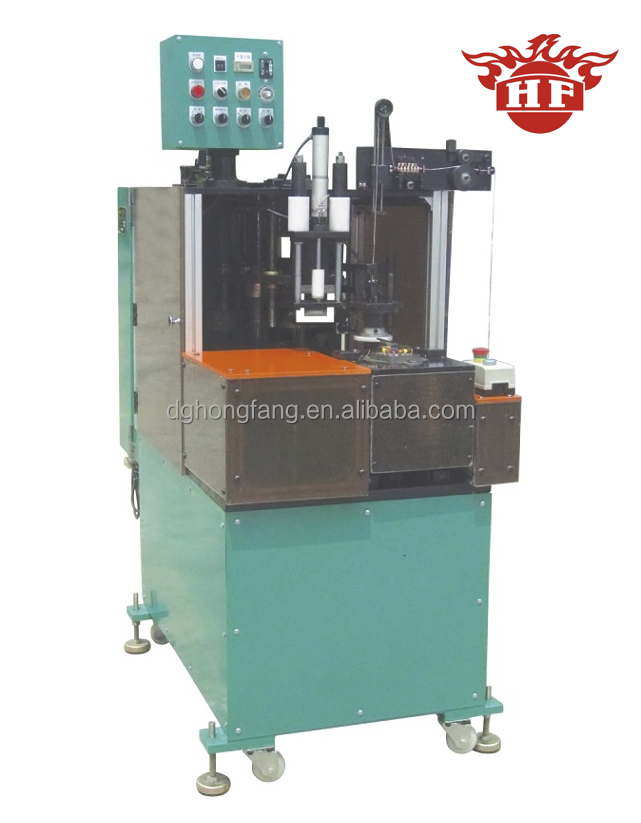
HF-BS20 Servo Automatic Double Side Coil Lacing Machine
- Dual-end simultaneous binding
- 1000W 220V Servo System
- Adjustable tensioning transducer
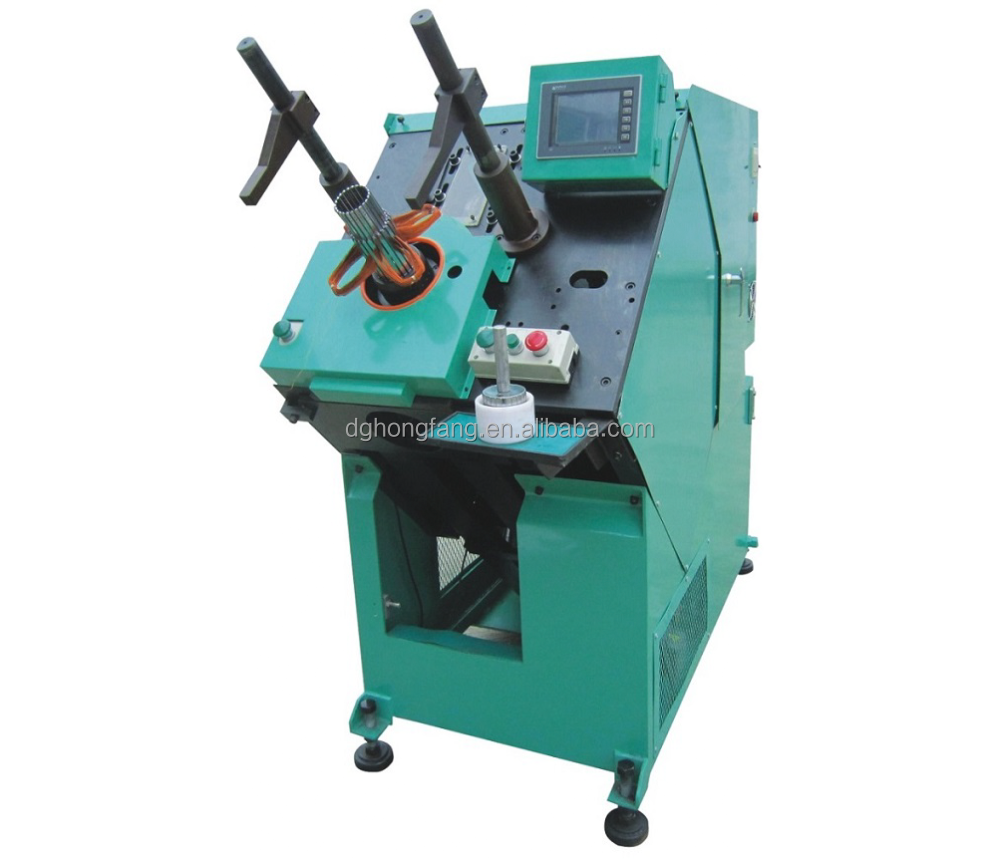
Automatic Servo Stator Coil & Wedge Inserting Machine
- Single-stroke simultaneous push
- High slot fill rate compliance
- Fully programmable index stroke
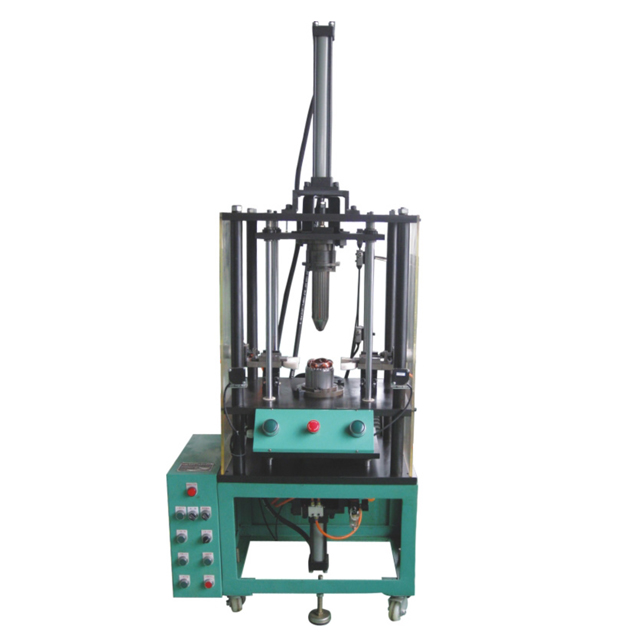
HONGFANG Motor Stator Coil Forming & Shaping Machine
- 1 kW hydraulic/pneumatic unit
- Eliminates overhang eccentricity
- 1 Year Global Quality Warranty
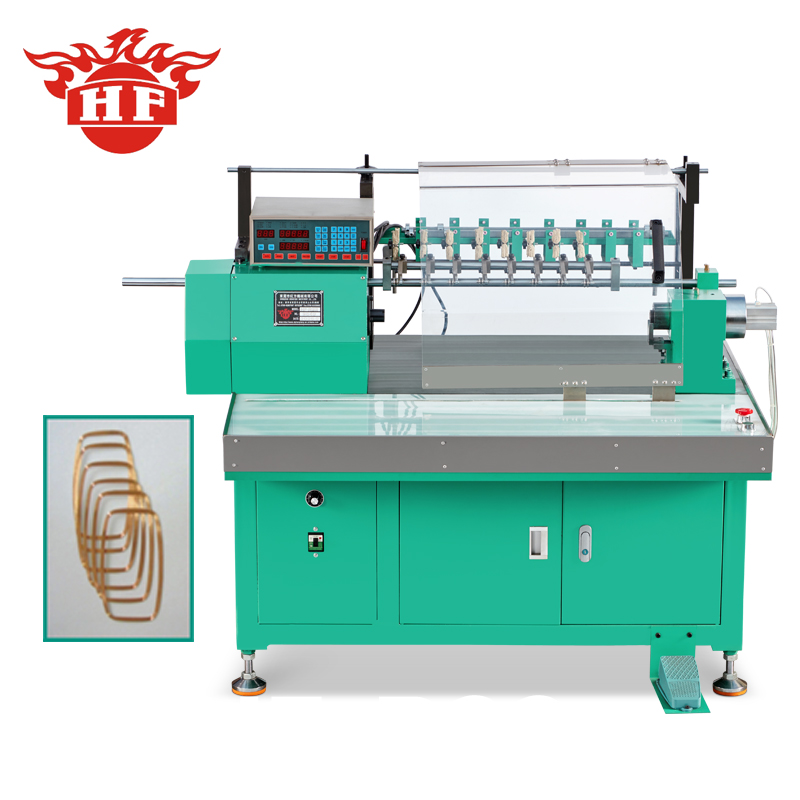
HF-R22 Semi-Automatic 8-Heads Coil Winding Machine
- 8 winding heads for volume loops
- Fan, cooler & water pump coils
- Wire range: 0.1mm - 1.2mm
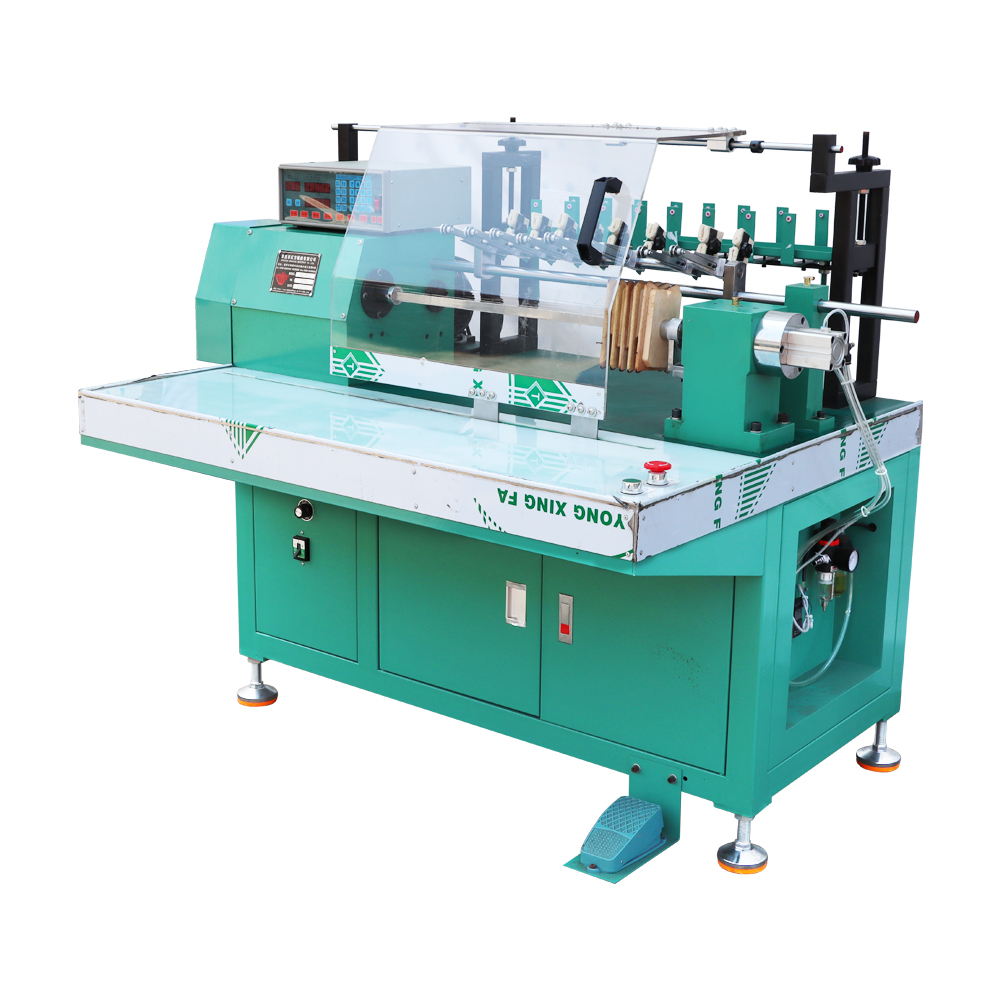
Automatic Stator Coil Winder for Copper/Aluminum
- Single Phase 220V versatility
- Wire Gauge 0.1-1.2mm handling
- Automated tension micro-tuning
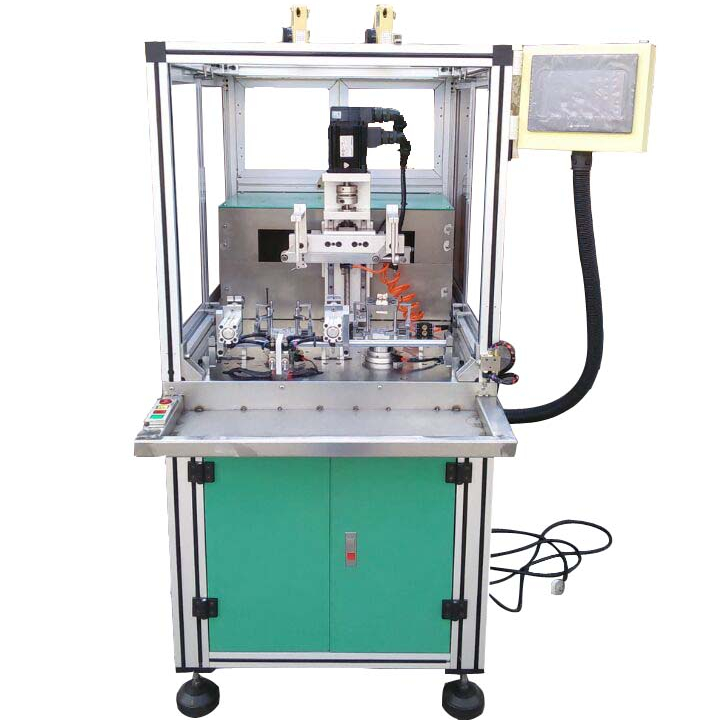
Two Stations Outer Stator & Transformer Winder
- Independent 2-station operation
- High slot-fill transformer support
- Integrated micro-indexer
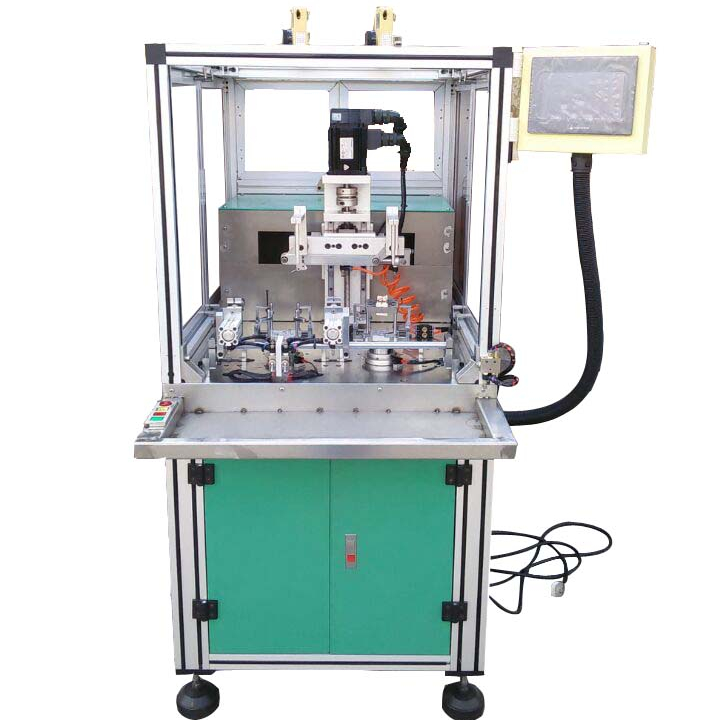
High-Speed Rotor Armature Winding Machine
- Fly-fork dual flyer dynamic wind
- Auto-hooking commutator unit
- Fast tooling quick-change chuck
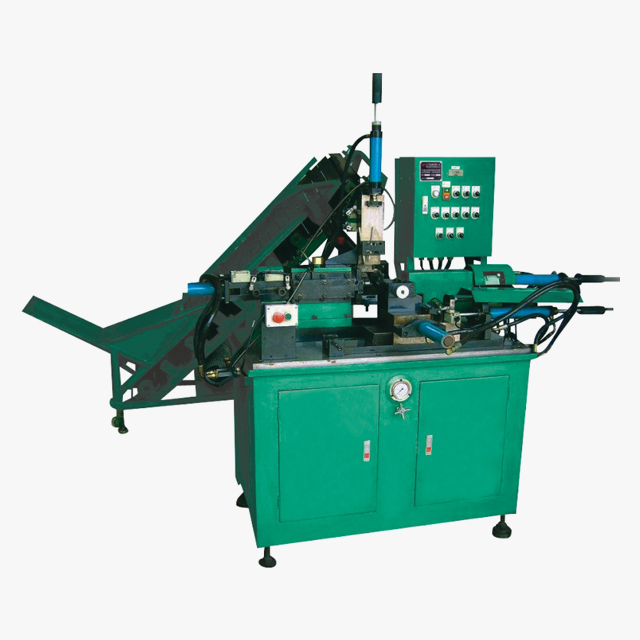
Rotor Rough Turning & Surface Cutting Machine
- Precision air-gap concentricity
- PLC engine gear core parts
- Auto chip clearance tray
Stator Lacing Engineering Challenges in the Cochabamba Valley
Analyzing aerodynamic de-rating, agricultural pumping demands, and light-manufacturing constraints across Bolivia's industrial heartland.
High-Altitude Air Thinning
Sitting at approximately 2,558 meters above sea level, Cochabamba exhibits significantly lower atmospheric air density. Motors deployed in local workshops and agricultural valleys suffer from reduced convective cooling. Loose or manually-tied stator end-turns expand non-uniformly under thermal spikes, triggering friction with internal housings. Our automatic double-side lacing machines deploy rigid servo tensioning (5N to 45N continuously monitored), compacting end coils to optimize laminar heat release and prevent dielectric flashover.
Deep-Well Irrigation Pumps
The agricultural belt surrounding Cochabamba (Valle Alto and Valle Bajo) relies intensely on submersible and centrifugal water pumps operating under fluctuating voltages. Single-side bound coils frequently shift during sudden hydraulic back-pressures and electrical brownouts. Utilizing dual-side lacing ensures mechanical rigidity across both sides of the stator core, guaranteeing that phase-to-phase insulation papers remain pinned exactly inside stator slots without micro-fretting damage.
Copper-to-Aluminum Transition
Faced with fluctuating import tariffs and copper pricing, motor rebuilders and OEMs in Cochabamba are adopting enameled aluminum wire for standard ceiling fans and evaporative cooler stators. Aluminum possesses lower tensile yield strengths and a higher coefficient of thermal expansion. Zunqi's specialized needle traversing mechanisms completely eliminate notch stress or scraping of thin polyurethane-enameled coatings during aggressive knot-tying sequences.
Localization Trends in Cochabamba’s Electromechanical Sector
How automation is transforming local rewind workshops into high-precision motor manufacturing cells.
Historically, the electromechanical industrial ecosystem in Cochabamba and Santa Cruz depended heavily on completely assembled motor imports or traditional hand-wound artisan rewinding. However, recent economic policies encouraging domestic value addition, coupled with logistical delays via the Pacific ports of Arica and Iquique, have spurred a strategic shift toward localized component manufacturing. Local enterprises are increasingly retrofitting semi-automated production lines capable of producing IEC-standard industrial motors and fractional horsepower residential motors within municipal industrial parks (such as the Parque Industrial Santiváñez).
The primary bottleneck identified in Bolivian factories has consistently been manual end-turn lacing. A skilled operator takes anywhere from 6 to 12 minutes to hand-lace a 24-slot medium-frame stator. An automatic double-sided stator coil lacing machine compresses this cycle to under 15 seconds, while maintaining zero variation in knot tension and pitch geometry. As factory operators upgrade toward automated production chains encompassing slot insulation, automatic winding, and dual-side lacing, overall shop-floor capacity grows by over 400%, directly mitigating skilled labor shortages and elevating product qualification under Bolivian IBNORCA standards.
Why Cochabamba Engineering Buyers Partner with Zunqi
Combining Dongguan's precision electromechanical engineering supply chain with direct export guarantees.
Onsite Audited Facility
Zunqi Intelligent Equipment operates out of Qishi Town, Dongguan, spanning audited engineering premises with verified annual export capacity of US$2.5M to US$5M.
Custom CNC Tooling
Tooling plates, lacing fingers, and clamping jaws are fabricated directly to customer stator drawings or physical specimens sent from Bolivia prior to freight dispatch.
17+ Years Export Track Record
Serving global electric motor manufacturers across Latin America, Southeast Asia, and Europe with a verified response window of ≤ 9 hours.
Complete Turnkey Integration
End-to-end synchronized equipment matching: from paper slot insulation and multi-station coil winding to coil inserting, shaping, and dual-side lacing.
Configurable Industrial Components (Familiar to Bolivian Maintenance Engineers)
Frequently Asked Questions by Cochabamba Buyers
Key considerations on electrical configurations, tooling lead times, customs clearance, and high-altitude operation.
Does the double-side stator coil lacing machine support Cochabamba’s local voltage and frequency?
Yes. In Cochabamba and throughout Bolivia, residential and light-commercial grids operate at 220V single-phase / 380V three-phase at 50 Hz. Standard Chinese stock machinery operates at 50Hz, meaning our servo systems and induction drive gearboxes run at native cycle speeds without frequency discrepancies or artificial overheating. We calibrate transformer taps and PLC power supplies to ensure continuous tolerance during local grid voltage sags of ±10%.
How do you verify tooling accuracy before shipping to Bolivia?
We require the buyer to submit a detailed stator lamination drawing indicating slot width, stack height, bore inner diameter (ID), outer diameter (OD), and coil head extension tolerances. Whenever feasible, Cochabamba clients courier two sample un-wound stator cores and a pre-wound sample to our Dongguan facility. We test-lace the actual part, shoot an unedited full-cycle video including micrometer validation of end-turn dimensions, and receive formal digital sign-off prior to crating.
What is the typical shipping route and port clearance procedure for Cochabamba?
Because Bolivia is a landlocked nation, seafreight originating from Shenzhen or Guangzhou ports is routed via ocean container lines directly to the Port of Arica or Port of Iquique in Chile. From there, your appointed customs agency (Agencia Despachante de Aduana) coordinates bonded overland transit through Tambo Quemado or Pisiga directly to Aduana Interior Cochabamba. We supply comprehensive commercial invoices, stamped packing lists with exact gross weights, HS code documentation, and Certificate of Origin (Form A) to ensure swift customs clearance.
Can this single machine handle different stator stack heights and slot numbers?
Yes. The HF-BS20 and related servo lacing units feature fully modular height-adjusting guide pillars and digital servo indexing. Changing stator stack heights within a 10mm to 120mm range requires only a quick manual adjustment and digital height input on the HMI touchscreen. Changing stator diameter or slot count (e.g., from 16-slot fan stators to 24-slot or 36-slot industrial stators) involves replacing the core clamping fixture plate, which takes approximately 15 to 20 minutes.
What lacing patterns can be programmed into the touch interface?
The unit features pre-configured algorithm modes: slot-by-slot lacing, interval-slot lacing (skip-stitching), and custom programmable group lacing. Operators can also program distinct binding knot styles at the initial tie and final termination point. Tension sensors dynamically compensate as the lacing cord bobbin depletes, ensuring identical tightness across all quadrants.
What warranty and wear-parts availability do you offer for Cochabamba operations?
All machines carry a complete 1-year manufacturer warranty covering PLC controllers, servo motors, touchscreens, and main transmission bearings. Every machine ships with an export consumable kit containing replacement lacing needles, hooking knives, wire guide sleeves, and timing belts. Additional components can be dispatched via DHL/FedEx directly to Jorge Wilstermann International Airport in Cochabamba within 4 to 6 business days.
Modernize Your Motor Stator Manufacturing Line
Equip your workshop with industry-proven automatic stator coil winding, inserting, forming, and double-side lacing machinery. Direct factory pricing with complete technical validation.
Get Catalog