Industrial Motor Machinery Direct Export

Top 10 Automatic Coil Forming Machine Factory & Supplier in Santa Cruz de la Sierra

Delivering factory-engineered stator winding, intermediate forming, slot insulating, and rotor precision tooling directly to Bolivia's primary industrial and agro-processing corridor.

Direct From Manufacturer

Essential Stator & Rotor Fabrication Equipment

Proven heavy-duty automated machinery pre-configured for export with modular tooling, robust PLC processing, and multi-voltage compatibility (220V/380V 50Hz/60Hz).
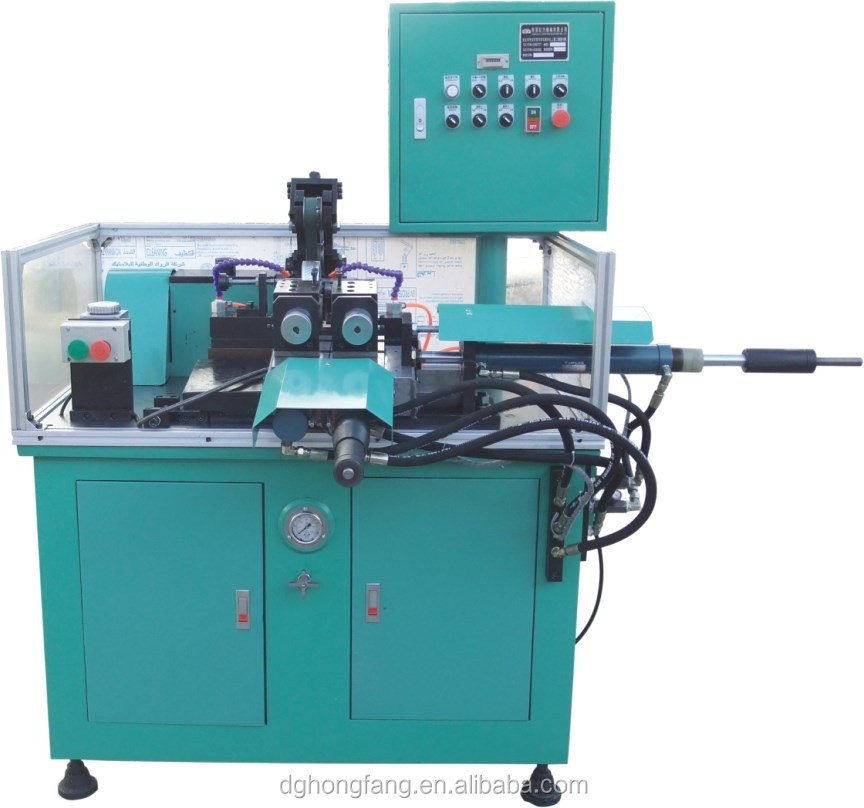
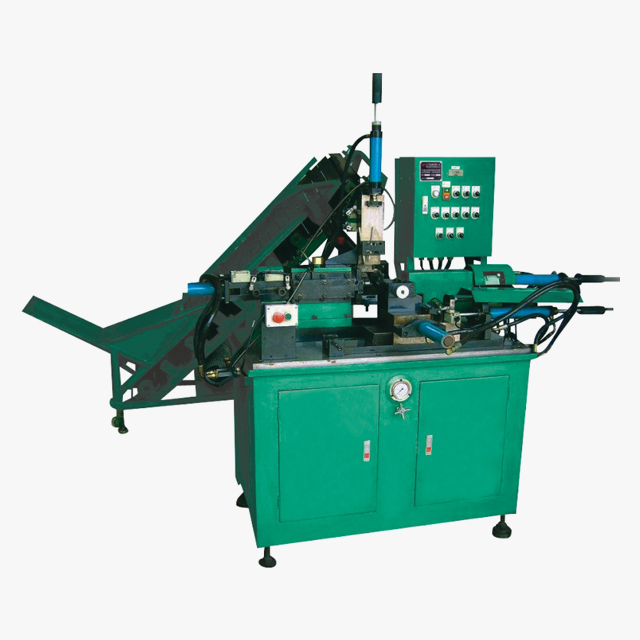
Rough Turning Fan Motor Rotor Rough Turning Surface Cutting Machine

Fan Motor Rotor Rough Turning & Surface Cutting Machine

  • Integrated gear PLC core
  • High concentricity finish
View Details
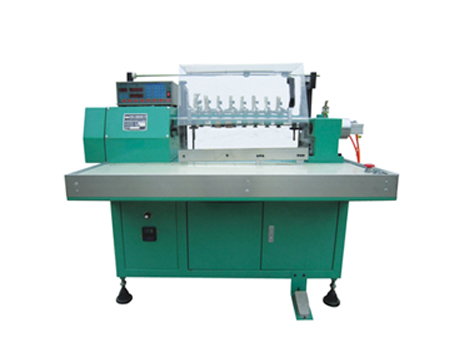
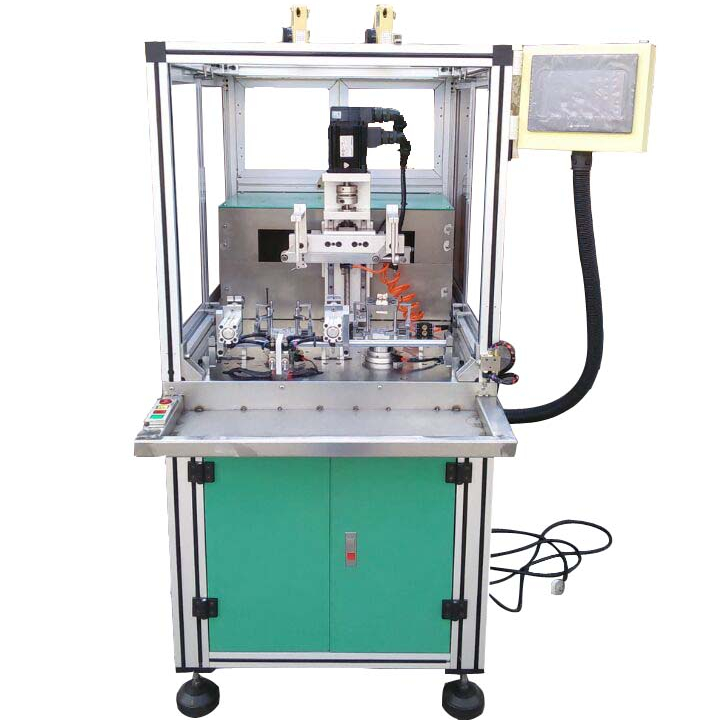
Fully Automatic Fully Automatic Motor Coil Winding Machine

New Fully Automatic Motor Coil Winding Machine 220V

  • High efficiency coil maker
  • Manufacturing plant duty
View Details
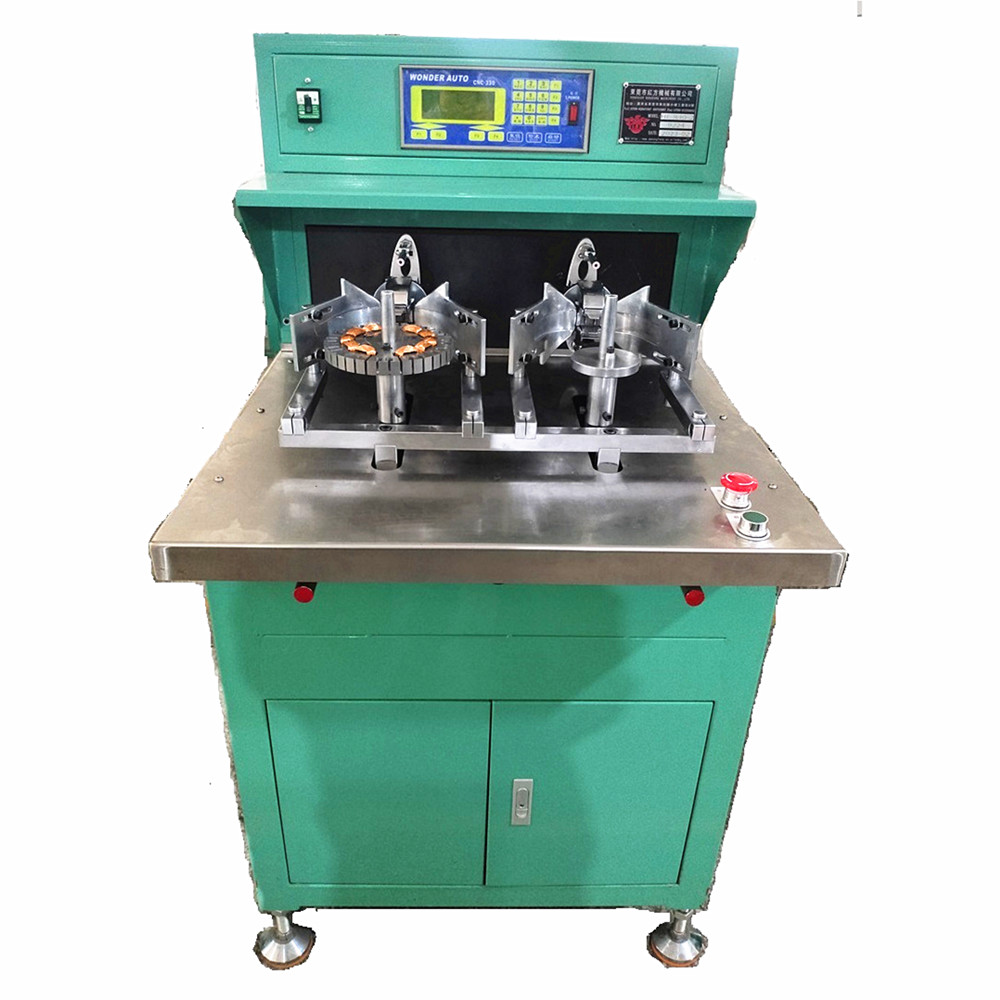
2 Stations Two Stations Transformer and Stator Coil Winding Machine

Two Stations Outer Stator Motor Coil Winding Machine

  • Dual station efficiency
  • Transformer & outer stator
View Details
Turning & Casting Fan Motor Rotor Turning and Casting Machine

HF Fan Motor Rotor Turning & Casting Machine with PLC

  • Precision pump components
  • Aluminum surface cutting
View Details
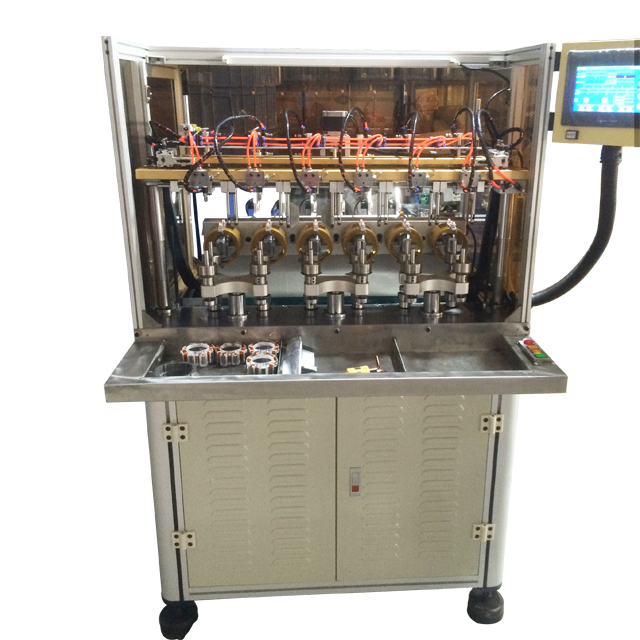
6 Stations Six Stations Outer Stator Motor Coil Winding Machine

Six Stations Outer Stator Coil Winding Machine Automatic

  • Continuous rotary index
  • High volume production
View Details
Cooler Motors Electrical Motor Stator Coil Winding Machine for Cooler Motor

Electrical Motor Stator Coil Winding Machine for Cooler Motors

  • Heavy duty wire guides
  • Optimized slot fill ratio
View Details
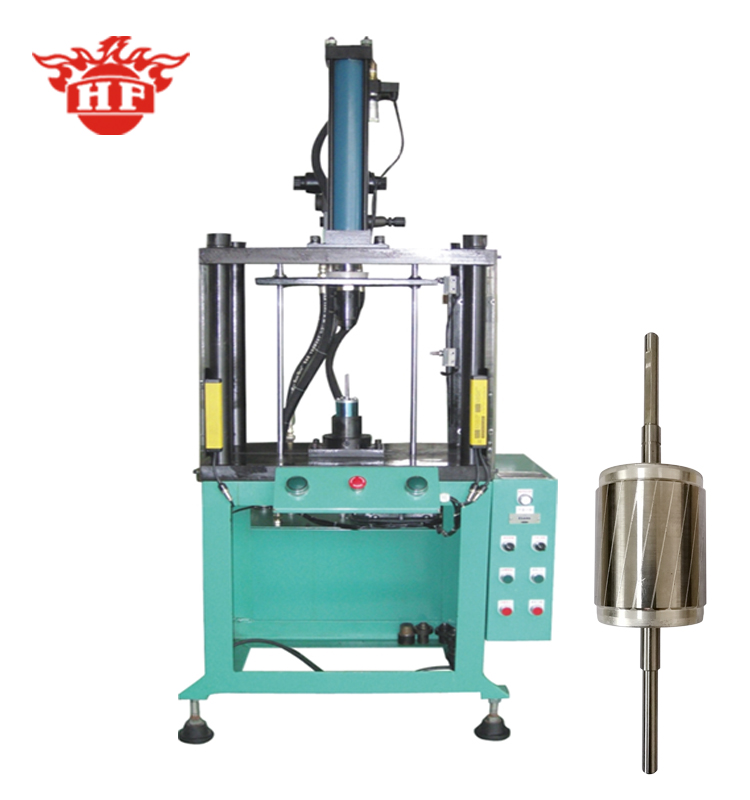
Hydraulic Fit Rotor and Shaft Inserting Hydraulic Press Machine

HF-W50 Rotor and Shaft Inserting Hydraulic Press Machine

  • Controlled interference force
  • Protects bearing journal
View Details
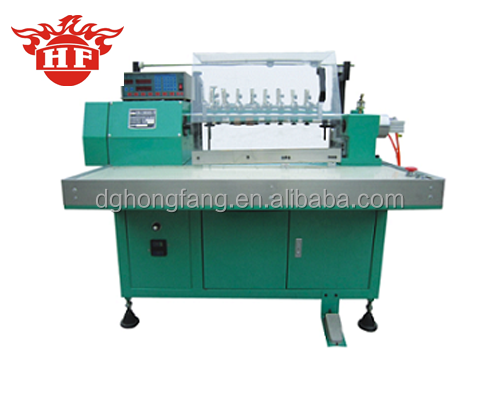
Ceiling Fan HF-R40-2C Ceiling Fan Motor Coil Winding Machine

HF-R40-2C Automatic Ceiling Fan Motor Coil Winding Machine

  • Two-station stator tooling
  • Microprocessor controller
View Details
17+
Years Export Experience
≤9h
Technical Response Time
1 Set
Low Minimum Order (MOQ)
100%
Factory Pre-Shipment Tested

1. Technical Whitepaper: Automatic Coil Forming Precision in Electromechanical Manufacturing

In electric motor manufacturing, the coil forming process stands as a pivotal determinant of dielectric integrity, electromagnetic balance, and total machine longevity. Automatic coil forming machines—comprising intermediate expanding, end-turn shaping, and final coil head calibration units—ensure that wound stators retain optimal geometry without damaging the magnet wire's thin polyester-imide insulation varnish. When stator coils are inserted into laminated silicon steel slots via an automatic wedge and coil inserting machine, the end-turns flare outward irregularly. If these end windings are not systematically formed under controlled multi-axis hydraulic or servo pressure, three critical production failures inevitably occur: primary grounding faults caused by coil abrasions against the housing end bells, inter-turn phase shorts induced by severe wire pinching, and uneven lacing tension during subsequent automated binding.

Modern industrial formers utilize expandable inner expansion segments, outer diameter compressing jaws, and vertical crowning dies that work in a synchronized three-dimensional motion. This mechanical orchestration compresses the stator coil loop dimensions to precise mechanical drawings, preserving the interior rotor bore clearance while compacting the winding pack to minimize internal electrical resistance and copper loss. By implementing automated cycle parameters via industrial PLCs, manufacturers eliminate the manual mallet-and-block hammering traditionally observed in remanufacturing shops, standardizing coil height tolerances within ±0.35 mm across thousands of consecutive production cycles.

2. Localized Industrial Landscape: Santa Cruz de la Sierra as Bolivia’s Electromechanical Hub

Santa Cruz de la Sierra is the economic engine of Bolivia, responsible for over 70% of the nation's agro-industrial output and light-to-medium machinery fabrication. Unlike the high-altitude Andean plateau, the department of Santa Cruz features a tropical and subtropical climate characterized by sustained elevated humidity, seasonal high ambient temperatures, and massive agribusiness infrastructure. Key economic activities located across the Parque Industrial Ramón Darío Gutiérrez, the Warnes Industrial Zone, and the expanding Parque Industrial Latinoamericano (PILAT) create intensive localized demand for reliable electric motors.

The operational context in Santa Cruz de la Sierra imposes rigorous physical conditions on electric drive systems:

  • Continuous Agro-Industrial Milling & Processing: Massive processing facilities for soy, sunflower, sugarcane ethanol refineries (such as Ingenio San Aurelio and Guabirá), and feed mills require heavy-duty three-phase induction motors (ranging from 1.5 kW to 315 kW) running 24/7. Dust accumulation, chemical residues from bagasse, and ambient heat demand tightly formed and laced stator end-turns that withstand aggressive thermal expansion without cracking winding resins.
  • Agricultural Pumping & Irrigation Systems: The intensive agricultural expanses of the Gran Chaco and Chiquitanía agricultural frontiers rely heavily on submersible multi-stage water pumps and axial irrigation drives. Motors in these units operate under high hydrostatic heads; improper coil forming leads to insulation displacement, moisture penetration along slot wedges, and rapid catastrophic phase breakdown.
  • Commercial Refrigeration & Agro-Logistics: With Santa Cruz acting as the meat and poultry supply center for Bolivia and export trade routes through the Southern Common Market (MERCOSUR), cold chains require hundreds of fan, compressor, and blower motors. The demand for localized repair, rewind, and OEM assembly of cooler and ventilation motors has outgrown manual workshops.

3. Modernization Trends in Santa Cruz’s Industrial Clusters

Historically, electromechanical maintenance in Santa Cruz de la Sierra has depended upon artisanal rewinding workshops clustered along the third and fourth rings of the city. Skilled winding technicians manually hammered copper windings into salvaged cores and hand-tied stator coils with cotton tape. However, the severe shortage of specialized manual artisans, coupled with the arrival of automated production protocols in newly constructed factories within PILAT, has catalyzed an undeniable shift toward computerized automation.

Today, industrial engineering managers in Santa Cruz are transitioning toward semi-automatic and fully automatic stator preparation cells. This strategic shift is driven by three factors: the local imperative to adopt energy-efficient motor standards (comparable to IEC IE2 and IE3 efficiency standards), the necessity to reduce manufacturing lead times for seasonal harvest equipment overhauls, and the rapid growth of localized ceiling and ventilating fan assembly plants seeking to substitute high-tariff imported completed appliances with locally coiled assemblies.

Engineering Specifications

Industrial Stator Line Technical Parameters

Review key technical data to brief your engineering team before issuing a request for quotation.

Equipment Category Core Application Stator OD / Stack Height Wire Gauge Compatibility Control & Drive Core
Coil Forming Machine (Hydraulic) Pre-forming & final sizing of coil heads OD: 40–160 mm / Stack: 15–120 mm Enamelled Cu / Al 0.15–1.40 mm Hydraulic Power Unit + PLC
Automatic Stator Winding Machine Multi-station internal / external winding OD: 30–140 mm / Stack: 10–90 mm Wire: 0.10–1.20 mm Servo Motor + Programmable PLC
Coil & Wedge Inserting Machine Single-stroke coil pack & wedge push ID: 25–120 mm / Stack: 15–160 mm Slot liners: DMD, NMN, Polyester film Cam mechanical link / Servo
Rotor Surface Fine Turning Lathe Outer diameter profiling and air gap cut Core OD: 20–120 mm / Length to 250 mm Cast aluminum & steel laminations PLC + Integrated Flood Coolant Pump
Rotor Shaft Hydraulic Press Interference insertion of motor shaft Shaft diam: 8–35 mm / Force: 2–5 Tons SC45# low carbon / stainless steels Adjustable limit pressure manifold
Factory Qualifications

Engineered for Global Factory Operations

From custom stator tooling engineering in Dongguan to reliable sea shipment arriving through South American trade corridors.

Custom Tooling to Stator Drawing

Every set of forming dies, inserting fingers, and winding fixtures is CNC-milled specifically to your lamination stack drawings or physical stator sample, ensuring perfect fits from day one.

Standardized Global Control Platforms

We assemble control panels using globally serviceable components (Siemens, Mitsubishi, Delta, Schneider, Airtac), allowing plant maintenance teams in Santa Cruz to source wear items locally.

Pre-Shipment Sample Test Runs

Before any crating occurs, your machine processes real sample stators inside our Dongguan testing bay. Video documentation and dimensional inspection sheets are shared for technical signoff.

Tropical Anti-Corrosion Export Crating

Equipment is sealed with moisture-blocking VCI poly wrap, anti-rust protective wax, and bolted firmly to structural bases inside fumigation-free solid plywood sea-freight cases.

Prompt <9h Technical Engineering Response

Our multilingual engineers bridge time zones with prompt diagnostic feedback, remote wiring support, parameter backup archives, and expedited air shipment of high-wear components.

Turnkey Synchronized Process Flow

Beyond single units, we provide complete, cycle-time-matched stator lines: slot insulation paper insertion, automatic winding, coil/wedge insertion, hydraulic forming, and dual-side lacing.

Hardware Reliability

Integrated World-Class Control Architecture

Choose the control, pneumatic, and servo drive brands your plant technicians prefer for seamless factory maintenance.

Siemens
Mitsubishi
Schneider
Delta
Omron
Panasonic
Yaskawa
Inovance
SMC
Airtac
Procurement Guidance

Frequently Asked Questions for Buyers in Santa Cruz

Technical, logistical, and electrical specifications addressed for Bolivian importers and manufacturing engineers.

What electrical power configurations are supported for plants in Santa Cruz de la Sierra?
In Santa Cruz de la Sierra, the commercial and domestic grid operates at 220V 50Hz single-phase, while medium and heavy manufacturing facilities in the Parque Industrial and Warnes clusters rely on 380V 50Hz three-phase supply (with some facilities operating step-down transformers at 220V three-phase). Our machines are engineered to order with power transformers and servo motors pre-configured to your plant's exact measured incoming line voltage and frequency.
How does international shipping and customs clearance operate for deliveries to Bolivia?
Because Bolivia is landlocked, containerized ocean shipments travel from Chinese ports (Shenzhen/Guangzhou) to the Pacific transshipment ports of Arica or Iquique in northern Chile. From there, your local freight forwarder or customs broker (Agencia Despachante de Aduana) coordinates bonded overland transit through Tambo Quemado or Pisiga straight to the Aduana Nacional interior depot in Santa Cruz (Aduana Interior Santa Cruz). We supply complete commercial documentation, including verified packing lists, commercial invoices, bill of lading (B/L), and certificate of origin.
Can your machinery handle both copper and aluminum magnet wire?
Yes. Given dynamic copper prices, several fan motor and small appliance manufacturers in South America utilize enamelled aluminum wire to optimize unit costs. Aluminum wire has lower tensile strength and is more susceptible to surface scratching; therefore, our machines utilize ceramic wire guide nozzles, tension release mechanisms, and polished forming dies to protect wire coatings during winding and expanding.
What is the minimum order quantity (MOQ) and production lead time?
Our minimum order quantity is 1 complete set for any machine series (forming, winding, inserting, lacing, or turning). Standard machine models with universal tooling are typically built and tested within 20 to 30 business days. Custom stator tooling manufactured directly to your proprietary core dimensions typically requires 30 to 45 business days including full prototype trial winding.
How do you support machine setup, calibration, and technician training remotely?
Each unit is shipped pre-programmed with intuitive touchscreen interfaces in English (Spanish screen labels can be loaded upon request). We provide high-resolution, step-by-step video training for electrical hookup, mechanical zero-point calibration, tooling swap, and PLC parameter adjustments. Our engineering team is accessible via remote video calling during commissioning, accompanied by wiring schematics and an essential wear-parts spare kit.

Upgrade Your Motor Manufacturing Line Today

Send our senior engineering team your stator lamination drawings, coil turns, and required output units per hour. We formulate complete line proposals within 9 hours.

Get a Quote