Engineering Superiority: Stator Winding Shaping Architecture for Trujillo's Industrial Motor Sector
In electric motor manufacturing and rewinding, stator coil shaping (also referred to as coil head forming or overhang sizing) is the pivotal production stage where electrical geometry meets mechanical envelope constraints. In the Trujillo regional industrial circuit—encompassing agro-exporting pumping stations, sugarcane processing plants in the Chicama Valley, and municipal wastewater grids—motors operate under severe cyclic thermal and mechanical stresses. For manufacturing plants and motor overhaul facilities in La Libertad, achieving optimal slot fill factors while eliminating end-turn coil overhang distortion is essential to prevent insulation breakdown, flashover faults, and premature motor failure.
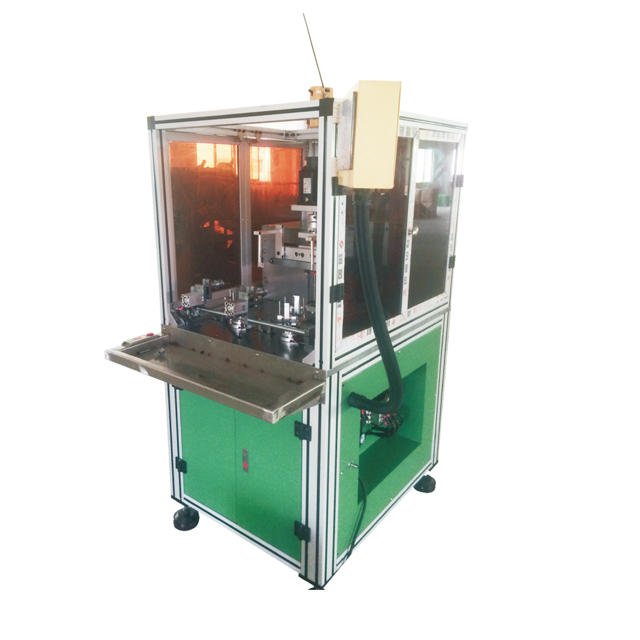
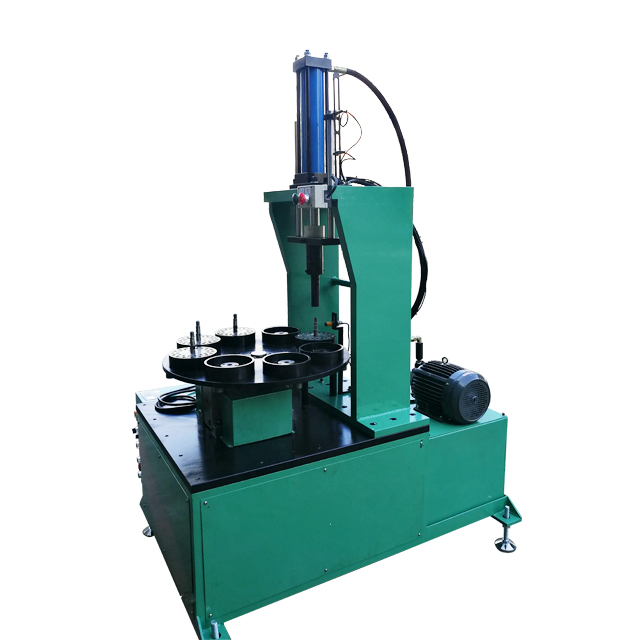
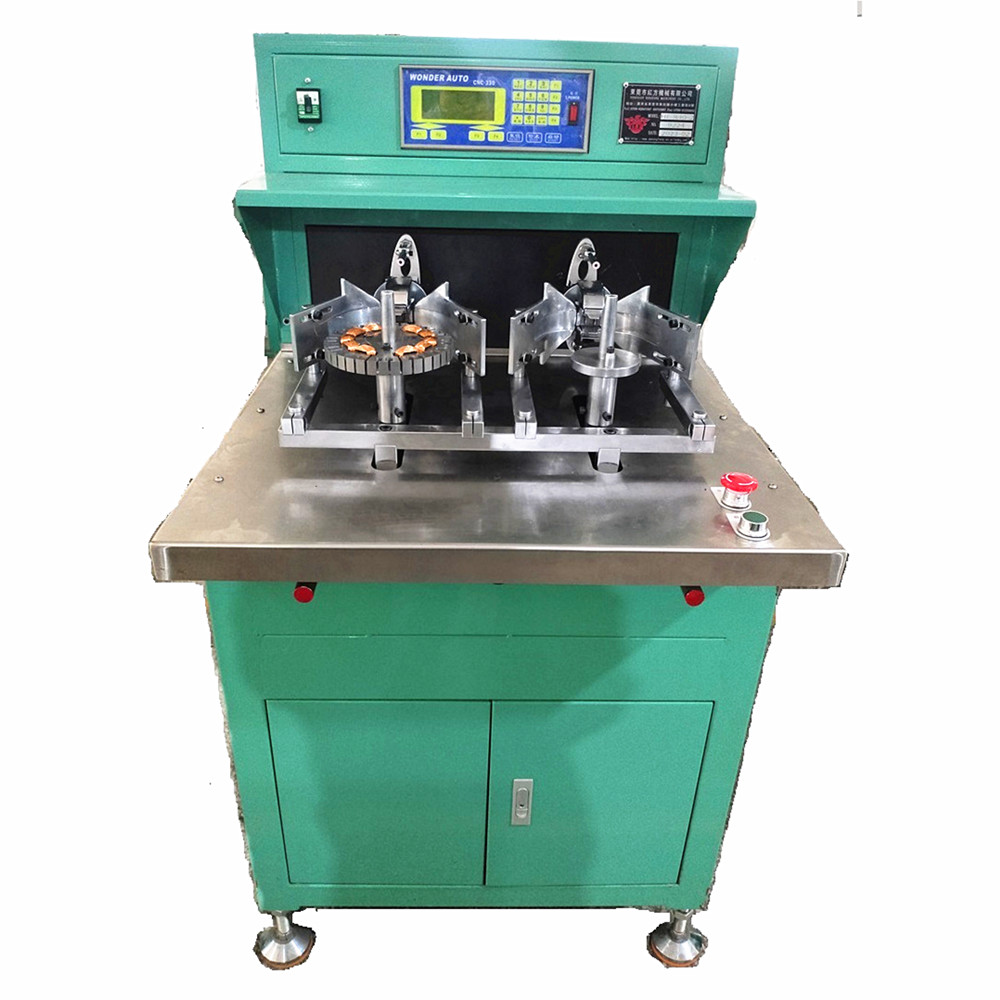
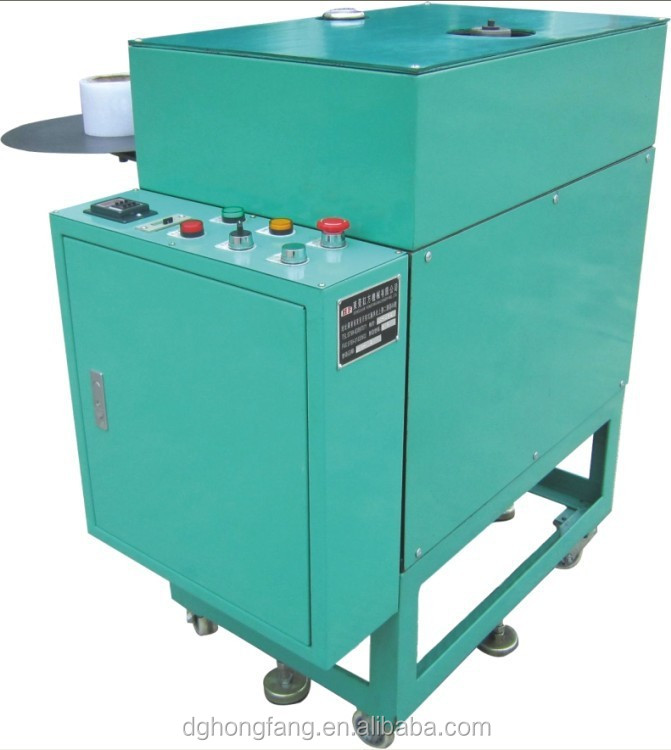
A standard stator winding production line transitions through four critical mechanical phases: automatic slot insulation insertion, coil winding, simultaneous coil and wedge insertion, and intermediate/final three-dimensional stator shaping. Without calibrated hydraulic shaping, copper and aluminium magnet wires naturally experience elastic springback during insertion. This springback causes coil heads to bow outward radially and axially. An uncalibrated coil overhang invariably contacts the motor end-bells (causing dead phase-to-ground faults) or protrudes into the stator bore, where it risks catastrophic interference with the spinning rotor assembly.
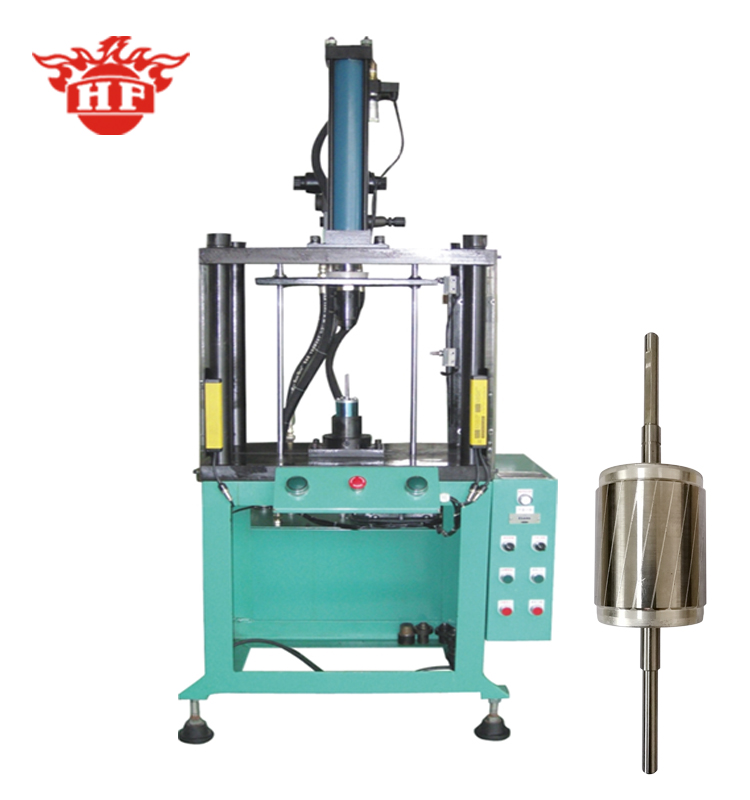
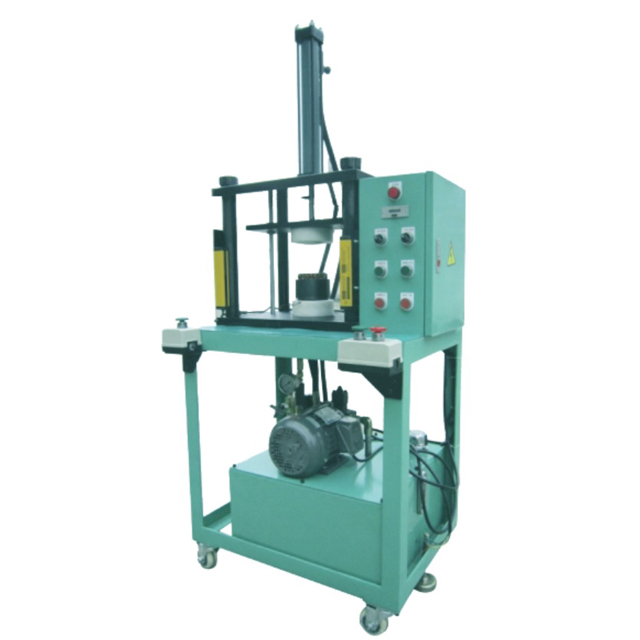
Zunqi Intelligent Equipment addresses these core physical vulnerabilities through our dedicated HF-W120H Final Forming Second Shaping Series and dual-end intermediate forming machines. Built with high-tonnage multi-cylinder hydraulic presses and hardened internal expanding segmented mandrels, our equipment exerts balanced radial-outward and axial-inward compressive pressure directly onto the wound coil heads. This process rearranges conductors into a tightly packed, homogeneous cross-section, establishing exact radial clearances from the rotor bore and axial clearances from the motor housing end-shields.
Localized Application Scenarios in Trujillo & La Libertad Region
The metropolitan footprint of Trujillo, connected through the Salaverry maritime hub and the Pan-American highway corridor, forms the primary motor assembly, maintenance, and rewinding hub for Northern Peru. Our winding and shaping automation lines are configured to meet Trujillo's localized industrial requirements:
Agro-Industrial Deep-Well & Submersible Pumps
Agribusiness giants cultivating asparagus, blueberries, and avocados in Virú and Chao rely extensively on multi-stage centrifugal and submersible borehole pumps. Submersible pump motors feature elongated, narrow stator profiles. Our customized long-stroke coil shaping mandrels and wedge inserters handle stack heights exceeding 350mm, ensuring zero slot liner tearing and dielectric insulation resilience against aggressive groundwater seepage.
Heavy Sugar Mill Crushers & Conveyors
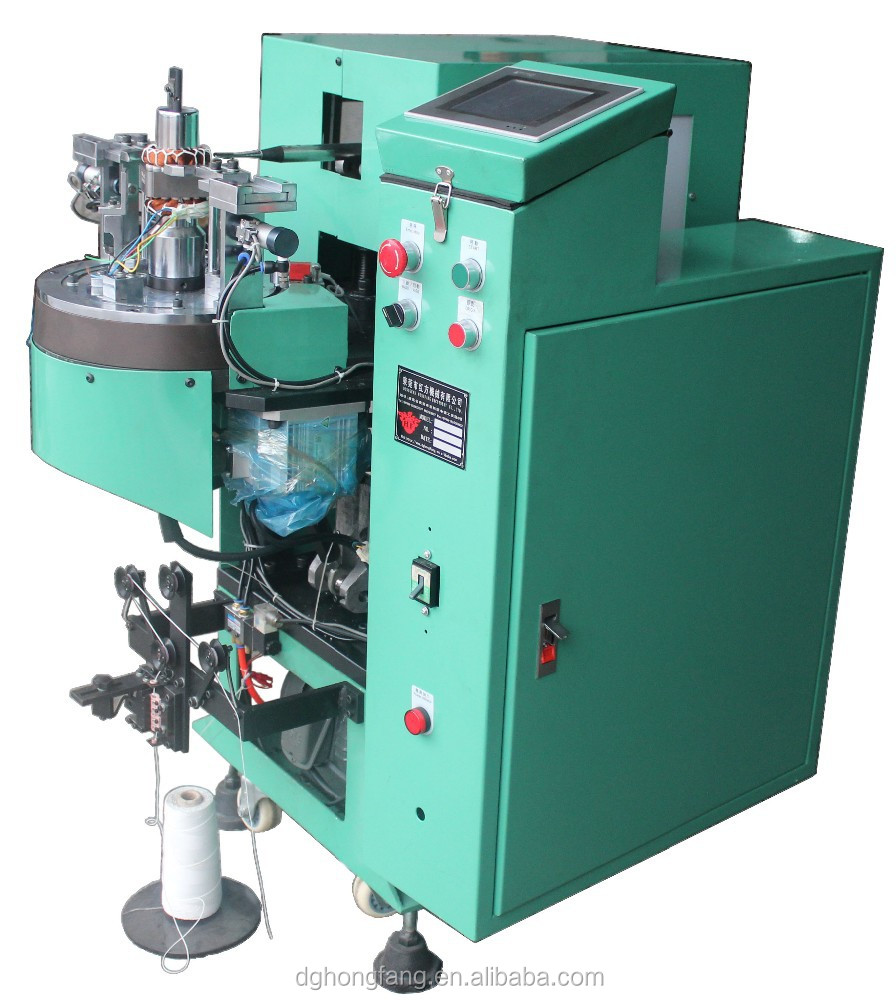
The Chicama Valley houses substantial sugarcane processing milling complexes that require continuous-duty, high-torque three-phase induction drives. Our heavy-duty hydraulic pressing and double-side servo lacing machines deliver maximum end-turn compaction. By binding the end windings tightly, these machines prevent coil displacement and vibrational harmonic fatigue caused by sudden milling shock loads.
Commercial HVAC & Cold Chain Preservation
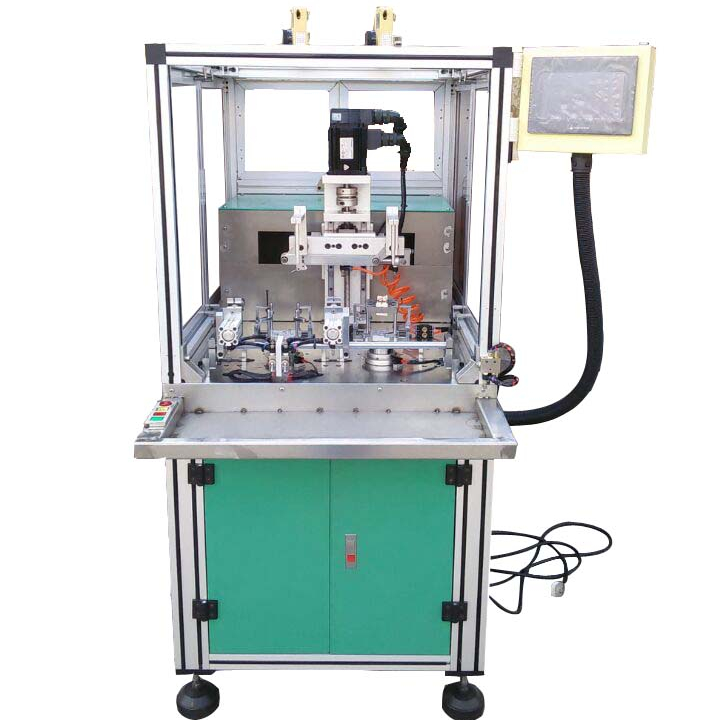
Perishable agro-exports moving through the Port of Salaverry depend on temperature-controlled cold logistics. Fractional and small-medium horsepower refrigeration compressor motors necessitate compact stator dimensions. Our multi-station automatic winders and single-stroke coil and wedge inserting equipment maintain tight spatial envelopes, allowing hermetic stator-rotor integration inside pressurized compressor shells.
Industrial Trends Shaping Trujillo's Motor Equipment Market
Technological transitions across Peru’s industrial base are driving significant changes in how plant engineers and workshops in Trujillo procure motor fabrication machinery:
1. Stringent Mandates for Premium Efficiency (IE3 & IE4 Compliance): With rising electricity tariffs across Peru, industrial consumers in Trujillo are shifting from inefficient legacy motors to high-efficiency IE3 and IE4 designs. High-efficiency motors necessitate higher slot fill factors (often pushing 75% to 80%), leaving virtually zero margin for loose conductors or sloppy winding geometries. Modern automated shaping and precision wedge insertion machines are essential to compress higher copper densities into lamination slots without scuffing the enamel coating.
2. Transition from Manual Rewinding to Semi-Automated Lines: Trujillo's motor service facilities have traditionally relied on manual mallet shaping, wooden blocks, and hand lacing cord application. This reliance on manual labor results in inconsistent phase resistance, uneven thermal hot spots, and erratic coil head lengths. In response, Tier-1 and Tier-2 service workshops are upgrading to compact hydraulic coil forming units and servo-assisted lacing machines to shorten repair turnarounds from days to hours while delivering factory-original motor winding tolerances.
3. Adoption of Dual Voltage Controls (220V/380V 60Hz Compatibility): The industrial power grid in Northern Peru presents varying power configurations, including 220V three-phase delta systems, 380V wye infrastructures, and single-phase rural feeds. Equipment imported into Trujillo must offer electrical compatibility without overheating sensitive control electronics. Zunqi configures all control cabinets with dual-voltage transformers, 60Hz-rated servo motors, and surge-protected industrial PLCs to handle local grid fluctuations.
Why Manufacturing Plants in Trujillo Partner with Zunqi Intelligent Equipment
Selecting a direct factory partner in China requires complete transparency, proven manufacturing integrity, and engineering competence. Zunqi Intelligent Equipment Co., Ltd. (based in Qishi Town, Dongguan) delivers competitive operational advantages verified across international markets:
17+ Years of Verified Exporting
We operate an established, audited production facility spanning over 50–100 expert technicians and engineers. Our credentials have been verified onsite via Alibaba.com, backed by an established export credit profile and long-standing client partnerships worldwide.
Custom Tooling to Your Stator Geometry
We do not sell rigid, off-the-shelf equipment that forces compromise on your core designs. Send us your stator lamination drawings, wire diameter specifications, and core stack heights. We design and CNC-machine bespoke expanding mandrels, forming shoes, and inserting blades tailored to your exact motor frames.
Rapid ≤9h Engineering Turnaround
Operating across time zones, our technical sales and engineering desks provide comprehensive proposals within 9 hours. Our engineers review your CAD drawings or physical sample photos to determine the optimal machine tonnage, station count, and cycle-time configuration.
International Brand Component Integration
Maintenance reliability is paramount in overseas plants. Our electrical cabinets are configured using globally recognized automation components: Siemens, Mitsubishi, Schneider, Delta, or Omron PLCs, paired with SMC or Airtac pneumatic cylinders for effortless sourcing of local maintenance spares.
Pre-Shipment Stator Sample Verification
Before any machine departs our Dongguan factory for the Port of Callao or Salaverry, we run trials using your stator cores and wire samples. We record high-resolution video proof of trial shaping cycles and send you the exact dimensional inspection reports for full pre-dispatch sign-off.
Export-Grade Rust & Ocean Protection
Maritime transit to Peru's Pacific coast involves weeks of high-humidity exposure. Every machine undergoes specialized anti-rust degreasing, VCI film vacuum hermetic encasement, heavy bolt-down base skid mounting, and export-compliant fumigation-free wooden crating.
