Multi-Wire
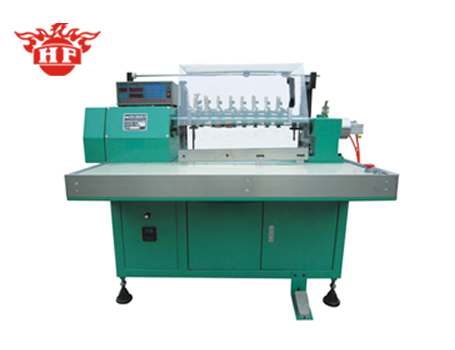
Turnkey, robust machinery engineered for rapid deployment across Indonesian electrical equipment plants, industrial appliance corridors, and motor remanufacturing lines.
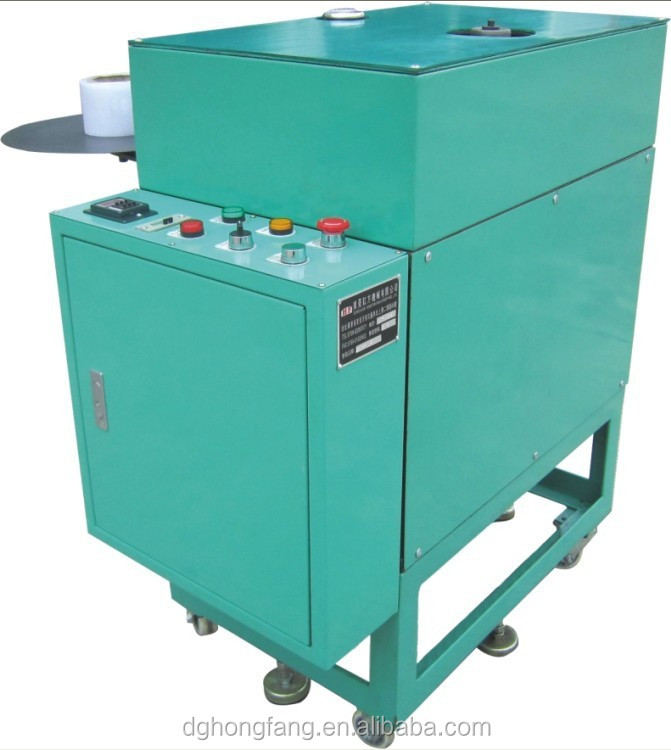
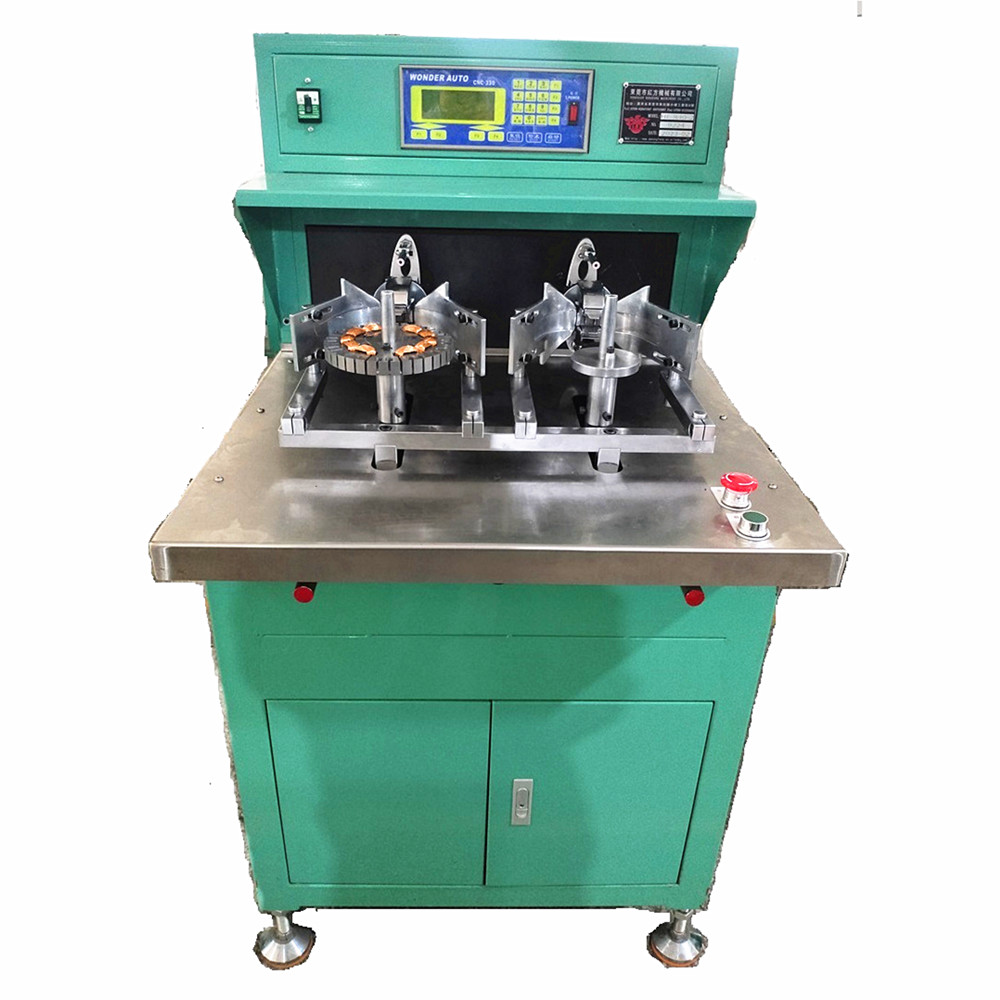
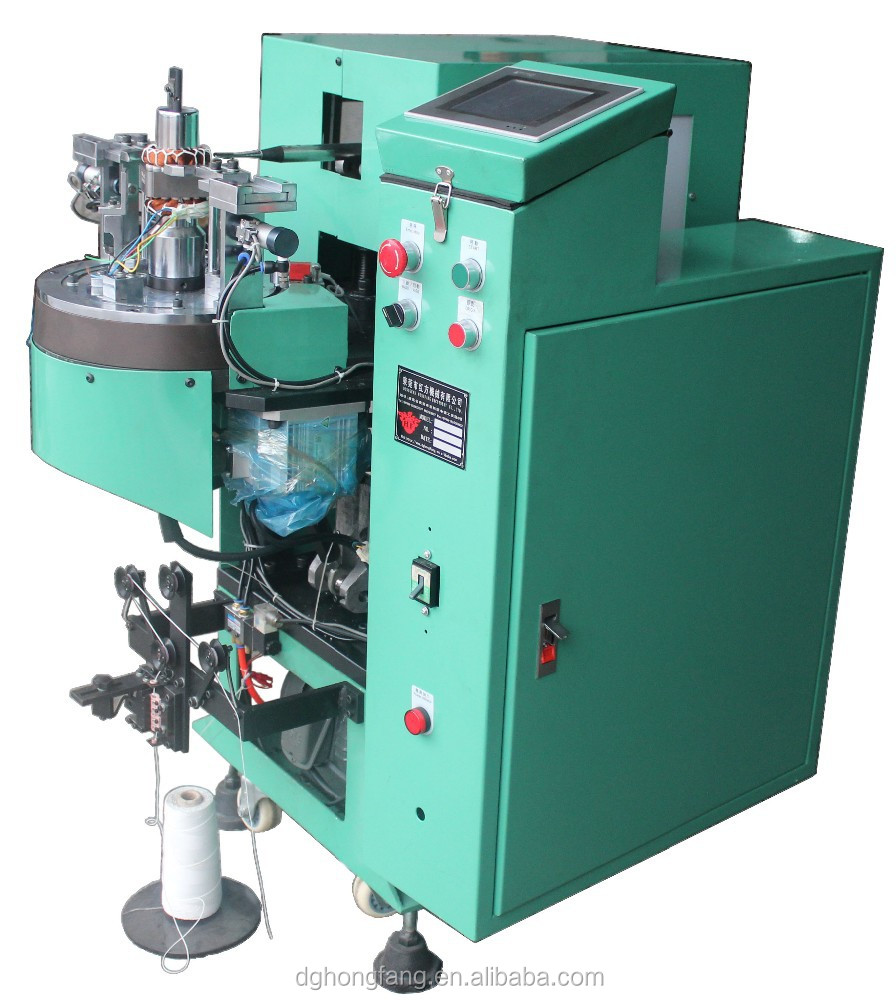
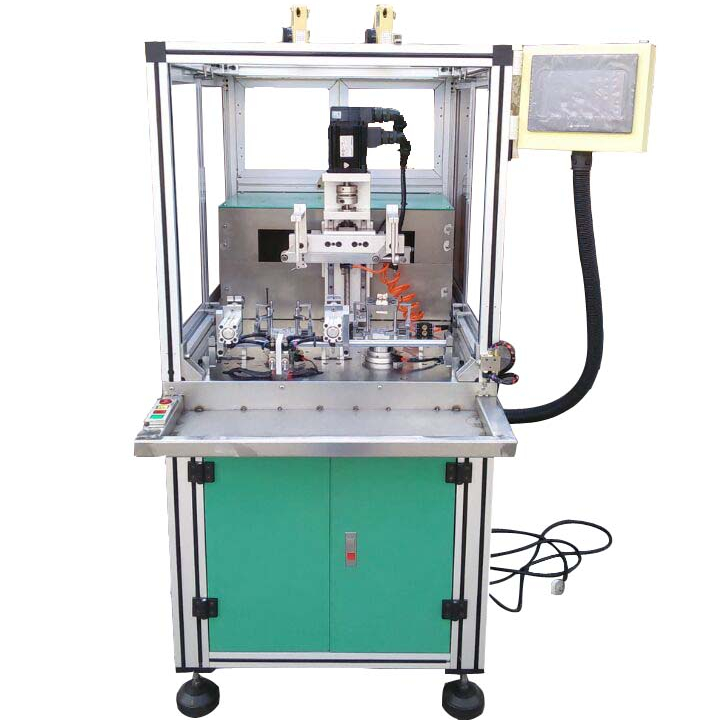
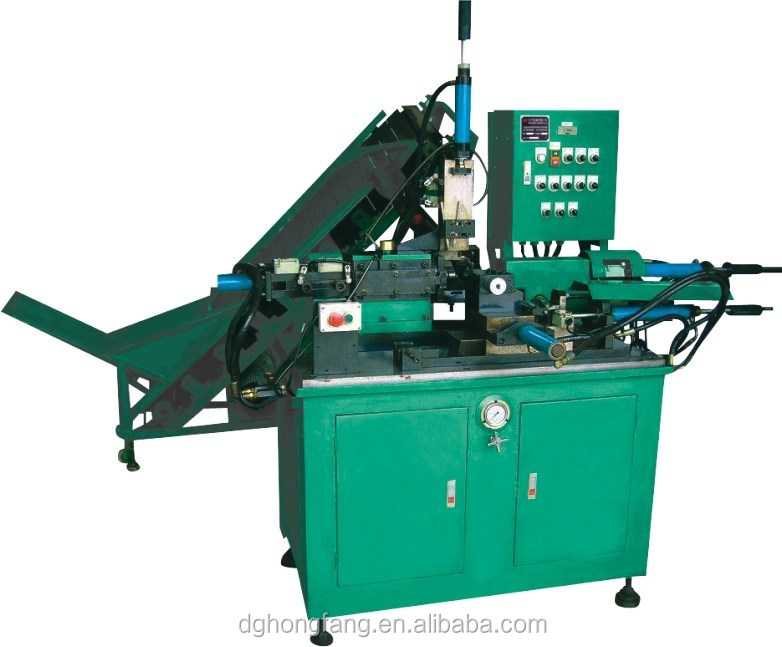
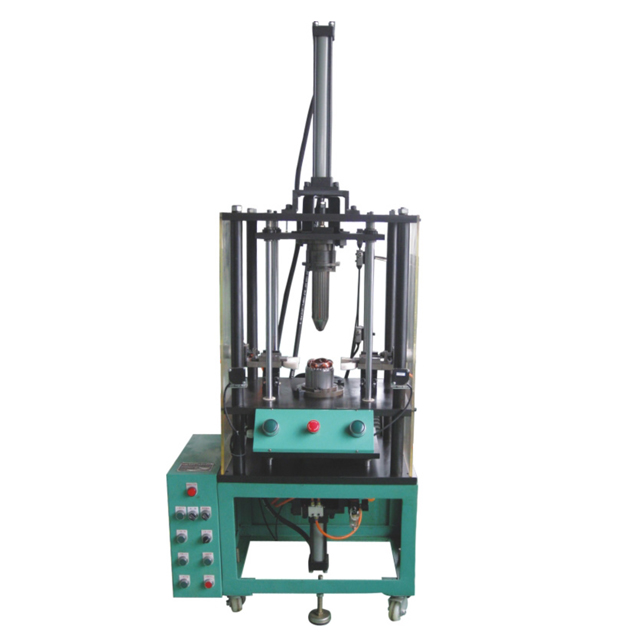
As Indonesia scales industrial production under the "Making Indonesia 4.0" masterplan, automated stator manufacturing has transitioned from a labor-substituting convenience to a baseline operational requirement.
Indonesia’s strategic positioning as the EV hub of Southeast Asia—backed by nickel downstreaming policies—demands massive production of auxiliary and traction motors. Factories in Karawang and Cikarang utilize automated wedge inserters to assemble robust BLDC and PMSM stators, eliminating manual handling errors and ensuring dielectric resilience against thermal stress in electric mobility applications.
The massive domestic consumption in Java, Sumatra, and beyond drives year-round demand for ceiling fans, standing ventilation units, and residential air compressors. Industrial plants in Banten and Surabaya integrate multi-station coil winders and slot wedge inserting systems to turn out thousands of shaded-pole and permanent split capacitor (PSC) motors per shift with single-digit defect rates.
Indonesia's expansive palm oil, aquaculture, and agrarian operations rely heavily on submersible submersible pumps and heavy-duty blowers. Stator wedge inserting automation guarantees exact slot insulation containment and tightly indexed wedges that survive extreme humidity, corrosive plantation environments, and fluctuating voltage grids without inter-turn short circuits.
In equatorial assembly plants, ambient relative humidity routinely surpasses 80%. When conventional paper wedges or composite DMD (Dacron-Mylar-Dacron) films are forced manually into stator stacks, frictional scuffing fractures the Nomex or polyester surface layers. Under tropical thermal loading, micro-fissures absorb atmospheric moisture, resulting in catastrophic dielectric breakdown during initial Hi-Pot (High Potential) insulation testing.
Advanced stator coil and wedge inserting machines circumvent this through precision edge-rolling, servo-driven pushers, and synchronized guide tooling. Below is a comparative technical analysis of structural parameters between automated wedge inserting and legacy manual techniques:
| Evaluation Parameter | Manual Insertion & Wooden/Fiber Drift | Automated Wedge Insertion (Zunqi HF-Series) | Operational Impact on Production |
|---|---|---|---|
| Cycle Duration per Stator | 180 – 360 seconds (variable by slot count) | 12 – 28 seconds (single-stroke or indexed) | Up to 1200% throughput acceleration |
| Enamelled Wire Scrape Rate | 2.4% – 5.1% depending on manual fatigue | < 0.05% via polished guide leaves | Drastic reduction in secondary copper scrap |
| Wedge Length Accuracy | ± 1.5 mm (manual shear variance) | ± 0.1 mm (stepper/servo feed cut) | Zero slot overhang; prevents rotor clearance clash |
| Slot Fill Factor Capability | Limited to ~68% slot fill | Up to 82% slot fill density | Enhanced motor electrical efficiency (IE3 / IE4 compliant) |
| Labor Allocation | 4 – 6 dedicated assemblers per bench line | 1 operator overseeing dual stations | Reallocates technical labor to quality testing |
Consult with Zunqi automation specialists to receive a comprehensive stator layout audit and customized machine tooling proposal configured specifically for your stator lamination drawings.
Get a QuoteHeadquartered in Dongguan—the epicenter of global precision electromechanics—our manufacturing operations combine seventeen years of dedicated export engineering with robust industrial component architectures.
We do not ship rigid, off-the-shelf standard sizes. Every coil former, inserting blade set, wedge guide, and holding fixture is individually machined from hardened alloy steel according to the customer's CAD stator drawing, stack lamination height, and core slot geometry.
Eliminate vendor miscommunication. We provide the complete sequential manufacturing chain: slot insulation insertion → automatic coil winding → coil and wedge insertion → intermediate forming → dual-side lacing → final coil head sizing → rotor finishing and shaft pressing.
To simplify operational continuity and local spare-parts sourcing in Indonesian manufacturing plants, all machines can be configured with customer-specified control hardware, including Siemens, Mitsubishi, Omron, Delta, or Schneider electrics paired with Airtac/SMC pneumatics.
Clear, direct engineering answers addressing electrical compatibility, customs clearance under ASEAN-China frameworks, and technical setup support.
Yes. While standard Chinese industrial systems operate on 380V/50Hz (3-phase) or 220V/50Hz (single-phase), we specifically build electrical configurations to match Indonesian plant conditions. We configure transformers, servo drivers, and motor relays to operate stably on standard Indonesian three-phase 380V/50Hz or single-phase 220V/50Hz, with engineered tolerance for localized voltage fluctuations.
Our quality verification process requires either precise technical drawings (DXF/DWG/PDF) or physical sample stators dispatched from your plant. Our workshop manufactures the insertion and winding tooling, runs a full physical test cycle using your sample, and provides a continuous high-resolution video showing cycle time, wedge folding integrity, and zero wire-insulation damage prior to final crate sealing.
We provide full export documentation required by Indonesian customs, including the Commercial Invoice, Packing List, Ocean Bill of Lading, and critically, the Certificate of Origin (Form E under the ASEAN-China Free Trade Agreement), which enables Indonesian importers to benefit from preferential tariff rates or zero-duty exemptions on specialized capital machinery.
Standard fabrication and custom tooling design take between 20 to 35 working days depending on the complexity of your stator stack. Sea freight transit from Shenzhen/Guangzhou ports to Jakarta (Tanjung Priok) or Surabaya (Tanjung Perak) typically requires only 7 to 12 days, ensuring rapid factory floor implementation.
All units arrive pre-calibrated and wired with modular quick-connect industrial interfaces. We provide comprehensive English operating manuals, PLC parameter maps, and remote engineering video guidance. For entire automatic stator lines or plant setups, our senior electrical and mechanical engineers can be dispatched directly to your facility in Indonesia for on-site commissioning and operator training.
Connect directly with our engineering department to review stator specifications, slot wedge materials, and production volume targets. We supply dependable, factory-direct industrial automation.
Get a Quote