Slot Insulation
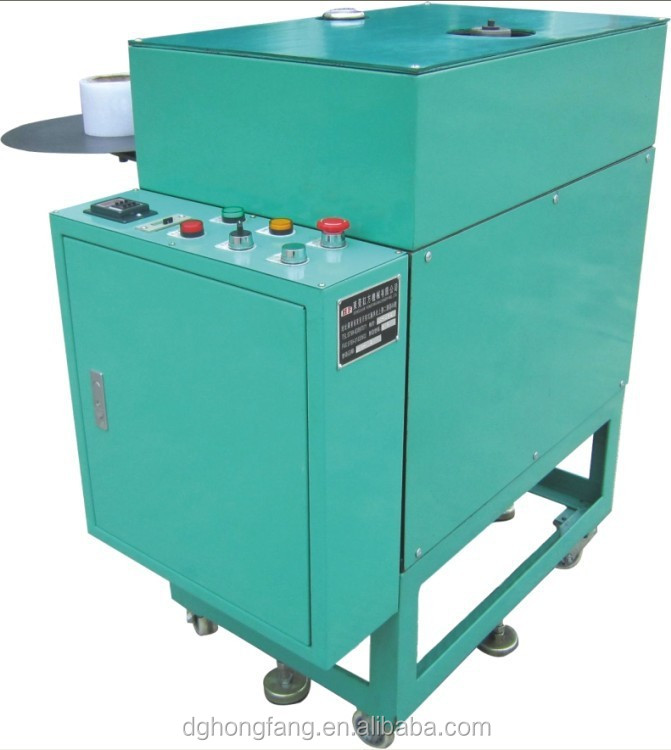
Precision-machined slot lining, CNC multi-axis coil winding, and hydraulic press modules designed for zero-defect electromagnetic core automation.
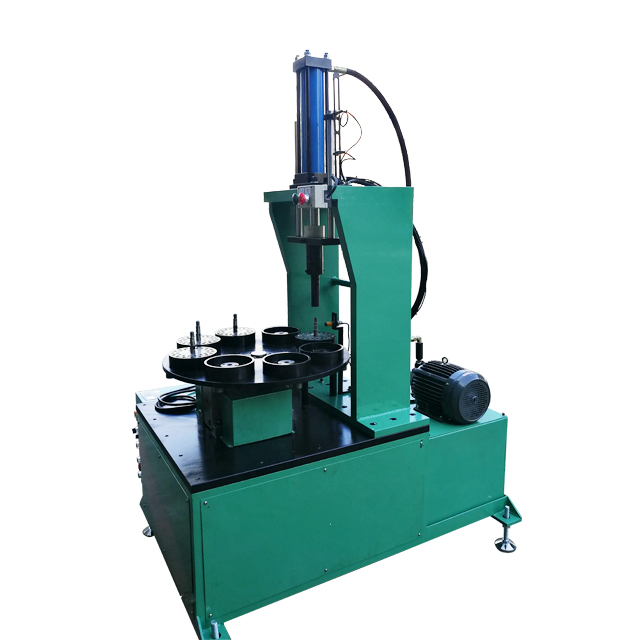
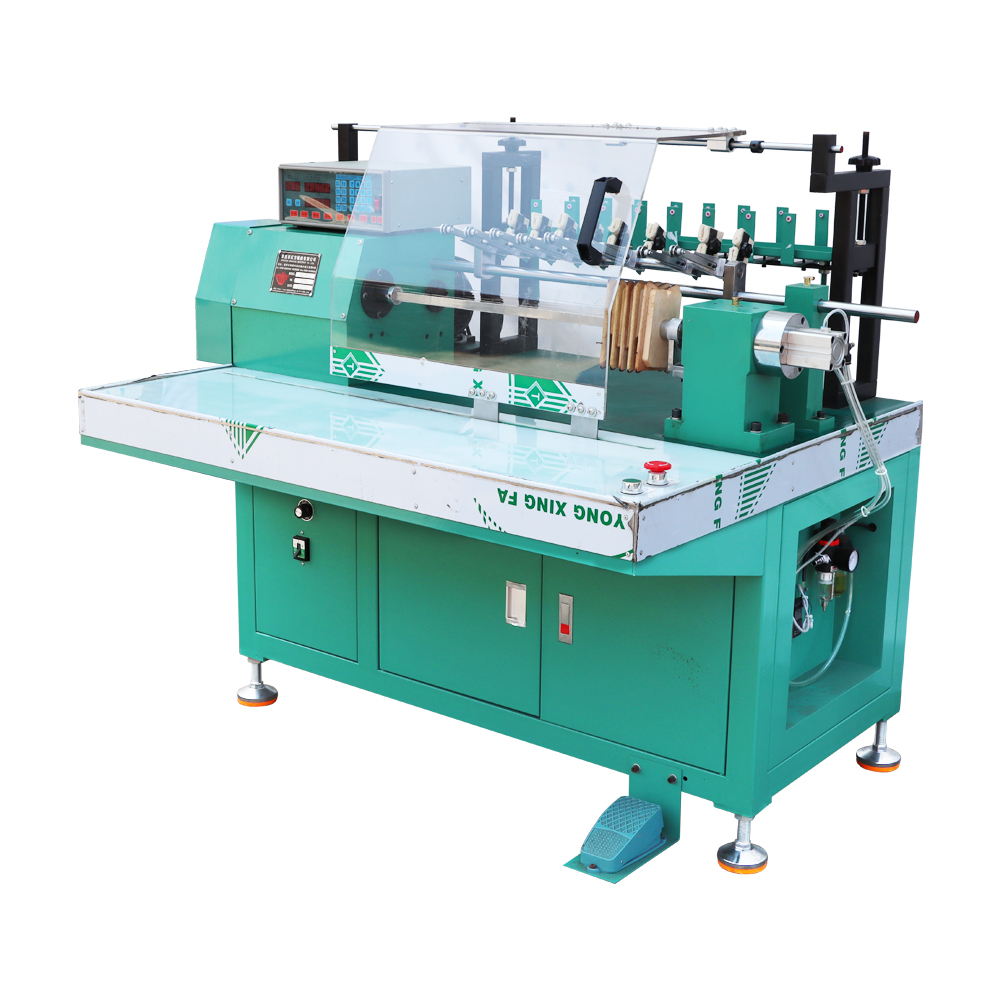
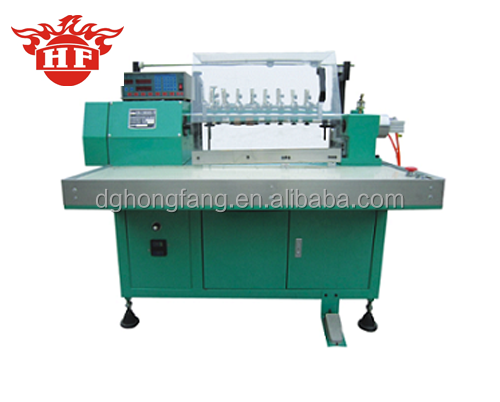
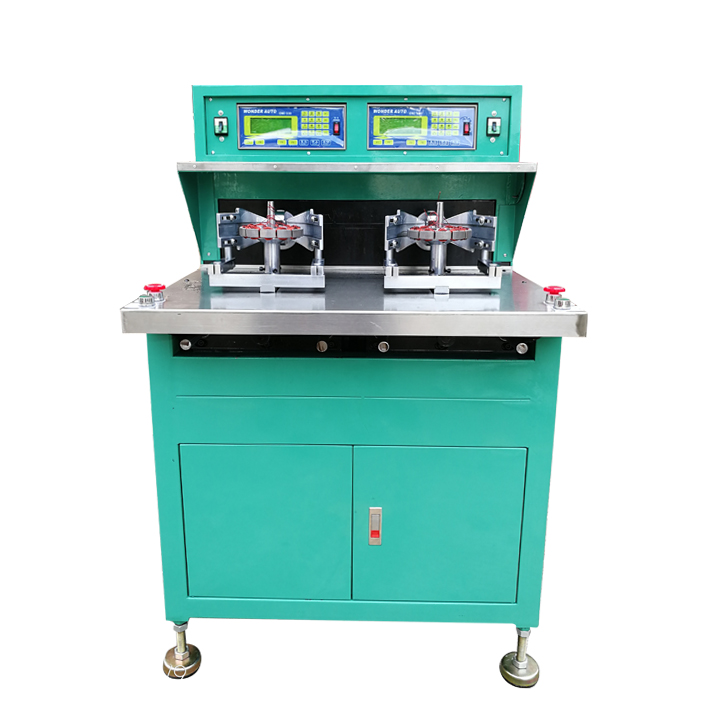
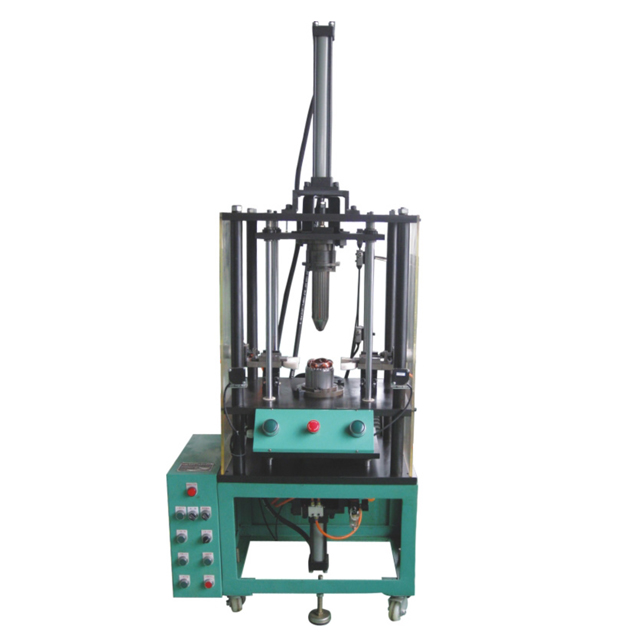
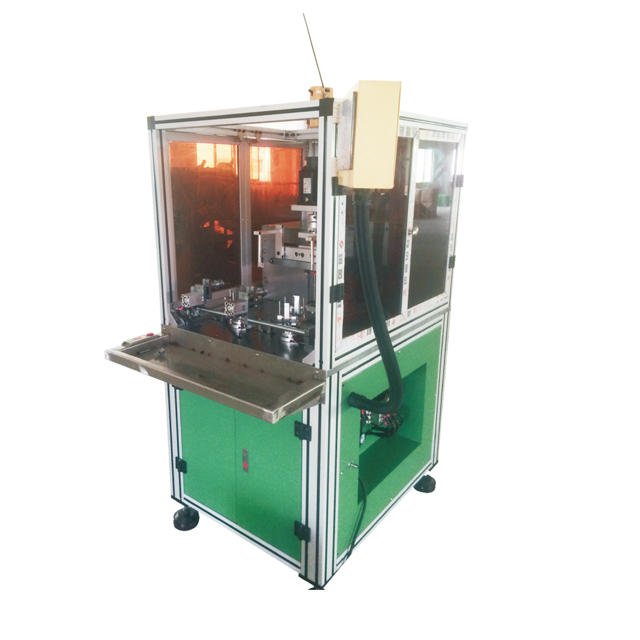
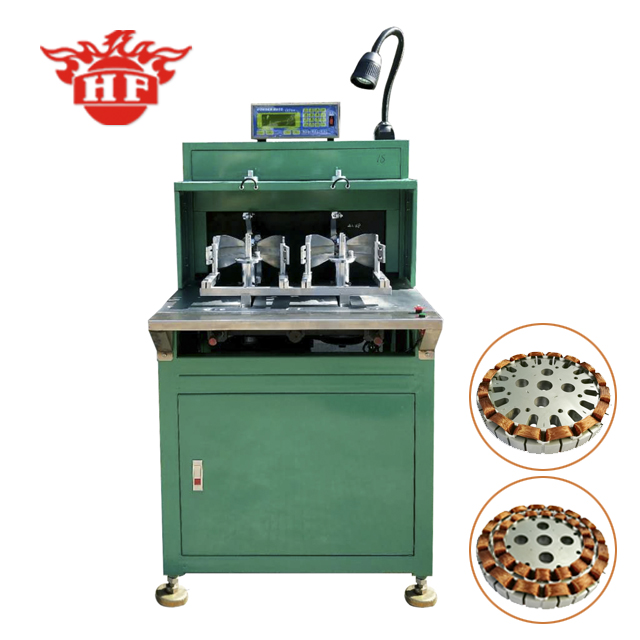
Evaluating partial discharge extinction, dielectric boundary integrity, and automated slot cell insertion dynamics under stringent Swiss quality frameworks.
In modern electrical machinery production, stator slot insulation insertion is the most critical phase for guaranteeing permanent dielectric isolation between current-carrying magnet wires and the grounded silicon steel stator core. In the precision-driven manufacturing landscape of Switzerland—anchored across industrial hubs in Zürich, Aargau, St. Gallen, and the Jura Arc—electric motor engineering is shifting toward ultra-dense slot fill factors, high-switching-frequency SiC/GaN inverter systems, and extreme efficiency benchmarks (IE4 and IE5 Super Premium Efficiency).
When electric machinery operates on high-voltage pulse-width modulation (PWM) drives, fast voltage rise times ($du/dt$) induce severe inter-turn and phase-to-ground dielectric stress. A microscopic crack, cuff misalignment, or mechanical wrinkle in the slot liner paper (such as Nomex®, DMD, or Kapton® composites) compromises the partial discharge inception voltage (PDIV), leading to premature insulation breakdown, localized corona erosion, and complete winding failure. For Swiss machine builders, selecting an automatic stator slot insulation inserting machine is a precision engineering decision directly governed by mechanical tooling tolerances, edge-forming integrity, and repeatability.
Switzerland's historic Jura region requires miniature BLDC stators and micro-synchronous stepper drives. Inserting ultrathin polyimide/Nomex insulation cells (<0.12 mm) into narrow, multi-slot laminations requires micro-feeder servo resolution and burr-free cold shearing to protect miniature coils.
Medtech OEMs concentrated in Basel and Lake Geneva manufacture autoclave-resistant surgical tools and robotic actuators. Machines must deliver precision slot liner cuffing that eliminates air pockets, supporting complete void-free resin penetration during downstream vacuum pressure impregnation (VPI).
Swiss chemical, semiconductor, and laboratory vacuum systems rely on canned-motor pumps. Stator insulation inserting systems must prevent core friction delamination and eliminate all conductive particulate generation through controlled mechanical pushing speeds.
Standard vs. Servo-Controlled Stator Slot Insulation Machine specifications calibrated to European industrial standards.
| Performance Parameter | Standard Cam-Driven Model | CNC Servo-Synchronized Model | Swiss Production Relevance |
|---|---|---|---|
| Stator Lamination O.D. | Ø30 mm – Ø160 mm | Ø15 mm – Ø260 mm (Customizable) | Accommodates miniature actuators to industrial drives |
| Core Stack Height Range | 10 mm – 150 mm | 8 mm – 300 mm (Multi-stroke) | Supports high-torque extended servomotor stacks |
| Insulation Thickness Capability | 0.15 mm – 0.35 mm | 0.08 mm – 0.50 mm | Accommodates multi-layer DMD, NMN & Kapton films |
| Feed & Insertion Cycle Speed | 0.5 – 0.8 sec / slot | 0.25 – 0.45 sec / slot (Variable) | Optimized for Swiss lean batching (SMED changeover) |
| Cuff Width Accuracy | ±0.25 mm | ±0.05 mm (Servo edge-indexing) | Zero coil pinhole shorts at core edges |
| HMI & Architecture | Digital Push-button / Basic PLC | Siemens / Delta Touchscreen PLC | Industry 4.0 data logging & recipe recall |
How decarbonization mandates, energy efficiency regulations, and high labor costs dictate stator production automation in the Swiss Confederation.
Switzerland's strict environmental legislation enforces high minimum energy performance standards (MEPS) matching and exceeding EU Ecodesign directives. Motor designers must migrate from IE3 to IE4/IE5 efficiency classes. Higher efficiency requires packing more copper into slots, demanding thinner yet structurally flawless slot paper cells that don't tear under high fill factors.
With Switzerland having some of the world's highest manufacturing wage indices, manual stator lining and manual coil placement are economically unviable. Modern Swiss motor workshops deploy our integrated slot paper inserting, CNC needle/flyer winding, and wedge inserting cells to reach high OEE with single-operator supervisory staffing.
The rapid rise of Swiss electric mobility innovations—including alpine rail auxiliaries, heavy commercial EV transmissions, and electric aviation systems—mandates motor winding insulation systems certified for severe inverter duty. Precision edge-folding prevents dielectric stress concentrations under high voltage spikes.
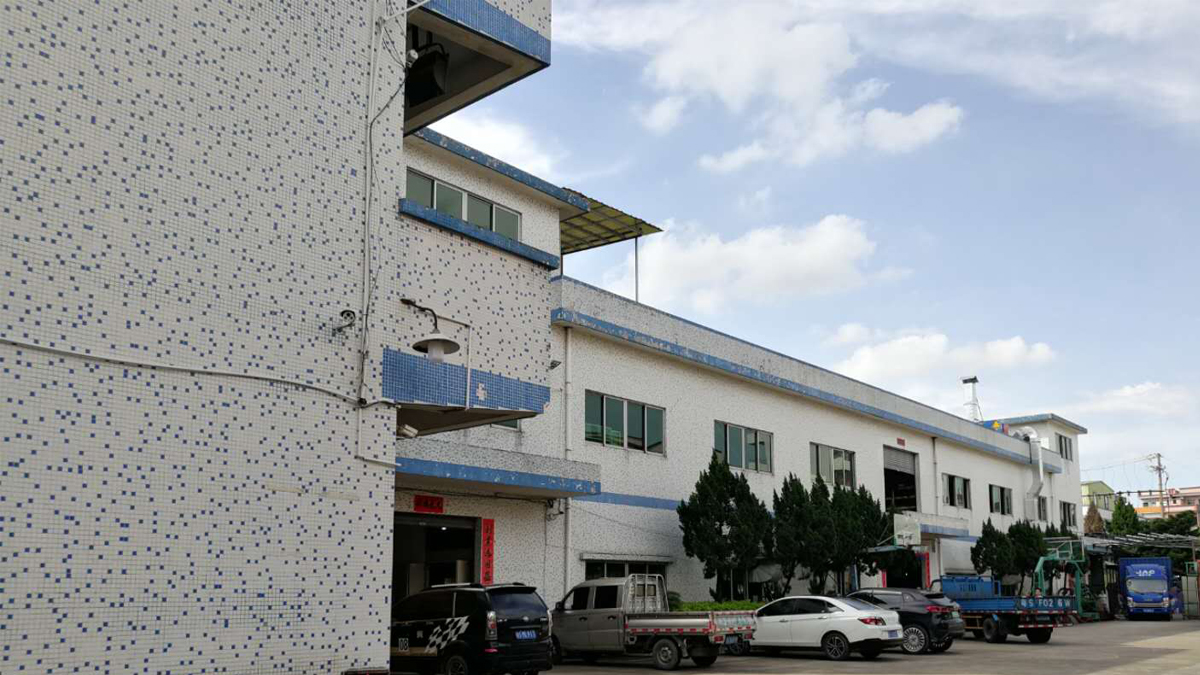
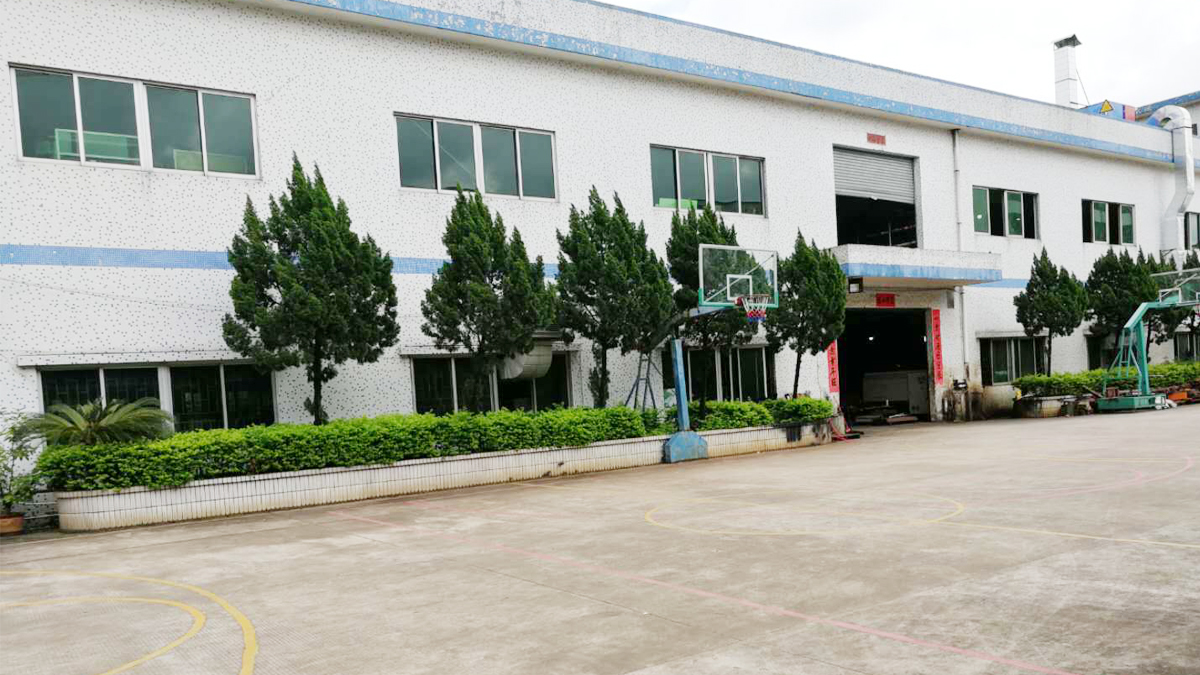
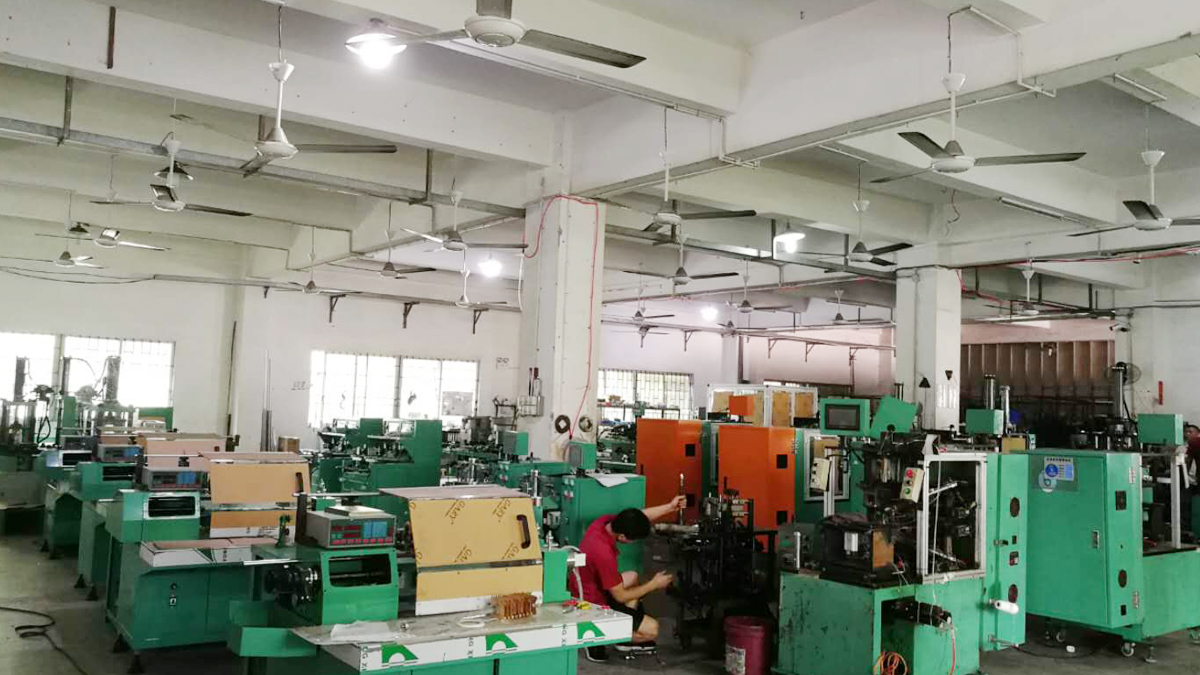
Zunqi Intelligent Equipment Co., Ltd. (based in Qishi Town, Dongguan) brings 17+ years of dedicated export engineering to the global electric machinery sector. We combine cost-effective tooling fabrication with precision industrial control architectures fully adaptable to Swiss machine safety and control standards.
Clear, engineering-focused answers covering tooling changeover, electrical compliance, CE certification, and cross-border logistics.
Send your stator core drawings (OD, ID, Stack Height, Slot Opening) and required slot insulation paper specifications to our engineering desk. Receive an engineering evaluation, tooling proposal, and FOB/DAP Switzerland quotation within 9 hours.
Inquire Now