Precision Stator Paper Inserting & Winding Machinery for Honduran Plants
Select from factory-calibrated slot insulation insertion, dual-station coil winding, end-turn shaping, and rotor turning equipment engineered in our Dongguan facility and deployed globally under strict ISO 9001 quality benchmarks.
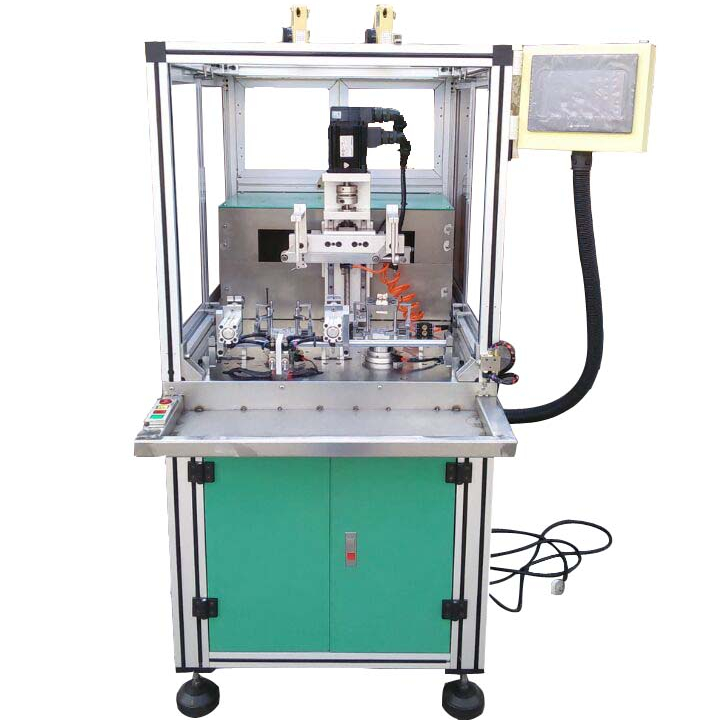
Two Stations Transformer Coil Winding Machine Motor Coil Winding Machine 2 Station Outer Stator Winding Machine
- 2 independent flyer spindles
- Outer stator & transformer coils
- PLC multi-axis program storage
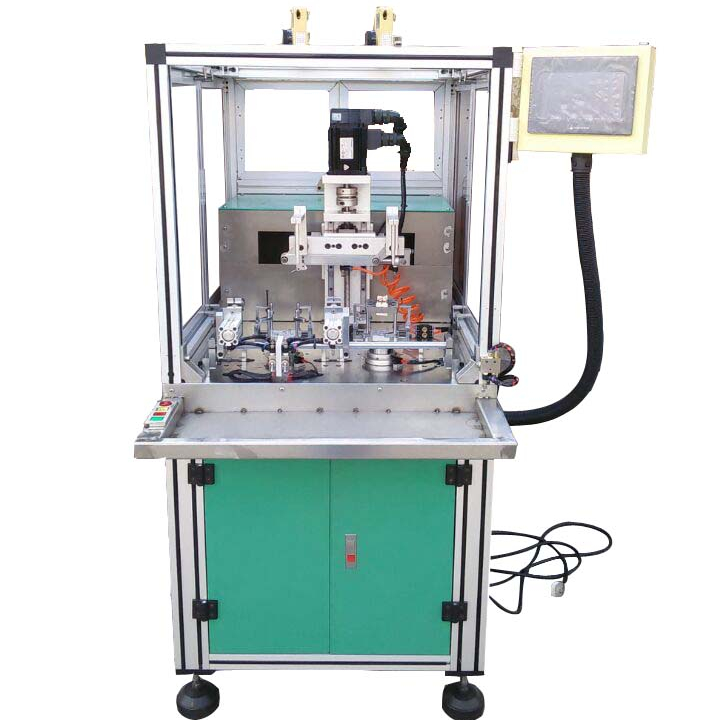
Hot Sale Armature Winding Machine for Fan Motor
- High-speed rotor indexing
- Dynamic tensioner assembly
- Suitable for DC & universal rotors
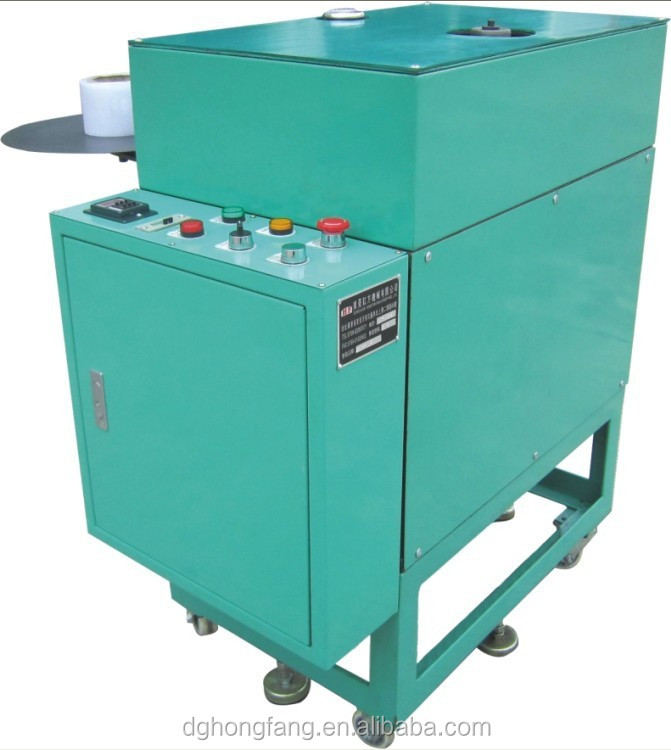
HONGFANG HF-D50 220V 1000W Green Insulation Paper Insertion Machine for Cooler Motor
- Automated cutting, folding & insertion
- Handles Nomex, DMD, Mylar
- 1 Year Warranty · 220V 1000W
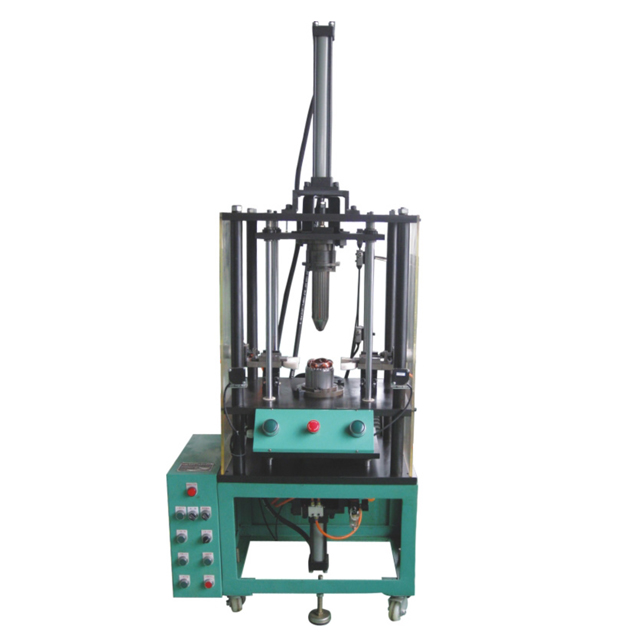
HONGFANG Motor Stator Coil Forming & Shaping Machine for Manufacturing Plant
- Hydraulic/pneumatic coil head sizing
- Prevents rotor clearance rub
- 1 kW Motor · Expandable collet dies
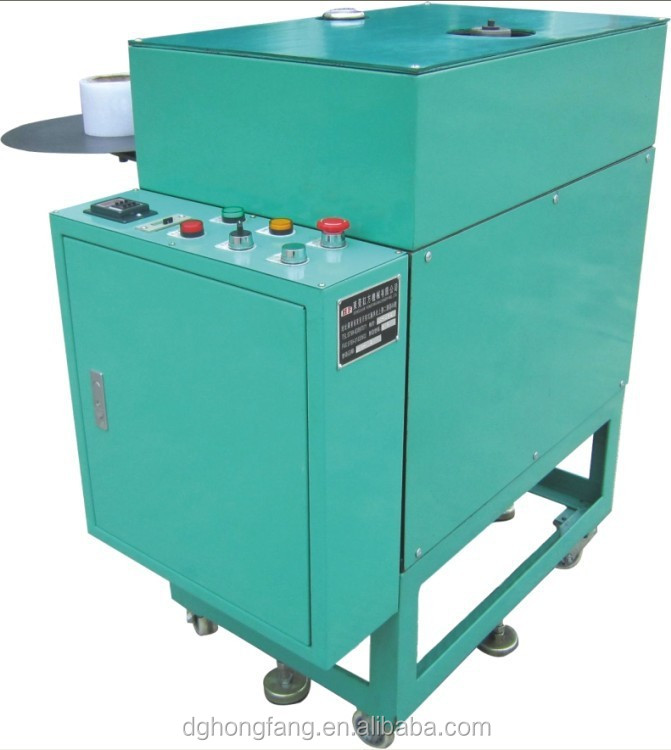
New Slot Paper Inserting Cutting Machine Table Fan Pump Cooler Motor Insulation
- Rotary plate rapid stack insertion
- Dual-voltage 380V/220V selectable
- Hardened alloy shearing guillotine
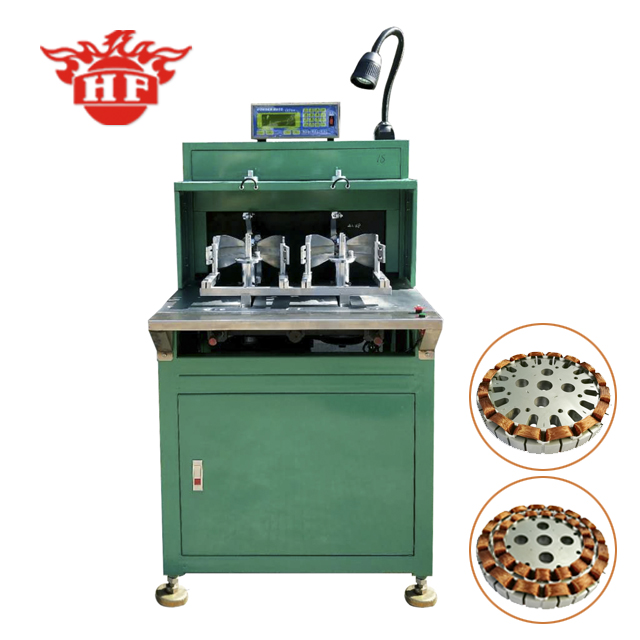
Automatic Ceiling Fan Winding Machine Two Station Ceiling Fan Station Winding Machine
- Dual-head external stator winding
- Microprocessor wire tension control
- High output for tropical fan assembly
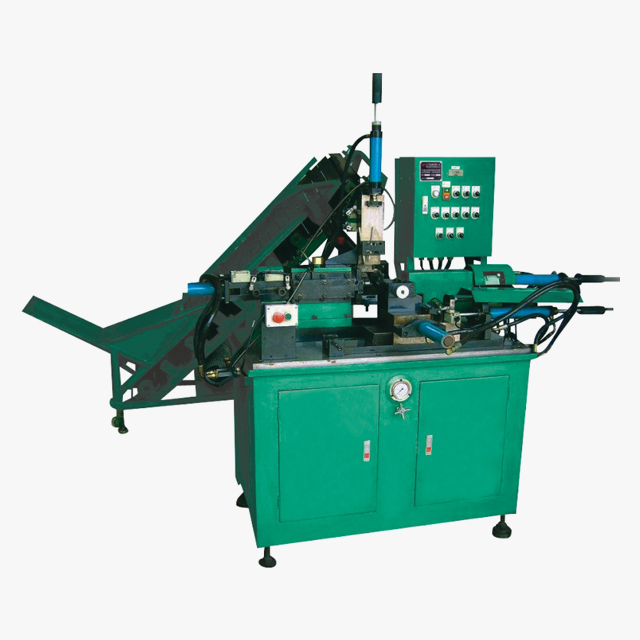
Hot Sale Fan Motor Rotor Rough Turning & Surface Cutting Machine with Engine Gear PLC
- High-rigidity lathe spindle bed
- Air gap concentricity within ±0.01mm
- Integrated coolant & swarf evacuation
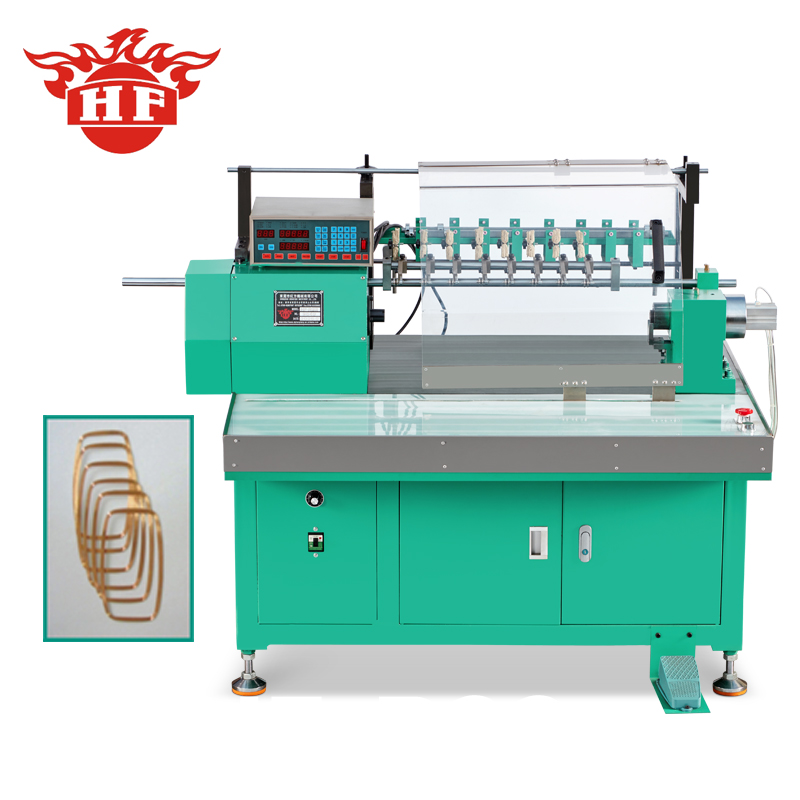
HF-R22 Coil Winding Machine Semi Automatic Coil Making Machine 8 Heads for Fan Motor
- 8 simultaneous coil winding stations
- Compatible with copper & aluminum wire
- Dedicated to pump & cooler motors
Precision Stator Paper Folding and Inserting: Mechanical Principles & Dielectric Integrity
In modern induction motors, shaded-pole appliances, and brushless DC (BLDC) stators, slot liner insulation serves as the primary barrier preventing catastrophic dielectric breakdown between copper magnet wire turns and grounded electrical steel laminations. For electrical apparatus producers serving Central America, mechanical automation of slot cell creasing, cuffing, and insertion is no longer optional—it is the cornerstone of passing high-potential (Hi-Pot) testing and eliminating intermittent ground faults caused by manual handling tears.
The 4-Stage Mechanical Sequence of High-Speed Slot Insulation
1. Continuous Roll Uncoiling & Edge Cuffing
Roll-fed dielectric insulation (DMD, Nomex, or polyester film) passes through dynamic tension regulators into dual-roller folding stations. The edges are hemmed (cuffed) by 2.5mm to 4.5mm on both sides. This cuffed edge prevents the paper from migrating longitudinally during copper coil insertion and reinforces the slot mouth against mechanical shear.
2. Progressive Creasing & Guillotine Shearing
Precision-ground folding dies shape the insulation profile into U-shape, B-shape, or star configurations tailored to open, semi-closed, or closed stator slots. A hardened tungsten-carbide guillotine cuts the paper strip to exact stack length plus cuff margins with tolerances within ±0.15mm, avoiding frayed fibers that trigger corona discharges.
3. Stepper Indexing & Servo Ram Injection
The laminated stator core is firmly locked in a concentric pneumatic chuck. An optical encoder or servo divider drives the indexer to position each lamination slot directly in front of the pushing rod. A tempered push tongue injects the folded paper cell axially into the stator slot in less than 0.4 seconds without scratching magnetic lamination varnish.
Dielectric Quality Benchmark: Automatic slot cell insertion preserves the tensile strength of multilayer composite insulation (such as Class F DMD 100 or Class H Nomex 410). Manual folding introduces micro-fractures in the inner Mylar dielectric layer, which drastically degrades corona inception voltage (CIV) under high-humidity environments typical of Central American tropical operating zones.
Process Comparison: Manual Folding vs. Automated Stator Paper Inserting Machines
| Performance Metric | Traditional Manual Slot Lamination | Semi-Automatic Insertion (e.g., HF-D50) | Full-CNC High-Speed Stator Line |
|---|---|---|---|
| Insertion Speed (24-Slot Core) | 8 to 15 minutes per stator | 12 to 18 seconds per stator | 8 to 11 seconds per stator |
| Cuff & Fold Repeatability | Variable (dependent on operator fatigue) | Uniform within ±0.2 mm | Servo-monitored within ±0.08 mm |
| Dielectric Film Micro-Cracking | High risk from fingernail/creaser pressure | Eliminated via smooth radius folding dies | Zero contact on critical central barrier |
| Hi-Pot Ground Fault Failure Rate | 4.5% – 8.0% in humid conditions | < 0.2% on standard production runs | < 0.05% continuous automated inline |
| Tooling Changeover Time | Instant (freehand scissors) | 15 to 25 minutes (modular jig kit) | 10 to 18 minutes (quick-clamp system) |
| Honduran Labor ROI Payback | Baseline operating expense | 4 to 7 months based on scrap reduction | 8 to 12 months on multi-shift export volumes |
Localized Application Scenarios Across Honduras’s Manufacturing Clusters
Honduras possesses the most strategic deep-water Atlantic port in Central America—Puerto Cortés—and a thriving industrial belt centered in the Sula Valley. Our stator slot insulation, coil winding, and rotor finishing machines are purpose-configured to address specific demands across three primary industrial pillars in Honduras.
Maquiladora & Textile Plant Motor Rewind & Maintenance
Textile knitting mills, commercial dyehouses, and garment assembly plants in San Pedro Sula and Choloma run hundreds of exhaust fans, lint blowers, fabric washing drives, and compressor motors continuously under high ambient humidity and heat. Local electromechanical service workshops utilize our HF-D50 and benchtop slot paper inserting machines to quickly rewind and relaminate pump and fan stators with precision Class H Nomex papers, slashing motor downtime from days to hours.
Agro-Industrial Pump & Biomass Processing Motors
The agricultural backbone of Honduras—coffee wet mills (beneficios) in Santa Bárbara and El Paraíso, palm oil extraction refineries in Atlántida and Colón, and sugarcane processing in San Manuel—depends heavily on submersible deep-well pumps and heavy-duty macerator drives. Our slot paper inserters produce double-cuffed DMD liners that resist moisture absorption, preventing short circuits caused by tropical rains and organic acid vapors.
Commercial Refrigeration, HVAC & Ceiling Fan Assembly
Urban manufacturing and appliance refurbishment operations in Tegucigalpa, Comayagüela, and surrounding industrial parks assemble and service evaporator cooler blowers, residential ceiling fans, and cold-room condensing units. Integrating two-station automatic coil winders with dedicated slot insulation inserting units allows domestic producers to assemble competitively against imported Asian appliances while qualifying for regional CAFTA-DR duty-free treatment.
Modernization Trends Shaping Electrical Apparatus Production in Honduras
Driven by global supply chain diversification, the Dominican Republic-Central America Free Trade Agreement (CAFTA-DR), and the rapid expansion of Puerto Cortés logistics hubs, Honduran industrial operations are transitioning from manual repair tasks toward modern automated production facilities.
1. Nearshoring Industrial Supply Chains
North American original equipment manufacturers (OEMs) are seeking tier-2 and tier-3 sub-assembly partners within 72 hours sea-transit time from the US Gulf Coast. Honduran plants investing in automated stator slot cell inserting and coil shaping machinery can deliver consistent, certified electromechanical sub-assemblies matching US NEMA and IEEE standards.
2. Strict Energy-Efficiency Regulations
Under regional electrical grid guidelines and corporate sustainability goals, industrial facilities in Honduras are replacing aging IE1 motors with high-efficiency IE3 and permanent magnet synchronous motors (PMSM). Precision slot paper inserting guarantees optimal slot fill factors, allowing more magnet wire into each slot without risking ground puncture.
3. Mitigating 60Hz Grid Voltage Spikes
Honduras’s national electrical grid experiences seasonal voltage sags and surge harmonics in outlying agricultural regions. Motors insulated with automatic, double-cuffed composite slot liners demonstrate over 40% higher dielectric surge resistance during phase fluctuations compared to stators wound with manually folded paper.
Direct Manufacturing Excellence from Dongguan to Central America
As a verified equipment manufacturer and global exporter based in Qishi Town, Dongguan, Zunqi Intelligent Equipment Co., Ltd. combines precision tooling fabrication with direct engineering accountability. We do not sell generic off-the-shelf catalog machinery; every machine is custom-tooled to your physical stator laminations before shipping.
17+ Years Export Track Record
Over a decade and a half of continuous international machinery shipments, onsite-verified manufacturing premises, and transparent trade performance trusted by motor factories globally.
Custom Tooling to Stator Samples
Send your physical stator core or CAD drawing (*.DWG / *.STEP). Our engineering department designs and CNC-machines custom folding dies and push guides specifically matching your slot geometry.
World-Class Electrical Control
Configured with proven industrial-grade hardware including Siemens, Mitsubishi, Delta, Schneider, or Omron PLCs, paired with Airtac or SMC pneumatics for seamless local maintenance in Central America.
Pre-Shipment Trial Video Validation
Before leaving our factory, your machine runs test batches using your exact wire gauges and insulation paper thickness. High-definition test videos and inspection reports are submitted for your approval.
Frequently Asked Questions for Honduran Buyers
Essential information regarding electrical compatibility, ocean logistics to Puerto Cortés, custom die tooling, and after-sales support for plant managers in Honduras.
Can the machine run on Honduran industrial voltage (220V or 440V / 60Hz)?
Yes. Unlike standard Asian factory configurations (380V / 50Hz), all machines destined for Honduras are custom-wired with 220V single-phase or 220V/440V 60Hz three-phase transformers and 60Hz frequency inverter settings. Control transformers, servo drives, and solenoids are strictly tested against 60Hz electrical standards prior to dispatch.
What is the typical maritime shipping time and routing to Puerto Cortés?
Shipments depart Shenzhen or Guangzhou ports, transit via major transshipment lanes (such as Manzanillo or Balboa, Panama), and arrive at Puerto Cortés, Honduras in approximately 28 to 35 days. We supply complete commercial invoices, packing lists with tariff HS codes (8479.89 or 8479.81), and fumigation certificates for rapid customs clearance through Honduran customs (ADUANAS).
What insulation paper materials can the folding and inserting machines handle?
Our inserting systems handle DMD (Dacron-Mylar-Dacron), Nomex 410, Fishpaper (Vulcanized fiber), NMN, NHN, and pure Polyester (PET/Mylar) film. Typical thickness ranges from 0.12mm to 0.35mm. The cuff width (usually 2.5mm to 4.5mm) and insertion fold depth are independently adjustable via micro-calibrated mechanical dials.
Can one machine handle multiple stator models with different slot sizes?
Yes. While the core machine chassis, servo feed, and paper uncoiler remain universal, individual stator lamination geometries require dedicated tooling modules (consisting of the creasing die, folding block, push guide blade, and stator positioning fixture). Modular changeovers take approximately 15 to 25 minutes, allowing high-mix low-volume production.
How is technical support and operator training conducted in Central America?
Every machine arrives with comprehensive English documentation, electrical schematic diagrams, and high-definition video tutorials detailing step-by-step uncrating, mechanical leveling, parameter setup, and preventive lubrication. We provide real-time bilingual engineering support via video conference during your installation and commissioning phase.
What is the standard warranty and wearing parts provision?
All machines come with a 1-year comprehensive factory warranty covering PLC controllers, servo motors, pneumatic cylinders, and mechanical structures. Every export shipment includes a complimentary maintenance kit containing spare shearing blades, push tongue strips, return springs, and proximity switches for zero-downtime operation.
Request a Customized Stator Machine Proposal for Your Honduran Plant
Send us your stator lamination drawings (OD, ID, stack height, slot profile) and target cycle times. Our mechanical engineers will analyze your slot cell geometry and deliver a comprehensive machine and tooling proposal within 9 hours.
