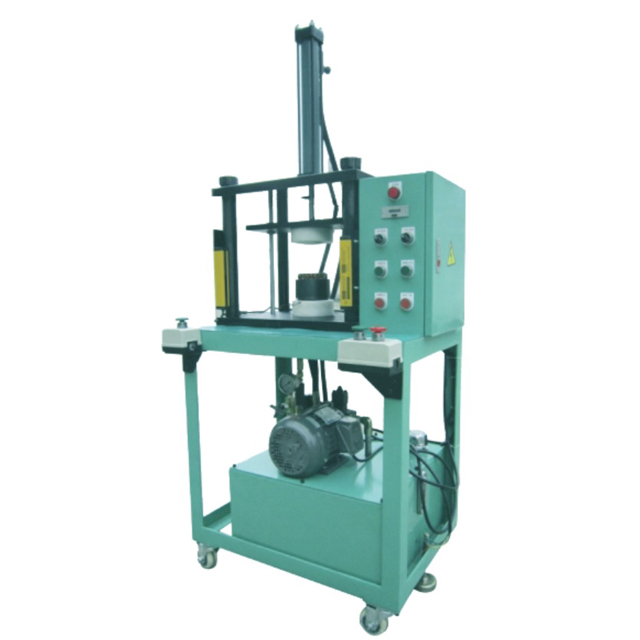
Forming & Shaping
Engineered for consistent insulation insertion, high-speed coil winding, intermediate shaping, and fine rotor turning. Every unit is fully configurable to KS/IEC industrial standards for plants across the Busan-Jinhae industrial corridor.
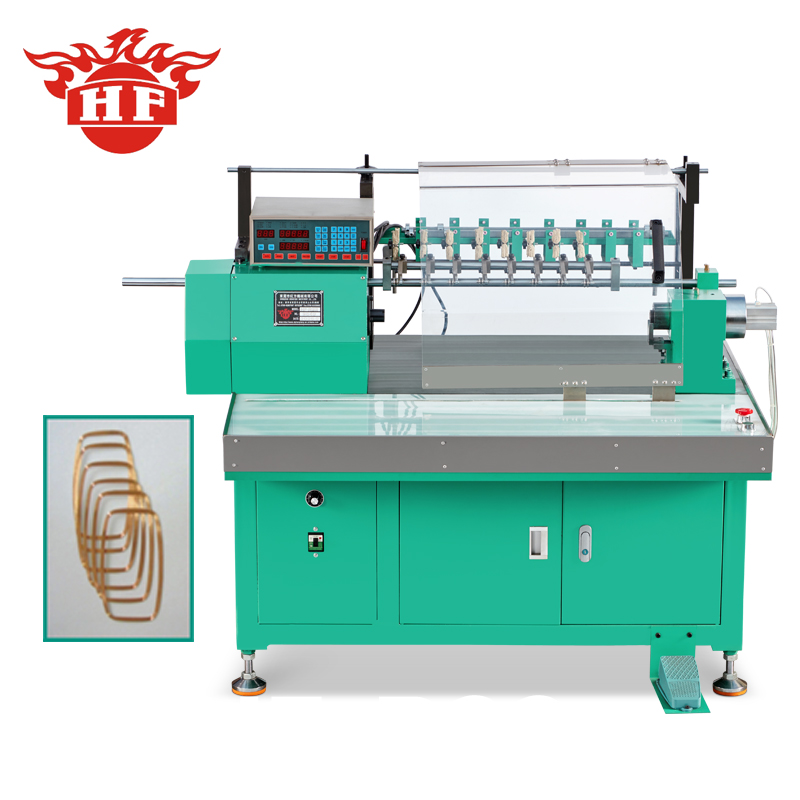
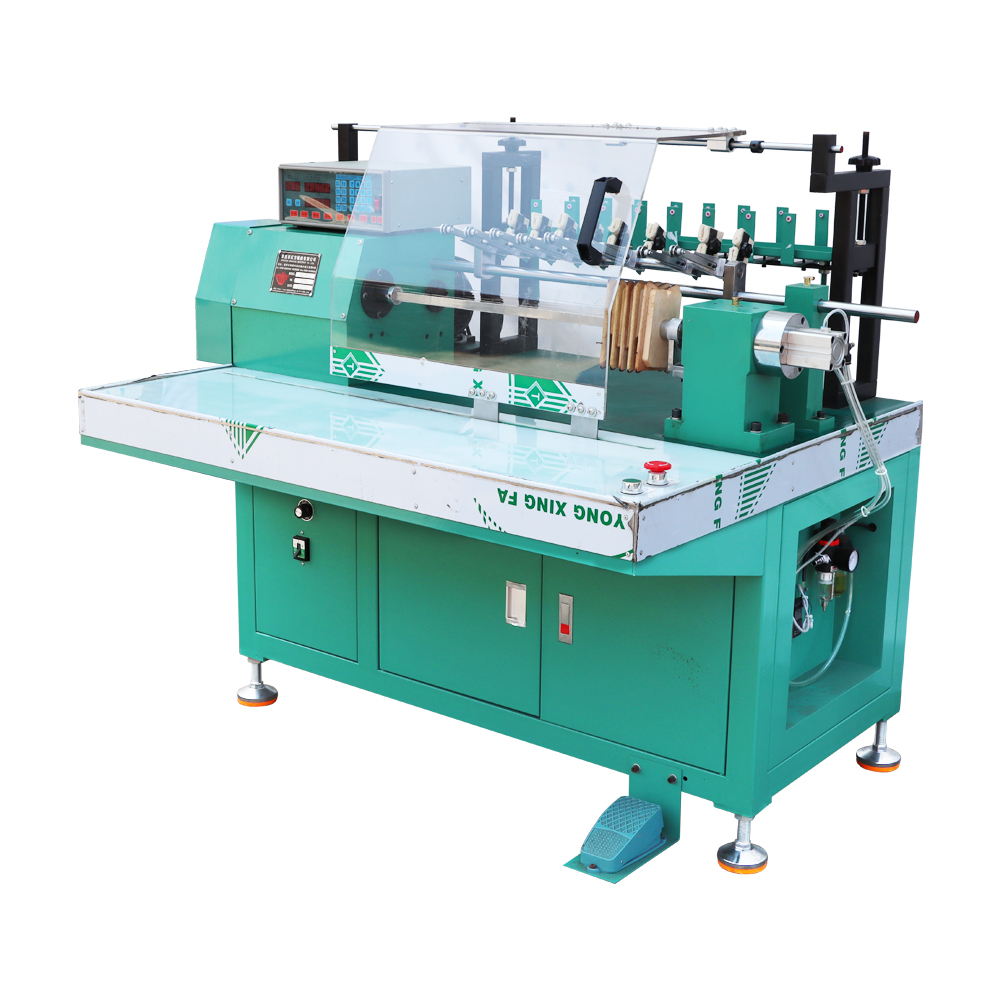
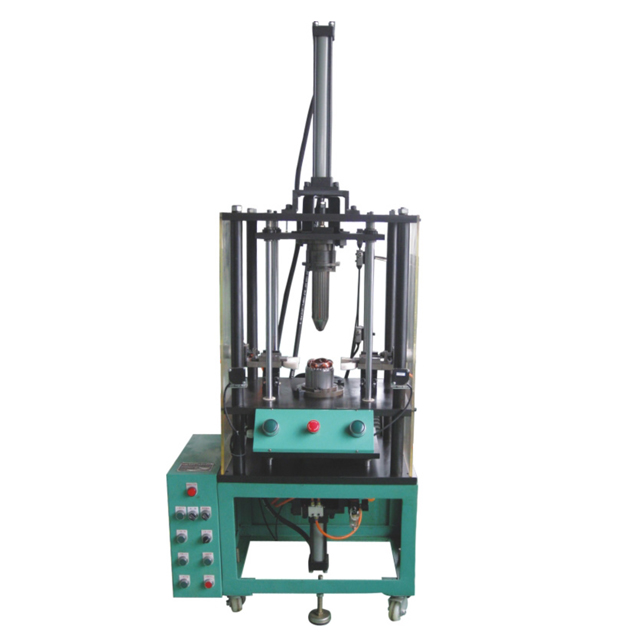
An engineering analysis of slot cell forming mechanics, cuffing edge integrity, and tooling geometry designed to eliminate earth-fault discharge under inverter-duty stress.
In electric motor manufacturing across the Greater Busan and South Gyeongsang industrial regions, electrical machines are increasingly subjected to severe pulse-width modulation (PWM) switching frequencies, harmonic heating, and harsh marine atmospheric conditions. Within induction and permanent magnet synchronous motors (PMSM), the ground wall insulation—specifically the stator slot liner—represents the primary defense mechanism against inter-turn-to-ground dielectric breakdown. The mechanical folding, creasing, edge cuffing, and insertion of technical insulation paper (such as Nomex®, DMD, or NMN composites) must execute with micron-level consistency to preserve dielectric withstand margins.
Traditional manual or semi-automated slot insulation methods frequently introduce microscopic crazing, micro-tears along the cuff folds, and uneven axial cuff projections. When copper or aluminum magnet wires are subsequently forced into the slot cavity during coil insertion, any localized fracture in the insulation barrier exposes the bare electrical steel core, leading to catastrophic partial discharge (PD) or premature insulation breakdown during hipot (high potential) testing.
Automated paper inserting machines utilize precise mechanical cam profiles synchronized with dual servo-driven paper feeding rails. The cuffing mechanism must achieve a precise 180° edge-fold without shearing the aromatic polyamide or polyester fibers, ensuring that axial lamination stack tolerance variations (±0.5 mm) do not cause the liner to slip inward during high-density wire winding.
Precision-ground carbide dies execute progressive bilateral hemming. The creasing angle is dynamically adjusted to match stator stack depths ranging from 15 mm up to 260 mm, preventing paper recoil and maintaining full slot cavity volume for optimal slot fill factor (up to 78%).
High-torque servo motors drive the radial indexing table with repeatability within ±0.02°. Optical sensors verify slot aperture alignment before pneumatic pusher engagement, eliminating mis-insertion on skewed laminations commonly specified in low-cogging motor designs.
Pushing blades, guides, and forming molds are manufactured from high-grade DC53 or SKD11 cold work die steel, vacuum heat-treated to HRC 60–62 and finished with PVD titanium nitride coating for abrasive insulation materials like thick multi-ply Nomex® laminate.
| Insulation Substrate | Thermal Class | Tensile Strength (MD/CD) | Dielectric Withstand | Folding & Inserting Performance | Recommended Stator Application |
|---|---|---|---|---|---|
| Nomex® 410 (Aramid) | Class H / 180°C | 160 / 110 N/cm | ≥ 20 kV/mm | High spring-back resilience; requires controlled micro-embossing crease tools. | Traction motors, hermetic marine compressors, variable frequency drives. |
| DMD (Dacron-Mylar) | Class F / 155°C | 130 / 100 N/cm | ≥ 14 kV/mm | Excellent ductility; high conformability to semi-closed and pear-shaped slots. | Industrial centrifugal pumps, ventilation fans, heavy factory automation drives. |
| NMN (Nomex-Mylar-Nomex) | Class H / 180°C | 190 / 140 N/cm | ≥ 22 kV/mm | Stiff cross-section; demands hardened pushing guides and high pusher tonnage. | Shipboard auxiliary machinery, subsea pump drives, wind turbine yaw motors. |
| NHN (Nomex-Polyimide) | Class C / 200°C+ | 210 / 160 N/cm | ≥ 25 kV/mm | High mechanical modulus; zero thermal shrinking; strict clearance requirements. | Aerospace actuators, nuclear reactor cooling pumps, high-heat marine valves. |
How advanced slot paper folding and inserting automation serves the specialized manufacturing ecosystem of the Busan-Jinhae Free Economic Zone, Noksan, and Sasang complexes.
Busan hosts South Korea's premier concentration of shipbuilding marine equipment suppliers (KOMEA member companies). Electric motors powering anchor windlasses, ballast pumps, cargo handling cranes, and LNG fuel gas supply systems must withstand high salt spray and severe continuous vibration. Our inserting machines supply tight, double-cuffed NMN/Nomex liners that seal slot corners against moisture condensation, meeting Korean Register (KR), DNV, and Lloyd's Register shipboard electrical standards.
Feeding into the broader Southeastern Automotive Belt connected to Ulsan and Changwon, Tier-1 and Tier-2 suppliers in Mieum fabricate steering assist motors (EPS), electronic braking boosters, and coolant pumps for electrified vehicles. These high-voltage brushless DC (BLDC) stators demand zero-burr paper insertion speeds under 0.6 seconds per slot, ensuring that automated wire-winding needles never strike an exposed core tooth.
From heavy wastewater processing plants in the Nakdong River basin to high-pressure chemical dosing pumps, local motor builders rely on automated insulation inserting machines to process diverse core diameters (ID from 30 mm to 220 mm) with rapid tooling changeover times under 20 minutes, directly lowering batch manufacturing costs for export-grade IE3 and IE4 industrial motors.
Adapting manufacturing plants to Korea Energy Agency (KEA) Minimum Energy Performance Standards (MEPS) and the shift toward digitalized Smart Factories.
South Korea enforces strict MEPS regulations. Achieving IE4+ efficiency requires maximizing slot copper fill and minimizing thermal hot spots. Our machines fold ultra-thin 0.15 mm to 0.18 mm composite liners that maximize available winding space while maintaining dielectric safety margins.
Busan smart manufacturing incentives encourage Industry 4.0 data tracking. Machines are engineered with native PLC protocols compatible with LS Electric, Mitsubishi, and Siemens architectures, providing real-time data feeds for insertion stroke pressure, cycle times, and paper roll depletion.
To resolve operational bottlenecks, touch screens provide multi-language Korean/English interfaces. Quick-clamp tooling sets allow machine operators to switch between 24-slot, 36-slot, and 48-slot lamination tooling without dismantling primary cam or feed assemblies.
Built in Dongguan's precision equipment hub and verified through 17 years of global machinery supply to motor manufacturers.
Headquartered in Qishi Town, Dongguan, Zunqi Intelligent Equipment Co., Ltd. operates a specialized manufacturing base equipped with CNC machining centers, wire EDM cutting units, and optical profile grinders. As an onsite-checked supplier with 17+ years of international trade history, we engineer stator and rotor production equipment that bridges the gap between cost efficiency and European-level precision.
Every stator paper folding and inserting machine undergoes rigorous trial runs using actual physical stator cores and customer-specified insulation rolls. We record and submit high-definition functional test videos and slot inspection reports prior to packaging in fumigation-free, moisture-barrier plywood crates designed for ocean transit directly to Busan Port (BPA).
Essential technical and commercial clarifications for engineering and purchasing teams across South Korea.
Machines are dispatched from our Dongguan facility to Shenzhen or Guangzhou port. Ocean freight sailing time to Busan New Port or North Port typically takes 3 to 5 business days. We provide comprehensive export documentation, including Certificate of Origin (under RCEP / China-Korea FTA) to minimize import duties for Korean buyers.
Yes. All motors, servo drives, transformers, and switchgear are custom-configured for Korean industrial electrical grids (single-phase 220V 60Hz or three-phase 380V/440V 60Hz). Electrical cabinets are equipped with CE/UL-compliant protection components and industrial grounding terminals.
Buyers provide their 2D/3D lamination CAD drawings (DXF/DWG/STEP) and courier 1–2 sample core stacks along with an insulation paper roll. Our engineering team machines dedicated custom forming dies and pushing blades, conducting a full-speed automated trial. A detailed video recording and CMM inspection report are delivered for final sign-off before dispatch.
For standard induction motor stators with straight or moderately skewed slots, insertion cycle times range from 0.4 to 0.75 seconds per slot, depending on stack height and paper thickness. A 36-slot stator can be fully insulated, cuffed, and indexed in approximately 18 to 26 seconds, including loading and unloading time.
Yes. The machine supports standard semi-closed trapezoidal slots, pear-shaped slots, circular slots, and specialized dual-slot configurations commonly seen in dual-voltage industrial motors. Tooling inserts are modular, allowing slot-specific customization within the same master frame.
We provide a comprehensive 1-year standard warranty on all mechanical, pneumatic, and electronic core components. A full maintenance kit—including spare pushing blades, hemming rollers, cutting shears, and proximity sensors—is packed inside the machine crate. Remote video diagnostics are supported within 9 hours by factory technicians.
Whether you are expanding high-density motor manufacturing in Noksan, developing e-mobility actuators in Mieum, or upgrading shipboard auxiliary pump lines, our engineers will engineer a matched tooling and machine proposal tailored to your stator drawings.
