High-Efficiency Stator Production & Coil Forming Machinery
Precision machinery designed to handle intermediate and final stator coil forming, automated slot lacing, multi-station winding, and slot insulation for micro, fan, pump, and heavy industrial motors.
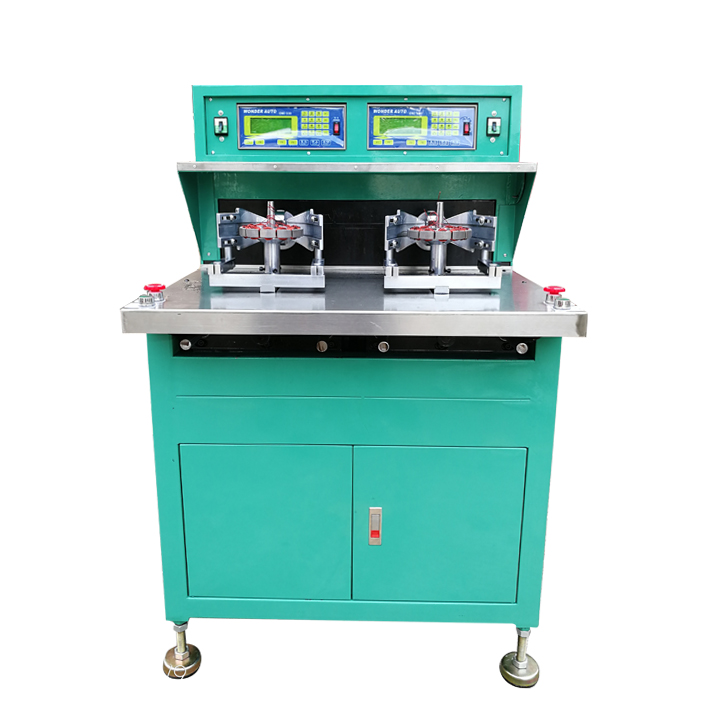
HF New Heavy Duty Certified 2 Controller 2 Station Automatic Ceiling Fan Winding Machine PLC Motor 1 Year Warranty 1 kW 220V
- Power: 1 kW, 220V Single-Phase
- Dual-station synchronized winding
- Dual PLC control for continuous duty
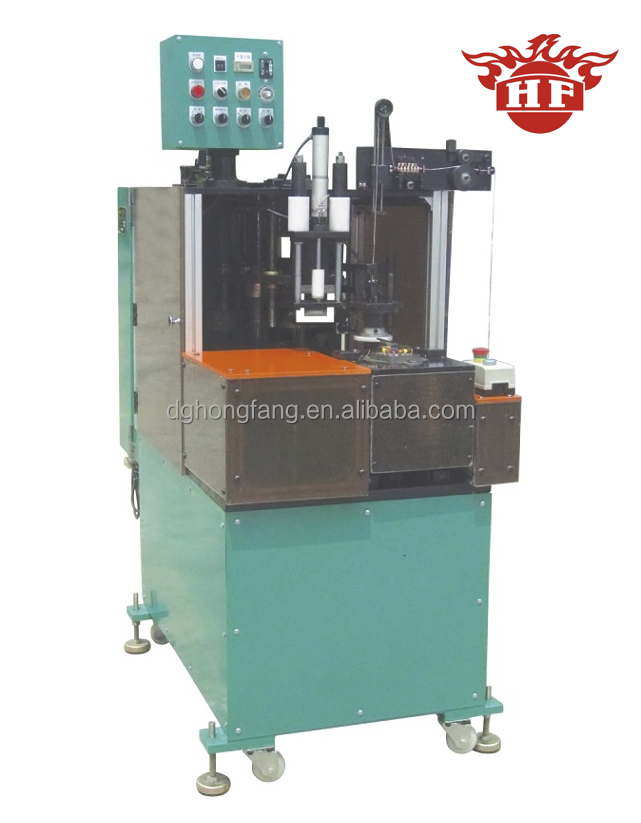
HF-BS20 Servo Type Automatic Coil Double Side Lacing Machine for Fan Motor 1000W 220V
- Dual-end synchronized lacing cycle
- High-speed servo needle indexing
- Uniform tensioning prevents wire rash
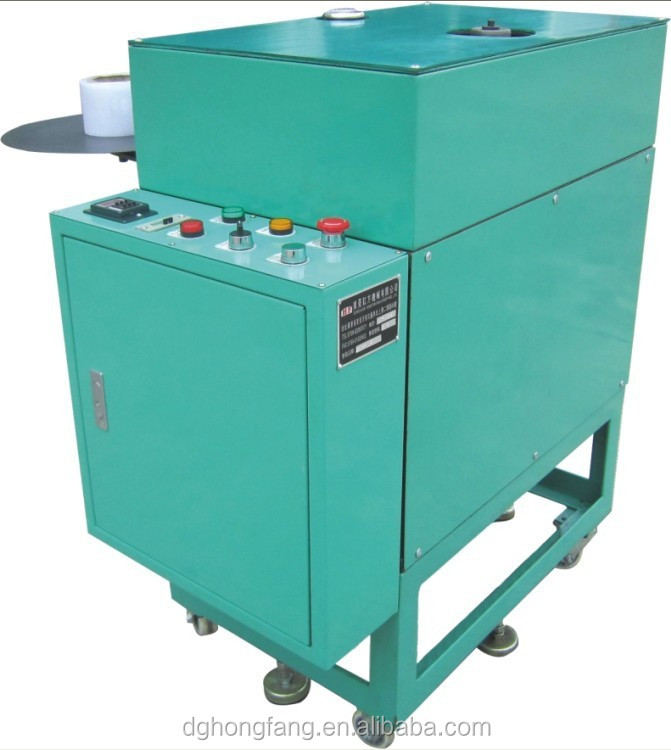
HONGFANG HF-D50 220V 1000W Green Insulation Paper Insertion Machine for Cooler Motor
- Automated feeding, creasing & cutting
- Zero-damage slot lining positioning
- Designed for cooler & pump stators
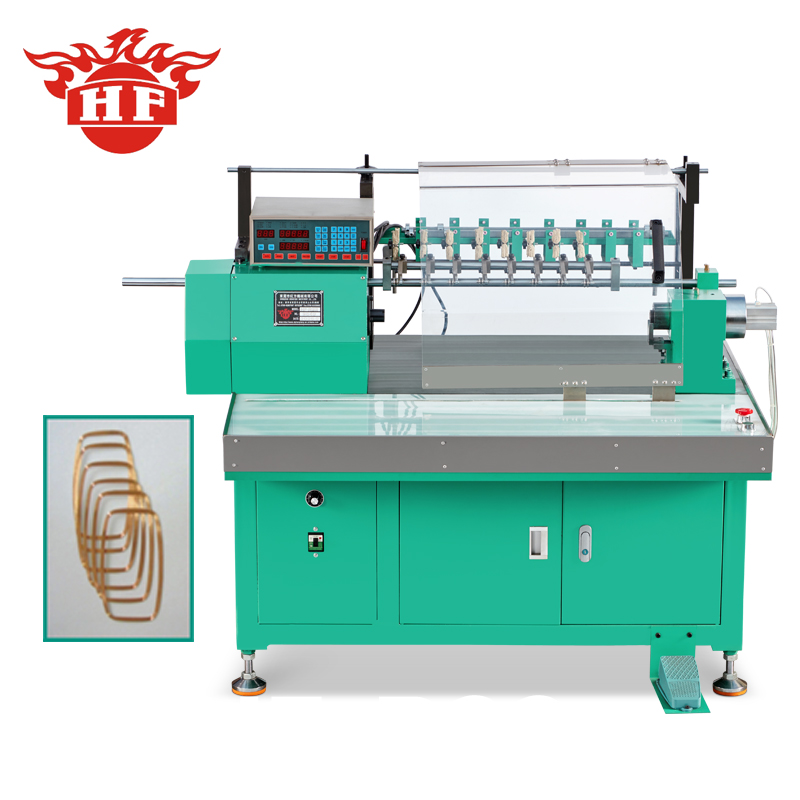
HF-R22 Coil Winding Machine Semi Automatic Coil Making Machine 8 Heads for Fan & Pump
- 8 winding flyer heads simultaneously
- Handles copper and aluminium enamelled wire
- Broad range: 0.1mm - 1.2mm wire size
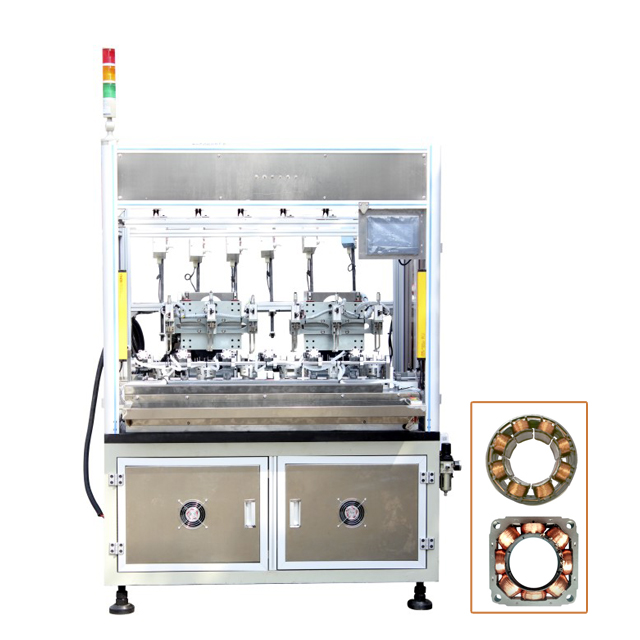
HF-LO2-6G Six Stations Internal Winding Machine with PLC and Engine for Motor Coil Inner Stator
- 6-station auto indexing rotary table
- Ultra-dense internal slot needle winding
- Full PLC touch-screen programmability
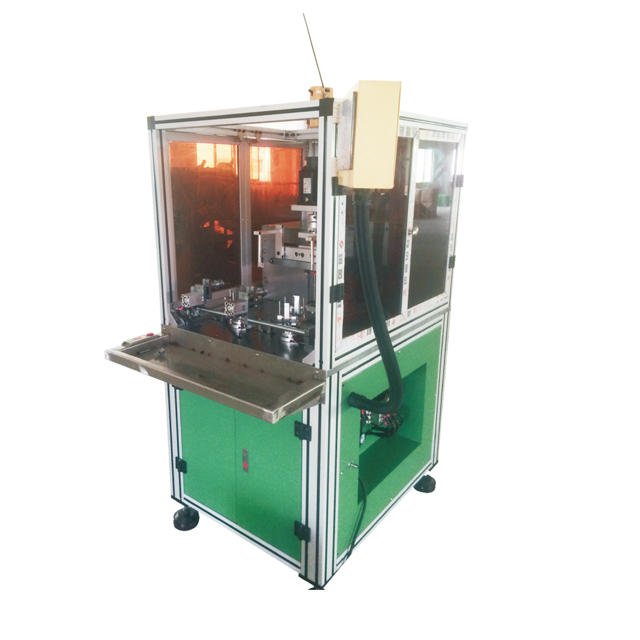
4 Stations Internal Stator Winding Machine for Industrial AC & Brushless Motors
- 4 independent high-precision spindles
- Precise layer winding & tension control
- Ideal balance of floor space & output
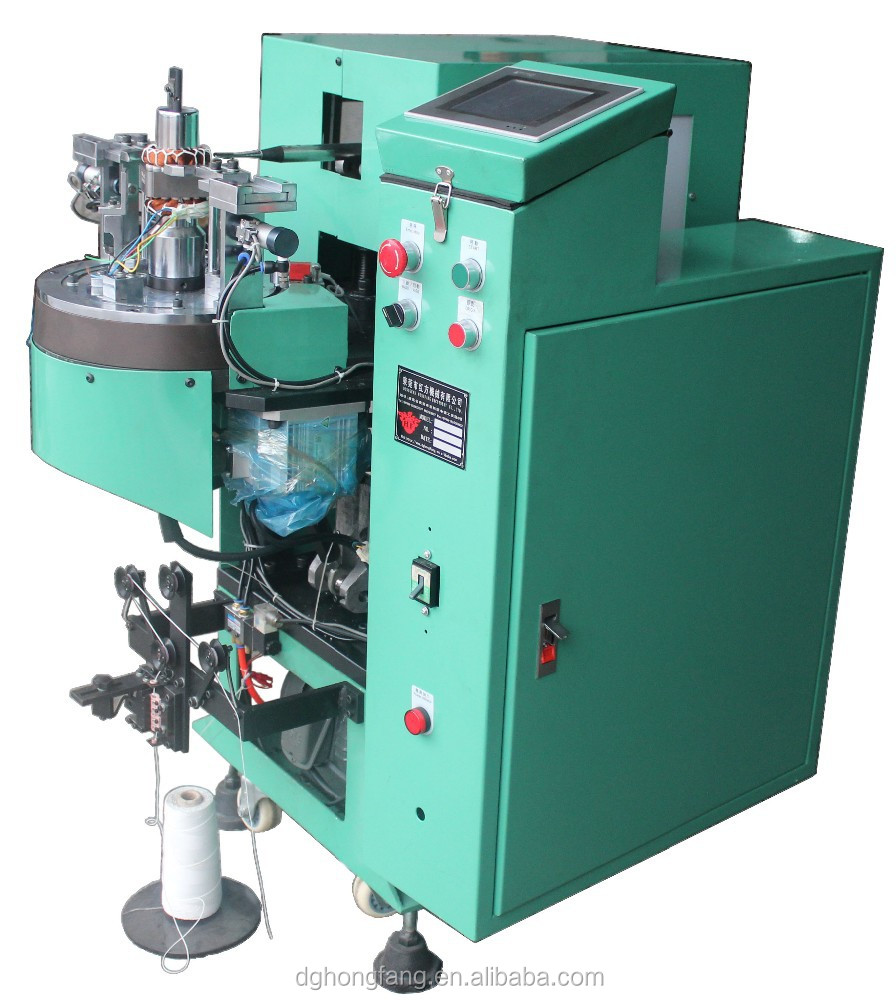
HF Single Side Lacing Machine for Table Fan Motor Stator Coil 1000W 380V/220V
- Configurable power: 220V or 380V
- High-speed pitch-to-pitch lacing
- Solid mechanical cam construction
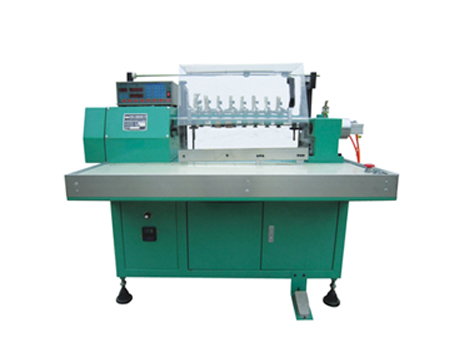
Electrical Motor Stator Coil Winding Machine for Industrial Cooler & Pump Motors
- Optimized for heavy-gauge magnet wire
- Precision slot crossing & turn counting
- Standard 1-year factory warranty
Stator Forming Mechanics & Electromagnetic Optimization
An authoritative technical breakdown of mechanical forming stresses, dielectric boundary protection, and slot clearance tolerances for motor manufacturing engineers in Battambang.
In electric motor assembly, stator forming is the pivotal manufacturing bridge between coil insertion and final housing assembly. Stator coil forming equipment performs two mandatory stages: intermediate pre-forming and final 3D contour forming. Intermediate forming expands the internal diameter of the end windings and flares the coil overhang radially outward. This prevents the coils from invading the rotor bore envelope during slot lacing. Final forming calibrates the outer profile, overhang axial height, and internal bore clearance under controlled hydraulic or servo-driven mechanical pressure. This guarantees that finished stators seat cleanly inside the motor frame without compromising the enamel insulation.
Critical Parameters of Precision Stator Forming
Achieving stable electromagnetic flux transfer demands complete dimensional uniformity across every stator slot. Mechanical stator forming dies apply multi-directional expansion pressures (horizontal, radial, and axial expansion simultaneously). If pressure distribution deviates by more than 5%, localized stresses shear the magnet wire enamel coating (polyesterimide/polyamide-imide overcoat), leading directly to inter-turn short circuits. High-grade forming systems utilize custom hardened steel tooling (Cr12MoV vacuum heat-treated to HRC 60-62) ground to micrometer accuracy matching the specific lamination stack height and slot count of the stator core.
Furthermore, managing slot fill factors above 75% requires precise intermediate expansion before lacing cords are applied. Without standardized forming tooling, wire cross-overs generate high-pressure friction spots during double-side lacing, causing micro-fractures in the insulation. Our integrated line design ensures that slot insulation inserting, winding, wedge insertion, intermediate forming, lacing, and final forming operate with matching mechanical tolerances.
Industrial Application Scenarios Across Battambang
Deploying robust stator coil forming and winding machinery directly tailored to northwestern Cambodia’s unique agricultural processing, irrigation, and emerging electrical manufacturing sectors.
Rice Milling & Agro-Processing Motors
Battambang is the agricultural capital of Cambodia, powering extensive rice processing infrastructure along National Road 5. Continuous-duty 3-phase induction motors (3 kW to 45 kW) driving grain dryers, de-huskers, and conveyor blowers require dense stator forming that tolerates high ambient dust and temperature swings.
Submersible & Irrigation Water Pumps
Intensive farming across the Sangkae River basin depends on heavy-duty agricultural pump motors. Stator forming equipment must yield exceptionally tight end-turn dimensions to permit hermetic vacuum resin varnishing, safeguarding windings against groundwater immersion and severe seasonal flooding.
Ventilation & Evaporative Air Coolers
Commercial livestock poultry units and garment plants situated in the Battambang industrial zones require massive arrays of ceiling fans and wet-curtain cooling blowers. Dual-station ceiling fan winders and automated lacing lines provide fast, low-cost assembly using either copper or aluminum wire.
Manufacturing Evolution & Electrification Trends in Cambodia
How infrastructure improvements, special economic corridors, and import-substitution policies are driving demand for domestic motor stator fabrication in Battambang Province.
The manufacturing ecosystem of Battambang is undergoing a structural transformation. Traditionally reliant on imported electrical motors from Thailand and Vietnam, regional workshops and industrial assembly facilities are rapidly investing in dedicated automated production tooling to foster domestic component assembly. Three distinct trends underpin this technological migration:
1. The Phnom Penh–Poipet Economic Corridor Integration
With massive national infrastructure upgrades along the northern rail link and National Highway 5 connecting Phnom Penh through Battambang to the Thai border at Poipet, Battambang is evolving from a purely agrarian logistics center into a competitive sub-assembly hub. Local machine builders benefit from reduced transport times for electrical steel sheets, enameled wire spools, and automation hardware, making localized motor assembly commercially viable.
2. Transition from Manual Rewinding to Automated OEM Production
For decades, local motor workshops around Battambang focused on manual motor rewinding using manual wooden blocks and hammers. While sufficient for repair, this process introduces significant coil head variations, inconsistent phase balance, and insulation damage. The modern trend sees local producers acquiring automated CNC slot paper inserters, multi-station internal winders, and servo-hydraulic forming machines to produce standardized, high-efficiency (IE2 and IE3 rated) stators.
3. Climate-Resilient & Variable-Voltage Motor Design
Rural grid fluctuations in northwestern Cambodia create steep voltage drops during peak irrigation seasons. Equipment built for this market demands tighter stator winding density and uniform forming to accommodate thicker insulation liners (such as Class F green composite papers) without exceeding maximum physical envelope limits. Automated forming tooling guarantees the precise coil compression needed to maximize heat dissipation across the laminated core.
Why Industrial Buyers Choose Zunqi Equipment
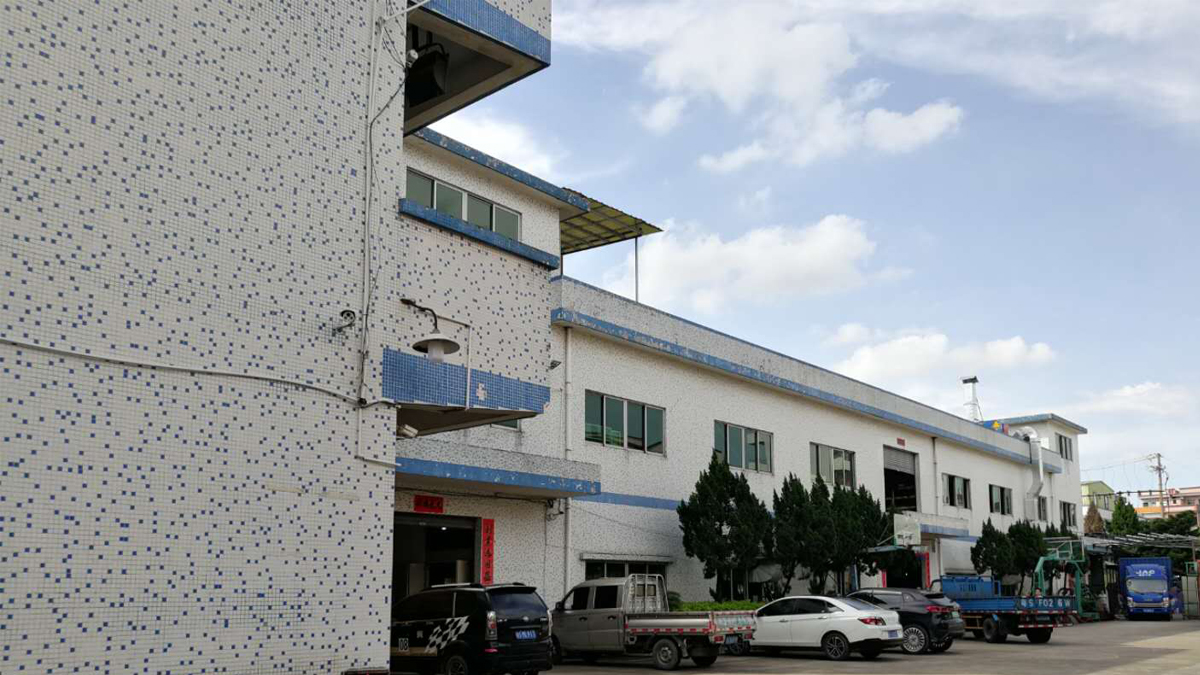
Zunqi Intelligent Equipment Co., Ltd. (Dongguan, China) integrates over 17 years of direct equipment manufacturing, delivering customized motor assembly machinery verified by international procurement standards.
Custom Tooling to Specific Stator Geometry
Every forming die, coil insertion blade, and winding mandrel is custom engineered to your exact stator drawings (OD, ID, stack height, slot shape, turns per coil).
Complete Turnkey Stator Production Lines
From slot insulation inserting to coil winding, wedge insertion, intermediate forming, double-sided lacing, final forming, and rotor fine turning—all matched in cycle time.
Open Electrical Architecture (Siemens / Mitsubishi / Delta)
Configurable PLC, servo drive, and pneumatic components (SMC, Airtac) tailored to your maintenance team's preferred spare-part inventory.
1-Year Comprehensive Warranty & Fast Dispatch
Low MOQ of 1 set, video-guided parameter setup, complete trial run testing on your physical stator sample before dispatch, and guaranteed wearing-part supply.
Frequently Asked Questions by Local Engineers & Buyers
Clear technical answers addressing electrical compatibility, shipping logistics to Battambang, tooling lead times, and post-sales technical support.
Q Can the equipment operate stably under Cambodian power grid specifications?
Yes. Our machines are built with industrial-grade voltage stabilization options. We support standard 220V single-phase 50Hz and 380V three-phase 50Hz inputs configured precisely to Cambodian electrical grid conditions, protecting sensitive servo drives against transient voltage sags.
Q How do we ensure the forming tooling matches our specific motor laminations?
Before machining begins, our design office reviews your CAD lamination drawings. We require key dimensions: Stator Outer Diameter (OD), Inner Diameter (ID), Stack Height, Slot Opening, and Wire Gauge. You may also send an un-wound stator sample directly to our Dongguan test center for zero-tolerance mold fitting.
Q What are the shipping routes and lead times to Battambang Province?
Machines are packed in solid, fumigation-free plywood export cases with multi-layer VCI rust-inhibiting film. Equipment ships via sea freight to Sihanoukville Autonomous Port (PAS) or cross-border bonded land freight via Thailand/Vietnam directly to Battambang customs clearings. Typical sea transit is 7 to 12 days from loading.
Q What is the Minimum Order Quantity (MOQ) for stator forming equipment?
Our MOQ is strictly 1 set. Whether you require a single standalone table fan coil lacing machine or an entire 8-step automated production line, we provide equal technical engineering validation, trial videos, and factory-direct guarantees.
Q Can the coil winding and forming machinery process both copper and aluminum wire?
Yes. Given the increasing adoption of cost-effective enameled aluminum magnet wire in fan and cooler motor manufacturing, our tensioning mechanisms and forming heads feature micro-polished ceramic eyelets and pressure regulators to prevent surface scratching or elongation breaks on aluminum conductors.
Q How is on-site setup and operator training managed in Battambang?
Every machine is delivered with comprehensive wiring diagrams, step-by-step operating videos, and pre-configured PLC program profiles. Our bilingual engineering desk conducts live video commissioning via WeChat/WhatsApp, and on-site engineering dispatch is available for complete turnkey factory line installations.
Modernize Your Motor Stator Production Line Today
Consult with our mechanical and electrical engineers. Send us your stator lamination drawings and output targets to receive a fully dimensioned machine tooling proposal within 9 hours.
Inquire Now