Core Machinery Portfolio for Stator & Rotor Processing
Configured specifically to handle severe Canadian operating demands—from sub-zero industrial HVAC systems to continuous-duty mining pumps. Tooling custom-machined directly to CAD geometries.
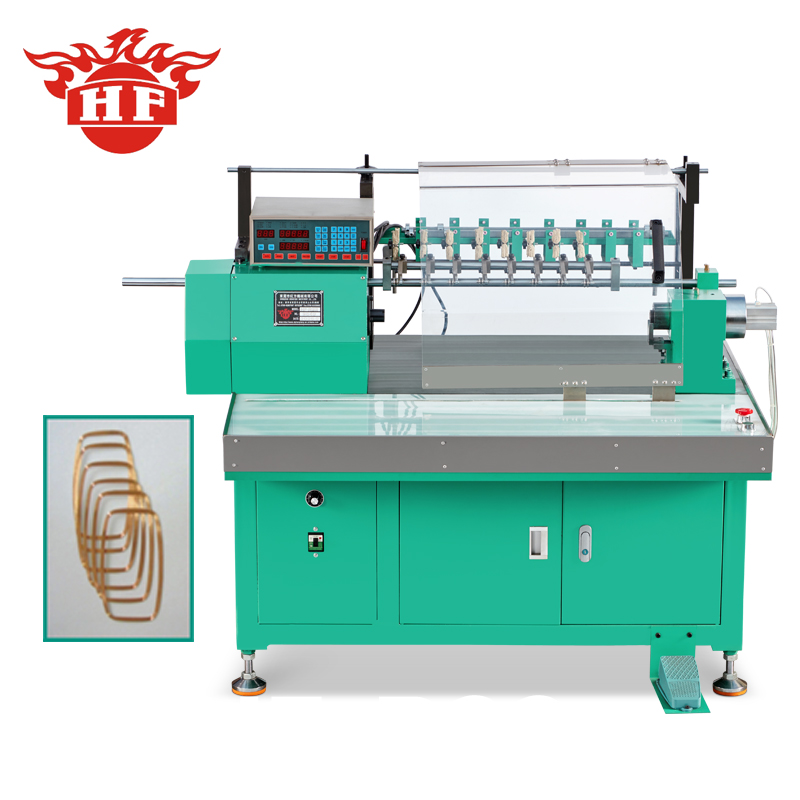
HF-R22 Coil Winding Machine Semi Automatic Coil Making Machine 8 Heads
- ⚙ 8 Heads for Batch Winding
- ⚙ Fan, Cooler & Pump Motors
- ⚙ 1-Year Comprehensive Warranty
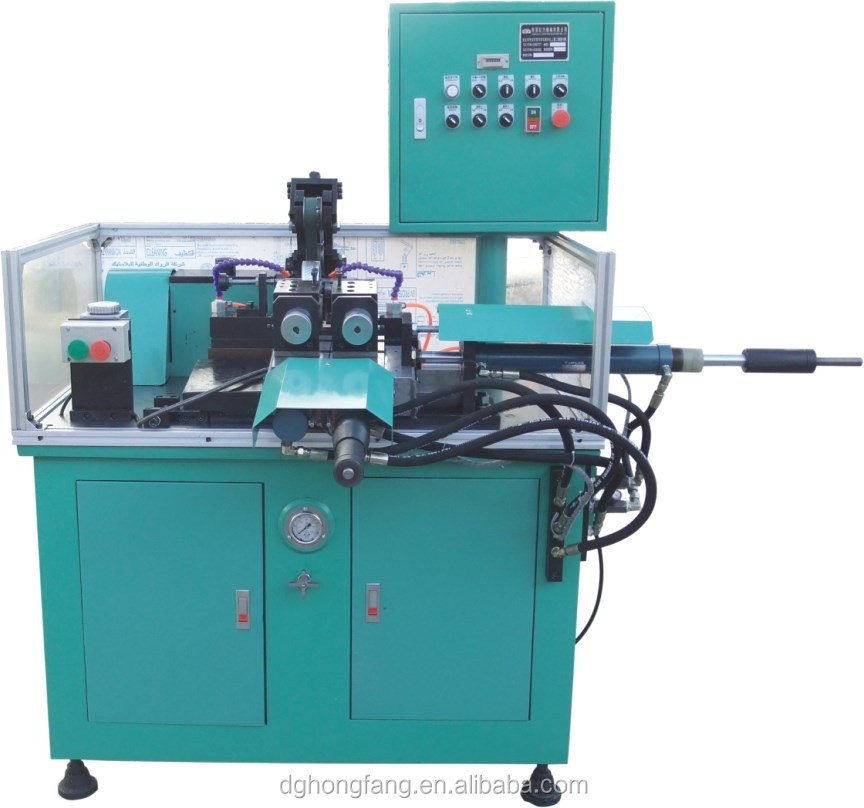
New HF Fan Motor Rotor Turning & Casting Machine with PLC and Pump
- ⚙ Integrated Coolant Pump
- ⚙ Surface Micro-Cutting System
- ⚙ Precision Core Concentricity
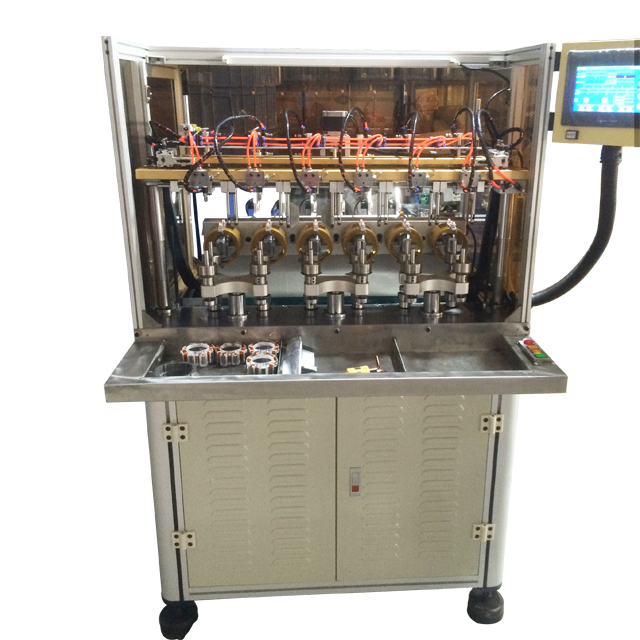
Six Stations Outer Stator Motor Coil Winding Machine Automatic
- ⚙ Multi-Station Automated Indexing
- ⚙ High-Speed Outer Stator Spindles
- ⚙ PLC Controlled Tension Array
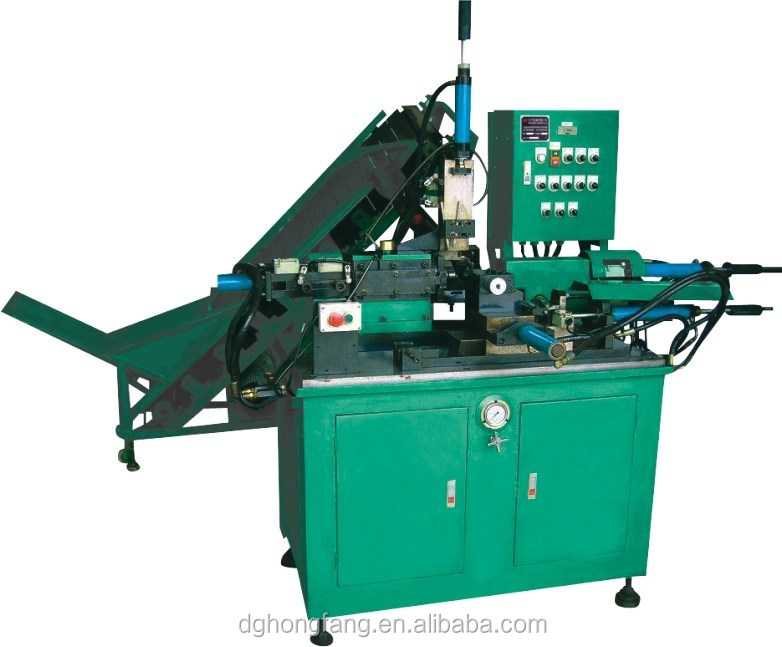
Automatic Rotor Fine Turning & Surface Cutting Machine HF-C60
- ⚙ Air-Gap Tightness Optimization
- ⚙ Industrial Heavy Cast Base
- ⚙ Core Turning Precision Control
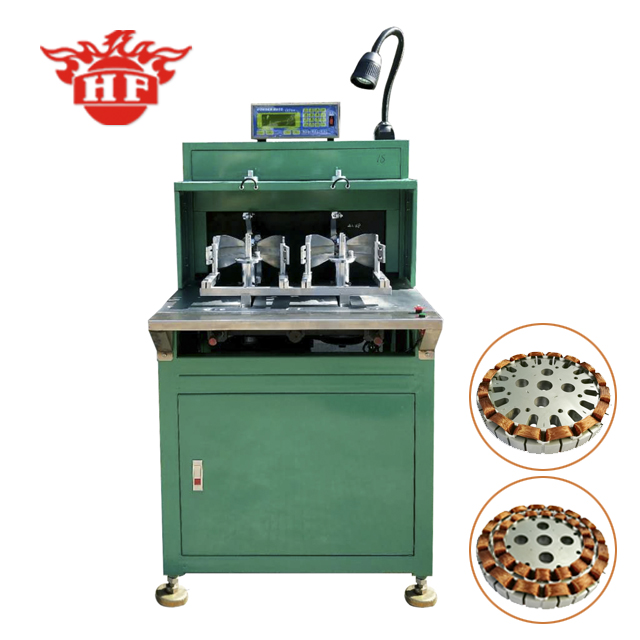
Automatic Ceiling Fan Winding Machine Two Station Production Platform
- ⚙ Dual Working Stations
- ⚙ Continuous Winding Cycle
- ⚙ Programmable Core Tooling
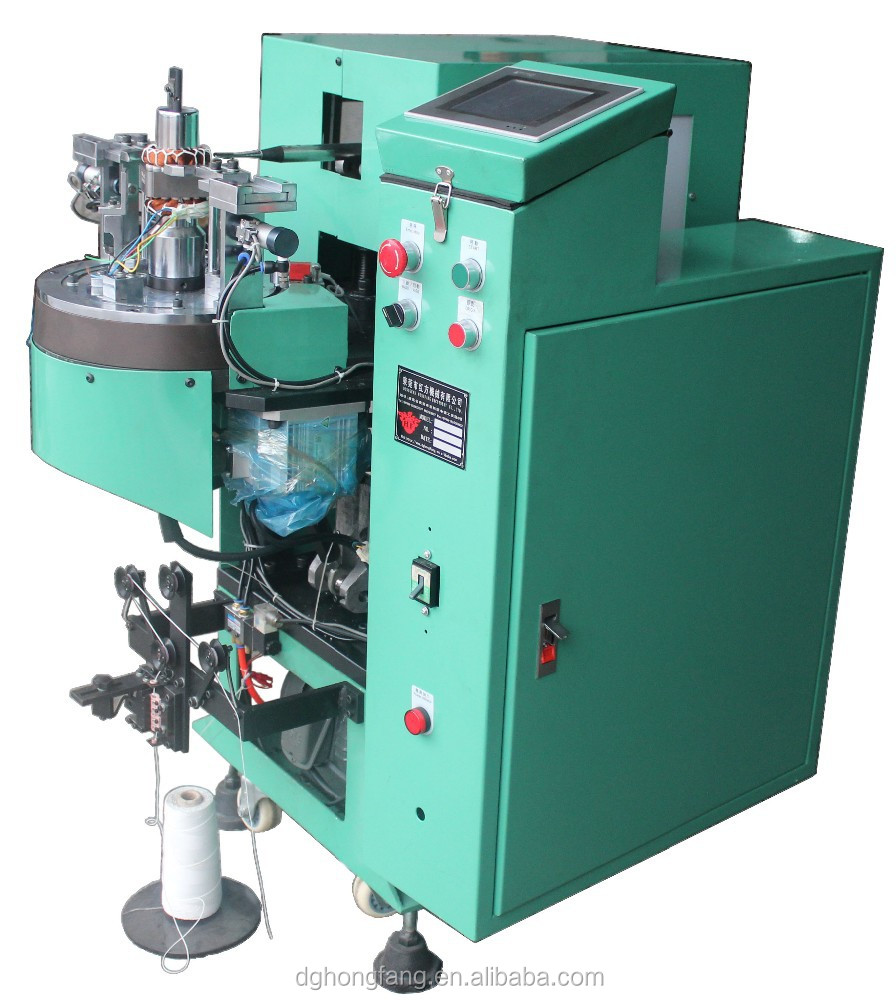
HF Single Side Lacing Machine for Table Fan Motor Stator Coil 1000W
- ⚙ High-Speed Needle Reciprocation
- ⚙ 220V/380V Industrial Spec
- ⚙ Uniform End-Turn Tensioning
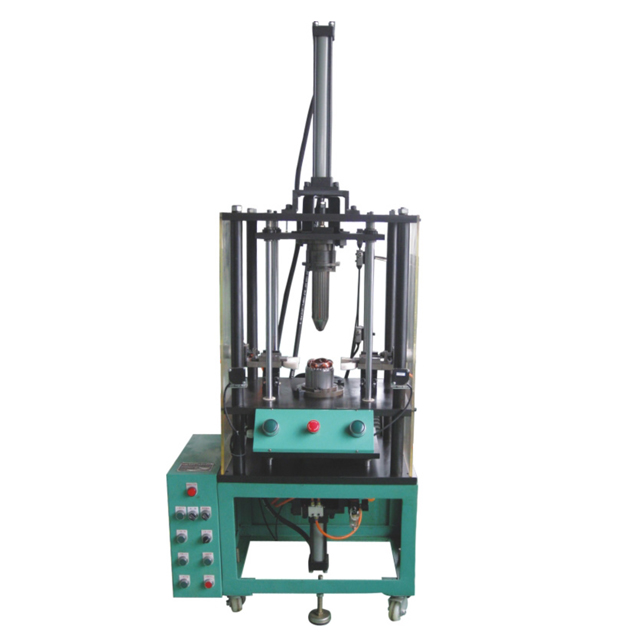
HONGFANG Motor Stator Coil Forming & Shaping Machine 1 kW
- ⚙ End-Turn Dimension Forming
- ⚙ Clearance Protection for Rotor
- ⚙ Multi-Jaw Hydraulic Tooling
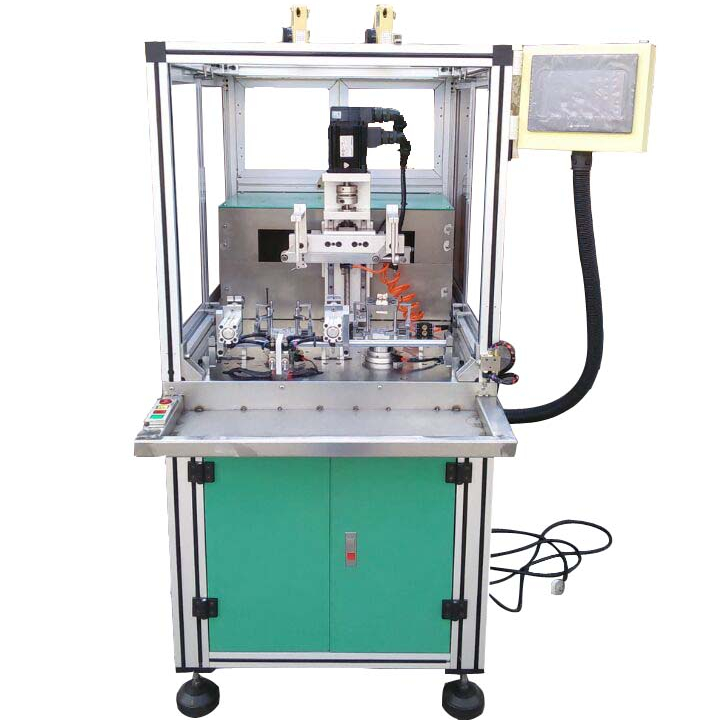
Two Stations Transformer & Motor Outer Stator Winding Machine
- ⚙ Dual Station Synchronous Run
- ⚙ Heavy Wire Processing Spindle
- ⚙ Quick-Change Mandrel Design
Engineering Stator Integrity: Why Dual-Sided Lacing Matters for Canadian OEMs
Electric motors deployed in North American heavy industry face intense operational stresses. In Canada, extremes in ambient temperatures—ranging from +35°C in southern Ontario manufacturing facilities to -45°C in northern Alberta oil installations and mining shafts—place harsh thermal-cycling strains on the internal stator package. Stator end windings are subject to high Lorentz forces during motor startup, transient surges, and variable frequency drive (VFD) switching harmonics. Without rigid, tension-calibrated binding across both the drive-end (DE) and non-drive-end (NDE) heads, microscopic bundle oscillations inevitably degrade slot insulation paper, leading to inter-turn shorts and catastrophically premature motor failures.
The Engineering Reality: A loose end winding allows magnet wire vibration under electromagnetic surge currents. Our automated double-side stator coil lacing machines compress and cinch coil bundles with programmable, closed-loop servo cord tension, locking every copper loop securely against high vibration and thermal cycling.
Modern Canadian manufacturing requirements demand a transition from labor-intensive manual tying to fully automated, simultaneous dual-side lacing. By executing needle insertion, hook-over knotting, and stator core indexing on both coil overhangs in a single continuous cycle, cycle times drop from 12–15 minutes down to 18–35 seconds per stator. More importantly, automated double lacing eliminates human fatigue variations, ensuring consistent tension across 100% of manufactured units.
Synchronous Multi-Axis Servos
Driven by coordinated servo architectures (Mitsubishi, Siemens, or Delta), ensuring exact angular alignment between the upper/lower needle heads and the circular rotary indexing fixture.
Adaptive Stitch Configurations
Operators can switch freely between slot-by-slot lacing, interval skip lacing, and multi-cross knot tying via an intuitive HMI touch-screen, catering to low-inductance premium-efficiency designs.
CSA & Canadian Grid Adaptability
Configurable for Canadian standard industrial grids (208V, 240V, 480V, 575V 3-phase, 60Hz), featuring NFPA/CSA-aligned emergency shutoffs, interlocked safety guards, and dry contact alarms.
Targeted Applications Across Canadian Industrial Corridors
The manufacturing landscape in Canada is geographically diverse, with distinct regional industrial clusters demanding purpose-engineered automated motor production equipment:
Ontario: Automotive & EV Supply Chain
Centered in Windsor, Hamilton, and the Greater Toronto Area (GTA), Tier-1 automotive motor builders utilize high-speed double lacing machines for auxiliary automotive pumps, HVAC actuators, EPS servo motors, and next-generation hybrid drive units.
Quebec: Hydro & Rail Transportation
In Montreal and surrounding transit-tech corridors, heavy traction auxiliary blowers, high-efficiency rail motors, and continuous-duty pump packages demand dense, vibration-proof stator tying to endure 24/7 shock loads and cold winter starts.
Alberta & BC: Resource Extraction & Marine
Western Canadian operations require explosion-proof (Class I, Div 2) and submersible slurry pump motors. Stator windings must undergo dense double-sided lacing prior to VPI (Vacuum Pressure Impregnation) resin encapsulation to prevent voids.
Standard Technical Specifications for Double-Side Lacing Units
Our stator coil double lacing platforms are tailored to production stack heights, bore dimensions, and cycle time targets. Below are typical parameters for standard units supplied to North American manufacturers:
| Specification Parameter | Standard Series (HF-BS20) | Heavy-Duty Industrial Series | High-Pole Compact Series |
|---|---|---|---|
| Stator Outer Diameter (OD) | Φ40 mm – Φ160 mm | Φ100 mm – Φ260 mm | Φ30 mm – Φ110 mm |
| Stator Stack Height Range | 10 mm – 120 mm | 30 mm – 220 mm | 8 mm – 70 mm |
| Overhang Coil Head Height | Max. 45 mm | Max. 75 mm | Max. 32 mm |
| Lacing Speed (Stitches/min) | Up to 220 stitches/min | Up to 180 stitches/min | Up to 240 stitches/min |
| Applicable Cord Types | Polyester, Nomex, Nylon Cord | Heavy Waxed Polyester / Flat Cord | Fine High-Tensile Filament |
| Control Architecture | PLC + Dual Servos + Color HMI | Multi-Axis Coordinated Servo System | Integrated Embedded Motion Controller |
| Electrical Voltage Rating | 220V 1-Ph / 380V/480V 3-Ph (60Hz) | 480V / 575V 3-Phase (60Hz CSA) | 208V / 240V Single or 3-Phase |
Emerging Procurement & Manufacturing Trends in Canada
Canadian electrical apparatus builders and repair workshops face high labor costs and increasing international efficiency standards. To stay competitive, several clear procurement trends are reshaping machine purchasing decisions:
1. Alignment with Natural Resources Canada (NRCan) Energy Efficiency Regulations: Canada enforces strict MEPS (Minimum Energy Performance Standards) equivalent to NEMA Premium and IEEE 841 standards. Higher efficiency motors require greater slot fill factors (often exceeding 75–80%), making coil insertion and slot clearance extremely tight. Automated double lacing flattens and tightens the coil overhang, leaving precise internal bore clearance for subsequent rotor insertion without scuffing enameled wire.
2. Tooling Modularity for High-Mix, Low-Volume Batches: Unlike high-volume automotive plants in Asia, many Canadian facilities handle diverse specialty production runs—such as marine thruster motors, custom pump packages, or repair rewinds. Our quick-change clamp rings, adjustable core height mandrels, and recipe-based HMI parameter storage enable full tooling changeovers in under 15 minutes.
3. VFD Inverter-Duty Voltage Endurance: With Canadian industrial sectors increasingly adopting Variable Frequency Drives, motors face steep-front voltage spikes and reflected waves. High-voltage Nomex phase barriers are mandatory. Double-side lacing ensures these phase separators are firmly bound between the phase windings, eliminating micro-arcs under PWM inverter stress.
Global Component Integrations: Built for Local Maintainability
We configure core electrical and pneumatic elements around tier-one global suppliers. Your maintenance technicians in Calgary, Toronto, or Montreal can source identical replacement parts from local distributors, minimizing machine downtime:
Frequently Asked Questions by Canadian Buyers
Clear, direct technical and commercial answers addressing shipping, electrical compliance, tooling lead times, and on-site support.
