Featured Stator Winding, Lacing & Production Equipment
Direct factory production lines matched to IEC, NEMA, and custom automotive stator profiles. Built in our Dongguan facility with customizable PLC architectures and exported directly to Monterrey workshops.
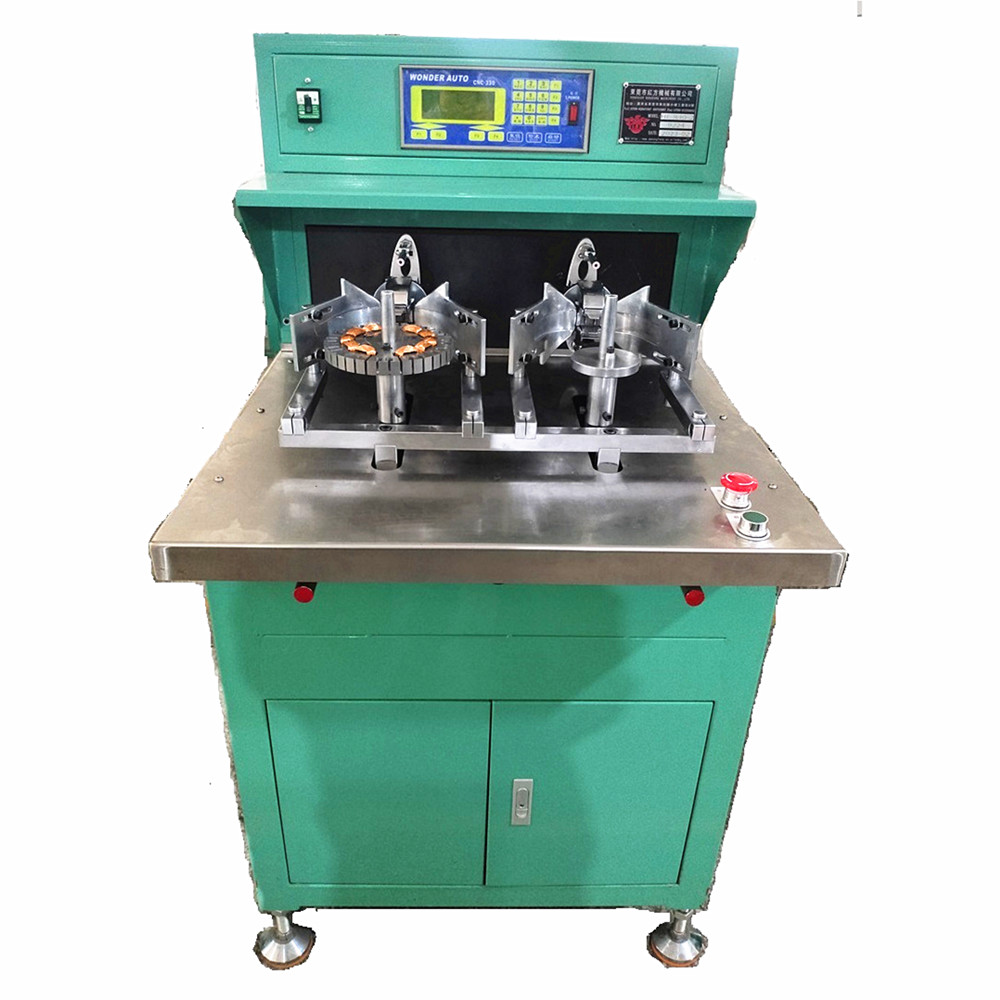
HF-R40-2C Automatic Fan Motor Coil Winding Machine
- Dual workstation synchronous coil winding
- Precision indexing for domestic appliance stators
- Comprehensive 1-year factory warranty
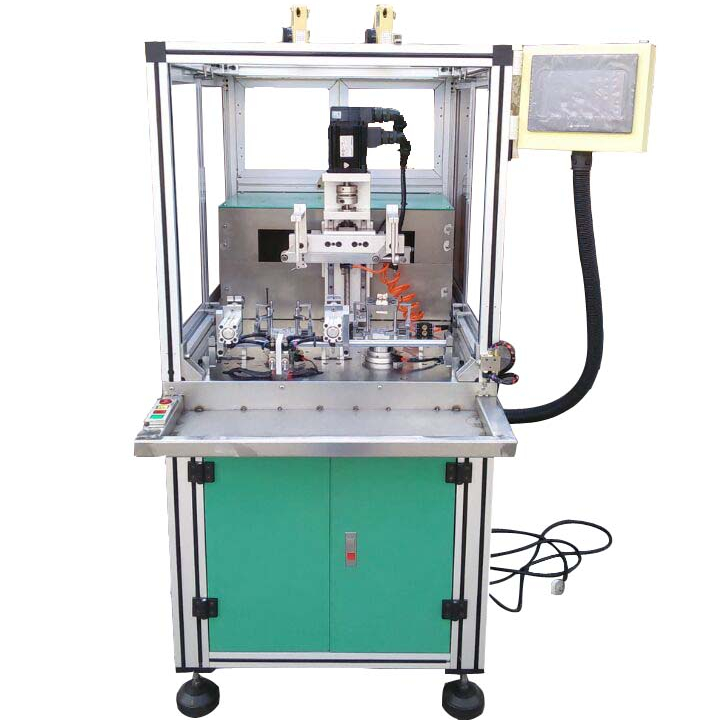
Two Stations Transformer & Outer Stator Winder
- Multi-purpose transformer & stator winding
- Adjustable tensioning for fine or heavy wire
- High-speed automatic spindle orientation
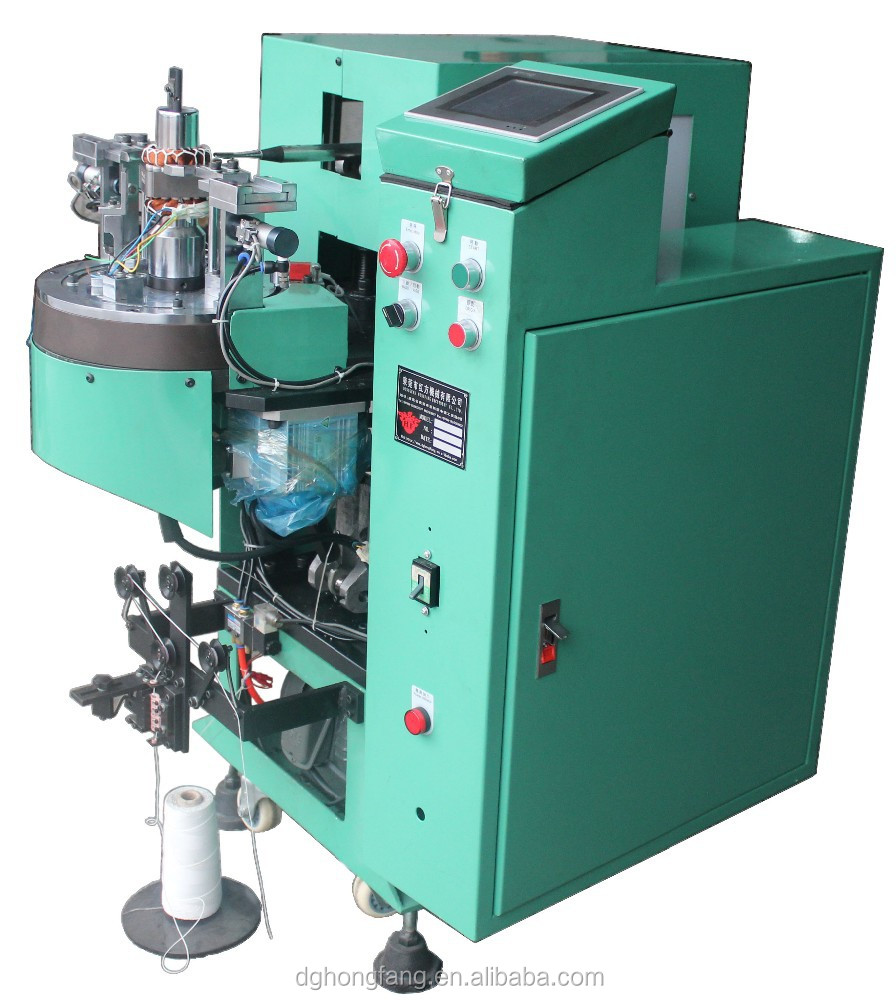
HF Single Side Table Fan Motor Stator Coil Lacing Machine
- Continuous or interval lacing configurations
- Mechanical cam and needle sync design
- High rigidity frame for zero vibration binding
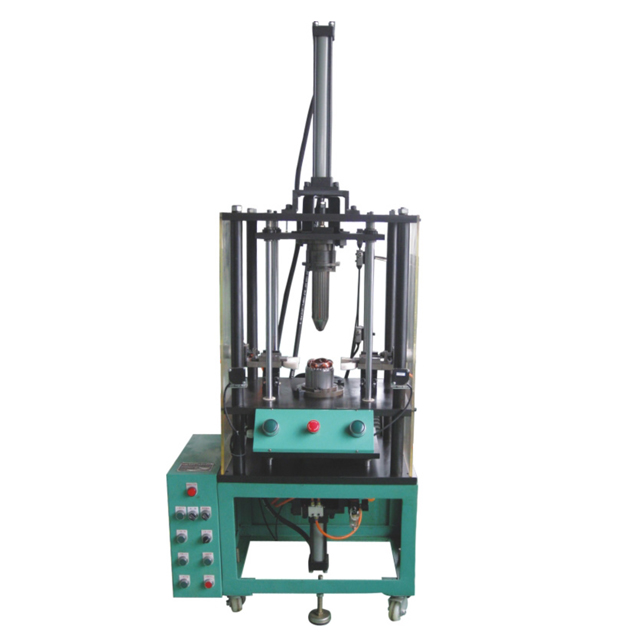
HONGFANG Motor Stator Coil Forming & Shaping Machine
- Hydraulic or pneumatic end-turn expansion
- Guarantees precise coil-to-housing clearances
- Standard tooling interchangeable in under 20 mins
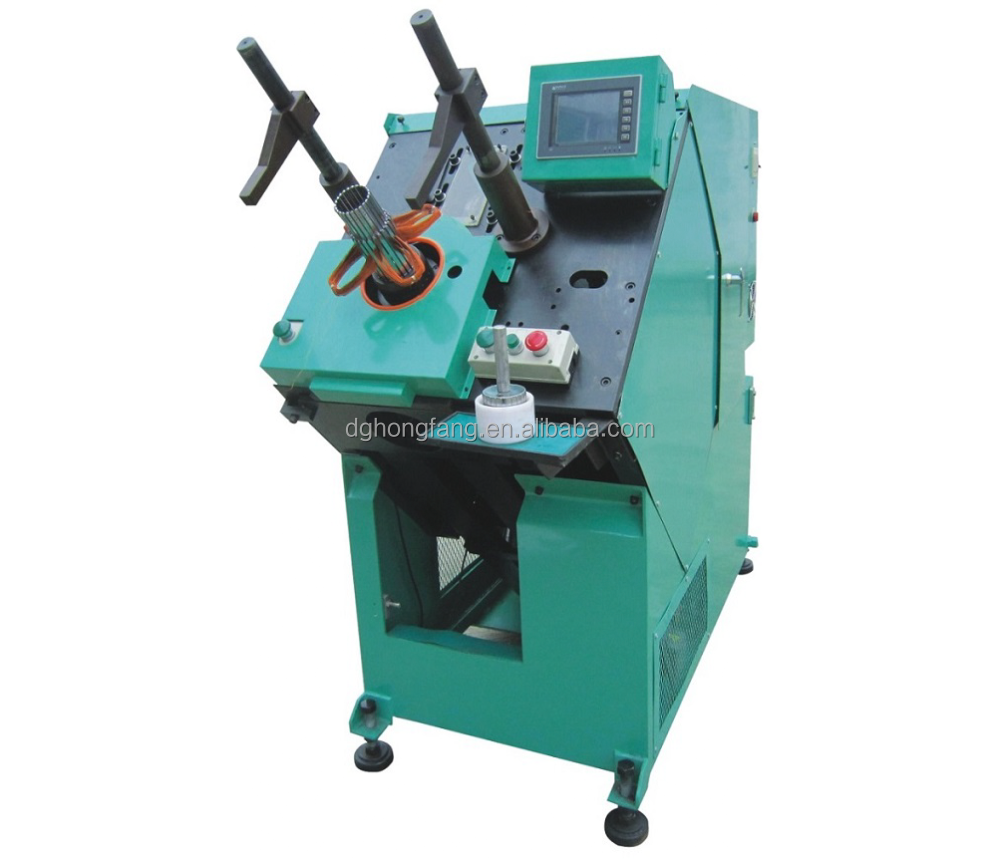
Automatic Stator Coil & Wedge Paper Inserting Machine
- Simultaneous copper and slot wedge insertion
- Eliminates wire scratch damage during insertion
- Custom blade arrays for skewed stator slots
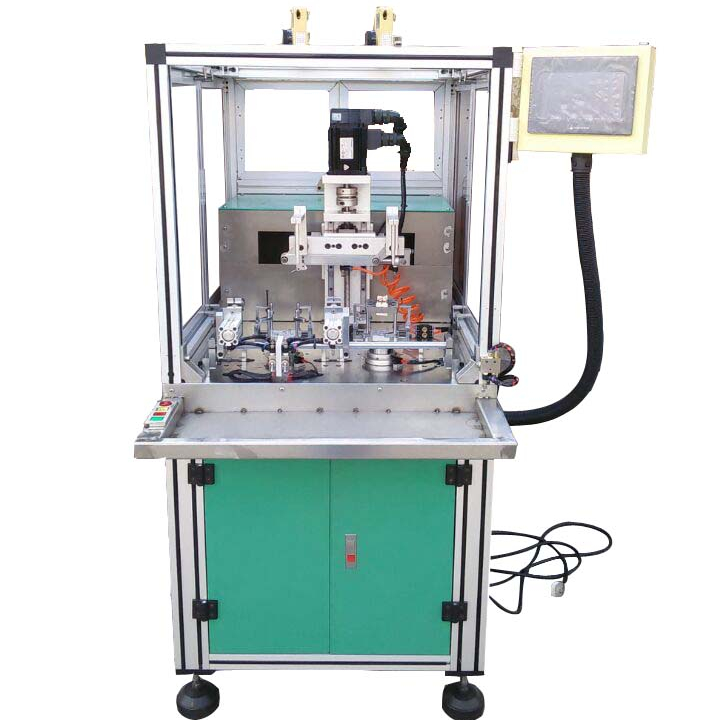
High-Efficiency Armature Winding Machine for Fan Motors
- High-speed flyer balancing for dynamic windings
- Automatic commutator hooking and wire cutting
- Industrial touchscreen HMI for parameter logging
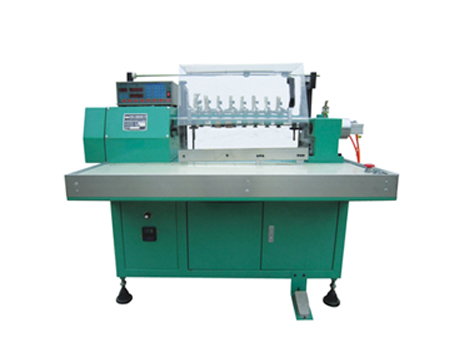
Electrical Motor Stator Coil Winder for Evaporative Coolers
- Optimized for thick lamination stack heights
- Handles copper and enamel aluminum wire
- Tension feedback protects wire coating integrity
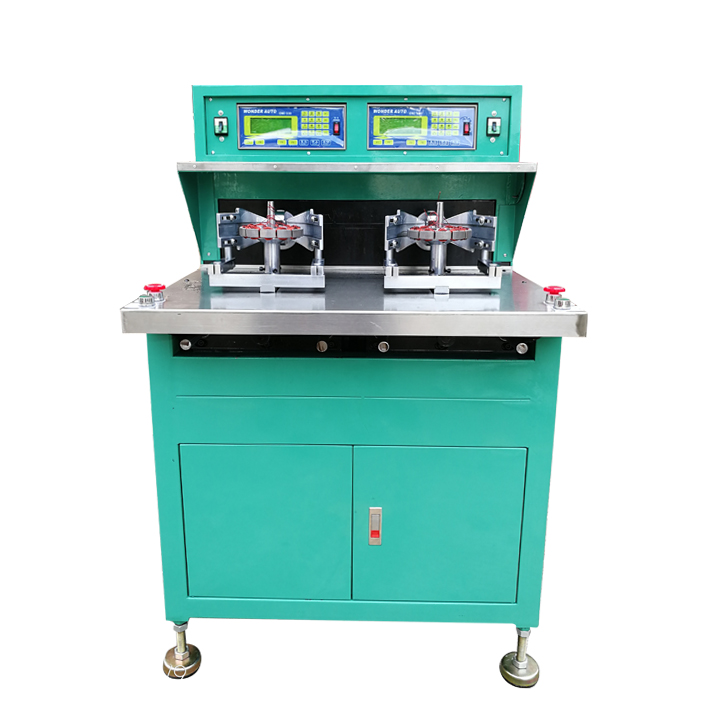
Heavy-Duty Certified 2-Controller 2-Station Ceiling Fan Winder
- Dual independent microprocessors (1 kW 220V)
- Continuous heavy cycle operation for high volume
- CE certified electrical architecture and interlocks
Engineering Architecture: Why Stator Double Lacing Dictates Motor Reliability in High-Duty Cycles
In modern induction, brushless DC (BLDC), and permanent magnet synchronous motor (PMSM) manufacturing, the mechanical stability of the end-turn winding overhang is an imperative design benchmark. When an electric motor undergoes frequent start-stop cycles, phase-reversals, or variable-frequency drive (VFD) duty cycles, electromagnetic forces generate severe Lorentz mechanical stress across unsupported coil heads. Without tight, uniform structural binding, subtle micro-vibrations occur between adjacent enamelled copper strands. Over tens of thousands of operating hours, this micromotion abrades the thin insulating enamel layer, triggering inter-turn short circuits, thermal runaways, and premature phase insulation breakdown.
A precision automatic double-side stator coil lacing machine solves this failure mode by executing synchronous bilateral binding on both upper and lower end turns simultaneously. Using dual servo-driven needle arms and multi-axis CNC tension regulators, our export-grade double lacing systems compress and bind the coil heads tightly against the lamination core face. Unlike single-side lacing—which leaves one overhang unsecured or requires time-wasting manual stator flipping that introduces concentricity inaccuracies—twin-needle double lacing ensures balanced radial pressure distribution, zero end-turn wire crossing displacement, and consistent loop-knot tension across 100% of the stator circumference.
“For high-volume export motors, end-turn rigidity is not merely an aesthetic parameter; it directly dictates vibration resistance under NEMA MG 1 and IEC 60034-1 testing protocols. Simultaneous dual lacing eliminates wire elongation stress and maintains tight thermal contact for heat transfer.”
Our double lacing machinery incorporates programmable indexing options: operators can switch seamlessly between slot-by-slot continuous lacing, skip-slot binding (for pole transition zones), segment lacing, or custom boundary lock knots via intuitive touchscreen logic. Driven by high-torque Japanese or European servo platforms (configurable with Mitsubishi, Panasonic, Delta, or Siemens), the needle reciprocation speed exceeds 220 stitches per minute while holding stitch tension within ±0.5N of allowable tolerance. This precise needle trajectory prevents tension-induced cutting of slot insulation liners or Nomex/DMD phase barrier paper.
Industrial Application Scenarios in Monterrey & the Greater Nuevo León Manufacturing Corridor
Monterrey, recognized globally as Mexico’s industrial capital, has emerged as the premier manufacturing ecosystem for electrified mobility, heavy HVAC cooling solutions, and industrial pump assemblies under the transformative wave of Nearshoring. Tier-1 automotive and multinational Tier-2 motor component manufacturers operating in Apodaca, Ciénega de Flores, Santa Catarina, Guadalupe, and Ramos Arizpe demand stator production equipment capable of fulfilling relentless multi-shift schedules while complying strictly with USMCA rules of origin and stringent North American quality audits.
Automotive EV & Auxiliary Motors
Applied directly in Monterrey assembly plants manufacturing automotive electric steering pumps, high-efficiency radiator fans, seat adjustment actuators, and EV drivetrain auxiliary motors where rigorous mechanical lacing prevents field failure under engine bay shock and vibration.
Commercial HVAC & Hermetic Compressors
Monterrey hosts the largest refrigeration and condenser compressor manufacturing plants in Latin America. Our double lacing units bind hermetic motor stators using chemically inert polyester or Nomex cords capable of withstanding constant R410A/R32 refrigerants and synthetic POE oils.
Heavy Industrial Water & Submersible Pumps
Designed for Monterrey's agricultural and municipal pump suppliers. Accommodates long stator stack heights (up to 300mm) and high slot-fill ratios, ensuring deep-slot windings remain perfectly bound against hydraulic surge pressures and cavitation pulsing.
In these specialized Monterrey production plants, our double lacing machine operates either as an autonomous standalone workcell loaded manually by an operator, or integrated directly into unified, turnkey automation loops alongside our automatic slot insulation paper inserters, stator coil and wedge inserting machines, and intermediate coil forming presses. Stators move on recirculating pallet conveyors, where vision sensors index stator slot orientation, pneumatic clamps lock the core securely, and dual servo needles execute complex stitch programs in less than 15 seconds per unit.
Technology & Market Trends: The Nearshoring Shift Across Monterrey's Electrical Manufacturing Landscape
The manufacturing paradigm across Nuevo León is transitioning at an extraordinary velocity. Driven by trade re-alignments, supply chain regionalization, and the nearshoring migration of tier-one motor vendors closer to the Texas border, Monterrey machine shops and motor winding plants are actively retiring legacy pneumatic or manually operated lacing fixtures in favor of high-precision CNC multi-axis platforms. Several core technical drivers define this shift:
1. Strict Electromagnetic Efficiency Standards (IE3 / IE4 / NEMA Premium): As global standards enforce elevated efficiency minimums, motor designers increase stator copper fill factors to reduce I2R copper losses. Densely packed slots leave zero tolerance for loose end-windings that expand outward and rub against end-bell brackets. Dual-side automated lacing compacts the overhang profile, reducing phase head height and minimizing copper wire consumption without compromising magnetic flux linkage.
2. Rapid Tooling Changeover for Agile Batch Manufacturing: Contract manufacturers in Monterrey frequently switch production runs between multiple automotive or appliance OEM orders. Our machinery features modular quick-change clamping fixtures and digital program libraries capable of storing up to 999 stator recipes. Changeover times between differing stack heights (e.g., from 30mm fan stators to 160mm pump stators) are accomplished in under 15 minutes by adjusting digital servo coordinates rather than re-machining mechanical cams.
3. Electrical Grid Adaptation (Mexican Industrial 220V/440V 60Hz Compatibility): Machines exported to Monterrey must be fully engineered for Mexican industrial electrical infrastructure. Unlike European 50Hz equipment that suffers from motor overheating when operated on 60Hz without inverters, our exported double lacing platforms are factory-configured for 220V/440V 3-phase 60Hz mains, equipped with heavy-duty line filters, surge suppressors, and CE/UL-compliant industrial cabinets resistant to regional voltage fluctuations.
Engineering Integrity & Global Trade Capability
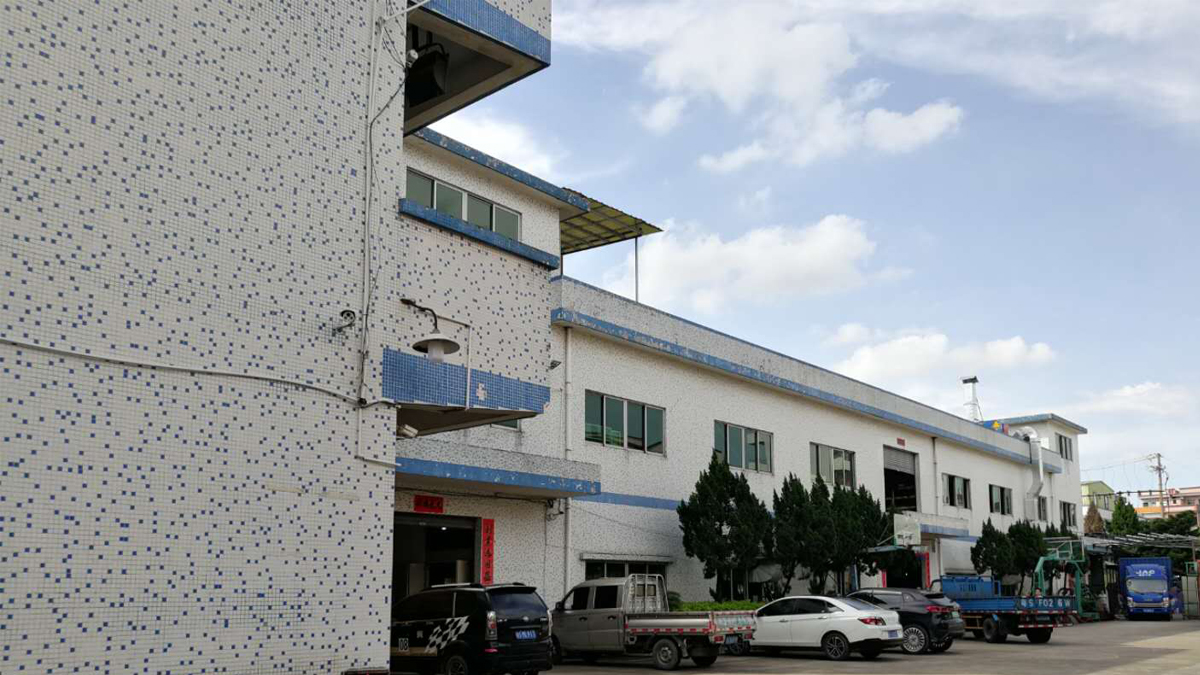
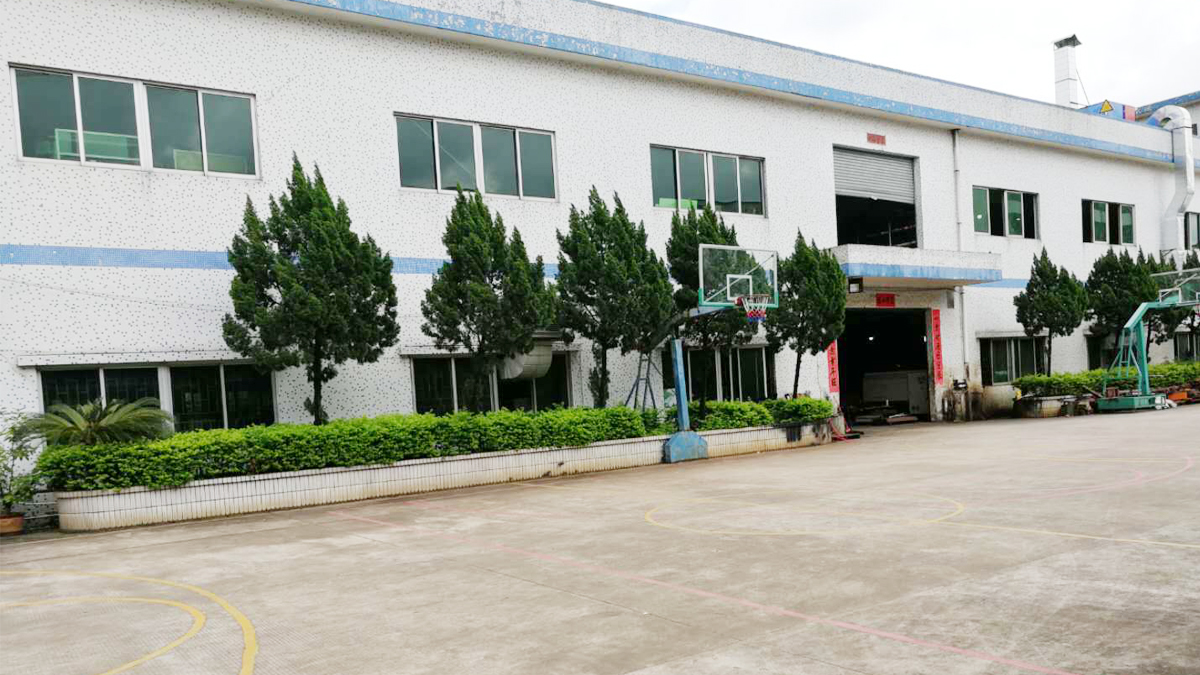
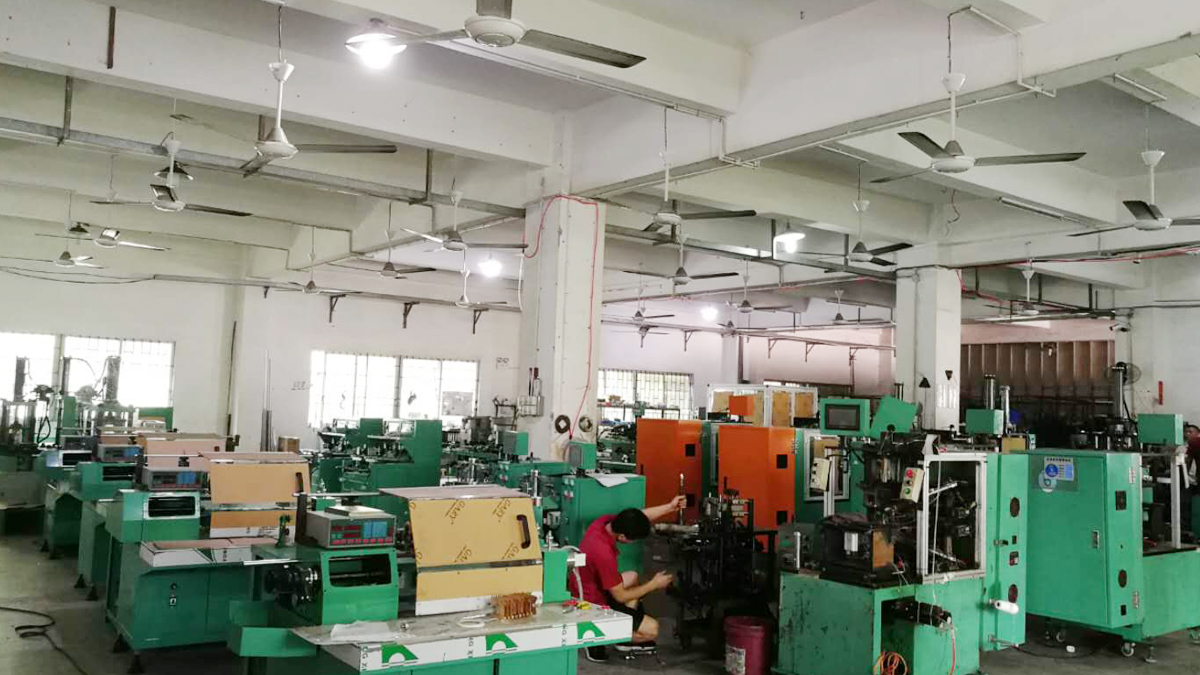
Operating from Qishi Town, Dongguan—at the core of South China's premier precision manufacturing belt—Zunqi Intelligent Equipment Co., Ltd. combines 17 years of specialized export excellence with complete in-house CNC machining, electrical engineering, and custom stator tooling manufacture. We engineer motor manufacturing lines for plants worldwide that demand the exact operational longevity of European machinery at a direct factory capital expenditure structure.
- Enterprise Track Record
- 17+ Years Continuous Export
- Factory Location
- Dongguan, Guangdong, China
- Specialized Engineering Team
- 51 – 100 Highly Skilled Personnel
- Average Response Speed
- Within 9 Hours Guaranteed
Why Monterrey Procurement Managers Choose Zunqi:
- Pre-Shipment Trial on Your Stator Samples: We machine formers and tooling directly to your CAD drawings and run your actual physical stator on our floor, providing high-definition testing videos prior to crating.
- Tier-1 Component Transparency: Configurable with Omron, Siemens, Mitsubishi, SMC, and Schneider automation hardware for seamless compatibility with your factory's existing spare parts crib.
- Rugged Sea & Air Packaging: Vacuum-sealed VCI anti-rust barrier wrapping, desiccant preservation, and heavy fumigation-free bolt-down plywood crates ready for multimodal transit to Monterrey customs (Manzanillo/Altamira or Laredo cross-docking).
Frequently Asked Questions by Monterrey Motor Engineers
Clear technical, logistical, and commercial answers for purchasing departments, plant managers, and automation engineers sourcing stator machinery for Mexico.
How does your double lacing machine handle different stator stack heights and slot numbers?
What electrical and utility specifications are required for Monterrey industrial parks?
What types of lacing cord and thread materials can be run?
What are the typical shipping terms, transit times, and routes to Monterrey, Mexico?
How do you provide warranty, installation support, and spare parts across Mexico?
Can Zunqi deliver a fully integrated, synchronized stator production cell?
Upgrade Your Monterrey Motor Production Line Today
Consult with our motor manufacturing engineering desk. Send us your stator lamination drawings, stack heights, coil overhang parameters, and target cycle times to receive a turnkey tooling and machine quotation within 9 hours.
