Engineered Motor Automation Equipment for Philippine Manufacturers
Precision coil forming, tying, inserting, and dynamic rotor machining systems customized to Metro Manila electrical manufacturing tolerances, local power grid variances, and high-volume output goals.
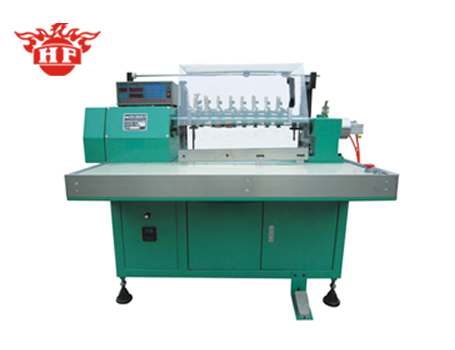
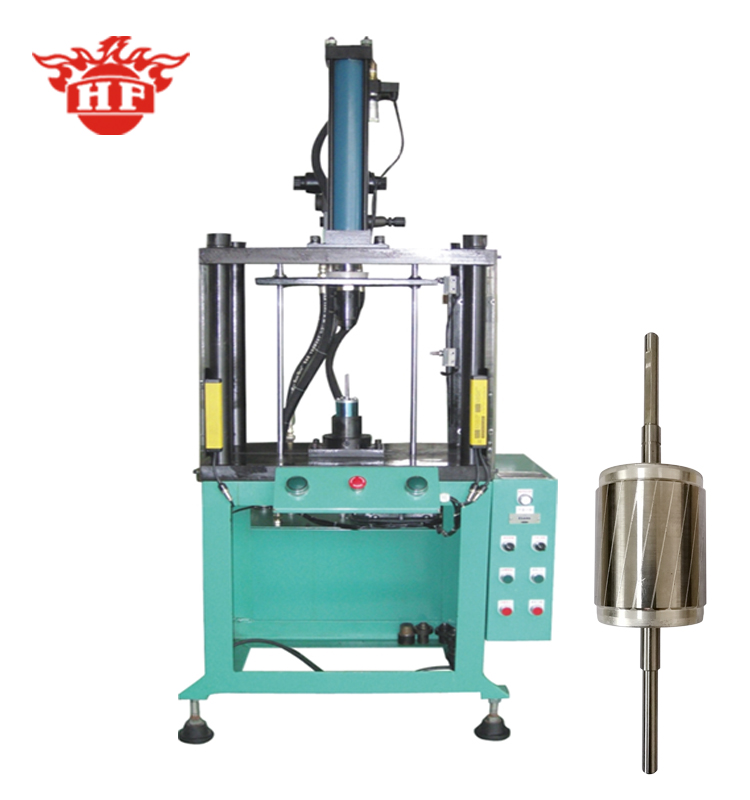
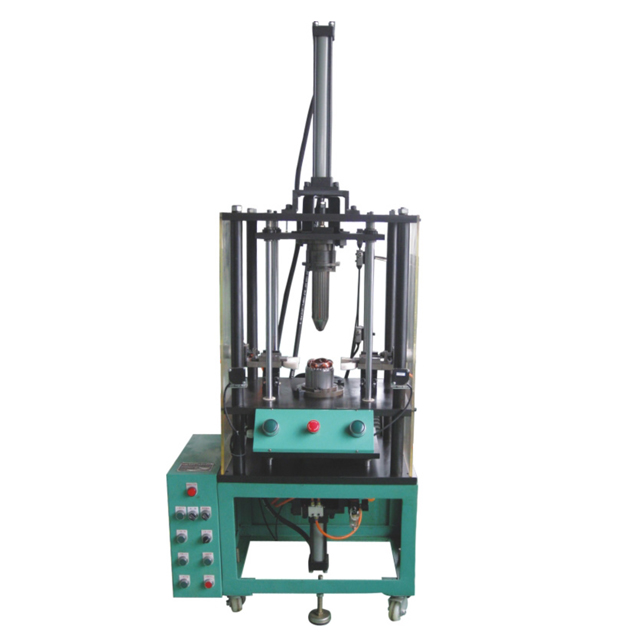
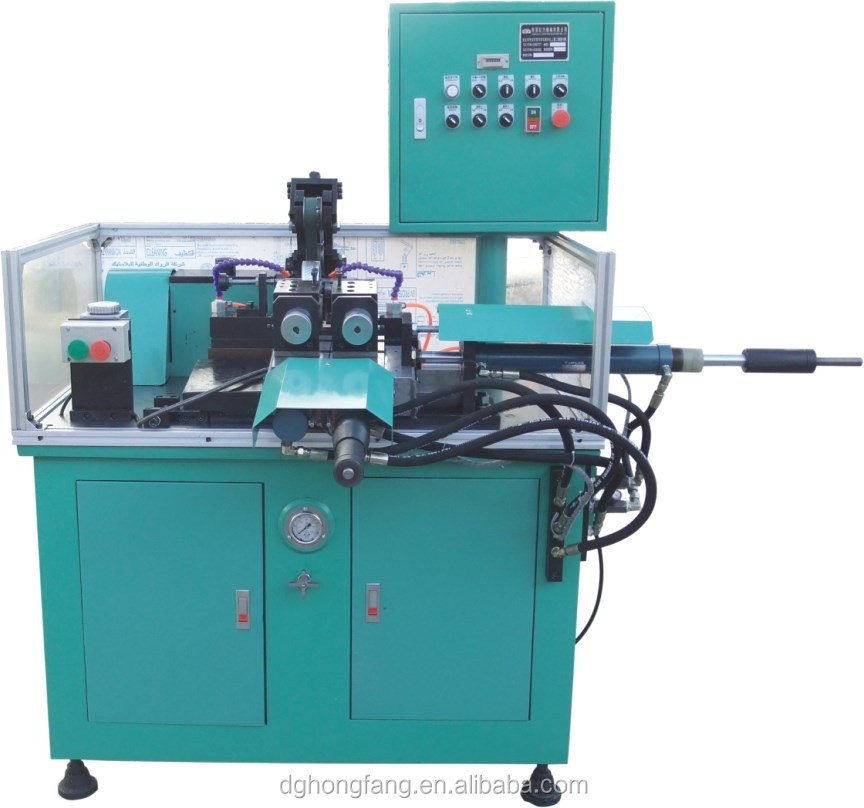
Precision Stator Coil Tying & Assembly Systems in Metro Manila's Evolving Industrial Landscape
The manufacturing corridors of the Greater Capital Region—spanning the congested industrial zones of Valenzuela, Caloocan, Navotas, and expanding southward into the PEZA industrial estates of Laguna, Cavite, and Batangas—are undergoing an aggressive transition toward electromechanical automation. For decades, small-to-medium electrical equipment factories across Metro Manila have relied on manual or semi-manual lacing, inserting, and tying processes. However, rapid spikes in commercial utility rates across the Meralco distribution network, combined with increasing demand for energy-efficient motors (IE3 and IE4 standards) under the Philippine Energy Efficiency and Conservation Act (RA 11285), require higher mechanical tolerances and tighter coil geometry than hand-lacing can ever achieve.
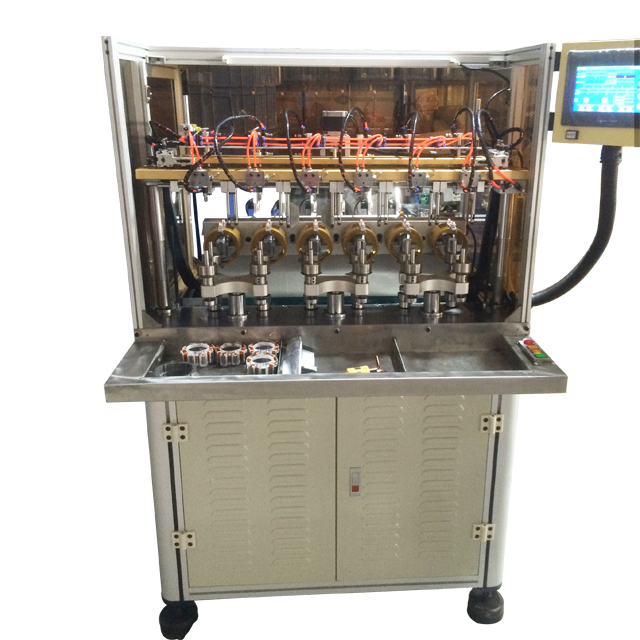
A Stator Coil Tying Machine (also known across Philippine manufacturing shops as an automatic coil lacing or binding machine) provides structural integrity to the copper or aluminum windings seated within laminated silicon steel cores. During induction motor startup, peak inrush current generates intense electrodynamic radial and axial forces across end-turn overhangs. Without consistent, high-tension mechanical binding, individual magnet wire strands experience micro-vibrations, leading to insulation abrasion, inter-turn partial discharge, and catastrophic motor burnouts.
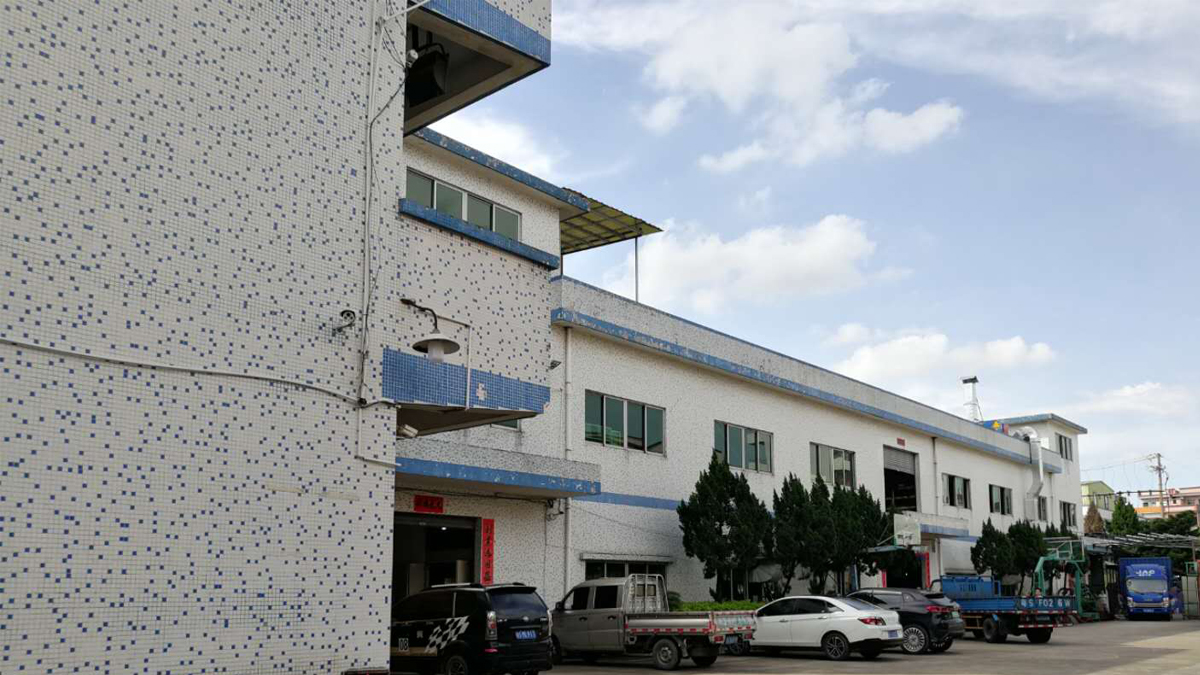
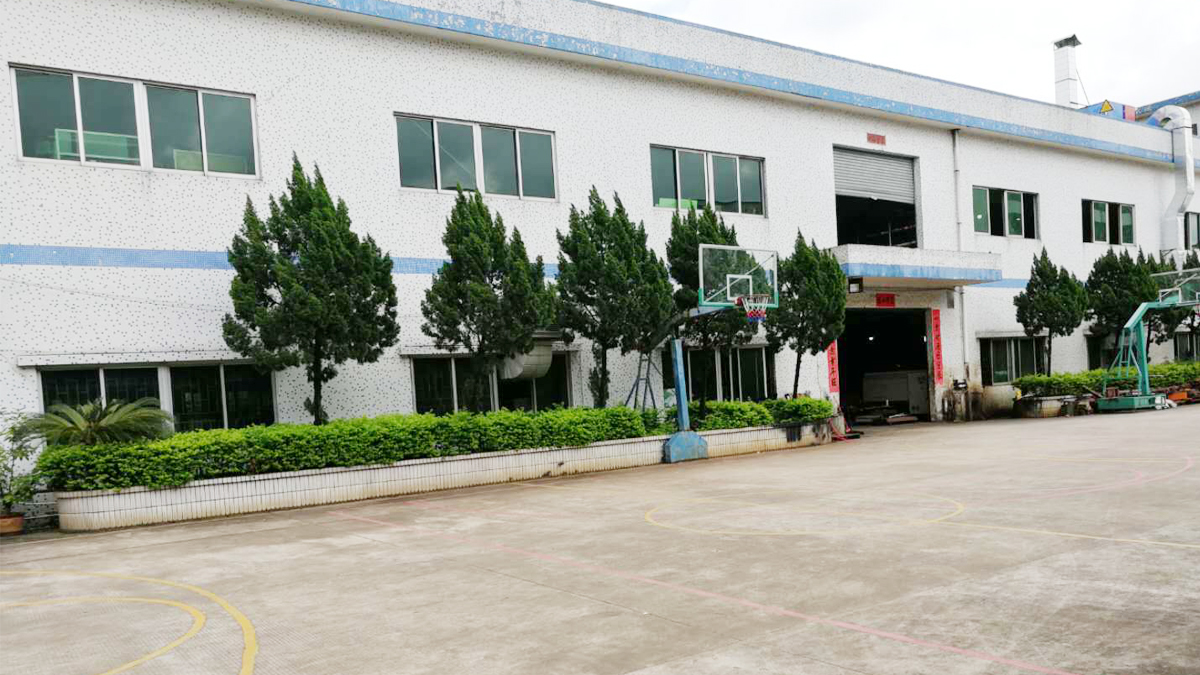
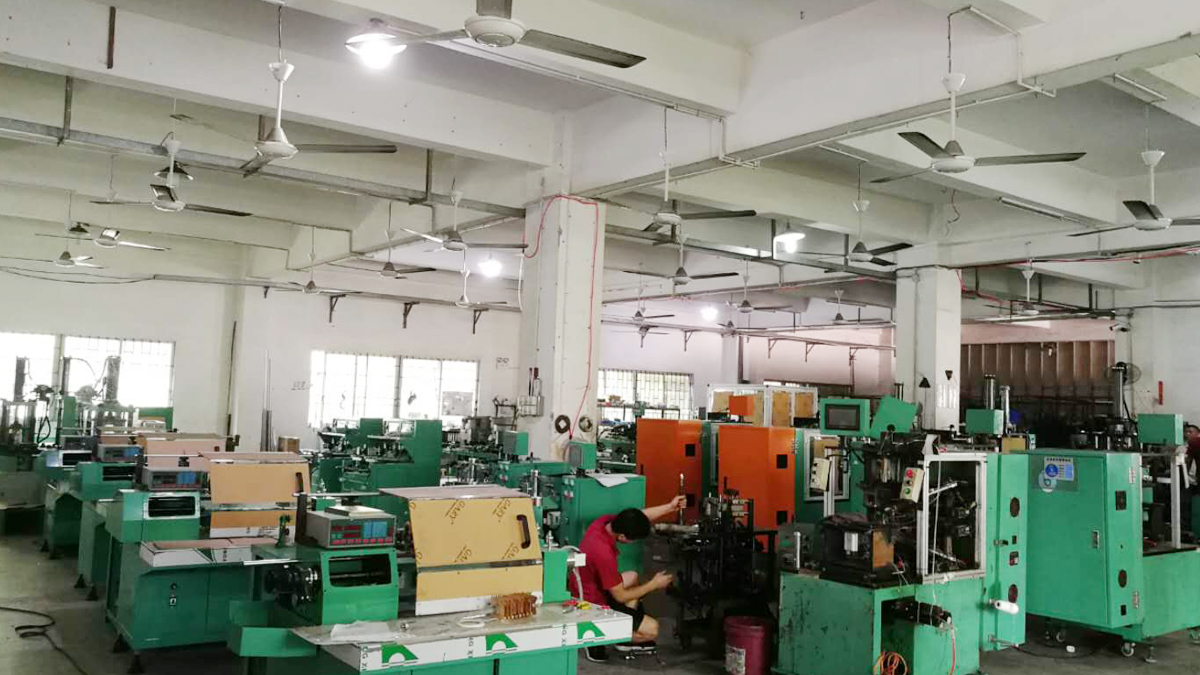
Zunqi Intelligent Equipment Co., Ltd. serves Manila’s industrial motor manufacturers, fan assembly operations, and heavy electrical apparatus rebuild workshops with factory-direct, turnkey automated solutions. Designed and built at our specialized manufacturing facility in Qishi Town, Dongguan, our machinery integrates customized Japanese and European control architectures with heavy-gauge mechanical tooling, providing Philippine plant managers with robust capital equipment engineered to withstand tropical ambient humidity and erratic line voltage.
Localized Industrial Use Cases in Metro Manila and Adjacent Provinces
Motor designs in the Philippines are unique due to environmental factors, volatile operating conditions, and localized supply chain economics. Below are the key manufacturing use cases across the Manila area:
Electric Fan & HVAC Air Mover Assembly
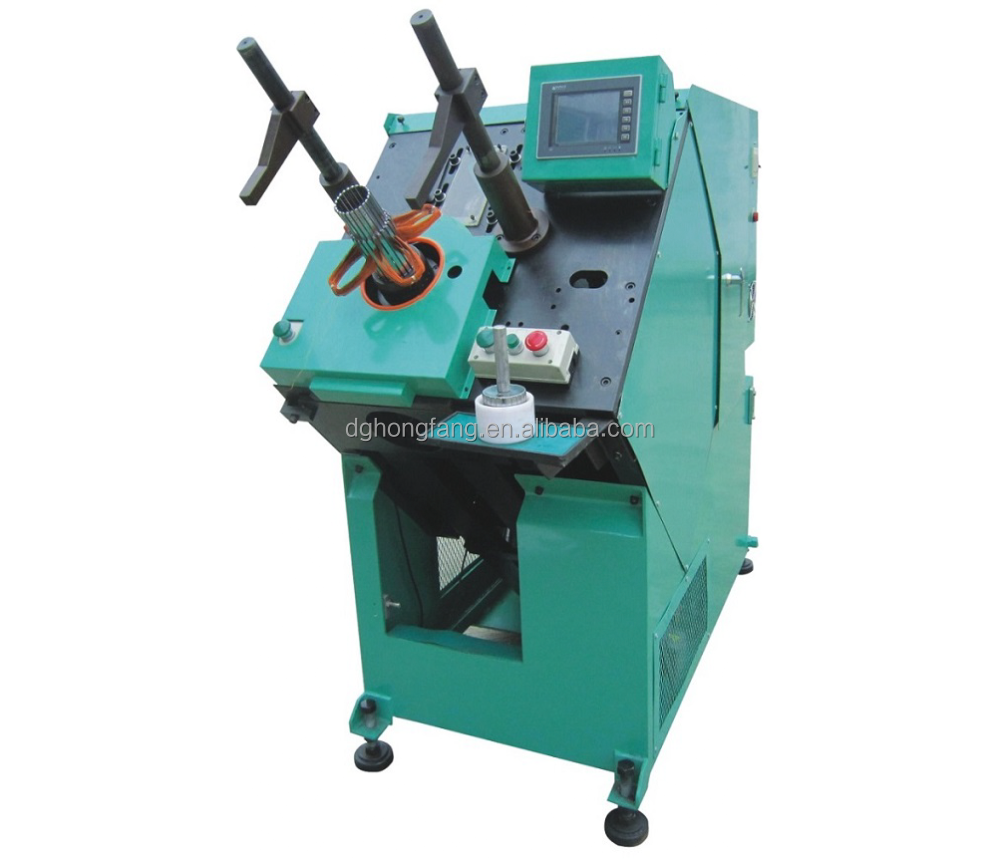
Concentrated in Northern Metro Manila (Valenzuela and Malabon), manufacturers producing stand fans, ceiling fans, and industrial exhaust blowers require rapid tooling adaptation. Our HF-BS20 double-sided lacing systems bind end-turns of 4-pole and 6-pole shaded-pole or permanent split capacitor (PSC) stators in 12–15 seconds per unit, eliminating manual knotting bottlenecks.
Submersible & Domestic Water Pump Motors
Serving residential infrastructure across Cavite, Bulacan, and Rizal, water pump motor stators face constant thermal stress. Automated coil tying tightly compresses the stator coil overhangs, allowing uniform application of secondary dip-and-bake insulating varnishes and epoxy encapsulants that resist tropical moisture ingress.
Commercial Rewind & Repair Infrastructure
From the port district of Tondo to heavy logistics depots in Pasig and Taguig, motor rebuild operations use our programmable single-end tying machines to re-lace random-wound industrial three-phase induction stators (up to 200 mm stack height) with uniform pitch tension matching OEM specifications.
Technological Transition: Manual vs. Automated Stator Tying in Tropical Climates
Operating production facilities in the Philippines involves handling sustained average ambient temperatures of 32°C coupled with relative humidity exceeding 85% during monsoon periods. Under these conditions, hand-laced stators inevitably suffer from operator fatigue, variable cord tensions, and uneven coil head compacting. When loose coils expand during running cycles, they make physical contact with end-bell castings or rub against the rotor periphery.
| Production Metric | Manual Lacing (Manila Baseline) | Zunqi Automatic Tying Machine | Operational Advantage |
|---|---|---|---|
| Cycle Speed per Unit | 180 – 300 seconds | 11 – 18 seconds (Double-End) | Over 1,200% production throughput expansion |
| Lacing Cord Tension | Inconsistent (3 – 8 N variable) | Servo-Regulated Constant (15 – 35 N) | Eliminates end-turn deflection and vibration hum |
| Wire Coating Integrity | High risk of fingernail/tool scratches | Polished ceramic eyelets & needle guides | Prevents micro-shorting on 0.15–1.2 mm magnet wire |
| Labor Reliance | 3 operators per assembly line | 1 operator manages 3 automated cells | Mitigates labor shortages and wage overheads |
| Lacing Stitch Regularity | Random stitch pitch and loose ties | Programmable slot-by-slot or skip-slot | Consistent varnish penetration & neat appearance |
Emerging Manufacturing Trends Across the Greater Manila Industrial Zone
Several distinct macroeconomic and technological shifts are redefining how capital equipment is evaluated by industrial buyers in Calabarzon and Metro Manila:
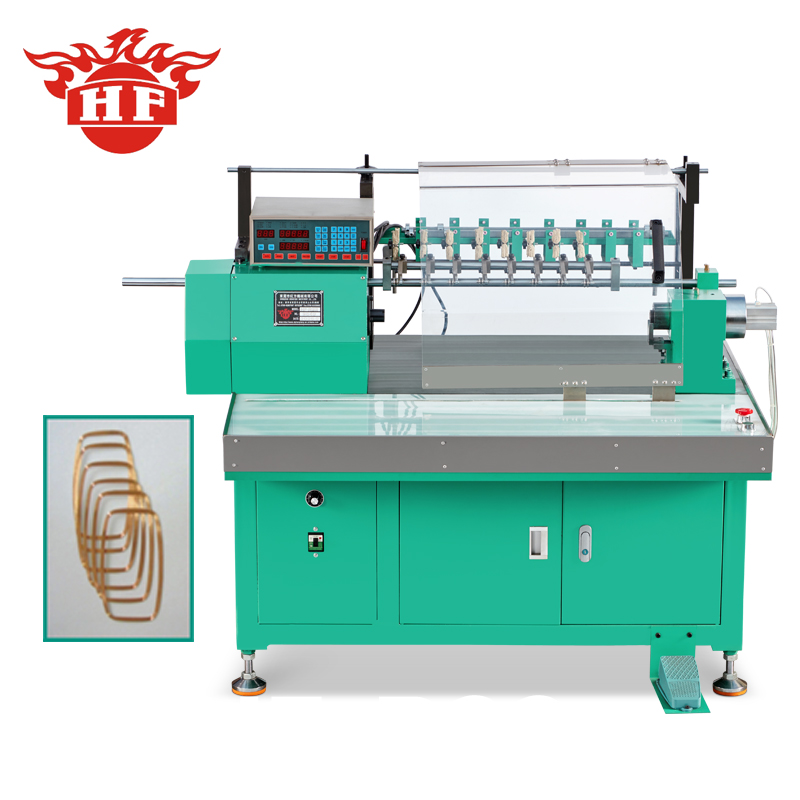
- Copper-to-Aluminum Wire Transition: Due to global copper commodity spikes, an increasing proportion of Philippine consumer fan and shading-pole manufacturers are migrating toward enamelled aluminum magnet wire. Aluminum wire features lower tensile yield strengths and higher elongation susceptibility. Zunqi stator winding and tying machines feature ultra-smooth, programmable tensioning servos that prevent wire stretching or micro-fissuring of the insulation enamel.
- Brushless DC (BLDC) & Permanent Magnet Motor Growth: Spurred by government green building codes, domestic appliance manufacturers in Laguna Technopark and First Philippine Industrial Park (FPIP) are tooling up for BLDC motor topologies. These stators feature segmented cores and concentrated windings requiring precision needle lacing mechanisms with exact rotational indexing.
- Power Quality Hardening (230V/60Hz Infrastructure): The standard Philippine electrical distribution profile operates at a single-phase nominal voltage of 230V, 60Hz (or 3-phase 220V/380V/440V, 60Hz). Industrial facilities in fringe industrial areas frequently experience ±15% voltage dips, transient surges, and brownouts. We configure our control cabinets with heavy-duty line filters, wide-voltage industrial power units, and certified Schneider or Delta PLC elements that withstand local utility instability.
Factory Direct Advantages: Why Manila Motor Producers Partner with Zunqi
As an integrated manufacturer and exporter with over 17 years on international B2B platforms, Zunqi provides structural advantages over domestic trading middlemen:
Tailored Tooling to Physical Samples
We do not sell generic, off-the-shelf assemblies. Every tying needle, forming shoe, and insertion magazine is precision-machined via CNC according to your exact stator lamination core drawing and prototype samples.
Standardized Global Control Brands
Maintenance engineers in Manila can easily source replacements. We build electrical systems utilizing Mitsubishi, Siemens, Omron, Delta, and SMC pneumatics, avoiding proprietary, locked-down controller hardware.
Fumigated Export Crating & Anti-Corrosion
Long sea shipments through the South China Sea to the Port of Manila subject equipment to salty, humid ocean air. Every Zunqi unit is treated with industrial VCI anti-rust films, vacuum sealed, and secured in solid plywood crates.
Pre-Shipment Video Inspection Acceptance
Before dispatching to the Manila South Harbor or Manila North Port, we test-run your exact wire size and stator core stacks on the machine, recording HD verification videos for sign-off prior to releasing shipping documents.
Factory Manufacturing Showcase & Verification Assets
Our verified manufacturing premises in Dongguan operate standardized assembly lines, machining bays, and electrical testing setups, ensuring complete control over machine kinematics and build quality:
Procurement & Technical FAQs for Manila Plant Managers
Direct answers addressing supply chain logistics, mechanical custom tooling, power compliance, and customs clearance into the Philippines.
What are the sea shipping transit times from your factory to the Port of Manila?
Can the electrical control system handle 230V, 60Hz single-phase or 220V three-phase line power?
What technical specifications must our engineering team provide for custom tying tooling?
- Stator lamination core drawing detailing Outer Diameter (OD), Inner Bore Diameter (ID), and Slot Geometry.
- Stack height range (e.g., 10 mm to 60 mm for fan motors, or up to 150 mm for industrial motors).
- Magnet wire specification: Copper or Aluminum wire, wire diameter (mm), and coil turns per slot.
- Maximum allowable coil overhang length on both connection and non-connection ends.
- Physical samples: Sending 2–3 raw laminated stator stacks and wound prototypes enables us to physically test the tooling on our factory floor before shipment.
How does Zunqi handle on-site installation, commissioning, and technician training in the Philippines?
Can your tying and lacing machines bind stators with copper-clad aluminum or pure aluminum windings?
What spare parts package is included, and how are replacement wear components supported?
Modernize Your Motor Assembly Plant in Metro Manila
Accelerate your manufacturing throughput, eliminate coil binding defects, and upgrade to industrial-grade automated equipment built to your stator drawings. Connect directly with our engineering department today.
Contact Us