Precision Portfolio
Engineered Coil Winding & Stator Assembly Machinery
Direct-from-manufacturer motor stator manufacturing automation equipped with multi-axis PLC logic, servo feed integration, and micro-precision wire guides configured specifically for tier-1 electric mobility and industrial drive projects.
17+
Years Global Exporting
≤9h
Direct Technical Response
99.8%
Slot Insertion Yield
1 Set
Custom Tooling MOQ
Industrial Paradigm
The Mechanics of High-Density Stator Coil & Wedge Insertion
In modern electromagnetic machine manufacturing, the coil and wedge insertion phase remains the single most critical determinative stage of complete stator reliability. As the industrial manufacturing corridor in Debrecen expands into one of Central and Eastern Europe's foremost clean-technology centers, the imperative for exceptional copper space factors, minimal phase-to-phase discharge risks, and zero physical wire-skin compromise has reshaped machinery procurement criteria.
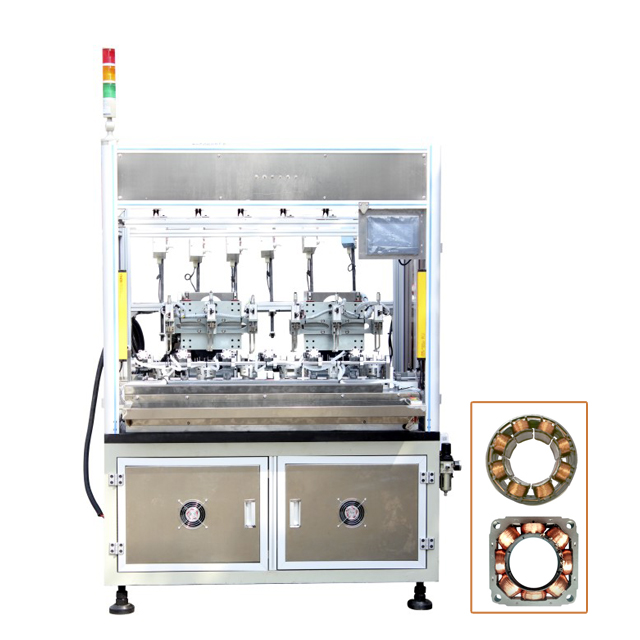
Automated stator coil inserting machines bridge the operational gap between raw multi-strand coil generation and finalized stator core lacing. The equipment simultaneously drives pre-wound copper or aluminum coil bundles together with precisely sheared and formed insulating wedges (Mylar, Nomex, or composite DMD insulation paper) straight into the semi-closed or closed stator lamination slots. Executing this double motion in a synchronized mechanical stroke eliminates the physical stretching, localized tension spikes, and micro-fractures often introduced by manual coil bedding techniques.
Zunqi Intelligent Equipment addresses these stringent parameters by providing servo-driven pushing linkages guided by hardened tungsten-carbide insertion fingers and precision-machined magazine blades. Our systems monitor real-time push displacement and resistance profiling, ensuring that whenever slot fill volumes exceed standard thresholds (often pushing 75% to 82% in high-efficiency industrial or auxiliary vehicle motors), the machine dynamically regulates ramming velocity to safeguard conductor insulation integrity.
Regional Engineering Integration
Localized Application Scenarios Across Debrecen's Manufacturing Ecosystem
Debrecen's Southern Economic Zone (Déli Gazdasági Övezet) and North-Western Industrial Park have rapidly emerged as a European nexus for tier-1 automotive components, battery manufacturing systems, and high-performance industrial power units.
Auxiliary EV Drives & Actuators
Debrecen's growing automotive supply chain demands compact brushless DC (BLDC) and permanent-magnet synchronous motor (PMSM) stators. Our machines integrate precise multi-head tooling suited for auxiliary steering pumps, electronic braking boosters, and high-rpm battery cooling thermal-loop blowers requiring rigorous slot wedge retention.
Industrial Cleanroom Air Handling
Debrecen's gigafactory-scale battery dry rooms depend heavily on continuous-duty HVAC installations. We engineer coil inserting tooling for multi-kilowatt fan and blower motors operating continuously under single-phase 220V or three-phase 400V grid configurations, supporting dual enameled copper and aluminum wire architectures with zero slot deformation.
Submersible & Process Fluid Pumps
Industrial wastewater, chemical treatment, and domestic booster pumping plants in Eastern Hungary rely on moisture-resistant hermetic induction stators. Our coil and wedge inserting platforms apply tightly metered wedge cuff forming to prevent slot insulation migration, guaranteeing absolute ground insulation under cyclic thermal loads.
Market Trajectory
Debrecen's Strategic Rise: E-Mobility Dynamics & Stator Manufacturing Evolution
The industrial landscape in Hajdú-Bihar county is undergoing historic modernization. Hungary's targeted national industrial strategy, positioned at the convergence of German premium automotive engineering and Asian battery technology, has concentrated tens of billions of euros in Debrecen. Consequently, motor equipment supply chains are experiencing several major operational shifts:
Strict EU Ecodesign Compliance
Under EU Regulation 2019/1781, motors entering the single market must meet IE3 and IE4 efficiency standards. Achieving these ratings requires packing more copper into smaller lamination cross-sections without stressing winding heads. Automated inserting machines ensure optimum copper density without insulation degradation.
Supply Chain Regionalization
European OEMs operating in Debrecen are aggressively nearshoring motor sub-assemblies to counteract international logistics vulnerabilities. Tier-2 motor sub-contractors require flexible manufacturing cells capable of retooling between different stack heights, slot counts, and wire gauges with minimal downtime.
Standardized Factory Interoperability
Hungarian facilities increasingly require machinery that interfaces smoothly with existing factory networks. Deploying standardized industrial control options—such as Siemens, Schneider Electric, or Omron control architectures—ensures smooth integration with Hungarian operational maintenance routines.
Engineering Specifications
Line Architecture & Technical Capabilities
A comparative overview of our core stator and rotor automation technologies built for production plants serving the European Union market.
| Equipment Category | Core Mechanism | Wire & Dimension Limits | Cycle Time (Typical) | Debrecen / EU Integration Benefits |
|---|---|---|---|---|
| Coil & Wedge Inserter | Hydraulic / Servo Dual-Stroke Ram | Stator ID: Ø30–180 mm; Stack: 15–160 mm | 12–28 sec / stator | Simultaneous wedge shearing and coil entry; eliminates manual handling damage |
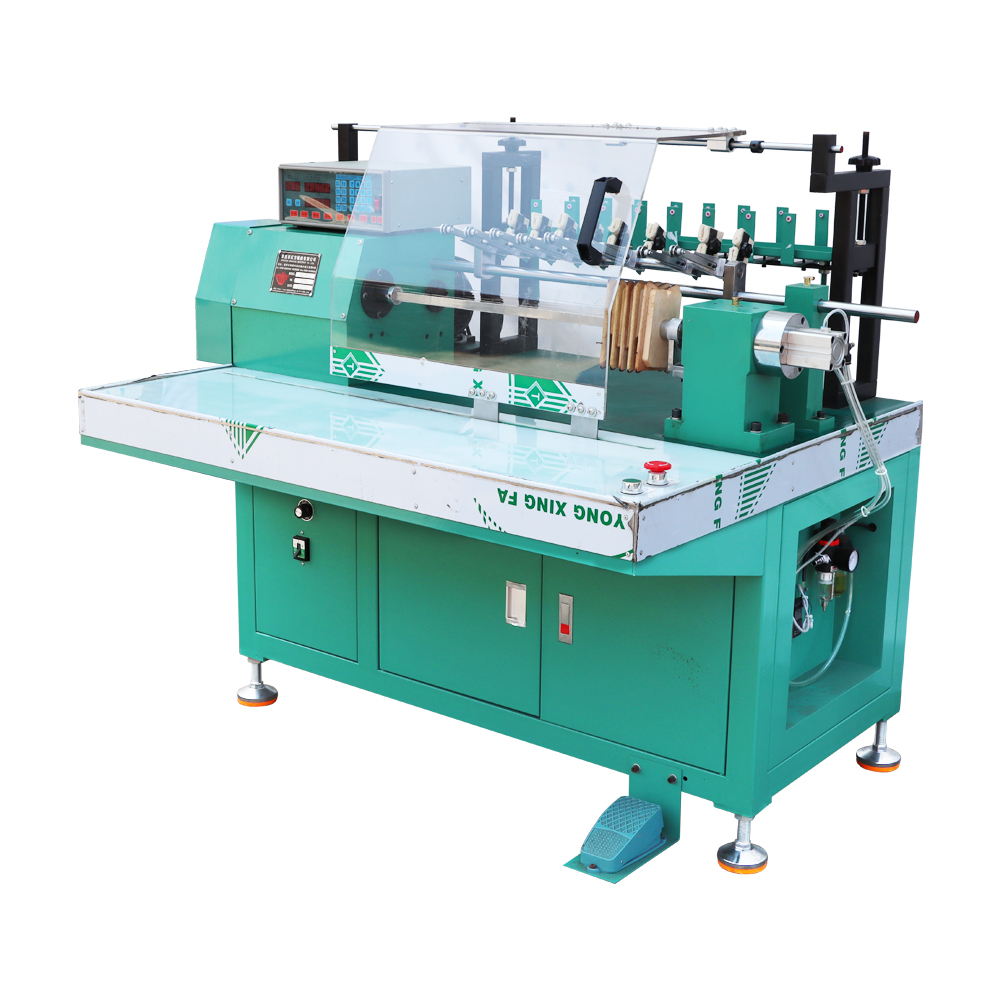
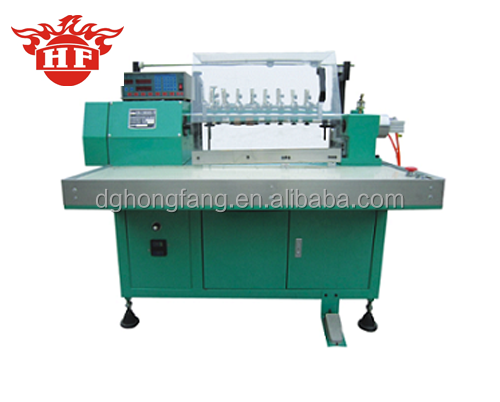
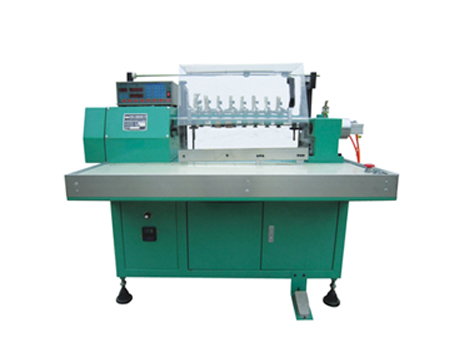
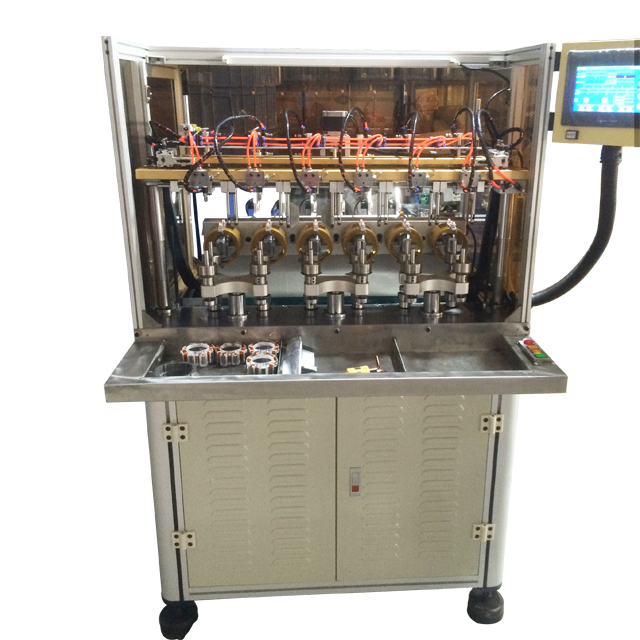
| CNC Multi-Station Winder | Multi-Spindle Flyer / Needle Array | Wire: 0.10–1.20 mm (Copper/Alum) | Continuously Indexed | High-speed multi-strand winding with electronic precision tensioning control |
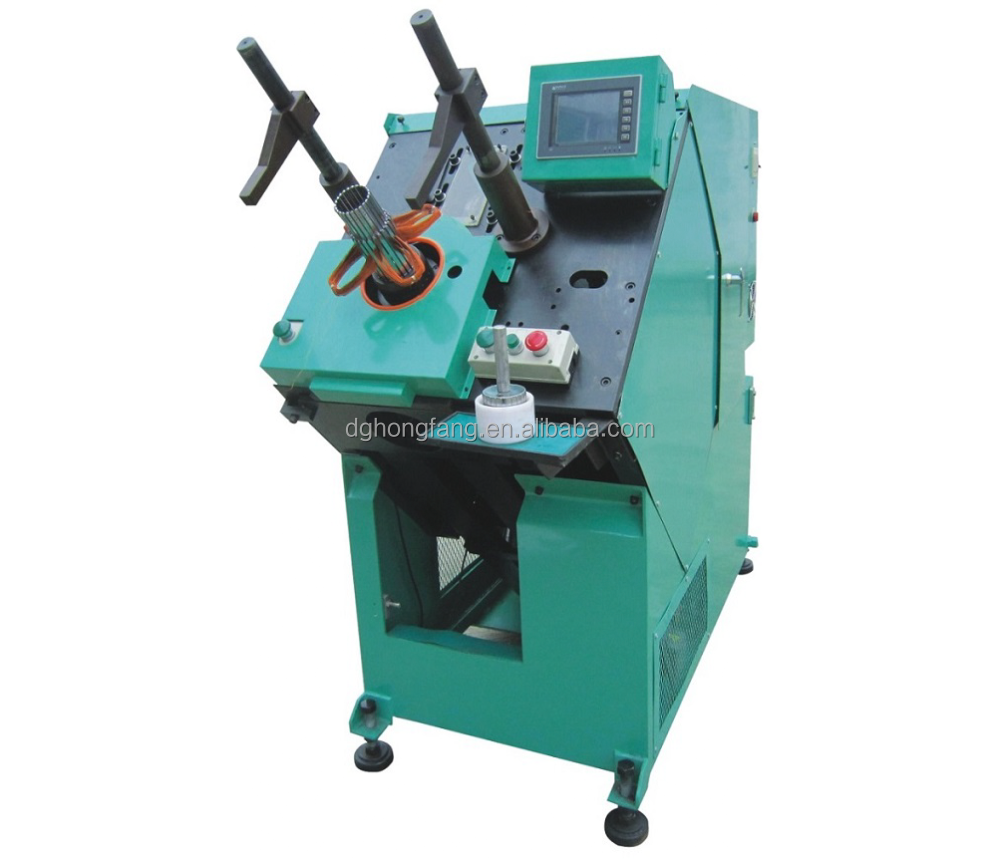
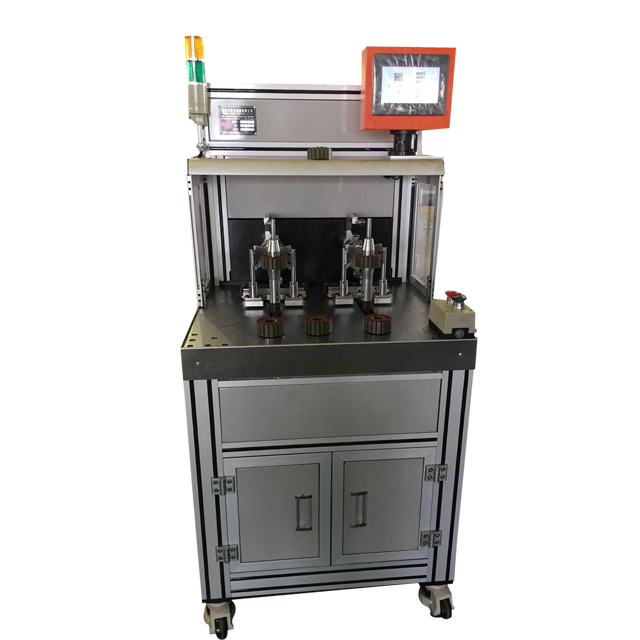
| Internal Stator Winder | Servo Needle In-Slot Delivery | Inner Stators; Custom Pole Arrays | Synchronized Multi-Head | Ideal for high-torque low-cogging BLDC and specialized servo designs |
| Servo Double-Side Lacer | Twin-Needle Simultaneous Binding | Stack Height: up to 200 mm | 0.5–1.2 sec / stitch | Diamond or slot-by-slot stitch logic ensuring high mechanical vibration resistance |
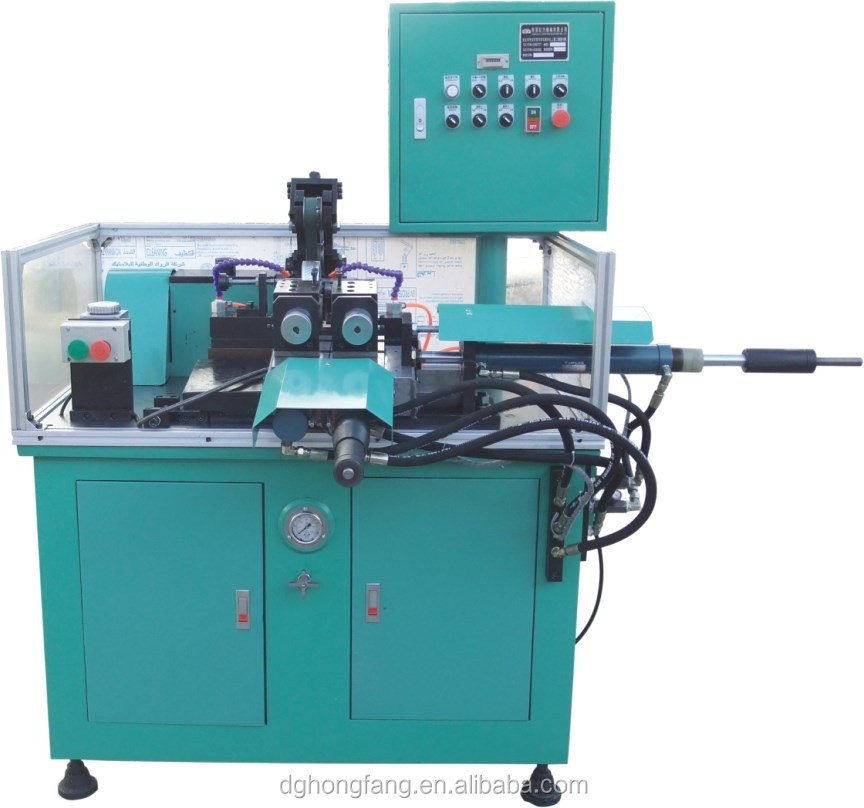
| Rotor Fine Turning Lathe | Automatic Pneumatic Lathe + Chiller | Rotor OD: Ø20–120 mm | 8–18 sec / rotor | Ultra-clean surface cutting maintaining uniform air-gap magnetic flux distribution |
Manufacturer Heritage
Why Engineering Teams Choose Zunqi Intelligent Equipment
Headquartered in Qishi Town, Dongguan—within China's premier precision manufacturing corridor—Zunqi Intelligent Equipment Co., Ltd. delivers factory-direct motor production machinery backed by 17 years of direct international trade.
Custom-Tailored Tooling
Every stator lamination geometry is unique. We fabricate custom-ground insertion blades, push fingers, guide bars, and winding forms engineered directly from your stator mechanical drawings (DXF/STEP) or physical iron samples.
End-to-End Line Matching
We supply matched equipment suites: slot paper insulaters, multi-spindle coil winders, coil-and-wedge inserting machines, intermediate forming presses, dual-side lacers, and final forming stations, harmonizing line cycle times perfectly.
Configurable Controls
We readily customize core automation components. Choose from Siemens, Mitsubishi, Panasonic, Delta, or Schneider PLCs and HMI interfaces, ensuring full alignment with your local engineering maintenance standards.
Comprehensive Verification
Benefit from transparent supplier governance verified onsite on Alibaba.com. Each machine includes pre-shipment trial video sign-offs using your physical stator sample, a 1-year comprehensive warranty, and lifetime replacement tooling availability.
Direct Answers
Frequently Asked Questions for Debrecen Buyers
Essential technical, electrical, and commercial information for factory managers and procurement specialists in Hungary.
Can your machines operate on Hungary's 400V 50Hz three-phase industrial grid? +
Yes. While our standard single-phase standalone coil winders operate on 220V/230V 50Hz, our automated stator inserting lines, lacing systems, and heavy-duty forming presses are readily configured for Central Europe's three-phase 400V (+/- 10%) 50Hz supply. We provide matched industrial control transformers, Schneider/Siemens electrical switchgear, and localized CE-compliant phase sequence monitoring.
What documentation and technical data are required to manufacture custom inserting tooling? +
To fabricate matched insertion magazines, pushers, and wedge guides, we require: (1) 2D/3D stator lamination drawings indicating slot dimensions, outer diameter (OD), and inner diameter (ID); (2) Stack height range (minimum and maximum core length); (3) Winding scheme detailing turns per coil, wire diameter, and enamel thermal rating; and (4) Selected slot wedge insulation material and thickness (e.g., Nomex, DMD, Mylar). We strongly encourage shipping 5–10 sample lamination stacks to our Dongguan facility for pre-shipment trial runs.
How do you resolve remote installation and ongoing maintenance for plants in Eastern Hungary? +
Before dispatch, we produce complete, high-definition video documentation of your machine operating with your specific stator cores. The machine arrives pre-calibrated with parameter presets stored in the HMI. For installation in Debrecen, our senior field engineers provide real-time English-language remote video guidance for mechanical leveling, pneumatic connection, and electrical commissioning. Complete digital schematics, tool drawings, and wearable component packs are included in the export crate. Onsite commissioning engineers can also be dispatched for complete turnkey production line installations.
What is your Minimum Order Quantity (MOQ) and standard delivery lead time to Debrecen? +
Our MOQ is exactly 1 set for all standalone machinery, including coil inserting units, semi-automatic winders, and rotor turning lathes. Standard machine manufacturing and custom tooling fabrication typically take 25 to 40 working days depending on mechanical complexity. Shipments to Debrecen can be routed via standard ocean container freight to Koper or Hamburg followed by intermodal rail, or expedited via direct China-Europe rail freight routes arriving directly into Hungarian logistics hubs.
How does the machine prevent wire-skin damage when handling high-density slot fills? +
Our coil and wedge inserting machines utilize mirror-polished tool steel guide blades (HRC 60–62) treated with wear-resistant coatings to minimize surface friction. The coils are held precisely parallel as the servo-driven pusher advances through the bore, while the wedge guide pushes the insulating strip directly into the slot crown simultaneously. This dual-guided motion prevents enameled wires from escaping the slot mouth or getting caught between the blade edges and stator tooth tips.
Can one machine accommodate different stator stack heights and slot numbers? +
Adjusting for different stack heights within the same stator lamination family is quick: operators simply adjust the digital stroke length on the touchscreen and make a quick mechanical stop change, requiring less than 15 minutes. If transitioning to a stator with a different slot count, inner bore diameter, or drastically different slot geometry, a modular tooling set (including insertion blades, center guide, wedge guides, and pusher fingers) can be swapped out within 45 to 60 minutes.
