Featured Stator Coil Expanding, Inserting & Winding Systems
Precision-machined automated production cells built with configurable PLC controllers, heavy-duty mechanical cams, and precision servo expansion heads calibrated to strict industrial tolerances.
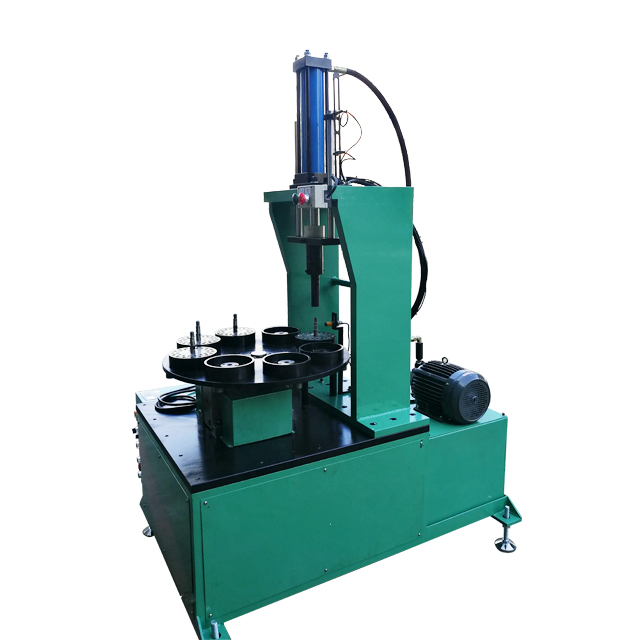
New Hydraulic Pressure Ceiling Fan Motor Stator Shaft Inserting Press Machine Gear-Driven Operation 1 Year Manufacturing Plant
- Gear-driven hydraulic stroke control
- Concentric shaft bore alignment
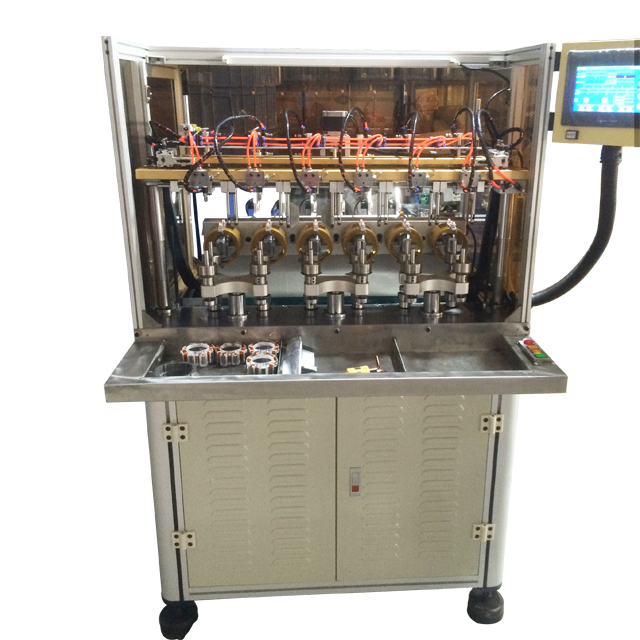
Six Stations Outer Stator Motor Coil Winding Machine Automatic New Gear PLC Core Components Manufacturing Plant 1 Year Warranty
- Synchronized multi-spindle array
- Digital tensioning & wire tracking
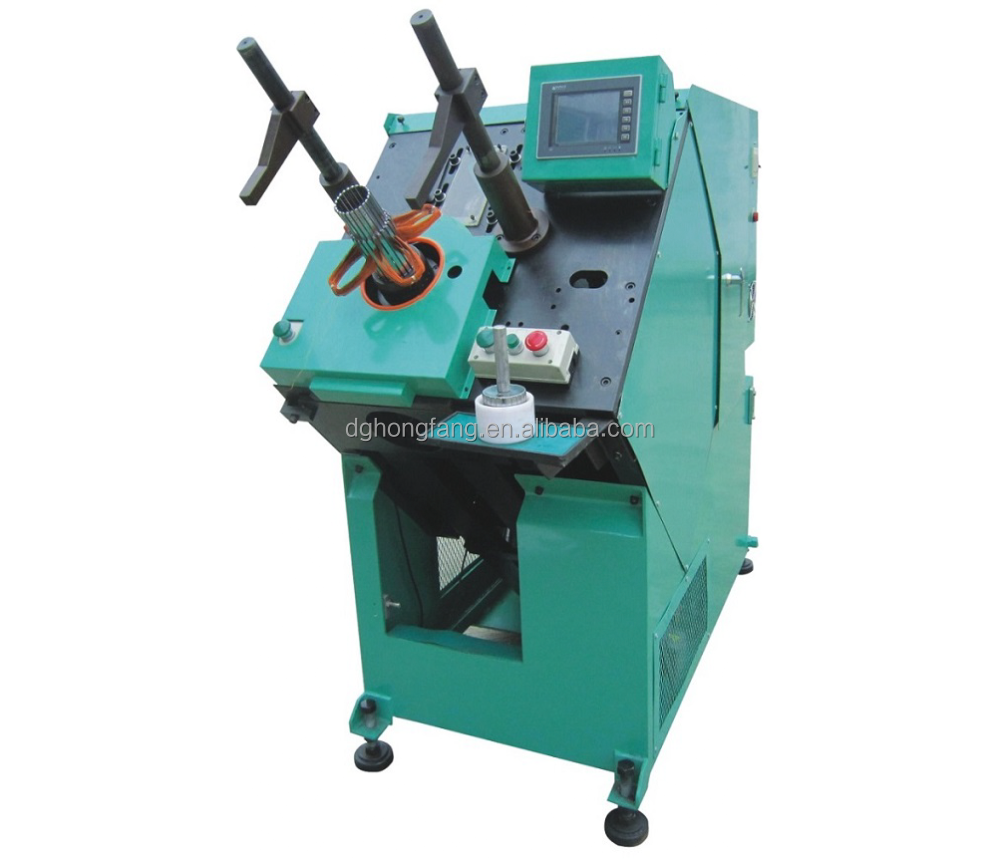
Automatic Stator Wedge Paper and Coil Inserting Machine for Fan Motor Stator New Manufacturing Plant Use Gear Components
- One-stroke coil & wedge integration
- Zero enamel damage tooling design
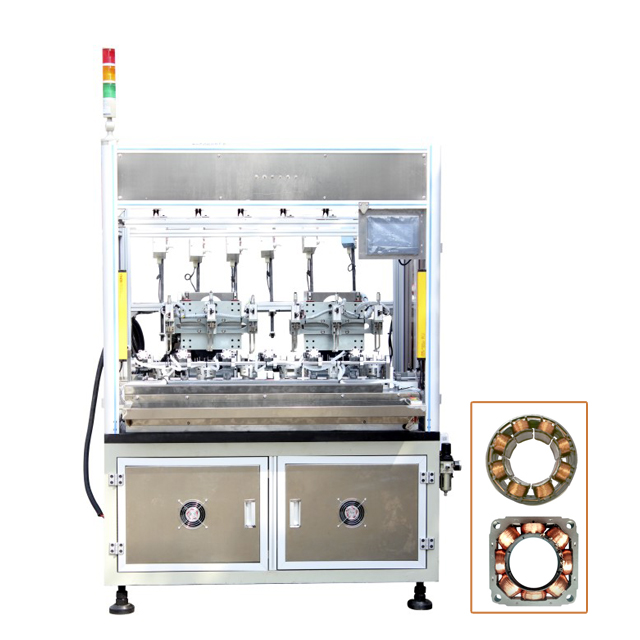
HF-LO2-6G Six Stations Internal Winding Machine with PLC and Engine 1 Year Warranty for Motor Coil Inner Stator
- High slot-fill internal needle tooling
- Industrial Mitsubishi/Siemens logic
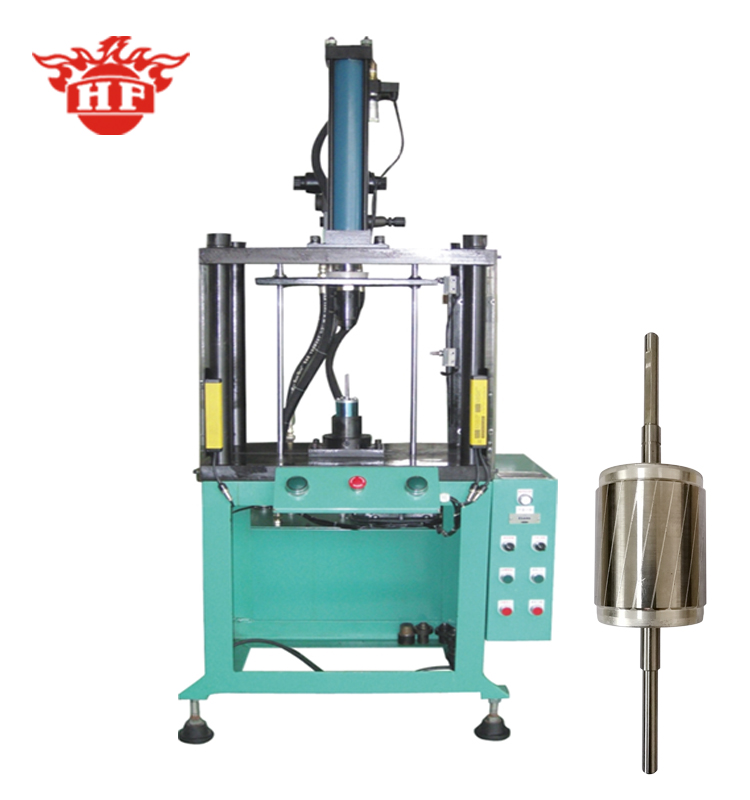
New Rotor and Shaft Inserting Hydraulic Press Machine for Manufacturing Plant 1 Year Warranty HF-W50
- Closed-loop pressure regulation
- Protects bearing journal tolerances
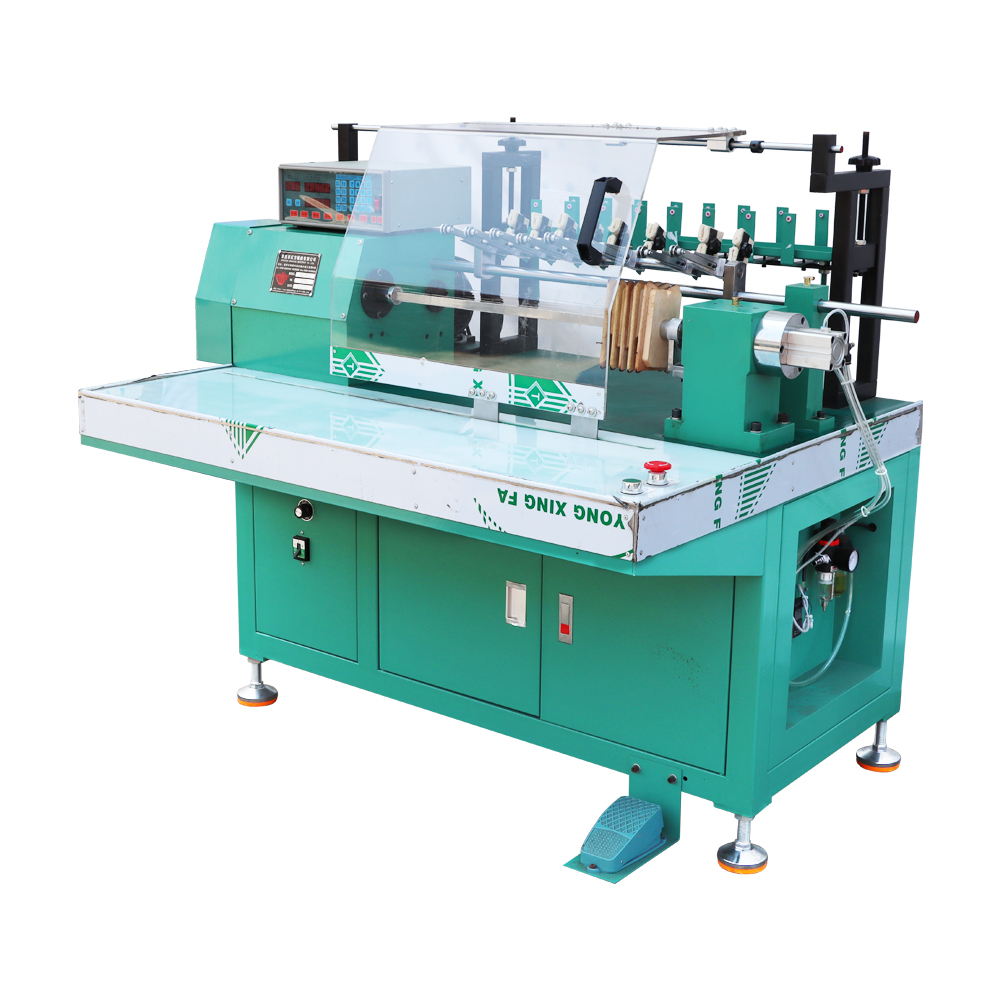
Automatic Semi Automatic Coil Winding Machine for Fan Motor Stator Copper/Aluminum Wire Single Phase 220V 0.1-1.2mm Wire
- 0.1–1.2mm wire processing versatility
- Adaptable continuous wire tensioning
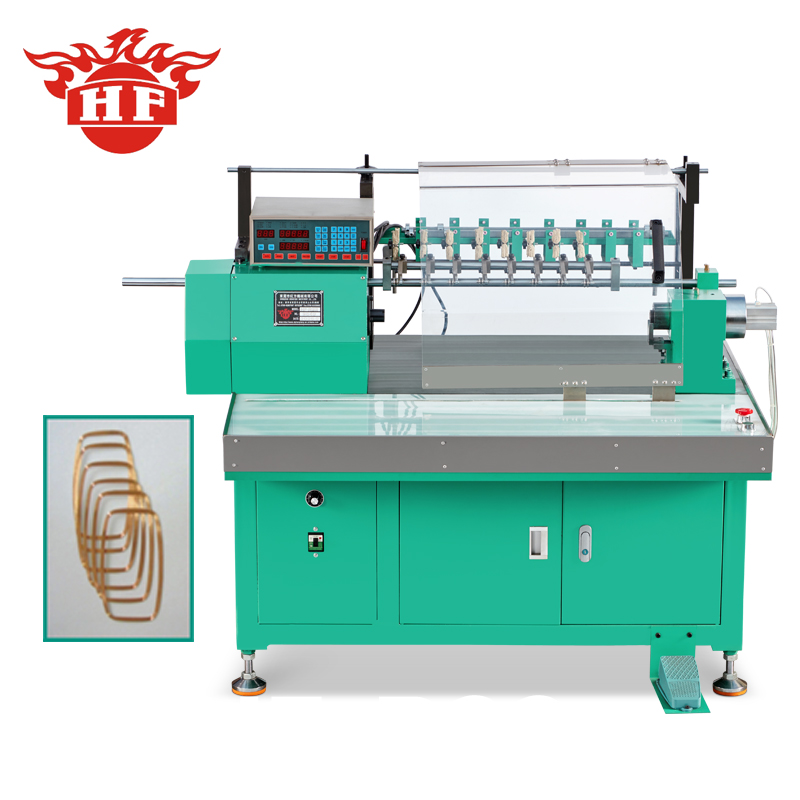
HF-R22 Coil Winding Machine Semi Automatic Coil Making Machine 8 Heads for Fan Motor Cooler Motor Pump Motor Power Tool Motor
- High-yield simultaneous 8-head array
- Rapid fixture changeover tooling
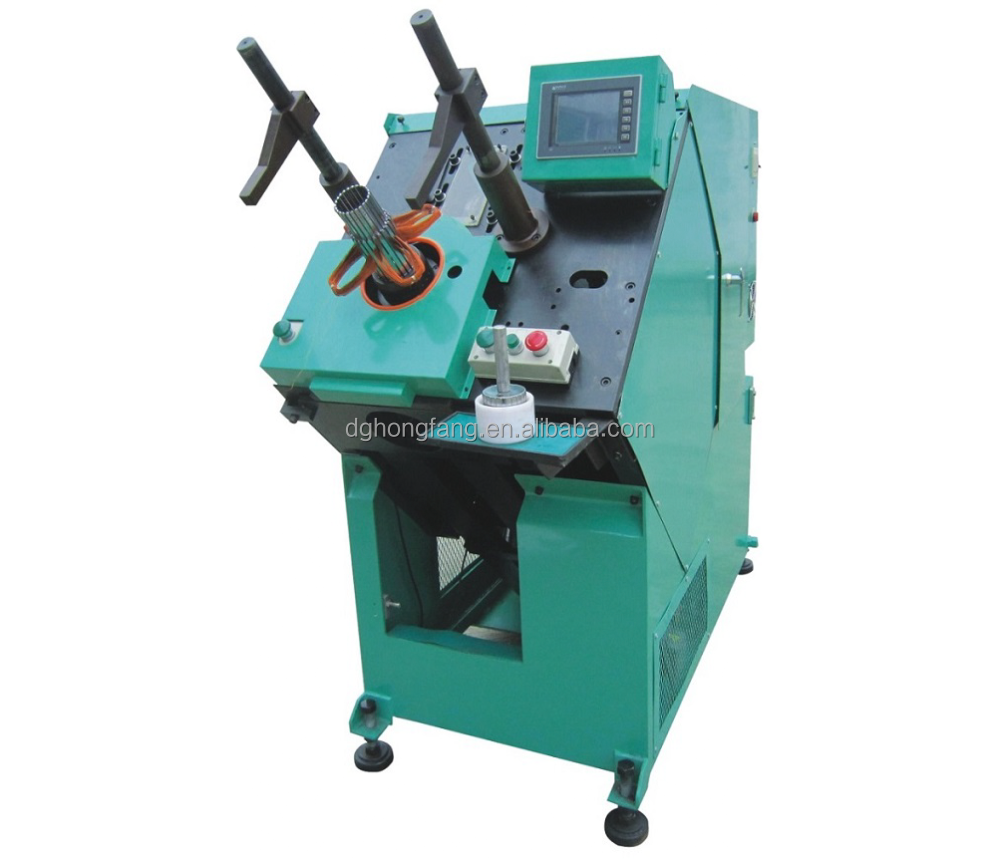
Automatic Servo System Stator Coil and Wedge Inserting Machine
- Full servo stroke & feed synchronization
- Engineered for hairpin & round wire slots
Localized Engineering Integration for Detroit Manufacturing
Metro Detroit, Auburn Hills, Warren, and Dearborn require extreme cycle consistency, stringent dimensional verification, and high slot-fill ratios for automotive electrification and commercial vehicle subsystems.
EV Traction & Auxiliary Drives
Automotive tiers across Michigan require radial expanding of stator end-turns to ensure complete clearance of high-voltage phase busbars, cooling jackets, and rotor shaft splines in tight packaging envelopes.
Tier-1 Thermal & HVAC Blowers
Continuous-duty 48V automotive fans, scroll compressors, and heavy commercial vehicle blower motors demand balanced radial expanding to prevent insulation abrasion during severe road vibration.
Industrial Pumps & Actuation Cells
Heavy machinery suppliers around the Great Lakes rely on robust stator coil forming and multi-segment expansion to maintain air-gap uniformity (±0.02 mm) across multi-pole industrial stators.
Stator End-Turn Management & Thermal Dissipation Dynamics
As Detroit’s motor manufacturing corridor accelerates the shift toward high-voltage architectures (400V/800V) and extreme power density, stator coil end-turn forming is no longer merely a dimensional clearance step—it is a critical determinant of electromagnetic efficiency and thermal lifespan.
Improperly expanded coils risk inter-turn dielectric failure under rapid dV/dt inverter switching spikes. Our multi-segment expanding and forming machines utilize servo-driven, synchronized collets that radially displace copper bundles uniformly without stretching magnet wire insulation or micro-fracturing winding lacquers.
By enforcing standardized slot-exit geometry and calibrated compression profiles, motor builders achieve optimized cooling oil channels and reduce coil overhang resistance, cutting parasitic copper losses across severe drive cycles.
| Critical Metric | Traditional Forming | Servo Expanding System |
|---|---|---|
| Radial Tolerance | ±0.15 mm – ±0.25 mm | ±0.02 mm – ±0.05 mm |
| Insulation Stress | High localized shearing | Controlled radial displacement |
| End-Turn Overhang | Irregular clearance profile | Standardized compact contour |
| Slot-Fill Compatibility | Limited to <72% fill | High-density up to 82% fill |
| Cycle Consistency | Operator dependent | Repeatable multi-axis servo logic |
Why Engineering Procurement Teams Partner With Zunqi
Operating from South China's premier automation manufacturing hub, Zunqi Intelligent Equipment delivers high-performance turnkey machinery backed by 17 years of verified global trade history.
Custom Tooling to Your Print
Tooling and segmental expanding blades are custom-engineered strictly against your stator OD, ID, stack height, and slot profile. We build tools that conform to your motor, not generic fixtures.
Single-Source Turnkey Line
Eliminate integration friction. We match and synchronize every production stage: slot insulation, precision winding, combined coil/wedge insertion, intermediate expanding, and double-side lacing.
North American Control Logic
Cabinets are fully configurable with familiar global industrial hardware—including Siemens, Mitsubishi, Schneider, Delta, and Omron PLCs with English touchscreen interfaces.
Pre-Shipment Verification
No machine ships unproven. We require customer stator samples to complete dynamic validation, providing full multi-angle cycle videos and parameter logs prior to crate sealing.
Frequently Asked Questions by Michigan Plant Buyers
How does your stator coil expanding machine prevent enamel wire insulation degradation?
Can the machine control system be adapted to 480V 60Hz 3-phase US grid requirements?
What is the typical lead time and shipping route to Detroit, Michigan?
How do you manage tooling changeovers for multi-product assembly lines?
What remote and on-site engineering support is provided to Midwest plants?
Consult an Automation Engineer for Your Detroit Stator Line
Send your stator 2D/3D part drawings, stack heights, and target cycle times to our engineering team. We deliver custom tooling proposals, cycle estimates, and equipment quotations within 9 hours.
