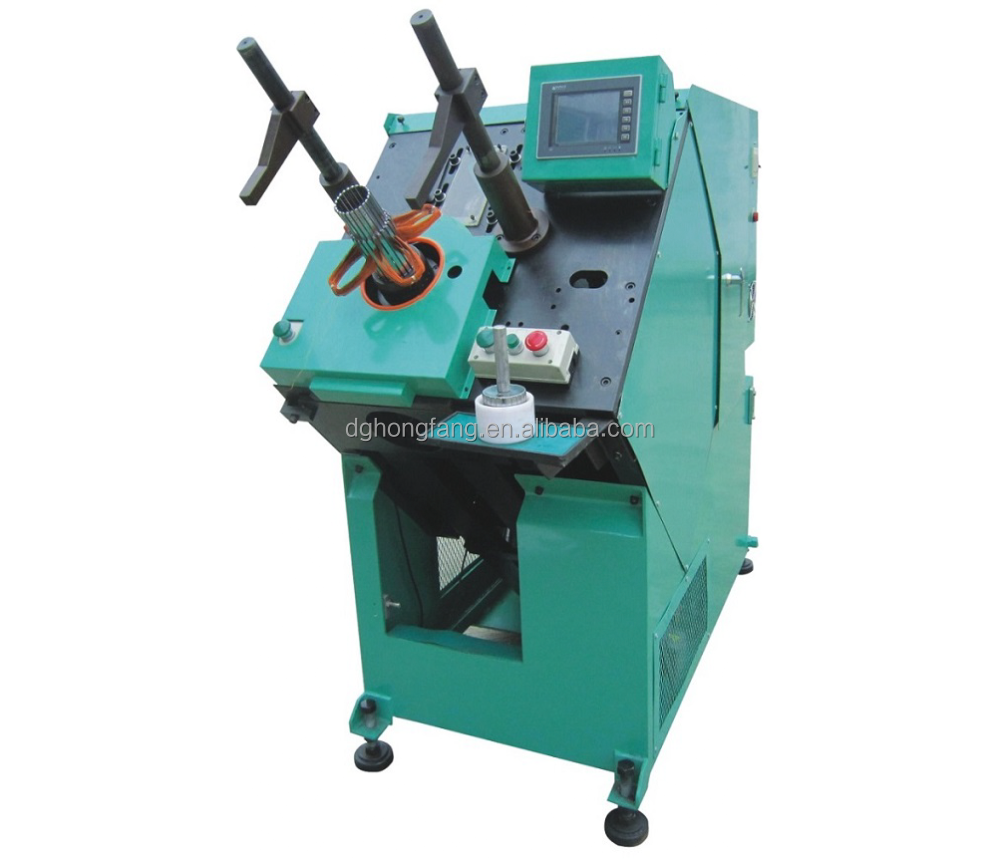
Engineered Motor Production Lines
Core Automation Equipment Serving Guayaquil Operations
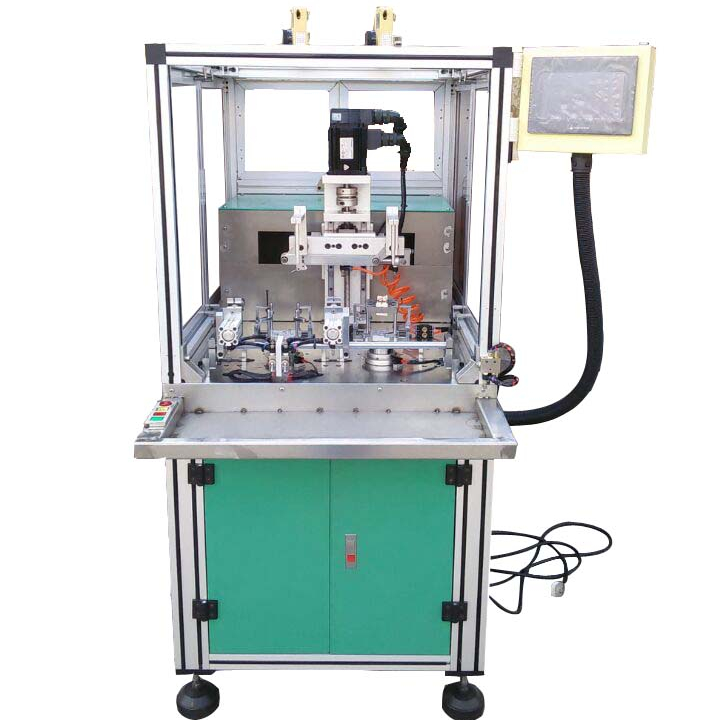
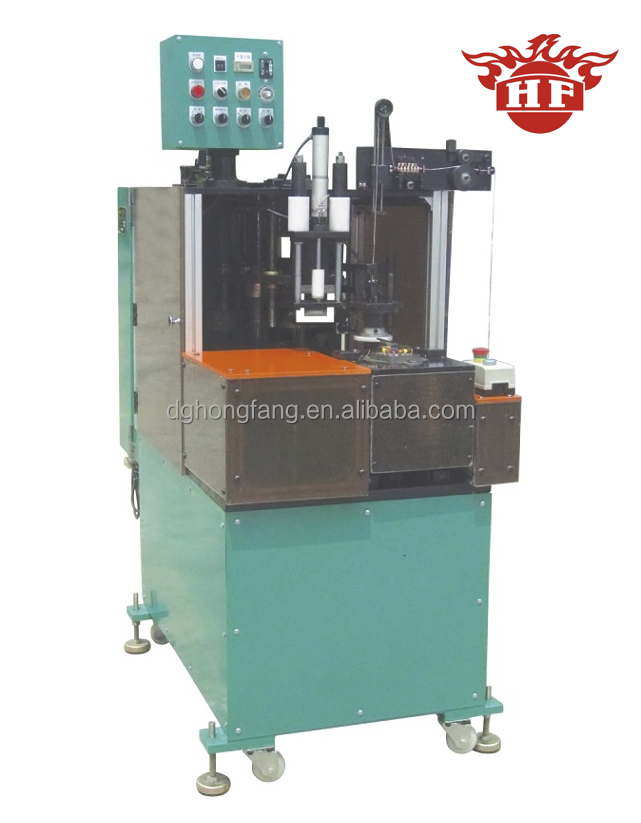
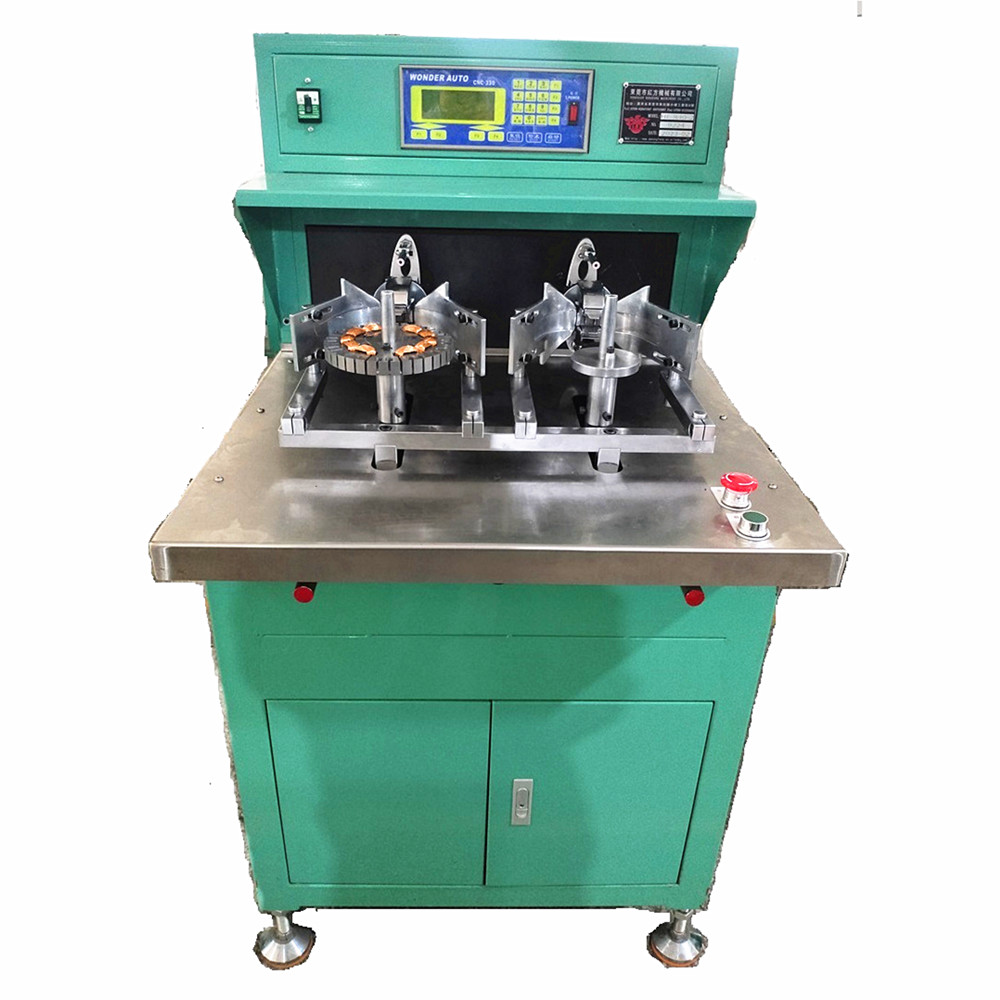
From high-speed automatic wedge and coil inserters to precision rotor shaping machines, our automation systems deliver repeatable Class F/H insulation integrity for heavy-duty electric motors.
17+
Years Export Engineering
0.5-1.2s
Per Slot Insertion Speed
≤9h
Technical Response Latency
100%
Pre-Shipment Stator Trial
Technical Insight · Geographic Integration
Optimizing Stator Slot Insulation for Guayaquil's Maritime & Agro-Industrial Ecosystem
Guayaquil, operating as Ecuador's chief maritime port and industrial engine, imposes unique mechanical and chemical challenges on electromagnetic components. Situated along the Guayas River estuary with direct Pacific access, factories operating across Mapasingue, Durán, and Vía a Daule consistently contend with ambient relative humidity exceeding 80% and elevated saline aerosol exposure. In this coastal tropical environment, electrical insulation failure represents the primary mechanism of premature induction motor breakdown, driven by dielectric puncture and hygroscopic swelling of inferior slot lining materials.
For motor rebuilders, original equipment manufacturers (OEMs), and aquaculture equipment fabricators in the Guayas province, stator insulation is not merely a separator—it is the structural dielectric boundary. Automated slot insulation insertion machines must achieve micrometer-level mechanical precision. Manual insulation placement frequently induces micro-tears along paper cuff edges, creates irregular fold radiuses, and introduces microscopic contamination from ambient moisture. When combined with Class F or H thermal duty cycles, these microscopic imperfections accelerate partial discharge and eventual ground faults within industrial shrimp aerator motors, cold storage compressor drives, and deep-well submersible agricultural pumps.
"In coastal environments like Guayaquil, air moisture accelerates dielectric degradation at physical stress points. Automation eliminates mechanical creasing micro-fractures, ensuring edge cuffing retains Class H dielectric resistance under heavy saline condensation."
Zunqi Intelligent Equipment designs slot paper insertion machinery with dedicated electro-pneumatic edge-cuffing units, hardened carbide rotary cutters, and servo-driven indexing carriages. Handling complex insulation composites including Nomex®, DMD (Dacron-Mylar-Dacron), NMN, and high-dielectric polyester films, our systems ensure that every slot liner features uniform bilateral folded cuffs. This cuffing prevents axial migration during subsequent coil insertion and wedging operations, fully insulating the bare silicon steel laminations from enamelled magnet wire even under harsh tropical operating regimes.
Guayas Province Industrial Sectors
Specialized Machinery Applications Across Guayaquil's Core Industries
Our slot insulation and motor assembly systems are directly deployed across regional supply chains requiring high-reliability electric drive solutions.
Aquaculture & Shrimp Farming Aeration
Paddlewheel aerators and centrifugal transfer pumps deployed across Gulf of Guayaquil estuaries operate continuously under relentless salt mist and tropical sun. Automated slot inserting secures the stator bore, eliminating insulation breakdown and enabling IP55/IP66 motor winding integrity with zero void formation.
Cold Chain & Seafood Processing Logistics
Ammonia refrigeration compressors, spiral freezers, and cold store ventilation units along the Guayaquil shipping corridor run strict thermal cycles. Precision mechanical insulation ensures phase-to-phase and slot-to-ground isolation resists thermal shock and high-pressure chemical washdowns.
Industrial Rewind & Remanufacturing Workshops
Electromechanical service providers supporting Contecon Guayaquil SA terminal cranes, grain mills, and bottling facilities require rapid changeover tooling. Our flexible slot inserters accommodate variable slot numbers (12 to 72 slots) and stack heights without custom component remanufacturing.
Strategic Technology Roadmap
Emerging Electrification Trends in the Ecuadorian Industrial Sector
The manufacturing and processing landscape around the Gulf of Guayaquil is undergoing an operational shift toward energy-efficient motor standards. With nationwide industrial modernization programs aligning with international standards (such as IEC 60034-30-1 efficiency classes IE3 and IE4), domestic assembly plants and remanufacturing operations can no longer depend on inconsistent manual winding and insulation techniques.
Achieving Premium Efficiency (IE3) parameters requires maximizing slot fill factors while reducing total stator physical volume. This engineering balance severely narrows the margin for mechanical clearance. When copper magnet wire fill rates exceed 75%, hand-placed insulation paper frequently wrinkles, shifts, or jams during coil insertion. In automated lines, Zunqi's specialized insulation paper inserters fold and seat the liner snugly against the tooth profile, creating an open slot channel that allows automated coil and wedge inserting tooling to push wire bundles cleanly without stripping magnet wire enamel insulation.
Furthermore, coastal electric motor users are actively retrofitting variable frequency drives (VFDs) across irrigation pumps and agro-industrial conveyor systems. Inverter-driven duty introduces steep-front voltage spikes (high dV/dt transient surges) that induce severe dielectric stress on the motor's first turns and phase insulation. Zunqi machinery enables Guayaquil motor builders to process reinforced multi-layer barrier laminates up to 0.35mm thickness with precise geometric repeatability, mitigating corona discharge and extending operating lifespan across unstable grid topologies.
Manufacturing Authority · Global Trust
Engineering Competencies Backed by 17 Years of Factory Direct Supply
Based in Qishi Town, Dongguan, Zunqi Intelligent Equipment operates at the heart of the world's most concentrated precision electro-mechanical tooling cluster.
Custom Tooling to Your Drawing
Every stator has proprietary slot dimensions. We engineer custom inserting shoes, blades, and folding guides directly from your physical stator core sample or CAD drawing (.DWG / .STEP), ensuring 100% seating precision before machine release.
Globally Sourced Control Architecture
Guayaquil engineers benefit from non-proprietary international control configurations. Choose from Siemens, Mitsubishi, Panasonic, Delta, or Schneider PLC and servo hardware, ensuring spare parts and programming skills are directly accessible in Ecuador.
Pre-Shipment Trial Run & Video Signoff
Before leaving our assembly floor, your actual production stator samples are mounted and tested at full operating speed. You receive a complete operational video validation confirming slot indexing timing, cuff consistency, and cycle-time benchmarks.
Turnkey Systems Engineering
Unified Stator Manufacturing Line Integration
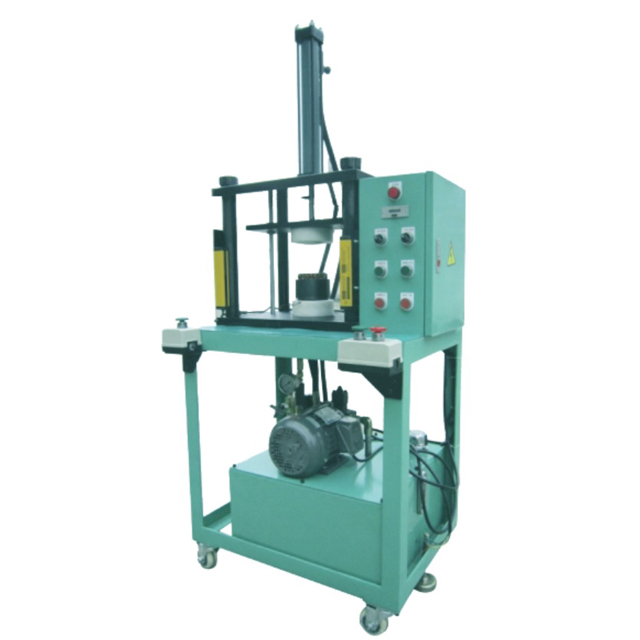
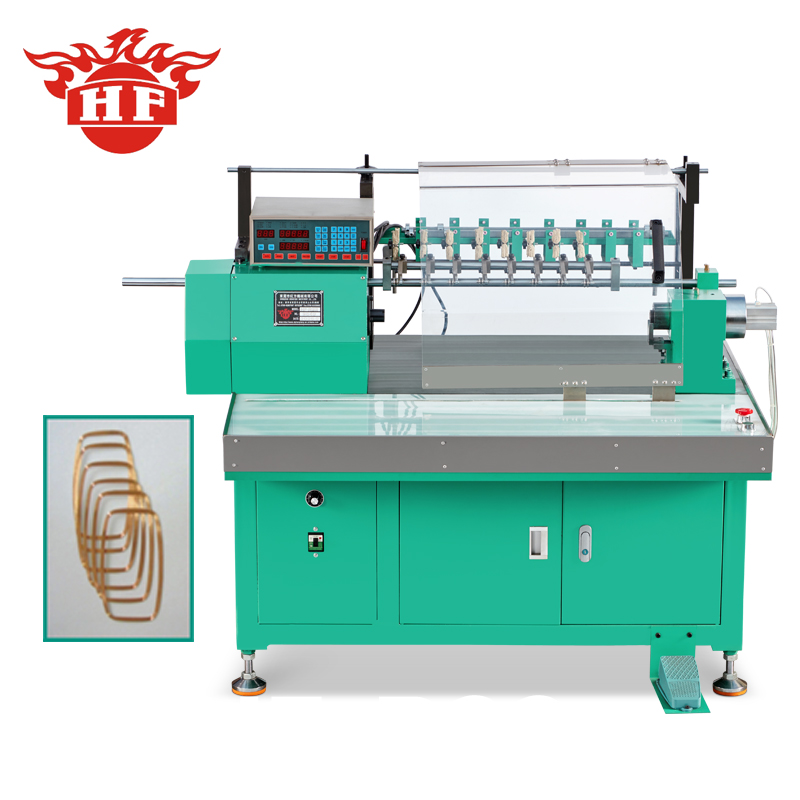
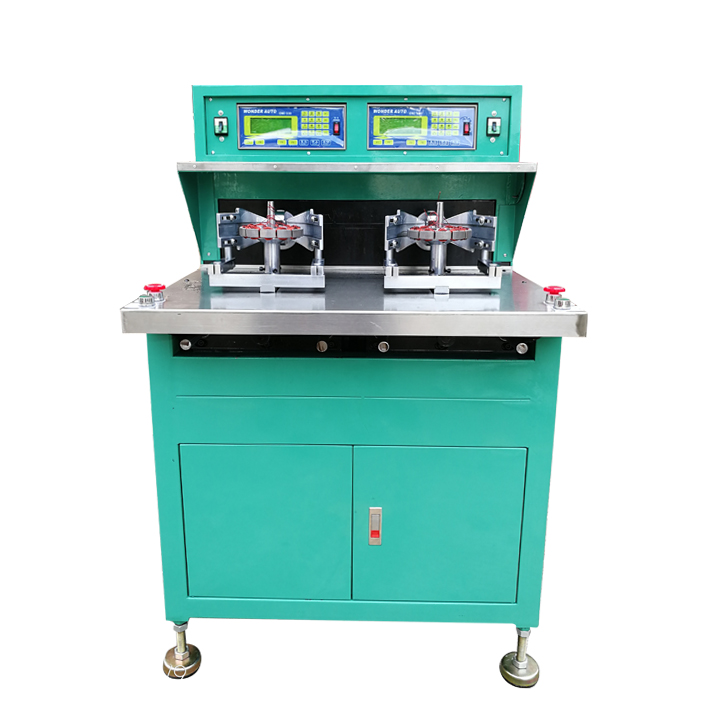
Single-operation machinery often leads to manufacturing bottlenecks when cycle times and fixturing standards conflict. Zunqi Intelligent Equipment engineers balanced production workcells where our slot insulation machines integrate seamlessly with downstream stator coil winding, simultaneous coil and wedge insertion, intermediate forming, servo double-side lacing, and secondary shaping units.
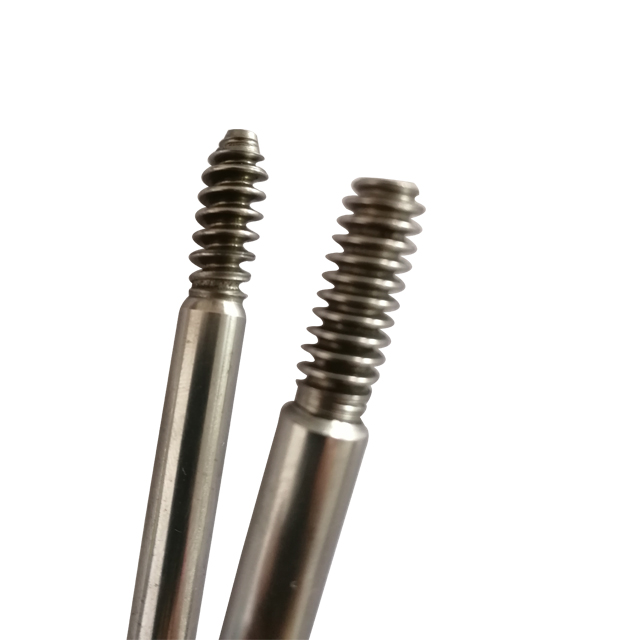
By coordinating transfer fixtures, stator stack clamping axes, and standardized tooling clearances across every machine in the sequence, our engineering team ensures that a motor factory or repair center in Guayaquil can scale output smoothly without manual handling distortion. Furthermore, our line solutions extend through to rotor outer-diameter precision turning and hydraulic shaft insertion, securing concentric rotor-stator air gaps essential for low vibration, quiet running, and maximum electrical efficiency.
Procurement & Technical Clarification
Frequently Asked Questions by Industrial Buyers in Guayaquil
How does machine power supply adapt to Guayaquil's local grid voltage? +
Ecuadorian industrial networks typically run 220V 60Hz single/three-phase or 440V 60Hz three-phase systems. Our electrical cabinets are configured at the factory to match your local distribution voltage, including 60Hz frequency tuning for motor drives and transformers, preventing drive frequency tripping or motor overheating.
What insulation materials can the automatic paper insertion equipment handle? +
Our feeding and creasing mechanisms reliably process roll-fed DMD (Class F), Nomex® / NMN (Class H), polyester film (Mylar®), composite fish paper, and vulcanized fibre. Strip thickness ranges generally from 0.14mm to 0.35mm, with custom edge-cuffing width adjustments ranging from 2.5mm to 5.0mm.
What is the typical shipping transit time and port clearance route for Guayaquil? +
Cargo leaves Shenzhen or Guangzhou ports directly bound for Puerto Marítimo de Guayaquil (Contecon or DP World Posorja). Ocean freight transit time is generally 28 to 35 calendar days. Equipment is packed in solid fumigation-free plywood export crates with internal vacuum VCI anti-rust barrier wrapping to resist maritime salt air exposure during Pacific crossing.
How is post-sale technical support, installation, and operator training managed remotely? +
Every machine ships with an English operating manual, detailed I/O schematics, and an instructional video series covering parameter adjustment, blade alignment, and tooling changeovers. Our engineering desk in Dongguan maintains direct support over encrypted video conferencing to guide maintenance technicians through commissioning. On-site commissioning engineers can also be dispatched for complete turnkey plant installations.
Can one machine process multiple stator stack heights and core diameters? +
Yes. Stack height adjustments are regulated via precision digital leadscrews or automated servo height controls on the HMI touchscreen, without altering structural components. When changing stator internal diameters or distinct slot geometries, modular replacement tooling (cuffing guides, feed wheels, insertion blades) can be interchanged within 20 to 30 minutes.
What is the minimum order quantity (MOQ) and warranty coverage? +
Our MOQ is 1 complete set for any machine series. All machines include a 12-month mechanical and electrical warranty covering non-consumable components. Replacement wear parts (cutters, push rods, belts) are stocked for rapid dispatch via DHL/FedEx to Ecuador.
Plan Your Stator Line Automation Upgrade
Send your stator core dimensions, slot drawings, and target cycles per shift to our engineering team. We deliver custom tooling proposals and machinery layouts tailored to your exact facility needs.
