Advanced Stator Slot Insulation & Coil Winding Systems
Precision machinery engineered in Dongguan and deployed to high-demand motor manufacturing workshops and rewinding facilities across San Fernando and surrounding manufacturing corridors.
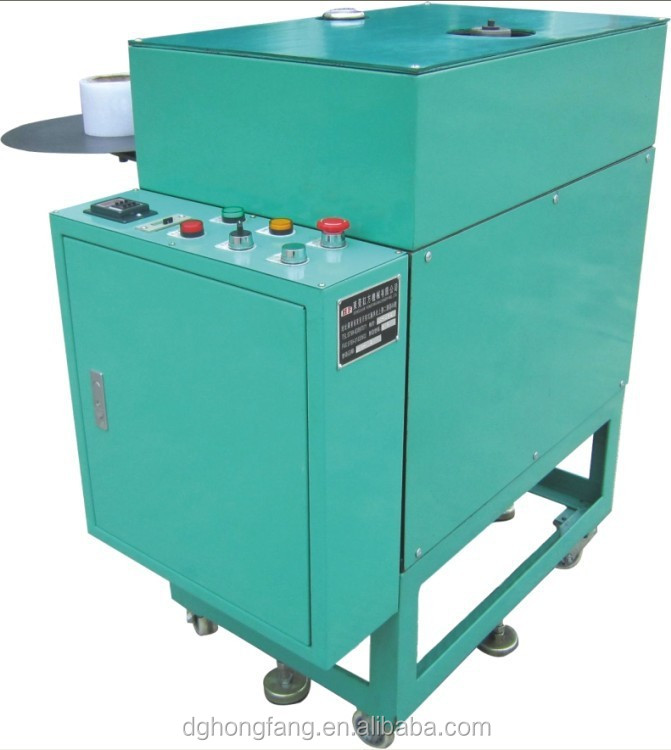
New Slot Paper Inserting Cutting Machine Table Fan Pump Cooler Motor Insulation Paper
- Automated crease, feed, cut & insert
- Power: 1 kW · 220V/380V
- 1-Year Comprehensive Warranty
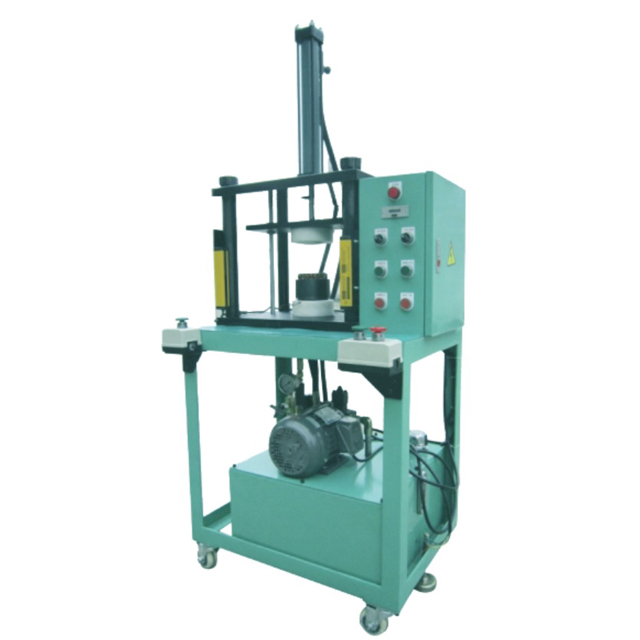
HF-W120H Electric Motor Stator Coil Final Forming Second Shaping Machine
- Hydraulic internal & external expansion
- Clean end-turn clearance control
- Suitable for multi-frame stators
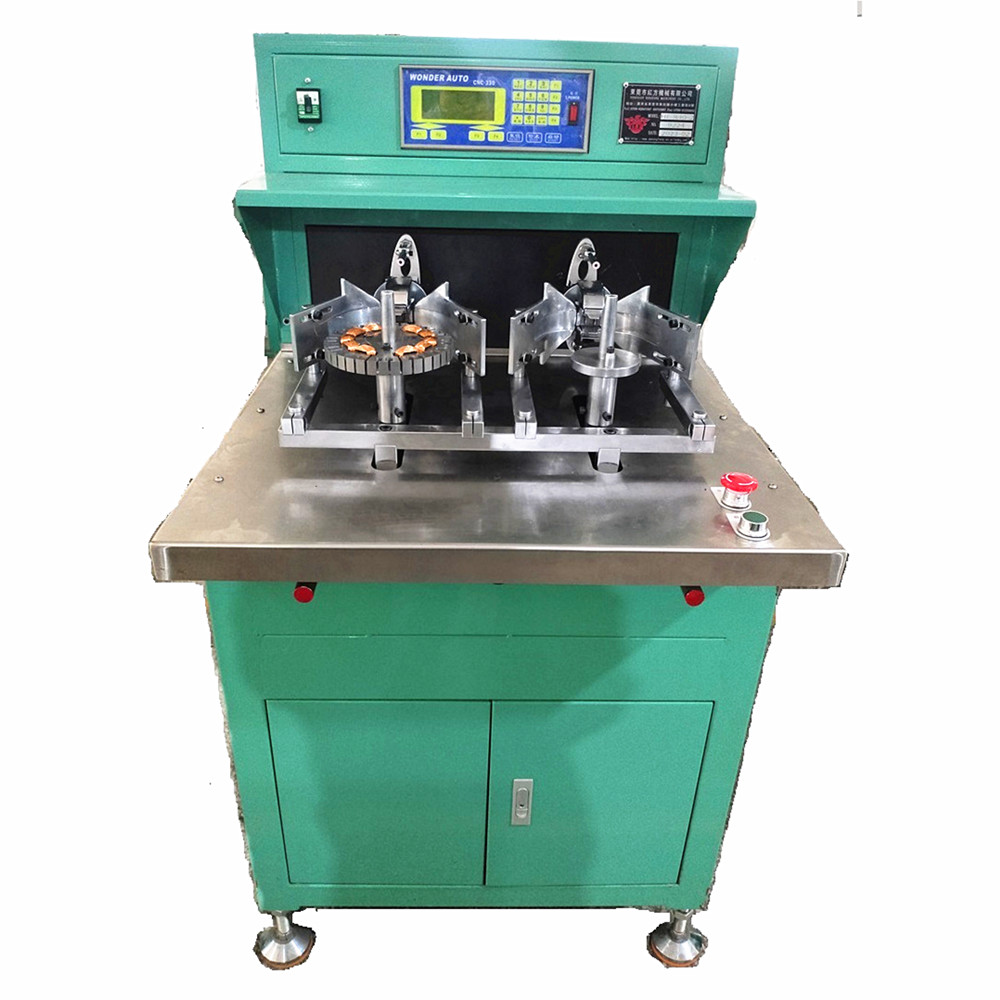
HF-R40-2C New Automatic Ceiling Fan Motor Coil Winding Machine Dual Station
- Two-station indexing architecture
- Precision turn counting & tensioning
- Copper & aluminium wire ready
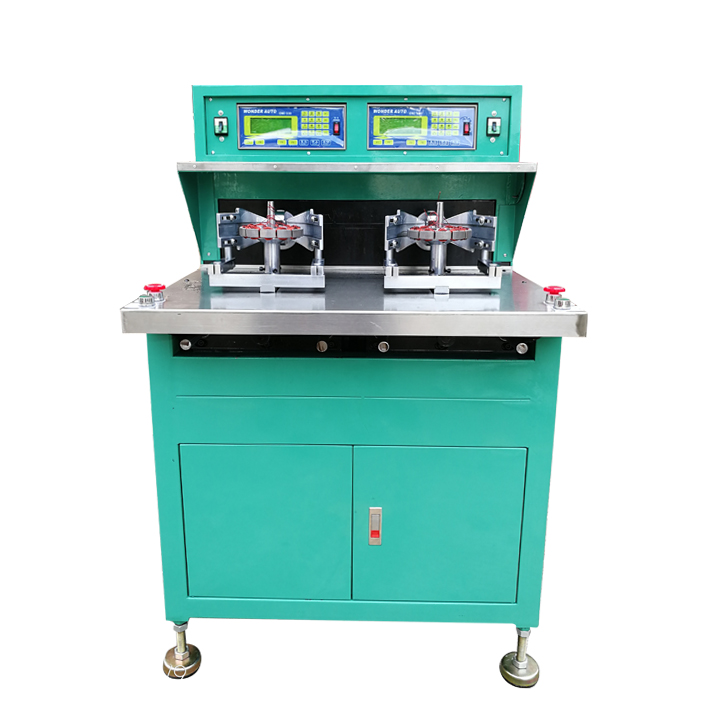
HF Heavy Duty Certified 2 Controller 2 Station Automatic Winding Machine PLC 1 kW
- Independent twin micro-controllers
- Rigid low-vibration cast iron base
- Fast tooling changeover system
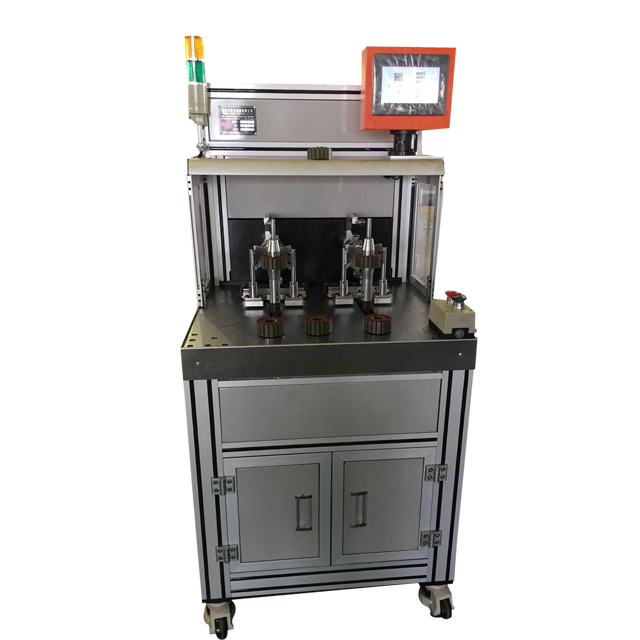
Stator Winding Machine 2 Station External Outernal Winding for Transformer Motor
- Synchronous twin-needle traversing
- Clean wire laying without overlaps
- Programmable multi-pole indexing
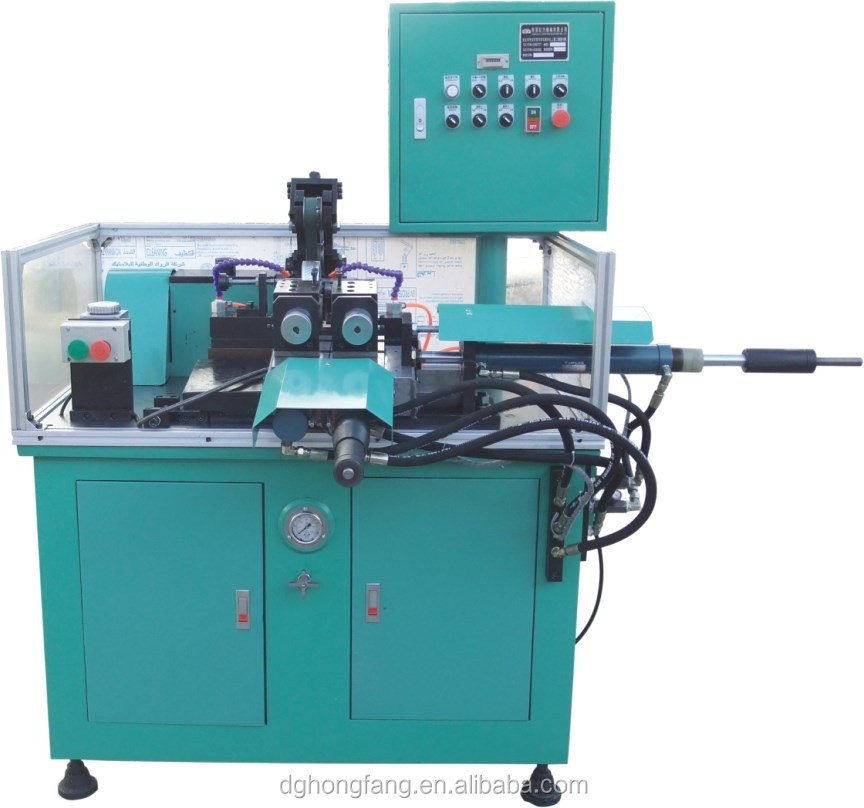
New HF Fan Motor Rotor Turning & Casting Machine with PLC and Pump Core Cutting
- High concentricity outer diameter skim
- Automated coolant flood & swarf clear
- Minimizes electromagnetic air gap
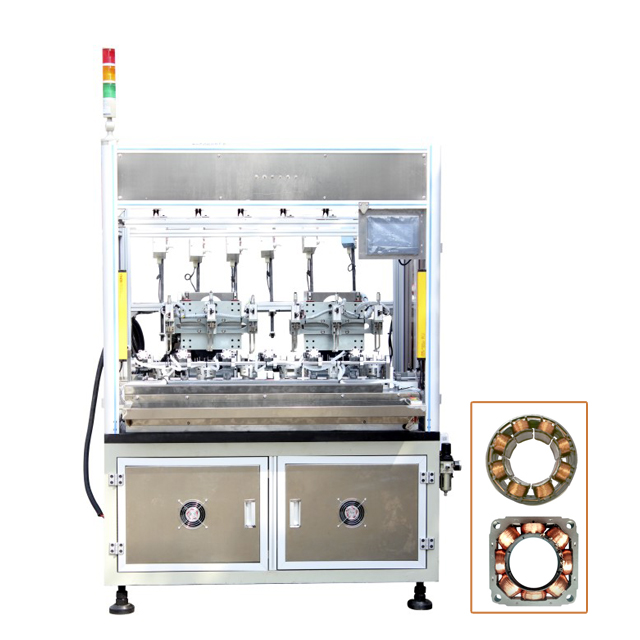
HF-LO2-6G Six Stations Internal Winding Machine with PLC for Stator Inner Coil
- Simultaneous 6-station flyer action
- Integrated touchscreen parameter bank
- Heavy duty cycle for pump stators
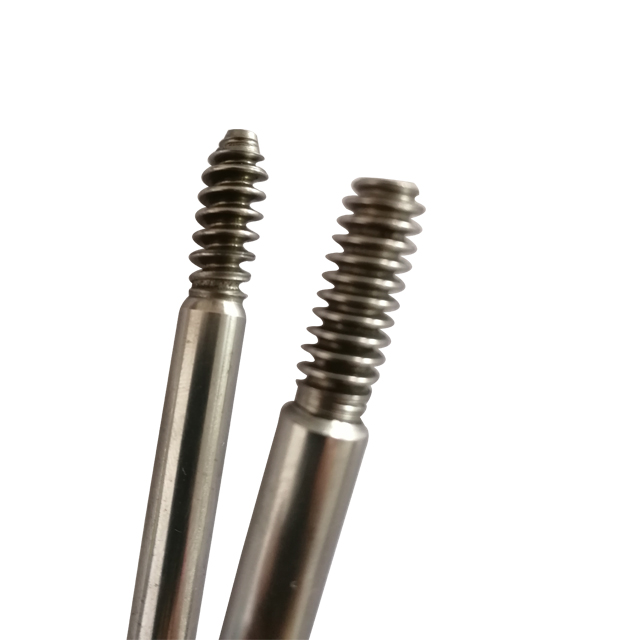
Electric Motor Spares SC45# Low Carbon Steel Fan Motor Shaft Machining Components
- High-tensile normalized SC45# alloy
- Precision ground bearing journal fits
- Anti-corrosion industrial coating
Dielectric Reliability in Stator Slot Cell Architecture
In modern alternating current (AC) induction, permanent magnet synchronous (PMSM), and brushless DC (BLDC) electric motors, stator slot insulation represents the primary physical and dielectric barrier protecting high-potential magnet wire conductors from the grounded electrical steel core lamination stack. Catastrophic motor failures—most notably turn-to-ground flashovers, partial discharge erosion, and high-frequency inverter-induced punch-through—frequently originate not from magnet wire enamel breakdown, but from micro-fissuring, ragged edge shear, or mechanical dislocation of the slot cell liner during coil inserting.
Industrial manufacturers and electric motor remanufacturing plants in San Fernando operating within demanding commercial and utility sectors encounter stringent IEEE, NEMA, and UL dielectric withstand requirements. Automating the slot insulation phase eliminates manual inserting variables, inconsistent cuff folds, and uneven paper edge margins. Zunqi Intelligent Equipment's Automatic Stator Slot Insulation Paper Inserting Machine series combines servo-driven web feeding, calibrated edge creasing, pneumatic shear cutting, and mechanical push-in forming tools to deliver sub-millimeter precision at speeds up to 0.5 to 1.2 seconds per slot.
Precision Hemming & Creasing
Pre-creasing dies form dual end-cuffs ranging from 2.5 mm to 6.0 mm. Controlled edge radius prevents delamination of composite papers, safeguarding magnet wire against burred lamination edges.
Servo Stepper Web Feed
Closed-loop stepper and servo indexing drives advance insulation stock from reel dispensers with zero backlash, holding paper length repeatability within ±0.15 mm across continuous 24-hour cycles.
Modular Stator Nesting Dies
Tooling blocks accommodate varied stack heights (10 mm to 160 mm) and internal bore diameters (20 mm to 220 mm), enabling rapid 20-minute re-tooling between diverse motor frame families.
Machinery Engineering Specifications: Automatic Slot Cell Inserting
Comparative mechanical capabilities and tolerance envelopes for industrial motor builders selecting automated paper insertion systems:
| Operating Attribute | Small Frame / Fan / Appliance | Standard Industrial Induction | Heavy Inverter Duty / Pump Motors |
|---|---|---|---|
| Compatible Stator Stack Height | 10 mm – 60 mm | 25 mm – 120 mm | 40 mm – 220 mm |
| Stator Core Inner Diameter (ID) | Ø 18 mm – Ø 85 mm | Ø 40 mm – Ø 150 mm | Ø 70 mm – Ø 280 mm |
| Supported Insulation Thickness | 0.125 mm – 0.25 mm | 0.188 mm – 0.35 mm | 0.25 mm – 0.50 mm (Nomex/Kapton) |
| Cycle Indexing Velocity | 0.35 – 0.50 sec / slot | 0.50 – 0.75 sec / slot | 0.70 – 1.10 sec / slot |
| Cuff (Edge Fold) Width Range | 2.0 mm – 4.0 mm | 3.0 mm – 6.0 mm | 4.0 mm – 8.0 mm |
| Power Configuration & Drive | 220V, 1 Phase, 50/60Hz, 1.0 kW | 220V/380V, 1.5 kW Servo | 380V/480V, 3 Phase, 2.2 kW Servo/Pneumatic |
Localized Motor Manufacturing & Repair Applications in San Fernando
San Fernando operates as a critical commercial, agricultural logistics, and light-to-medium industrial nexus. Whether serving regional manufacturing hubs, processing plants, or regional municipal infrastructure, electrical machinery operating in this environment faces punishing operational profiles. High ambient temperatures, seasonal thermal cycling, continuous running duties, and harmonic distortion from variable frequency drives (VFDs) necessitate stator insulation processes built to tight engineering standards.
Agricultural & Submersible Pumping
Irrigation and water distribution infrastructure in the greater valley and flatland territories demand hermetic reliability. Automated slot lining prevents copper shorts caused by damp-soil vibration and winding surge pulses in high-horsepower pump assemblies.
Commercial HVAC & Cold Chain Airflow
Food logistics and cold-storage operations throughout San Fernando depend on roof-mounted blowers, condensing fan drives, and compressor motors running 24/7. Slot paper insertion must withstand thermal Class F (155°C) and Class H (180°C) ratings without embrittlement.
Electrified Powertrains & Utility Drives
As light commercial EVs, utility golf buggies, and specialized automated guided vehicles (AGVs) proliferate, regional motor rewind shops are upgrading from manual wooden-drift insulation insertion to servo-controlled machinery to handle dense, low-voltage hairpin and round-wire stators.
Emerging Technology Trends in Regional Motor Production
Facilities in San Fernando and surrounding manufacturing corridors are currently navigating three major structural shifts in electrical machine manufacturing:
1. The Migration from AC Induction to High-Efficiency Brushless BLDC/PMSM: Energy conservation mandates have accelerated the adoption of IE4 and IE5 efficiency motors across commercial fans, blowers, and pumps. BLDC motors feature higher slot fill factors and concentrated tooth topologies. Concentrated windings require form-fitting, sharp-creased slot cells that conform intimately to straight slot edges without bulging into the narrow bore envelope, demanding absolute precision in edge hemming.
2. Inverter-Duty Spike Mitigation (dV/dt Protection): Modern PWM (Pulse-Width Modulated) inverter motor controls subject phase insulation and slot liners to peak voltage spikes reaching 1,600V at nanosecond rise times. Traditional, loosely fitted paper liners create air voids prone to partial discharge and ozone degradation. Machine-inserted slot liners fit snugly against the laminations, expelling trapped air and facilitating complete penetration during secondary VPI (Vacuum Pressure Impregnation) resin varnishing.
3. Labor Reshoring, Ergonomics & Consistency: The availability of seasoned motor armature rewinders is steadily declining across North America and Caribbean industrial zones. Relying on hand-creased, scissors-cut fishpaper or Mylar introduces unacceptable quality variance between shifts. Semi-automatic and fully automated slot inserting machinery allows a single operator to complete an entire 36-slot or 48-slot industrial stator in under 45 seconds, converting craft-dependent processes into repeatable precision science.
Why San Fernando Industrial Buyers Partner With Us
Direct-from-factory engineering based in Dongguan, Guangdong, delivering robust machinery built with world-class standard components, verified trade compliance, and dedicated technical support.
Custom Tooling to Part
We manufacture insertion blades, cuffs, and expanding mandrels precisely matched to your proprietary stator lamination CAD drawings and physical sample cores.
Turnkey Production Line
Seamlessly coordinate slot paper inserting, multi-head coil winding, hydraulic wedge inserting, coil forming, and CNC rotor fine-turning from a single cohesive partner.
Configurable Industrial PLC
Equipped with standardized Delta, Mitsubishi, or Siemens PLCs and international brand pneumatics (SMC / Airtac), ensuring local San Fernando maintenance ease and off-the-shelf spares.
Pre-Shipment Trial Verification
Before crating, every machine runs your exact stator cores in our factory, with complete dimensional and electrical run-off videos provided for client sign-off.
Frequently Asked Questions: Slot Insulation Machinery in San Fernando
Essential technical, electrical, and freight insights for plant managers, rewind specialists, and purchasing departments.
What is the standard lead time and freight logistics for shipping to San Fernando?
Standard slot insulation machines with custom-machined tooling sets require approximately 20 to 30 working days for production and factory trial testing. Consolidated sea freight or full container loads (FCL) ship directly from Shenzhen/Guangzhou ports to regional container terminals. All machinery is treated with VCI anti-corrosive grease, vacuum sealed in vapor-barrier poly sheeting, and bolted within heavy-duty fumigation-free plywood export crates.
How does the machine handle different slot shapes (semi-closed, open, or skewed slots)?
Our machines utilize interchangeable guide pushers and slot-locating fingers. For stators with skewed slots (frequently encountered in submersible pumps and low-noise fan motors to eliminate cogging torque), the inserting mechanism incorporates an adjustable radial guide track that follows the mechanical twist angle of the lamination stack, preventing paper buckling or tear-out at the tooth exit.
Can the machine run different types of insulation materials on the same tooling?
Yes. Provided the film thickness falls within the tooling clearance envelope (typically ±0.05 mm variance), our cutting and creasing heads run pure polyester (Mylar), DMD, NMN, Nomex 410, and vulcanized fishpaper composite reels. When switching between differing stock thicknesses or stiff composite laminates, the operator makes micrometer-screw adjustments to the folding clearance and shear blade position via the exterior calibration dials.
What electrical voltage standards are supplied for San Fernando facilities?
We customize the control transformers and motor drives to your exact local electrical plant specifications. Our tabletop and medium-frame slot inserters operate on standard 220V, single-phase, 50Hz/60Hz lines. For three-phase automated cell equipment, we configure controls for 208V, 240V, 380V, 415V, or 480V at 60Hz. Simply specify your plant voltage during initial engineering consultation.
What is the minimum order quantity (MOQ) and warranty coverage?
The MOQ for all our slot insulation, winding, shaping, and lacing machines is 1 complete set. Every unit is backed by a 1-year comprehensive factory warranty covering non-consumable mechanical assemblies and electronics. We maintain an extensive inventory of high-wear parts—such as tungsten steel cutting blades, creasing rollers, and pneumatic cylinders—ready for express dispatch.
How does operator training and installation commissioning occur remotely?
Each machine ships pre-assembled and pre-programmed with your validated recipe presets. We supply complete English-language operation manuals, high-definition step-by-step video setup tutorials, and provide live video conferencing with our senior commissioning engineers to guide electrical connection, pneumatic regulator setup, and initial paper threading.
Can you provide matched tooling for existing multi-model product lines?
Yes. Clients frequently provide 3 to 10 stator drawings representing distinct motor frame families. We engineer quick-change modular nesting mandrels and push blades. A machine operator can switch between small fan stators and large pump stators in approximately 15 to 25 minutes by swapping the locating mandrel and selecting the corresponding pre-saved parameter program on the touchscreen.
How does automated slot insertion enhance downstream coil insertion?
When slot cells are hand-inserted, paper protrusion heights vary across the stack faces, and cells often seat loosely against the slot wall. During automatic or manual coil inserting, magnetic wires catch on misaligned cuffs, stripping enamel and causing ground shorts. Machine-inserted cells feature uniform bilateral cuff symmetry and radial wall expansion, presenting an open, unobstructed channel that dramatically reduces wire wedge insertion rejection rates.
Ready to Modernize Your Motor Stator Production Line?
Send your stator core drawings or sample dimensions to our engineering team for a customized tooling layout and competitive quote.
