17+
Years of Global Exporting
±0.02mm
Die Cutting Precision
100%
Custom Stator Tooling Fit
1 Set
Flexible Industrial MOQ
Engineered Solutions
Core Machinery Portfolio for Stator & Rotor Processing
From automated Nomex/DMD/polyester insulation inserters to high-yield multi-station winders, examine the proven equipment baseline driving contemporary electro-mechanical workshops.
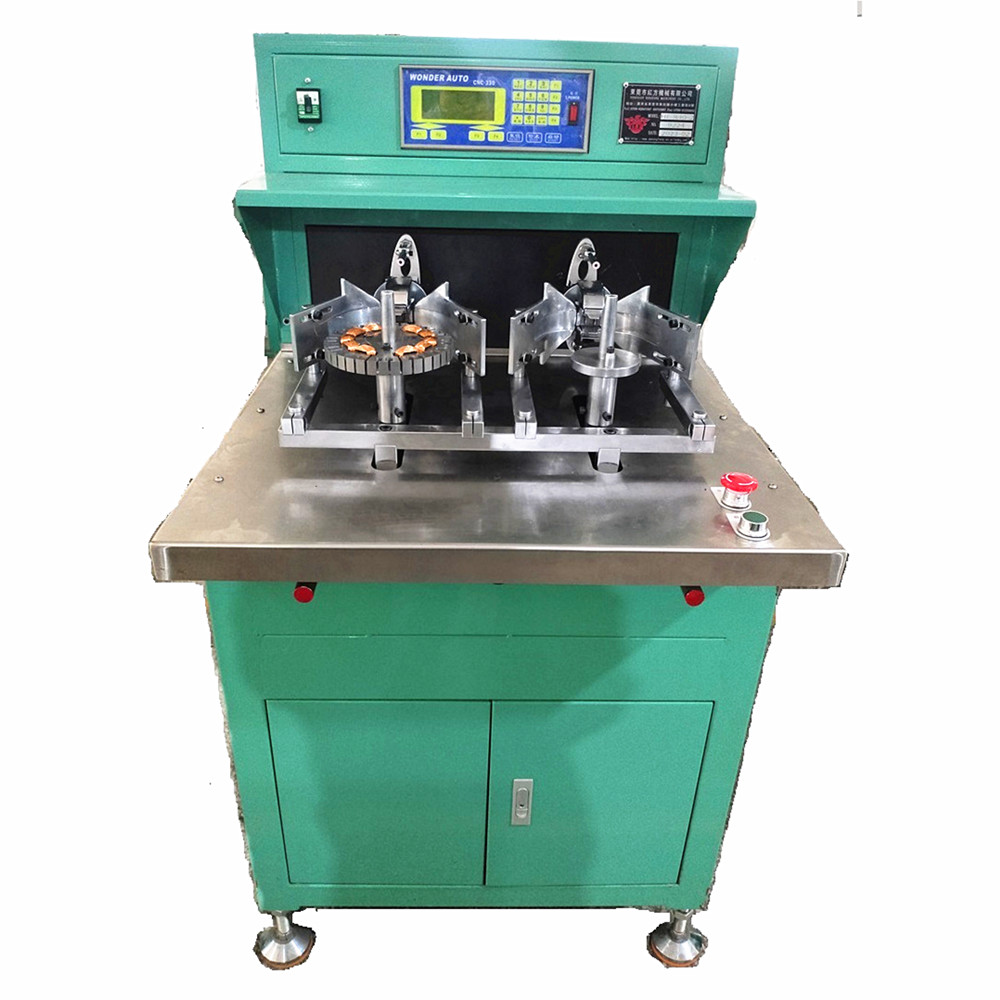
HF-R40-2C Dual-Station Ceiling Fan Coil Winding Machine
View Details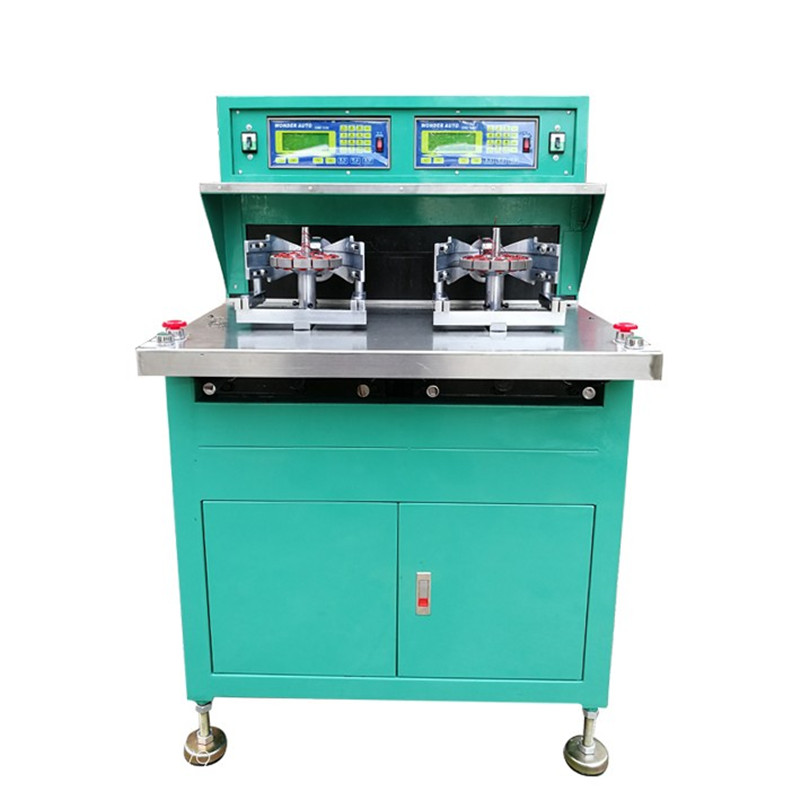
HF-R40-2G Dual-Controller Automatic Stator Winder
View Details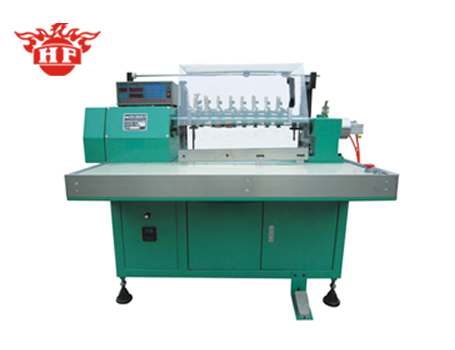
Automated Fan Motor Coil Winder for Copper & Aluminum
View Details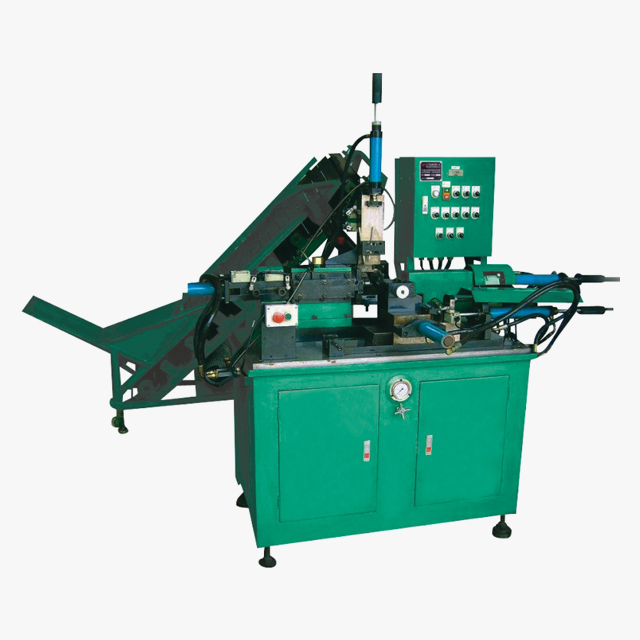
Motor Rotor Rough Turning & Surface Cutting Machine
View Details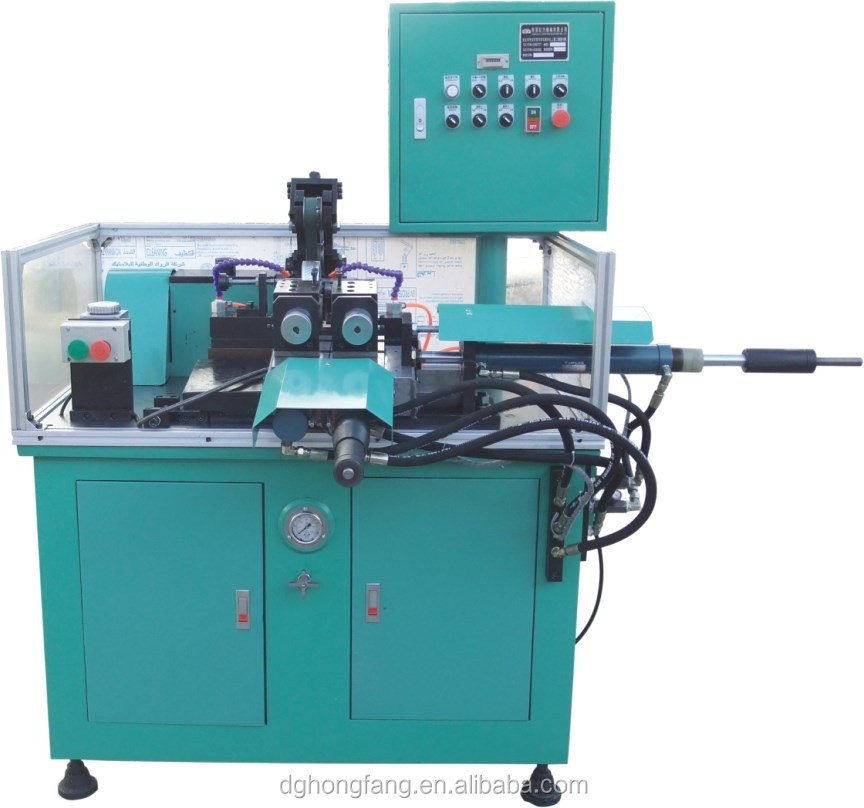
HF Rotor Turning & Finishing Machine with Coolant System
View Details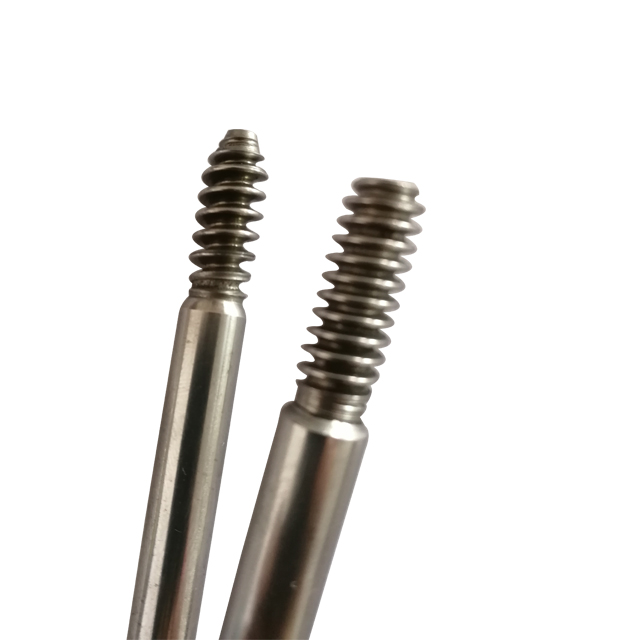
Electric Motor Rotor Shafts for Cooler & Pump Motors
View Details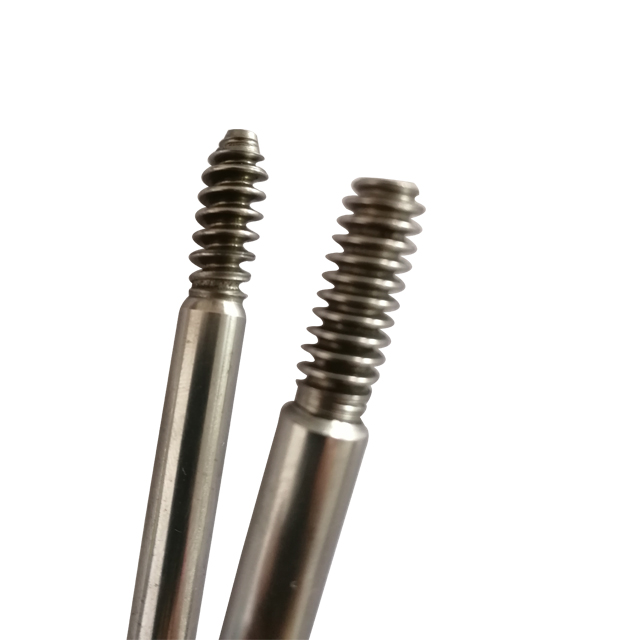
SC45# Low-Carbon Steel Precision Machined Motor Shafts
View DetailsNavigating Modern Stator Insulation: The Engineering Mandate for the Baltic Region
In modern electric motor manufacturing, the application of dielectric barriers within the stator core represents the definitive boundary between long-term operational resilience and premature phase-to-ground breakdown. For industrial manufacturers and high-tech electrical engineering facilities operating across the Republic of Estonia and the wider Baltic industrial corridor, the technological demands placed on slot insulation equipment have evolved rapidly. From Tallinn's thriving mechanical innovation hubs to regional production plants in Tartu and Ida-Viru, manufacturers are actively divesting from archaic legacy manufacturing systems to embrace tight-tolerance, programmable slot paper insertion machinery capable of processing Class F and Class H thermal polymers.
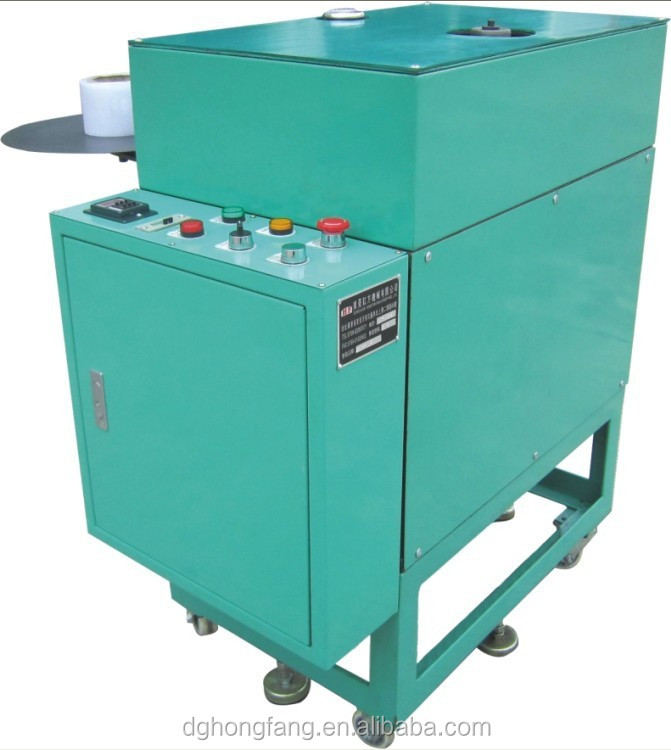
A slot insulation machine is tasked with uncoiling roll-fed dielectric material (such as Nomex®, DMD, NMN, or PET electrical film), executing precision edge flanging (creasing), shearing the sheet to definitive axial stack depths, and mechanically forming and positioning the slot cell securely within the stator core laminations. In high-efficiency industrial motors—specifically those classified under IE3 and IE4 Ecodesign criteria (EU Regulation 2019/1781)—the physical margin for error in insulation insertion is nearly zero. Any microscopic rip, edge burr, or uneven fold creates a dielectric stress point, inducing partial discharge under variable frequency drive (VFD) switching harmonics, which precipitates inter-turn flashovers and expensive warranty claims.
Localized Application
Target Operational Scenarios in Estonia's Industrial Landscape
How versatile slot lining machinery addresses high-precision niche assembly, clean-tech HVAC production, and marine auxiliary system retrofitting across Estonia.
Marine & Off-Grid Autonomous Propulsion
Given Estonia's extensive maritime infrastructure and burgeoning electric watercraft startup cluster, there is surging localized demand for compact, high-torque permanent magnet synchronous motors (PMSM). Our programmable slot paper insertion machines handle complex, skewed narrow-neck laminations seamlessly, accommodating heavy multi-layer composite insulation sheets that endure saline atmospheres and intense thermal cycles without delamination.
Commercial Ventilation & Heat Pump Production
In strict compliance with EU building energy performance directives, Northern European HVAC manufacturers emphasize ultra-efficient EC (Electronically Commutated) fans and circulator pumps. Our slot insulation systems ensure repeatable cuff formation on smaller stator inner diameters (down to 20mm), stabilizing copper wire placement during automated winding and eliminating insulation spring-back defects.
Precision Robotics & Industrial Automation Spindles
Estonia's strong technological foundation drives local demand for advanced sub-fractional drive systems and servo motors. Operating with precision servo-driven feed axes, our tooling guarantees exact slot liner sizing across miniature stacks, preventing motor thermal throttling and ensuring mechanical clearance for robotic joint integration.
Strategic Trajectory
Emerging Technical Trends in Baltic Electro-Mechanical Engineering
Adapting manufacturing infrastructure to meet stringent European carbon metrics, digital shop-floor protocols, and modular production agility.
1. Full Alignment with EU Ecodesign
With standard induction and synchronous motors pushed toward higher energy efficiency (IE4/IE5), slot space utilization (slot fill factor) must be maximized. Automated, high-density slot insulation allows for reduced cuff protrusion and thinner, high-grade insulation films, leaving greater volumetric space for copper conductors to diminish internal I²R resistance losses.
2. Low-Batch, High-Mix Agile Changeover
Unlike massive single-model factories, Northern European electrical workshops thrive on flexibility. Modern Estonian engineering centers prioritize machine models featuring quick-change die assemblies, digital stack-height adjustments via touch screen, and rapid slot pitch indexing that decreases turnaround times during batch shifts from hours to mere minutes.
3. Direct Industrial Digital Integration
Estonia leads Europe in industrial digitalization. Factory lines increasingly require machinery fitted with industrial fieldbus connectivity, transparent sensor monitoring, and PLC systems (such as Siemens, Mitsubishi, or Omron) that transmit real-time cycle times, paper usage telemetry, and preventative maintenance diagnostics straight to cloud MES architectures.
Enterprise Superiority
Why International Engineers Partner with Zunqi Intelligent Equipment
Bridging specialized manufacturing craftsmanship from Dongguan with exacting European precision standards and direct factory support.
Tailored Tooling Engineering
We build custom forming dies based on your physical stator iron packs or CAD drawings. Every blade, fold-creaser, and wedge-guide is hardened and validated with trial-run physical parts before shipping.
17+ Years Export Track Record
Backed by continuous international trade validation, onsite factory audits, and reliable export compliance. Our robust seaworthy, vacuum-packed crating guarantees damage-free arrival at Baltic ports.
End-to-End Line Matching
Beyond standalone slot cell insertion, Zunqi designs harmonized complete production lines: winding machines, coil inserting machines, intermediate/final forming presses, double-side lacing, and rotor turners.
Rapid Engineering Feedback
Our multi-disciplinary mechanical and electrical engineering desk reviews customer drawings and project parameters with an average inquiry response window of under 9 hours, including comprehensive technical video reviews.
Procurement Clarity
Frequently Asked Questions for Estonia & EU Buyers
Technical, logistical, and compliance questions answered directly by our automation engineering group.
Does your equipment comply with EU electrical standards and 230V/400V 50Hz power?
Yes. All machinery bound for Estonia and the European Union is built to comply with 230V single-phase or 400V three-phase 50Hz electrical infrastructure. Control cabinets utilize industrial CE-marked safety components, shielded signal cabling, and emergency stop systems configured to EU machinery safety protocols.
Can the machine handle diverse slot shapes (semi-closed, open, or skewed)?
Our slot paper insertion machinery is fully engineered around specific stator stack parameters. By utilizing interchangeable, CNC-machined die sets, our equipment effortlessly handles straight or skewed slots, parallel teeth, semi-closed openings, and variable slot geometries without tearing delicate insulation materials.
What is the procedure for factory acceptance testing (FAT) before shipment?
We encourage clients to send their physical stator cores and roll insulation samples directly to our Dongguan facility. Prior to crating, we conduct an exhaustive trial run, filming continuous high-definition operating footage and verifying insulation fold integrity, cycle speed, and dimensions. Shipment only proceeds once you approve the results.
How are replacement tooling and wear parts supported long-term in Europe?
Critical wear components—such as cutting blades, paper feeding rollers, and creasing fingers—are manufactured from high-grade hardened tool steel (Cr12MoV/SKD11). We supply a standard spare parts package with every machine and maintain permanent CAD tooling profiles on file, enabling expedited DHL/air-freight replenishment directly to your site in Estonia within days.
Optimize Your Stator Production Line Today
Share your stator drawings, stack heights, and target throughput with our automation engineering team. We deliver custom tooling simulations, cycle time evaluations, and complete turn-key machine quotations tailored to the Baltic industrial market.
