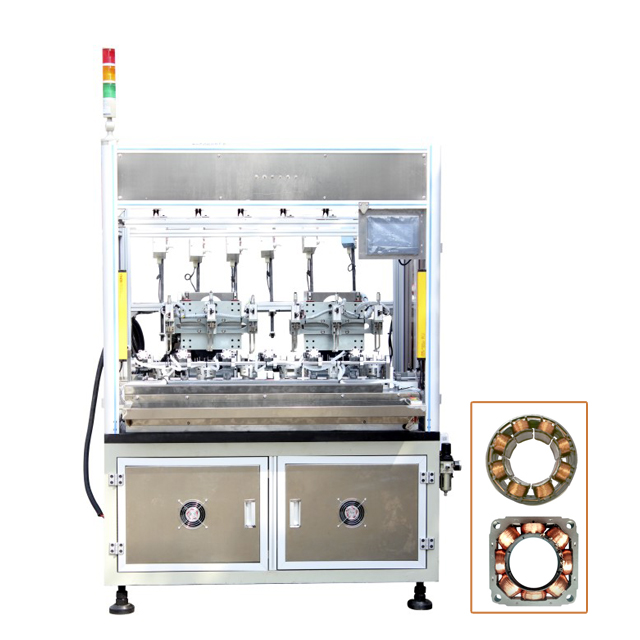
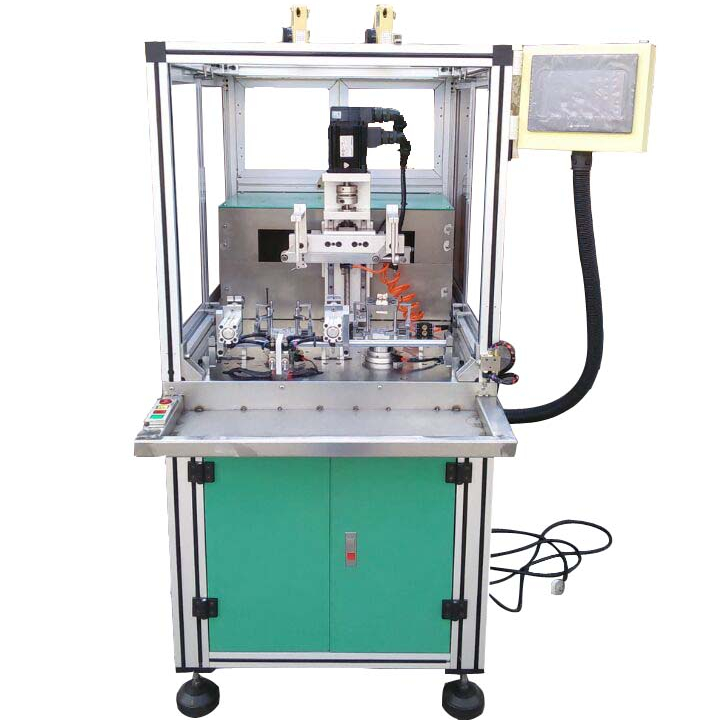
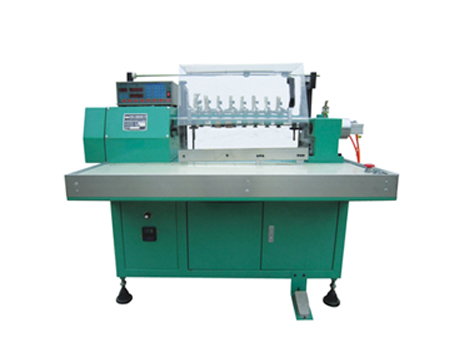
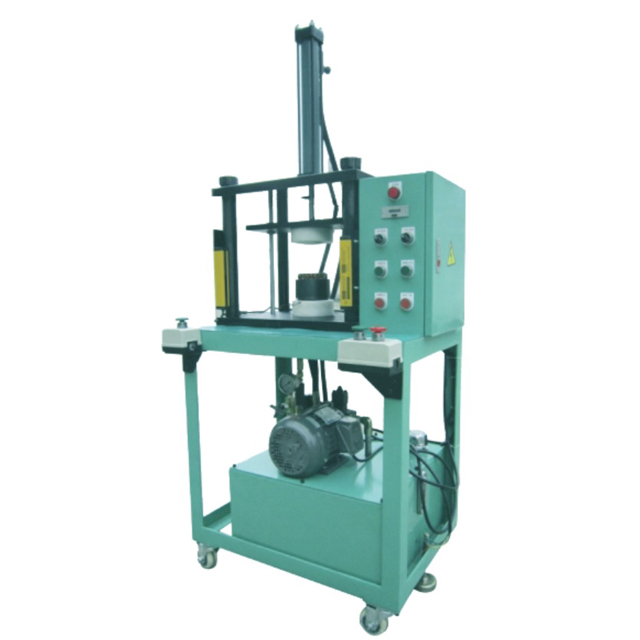
Featured Stator & Rotor Production Solutions
Engineered for high dielectric integrity, rapid cycle times, and automated repeatable insulation profiling across marine, HVAC, and industrial motor manufacturing lines.
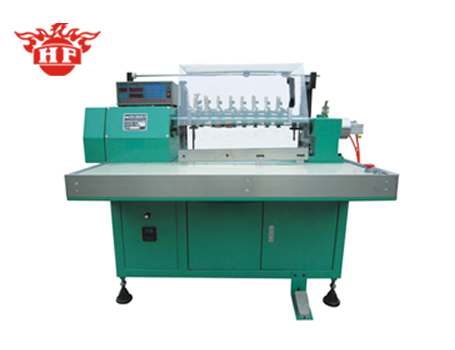
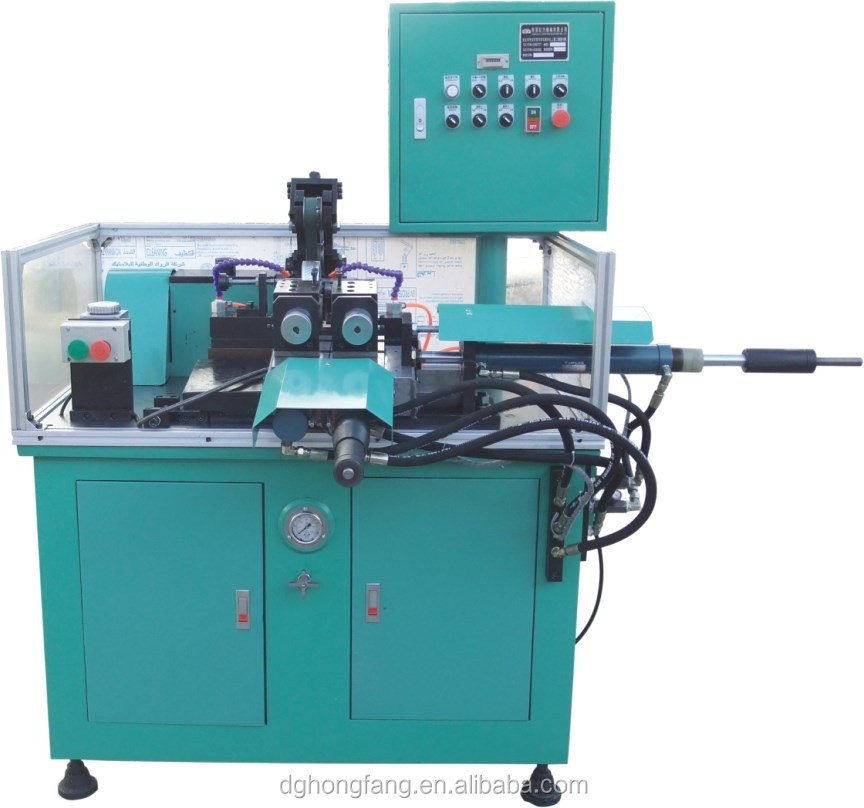
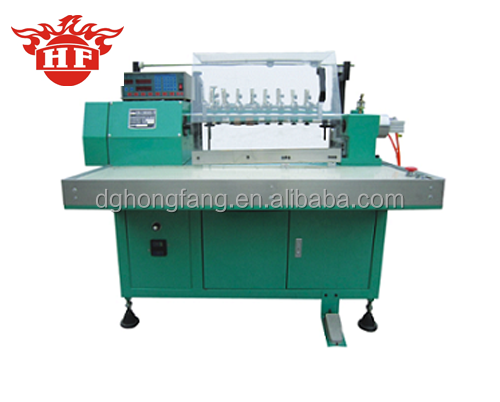
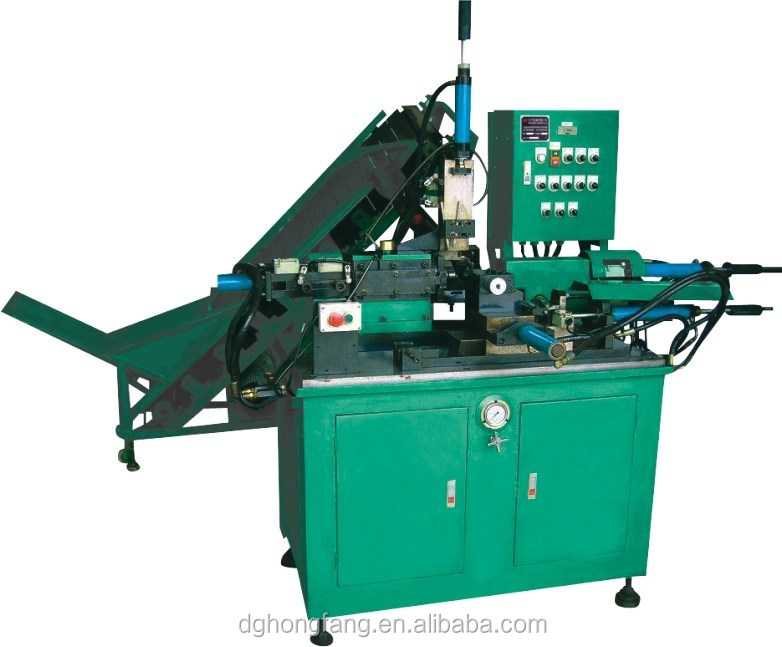
17+
Years Exporting Worldwide
0.5s
Per Slot Insertion Speed
≤ 9h
Engineering Response Window
100%
Pre-Shipment Trial Run Tested
Engineering Precision in Stator Slot Cell Insertion
A comprehensive examination of dielectric barriers, automation architectures, and thermal performance standards for electromechanical systems in coastal and maritime environments.
Electric motor manufacturing relies heavily on the mechanical and dielectric integrity of the primary slot cell barrier. While copper winding and iron core laminations dictate magnetic flux and torque density, the insulation system determines motor lifespan, thermal surge resistance, and reliability against catastrophic earth faults. In three-phase asynchronous motors, permanent magnet synchronous motors (PMSM), and brushless DC (BLDC) machines, the slot insulation paper (slot liner) acts as the critical barrier between the electrical conductors and the grounded iron lamination core. The automatic slot cell inserting machine functions as the definitive automated workstation tasked with feeding, creasing, cutting, edge-cuffing, and inserting these dielectric profiles into every stator core cavity with micro-millimeter repeatability.
Core Technical Value: Manual slot paper insertion exhibits high rejection rates (often exceeding 4.2%) due to uneven cuff heights, micro-creases in composite paper (such as DMD, NMN, or Nomex), and microscopic tears that lead to corona breakdown. Automated servo-driven slot cell inserting machines eliminate human inconsistency, bringing insertion cycle times down to 0.45–0.7 seconds per slot while maintaining 100% edge-cuff concentricity.
Mechanical Kinematics and Automation Mechanics of Slot Inserters
Modern slot cell inserting machinery incorporates multi-axis programmable logic controllers (PLC) paired with high-torque AC servo drives. The processing cycle follows a deterministic electromechanical path engineered to preserve the physical properties of modern insulation polymers:
Tensioned Strip De-Reeling
Continuous insulation paper coils are fed from an automated dereeler equipped with dynamic magnetic particle or mechanical friction brake dampening to prevent web stretch, curling, or static surface accumulation.
Bilateral Edge Cuffing
Tooling dies fold both lateral edges of the paper strip (typically 2.5mm to 4.5mm cuff widths). This double-hem fold reinforces the slot exits against mechanical shear forces during subsequent copper coil and wedge insertion.
Profile Forming & Shearing
A specialized tungsten steel stamping cutter shears the paper to the exact stack depth plus cuff margin, while forming dies compress the strip into a predefined 'U' or 'O' shape matching the stator lamination cavity geometry.
Servo Indexing & Insertion
A precision indexer rotates the stator core to the target angular pitch via optical encoder feedback, while a mechanical pusher rod thrusts the formed cell liner into the slot with zero clearance loss and precise axial alignment.
Precision tooling design is essential when handling advanced composite insulation materials. When working with Nomex® aramid sheet, Class H polyimide films, or laminated polyester film DMD (Dacron-Mylar-Dacron), the cutting blade must maintain uniform sharpness to avoid ragged fringes. Ragged cut edges trap moisture and compromise impulse withstand ratings during high-frequency inverter-fed drive duty (VFD stress). The automated system ensures clean, burr-free cuts, eliminating inter-laminar shorts and dielectric breakdown.
Localized Applications in Herceg Novi & the Adriatic Coastal Region
Tailoring electromechanical manufacturing, motor remanufacturing, and marine-grade automation to the distinct geographic and industrial demands of Boka Kotorska.
Herceg Novi occupies a strategic position at the entrance of the Bay of Kotor (Boka Kotorska), Montenegro. Historically intertwined with deep-water maritime trade, naval repairs, luxury yacht tourism, and coastal civil engineering, the municipal economy has seen significant industrial modernization. The nearby establishment and continuous expansion of superyacht refit facilities—notably Adriatic 42 in Bijela—along with modern maritime logistics across the Montenegrin littoral, have established rigorous technical demands for local electromechanical rewinding facilities, equipment maintenance contractors, and specialized assembly plants.
Superyacht & Commercial Marine Auxiliaries
Marine bilge pumps, seawater cooling circulation loops, dynamic thrusters, and anchor windlasses operating in the saline environment of Boka Kotorska demand Class F or Class H stator insulation to combat ambient electrolytic corrosion and thermal overload.
Coastal HVAC & Industrial Chiller Systems
Herceg Novi's luxury coastal resorts and marine developments (Portonovi, Luštica Bay corridor) run continuous commercial chillers and ventilation fans where high-efficiency (IE3/IE4) stators must withstand salt-fog penetration without phase-to-ground insulation breakdown.
Municipal & Desalination Pumping Stations
Regional water supply networks traversing steep coastal karst topography rely on heavy-duty vertical hollow-shaft submersible pump motors. Automated slot cell insertion ensures uniform dielectric spacing to withstand grid voltage fluctuations.
For electromechanical service providers and repair centers in Herceg Novi, replacing manual insulation techniques with automated slot cell inserting machinery reduces turnaround time on critical marine refits from days to hours. Whether handling 24-slot fan stators or 48-slot heavy propulsion pumps, our tooling sets allow workshops across Montenegro to meet international classification society standards (such as DNV, Lloyd's Register, or Bureau Veritas) regarding dielectric insulation thickness, creepage distances, and impulse voltage tests.
Regional Technology Shifts & Industry Trends
Analyzing the evolution of motor manufacturing requirements across the Western Balkans, EU border regions, and Mediterranean industrial nodes.
As Montenegro progresses toward EU accession, local manufacturers and electromechanical workshops are aligning operations with EU Ecodesign Directive (Directive 2009/125/EC) standards, which mandate high-efficiency electric motors (IE3 premium efficiency and IE4 super-premium efficiency). Achieving higher energy efficiency requires redesigning the internal electromagnetic layout of stators, creating direct implications for slot cell inserting machinery:
| Design Factor | Traditional Manual / Legacy Method | Modern Automated Machine Standard | Impact on Herceg Novi Operators |
|---|---|---|---|
| Slot Fill Factor | Low (62%–68%) due to bulky paper folds and manual clearance requirements. | High (75%–82%) enabled by ultra-tight, form-fitted cell profiles and rigid cuffs. | Allows more copper turns per slot, raising motor efficiency to IE3/IE4 levels. |
| Dielectric Material Range | Primarily single-layer Nomex or standard pressboard susceptible to moisture. | Multi-layer composites: DMD, NMN, Polyimide films, and Nomex-Kapton laminates. | Ensures high thermal resistance (Class H 180°C) against Adriatic ambient heat and salt mist. |
| Insertion Cycle Time | 6 to 12 minutes per stator depending on operator experience and slot count. | 12 to 25 seconds for a complete 36-slot stator core including indexing. | Reduces marine drydock downtime; facilitates batch production for regional OEM contracts. |
| Core Stack Flexibility | Requires extensive hand trimming and manual measuring for each stack height. | Micro-adjustable servo-feed parameter control from 15mm up to 260mm stack height. | Enables one machine to handle multiple motor sizes (fans, pumps, hoists) without teardown. |
Furthermore, the rapid transition toward electrification in coastal transportation—including hybrid-electric excursion craft, coastal passenger ferries across the Verige Strait (Kamenari-Lepetane line), and battery-electric port machinery—requires high-reliability stator manufacturing. Compact traction and auxiliary motors feature high slot-pole ratios, semi-closed narrow slot necks, and high copper packing densities. Inserting insulation paper into narrow slot openings without scraping the punch edges is impossible without the automated cam linkages and guide guides found in modern slot cell inserters.
Herceg Novi Procurement & Engineering FAQ
Addressing the technical, operational, and logistic inquiries most frequently raised by plant managers and procurement engineers in Montenegro.
What is the minimum order quantity (MOQ) for slot cell inserting machinery?
The minimum order quantity is exactly 1 set. We accommodate single-machine orders for specialized repair shops in Herceg Novi as well as multi-machine turnkey configurations for automated mass production plants.
Can the machine be customized to match our specific stator laminations?
Yes. Every tooling package is engineered directly from your technical stator drawings (DXF/DWG/PDF) or physical samples. We calibrate slot profiles, stack heights, cuff folds, and tooth index pins to ensure zero interference before shipment.
What electrical power configurations are standard for Montenegro?
Our equipment is built to operate seamlessly on Montenegro's national electrical grid: 3-phase 400V (+/-10%) at 50Hz, or single-phase 230V 50Hz depending on machine scale. Alternative power requirements can be configured at the factory prior to assembly.
How are machines packed to withstand overseas maritime transport?
Machines undergo rust-prevention treatment with VCI (Vapor Corrosion Inhibitor) film and heavy grease coating on all polished mechanical slides. They are bolted to heavy skids and secured inside fumigation-free wooden export crates designed for ocean freight.
What after-sales and commissioning support is provided remotely?
Each machine comes with comprehensive English electrical schematics, operating manuals, and video tutorials. Our engineering team provides remote video setup assistance within ≤9 hours and ships wearing parts kits for fast changeovers.
Can the machine process both paper-only and composite laminates?
Yes. Tooling assemblies cut and fold DMD, NMN, Nomex, vulcanized fiber, and pure polyester film (Mylar) across standard thicknesses from 0.15mm to 0.38mm without material cracking or delamination.
What is the typical delivery schedule to the Port of Bar or Kotor?
Standard fabrication and custom tooling calibration require 25 to 35 business days. Sea shipping via major Adriatic container corridors (calling at the Port of Bar, Montenegro or Ploče/Rijeka, Croatia) averages 28 to 35 transit days.
Can you provide a matched complete line from winding to lacing?
Yes. We supply coordinated stator manufacturing lines incorporating slot insulation insertion, coil winding, automated coil & wedge inserting, end-turn forming, and CNC lacing machines designed to match cycle times and tooling profiles.
Enterprise Advantages & Factory Capabilities
Why industrial buyers, marine engineering contractors, and OEM brands rely on Zunqi / Hongfang equipment for critical electromechanical automation.
Headquartered in Qishi Town, Dongguan City, China—at the center of the world's most concentrated precision manufacturing and electromechanical supply cluster—Zunqi Intelligent Equipment Co., Ltd. (operating the Hongfang machinery portfolio) brings over 17 years of specialized export experience to the global motor automation marketplace. Operating across an integrated modern facility staffed by 51–100 skilled technicians, electrical control engineers, and mechanical assemblers, the company generates between US$2.5M and US$5M in annual equipment exports to demanding buyers worldwide.
Verified Manufacturing Facility
Our Dongguan production lines and corporate integrity have undergone rigorous onsite verification on Alibaba.com, verifying physical workshops, machine tools, and manufacturing governance.
Tailored Tooling & Real Sample Trials
We do not ship blind. Every client is invited to provide their physical stator core and wire specifications; we build matched custom tooling and supply complete pre-shipment trial run videos processing your part.
Modular Open Architecture Controls
Electrical control cabinets are integrated with globally supported PLC, HMI, and drive components—such as Siemens, Mitsubishi, Panasonic, Schneider, Omron, Delta, and Airtac pneumatics—for easy local maintenance.
Comprehensive 1-Year Warranty & Spares
Every piece of machinery carries an unconditional 1-year mechanical and electrical component warranty, backed by long-term availability of wear blades, guide rods, and indexing pawls.
Our full production suite spans internal stator winding, multi-station outer coil winders, wedge and coil inserting machines, intermediate and final hydraulic forming presses, single- and double-sided servo lacing workstations, CNC rotor fine turning lathes, and hydraulic rotor shaft pressing systems. This end-to-end engineering allows client factories in Herceg Novi to source unified production equipment under single-supplier accountability, ensuring matching mechanical tact rates, uniform HMI navigation, and simplified spare parts stocking.
Modernize Your Stator Line for the Adriatic Market
Send your stator drawings, stack heights, and production targets to our engineering desk. Receive an individualized machine model selection, custom tooling proposal, and landed cost quotation within 9 hours.
