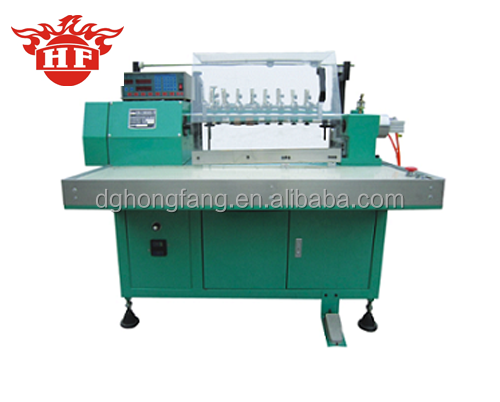
HF New CNC Auto Stator Coil Winding Machine for Table Fan Motor Semi Coil Making Electric Motor Wire Winding 8 Heads 3000 RPM
- 8-Spindle High Output Architecture
- Rated Speed: 3000 RPM Max
- Copper & Aluminum Wire Compatible
Engineered for direct integration into commercial fan, centrifugal water pump, compressor, and industrial automation electric motor lines in Bandung and greater West Java.
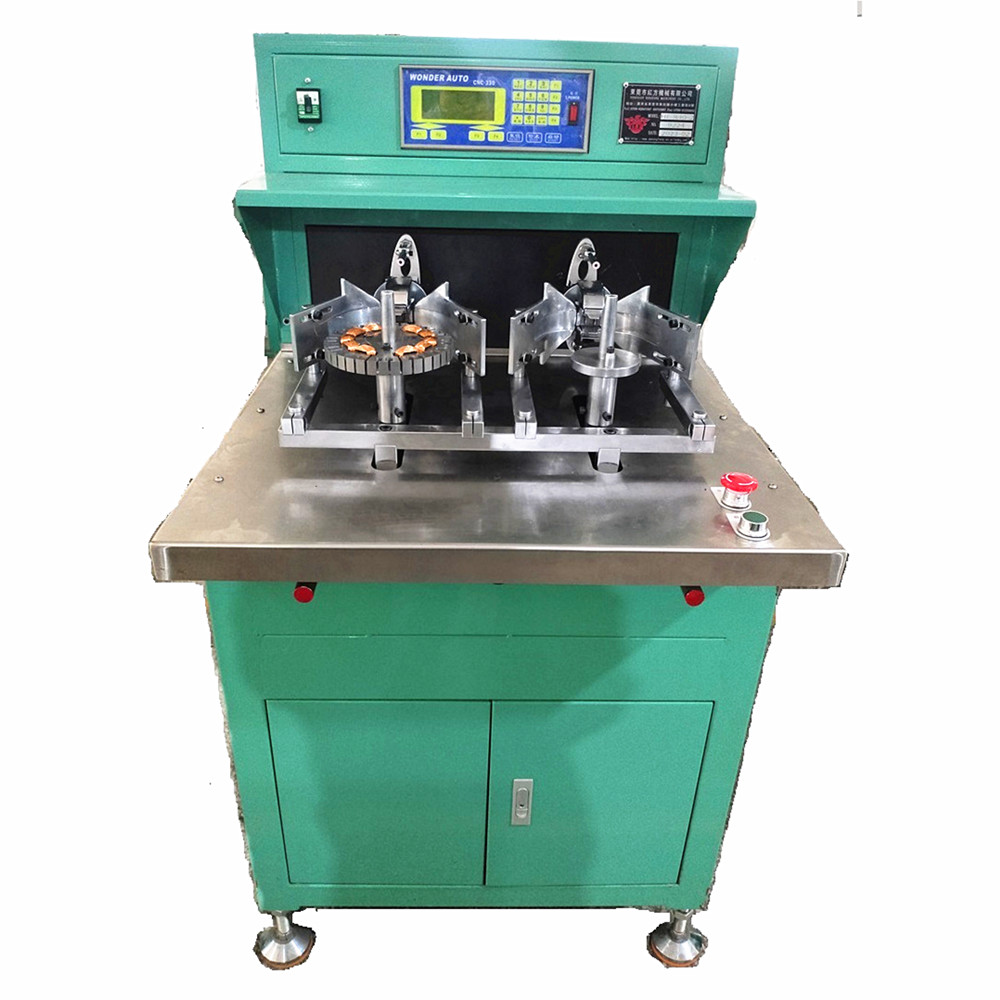
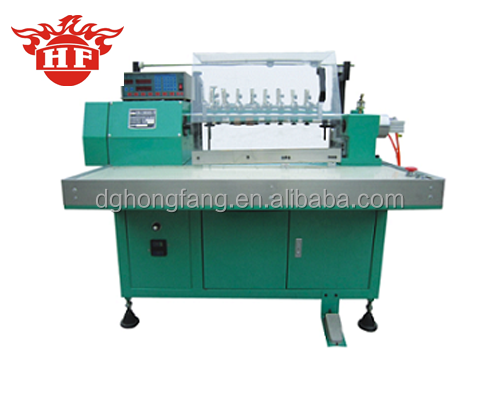
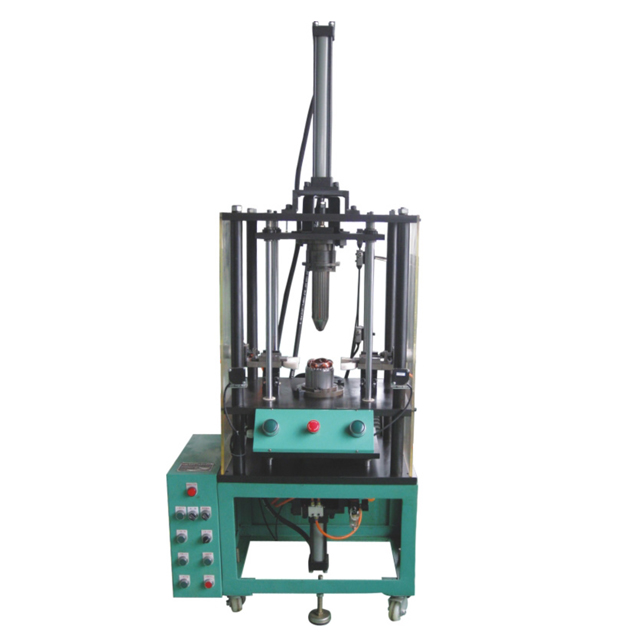
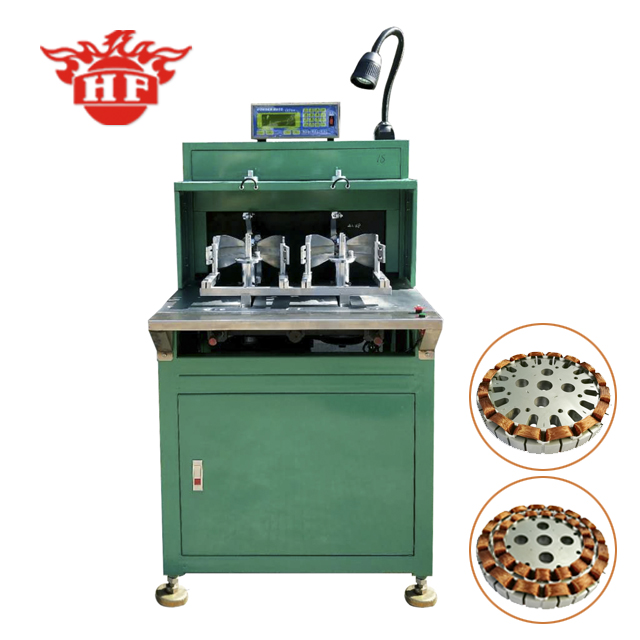
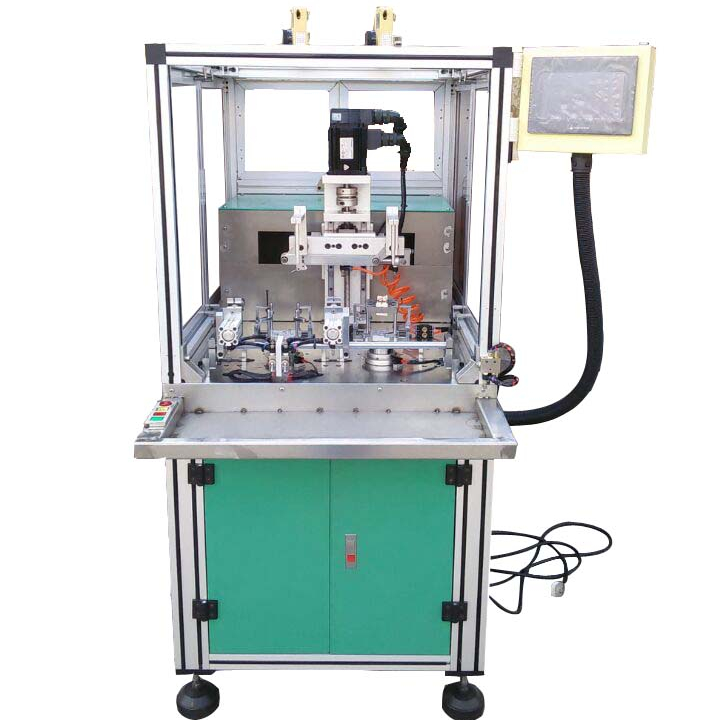
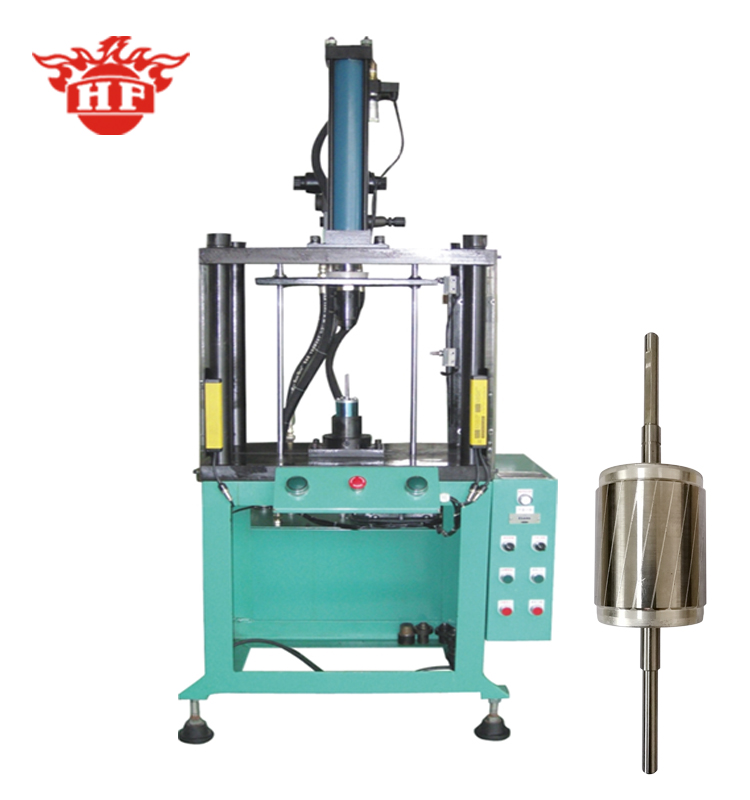
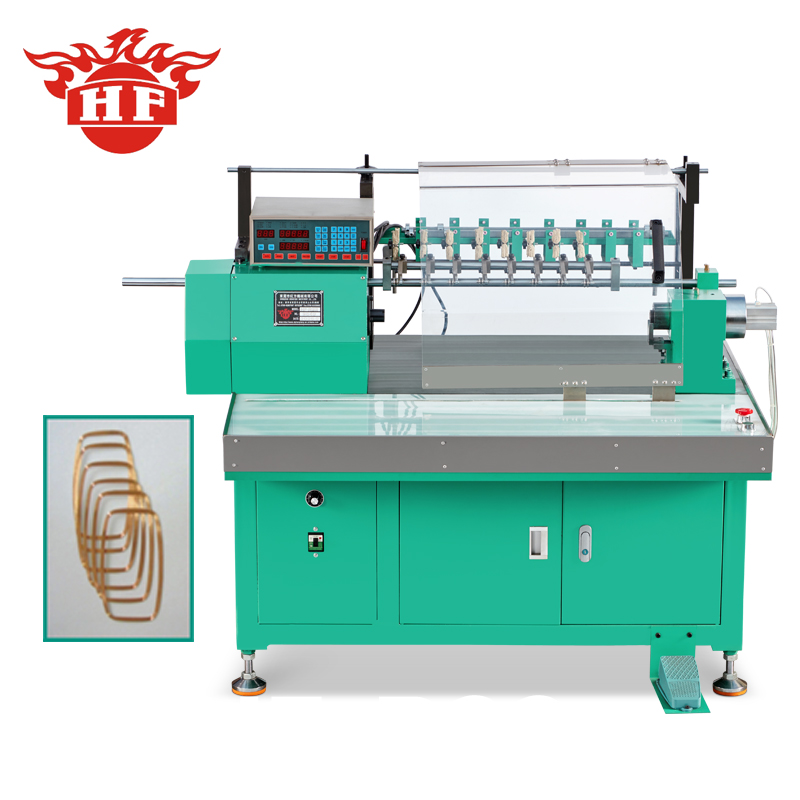
An authoritative technical breakdown for production managers, automation consultants, and electrical machinery designers in West Java.
In electric motor stator fabrication, the lacing phase functions as the primary determinant of long-term structural and electromagnetic integrity. While dual-side lacing systems provide simultaneous binding for high-stack industrial generators, the single side stator coil lacing machine remains the global standard for cost-effective, high-yield manufacturing of fractional horsepower (FHP) motors, shaded-pole assemblies, table fan stators, and household pump drives. For manufacturing plants operating within the industrial hubs of Bandung—such as Cimahi, Padalarang, and the Batujajar industrial zones—single side lacing offers a critically balanced capital expenditure profile matched with sub-second operational precision.
Mechanically, single side coil lacing secures the stator winding end-turns firmly against the core lamination perimeter. This mechanical consolidation neutralizes electrodynamic forces caused by high inrush startup currents, prevents resonant mechanical vibration during prolonged 50 Hz cycles, and guarantees clearance between the wound copper/aluminum coils and the rotating rotor bore. Using a needle-and-hook reciprocal indexing mechanism driven by either industrial cam kinematics or multi-axis servo coordination, the machine laces cord materials such as polyester, Nomex, or braided nylon through every stator slot pitch or across programmable skip-slot patterns.
Electronic and mechanical feedback controls prevent insulation tearing or enameled wire scratching during tight binding, eliminating dielectric breakdown under high-humidity Indonesian conditions.
PLC-managed rotary indexing handles variable slot counts (8, 16, 24, 32, or 36 slots), allowing local plants to switch between slot-by-slot lacing, interval lacing, and complex sector skips.
Modular expanding tooling mandates that custom mandrels and holding jigs are milled to specific stator stack heights (10mm to 100mm) and outer diameters (OD ≤ 160mm) before export.
From Cimahi textile drive retrofits to agricultural pump manufacturing across Majalaya and Rancaekek.
Bandung remains the historical heart of Indonesia's textile industry. In textile mills across Majalaya and Cimahi, tens of thousands of induction motors drive spinning frames, weaving looms, and ring doublers. Frequent motor burnout due to dust accumulation and heavy thermal load requires reliable local rewinding facilities and OEM production of high-temperature Class F and H stators. Our single-side lacing machines provide the high bundle rigidity required to withstand aggressive textile mill duty cycles.
The extensive agricultural and residential basins of West Java rely extensively on shallow-well jet pumps, submersible bore motors, and irrigation centrifugal pumps. Production facilities along the Padalarang-Batujajar industrial corridor utilize single side lacing systems to secure stator end-turns prior to vacuum varnish impregnation, ensuring 100% resistance against moisture ingress, tropical humidity, and continuous hydraulic cycling.
With massive domestic appliance consumption in Indonesia, small appliance manufacturing plants producing table fans, exhaust systems, and ceiling ventilators require low cycle times (under 12 to 18 seconds per stator). The single side lacing machine delivers repeatable, clean end-turn bundle profiles that fit cleanly within tight die-cast aluminum end-bells without risk of internal casing rub.
Aligning factory floor automation with the national 'Making Indonesia 4.0' roadmap.
Indonesia's national industrial strategy, known as Making Indonesia 4.0, has positioned West Java—and the Bandung agglomeration specifically—as a prioritized testbed for smart production enhancement. Historically dependent on manual labor for secondary motor coil finishing, manufacturers face escalating provincial minimum wage adjustments (UMK Bandung/Cimahi) and stringent export qualification audits. Manual stator lacing presents inherent vulnerabilities: non-uniform cord tension causes localized hotspots, variable knot integrity leads to field failures, and operator fatigue limits single-shift capacity to a fraction of automated potential.
As a direct consequence, the procurement trend among Bandung plant engineers has pivoted rapidly from manual hand-lacing towards semi-automatic and full CNC single side stator lacing machines. In addition, the domestic push toward electric light-vehicle conversions, electric agricultural machinery, and energy-efficient BLDC motors demands repeatable slot fill factors and tight geometric envelope controls that only mechanized lacing and forming cells can deliver.
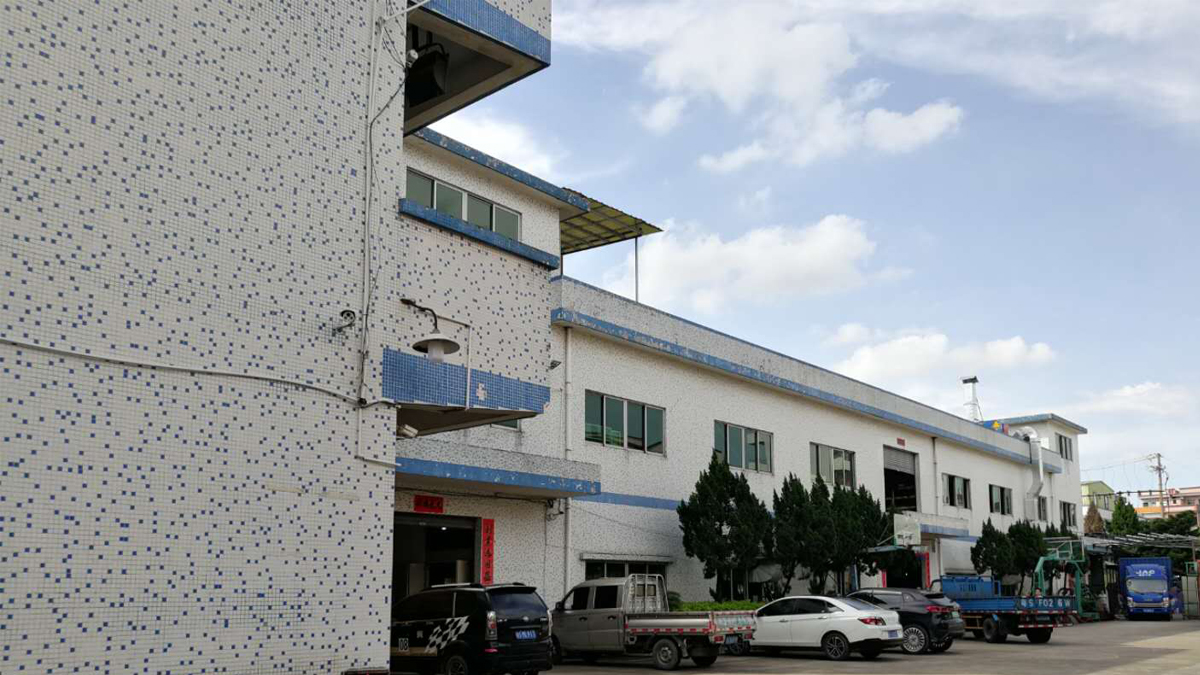
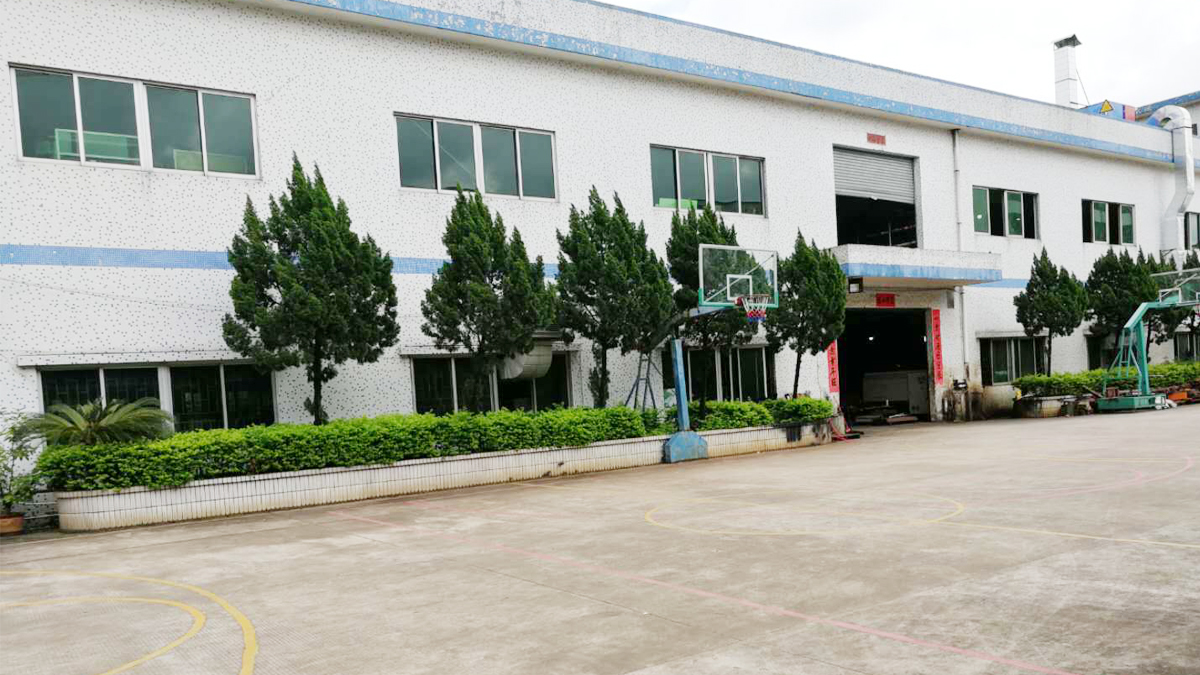
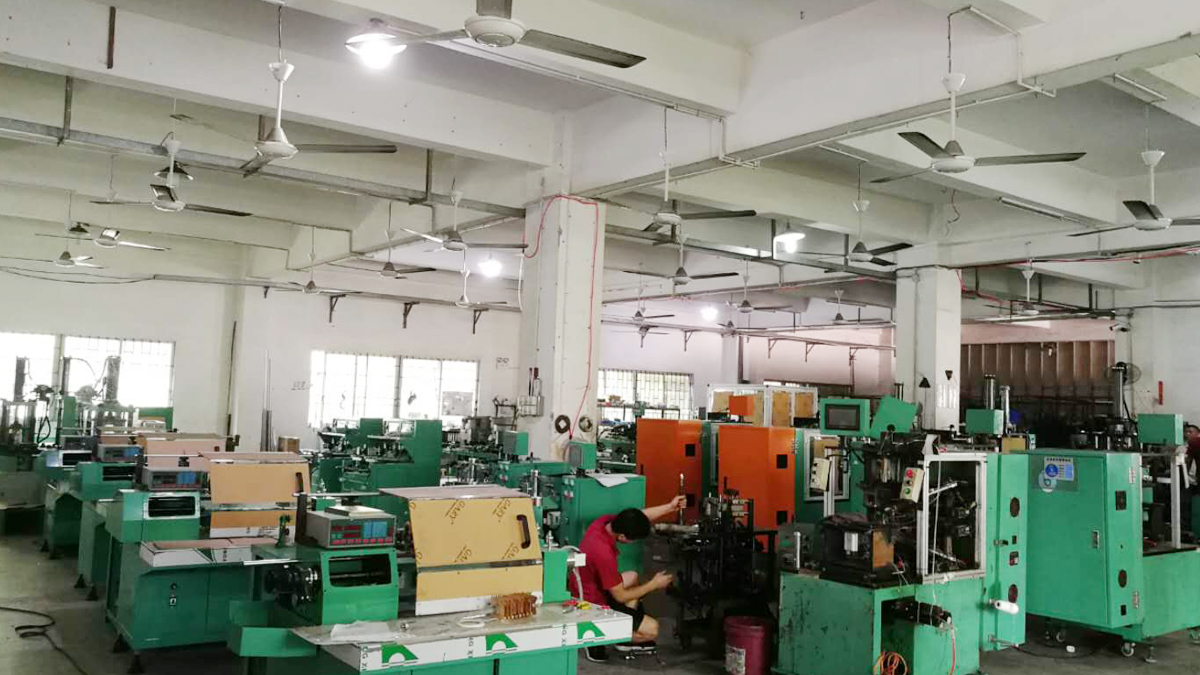
Headquartered in Dongguan, China—supplying turn-key motor automation lines worldwide with 17 years of verified trade integrity.
Direct technical, commercial, and operational answers addressing customs, electrical power, and tooling customization.
Consult with our motor manufacturing engineers to review your stator drawings, cycle-time objectives, and factory automation layout.
