High-Efficiency Stator Production & Coil Lacing Equipment
Explore our core product family engineered for turnkey electric motor manufacturing. Each machine is factory-tested, configured to international electrical standards, and custom-tooled to specific stator lamination geometries.
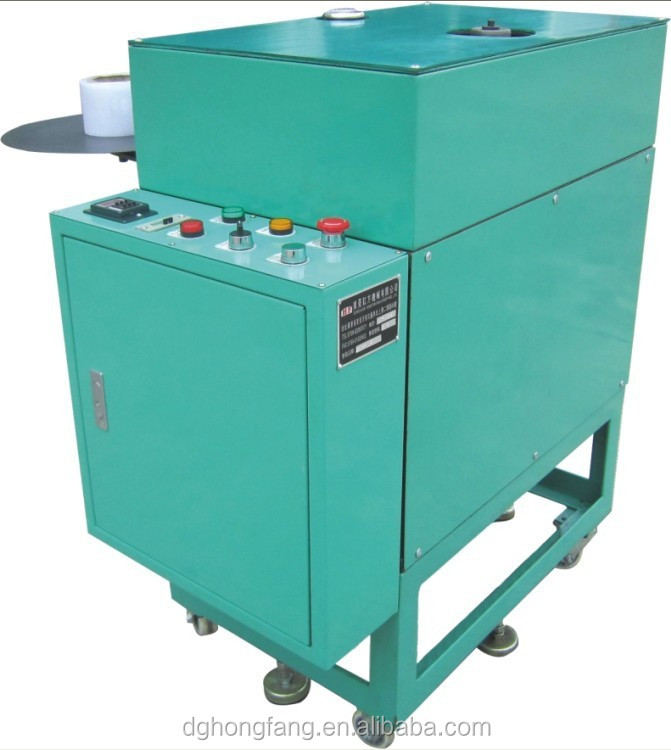
HONGFANG HF-D50 220V 1000W Green Insulation Paper Insertion Machine
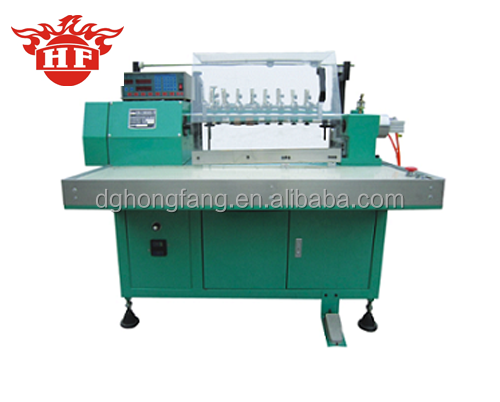
HF New CNC Auto Stator Coil Winding Machine (8 Heads, 3000 RPM)
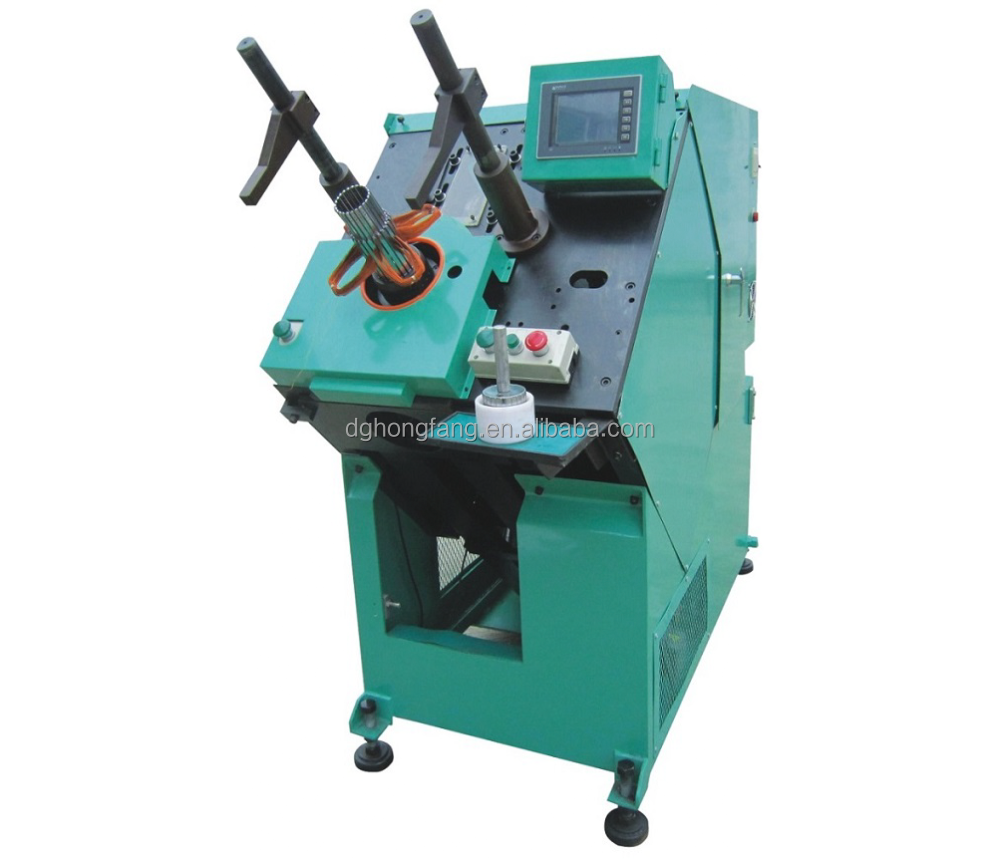
Automatic Stator Coil & Wedge Paper Inserting Machine
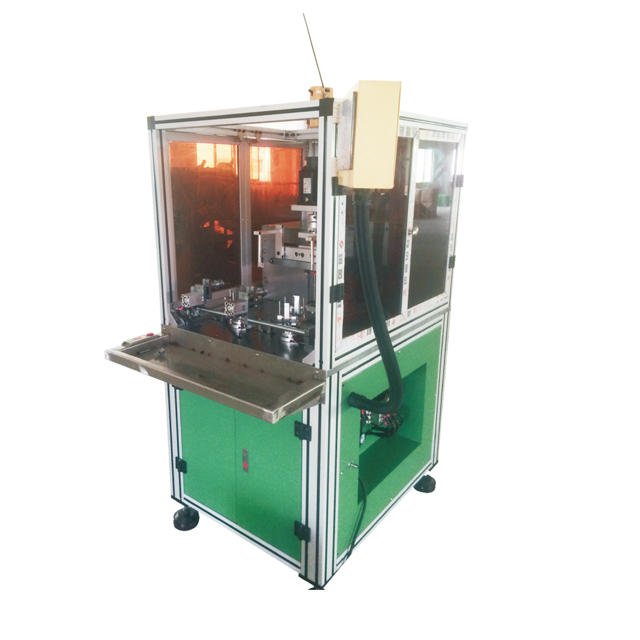
4-Stations Internal Stator Multi-Pole Coil Winding Machine
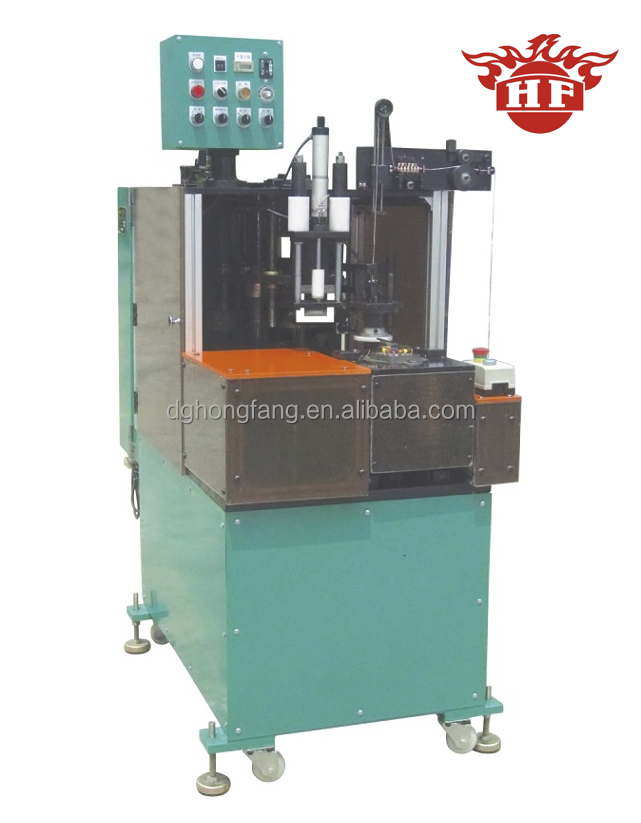
HF-BS20 Servo Type Automatic Coil Double Side Lacing Machine
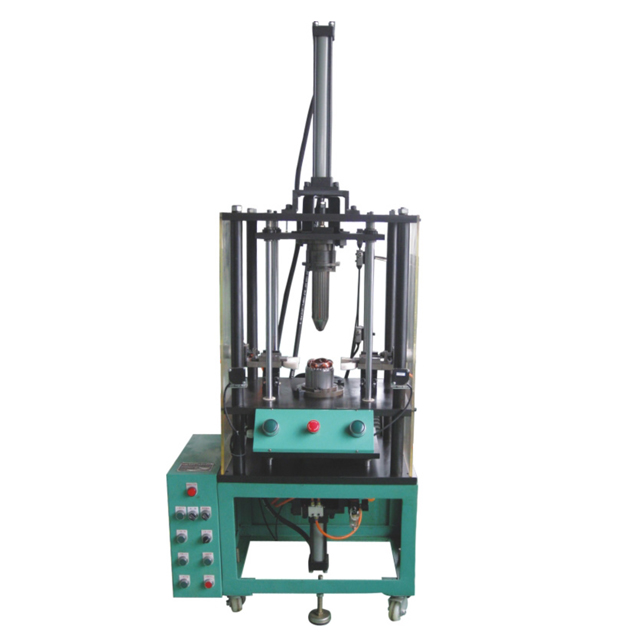
HONGFANG Motor Stator Coil Intermediate & Final Forming Machine
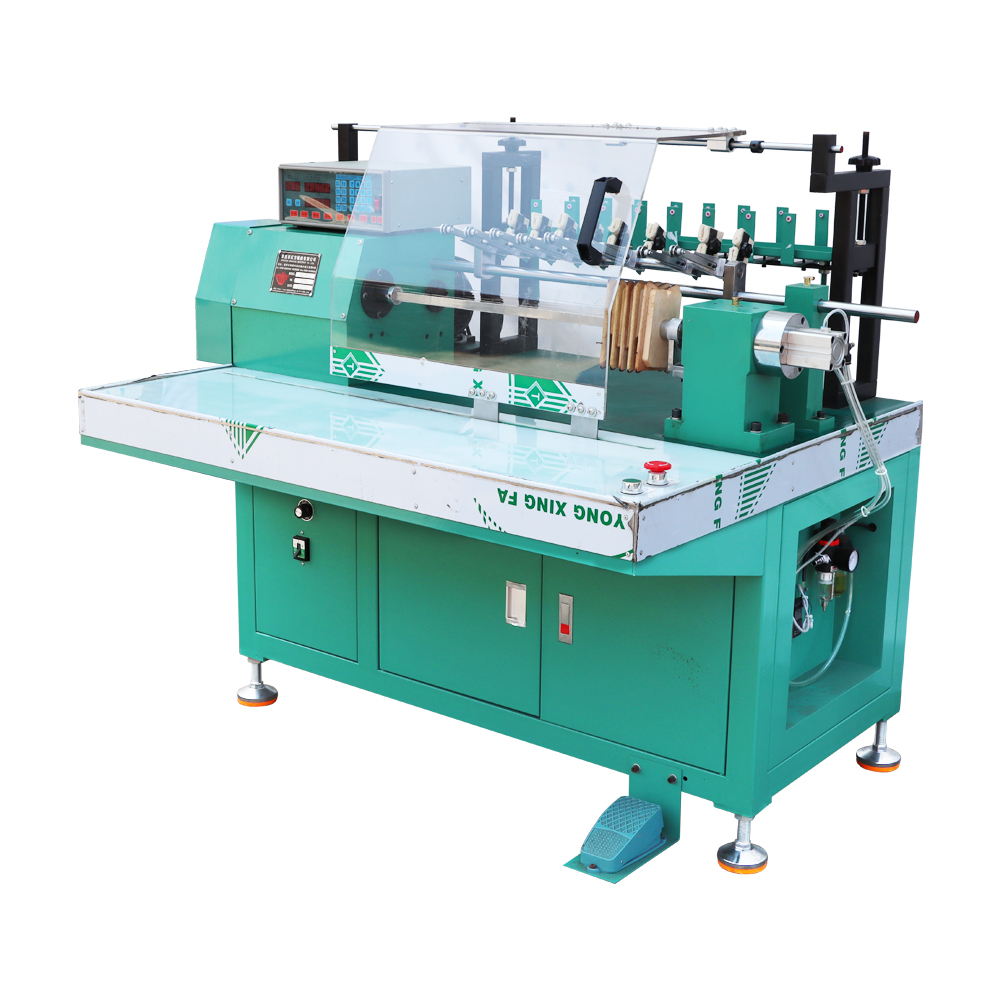
Semi-Automatic Stator Coil Winder (Cu/Al 0.1-1.2mm Single Phase)
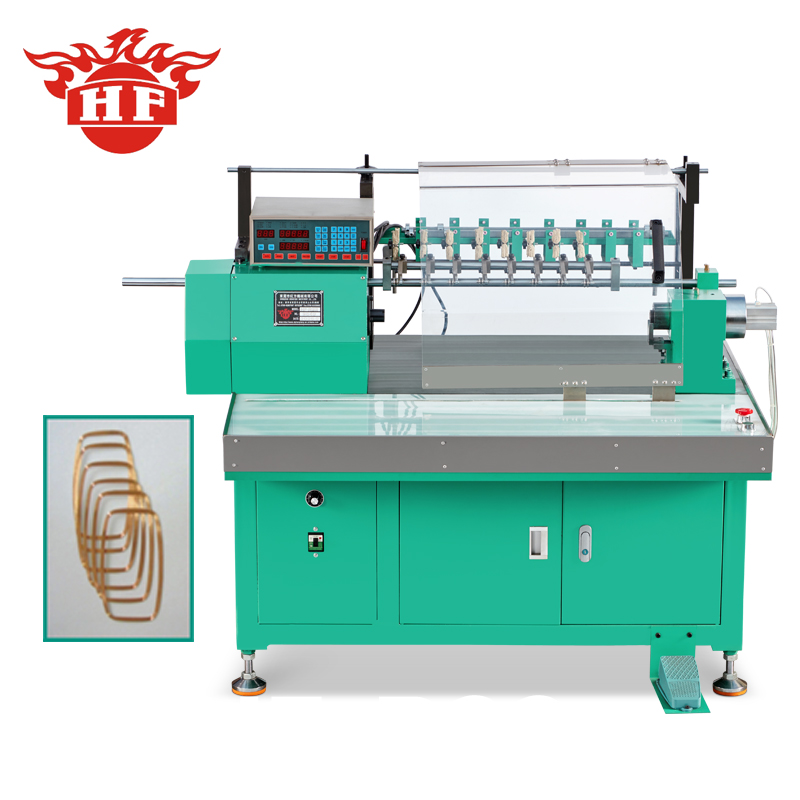
HF-R22 Semi-Automatic 8-Head Coil Making Machine for Pumps & Tools
Single Side Coil Lacing Mechanics in Fractional & Medium HP Stators
A rigorous examination of electromechanical dynamics, end-turn compaction, tension uniformity, and insulation boundary integrity for single-side binding systems serving modern industrial grids.
Kinematic Hook Needle & Rotary Looper Synchronization
The single side coil lacing mechanism operates on a synchronized bi-axial cam and servo cycle. Unlike double-sided lacing systems that execute simultaneous binding across upper and lower end-turns, single-side machinery targets stators with asymmetrical geometries, single-ended lead exits, or specialized low-profile overhang requirements.
By employing a hardened alloy-steel hooked needle coordinated with an oscillating under-table hook shuttle, each stitch forms a locked chain or lock-stitch loop that mechanically grips the coil overhang without abrading the thin polyester-imide or polyamide-imide wire enamel coating.
- Variable needle stroke depth: 30mm to 160mm customizable stack range
- Programmable skip-slot indexing for internal thermistor and terminal lead bypass
- Tension arm feedback eliminating cord breakages on high-speed cycles
Dielectric Integrity & Electromechanical Stress Mitigation
During direct-on-line (DOL) starting across Central American power distribution corridors, electric motors experience surge currents up to 6 to 8 times nominal full-load amperage. These current surges generate fierce electrodynamic repulsive forces (Lorentz force) between adjacent coil groups proportional to the square of the instantaneous current (F ∝ I²).
Without systematic, mechanically uniform lacing, loose end windings oscillate at grid frequency harmonics, causing inter-turn insulation wear, partial discharge, and eventual catastrophic phase-to-phase short circuits. Single-side automated lacing exerts an exact, pre-calibrated compressive load across the coil circumference, stabilizing Phase-to-Phase separator sheets and slot liner cuffed ends.
- Uniform binding density avoiding localized thermal hot-spots
- Lock-stitch pattern prevents complete unravelling if cord tears under severe vibration
- Maintains critical radial clearance between stator overhang and end-shield brackets
Tooling Versatility & Fast Stator Lamination Changeover
For motor rebuilders and flexible OEMs who manufacture differing frame diameters in limited batch runs, rapid tooling reconfiguration is crucial. Our single-side lacing machinery features universal expanding core mandrels and modular eccentric clamping blocks.
Adjusting between IEC standard frame stators (e.g., 63, 71, 80, 90, 112) or NEMA equivalents (48, 56, 143T/145T) takes under 15 minutes. Operators select pre-programmed winding patterns directly from the touch-screen HMI, allowing single-stitch, double-stitch, or custom skip-stitch routines without manual mechanical cam alterations.
- Stator Outer Diameter range accommodation: Ø40mm to Ø250mm
- Stator Stack Height adjustment: 8mm to 200mm via precision lead-screw scale
- Accepts multi-ply Dacron, Nomex, Polyester, or glass-fiber braided cords
Comparative Performance Analysis: Lacing Automation Modalities
Evaluating production throughput, electrical durability, and operational cost metrics across traditional hand-binding versus specialized single-side and double-side automated systems.
| Performance / Operational Metric | Manual Hand Lacing (Artisanal) | Single Side Automatic Lacing | Servo Double Side Lacing |
|---|---|---|---|
| Cycle Time per Stator (24-Slot) | 8.0 – 15.0 Minutes | 14.0 – 22.0 Seconds | 11.0 – 16.0 Seconds |
| Binding Tension Consistency | Highly Irregular (±35% Variance) | Precise Closed-Loop (±3% Variance) | Synchronous Dual Servo (±2% Variance) |
| Wire Enamel Abrasion Risk | High (Manual tool rubbing) | Near Zero (Polished ceramic eyes) | Near Zero (Tension monitored) |
| Asymmetric Lead Overhang Accommodation | Flexible but Uncontrolled | Exceptional Flexibility | Requires Balanced Clearance |
| Capital Investment Intensity | Minimal tooling, High Labor Cost | Optimized Capex / Fast ROI | Higher Capital Outlay |
| Operator Skill Dependency | Extensive training required | Minimal (Loading / Unloading only) | Minimal (Digital HMI recall) |
| Vibration Resistance in Agribusiness Duty | Variable / Subject to early sag | Meets IEC 60034-14 Vibration Spec | Meets Severe Duty IEEE 841 Spec |
Localized Applications in Guatemala City & the Surrounding Industrial Corridor
How single-side coil lacing systems solve high-reliability electromechanical assembly demands across the manufacturing centers of Guatemala Department, Escuintla, and Sacatepéquez.
Agro-Industrial Submersible & Irrigation Pump Motors
Guatemala's expansive agricultural sector—producing sugarcane in Escuintla, coffee throughout the Central Highlands, and bananas along the coastal valleys—demands robust deep-well centrifugal pumps and multi-stage submersible induction motors.
Submersible motors operating under extreme hydrostatic pressure and fluctuating thermal conditions require hermetic end-turn containment. Single-side coil lacing machines lock down heavy-gauge enamelled winding bundles cleanly on the terminal exit side, preventing coil spread during subsequent vacuum-pressure impregnation (VPI) with Class H polyester resins.
- High mechanical restraint against water hammer and hydraulic back-surge shocks
- Maintains tight internal wire clearances inside slender NEMA 4-inch and 6-inch pump stator shells
- Compatible with heavy cross-section copper wire turns (up to 1.2mm individual strand or multi-wire parallels)
Commercial Food Processing, Milling & Beverage Bottling
The manufacturing nodes of Villa Nueva, Mixco, and Amatitlán concentrate Central America's largest food packaging, sugar refining, and bottling complexes. Continuous 24/7 conveying lines, sorting blowers, and industrial mixers rely on fractional and integral horsepower electric motors.
These units undergo rigorous daily washdowns with pressurized caustic detergents. Automated single-side lacing ensures that the stator end windings maintain a high-density, void-free geometry, allowing secondary encapsulation epoxies to penetrate uniformly without leaving vulnerable air pockets that could harbor corrosive condensate.
- Tightly compresses phase insulation separators against moisture entry points
- Eliminates coil head sag against aluminum end-bell bearing brackets
- Delivers high repeatability for motor rebuilding facilities servicing sugar mill seasonal shutdowns (Zafra)
HVAC, Cold-Storage Evaporators & Maquila Ventilation
Guatemala City's extensive apparel assembly maquiladoras operating under Decree 29-89, combined with the cold-chain distribution centers storing fresh export produce, demand thousands of shaded-pole, permanent split capacitor (PSC), and electronically commutated (EC/BLDC) fan motors.
These fractional horsepower stators require rapid cycle times, minimal floor space footprint, and low electricity consumption during assembly. Our single-side lacing equipment handles low-stack stators (from 8mm stack height) with dedicated high-speed indexing tables, completing the binding cycle in seconds.
- Specialized cord guides suited for delicate low-diameter copper and aluminum magnet wire
- Compact bench-style footprint ideal for space-constrained urban assembly workshops
- Single-phase 220V 60Hz power compatibility without requiring costly transformer retrofits
Macro Trends Transforming Guatemala's Electric Motor Manufacturing Landscape
Strategic economic factors driving local manufacturers and repair centers to transition from manual rewinding to high-precision CNC stator automation.
Nearshoring & the 'Guatemala No Se Detiene' Initiative
Guatemala is actively positioning itself as an agile nearshoring destination for North American supply chains. Through bilateral trade agreements like CAFTA-DR, local manufacturers are upgrading factory capabilities to provide electro-mechanical assemblies, replacement pump motors, and commercial HVAC equipment to Mexican and US distributors.
International OEMs require ISO-traceable quality certifications and standardized winding geometry. Upgrading to CNC single-side lacing guarantees that every motor produced in Guatemala City meets identical end-turn profiles, eliminating human variability and passing stringent international vibration and insulation breakdown tests.
Overcoming Regional 60Hz Grid Harmonics & Voltage Instability
Guatemala's electrical grid, managed under the CNEE framework, features 120V/240V split-phase and 208V/480V 3-phase systems at 60Hz. Voltage sags and transient harmonic disturbances are common outside municipal cores. Motors running in these conditions experience intensified core heating and transient winding stresses.
Automated lacing binds phase paper and wire bundles under sustained tension, ensuring that thermal cycling does not loosen winding heads over time. By maintaining strict slot liner positioning, our lacing machines reduce the incidence of turn-to-ground dielectric failure caused by harmonic overheating.
The Shift Toward Aluminum Wire & Hybrid Alloy Magnetics
With volatile global copper prices, regional appliance motor manufacturers serving Central America are increasingly adopting enamelled aluminum wire for table fans, ceiling blowers, and domestic coolers. Aluminum has a lower tensile strength and higher elongation sensitivity than copper, making manual tying prone to wire stretching and enamel micro-fracturing.
Our single-side lacing machine utilizes smooth ceramic thread eyes, adjustable needle acceleration ramps, and micro-tensioners that safely bind aluminum wire stators without damaging the brittle oxide coating, maintaining long-term motor insulation life.
8-Step Complete Stator Assembly & Quality Control Workflow
A unified manufacturing sequence engineered by Zunqi Intelligent Equipment, coordinating tooling tolerances from bare lamination stacking to the final crated machine.
Lamination Core Stacking
Silicon steel sheets are stacked and riveted or welded to precise stack heights, verifying bore concentricity and slot alignment.
Slot Insulation Insertion
Using our HF-D50 series, DMD, Nomex, or polyester film is creased, cut, and inserted into each stator slot automatically.
Precision CNC Coil Winding
High-speed flyer or multi-head winding machines wind enamelled copper/aluminum wire into calibrated transfer tooling forms.
Coil & Wedge Insertion
Simultaneous push blades draw coil groups and top closure wedges into stator slots in a single stroke without scraping.
Intermediate Coil Shaping
Expanding internal mandrels and outer shoes pre-form end-turns, clearing the central rotor bore before the binding operation.
Single Side / Dual Lacing
Needle and looper bind the overhang under active tension control, securing lead connections and phase separator sheets.
Final Hydraulic Forming
The laced stator undergoes final high-pressure sizing to lock precise outer diameter and height clearances against motor end-bells.
Surge & Hipot Testing
Comprehensive dielectric testing verifies surge resistance, phase-to-phase isolation, and high-voltage insulation integrity.
Engineering Strengths of Zunqi Intelligent Equipment Co., Ltd.
Combining 17 years of direct motor automation manufacturing in Dongguan, China with tailored international trade support for Latin American industrial clients.
17 Years of Dedicated Motor Line Expertise
Operating from our modern facility in Qishi Town, Dongguan City, Guangdong Province, we are situated at the epicenter of South China's electrical machinery manufacturing cluster. Our engineers have designed, fabricated, and exported over 4,500 machines worldwide, spanning fan motor winders, pump stator assemblers, and heavy-duty rotor turning lathes.
Every piece of equipment is backed by comprehensive structural warranties, verified factory audits, and complete parts traceability.
Custom Tooling Tailored to Customer Stator Samples
We do not supply generic, one-size-fits-all machinery. Clients in Guatemala send us their physical stator laminations or detailed technical CAD drawings (including slot counts, internal bore Ø, outer Ø, stack height, and wire size). Our CNC tooling division mills custom-hardened steel needle guides, clamp chucks, and forming dies specifically matched to your parts.
Before shipment, we conduct full-speed video test runs using your physical parts, sending you high-definition validation footage before you release the final balance.
Global Standard Industrial Controls (PLC & Inverters)
We equip our machines with internationally recognized, field-serviceable automation components. Depending on your maintenance department's preference, we configure control cabinets with Siemens, Mitsubishi, Delta, Panasonic, or Omron PLCs and user-friendly touch screens (HMI) with English and Spanish language interfaces.
Pneumatic cylinders and valves utilize standard SMC or Airtac components, ensuring that replacement seals and fittings can be sourced locally in Guatemala City without long import downtimes.
Heavy-Duty Export Packaging & Freight Support
Shipping precision machinery over ocean trade routes requires uncompromising protection against humid maritime air and physical vibration. Every machine is sprayed with VCI anti-rust oil, wrapped in multi-layer vacuum heat-sealed polymer film, bolted to a reinforced steel-skid pallet, and enclosed in heavy fumigation-free plywood crates.
We provide full CIF Puerto Quetzal (Pacific) or Santo Tomás de Castilla (Atlantic) documentation, including commercial invoices, packing lists with HS codes, and certificates of origin for smooth customs clearance.
Frequently Asked Questions for Buyers in Guatemala
Everything you need to know about purchasing, electrical configuration, logistics, and after-sales support when importing Zunqi motor manufacturing machinery into Guatemala City.
Can the single-side lacing machine be customized for Guatemala's 220V 60Hz grid?
Yes, absolutely. Guatemala operates on a 60Hz electrical frequency, with commercial workshops generally utilizing 220V/240V single-phase or 208V/240V/480V three-phase supplies. We configure all drive motors, servo packs, internal transformers, and PLC power supplies for 220V 60Hz operation prior to testing, ensuring direct plug-and-play installation in your facility without frequency inverter tripping.
What is the typical shipping transit time to Puerto Quetzal or Santo Tomás de Castilla?
For maritime shipments from Shenzhen or Guangzhou ports to Puerto Quetzal (Pacific side, ideal for southern industrial zones and Escuintla) transit time is typically 24 to 32 days. For shipments routed through Santo Tomás de Castilla (Atlantic side), transit takes approximately 28 to 36 days. Inland bonded trucking from either port to Guatemala City industrial parks (Mixco, Villa Nueva) usually takes 24 to 48 hours once customs clearance concludes.
Can our company import under Decree 29-89 (Maquila & Export Promotion Law)?
Yes. If your manufacturing or assembly facility operates under Guatemala's Decree 29-89 (Ley de Fomento y Desarrollo de la Actividad Exportadora y de Maquila), you are entitled to exemptions on import tariffs (DAI - Derecho Arancelario a la Importación) and Value Added Tax (IVA) on production machinery. We provide certified commercial invoices, packing lists with clean HS Tariff Codes (typically 8479.81 or 8479.89), and CE declarations to ensure straightforward processing through SAT (Superintendencia de Administración Tributaria).
How is after-sales technical support and commissioning handled remotely?
We provide comprehensive engineering onboarding via direct video conference (WeChat, WhatsApp, Zoom, Teams). Every machine comes with complete English operational manuals, circuit schematics, and high-definition video tutorials detailing mechanical set-up, needle replacement, tension adjustment, and HMI parameter setting. In addition, our engineering desk maintains an average inquiry response time of ≤9 hours to resolve any technical questions.
What is the Minimum Order Quantity (MOQ) and warranty duration?
The Minimum Order Quantity is just 1 set. Whether you are an independent motor overhaul facility in Zone 12 or an industrial OEM outfitting an entire production floor in Amatitlán, we treat each order with equal precision. All machinery includes a 1-year comprehensive mechanical and electrical warranty, covering free replacement of core components in the rare event of factory defect.
Can one lacing machine handle multiple stator sizes and stack heights?
Yes. The machine features rapid-adjust mounting plates and programmable indexing. Changing stator stack height requires simply loosening the lead-screw clamp and adjusting the dial indicator (typically taking 3 minutes). Changing to a completely different stator diameter requires swapping the expanding mandrel core (10-15 minutes). We provide full spare tooling sets for your entire motor product catalog.
Ready to Automate Your Stator Production in Guatemala City?
Speak directly with our senior mechanical engineers. Send us your stator dimensions, wire specifications, and daily production targets for a customized proposal, cycle-time simulation, and CIF Guatemala pricing within 9 hours.
