Featured Motor Production & Rotor Finishing Machinery
Explore our core product line manufactured for electric motor assemblers, fan producers, and electro-mechanical rebuilding plants in Luque, Greater Asunción, and the wider Mercosur region.
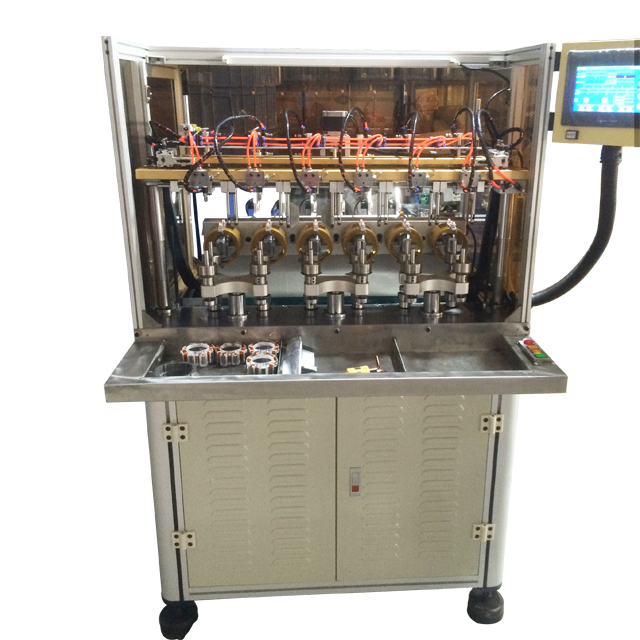
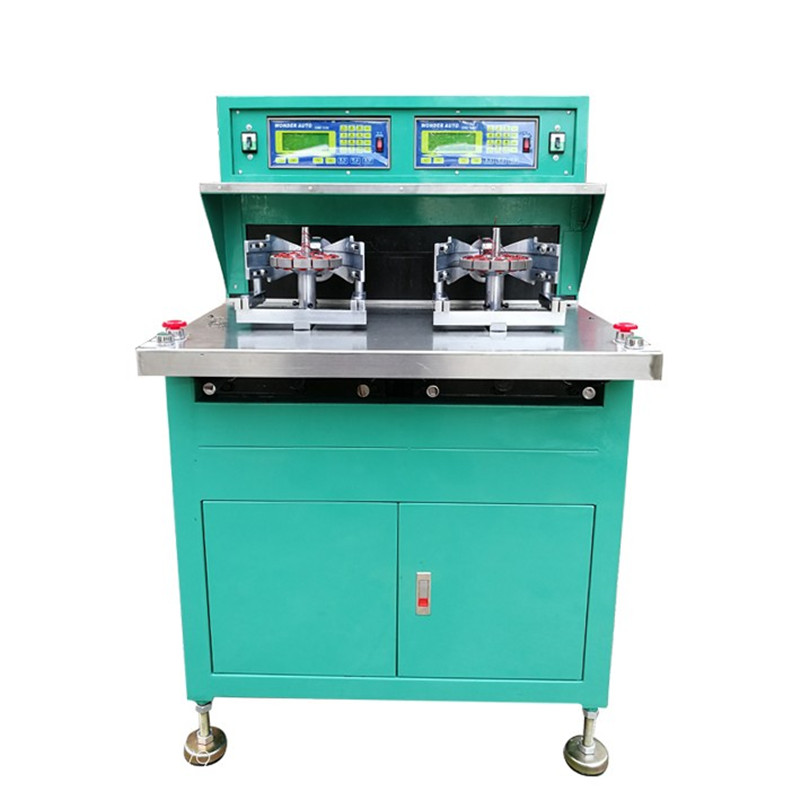
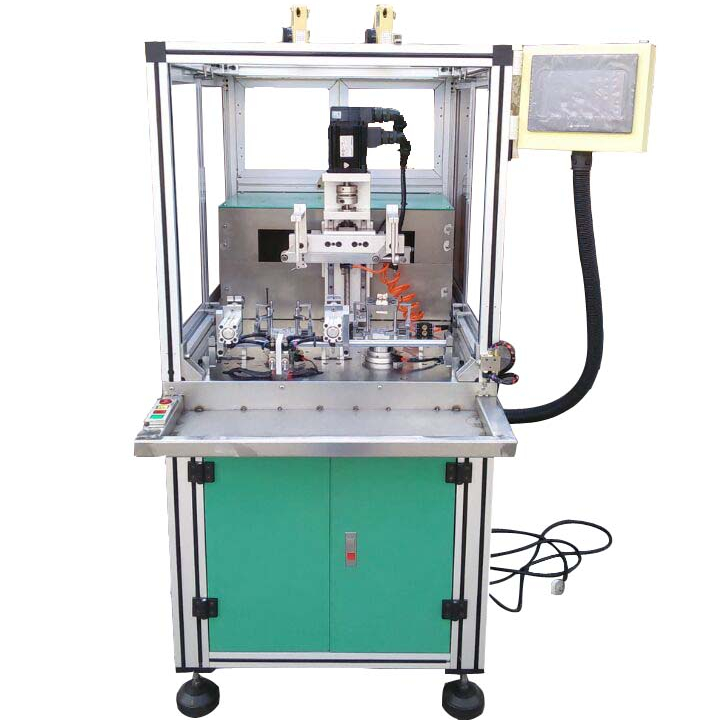
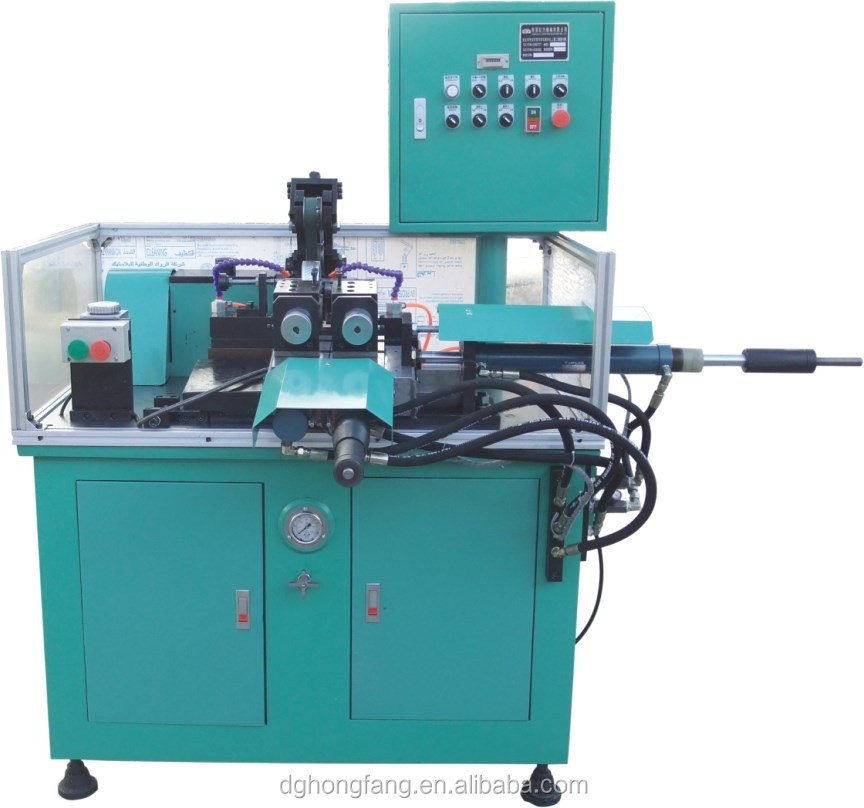
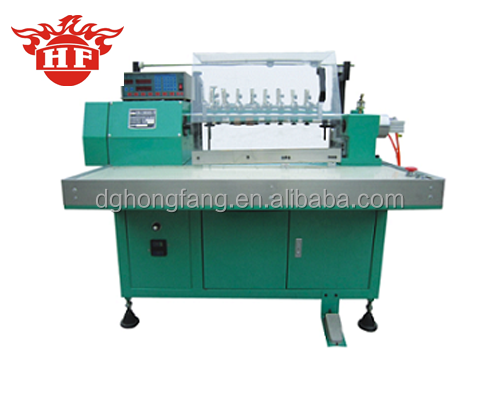
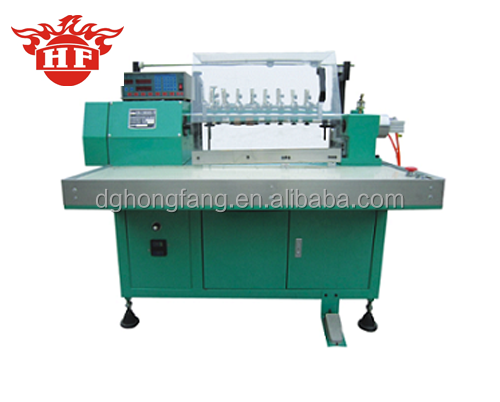
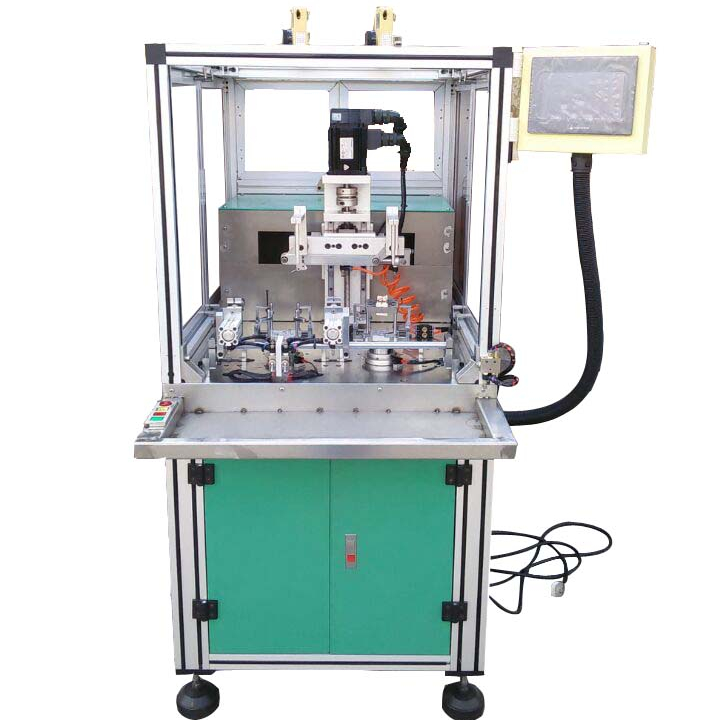
Precision Rotor Turning: The Critical Metric of Motor Air-Gap Uniformity
Why mechanical outer diameter (OD) surface turning and fine finishing directly determine electrical efficiency, harmonic noise, and operating life in induction and brushless motors.
Air-Gap Dynamics (δ) & Flux Density
In AC induction, shaded-pole, and BLDC permanent magnet motors, the mechanical air gap separating the stator bore from the rotor OD is typically between 0.25 mm and 0.50 mm. Any eccentric deviation in rotor circularity causes asymmetrical magnetic pull (AMP).
Zunqi's automated rotor turning machines utilize high-rigidity hydrostatic pneumatic spindle mounts and diamond (PCD/CBN) single-point cutters to eliminate radial runout, ensuring uniform magnetic flux across the entire 360-degree rotor periphery.
Smearing Prevention on Lamination Stacks
Conventional metal lathes often drag high-speed steel bits across the rotor stack, causing microscopic metal "smearing" across the cold-rolled non-oriented silicon steel (CRNGO) laminations and die-cast aluminum rotor bars.
This bridging creates inter-laminar eddy current paths, producing extreme parasitic heat and dropping motor efficiency by up to 4.5%. Our specialized rotor turning cycles incorporate pneumatic mist lubrication and ultra-high surface cutting speeds (≥2,800 RPM) to sheer laminations cleanly without burrs.
Acoustic Vibration & Bearing Longevity
A rotor turned with non-concentric journals generates second-order mechanical harmonics and acoustic whining when running at 1,500 or 3,000 RPM under load.
By executing turning operations clamped directly on the rotor shaft centers or bearing journals, our machinery guarantees that dynamic concentricity between the shaft rotational axis and the rotor OD does not exceed 0.008 mm Total Indicated Runout (TIR), dramatically extending sleeve and ball bearing life.
Benchmarking Zunqi Rotor Turning Centers vs. Standard Workshop Lathes
Data-driven performance comparisons highlighting productivity gains for high-throughput motor factories.
| Machining Attribute | Conventional Engine / Manual Lathe | Zunqi Automatic CNC Rotor Turning Machine | Engineering Impact on Finished Motor |
|---|---|---|---|
| Concentricity (TIR) | 0.035 mm – 0.060 mm | ≤ 0.008 mm (Verified by dial indicator) | Eliminates acoustic humming and reduces air gap magnetic unbalance |
| Cycle Time per Unit | 90 – 180 seconds (Manual feed & reset) | 12 – 22 seconds (Automatic pneumatic cycle) | Multiplies daily plant output by 400% with a single operator |
| Surface Roughness (Ra) | Ra 3.2 – 6.3 μm | Ra 0.8 – 1.6 μm | Optimal laminar boundary airflow, reducing windage friction losses |
| Lamination Smear Level | High (Tool drag fuses insulated sheets) | Zero / Negligible (High shear rake geometry) | Preserves core loss resistance; complies with IE2/IE3 energy ratings |
| Clamping Mechanism | Manual 3-jaw chuck (distorts thin shafts) | Pneumatic Collet + Spring Center Support | Zero shaft deflection; 100% preservation of ground shaft journals |
| Tool Life Management | Manual inspection upon failure | PLC Automatic Piece Counter & Wear Alarm | Prevents dimensional drift across batch runs exceeding 10,000 units |
Localized Application Scenarios Across Luque and Greater Asunción
How Zunqi motor manufacturing and rotor turning solutions directly integrate into Paraguay's evolving industrial corridors, from aerospace maintenance hubs to consumer appliance assembly.
HVAC & Commercial Ventilation Manufacturing
Paraguay experiences severe subtropical summer temperatures where ambient heat regularly exceeds 40°C. High-velocity agricultural fans, industrial misting systems, poultry house ventilation, and residential ceiling fans are vital regional goods.
Agro-Industrial Submersible & Surface Pumps
The Paraguayan Chaco and Central departments rely on heavy-duty water transfer systems, grain drying facilities, and livestock effluent pumps. These demanding electric pump motors operate continuously under fluctuating grid loads.
Automotive Wiring Harnesses & Auxiliary Motors
Luque hosts key multinational manufacturing investments centered around automotive harness systems and sub-assemblies exported duty-free to automotive assembly lines in São Paulo and Buenos Aires.
Large Re-Manufacturing & Itaipu/Yacyretá Support
Positioned centrally in Paraguay's transport network, motor re-winders and service centers in Luque service critical ancillary motors for power distribution substations, ports along the Paraguay River (Villeta), and industrial feed mills.
Industrial Trends Driving Automation in Paraguay's Manufacturing Hub
Evaluating how clean hydroelectric power, fiscal incentives, and regional supply chain reshoring impact manufacturing investments in Luque.
100% Hydroelectric Clean Power Advantage
Paraguay generates almost all of its domestic electricity from the massive Itaipu and Yacyretá dams, offering some of the lowest industrial electricity tariffs in South America. This competitive power pricing has stimulated energy-intensive industrial stamping, die-casting, and motor assembly facilities in the Central Department.
However, capitalizing on clean energy requires high-efficiency motors. Modernizing workshops with automated winding and precision rotor turning allows domestic manufacturers to replace cheap imported, inefficient motors with domestically certified IE3 and IE4 compliant units.
Expansion Under the Paraguayan "Ley de Maquila"
Law 1064/97 (Maquila Regime) allows manufacturers in Luque to import machinery, tooling, and raw materials with 100% suspension of import tariffs and taxes, paying merely a 1% unified tax on exported value added into Mercosur partner economies.
This policy has catalyzed Brazilian and foreign capital investments into Luque. By procuring factory-direct production machinery from Zunqi, companies operating under Maquila contracts can equip turnkey motor assembly lines at half the capital outlay of European lines, while complying with Mercosur Rules of Origin (Régimen de Origen Mercosur).
Labor Shift from Manual Artisanal to CNC Automation
Historically, electric motor rewinding and assembly in Paraguay was manual—workers manually wound coils on hand jigs, pounded slot wedges with wooden sticks, and eye-aligned rotors on aging manual engine lathes. This caused high defect rates and inconsistent torque performance.
The current generation of manufacturing executives in Greater Asunción is systematically shifting toward automated multi-station winding, pneumatic coil insertion, and dedicated CNC rotor turning machines to overcome skilled technician shortages and satisfy rigorous ISO 9001 quality audits.
Why Global Motor Manufacturers Partner with Zunqi Intelligent Equipment
Based in Qishi Town, Dongguan, Guangdong, China—the heart of global electromechanical manufacturing—we deliver custom-engineered tooling backed by transparent verification.
Custom Tooling Precision Engineered to Your Stator & Rotor Drawings
Unlike generic trading houses, Zunqi designs every coil former, inserting tooth, wedge guide, and rotor turning fixture around your specific physical motor core. When you send us your lamination drawings (OD, ID, slot count, stack height, wire diameter, and shaft length), our design team builds customized tooling sets.
Before any crate leaves our Dongguan factory floor, we conduct complete trial winding and turning runs using your core samples, providing high-resolution running inspection videos and parameter reports for complete operational confidence.
Turnkey Interoperability Across the Complete Production Sequence
We supply matched equipment across the entire manufacturing chain: Stator Slot Insulation Paper Inserting → Outer/Internal Coil Winding → Coil & Wedge Inserting → Intermediate Forming → Double-Sided Lacing → Final Forming → Rotor Shaft Hydraulic Pressing → Rotor OD Fine Lathe Surface Turning.
Because all stations share consistent design architecture, your engineers benefit from unified PLC ladder logic, identical mechanical spares, and harmonized cycle times across your plant.
Configurable Industrial Components to Fit Your In-House Plant Standards
We build our electrical control cabinets around the automation brands your local Luque and Paraguayan maintenance electricians already stock and troubleshoot daily.
8-Stage Factory Testing & Export Verification Workflow
Every rotor turning machine and automated coil winder follows a strict, repeatable quality protocol from raw casting machining to export packing.
Core Data Review
Analysis of your motor technical drawings, wire gauge ranges, target RPM, and hourly production output requirements.
Custom Tooling CAD
Precision 3D modeling of clamping collets, cutter paths, dynamic centers, and wire guides in CAD/CAM software.
CNC Parts Machining
High-precision milling and grinding of machine castings, hardened guide rails, and high-frequency quenched components.
Cabinet & PLC Integration
Wiring control panels according to Paraguayan grid standards (220V/380V 50Hz) with CE-compliant neat cable routing.
Mechanical Assembly
Precision alignment of spindles, linear ball screws, pneumatic cylinders, and diamond cutting assemblies.
Physical Sample Trial
Performing continuous trial runs with actual physical rotors and stators to dial in feeds, speeds, and cycle tolerances.
Video Pre-Inspection
Recording unedited operational videos showing dial indicator runouts, dimensional calipers, and HMI parameter setups.
Export Crate Packaging
Application of VCI anti-corrosion barrier oil, vacuum poly-wrap sealing, and mounting inside solid fumigation-free plywood crates.
Frequently Asked Questions by Technical Buyers in Luque & Paraguay
Direct engineering answers regarding shipping logistics, power grid compatibility, customs clearance, and after-sales support.
1. How are heavy industrial machines shipped from Dongguan to Luque, Paraguay? +
Shipments destined for Luque and the Central Department typically follow two primary multimodal routes:
Ocean & River Freight: FCL (Full Container Load) or LCL (Less than Container Load) shipments depart from Shenzhen or Guangzhou ports to Montevideo (Uruguay) or Buenos Aires (Argentina), where containers are transshipped via the Hidrovía Paraná-Paraguay river barge network directly into the Port of Asunción or the Port of Villeta. From there, flatbed haulers transfer the crates approximately 30–45 km by road directly to your industrial site in Luque.
Air Freight for Critical Units: For urgent standalone machines (such as single-head rotor lathes or spare tooling packages), shipments can be routed directly to Silvio Pettirossi International Airport (ASU), which is located in Luque, enabling same-day customs clearance and immediate delivery.
2. Are your machines compatible with Paraguay's national electrical grid standards? +
Yes. Paraguay's national grid (administered by ANDE - Administración Nacional de Electricidad) operates at 220V single-phase / 380V three-phase at 50 Hz. This differs from Brazil (predominantly 60 Hz) and the USA (60 Hz).
We specifically configure all spindle motors, servo amplifiers, hydraulic pumps, and transformers for 50 Hz mains frequency. This prevents motor overheating and timing errors that often occur when operating standard 60 Hz machinery on a 50 Hz Paraguayan line. Please specify your workshop's exact incoming voltage stability prior to assembly so we can incorporate integrated voltage stabilizer boards if required.
3. What is the Minimum Order Quantity (MOQ) and customization lead time? +
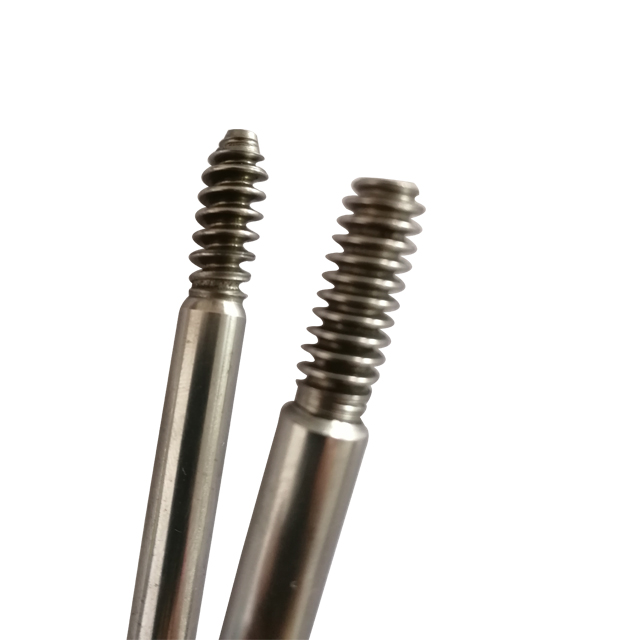
Our MOQ is 1 set for all automated rotor turning machines, stator winders, and inserting stations. Spare parts such as SC45# motor shafts or specialized tooling blades are supplied in batch quantities matched to production maintenance schedules.
Standard machines with custom tooling typically require 25 to 35 calendar days for precision manufacture, assembly, and trial testing. Turnkey multi-machine assembly lines typically require 45 to 60 days depending on the complexity of the stator stack geometries.
4. Can the HMI touch-screen interface and machine documentation be provided in Spanish? +
Yes. We provide bilingual Spanish / English HMI control screens on all Delta, Siemens, and Inovance touch displays. Machine alarms, parameter setup menus (turns counter, speed traverse, cutting stroke, dwell timers), and maintenance diagnostics are clearly translated into standard technical Spanish.
Complete wiring schematics, pneumatic flowcharts, and mechanical exploded views are supplied in digital format to empower your local technicians during routine preventative maintenance.
5. What warranty and remote technical commissioning support do you offer? +
All Zunqi machines include a comprehensive 1-Year Factory Warranty covering all core mechanical and electrical components (PLC, servo drive, spindle motor, pneumatic cylinders). In the rare event of a component failure, replacement parts are dispatched via DHL/FedEx international air express.
For commissioning, we provide step-by-step video tutorials, factory-recorded parameter settings, and live video support (via WhatsApp or Zoom) coordinated with your engineers in Luque. For complete turnkey automated factory lines, on-site commissioning engineers can be dispatched to your facility upon request.
6. How do your machines handle different rotor outer diameters and shaft lengths? +
Our HF-C60 and heavy-duty rotor turning series feature rapid-change modular pneumatic collets and an adjustable tailstock assembly mounted on hardened linear guide rails. Tooling changeovers between different fan motor frames (e.g., changing from a 48-frame to a 56-frame or custom ceiling fan external rotor) can be completed in under 15 minutes.
Spindle travel limits, cutting stroke speed, and digital stop positions are saved directly as numeric recipe presets in the PLC memory, allowing operators to switch products with the touch of a button.
7. How does our company clear machinery through Paraguayan Customs under the Maquila regime? +
We provide complete export documentation compliant with Paraguayan DNA (Dirección Nacional de Aduanas) and MIC (Ministerio de Industria y Comercio) requirements. This includes verified Commercial Invoices, detailed Packing Lists with individual machine net/gross weights and HS Codes, Certificates of Origin, and Bills of Lading.
If your enterprise in Luque operates under the Régimen de Maquila, our documentation precisely itemizes capital equipment categories to ensure seamless tariff-exempt import clearance through the local customs administration.
Modernize Your Electric Motor Line in Luque
Send our senior engineering team your rotor and stator drawings, target hourly output, and workshop electrical specs. We will respond within 9 hours with an optimized machinery proposal, tooling quotation, and ROI estimate.
Contact Us