Winding Unit
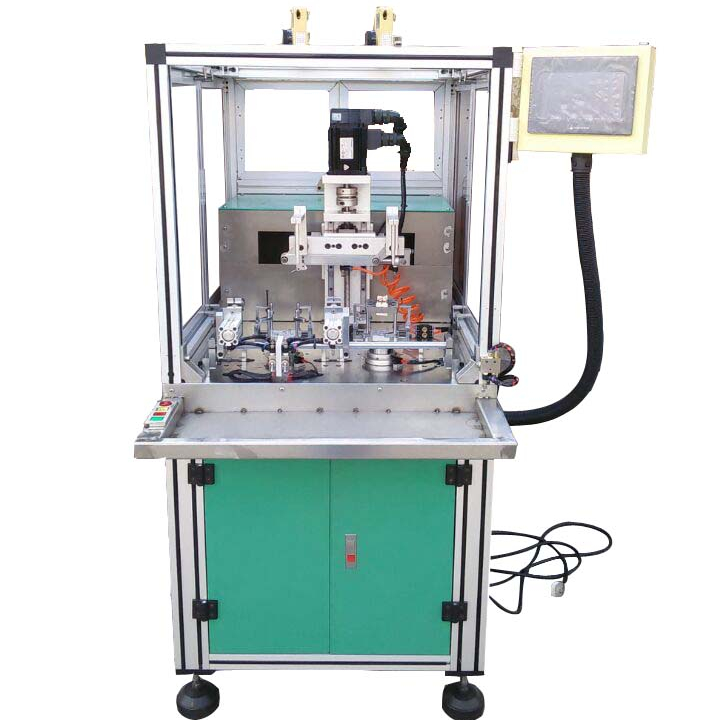
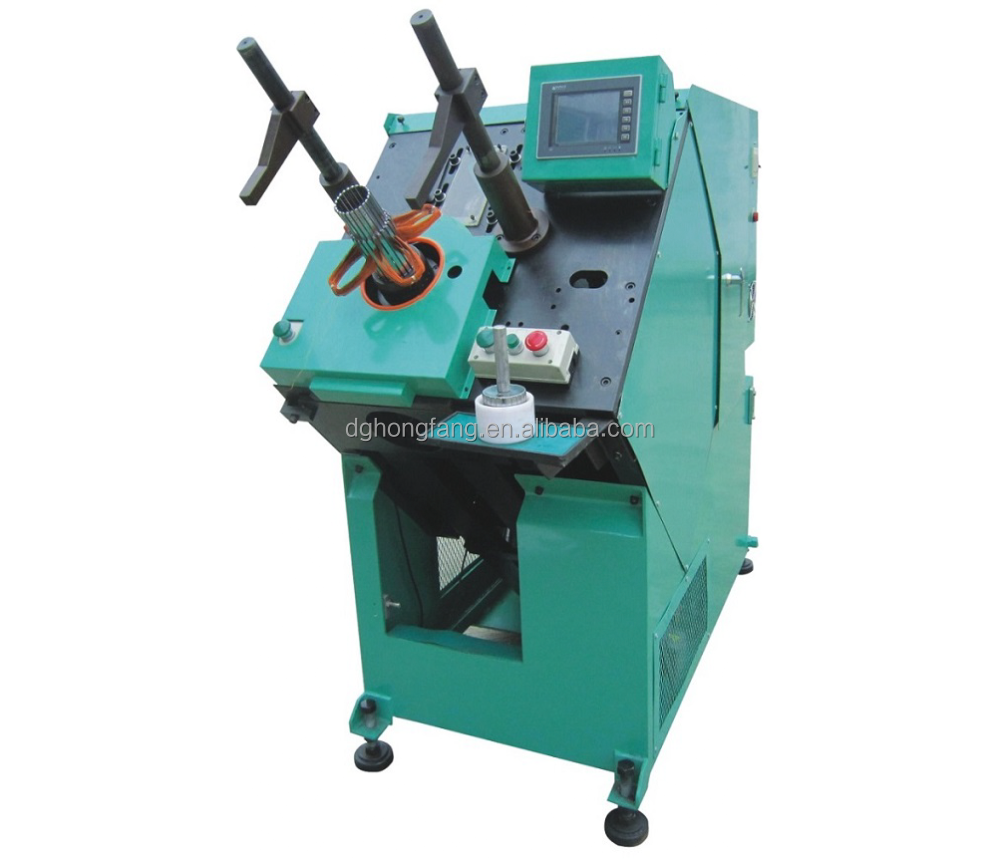
Hot Sale Armature Winding Machine for Fan Motor
- High-speed dynamic hook winding
- Enamelled wire range: 0.10–1.20mm
- Industrial PLC program memory
Direct manufacturer configurations for external rotor turning, precision armature coiling, automatic slot lining, and balanced rotor assembly lines.
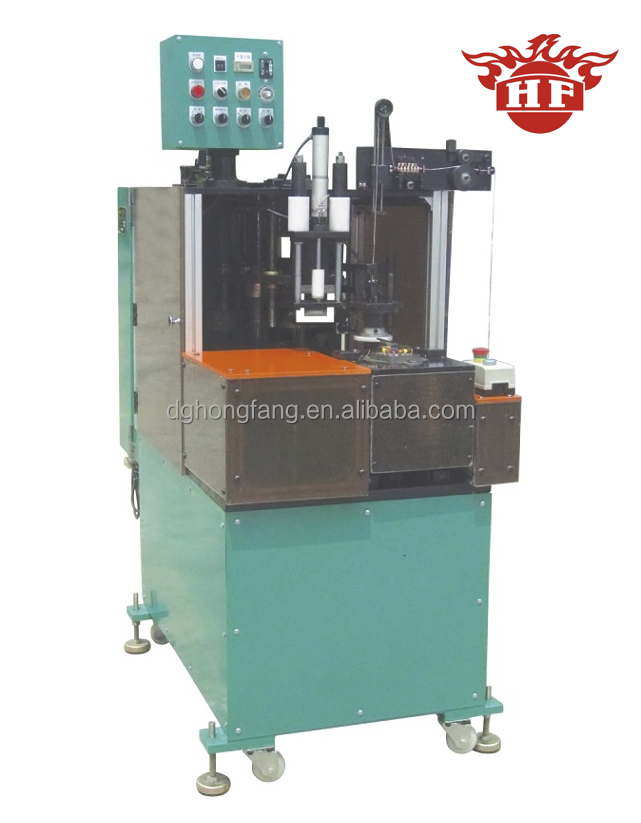
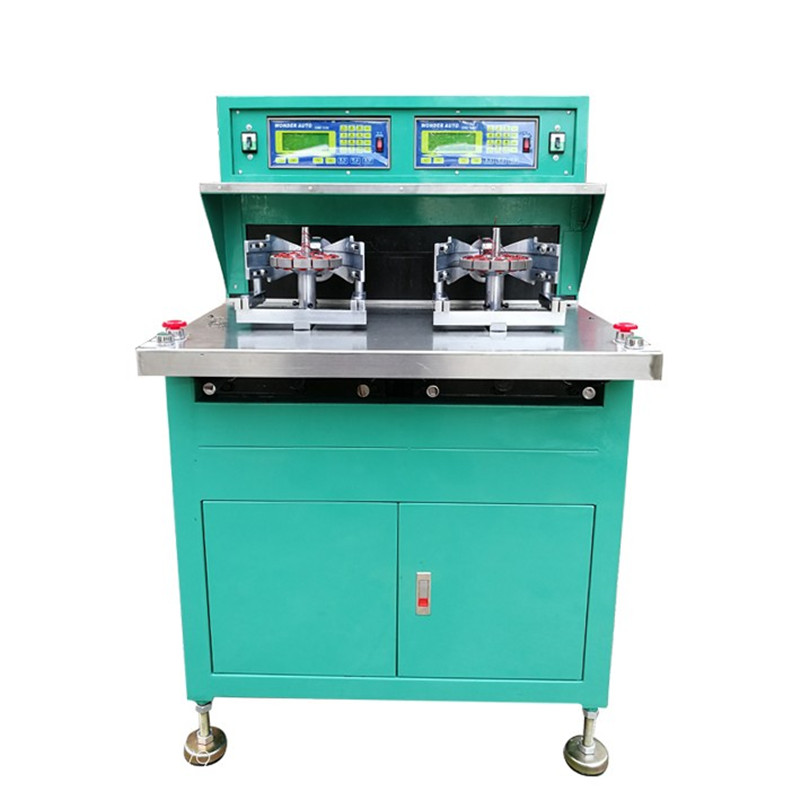
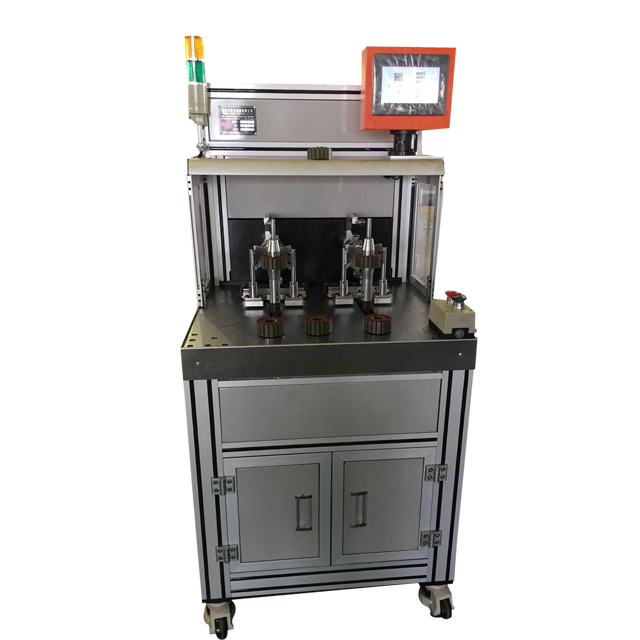
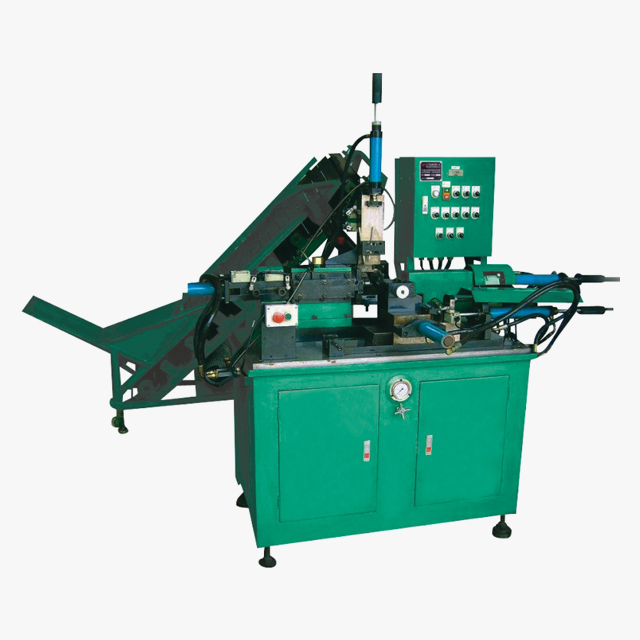
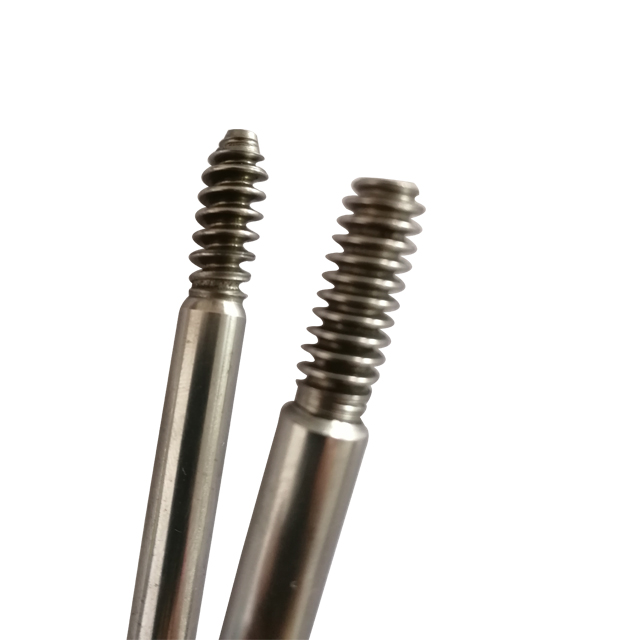
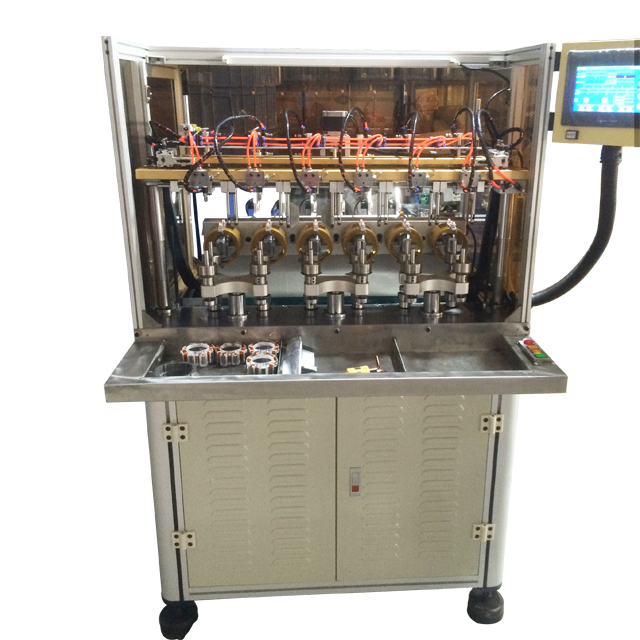
In electric motor architecture, the geometric consistency of the rotor outer diameter (OD) directly governs the mechanical width and uniformity of the magnetic air gap between the stationary core laminations and the spinning rotor. For light industrial operators, commercial facility fabricators, and regional apparatus rewinding centers serving the All Saints district and wider Caribbean hubs, air-gap eccentrics induce critical harmonic distortions, parasitic eddy currents, excessive thermal dissipation, and elevated airborne acoustic decibels. Deploying a dedicated rotor finish turning machine exporter ensures that facilities transition from unstable general-purpose engine lathes to dedicated, high-rigidity rotor-specific turning apparatus capable of maintaining total indicated radial runout (TIR) within strictly repeatable micrometer parameters.
Standard engine lathes clamp rotors between centers or within conventional scroll chucks, exposing the soft, silicon-steel laminations or aluminum conductor bars to uneven radial pressures and chatter vibration. In contrast, specialized rotor finish turning machinery utilizes customized pneumatic or hydraulic collet expanders, counter-balanced pneumatic tailstock quills, and high-frequency diamond or cubic boron nitride (CBN) tool inserts. By pairing synchronized variable-frequency spindle drives with precision ball screws, the cutting process prevents "smearing" of the lamination sheets—a catastrophic phenomenon where copper, aluminum, and electrical steel bridge across lamination insulations, drastically amplifying stator-induced core losses.
| Engineering Attribute | Conventional Manual Engine Lathe | Zunqi Rotor Finish Turning Machine | Impact on Motor Operation |
|---|---|---|---|
| Lamination Edge Quality | Edge smearing, shorted laminations | PCD/CBN razor-shear micro-cutting | Reduces parasitic eddy current losses by up to 18% |
| Radial Runout (TIR) | ±0.035 mm to ±0.060 mm | ≤0.005 mm to ≤0.008 mm | Suppresses unbalanced magnetic pull (UMP) & bearing wear |
| Surface Roughness (Ra) | Ra 3.2 – 6.3 μm | Ra 0.8 – 1.6 μm | Minimizes aerodynamic windage friction and acoustic roar |
| Shaft Clamping Method | Jaw chuck & basic mechanical center | Air-collet expansion with live centering | Preserves SC45# steel bearing journals from indentations |
| Cycle Consistency | Operator-dependent, variable feeds | Automated PLC servo dual-axis control | Guarantees 100% batch interchangeability for assembly |
How specialized rotor finish turning technology resolves unique environmental and operational challenges across Antigua and Caribbean manufacturing clusters.
Marine air laden with sodium chloride rapidly corrodes imperfectly machined rotor laminations. Ultra-smooth rotor turning eliminates microscopic micro-crevices where airborne moisture, salt aerosols, and tropical humidity initiate galvanic corrosion between aluminum end-rings and steel cores.
Regional power networks frequently subject induction apparatus to brownouts and harmonic voltage sags. Tight rotor-to-stator air gaps achieved via finish turning maximize inductive reactance, mitigating the excessive copper thermal rise associated with line voltage drops.
From commercial water desalination impellers to residential cooling fans, rotor finish turning guarantees low noise pollution and eliminates motor vibration that prematurely destroys ceramic seals and deep-groove ball bearings in remote facilities.
Key developments shaping machinery acquisition, apparatus refurbishing standards, and factory investments through the next decade.
Energy costs across island grids demand an accelerated pivot toward Brushless DC (BLDC) and PMSM designs. These compact geometries operate with vanishingly small air gaps (<0.35 mm), making precision turning machinery indispensable for regional assembly and winding plants.
Supply chain fragility has driven municipal authorities, resort utility managers, and light manufacturing plants in All Saints to invest directly in domestic repair equipment, eliminating weeks-long turnaround cycles for overseas motor components.
Eco-tourism and luxury hospitality sectors impose strict decibel limits on rooftop HVAC ventilation and circulating pumps. Precision finish turning removes dynamic unbalance and eliminates the high-pitch magnetic whining generated by eccentric rotating cores.
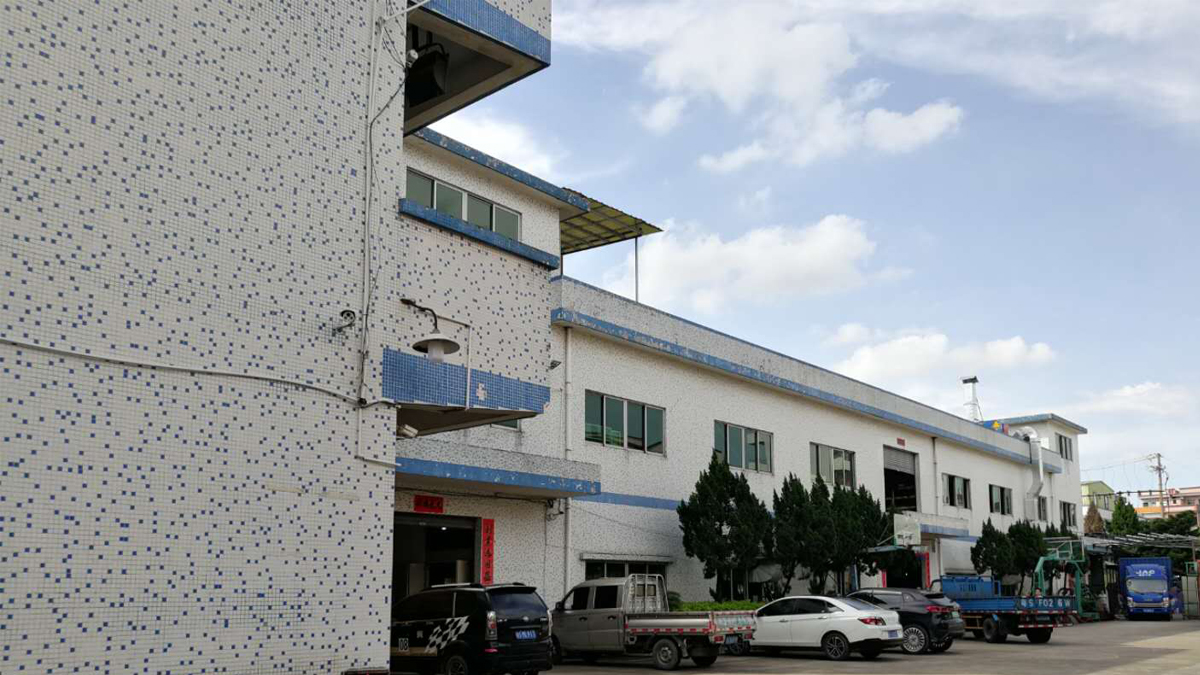
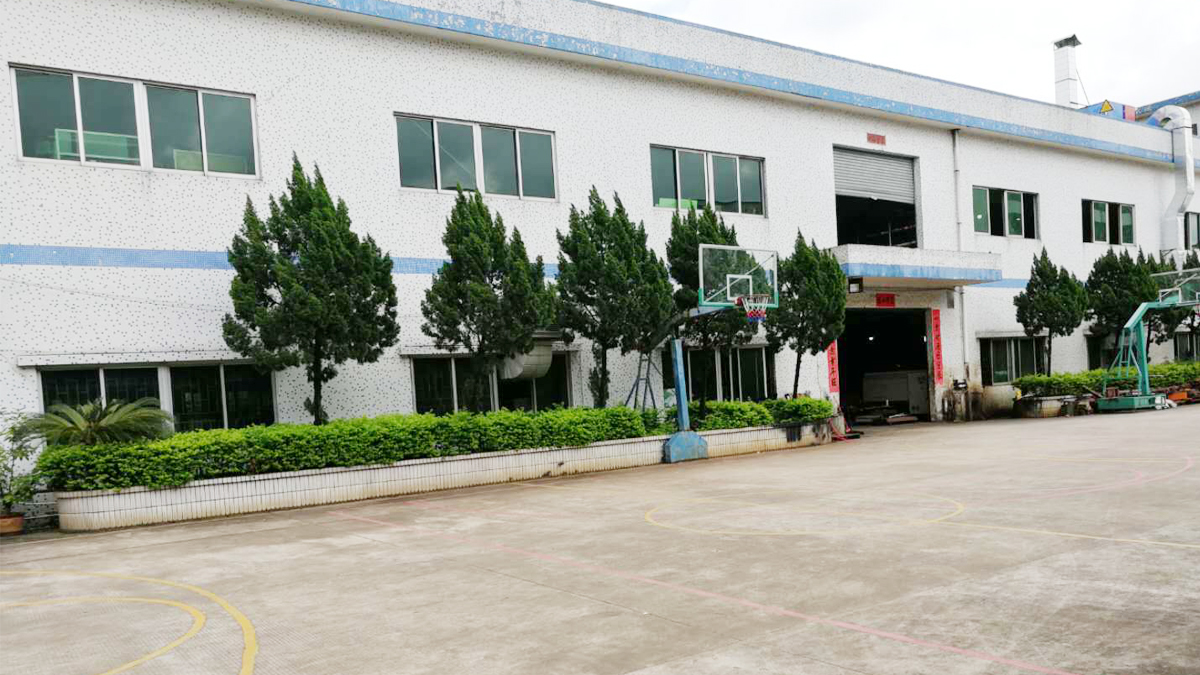
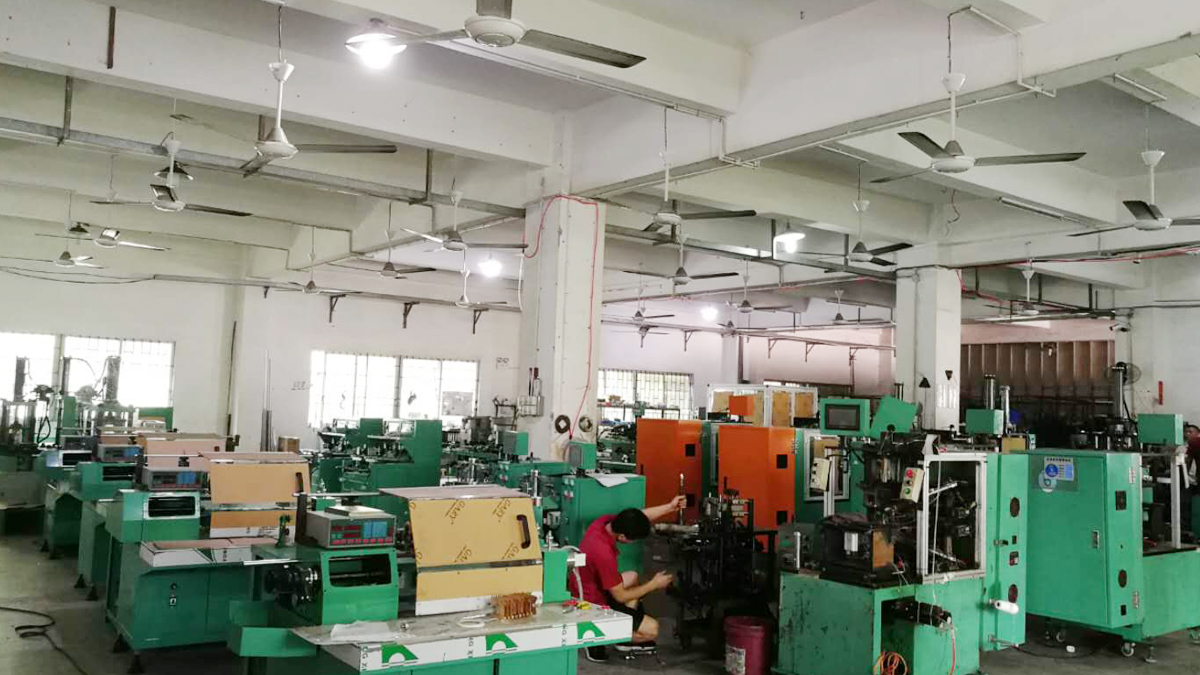
Headquartered in Qishi Town, Dongguan, Zunqi Intelligent Equipment Co., Ltd. has served as an authoritative manufacturer and worldwide exporter of motor production lines for over 17 continuous years. Operating across a US$2.5M to US$5M annual export capacity, we maintain strict vertical integration from mechanical casting to digital PLC programming.
Every rotor finishing unit and winding tool is engineered to the client's actual technical blueprints. We run physical trial cuts on client-provided samples, furnishing high-definition operational video proof prior to dispatch.
We standardize control systems using Mitsubishi, Siemens, Omron, Delta, SMC, and Schneider hardware, ensuring that technicians in the Caribbean have direct access to local software interfaces and spare parts.
All machinery carries a full 12-month structural and component warranty. Our engineering desk maintains a guaranteed average response time of ≤9 hours, supporting remote commissioning and life-cycle spare delivery.
Essential technical, logistics, and electrical parameters addressing equipment procurement for Caribbean destination ports.
Our rotor finish turning machines and automated winding systems are built to order to match your facility's specific infrastructure. While mainland China commonly operates at 380V/50Hz, we routinely supply single-phase 220V/60Hz, three-phase 230V/60Hz, 400V/50Hz, or 460V/60Hz configurations. Please specify your municipal or facility power supply when requesting technical quotes so internal transformers, servos, and coolant motors are sized accordingly.
Long-distance maritime transit across tropical humid routes requires rigorous environmental protection. All unpainted precision-ground ways, spindle journals, and chuck faces are coated with industrial-grade heavy anti-rust compound, sealed within heat-shrunk Vapor Corrosion Inhibitor (VCI) foil barriers with desiccant packets, and bolted rigidly to structural steel skids inside fumigation-free solid plywood export cases.
The MOQ for our primary industrial machines (including rotor finishing lathes, armature winders, slot paper inserters, and double-side lacing equipment) is strictly 1 set. Component spares, such as SC45# motor shafts, are supplied in standardized production batches. Clients are strongly encouraged to air-courier physical rotor/stator samples or CAD drawings to our Dongguan engineering workshop for tooling optimization and sample test video sign-off prior to crating.
Yes. Our rotor finishing machinery can be tooled with customizable pneumatic chucking mandrels and tailstock live-centers capable of cutting straight-slot, skewed-slot die-cast aluminum induction rotors, and external BLDC rotor housings. Tool approach angles and feed rates are digitally calibrated within the PLC to prevent burring along slot exit points.
To support overseas facilities without requiring costly onsite technician travel, every unit is delivered pre-calibrated with an exhaustive video operating library, multilingual digital manuals, circuit schematics, and tooling changeover checklists. Our Dongguan engineering team provides direct video conference commissioning support, typically answering operational inquiries within 9 business hours.
Consult directly with Zunqi's senior mechanical engineers. Transmit your rotor stack height, core diameter, shaft dimensional drawings, and production targets for a factory-direct machinery quotation.
