Featured Stator Assembly & Coil Production Systems
From standalone table fan stator winders to integrated servo-driven coil lacing and slot wedge insertion cells, our equipment provides high repeatability, rugged durability, and bespoke tooling configured precisely to European motor blueprints.
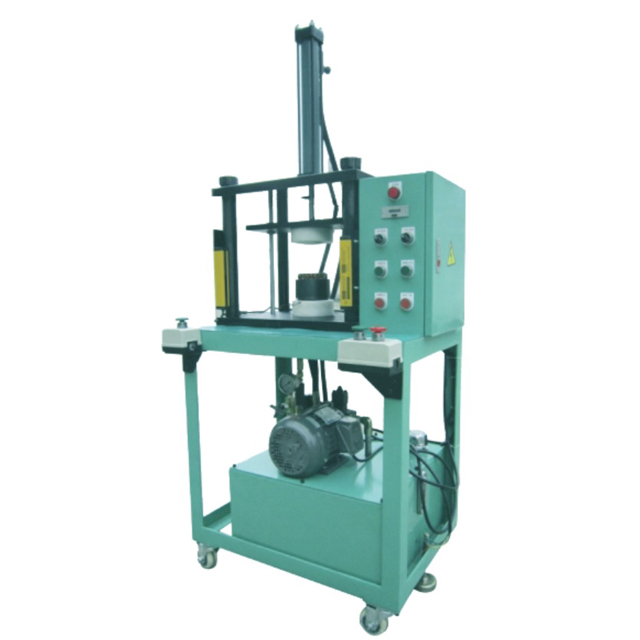
HF-W120H Stator Coil Final Forming Machine
Hydraulic second shaping mechanism engineered for table fan and industrial ventilation stators. Guarantees uniform overhang clearance.
Explore Specifications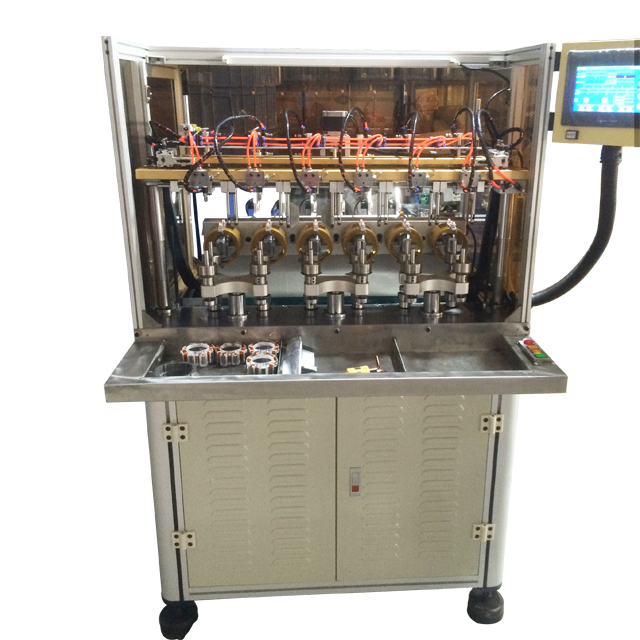
Six-Station Outer Stator Motor Coil Winder
High-cadence outer stator coil production line featuring synchronized multi-axis PLC control and automatic station indexing.
Explore Specifications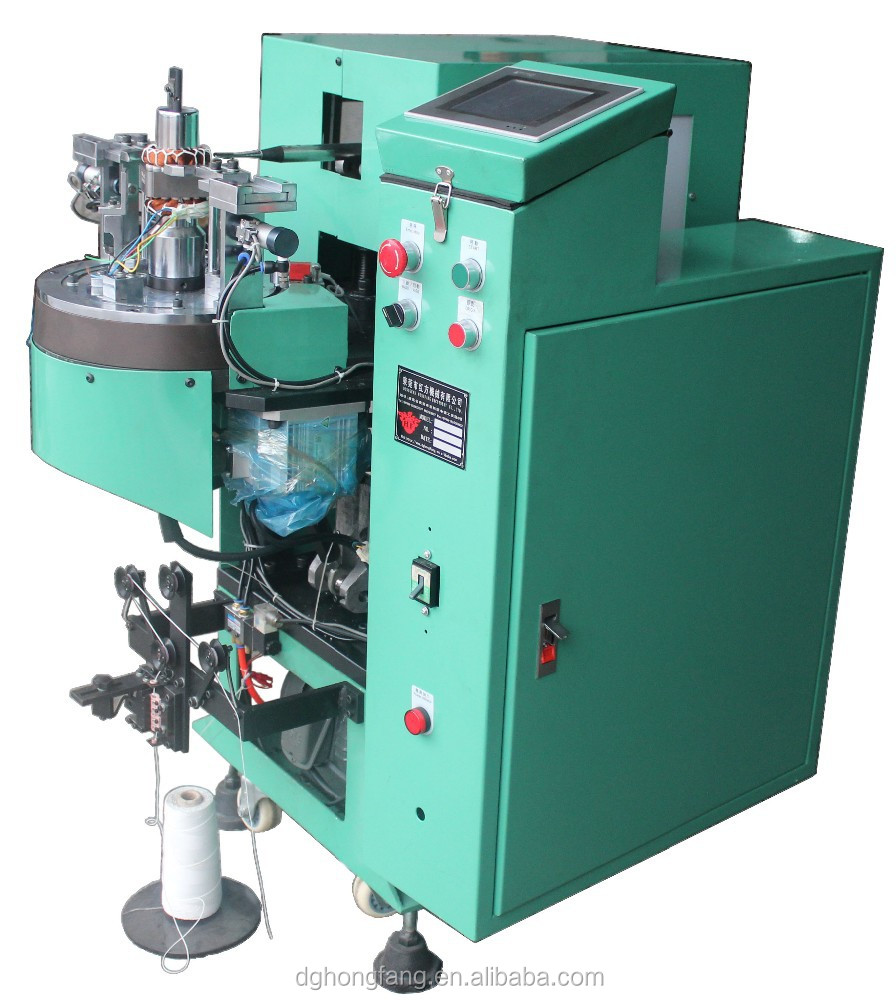
HF Single Side Table Fan Stator Lacing Machine
1000W 380V/220V rapid coil binding system that provides uniform tensioning to eliminate coil head vibration and electromagnetic humming.
Explore Specifications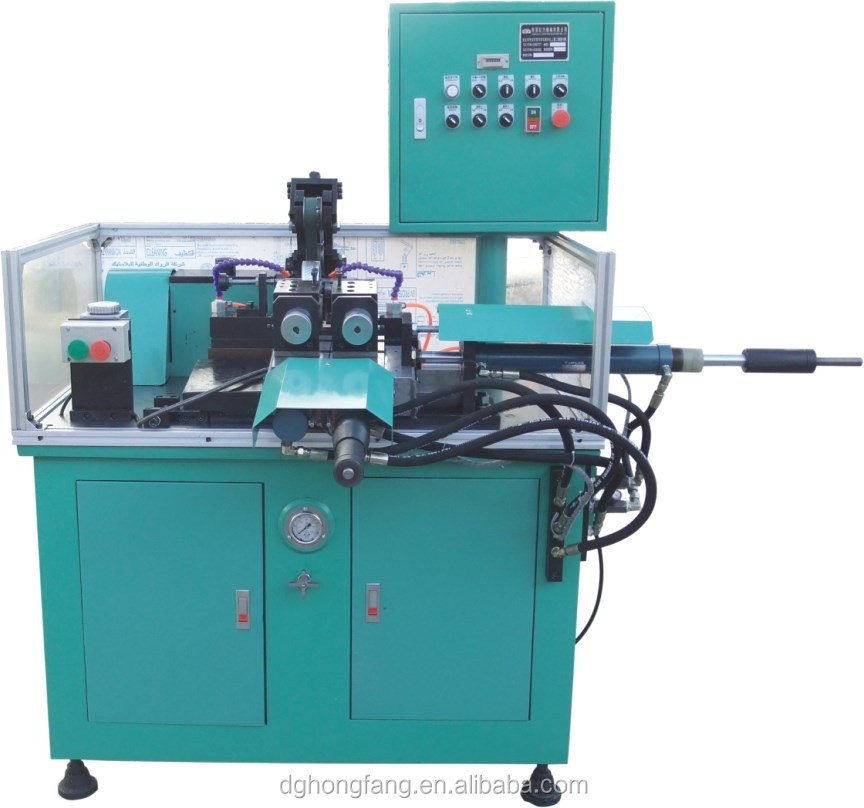
Fan Motor Rotor Turning & Casting Machine
Precision turning unit equipped with heavy-duty PLC core components for outer diameter surface skiving and uniform air-gap calibration.
Explore Specifications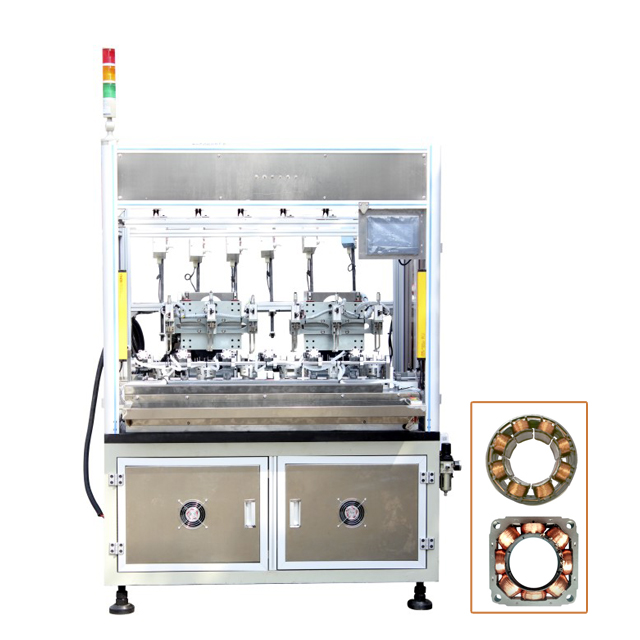
HF-LO2-6G Six Stations Internal Winding Machine
Engineered for multi-pole table fan and brushless blower inner stators, optimizing slot fill factor through closed-loop wire tensioning.
Explore Specifications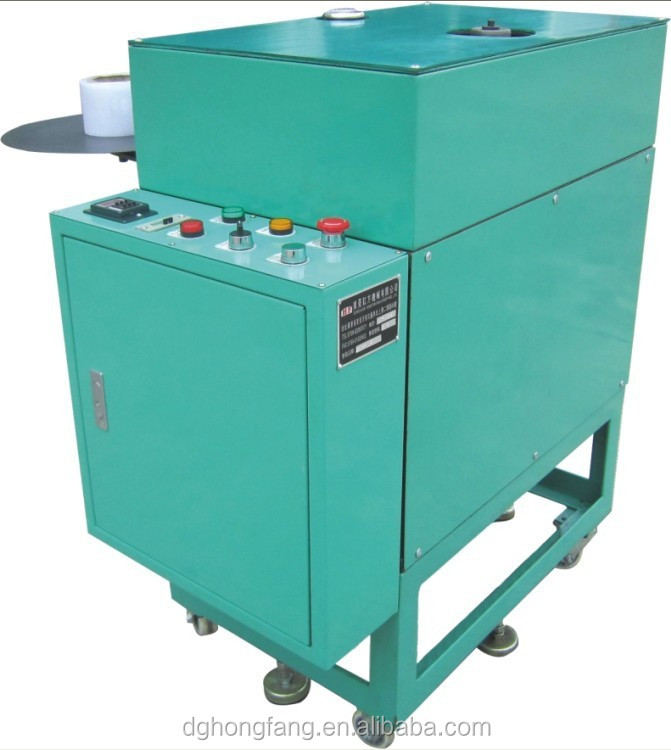
HONGFANG HF-D50 Insulation Paper Inserter
Automated slot edge creasing, cutting, and insertion mechanism for Nomex, DMD, or green composite insulation paper in cooler motors.
Explore Specifications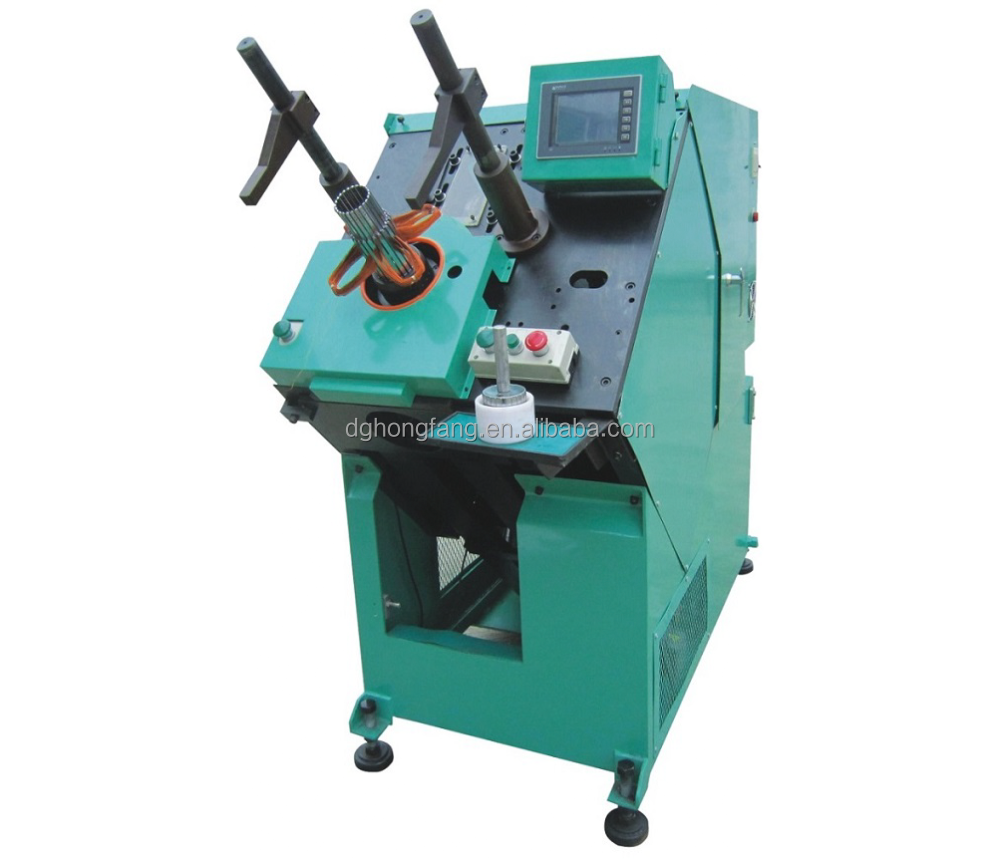
Servo Stator Coil & Wedge Inserting Machine
Dual-action servo press tooling that drives pre-wound coils and insulation wedges simultaneously into stator slots in a single stroke.
Explore Specifications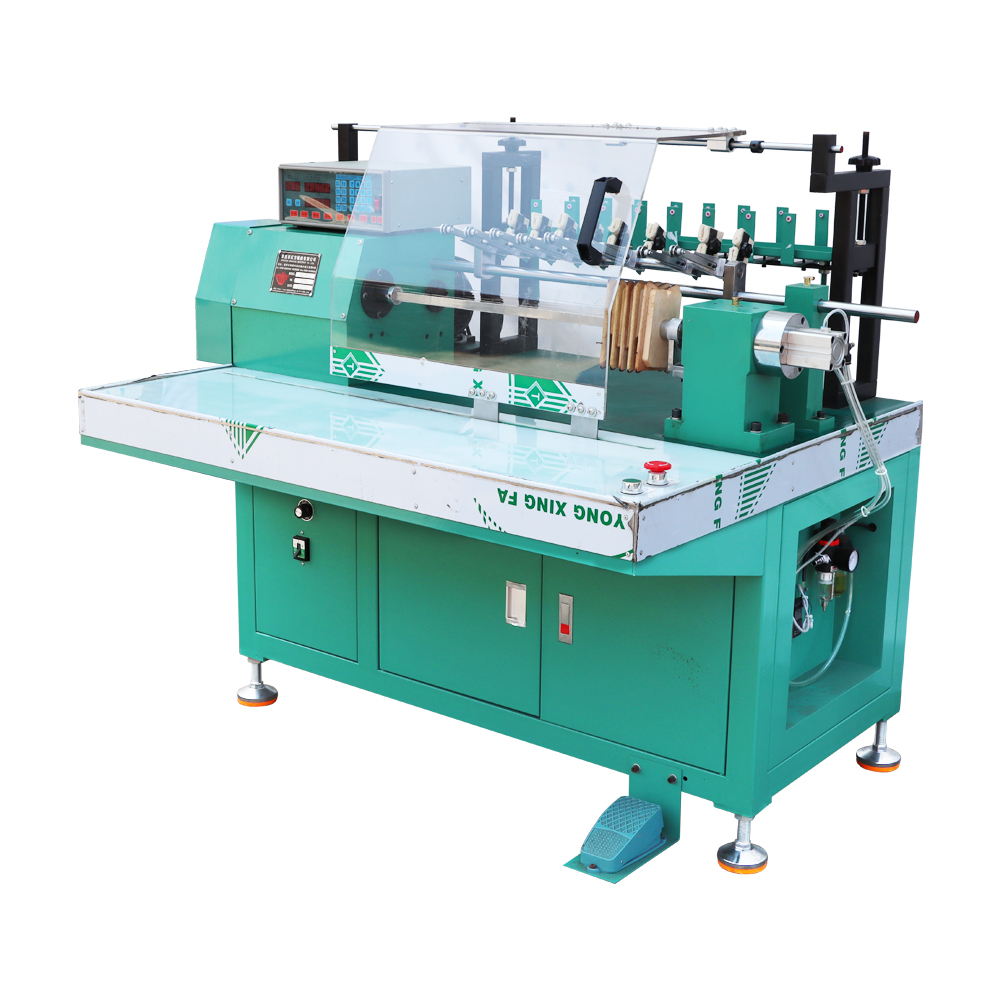
Semi-Automatic Fan Motor Stator Coil Winder
Versatile winder handling 0.1–1.2mm copper or aluminum wire for single-phase table fan and desk fan laminated core packages.
Explore SpecificationsEngineering Fit for Baranya’s Advanced Mechanical Clusters
The city of Pécs and the wider Baranya region in Hungary have transformed into an agile manufacturing corridor, bridging Central European Tier-1 electrical supply chains with competitive manufacturing infrastructure.
Tier-2 Sub-Assembly for HVAC & Air Treatment
Industrial parks around the Southern Transdanubia region increasingly house manufacturing contractors supplying desktop, cabinet, and forced-convection fan sub-assemblies for larger HVAC conglomerates throughout Austria, Germany, and Hungary. Automated coil winding ensures the strict low-decibel tolerances demanded by European residential air circulation equipment.
Transition to Brushless DC (BLDC) Platforms
Plant operators in Pécs modernizing from classic shaded-pole motors to energy-efficient Permanent Magnet Brushless DC (BLDC) architectures require reconfigurable internal stator winding machines (such as the HF-LO2-6G). Our modular spindle setups support high copper-fill factors without stressing enamelled wires during multi-pole inner winding sequences.
Regional Spare Parts & Tooling Agility
Local contract manufacturers frequently change production lines between compact 12-inch desk fan motors, floor misting fans, and specialized electronics cooling blowers. Zunqi provides rapid-changeover tooling blocks and quick-clamping fixtures, drastically reducing downtime between batch runs in high-mix, medium-volume Hungarian facilities.
Stator Production Engineering: Overcoming Micro-Defects in Fan Motors
Table fan motors operate under continuous duty cycles in domestic environments, requiring precise electro-mechanical balance to prevent micro-vibrations, thermal hot spots, and insulation degradation.
Constant Dynamic Tensioning Systems
Manual or poorly regulated winding causes wire stretch, thinning the dielectric enamel layer and creating micro-short risks. Our electronic magnetic tension controllers sustain consistent wire tensioning across the entire acceleration-deceleration flyer cycle, accommodating both high-purity copper and economic aluminium-alloy enamelled magnet wires ranging from 0.1 to 1.2 mm.
Simultaneous Coil & Wedge Transfer
Traditional multi-step manual lamination loading exposes vulnerable slot insulation to shear stress. The servo-driven insertion tooling pushes coils and precisely cut wedge paper into the stator core in a single fluid stroke. This preserves the DMD insulation barrier, eliminating phase-to-phase shorts and drastically improving breakdown test yield rates.
Radial Overhang Shaping & Rigidity
Without hydraulic pre-forming and final secondary sizing, end turns spread radially outward, fouling end-shield castings or protruding into the central rotor cavity. Our automated shaping modules cold-form coil heads to designated clearance tolerances, preparing the stator assembly for rigid double-side lacing with tensile cord.
| Stator Fabrication Phase | Recommended Machine Series | Core Tooling Configuration | Yield Output Benchmark | Key Tolerance Criteria |
|---|---|---|---|---|
| 1. Slot Cell Insulation | HONGFANG HF-D50 Inserter | Customized punch & fold die to stator slot depth | 0.5 – 1.0 sec / slot | Fold overhang: ±0.2mm |
| 2. Precision Stator Winding | Automatic 6-Station Outer / Multi-Head | Hardened tungsten-carbide wire guiding flyers | Up to 2500 RPM flyer rate | Turn counter: 0 error count |
| 3. Coil & Wedge Insertion | Servo Stator Inserting System | Segmented guide push blades matched to stack ID | 12 – 18 sec / cycle complete | Slot wedge position: ±0.3mm |
| 4. Intermediate & Final Forming | HF-W120H Hydraulic Shaping Press | Expanding internal core & clamp outer shoes | 8 – 12 sec / stator | Bore clearance: strict true circle |
| 5. End-Turn Cord Lacing | HF Single/Double Side Servo Lacer | Rotary indexing table with tensioned needle drive | 0.5 sec / stitch variable | Knot locking tension: >45 N |
Navigating EU Ecodesign Directives & Motor Modernization in Hungary
Stricter environmental standards across the European Union continue to reshape regional fan manufacturing, placing greater emphasis on motor efficiency, material recyclability, and localized industrial automation.
Compliance with ErP Energy Standards
Electric motors used in residential tabletop, pedestal, and wall-mount fans are under increasing pressure to meet elevated seasonal energy performance tiers. By tightening magnetic circuit tolerances through uniform automated winding and fine rotor turning, factories reduce stray load losses and optimize stator magnetic flux density.
Automation Offsetting Labor Constraints
Industrial operations in Baranya County face rising operational and skilled labor costs. Replacing labor-intensive coil winding and manual lacing with semi-automated and fully automated multi-station cells allows motor makers to maintain domestic competitive advantages while stabilizing unit production cycles.
CE Compliance & Standardized European Architecture
For machinery imported into Hungarian industrial facilities, electrical reliability and safety compliance are paramount. Our export production units are built around recognizable, globally accessible industrial control platforms (including Siemens, Schneider, Mitsubishi, Omron, and Delta PLCs) and adhere to CE machinery safety directives, streamlining factory floor commissioning and long-term MRO spares procurement.
Why Motor Manufacturers Worldwide Rely on Our Line Integration
Headquartered in Qishi Town, Dongguan—an international manufacturing capital—Zunqi Intelligent Equipment combines deep mechanical engineering heritage with direct export capability.
Custom Tooling from Customer Drawings
We do not deliver generic off-the-shelf equipment. Every insertion magazine, winding flyer, shaping shoe, and core clamping chuck is CAD/CAM engineered directly from your stator lamination drawings and stack height parameters to ensure first-time assembly accuracy.
Synchronized End-to-End Compatibility
As a single-source equipment designer, our insulation inserters, coil winders, wedge inserters, forming presses, and lacers operate on balanced cycle times. This eliminates bottlenecking between cell stages and provides consistent workflow across the complete assembly line.
Pre-Shipment Sample Run Proofing
We invite procurement engineers to supply sample lamination packages and enamelled wire coils prior to machine dispatch. We execute rigorous bench runs in our workshop, recording operational video logs, resistance balancing metrics, and cycle timing reports before final crating.
Frequently Asked Questions by European & Hungarian Motor Makers
Clear, definitive answers to technical, commercial, and logistical questions regarding the ordering and commissioning of our stator production machines in Pécs.
