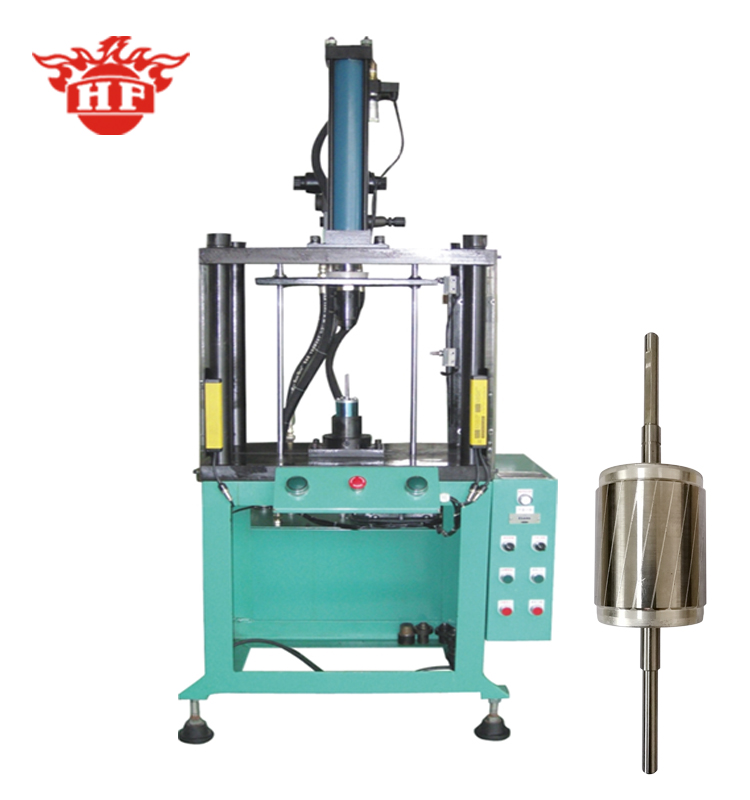
New Rotor and Shaft Inserting Hydraulic Press Machine HF-W50
Controlled hydraulic pressing force designed to protect rotor concentricity, bearing journals, and interference tolerances.
Explore our proven motor assembly systems. Every unit is engineered with high-precision servo controls and heavy-duty mechanical toolings customized to client drawings or physical stator iron cores.
Controlled hydraulic pressing force designed to protect rotor concentricity, bearing journals, and interference tolerances.
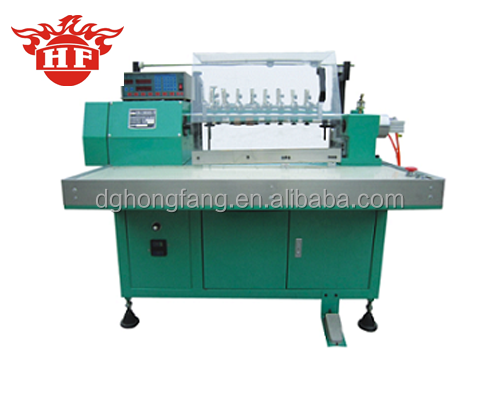
CNC multi-axis precision winding head supporting both enameled copper and aluminum magnetic wires without tension degradation.
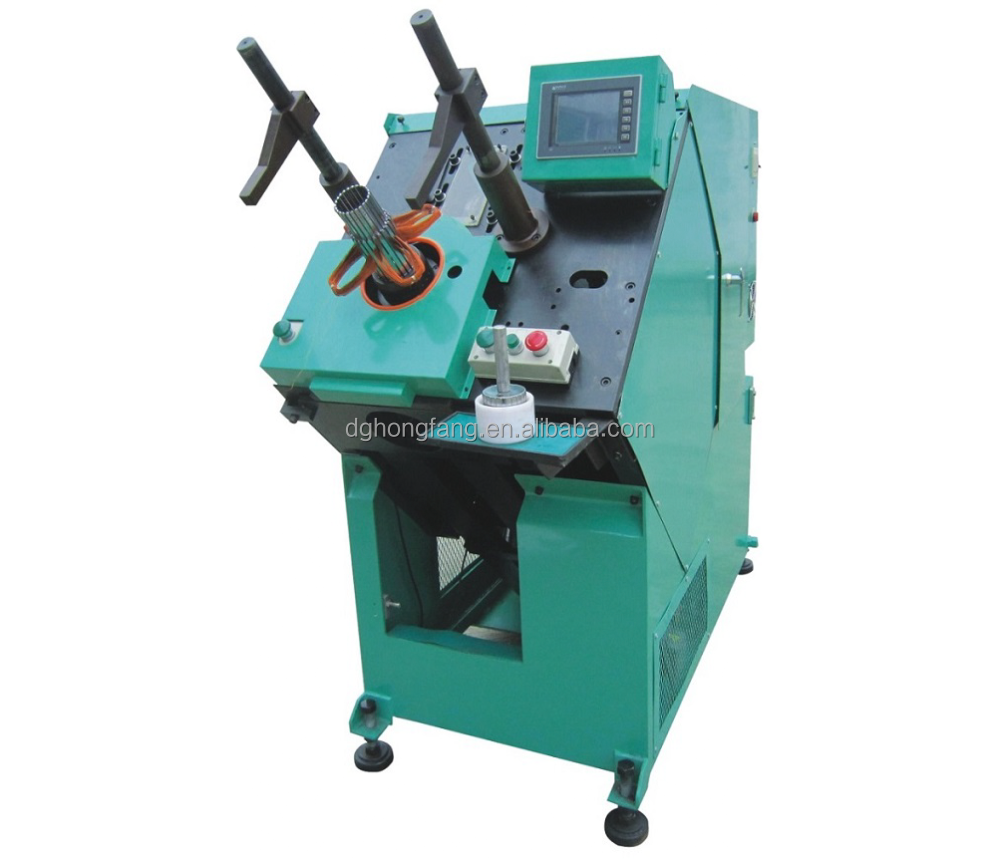
Transfers wound phase coils and protective slot wedge insulations concurrently in a single cycle without surface scratching.
Optimized tooling setup for residential evaporative cooling, HVAC blowers, and medium single-phase domestic motor stators.
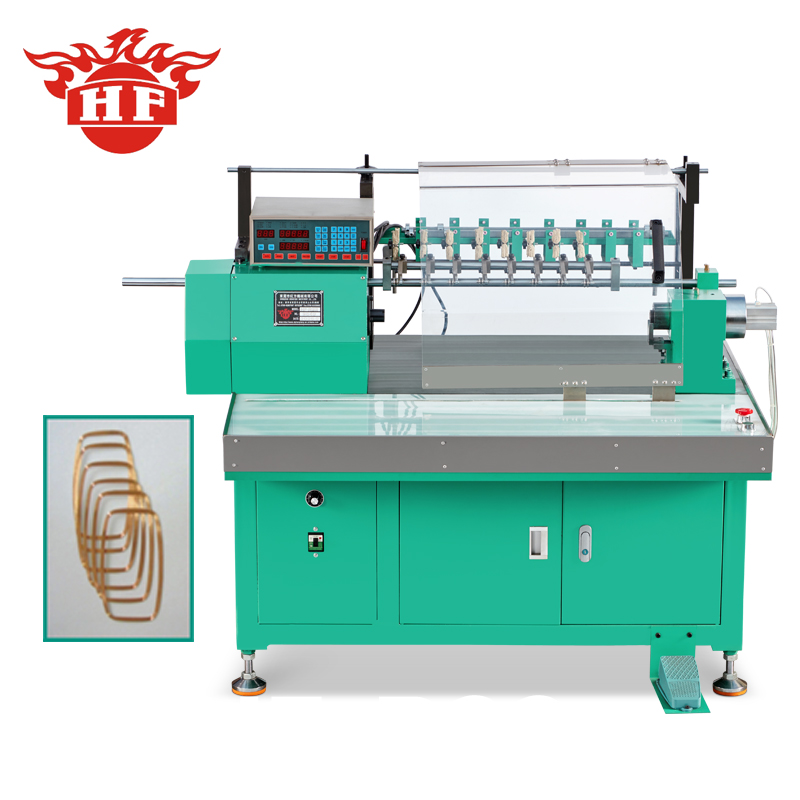
High-yield 8-station winding spindle array designed for rapid volume generation of coil groups across fan and pump motor sizes.
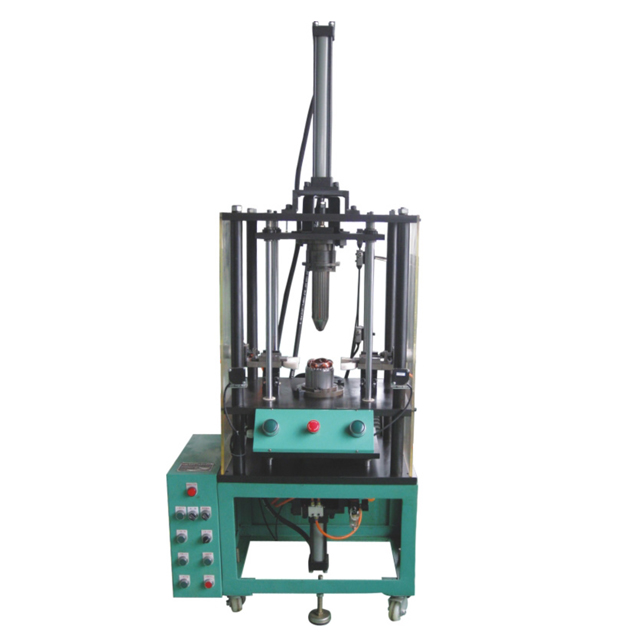
Accurate end-turn expansion and internal bore dimension sizing preventing collision between stator windings and inserted rotors.
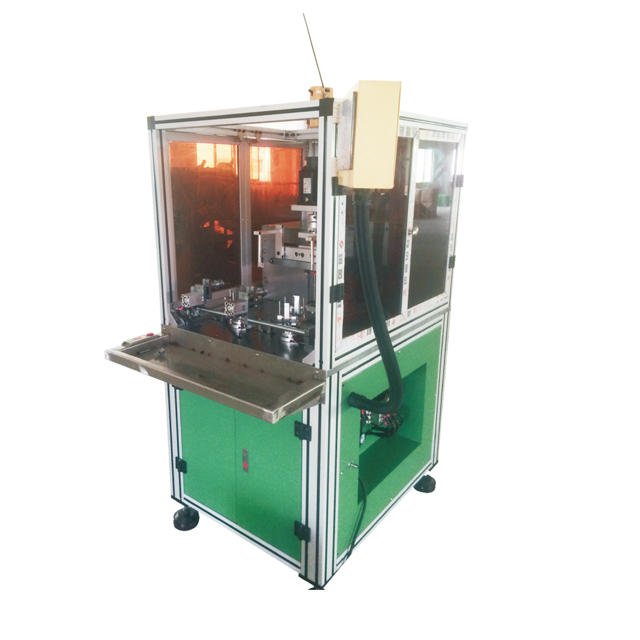
Dedicated internal needle winding machine engineered specifically for brushless DC (BLDC) and segmented inner-slot designs.
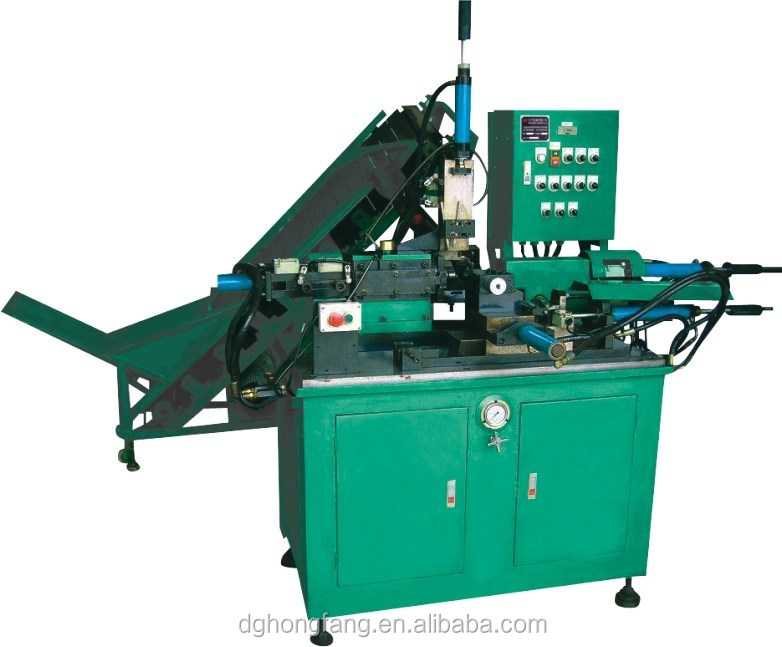
Delivers micron-level cylindrical accuracy across laminated rotor surfaces, minimizing electromagnetic hum and optimizing flux gaps.
In electric motor manufacturing and rewinding, stator coil tying—frequently referred to in technical engineering as coil head lacing or end-turn binding—is not merely an aesthetic finishing process. It serves a pivotal mechanical and thermodynamic function. During motor startup and sudden torque surges, magnetic forces produce rapid alternating mechanical stresses across the overhang portion of copper coils. If end windings are loosely secured, inter-turn friction quickly strips the thin enamel film coating, causing catastrophic phase-to-phase shorts or ground grounding faults.
A specialized automatic stator coil tying machine (available in single-sided and dual-sided configurations) utilizes tensioned industrial twine to tie every slot overhang with uniform mechanical tightness. By securing phase insulation papers and winding clusters tightly against the iron core boundary, the machine eliminates micro-vibrations, increases heat dissipation efficiency via compact conduction paths, and ensures that the final outer boundary clears the motor frame end-bell housings.
As the Democratic Republic of Timor-Leste actively advances its Strategic Development Plan (2011–2030), investments in national infrastructure, agricultural modernization, and decentralized municipal utilities are accelerating. Key applications for modern stator winding, tying, and inserting equipment in Timor-Leste include:
Currently, the industrial ecosystem in Dili and surrounding regions relies heavily on importing completely built units (CBUs) from ASEAN neighbors, or relying on labor-intensive manual rewinding workshops. However, rising container freight costs and prolonged lead times for specialized motors are incentivizing local enterprises and government-sponsored vocational institutes (such as training centers in Becora and Comoro) to adopt semi-automated manufacturing. Introducing standalone machines—such as 8-head coil winders, hydraulic rotor shaft pressers, and servo-driven coil lacing machines—enables localized assembly lines with low initial capital expenditure while elevating motor longevity to international IEC operational standards.
Based in Qishi Town, Dongguan, China, we operate an integrated design and fabrication facility supplying end-to-end motor stator and rotor automation. Here is why international buyers choose our machinery over generic alternatives:
We do not deliver one-size-fits-all frames. Every inserting blade, tying needle, and shaping mould is CNC-machined according to your stator inner diameter (ID), outer diameter (OD), slot number, and core stack height.
We standardize control cabinets on internationally recognized industrial components—including Delta, Mitsubishi, Siemens, and Omron—ensuring local technicians can calibrate parameters and access spare parts easily.
Before packaging and dispatch, clients send sample iron cores and magnet wire. We perform extensive trial runs in our Dongguan workshop, recording real-time testing videos to guarantee zero commissioning delays upon port arrival.
From raw lamination stacks to a fully impregnated and balanced motor core, our matched equipment ensures seamless workflow integration.
Automatic slot paper inserter cuts, creases, and pushes DMD, Nomex, or polyester film into core slots to secure ground isolation.
High-speed flyer or spindle winders produce continuous concentric phase groups with strict tension control to avoid wire necking.
Combined servo pusher transfers coil groups and slot closure wedges into stator slots simultaneously without damaging wire insulation.
Pre-forming hydraulic press gently shapes coil overhangs outward, establishing required clearances for needle lacing mechanisms.
Single or double-side tying machine stitches twine tightly around coil end heads via programmable slot-by-slot or skip-slot indexing.
Final dimension calibration molds coil heads to exact dimensional tolerances, preventing interference with motor end-covers.
Automatic CNC lathe trims the outer diameter of laminated rotors, ensuring strict air gap concentricity with the finished stator bore.
Hydraulic pressing workstation accurately drives cold-drawn low-carbon steel shafts (e.g. SC45#) into the rotor core interference fit.
Key technical, electrical, logistics, and after-sales considerations for industrial purchasing managers in Dili and regional districts.
Timor-Leste generally operates on a 220V single-phase / 380V-400V three-phase 50Hz grid standard. Our standard machines are pre-configured for 220V 50Hz single-phase or 380V 50Hz three-phase connections. Because local power supplies in regional areas can experience voltage fluctuations, our control cabinets can be fitted with integrated surge protection and wide-voltage servo packs upon request.
Yes. Our stator coil tying and inserting machines feature adjustable tooling modules. While a single tooling set covers a designated stator inner diameter and stack height range, changeover tooling plates can be manufactured and shipped alongside the machine to accommodate different frame sizes (e.g., transitioning from fan motor stators to industrial pump stators).
Cargo is secured inside fumigation-free solid plywood export cases with multi-layer VCI anti-rust barrier film and desiccant packs to prevent humidity damage during sea transport. Shipments departing from our Dongguan facility are routed via Shenzhen or Guangzhou ports, transiting through Singapore or Surabaya directly to Dili (Port of Tibar). We provide complete CIF/FOB documentation, packing lists, and certificates of origin for customs clearance.
Each unit ships with complete English operational manuals, wiring diagrams, and high-definition setup video tutorials. Our engineering team provides direct video support for uncrating, anchoring, and parameter setting. Furthermore, a comprehensive consumable spare parts kit (including spare lacing needles, cutting blades, push rods, and pneumatic seals) is packed inside the crate to ensure continuous operation without downtime.
Yes. Many motor manufacturers utilize enameled aluminum wire to lower production costs for household fan and domestic appliance motors. Our winding and inserting machines feature precision mechanical tensioners and ceramic-coated guiding eyelets that eliminate excessive friction, preventing stretching, surface scraping, or wire breakage when using ductile aluminum conductors.
Send your stator drawings, stack heights, and production targets. Our engineering desk in Dongguan analyzes your requirements and delivers an actionable machine proposal within 9 hours.
