Industrial Catalog
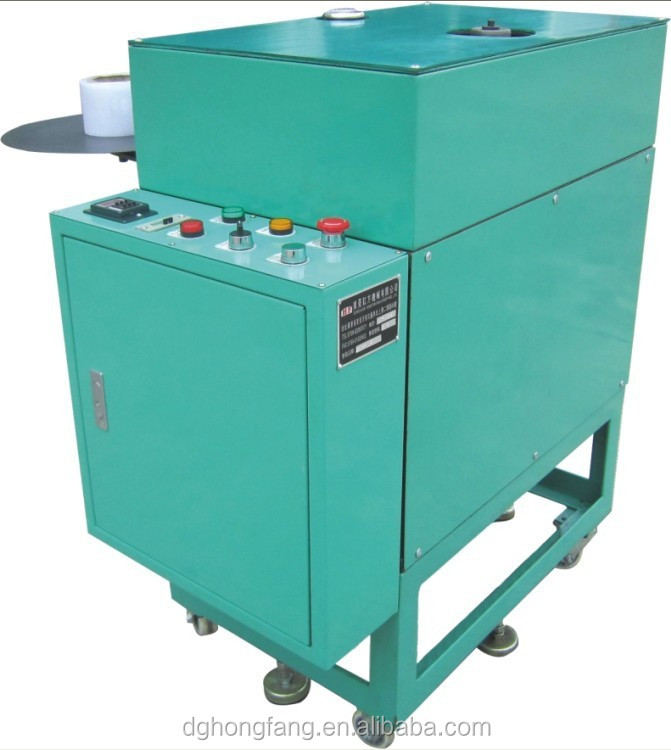
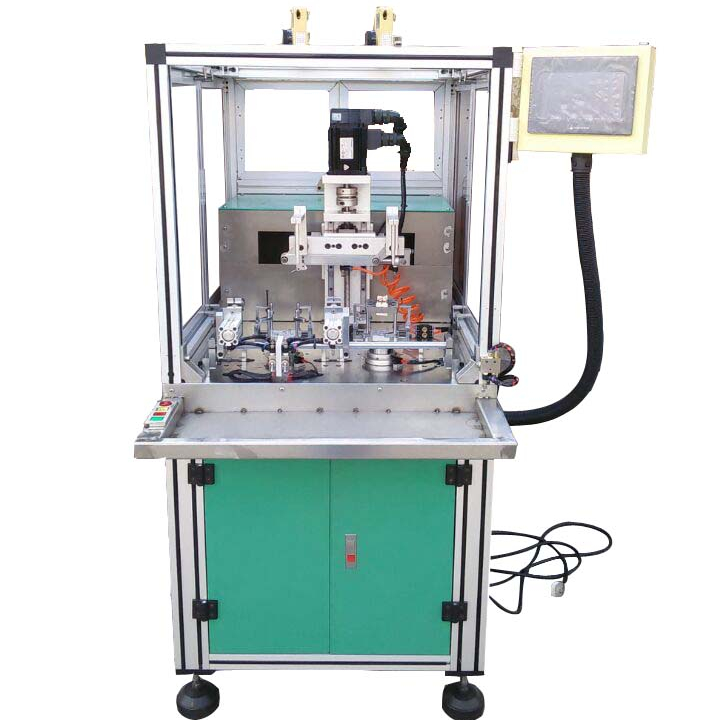
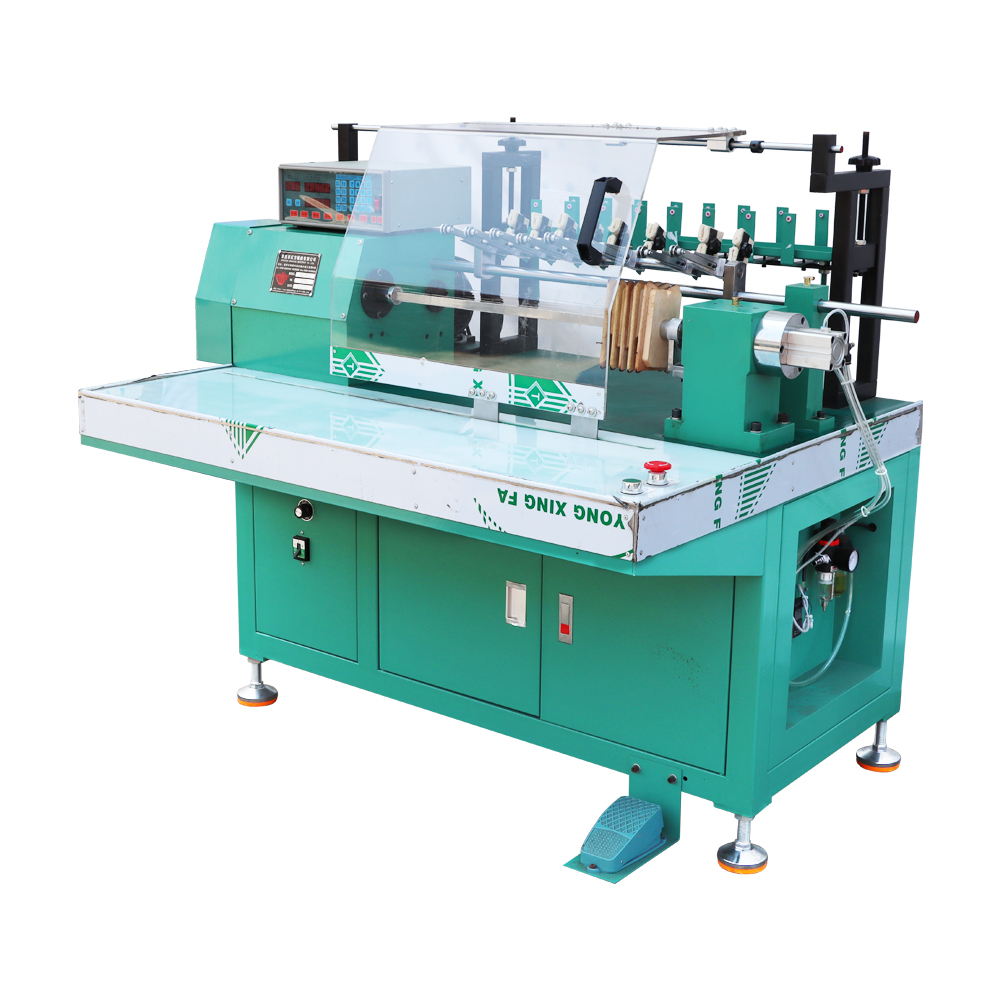
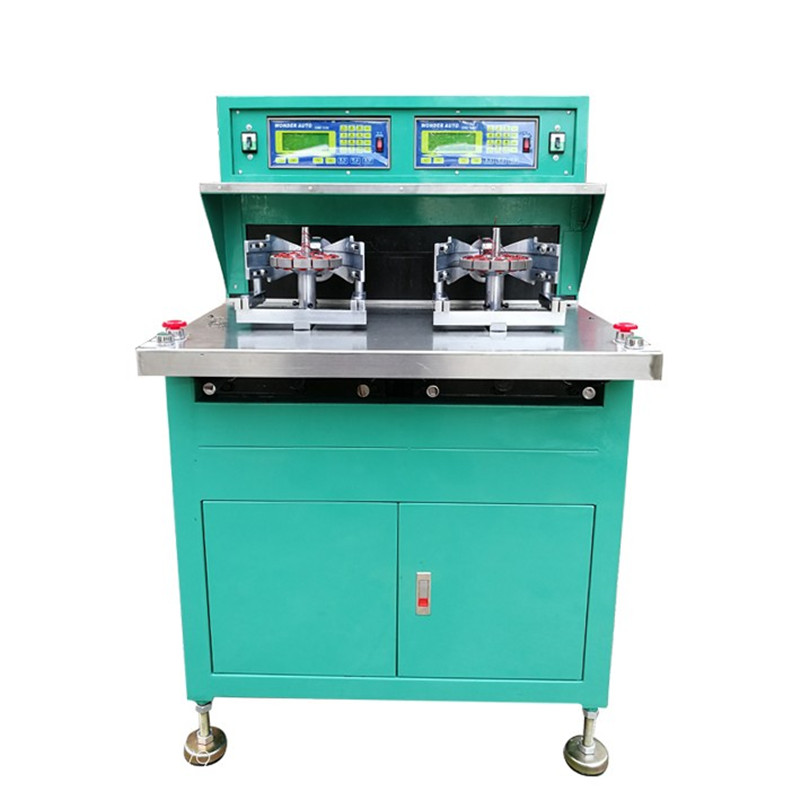
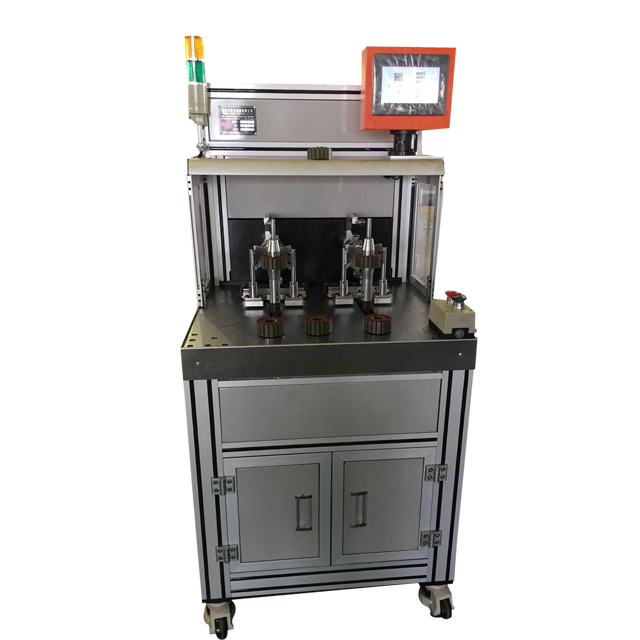
High-Efficiency Stator & Rotor Processing Solutions
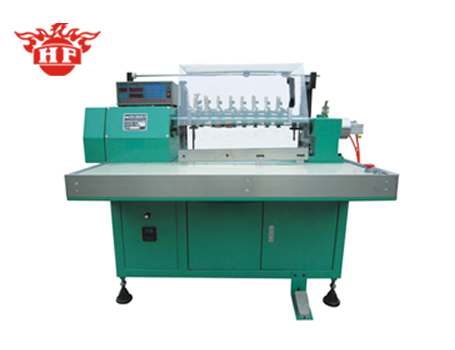
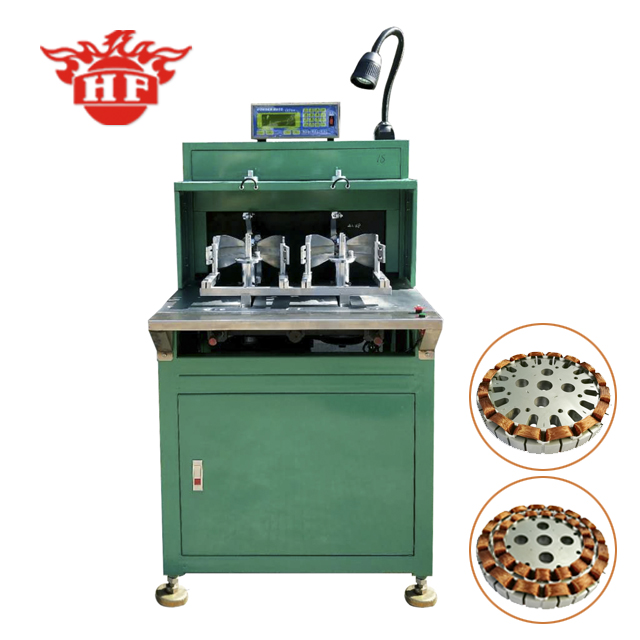
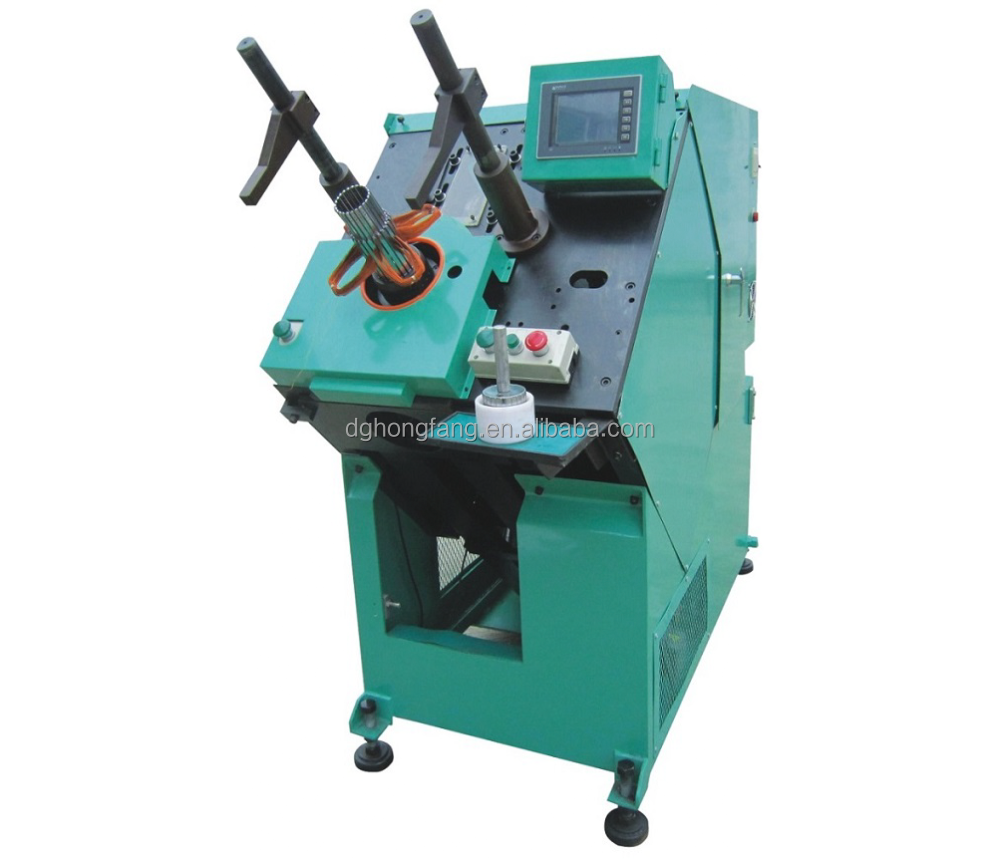
Engineered to handle copper and aluminum magnet wires with strict tension control, robust PLC systems, and customized slot tooling for high-yield manufacturing.
Market Deep-Dive
Localized Applications Across Argentine Industrial Hubs
Tailoring automation technology to the specific industrial landscape of Córdoba, Buenos Aires, Rosario, and Tierra del Fuego.
Strategic Integration in the Argentine Industrial Fabric
Argentina's electric motor manufacturing sector maintains a proud legacy of heavy engineering, automotive assembly, and domestic appliance fabrication. In industrial epicenters such as Greater Buenos Aires (San Martín, Tres de Febrero, Quilmes) and Córdoba’s mechanical cluster, factories are transitioning from legacy manual and semi-mechanical coil-winding apparatus toward advanced CNC and PLC-driven multi-station winding architectures.
The national energy strategy and grid variability place strict requirements on motor operational standards. Manufacturers producing submersible water pumps for the Pampas agricultural basins, HVAC blower units, and commercial refrigeration compressors demand stator and rotor winding machinery capable of tight slot fill factors, minimal wire scraping, and impeccable insulation stability under volatile voltage fluctuations.
⚙
HVAC & Home Appliance Cluster
Operating extensively in Buenos Aires and Santa Fe provinces, appliance manufacturers require high-speed, dual-station winding equipment for ceiling fans, standing fans, and washing machines. Our machines process enamelled aluminum and copper wire (0.1–1.2 mm), giving Argentine assemblers dynamic material substitution options to control bill-of-materials costs without sacrificing magnetic circuit throughput.
💧
Agricultural Pumping & Irrigation
The Argentine agro-industrial belt relies on high-torque single-phase and three-phase induction pump motors. Our winding setups accommodate thick lamination stacks and deep slot geometries, facilitating rapid wedge insertion and precise coil turn distribution to prevent internal phase short-circuits during severe pumping cycles.
🚗
Automotive Alternators & Starters
Centered around Córdoba's automotive assembly ecosystem,Tier-1 and Tier-2 suppliers deploy our armature winding and commutator-turning machinery. Precision-balanced rotor turning preserves microscopic concentricity and exact shaft press fits, ensuring parts run within the tight tolerances mandated by global OEMs.
Industry Trends
Modernization Drivers in Argentina's Electromechanical Sector
Overcoming macroeconomic challenges through capital efficiency, energy transition, and automated precision.
🔌
IRAM Efficiency Compliance
Adherence to IRAM 2160 / 62405 (energy efficiency ratings equivalent to IE2/IE3) requires dense slot fills and uniform electromagnetic end turns. Automated winding prevents conductor strand distortion, minimizing resistive losses and reducing heat buildup across continuous-duty cycle profiles.
⚖
Flexible Dual Metallurgy
Rising commodity costs demand rapid changeovers between pure electrolytic copper wire and enameled aluminum wire. Zunqi tensioners are engineered with polished ceramic guides and digital damping to eliminate elongation or micro-cracking across brittle aluminum insulation layers.
💰
Capital-Efficient Line Setup
High capital costs make total automated line replacement challenging for medium enterprises. Our modular architecture allows Argentine plant managers to start by replacing single-step bottlenecks—such as slot paper insertion or coil lacing—before adding end-to-end multi-station stations.
🔧
Open Industrial Automation
Procurement teams in Argentina require machines built with globally serviceable components. Our control cabinets use globally recognized PLCs, touchscreens, and pneumatic elements (Siemens, Schneider, Delta, Airtac) to ensure quick on-site maintenance without overseas software locks.
Production Engineering
End-to-End Motor Assembly Synchronization
A structured, sequential engineering workflow designed to maximize stack integrity and minimize rejection rates on testing lines.
❶
Slot Insulation
High-precision machines like the HF-D50 automatically crease, cut, and insert DMD or Nomex paper into stator slots, creating consistent ground-wall dielectric strength.
❷
Precision Winding
Multi-station automated flyers wind copper or aluminum conductors directly into flyer heads or transfer cups with closed-loop programmable turn counters.
❸
Coil & Wedge Insertion
Simultaneous push blades transfer pre-formed coil loops and top wedges into lamination slots in a single stroke, avoiding insulation-shearing friction.
❹
Forming & Lacing
Intermediate and final hydraulic presses size the coil heads, followed by servo-driven double-side lace stitching to secure end turns against rotational vibration.
❺
Rotor Turning & Press
Outer surface diamond-tipped fine-turning achieves balanced runout tolerances, followed by hydraulic shaft press-fitting to protect bearing seat alignments.
Why Partner With Us
Manufacturing Authority & Production Integrity
Direct manufacturing capability from Qishi Town, Dongguan. Backed by 17 years of specialized electromechanical export engineering.
🏢
Dedicated Chinese Manufacturing Hub
Operating out of Dongguan, China—one of the world's most concentrated precision motor tooling hubs—Zunqi integrates proprietary machining facilities, CNC tool production, electrical programming desks, and dedicated customer run-off bays under unified quality management.
📝
Tailored Tooling to Your Drawings
We do not sell rigid off-the-shelf equipment. Every tooling module (former guides, insertion blades, lacing arms, and collets) is built to the exact specifications of your stator/rotor CAD blueprint (ID, OD, stack height, wire gauge, and turn specifications).
📹
Pre-Shipment Trial Run & Video Sign-off
Before crate assembly and maritime export, your machine runs on your physical core samples at our facility. We provide high-definition operational run videos, cycle times, wire-tension reports, and electrical megger inspection files prior to balance release.
Procurement Guidance
Frequently Asked Questions by Argentine Technical Buyers
Clear, direct answers regarding Argentine grid compliance, import logistics, localized tooling, and machine maintenance.
Are machines compatible with the Argentine electrical grid (220V/380V at 50Hz)? +
Yes. While domestic Chinese industrial standard runs at 50Hz, our electrical systems and motors are fully tailored to Argentina's national electrical parameters (Single-phase 220V 50Hz for standalone appliances or Three-phase 380V 50Hz for industrial plants). Power supply configurations, transformers, and frequency inverters are calibrated and bench-tested specifically for 50Hz line frequencies before shipment.
How does your company support Argentine import requirements (SIMI/SIRA, dispatch documentation)? +
With 17 years of worldwide machinery export experience, our documentation team works closely with your Argentine customs brokers (Despachantes de Aduana). We provide comprehensive commercial invoices, detailed packing lists, fumigation-free wooden crate certificates, HS code classifications (typically under 8479.81 or 8479.89), and Certificate of Origin documents to simplify clearance across ports like Buenos Aires, Zárate, or Rosario.
Can one winding machine be adapted for different stator stack heights and slot configurations? +
Yes. Our multi-station and two-station winding series feature quick-release modular tooling. Stack height adjustments are easily made via precision linear guides and digital parameter changes on the HMI touchscreen. For stator designs with different slot numbers or inner bore diameters, we provide swappable tooling packs (formers, guides, push-fingers) that can be changed out on your factory floor in under 30 minutes.
Can your equipment wind both copper and aluminum magnet wires without snapping the conductor? +
Yes. Processing aluminum wire demands lower, highly consistent wire tension to prevent elongation and enamel fracturing. Our winders incorporate adjustable magnetic or electronic servo tension controls, coupled with mirror-polished wire feed pathways and ceramic guide eyes to eliminate sharp bends and keep the protective wire enamel completely intact.
What after-sales service and spare parts support is available for Argentine customers? +
Every machine is backed by a 1-year comprehensive mechanical and electrical warranty. We provide clear, English-language technical schematics and complete manual sets. In addition, we supply a complementary wear-and-tear kit (spare cutting blades, ejector pins, belts, sensors) in the shipping crate. For ongoing operations, our engineers offer remote setup guidance, video diagnostic support, and priority air freight on customized replacement parts.
Plan Your Automated Stator & Rotor Production Line
Send your stator/rotor technical drawings, target cycle times, and preferred electrical specs. Our engineering team will review your data and respond within 9 hours with a complete equipment recommendation.
Contact Us