Armature Specialist
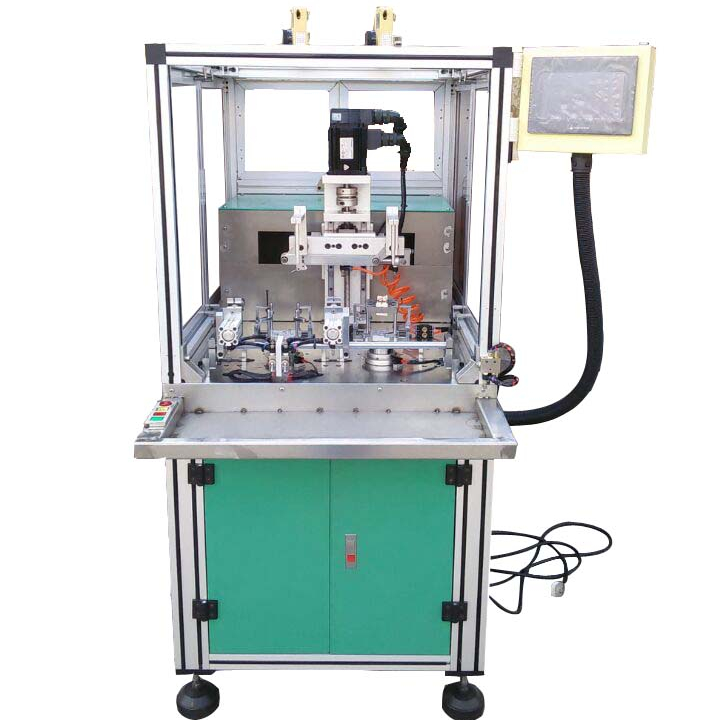
Hot Sale Armature Winding Machine for Fan Motor
- Automated high-tension flyer spindle
- Microprocessor slot-indexing setup
Direct factory supply of certified motor manufacturing systems. Engineered in Dongguan and built with industrial PLC architectures for heavy continuous duty cycles.
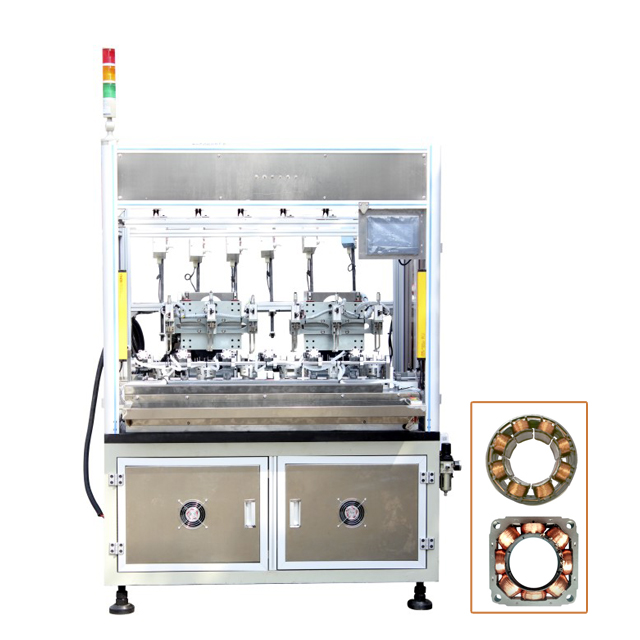
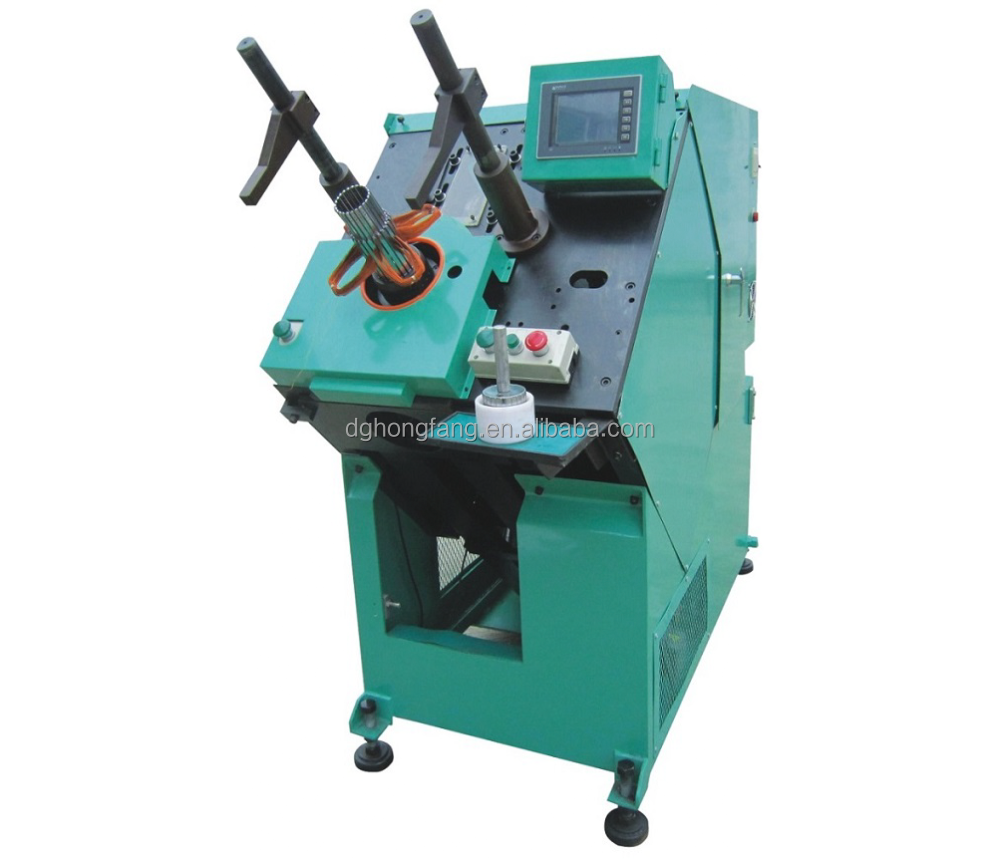
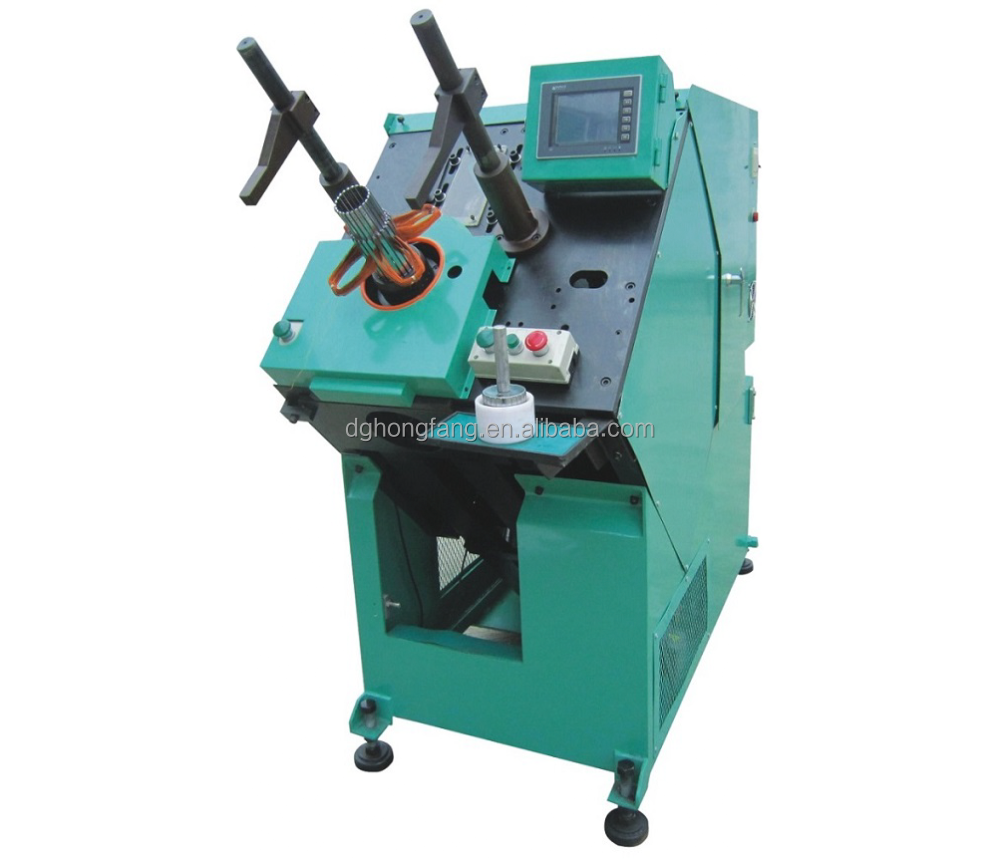
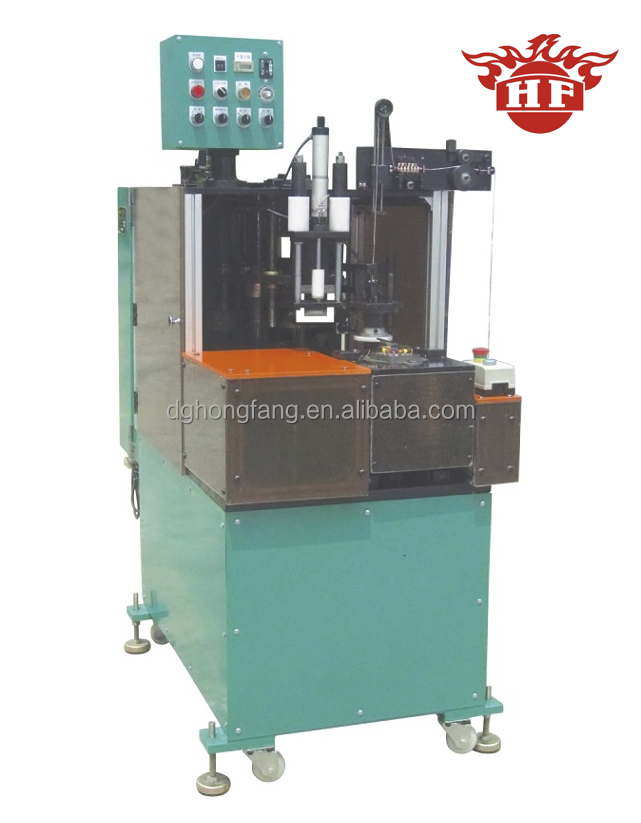
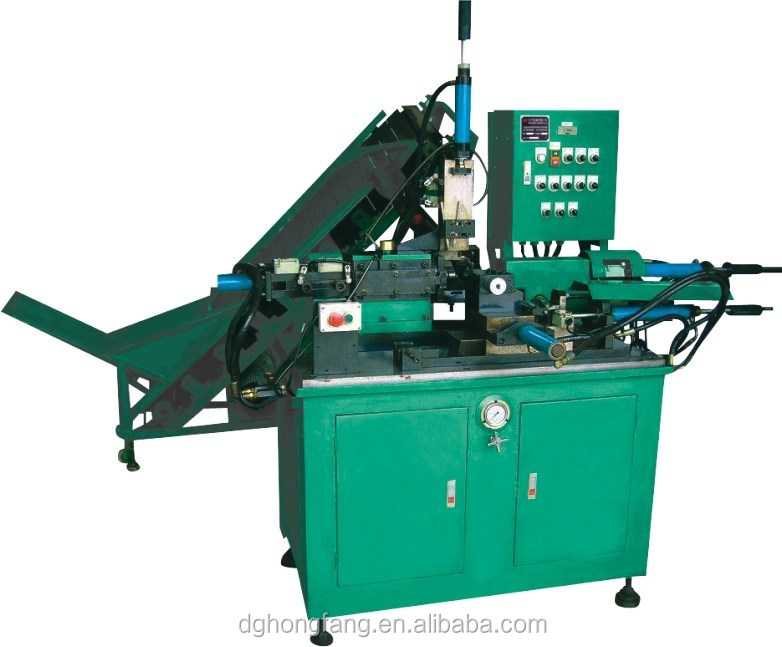
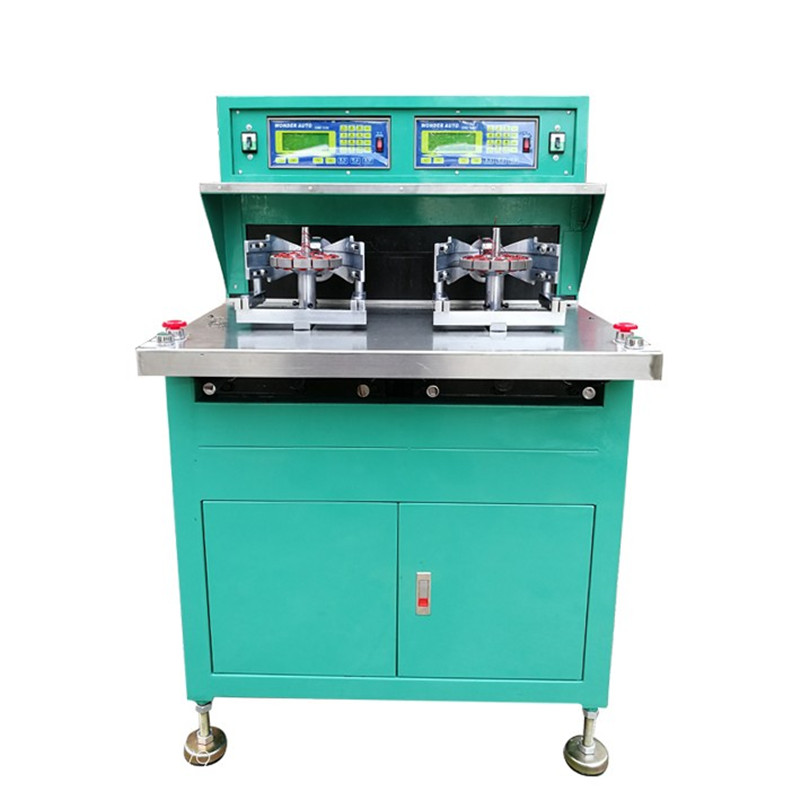
As the industrial capital of the Colombian Caribbean, Barranquilla occupies a geostrategic position through the Magdalena River logistics artery and the active Free Trade Zones (Zona Franca de Barranquilla and Zona Franca Las Américas). The local electromechanical, maritime retrofit, water filtration, and HVAC manufacturing sectors are undergoing an assertive modernization drive. However, operating rotating electrical machinery along the Caribbean coastline introduces severe thermodynamic and mechanical challenges: persistent ambient relative humidity frequently exceeding 85%, high airborne salinity, and ambient temperatures regularly climbing beyond 34°C.
Under these rigorous maritime-tropical boundary conditions, any deviation in the dynamic electric motor air gap becomes catastrophic. In induction squirrel-cage rotors and permanent magnet synchronous motors (PMSM), parasitic surface currents, harmonic chatter, and unbalance-induced thermal accumulation cause rapid dielectric breakdown of stator insulation. Achieving micron-level geometric precision through dedicated rotor turning equipment is no longer an optional finishing pass; it is the fundamental baseline for meeting international energy performance indices such as IEC 60034-30-1 (IE3/IE4 standards) and domestic RETIE certification across Colombia.
Traditional manual lathing procedures generate unacceptable lamination shorting (inter-lamination smearing) across the outer diameter of the rotor pack. When standard high-speed steel or inappropriately profiled inserts score the electrical steel laminations (silicon steel stacks), the insulated edges burr together. This defect creates localized short-circuit loops that dramatically increase rotor eddy current losses, producing extreme parasitic heat before the shaft delivers nominal load.
Our OEM/ODM rotor turning systems, particularly models such as the HF-C60, integrate high-speed diamond-tipped (PCD) or cubic boron nitride (CBN) cutting paths paired with automated programmable feed tables. By executing clean, ultra-low shear cutting passes across the outer stack surface, our machinery completely eliminates lamination smearing while preserving pristine insulation bar boundaries. The finished rotor core achieves an air-gap circular runout tolerance within ±0.005mm and axial concentricity relative to bearing journal shoulders that strictly conforms to ISO 1940-1 grade G1.0/G2.5 dynamic balancing specifications.
Calibrated parameters for industrial rotor production lines:
Require custom tooling for non-standard laminations or shafts?
Send an InquiryOur rotor turning and stator winding apparatus operate at the point of manufacture, tailored to the specific mechanical stresses of the Atlántico Department.
Barranquilla's intensive maritime berths along the Bocas de Ceniza estuary demand high-torque hoist, mooring, and gantry traction motors. Marine-grade air gaps finished on our machines resist salt-crust accumulation, thermal runaways, and vibration caused by wave-impacted wharf operations.
Supplying the booming residential and commercial construction in Barranquilla and Cartagena, fan and refrigeration compressor assemblers utilize our fine-turning equipment (HF-C60) and automatic lacing units to minimize electrical hum, bearing wear, and energy consumption in high-humidity airflow loops.
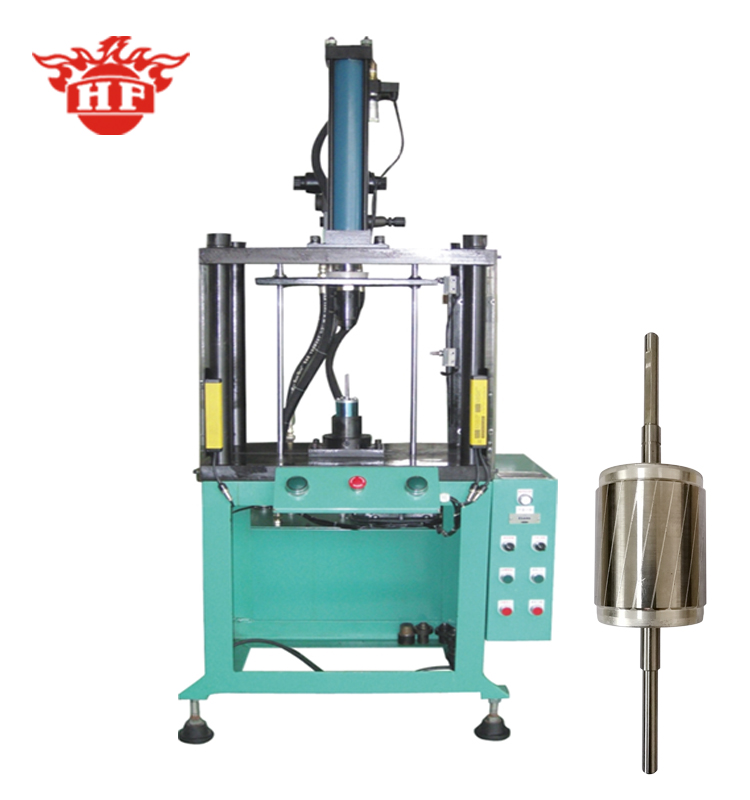
For agricultural irrigation throughout the lower Magdalena river basin and deep-well industrial processing, rotors pressed with our HF-W50 hydraulic stations and turned to micro-tolerances prevent seal rupture and avoid rotor-to-stator wall collision during intensive seasonal operation.
Market and regulatory shifts reshaping the electrical manufacturing landscape in northern Colombia and the wider Andean region.
Colombia's strict updates to RETIE regulations emphasize efficiency compliance across industrial induction installations. Local motor rebuilders and assemblers are transitioning away from manual workshop machining toward automated OEM rotor cutting to certify units against IE3 efficiency ratings.
With international supply chain restructuring, companies established in the Zona Franca de Barranquilla are exporting assembled electromechanical components directly to Central America, the Caribbean basin, and the US Gulf Coast, necessitating traceable machinery with automated precision.
Appliance and ventilation manufacturers across Colombia are moving rapidly from conventional shaded-pole motors to BLDC motors. This trend demands higher manufacturing tolerances during inner stator winding and dynamic external rotor surface cutting to safeguard rare-earth magnetic arrays.
Decades of manufacturing authority anchored in Dongguan's precision industrial belt, serving global electromechanical innovators.
Over seventeen years of continuous export transactions, on-site verified production facilities, and an established supply network covering the Americas, Europe, and Asia.
No generic dies. We manufacture inserting blades, winding heads, and turning chucks built specifically to your stator and rotor physical samples and technical CAD drawings.
Equipped with globally standardized PLC hardware (Siemens, Mitsubishi, Delta) and industrial components (Schneider, SMC) ensuring easy local maintenance in Colombia.
We test-run your exact wire size and lamination stack at our factory. High-definition functional video and parameter documentation are approved before crating.
Essential technical, commercial, and logistics information for Colombian electromechanical engineering firms.
Industrial facilities in Barranquilla and the surrounding Atlántico Department typically operate on 220V three-phase or 440V three-phase at 60 Hz, while auxiliary single-phase controls run on 110V/220V 60Hz. Prior to assembly, our electrical design team calibrates transformers, servo power supplies, and PLC wiring harnesses specifically for your facility's local line voltage and frequency, ensuring seamless plug-and-play commissioning without overheating auxiliary drives.
Our HF-C60 fine turning machines utilize rigid bed castings with vibration-damping characteristics, combined with specialized cutting geometries and ultra-sharp tool profiles (PCD/CBN). By tightly regulating the feed rate and spindle velocity via servo control, the tool produces a shearing action that cuts clean through individual silicon steel sheets without bending or dragging lamination burrs across adjacent insulation barriers, keeping eddy current losses within design thresholds.
Production and custom tooling fabrication typically take between 25 and 35 working days following sample approval. Maritime freight from Shenzhen/Guangzhou ports to the Sociedad Portuaria Regional de Barranquilla (SPRB) or Puerto de Cartagena averages 28 to 35 transit days. All equipment is vacuum-sealed in VCI anti-corrosion barrier foil, desiccant-loaded, and anchored inside heavy-duty fumigation-free plywood export crates designed for ocean transshipment.
Yes. Our rotor turning systems feature modular quick-change clamping mandrels and programmable stroke adjustments. A technician can shift between different rotor stack heights and shaft diameters within 15 to 20 minutes by simply swapping collets and selecting the stored part program on the PLC touch panel.
Every piece of machinery includes a comprehensive 1-year comprehensive factory warranty and an export consumable pack (cutting tips, belts, limit switches, pneumatic seals). We provide remote video-guided commissioning, detailed English/Spanish operator documentation, and direct engineer-to-engineer technical support via live conferencing within our guaranteed ≤9-hour response window.
Consult with our motor manufacturing engineers today. Submit your rotor and stator blueprints to receive custom tooling proposals, cycle-time calculations, and competitive factory-direct quotations.
Send an Inquiry